From 2,500 km/h to 30,000 km/h: How fighter jets and space shuttles defy gravity

Fighter jets and space shuttles may fly in different zones, but they share powerful tech from heat protection to precision controls. Learn how these high-speed machines defy gravity, survive extremes, and shape the future of flight and space travel.
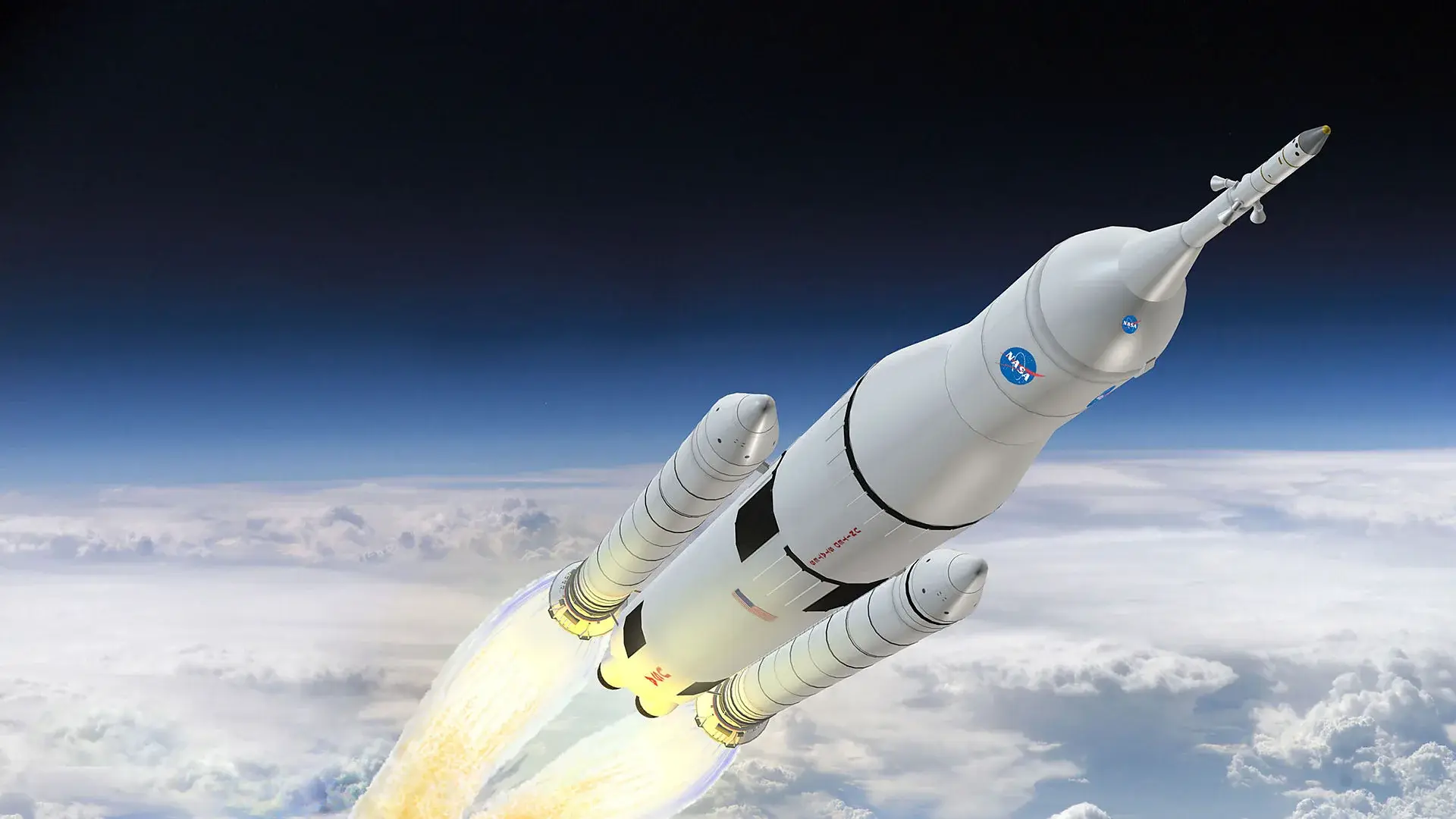
Defying Gravity: Jets vs. Shuttles
Fighter jets and space shuttles push the limits of speed and technology. While jets fly inside Earth’s air, shuttles soar into space and then return. Both need smart designs to survive harsh conditions. Engineers learn from both to improve how we travel and work in the sky and beyond.
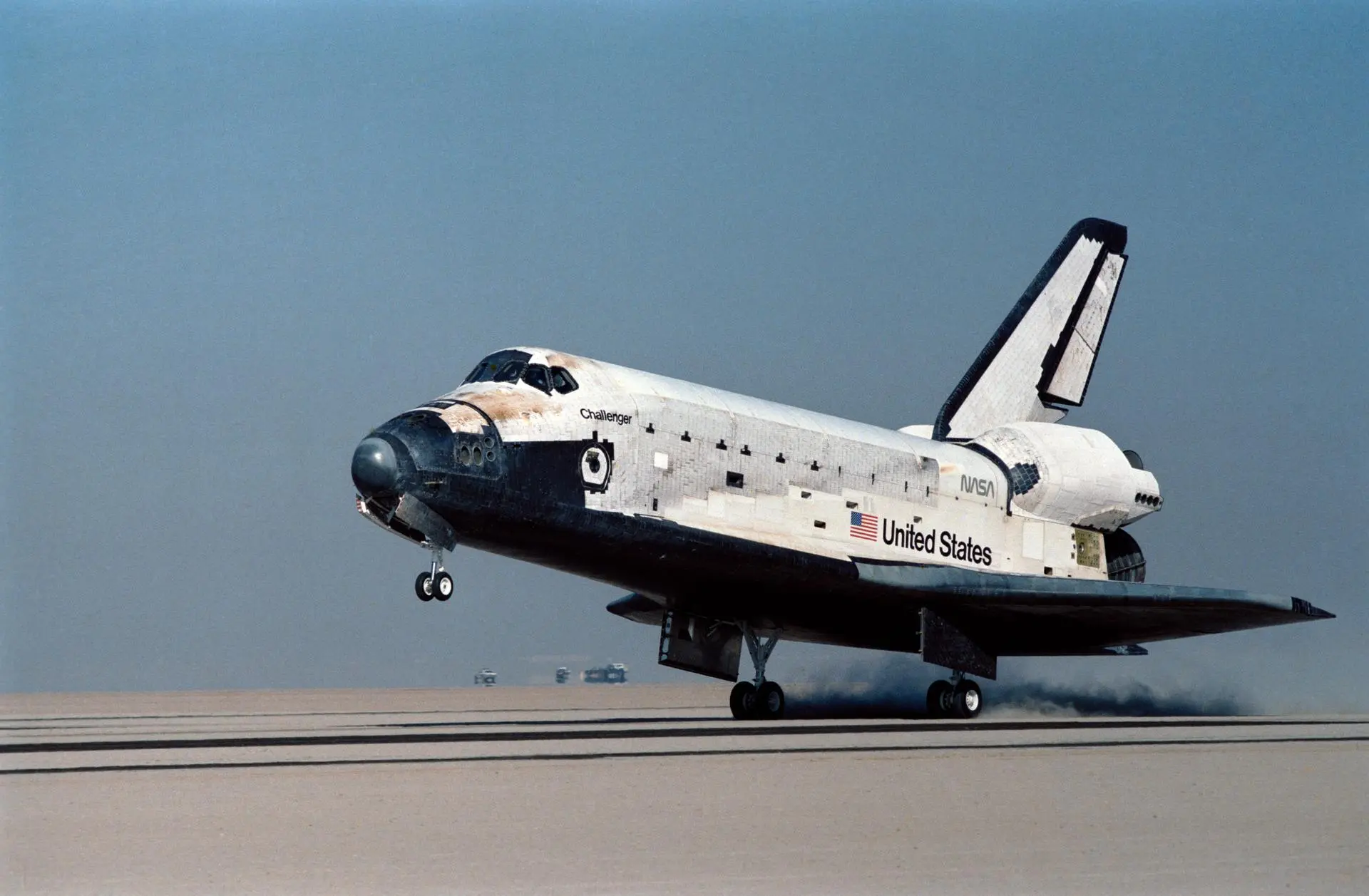
Beating the Heat Thermal Protection
Shuttles use special tiles made of porous silicon to survive re-entry heat as high as 2,300°F (1,260°C). Fighter jets, like the F-15, use titanium and heat-resistant alloys to handle the high temperatures of supersonic flight. Both systems are built to keep crews and equipment safe from burning friction.
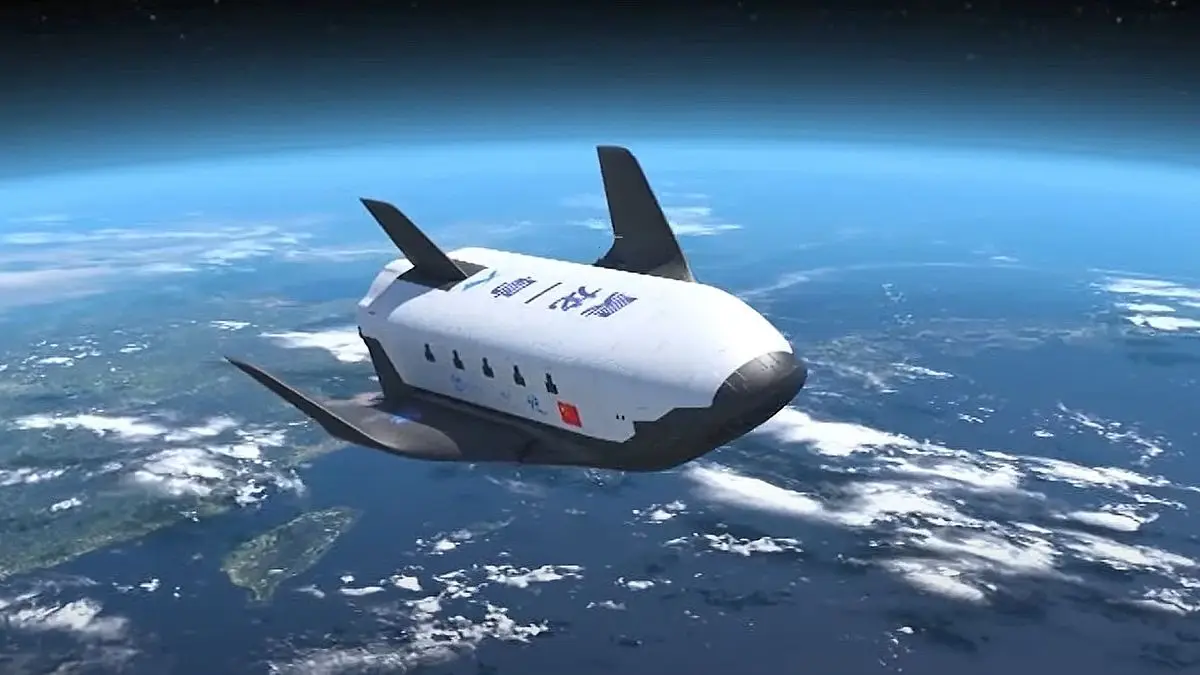
Aerodynamic Design Fast and Stable
Jets and shuttles both fight drag. Fighter jets have slim bodies and wings built for high-speed turns and quick climbs. Shuttles are shaped to glide safely back through Earth’s atmosphere after orbit, needing stability at many speeds. Their shapes are fine-tuned for their tough jobs.
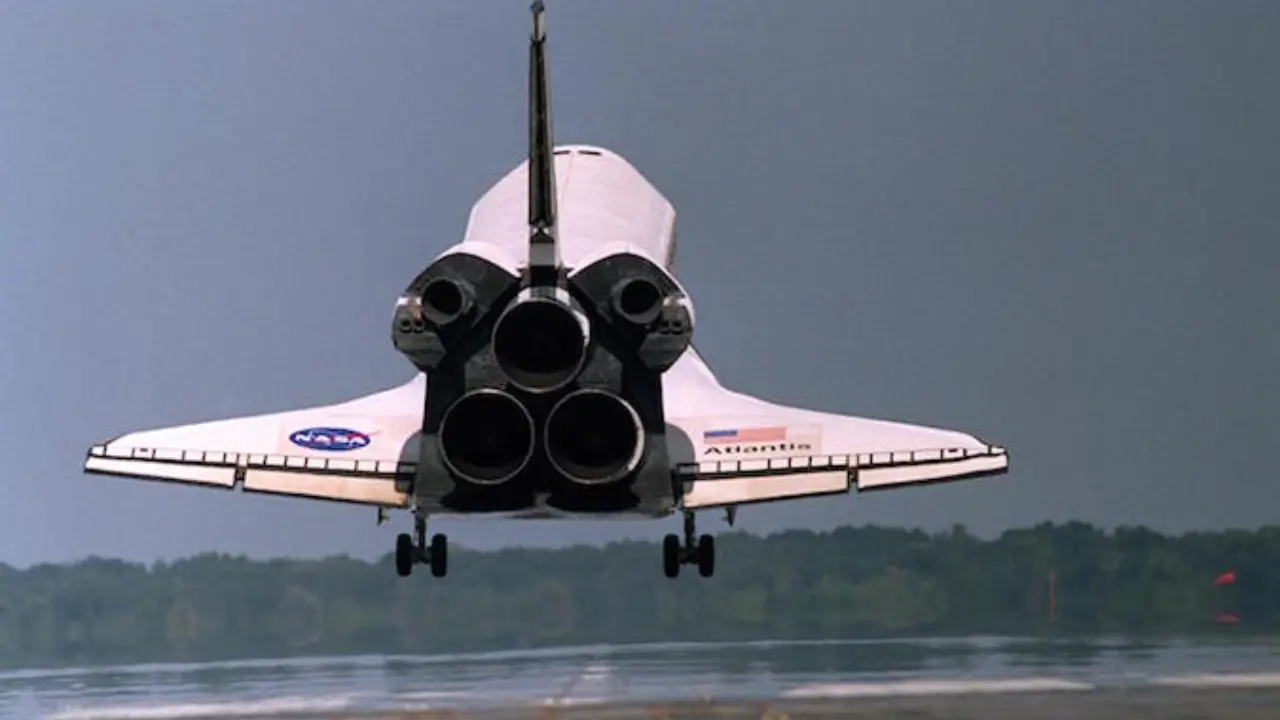
Propulsion Engines for Every Mission
Fighter jets mostly use turbojet or turbofan engines, sucking in air for thrust and speed. Space shuttles have main engines using liquid fuel and powerful solid rocket boosters to blast off from Earth. Both need strong engines, just tuned for the skies or outer space.
Handling the Forces Training for Extremes
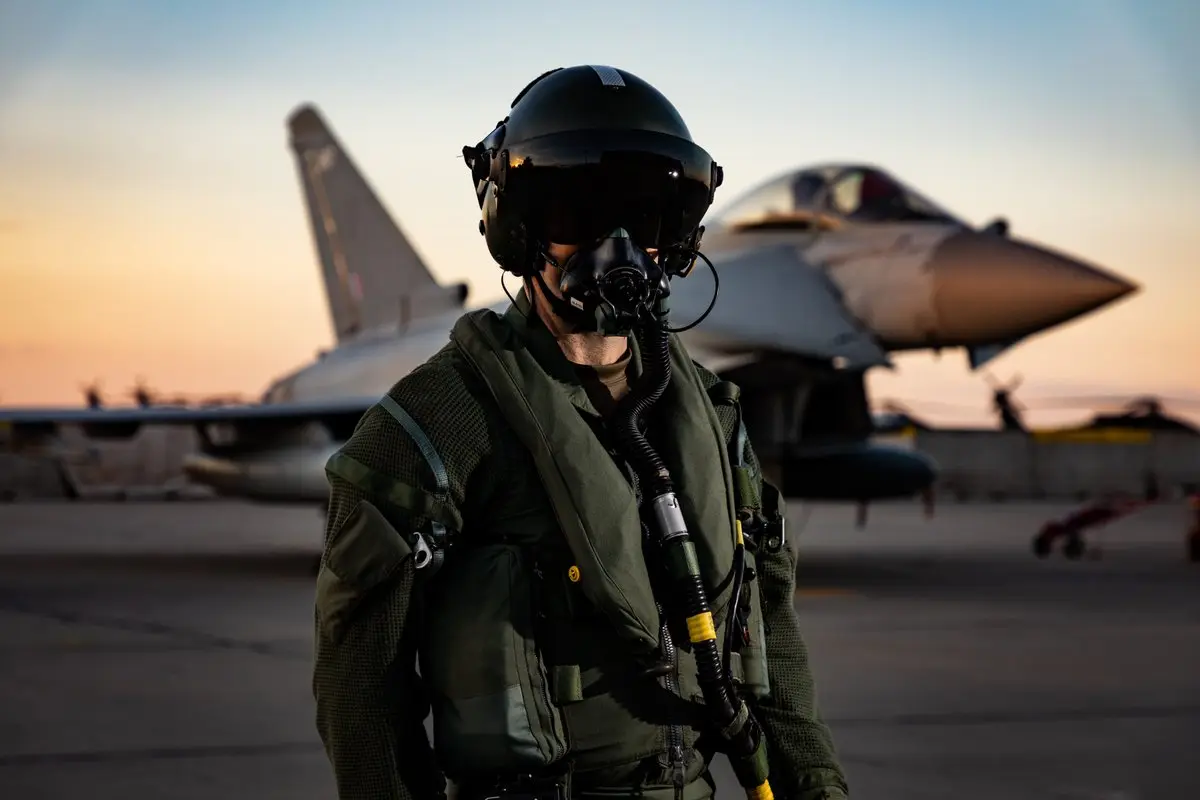
Jet pilots and astronauts both train to cope with high G-forces that push blood away from the brain, risking blackout. They use human centrifuge tests and wear G-suits to stay alert and safe during wild rides. Mastering these forces is key for survival in any cockpit.
High-Tech Navigation
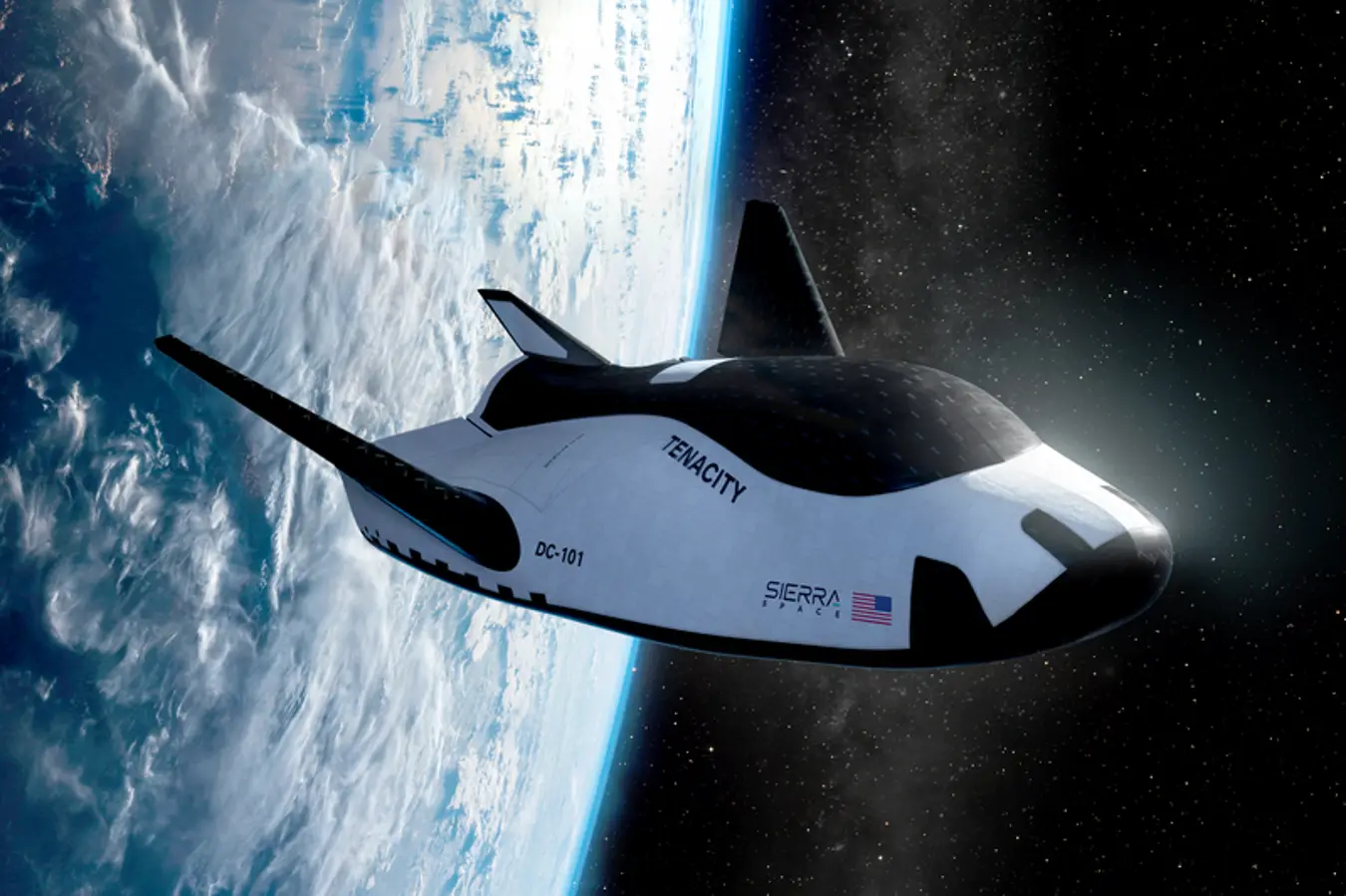
Fighter jets rely on GPS, radar and advanced avionics to find their way and win dogfights. Space shuttles use star trackers and computers to guide them in orbit and through re-entry. Precise control is vital for both, helped by technology from aerospace leaders.
Shared Innovation What’s Next?
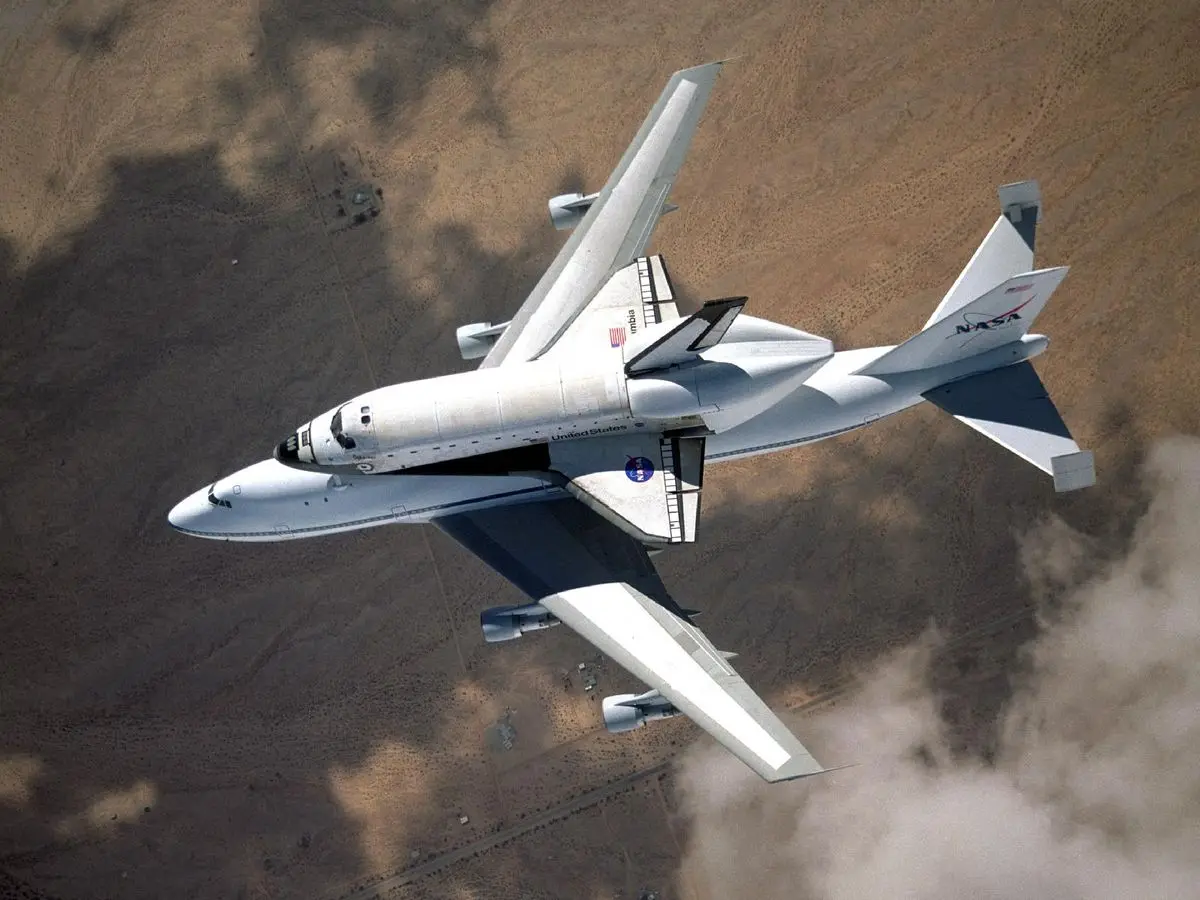
From heat shields to navigation, fighter jets and space shuttles share solutions that push technology forward. Each new breakthrough may start with jets or shuttles; which often helps both to go farther, faster, and higher.
)
)
)
)
)