From 1st to 5th generation: Top 5 fighter jets that defined each era

Fighter jets have changed greatly over five generations, each bringing new technology and combat power. From the first jet Me 262 to the stealthy F-22, these planes shaped air warfare. Explore the key fighter jets that defined each era and the future of air combat. Know more below.
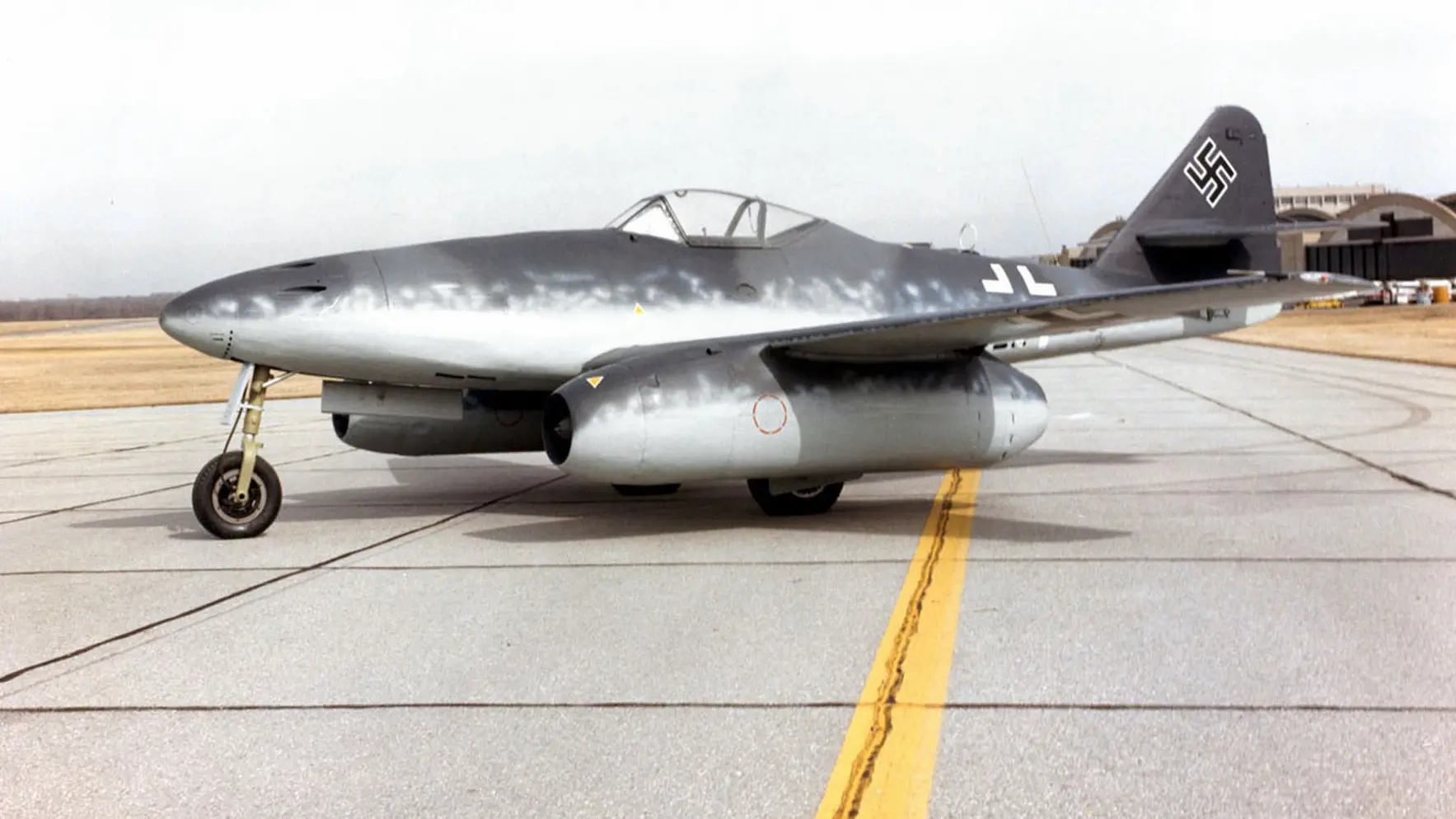
1st Generation - Messerschmitt Me 262
The first generation of fighter jets appeared during and after World War II. The Messerschmitt Me 262, developed by Germany, was the world’s first operational jet fighter. It could fly twice as fast as piston-engine planes, reaching around 870 km/h. It used early jet engines but lacked advanced radar or missiles. This plane demonstrated jet power and changed aerial combat forever.
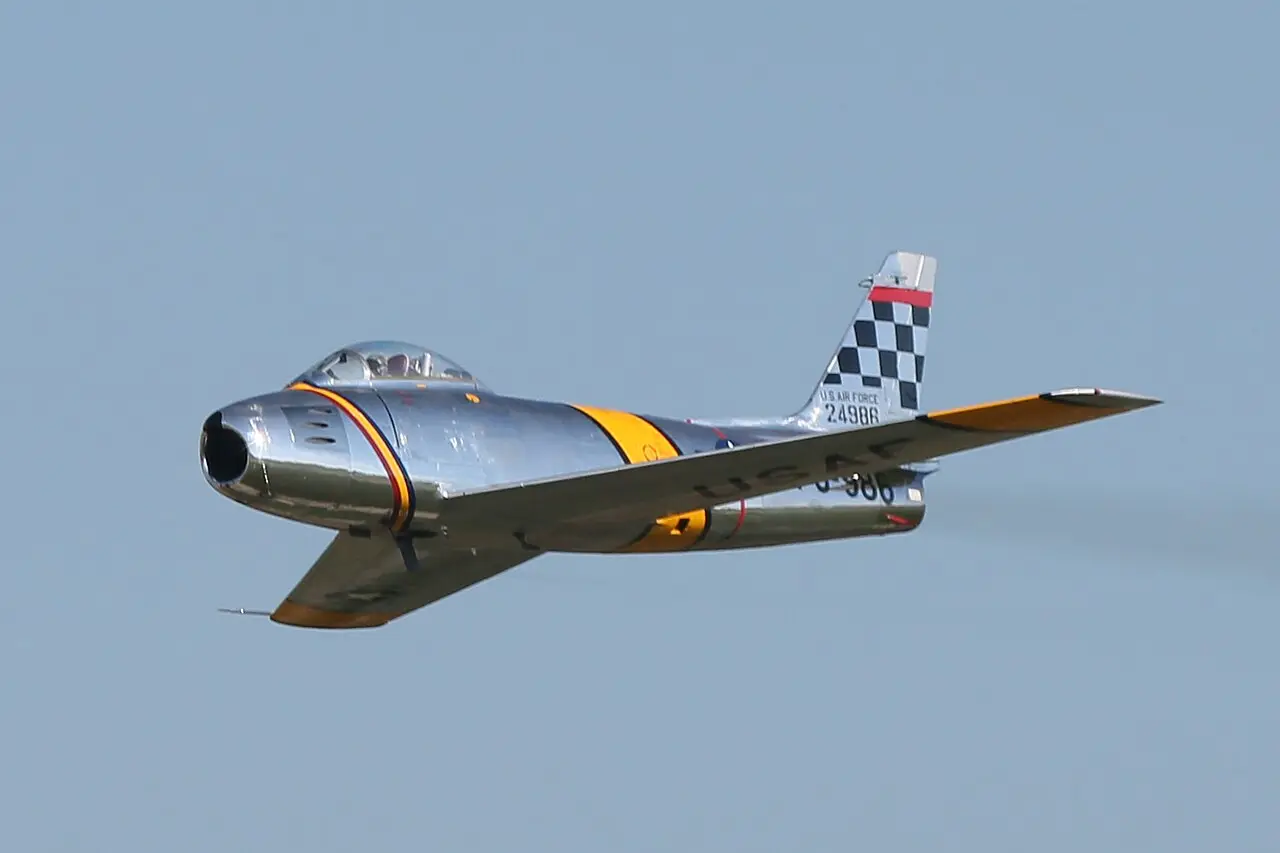
2nd Generation - F-86 Sabre
The second generation appeared in the 1950s. The North American F-86 Sabre, used in the Korean War, had swept-back wings for better speed and manoeuvrability. It used radar and early missiles alongside guns. The F-86 reached speeds over Mach 1, about 1,100 km/h, and proved that jet air combat was now the future.
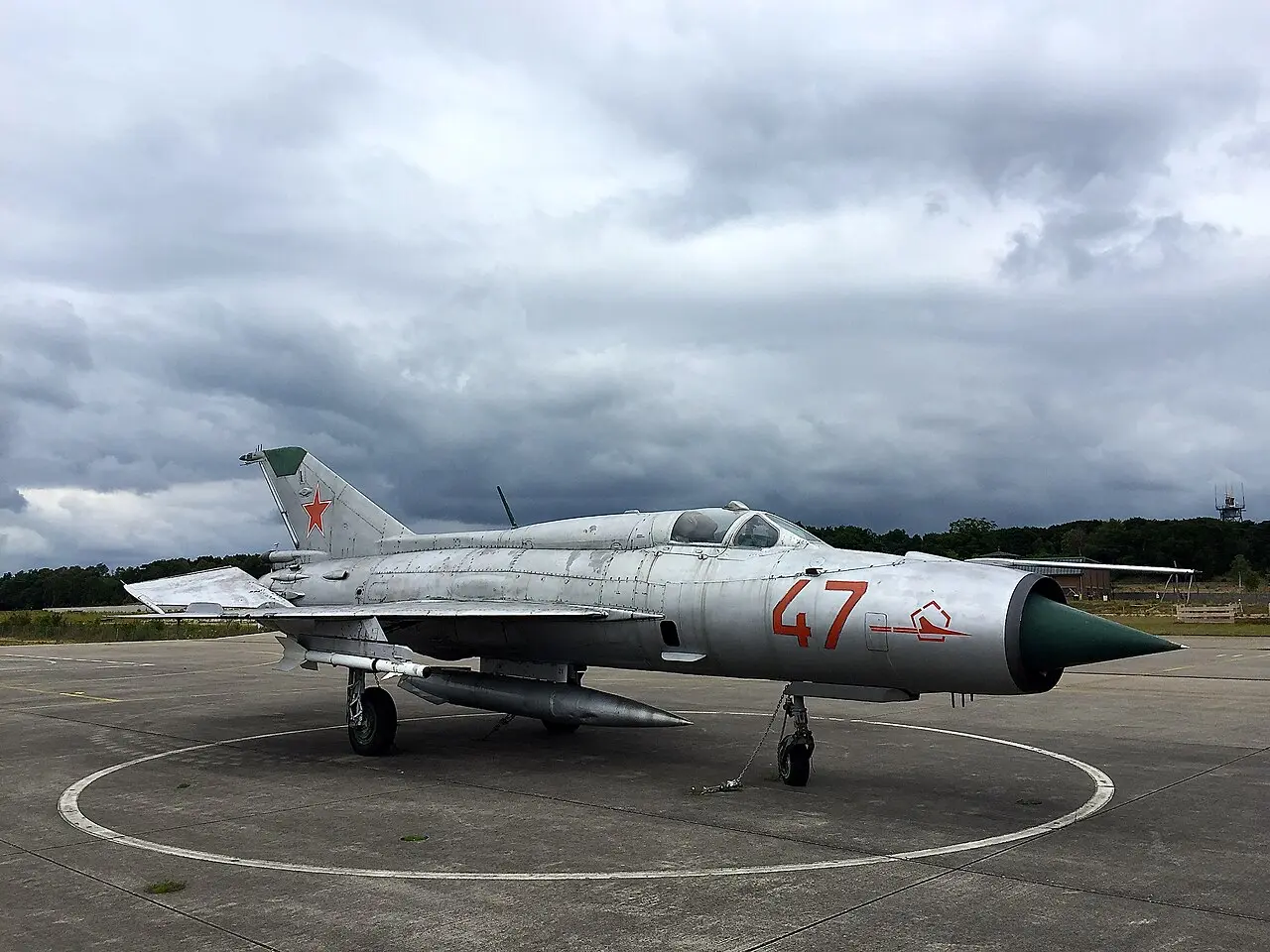
3rd Generation - MiG-21
Third generation fighters came in the 1960s and 1970s, focusing on supersonic speeds and missile use. The Soviet MiG-21 is one of the most produced jets ever, able to fly faster than Mach 2 (over 2,000 km/h). It had better radar and weapons, including heat-seeking missiles, making it effective in air combat and ground attack.
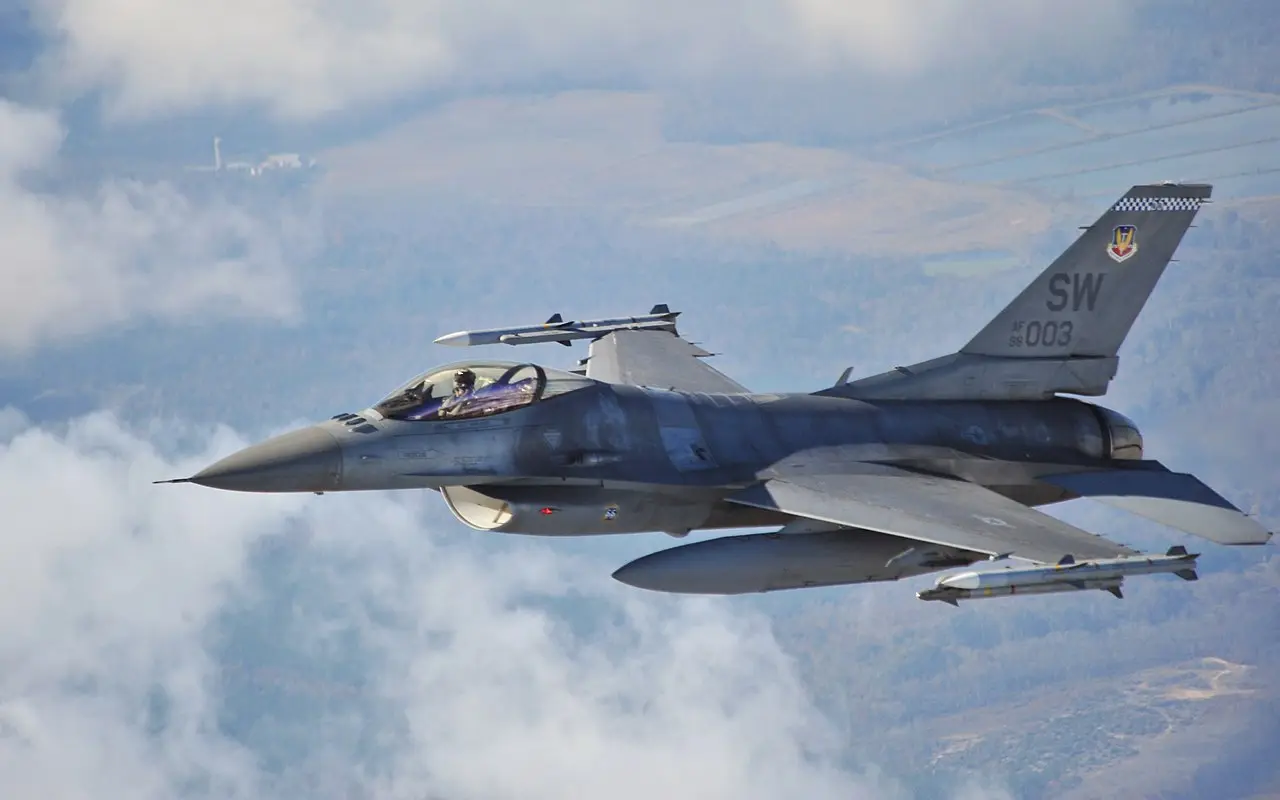
4th Generation - F-16 Fighting Falcon
Fourth generation jets arrived in the late 1970s. The F-16 Fighting Falcon introduced fly-by-wire controls, allowing better handling and agility. It combined radar-guided and heat-seeking missiles with a cannon. The F-16 can fly at nearly Mach 2 and performs both air-to-air and air-to-ground roles. It remains widely used worldwide today.
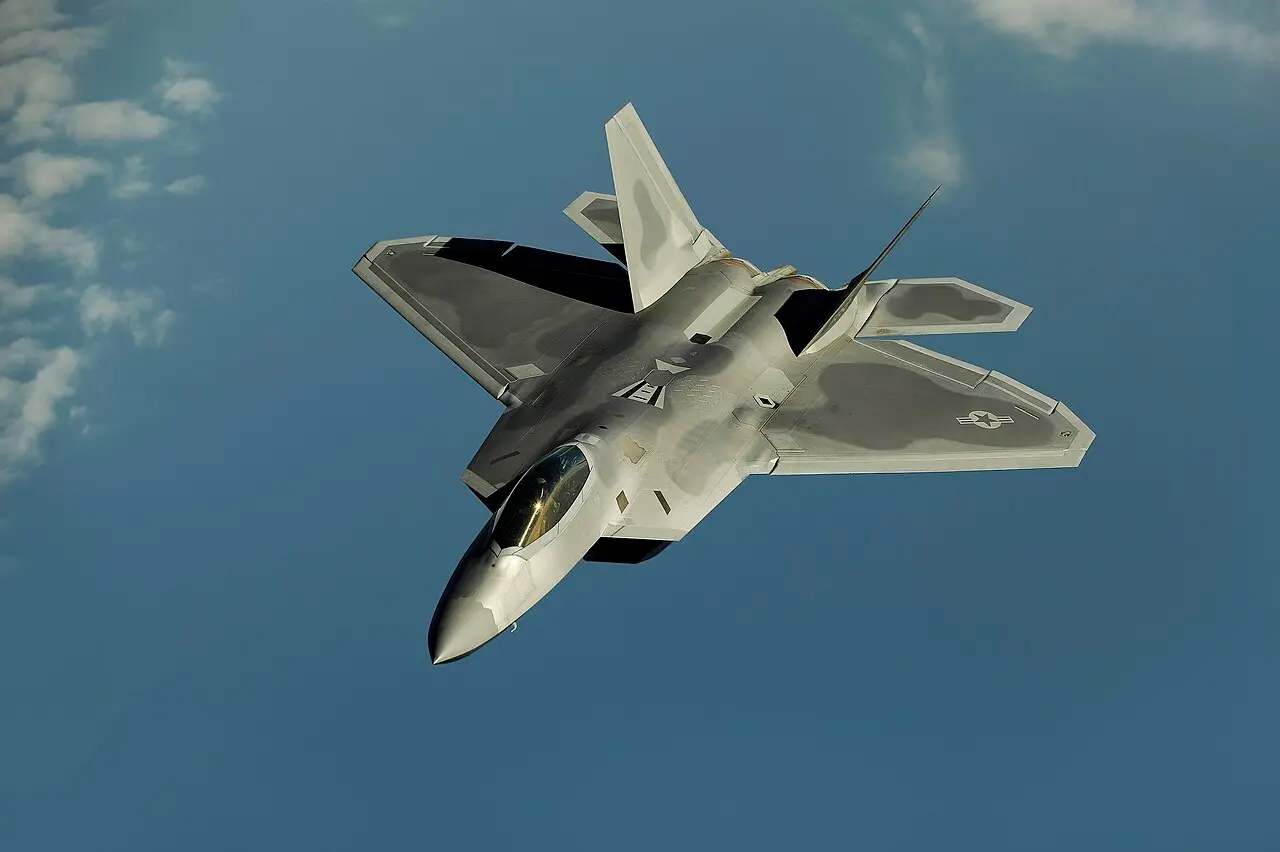
5th Generation - F-22 Raptor
The newest, fifth generation, includes stealth technology and advanced electronics. The F-22 Raptor from the US uses stealth to avoid radar detection, fly-by-wire controls, and supercruise, meaning it can fly supersonic without afterburners. It has sensors that share information with other aircraft, giving superior battlefield awareness.
)
)
)
)
)