From 1947 to 2025: The evolution of India–Saudi Arabia relations

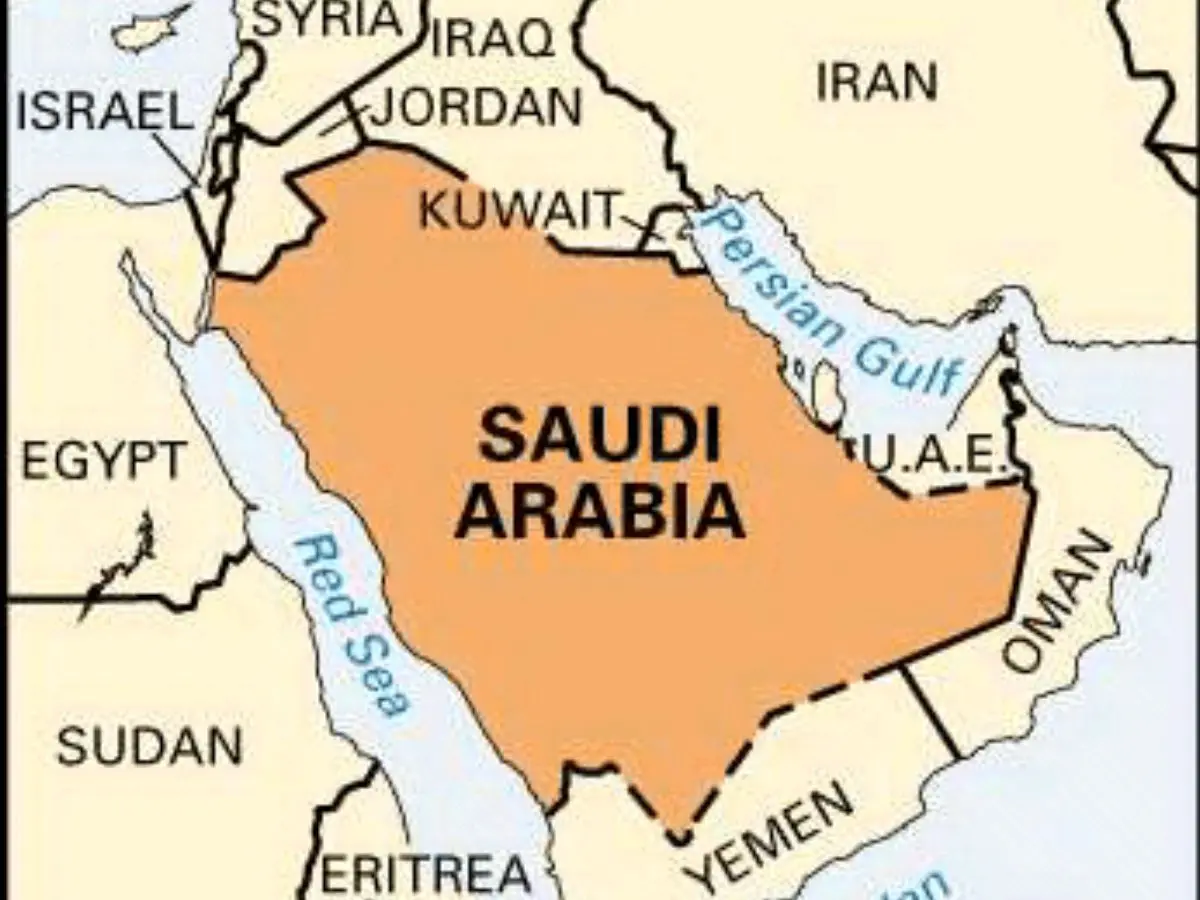
What began as a conventional diplomatic engagement has evolved into one of South Asia’s most consequential bilateral relationships, underpinned by energy security, strategic defence cooperation, and the presence of nearly 2.7 million Indians living and working in the Kingdom.
Introduction
In September 2025, Saudi Arabia and Pakistan signed a Strategic Mutual Defence Agreement, pledging that “any aggression against either country shall be considered an aggression against both.” Though the accord did not name any state, its wording was widely viewed as carrying direct implications for India. The pact has signalled Saudi Arabia’s intent to balance its South Asian partnerships. Against this backdrop, tracing the trajectory of India–Saudi Arabia relations becomes critical.
Relations between India and Saudi Arabia trace their roots to 1947, the year of India’s independence. What began as a conventional diplomatic engagement has evolved into one of South Asia’s most consequential bilateral relationships, underpinned by energy security, strategic defence cooperation, and the presence of nearly 2.7 million Indians living and working in the Kingdom.
Early Foundations and Symbolic Gestures
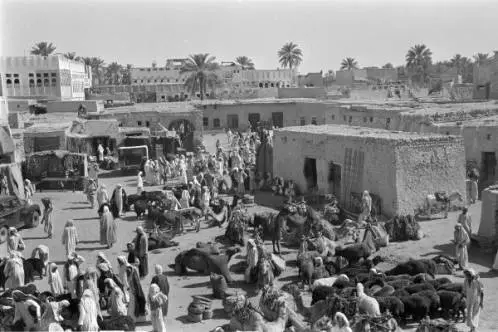
India and Saudi Arabia formally established diplomatic relations in 1947. Eight years later, in 1955, King Saud bin Abdulaziz Al Saud travelled to India, the first Saudi monarch to do sounderscoring the importance Riyadh attached to ties with New Delhi. The next major milestone came in 1982, when Prime Minister Indira Gandhi visited Riyadh, the first such visit by an Indian head of government, signalling New Delhi’s intent to strengthen engagement with the Gulf.
Strategic Partnership and the Riyadh Turn
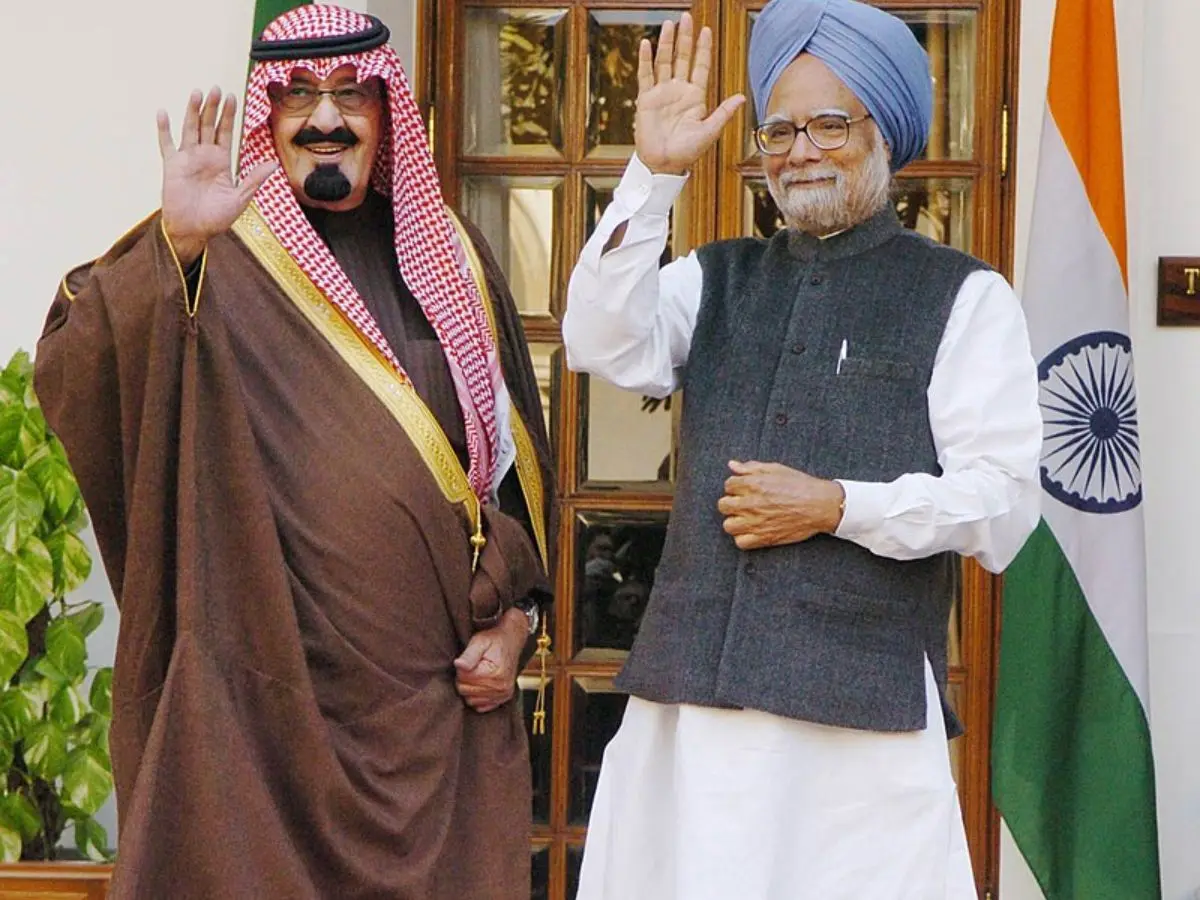
The twenty-first century marked a decisive turning point. In January 2006, King Abdullah bin Abdulaziz visited New Delhi as the Republic Day Chief Guest, signing the Delhi Declaration, which laid the foundation for closer energy and security cooperation. This momentum deepened in 2010 when Prime Minister Manmohan Singh visited Riyadh. The Riyadh Declaration elevated the relationship to a Strategic Partnership, explicitly recognising shared interests in combating extremism, safeguarding energy supplies, and fostering economic links.
Expanding Horizons under New Leadership
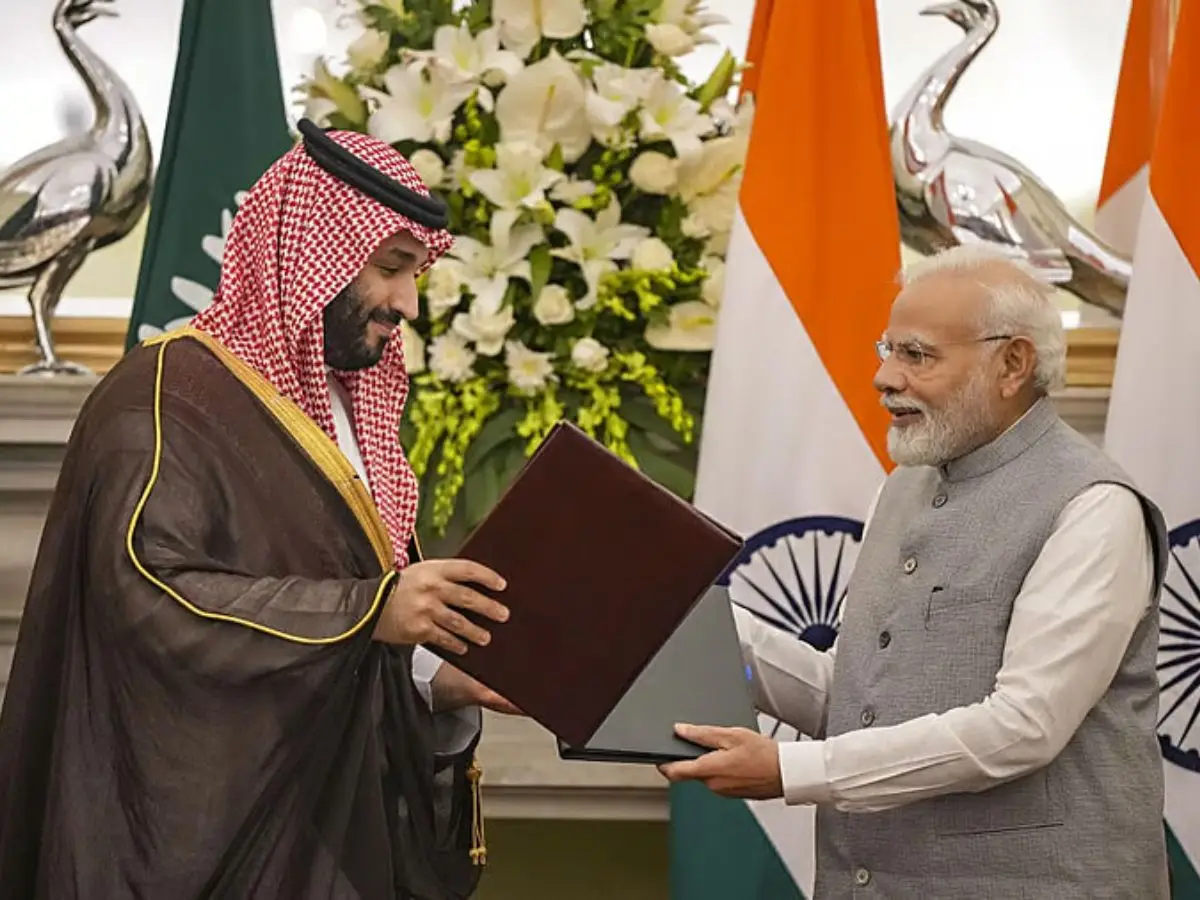
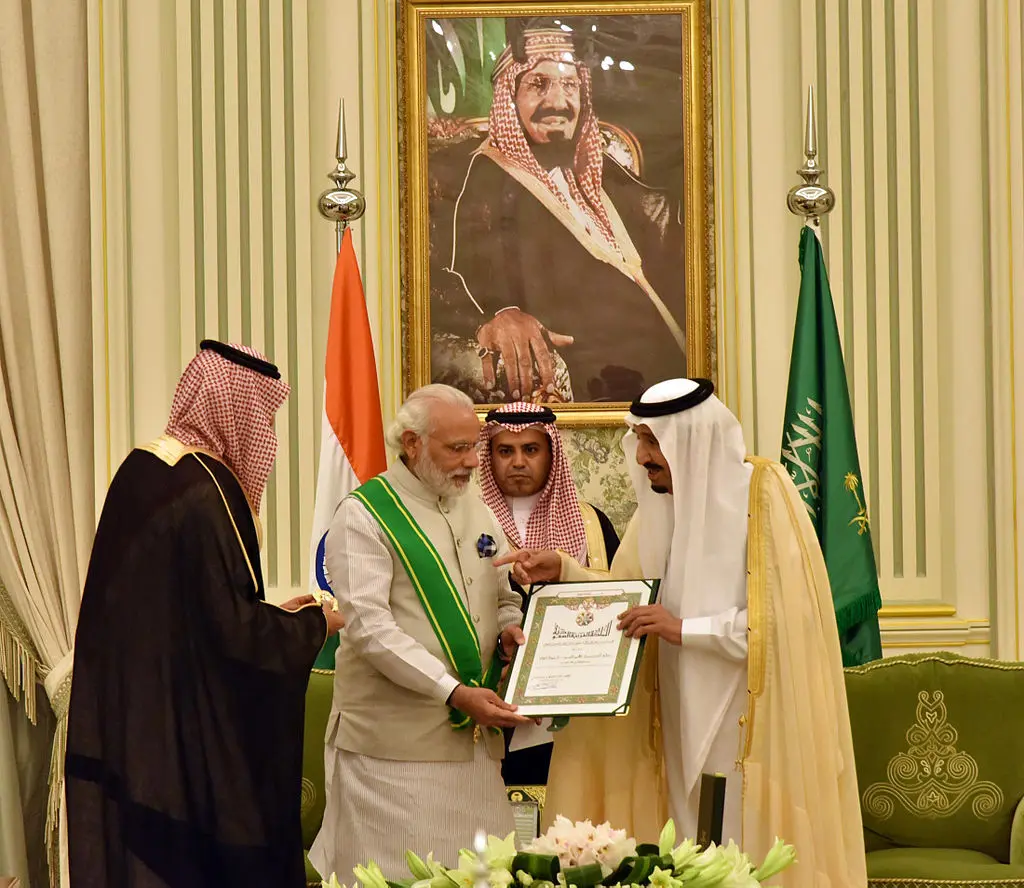
With Narendra Modi’s rise to office in 2014, the relationship acquired further breadth. His visit to Riyadh in April 2016 expanded cooperation across defence, counter-terrorism, and economic domains. King Salman conferred upon him the King Abdulaziz Sash, Saudi Arabia’s highest civilian honour. In February 2019, Crown Prince Mohammed bin Salman visited India, pledging potential Saudi investments of up to USD 100 billion. Later that year, during Modi’s return visit to Riyadh, the two nations established the Strategic Partnership Council to institutionalise bilateral cooperation.
Defence, Economy and People-to-People Links
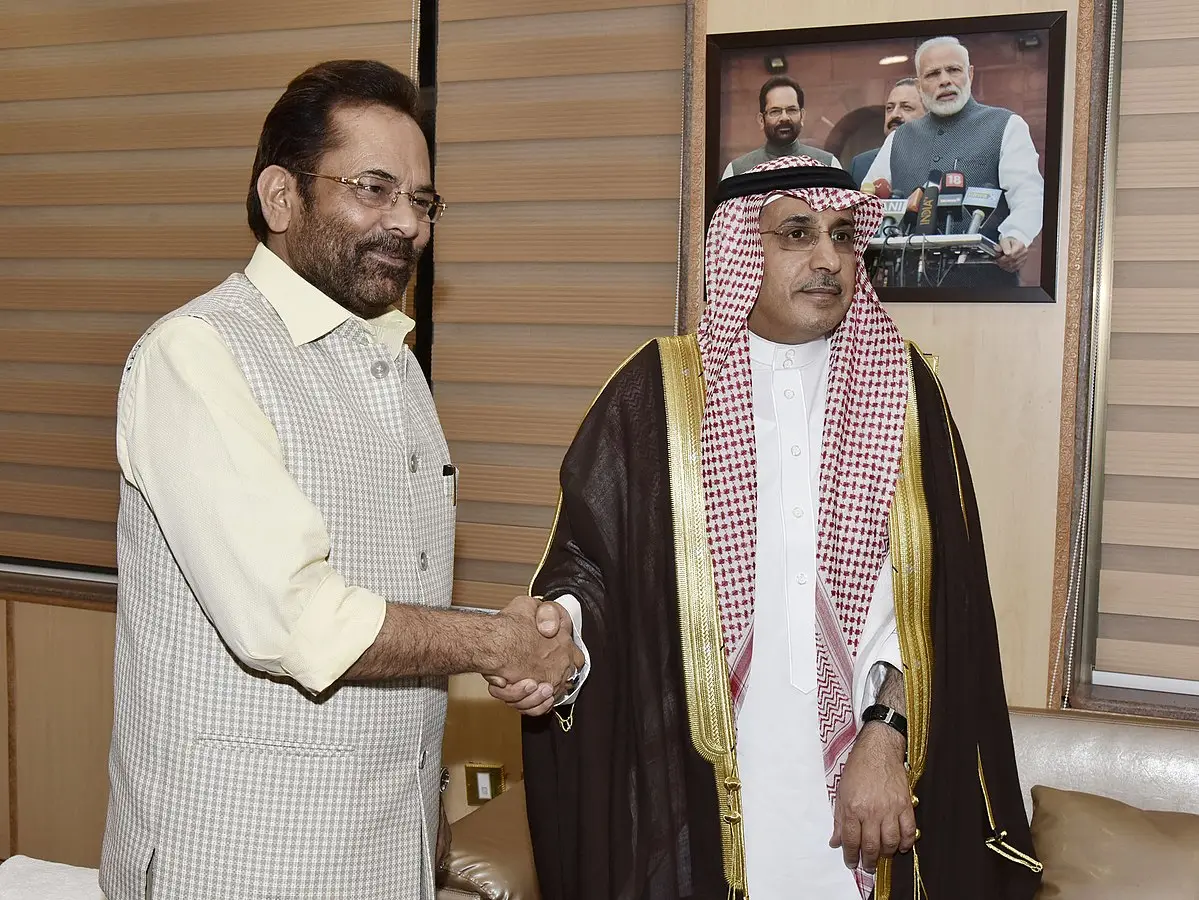
Defence has since emerged as a critical pillar. In 2021, the first bilateral naval exercise, Al Mohed Al Hindi, was conducted, followed by the first land force exercise in 2024. India also exported defence ammunition worth USD 225 million to the Kingdom in the same year. Economically, Saudi Arabia remains one of India’s largest suppliers of crude oil, while bilateral trade hovered around USD 41–42 billion in 2023–24. The Indian diaspora, numbering over 2.7 million, continues to serve as a vital human bridge between the two societies, while improved Hajj management systems have facilitated pilgrimages for thousands of Indian Muslims.
Consolidation in the Present Decade
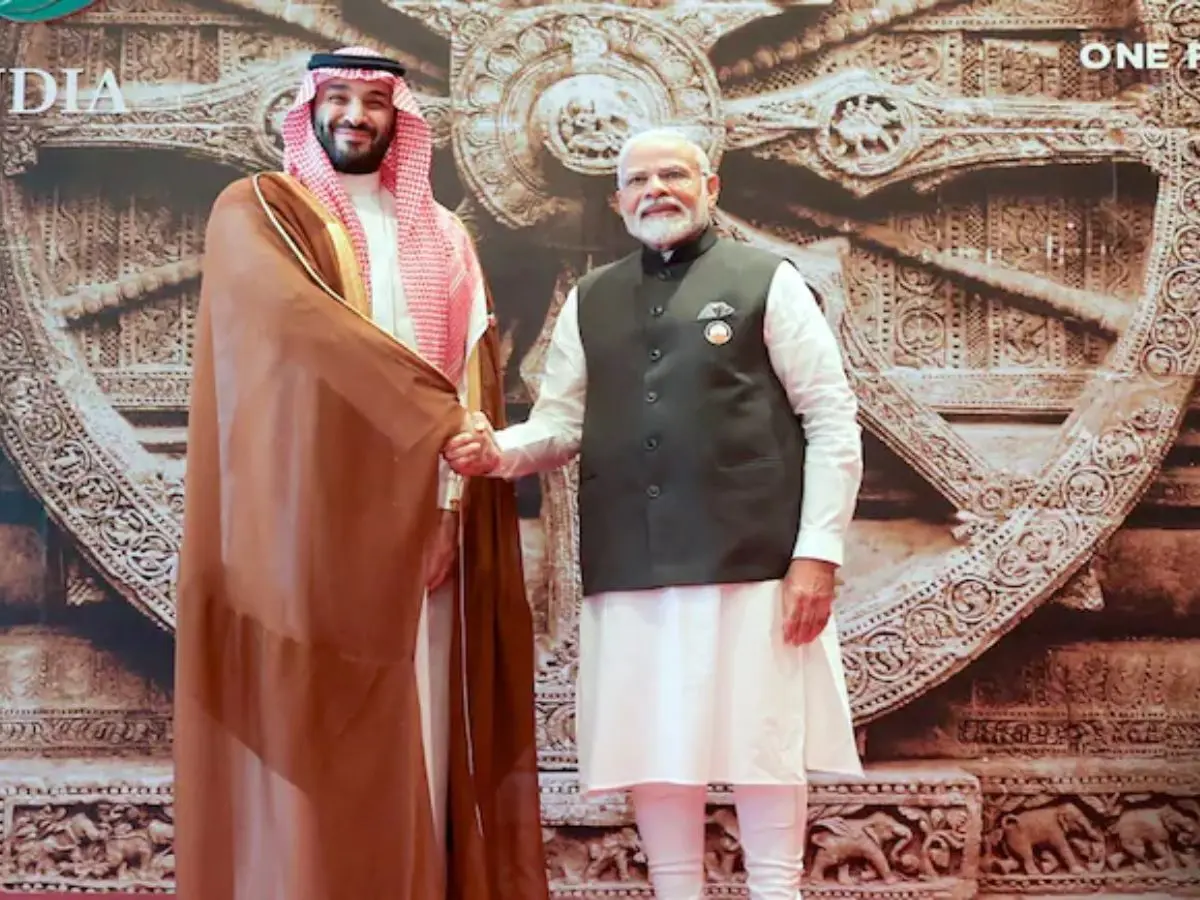
The trajectory has culminated in unprecedented institutional depth. During the Crown Prince’s 2023 visit to India, eight agreements were signed across energy, banking, investment, manufacturing, and anti-corruption cooperation. In April 2025, Prime Minister Modi’s state visit to Riyadh expanded the Strategic Partnership Council into four ministerial committees: Political and Security, Defence, Economy and Technology, and Cultural Cooperation. Agreements were also concluded in space, health, sports anti-doping, and postal services, while both sides committed to establishing two oil refineries in India.
India is Saudi Arabia’s second-largest trading partner, while Saudi ranks as India’s fifth-largest. In the fiscal year 2025, bilateral trade reached USD 41.88 billion, with Indian exports amounting to USD 11.76 billion and imports at USD 30.12 billion, according to the Indian Embassy in Riyadh.
Conclusion
From its modest beginnings in the aftermath of independence, the India–Saudi Arabia relationship has transformed into a comprehensive partnership. It now stands as a critical axis in Asia’s political and economic landscape, shaped by shared strategic imperatives and deep people-to-people ties.
)
)
)
)
)