Freedom Day 2026: South Africa celebrates 32 years of democracy

7 April 2026 marks South Africa’s 32nd Freedom Day, celebrating its liberation from the oppressive apartheid system. As the country commemorates its first democratic elections, the President reflects on historical milestones and commits to future change.
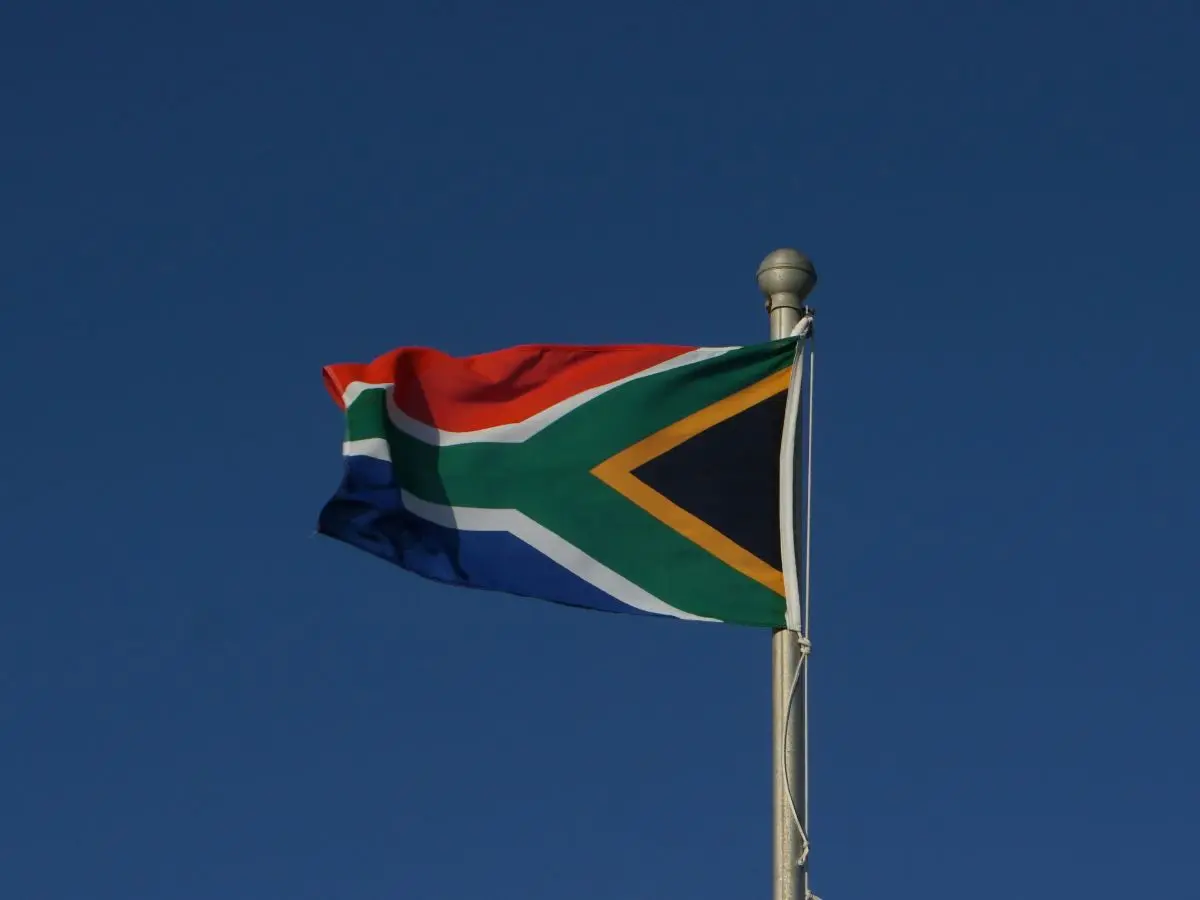
Freedom Day
Freedom Day is an annual public holiday in South Africa celebrated on 27 April, the day on which the country’s first democratic, non-racial elections were held in 1994. The date marks South Africa’s liberation from the oppressive apartheid system and its transition into a new, inclusive nation.
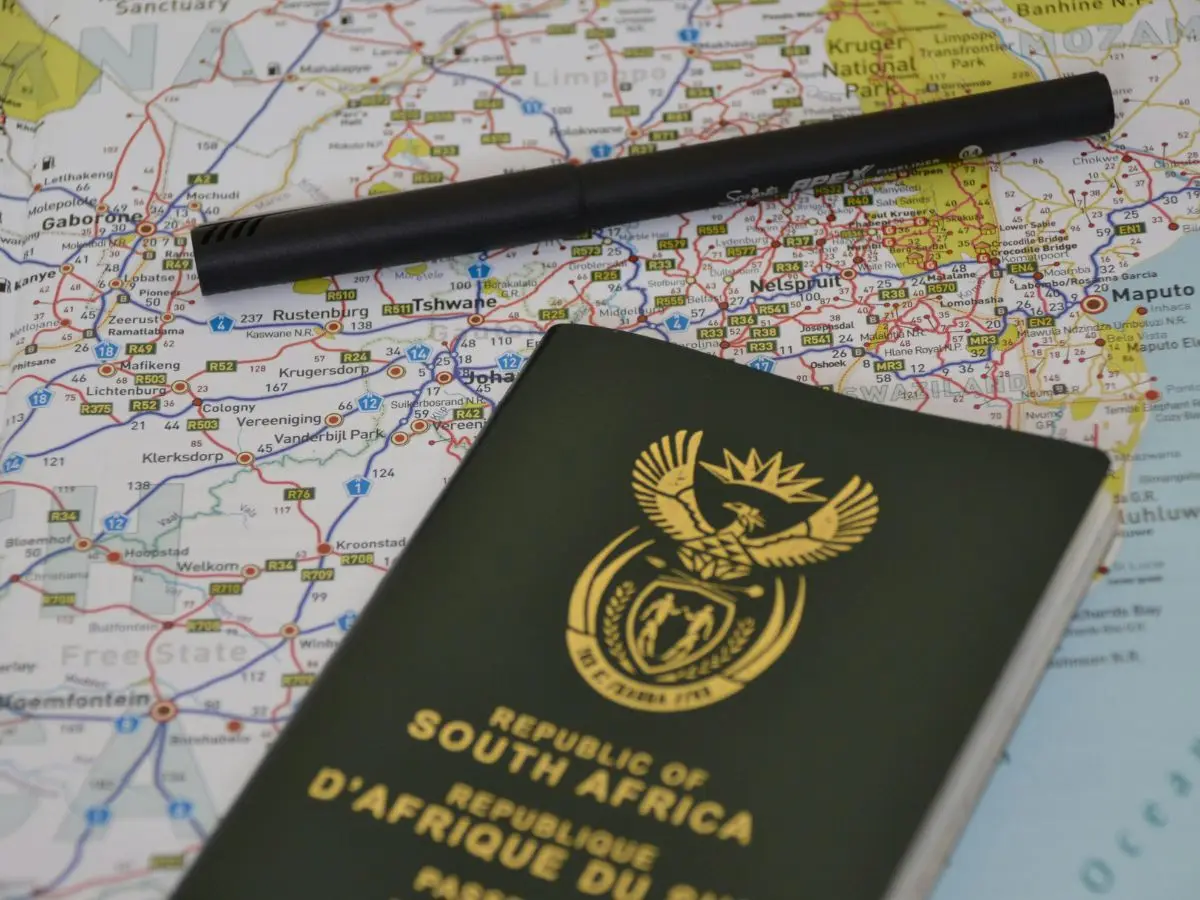
Reminiscing about a tumultuous past
This year, South Africa celebrates its 32nd Freedom Day, serving as a profound reminder of its history of struggle and the resilience of its people. The theme for Freedom Day 2026 is "Freedom and the Rule of Law: Thirty Years of Democratic Citizenship", reflecting on 30 years since the adoption of the South African constitution.
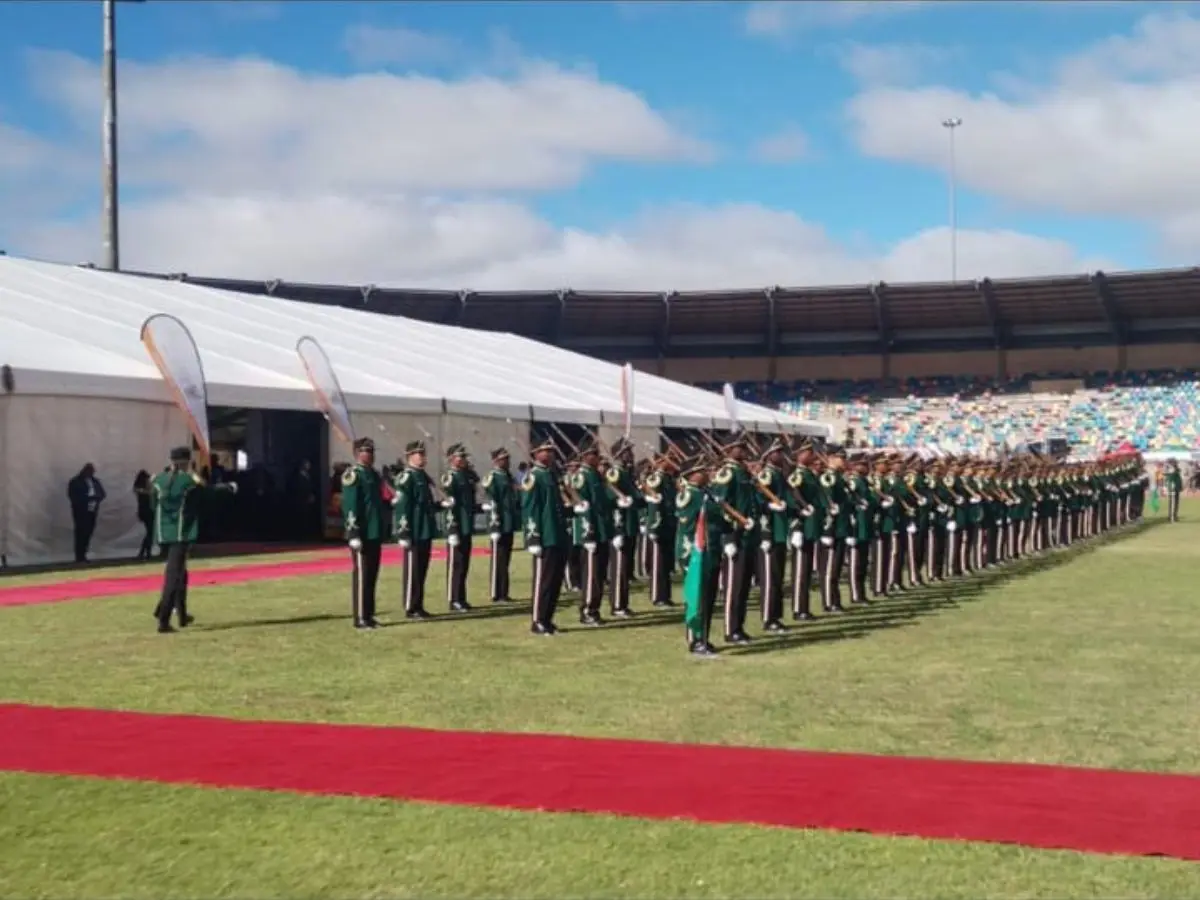
South Africa celebrates
The main event took place in Bloemfontein at the Dr Rantlai Molemela Stadium. South African President Cyril Ramaphosa led the celebrations, commemorating three decades of constitutional democracy and remembering historical milestones.
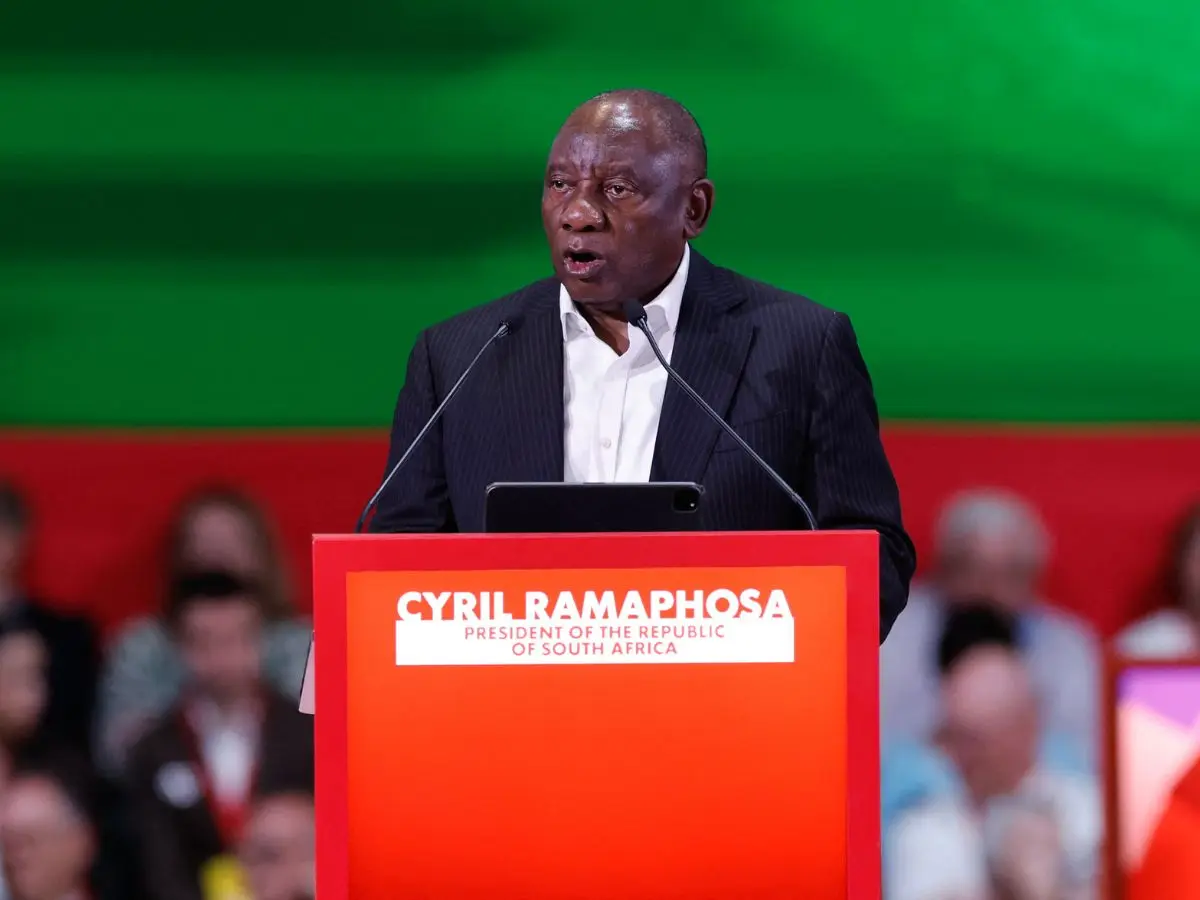
President’s Address
President Ramaphosa delivered the keynote address at the event, reflecting on the sacrifices made to achieve democracy, the country’s achievements and the ongoing effort towards social justice. “This Freedom Day stands as a reminder that political liberation was never the final destination. It was the beginning of a longer journey towards economic freedom and social justice”, he said, according to the South African Government’s official website.
India extends Freedom Day greetings
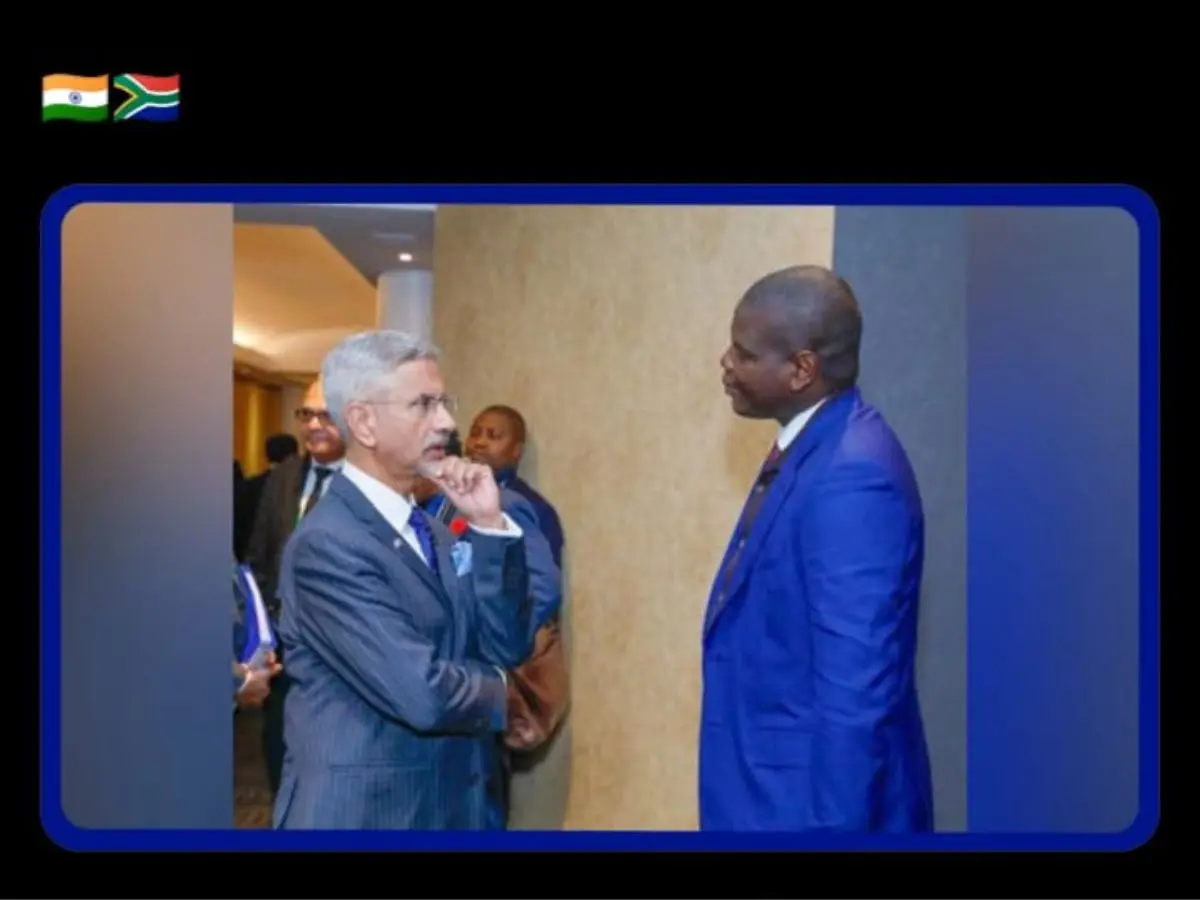
External Affairs Minister S. Jaishankar wished South Africa's Foreign Minister Ronald Lamola on the occasion of Freedom Day in a post on X. Jaishankar expressed his commitment to advancing the India-South Africa Strategic Partnership.
What was Apartheid?
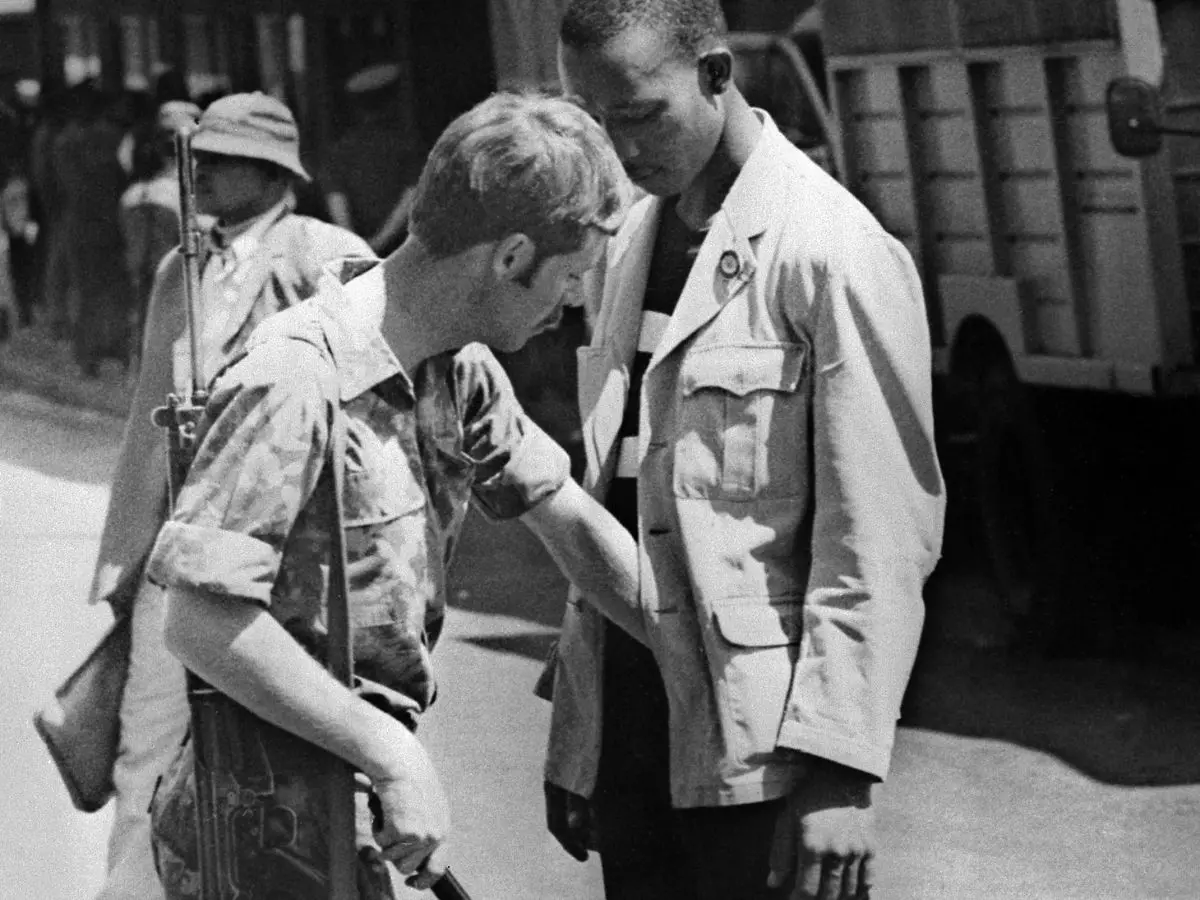
Apartheid was a system of racial segregation against the non-white majority, enforced through social, economic and political segregation. The abolition of the system was a result of multiple factors, including continued resistance, mass civil unrest and international pressure.

Africa’s first democratic elections
The 1994 general elections, marking the end of apartheid, were the first in South Africa in which citizens of all races could vote. Nelson Mandela became the first President and the country’s first Black head of state.
)
)
)
)
)