Fraud at sea? Scammers offer ‘safe passage’ through Strait of Hormuz for crypto amid US–Iran tensions

Roughly one-fifth of the world’s oil and liquefied natural gas passes through the strait in normal conditions, making any disruption immediately consequential.
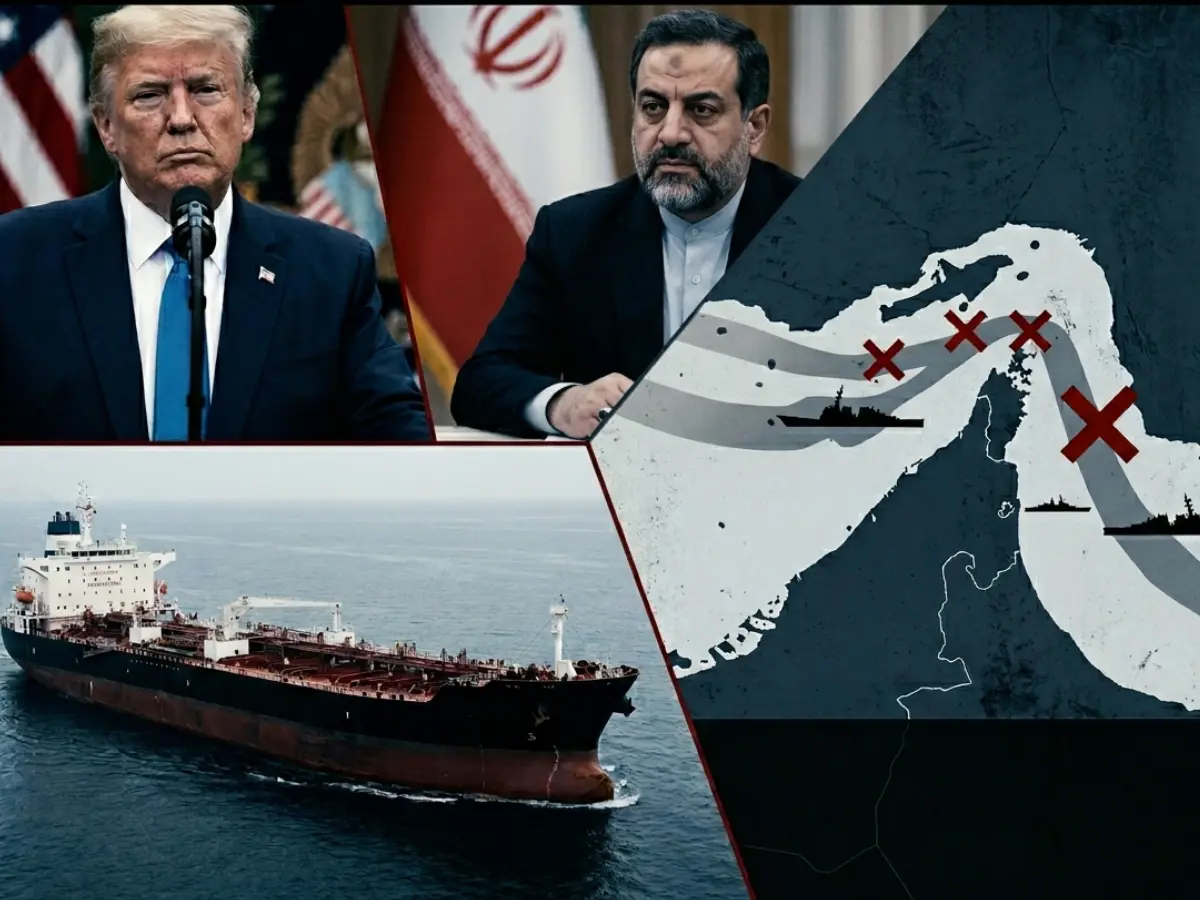
A chokepoint under strain
The standoff between the United States and Iran has intensified in the final days of a fragile ceasefire, leaving the Middle East on edge. What began as an effort to pause hostilities has narrowed into a tense diplomatic window, with both sides trading accusations of bad faith. At the centre of the crisis lies the Strait of Hormuz, a vital artery for global trade. Amid this uncertainty, a new threat has emerged: fraudulent messages offering ships ‘safe passage’ through the strait in exchange for cryptocurrency, exposing shipping companies to fresh risks as US–Iran tensions escalate.

Blockades and stalled movement
Roughly one-fifth of the world’s oil and liquefied natural gas passes through the strait in normal conditions, making any disruption immediately consequential. The United States has maintained a blockade on Iranian ports, while Iran has alternated between lifting and re-imposing restrictions on the strait. Amid ceasefire discussions and a forthcoming round of negotiations in Pakistan, Tehran has proposed tolls on vessels seeking safe transit, reinforcing its leverage over the route.

MARISKS issues warning
Greek maritime risk management firm MARISKS said unknown actors posing as Iranian authorities had contacted shipping firms demanding payments in Bitcoin or Tether for transit clearance. “These specific messages are a scam,” the firm said according to Reuters, stressing that the communications were not sent by official Iranian channels. The warnings come as vessels remain stranded west of the waterway, highlighting how geopolitical conflict is now intersecting with cyber-enabled fraud.

Messages exploiting uncertainty
According to MARISKS, the fraudulent messages outlined a process in which vessels would be assessed by “Iranian Security Services” before being charged a cryptocurrency fee. “Only then will your vessel be able to transit the strait unimpeded,” one message read, Reuters reported. The firm believes at least one vessel targeted by gunfire on Saturday while attempting to exit may have been misled by such claims.
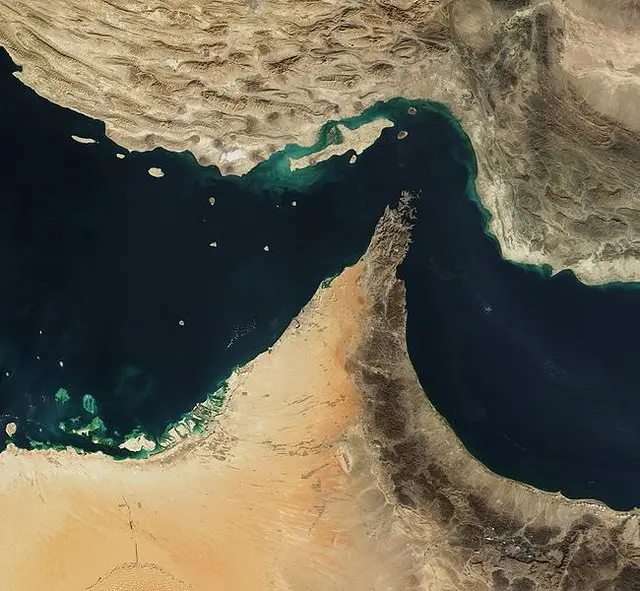
Ships and crews left exposed
Hundreds of ships and around 20,000 seafarers remain stranded in the Gulf, said Reuters. With limited verified channels for passage and heightened military risk, shipping companies are increasingly exposed to both physical and digital threats.
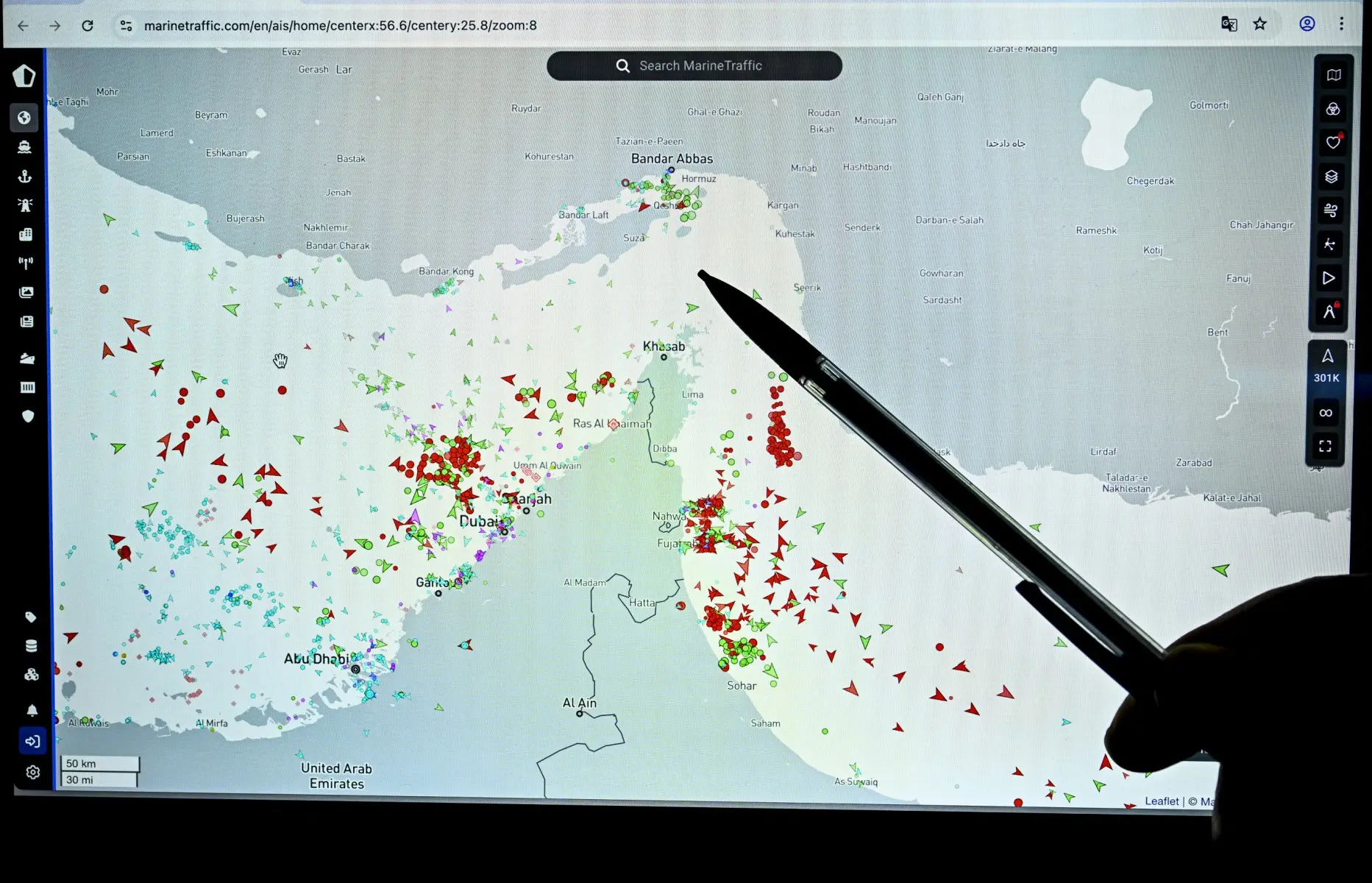
Verification challenges persist
WION could not independently verify which companies received the scam messages. There has also been no immediate comment from Tehran. However, the episode highlights how quickly misinformation can spread in conflict zones, particularly when control over a critical global energy artery is contested.
)
)
)
)
)