France is building a $12 billion floating city: Facts about the PANG nuclear carrier

France will start building a new, ambitious aircraft carrier in the next five years. PANG will run on two powerful nuclear reactors that can power a small city. It will be much larger than Charles de Gaulle, the ship it will replace in 2038.
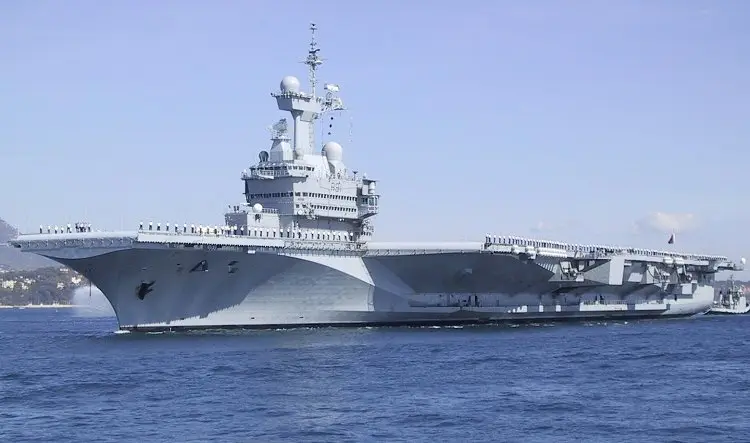
France announces mega ship to replace Charles de Gaulle
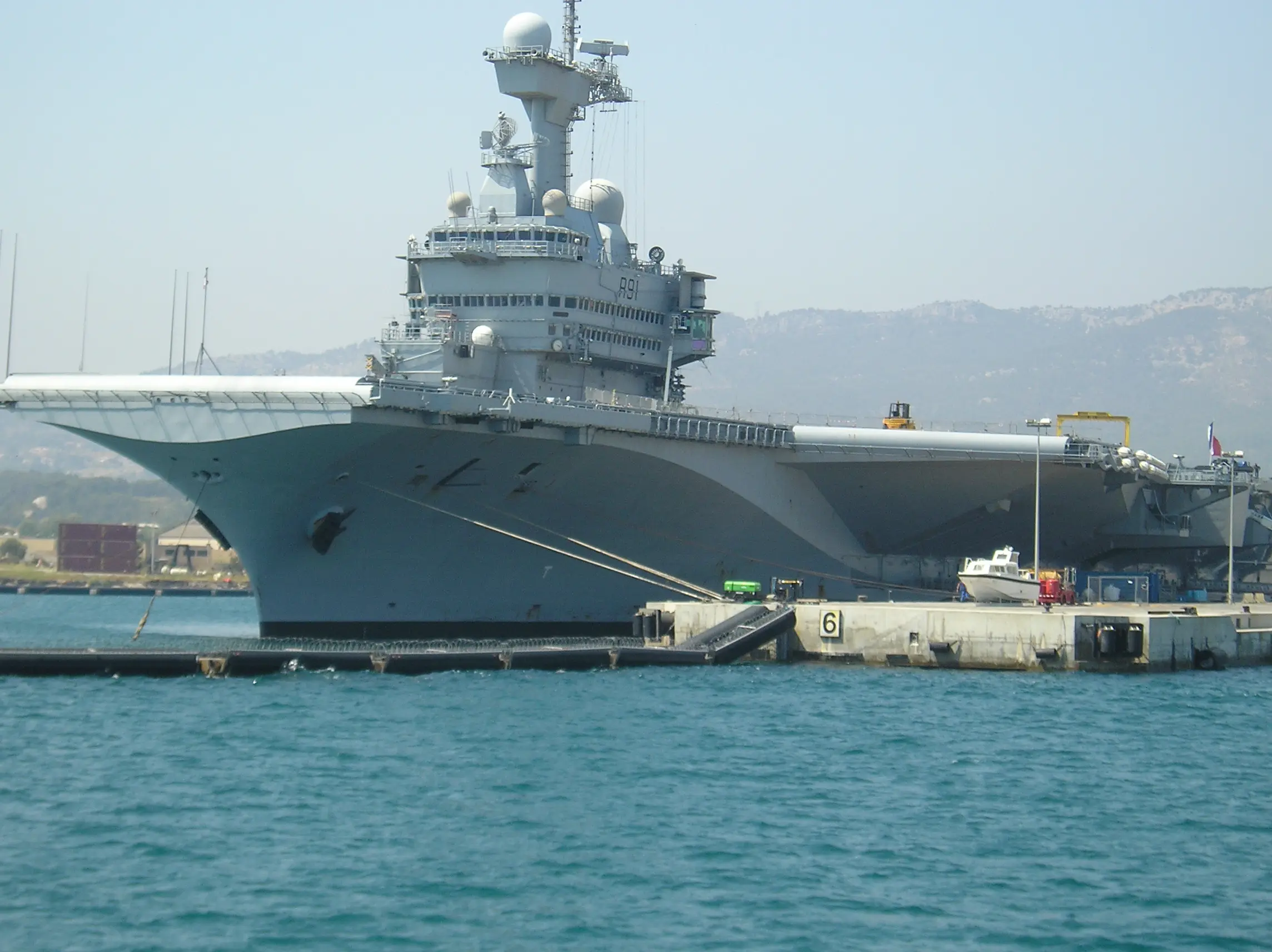
France recently announced its next-generation nuclear-powered aircraft carrier that will become operational in 2038. It will be built keeping in mind future technologies, so it remains relevant for years. This includes directed-energy weapons and autonomous aircraft operations. France Libre will replace the current flagship, Charles de Gaulle, as the main carrier.
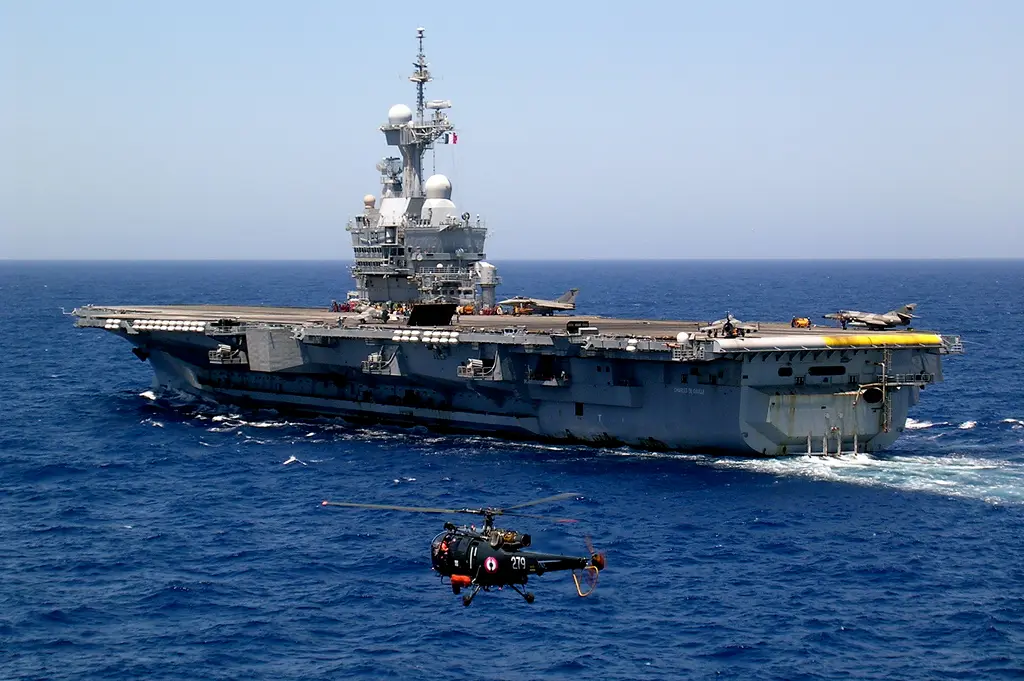
Porte-Avions de Nouvelle Génération - Europe’s largest warship
Charles de Gaulle measures about 858 feet and displaces 42,000 tons. The upcoming Porte-Avions de Nouvelle Génération (PANG), or France Libre, is being built on a much larger scale. Estimated to cost $10.8 billion, it will be 1,017 feet long and will weigh roughly 78,000 tons, nearly double the size of Charles de Gaulle. It will carry more than 40 aircraft, including Rafale M fighter jets, E-2D Hawkeye early warning aircraft, and next-generation combat drones.
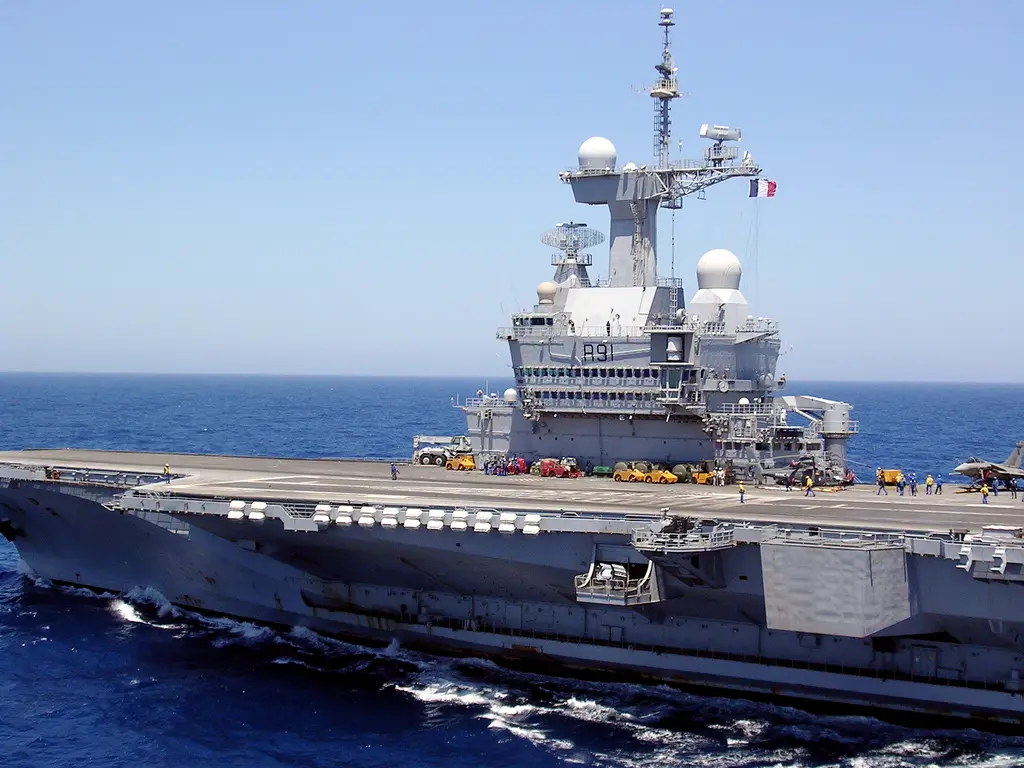
Two nuclear reactors will power the ship
The aircraft carrier will cost France $12 billion and will be like a "floating city". It represents a massive leap in naval engineering and French strategic autonomy. France is relying on nuclear energy to power the warship, which will be equipped with two K22 reactors. The power generated will be more than what a small city needs.
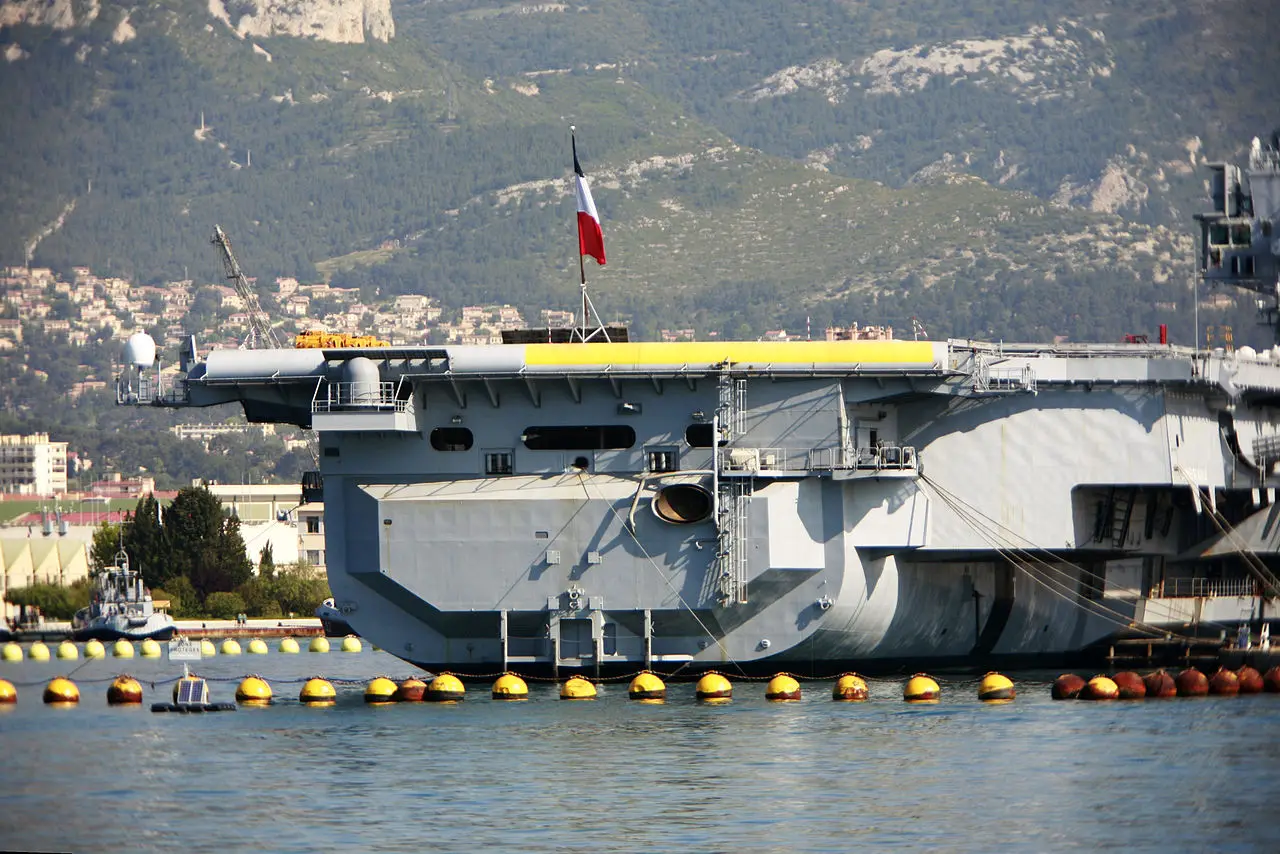
Electromagnetic Aircraft Launch System (EMALS) tech
France is marking the same page as America by moving to the Electromagnetic Aircraft Launch System (EMALS), developed by the US company General Atomics. The American Gerald R. Ford-class carriers also run on the same technology. Ships using this tech have smoother launches, less wear and tear on aircraft, and can launch a wider range of drones and heavy jets.
Deck space for Future Combat Air System
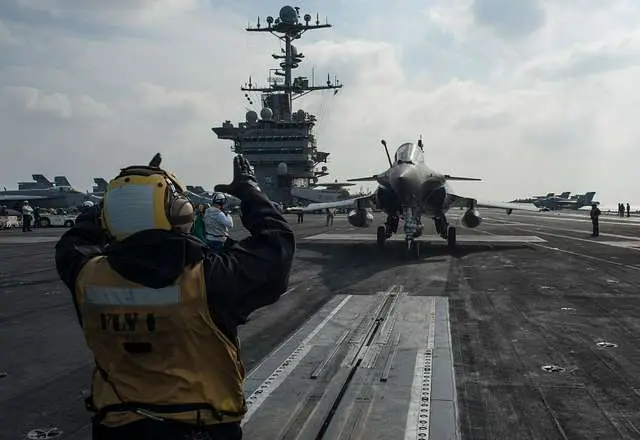
The PANG will be futuristic, and besides Rafale M jets, it is being designed to accommodate the Future Combat Air System (FCAS). This 6th-generation stealth fighter will be larger and heavier than current jets. It will require huge deck space and advanced catapults, all of which will be featured on the PANG.
360-meter dry dock will be built to maintain PANG
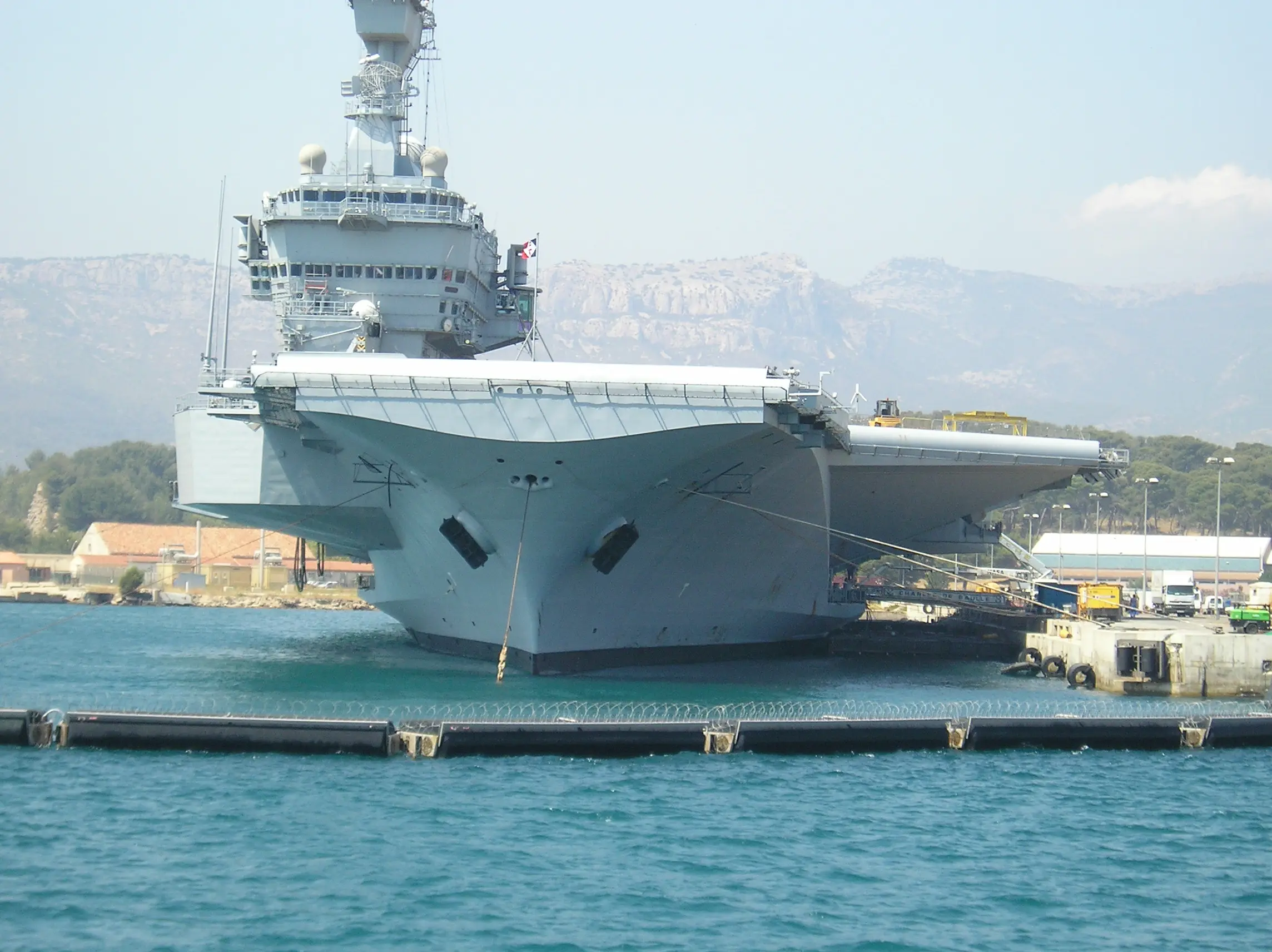
Building such a large means that France will have to carry out infrastructural upgrades as well. The French Navy has to expand its base since the current dry docks in Toulon are too small to fit the PANG. A massive €600 million infrastructure project is in the pipeline, as part of which a new 360-meter dry dock will be constructed just to maintain the giant vessel.
PANG construction and commissioning
As humongous as this project is, so is the timeline to build it. Construction will start in 2031. France is targeting 2037 for sea trials while commissioning is scheduled for 2038. This is when Charles de Gaulle will retire, and so when PANG is commissioned in the same year, France will have an improved vessel to rely on
)
)
)
)
)