Fourth-gen vs Fifth-gen fighter jets: Eurofighter typhoon and Su-57 compared

The Su-57 brings fifth-gen stealth, sensor fusion, and internal weapons to air combat, while the Eurofighter Typhoon relies on raw speed, manoeuvrability, and flexible payloads. Here’s how the two jets compared, what it says about the future of air warfare.
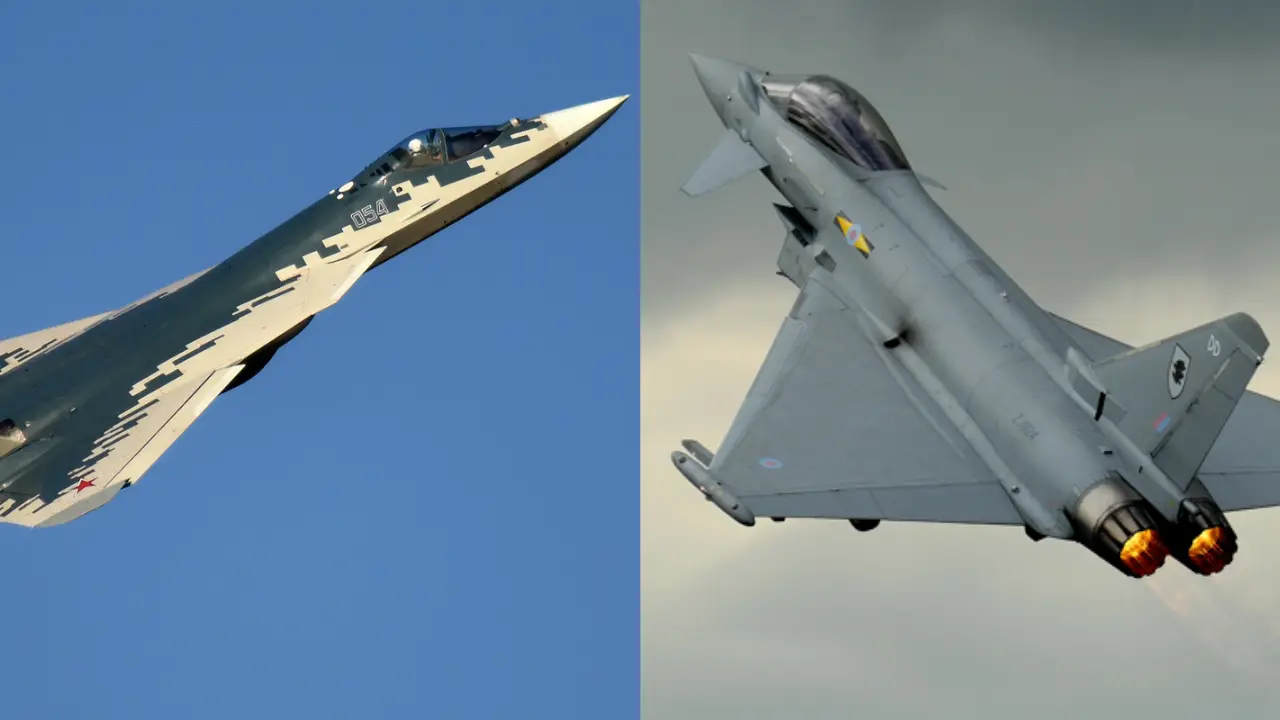
Eurofighter Typhoon Vs Su-57 fighter jets
The Eurofighter Typhoon represents Europe's most advanced fourth-generation fighter, while the Su-57 embodies fifth-generation technology. This generational gap creates fundamental differences in capability and approach.
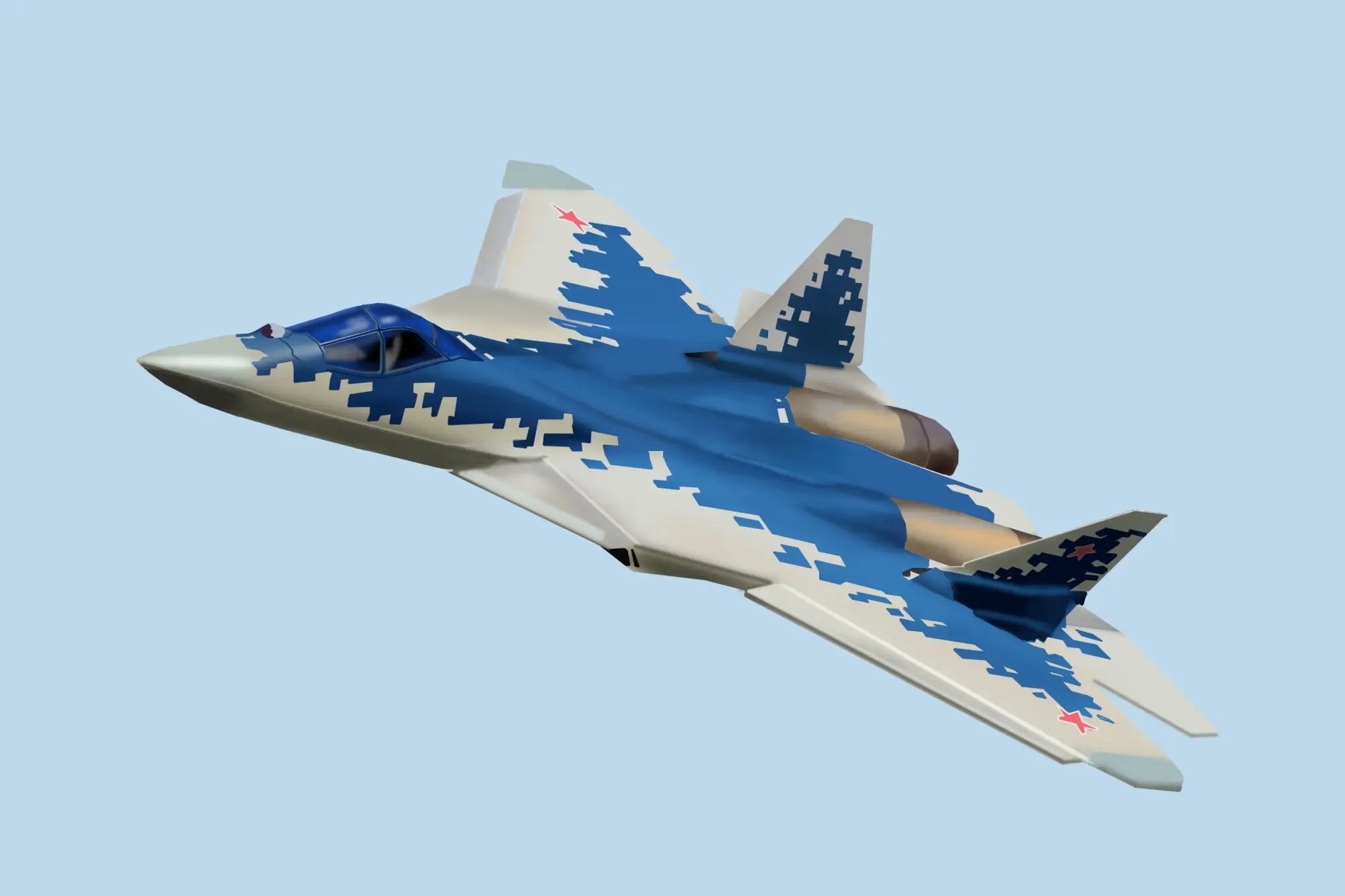
Stealth capabilities
Stealth capabilities separate the designs dramatically. The Su-57's low-observable features provide significant advantages in detection range and survivability, while the Eurofighter relies on speed and manoeuvrability for protection.
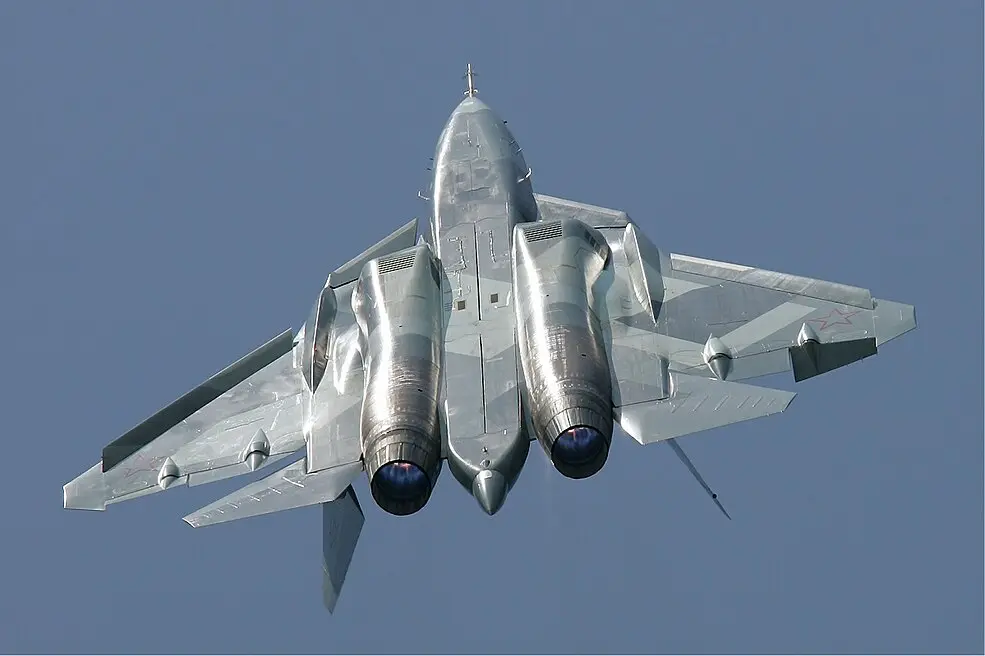
Sensor technology
Sensor technology shows generational differences. The Su-57's AESA radar and integrated sensor fusion provide superior situational awareness, while the Eurofighter's radar, though capable, lacks the same level of integration.
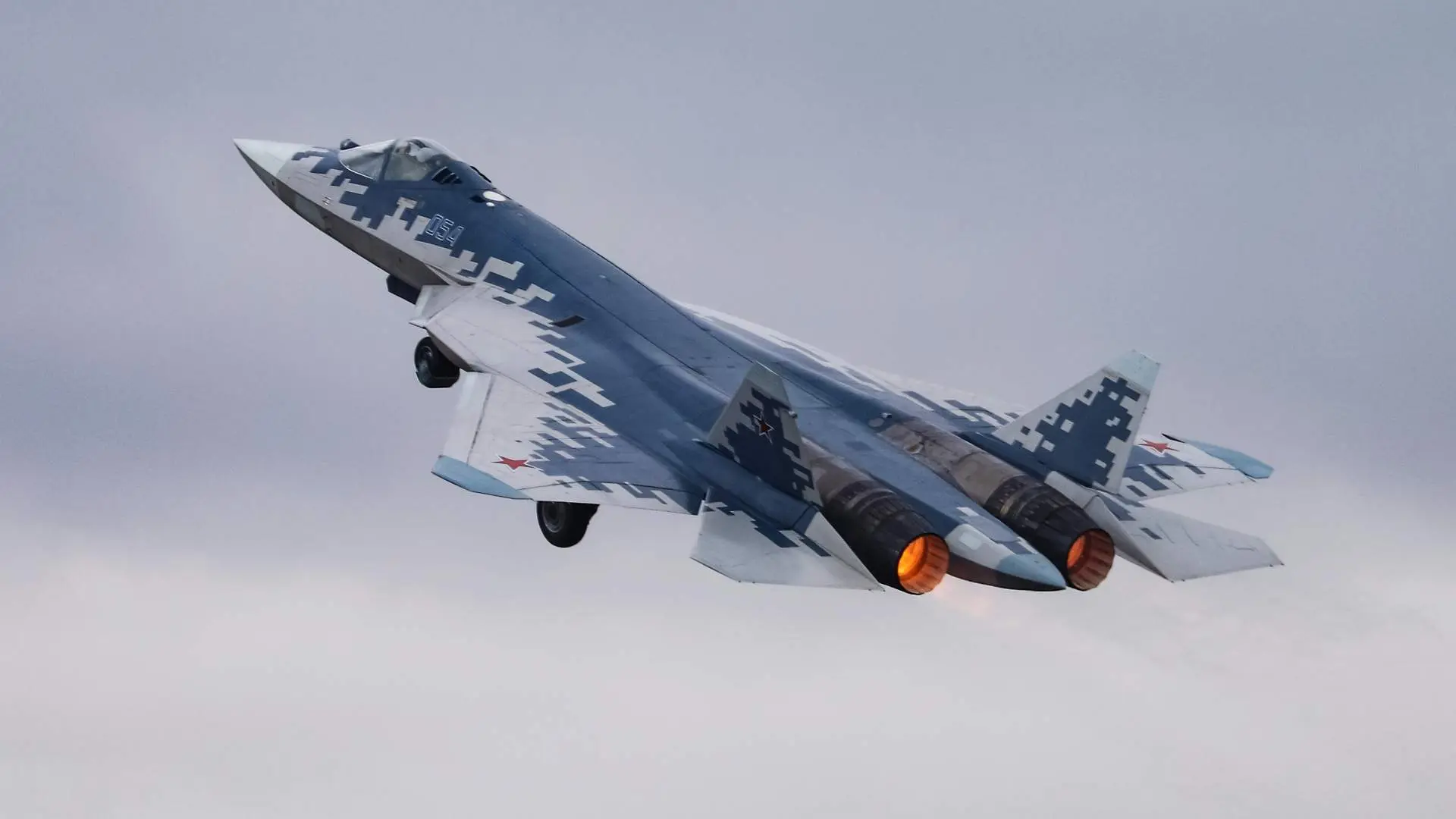
Weapons integration
Weapons integration reflects different philosophies. The Su-57's internal bays maintain stealth while carrying advanced missiles, while the Eurofighter's external hardpoints offer greater payload flexibility but compromise signature.
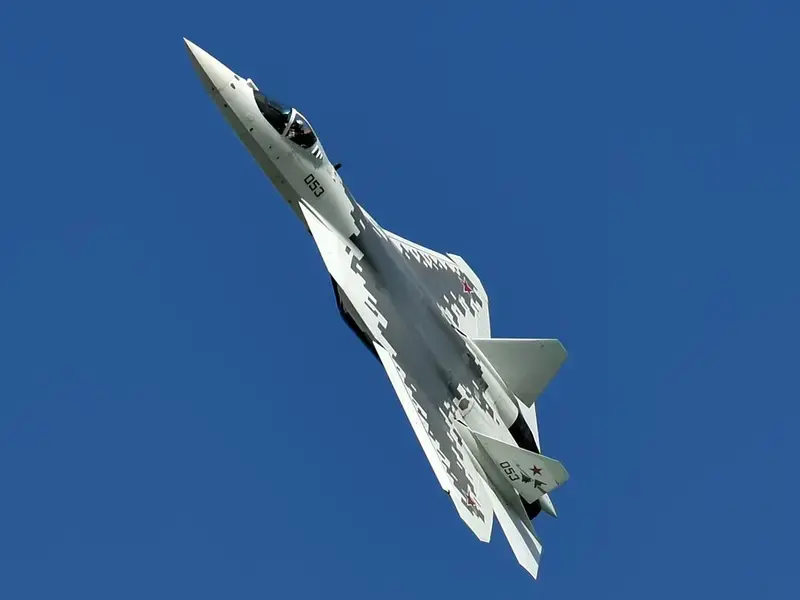
Performance characteristics
Performance characteristics favour different tactics. The Eurofighter excels in high-speed intercept and energy manoeuvring, while the Su-57 combines stealth with supermanoeuvrability for different engagement profiles.
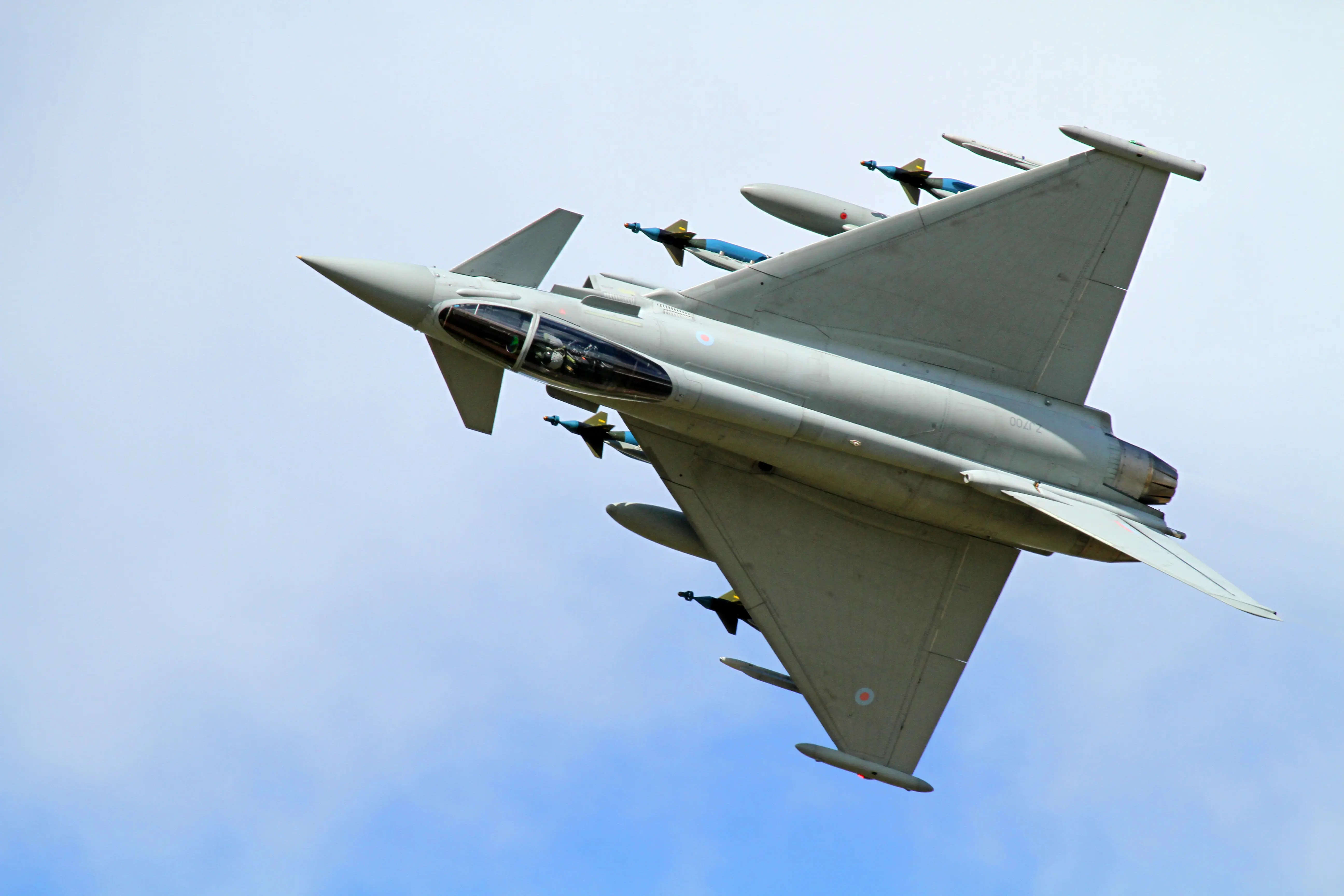
Network integration capabilities
Network integration capabilities differ significantly. The Su-57's advanced data links and sensor fusion create a more integrated combat system, while the Eurofighter relies on more traditional networking approaches.
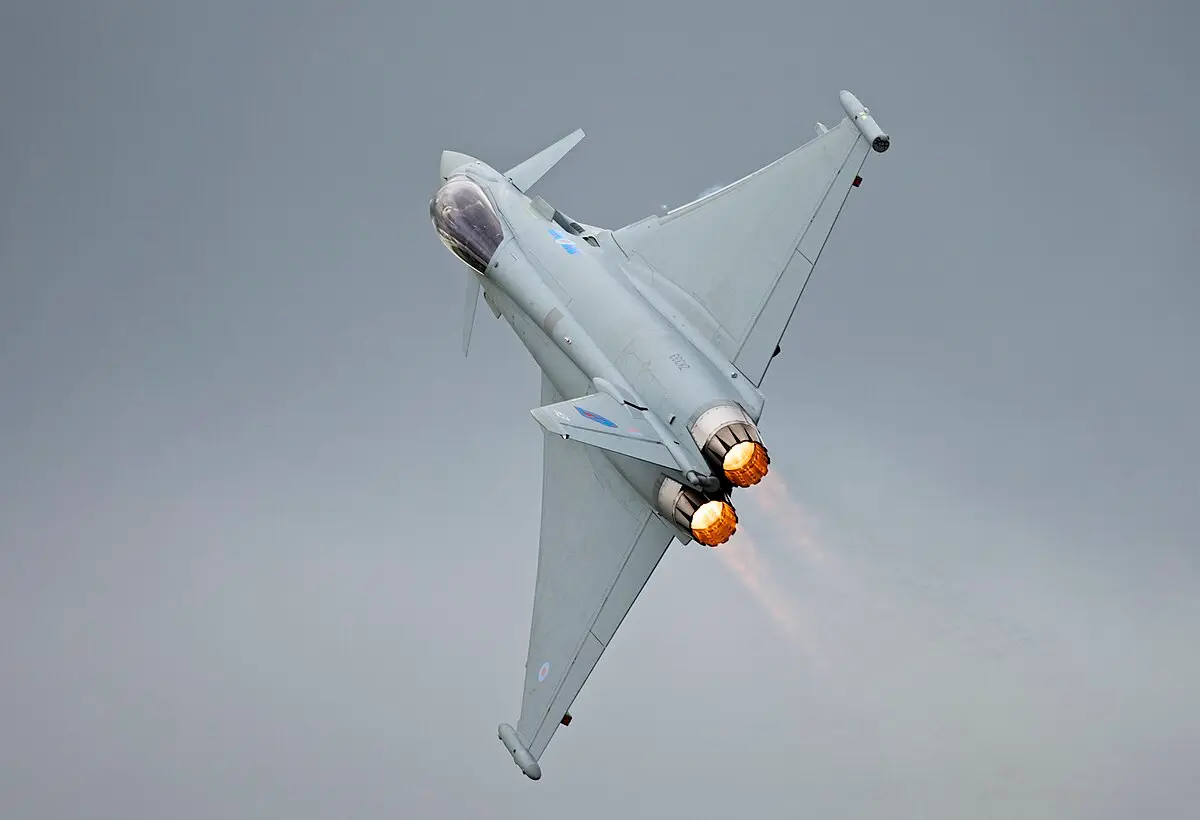
Comparison
The comparison highlights the evolution of air combat technology, showing how fifth-generation capabilities fundamentally change the nature of aerial warfare compared to even the most advanced fourth-generation designs.
)
)
)
)
)