Forgive Gurugram, even fighter jets get stuck in traffic due to rain and fog! Here's how

While we imagine jets taking off and soaring freely, the reality on airbases is very different. Crowded runways, logistical bottlenecks, and ground procedures can slow even the most advanced aircraft to a crawl.
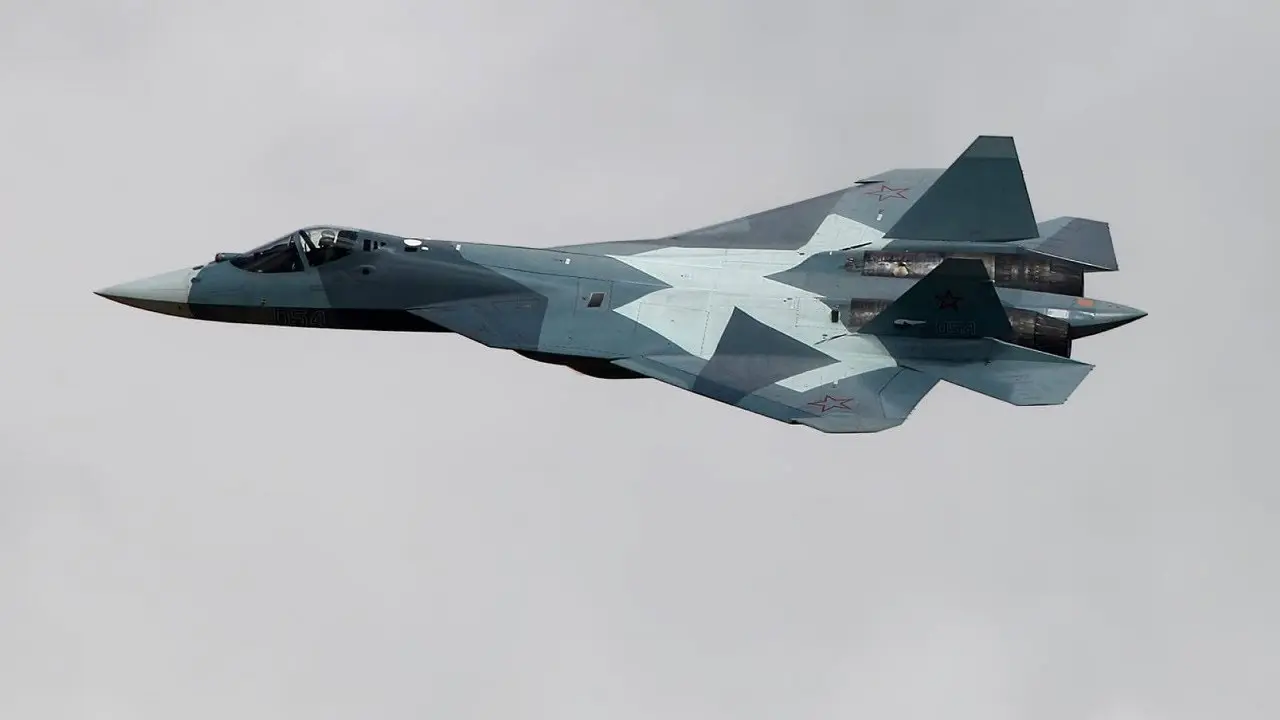
Runway Congestion
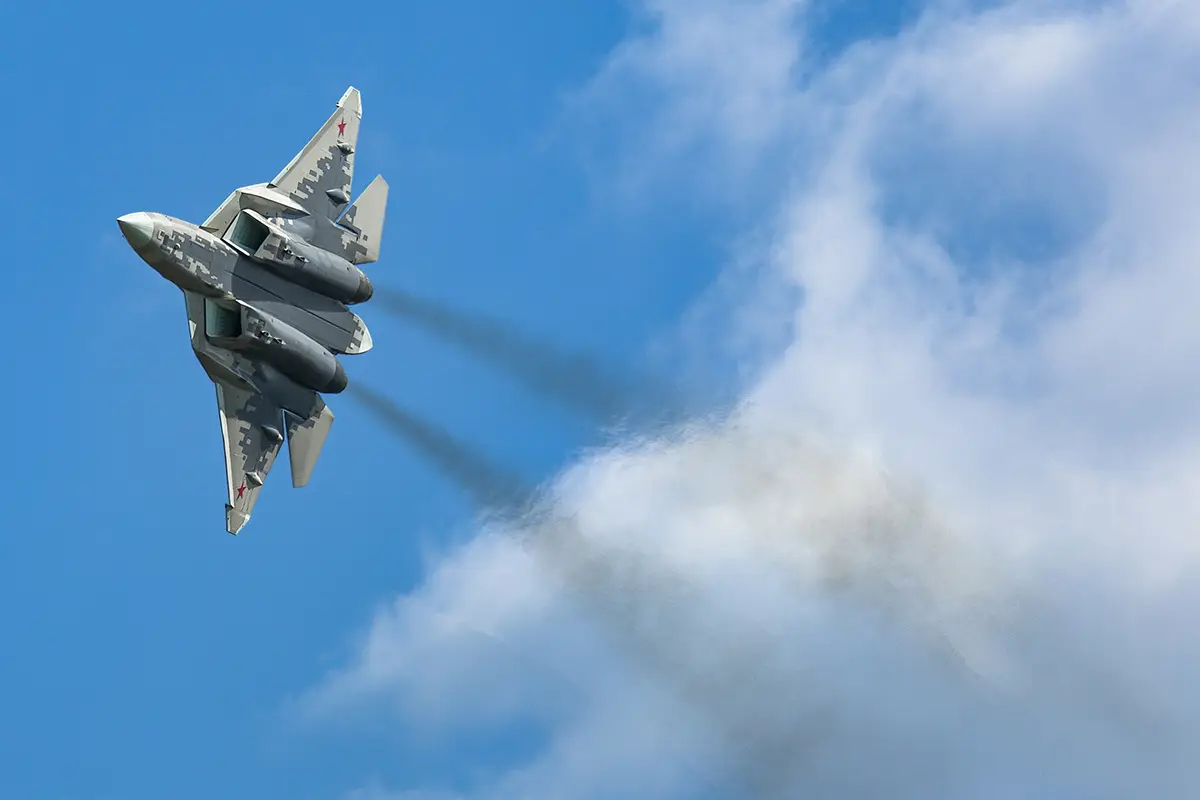
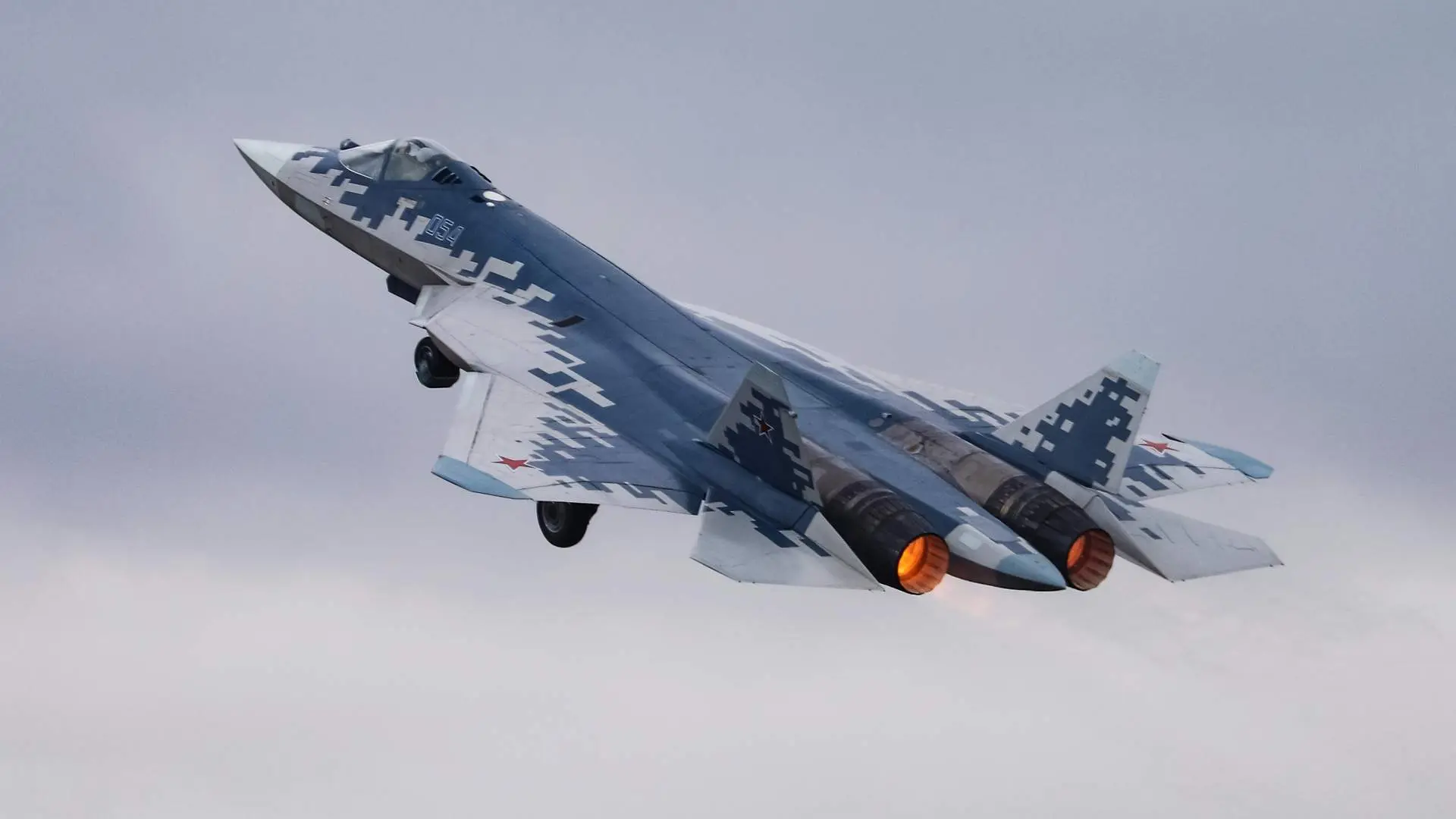
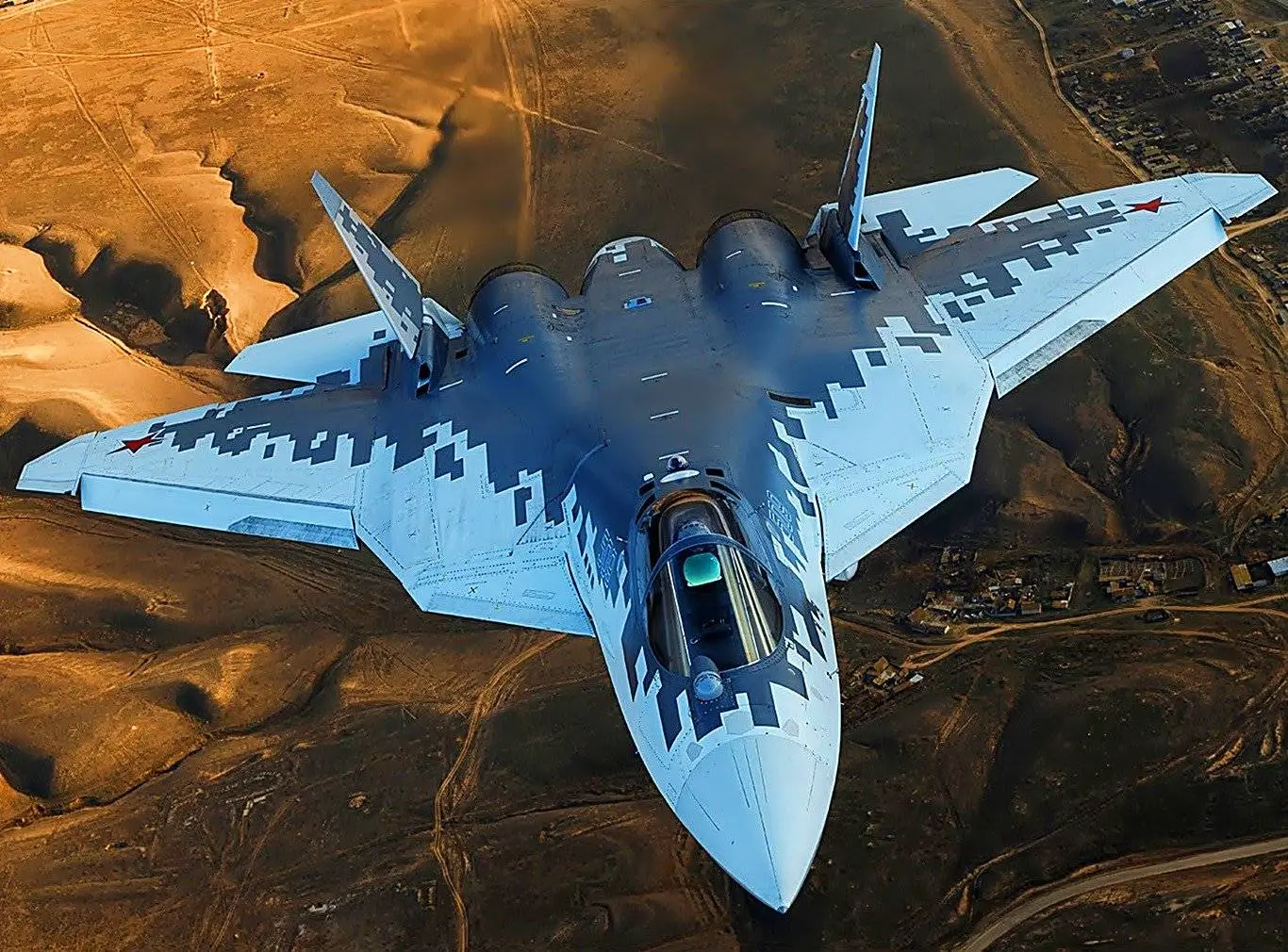
Just like city roads, military airbases have a limited number of runways. When multiple jets are scheduled for takeoff, fighters like the Su-57 or F-35 must wait their turn, sometimes for hours, before clearing the runway.
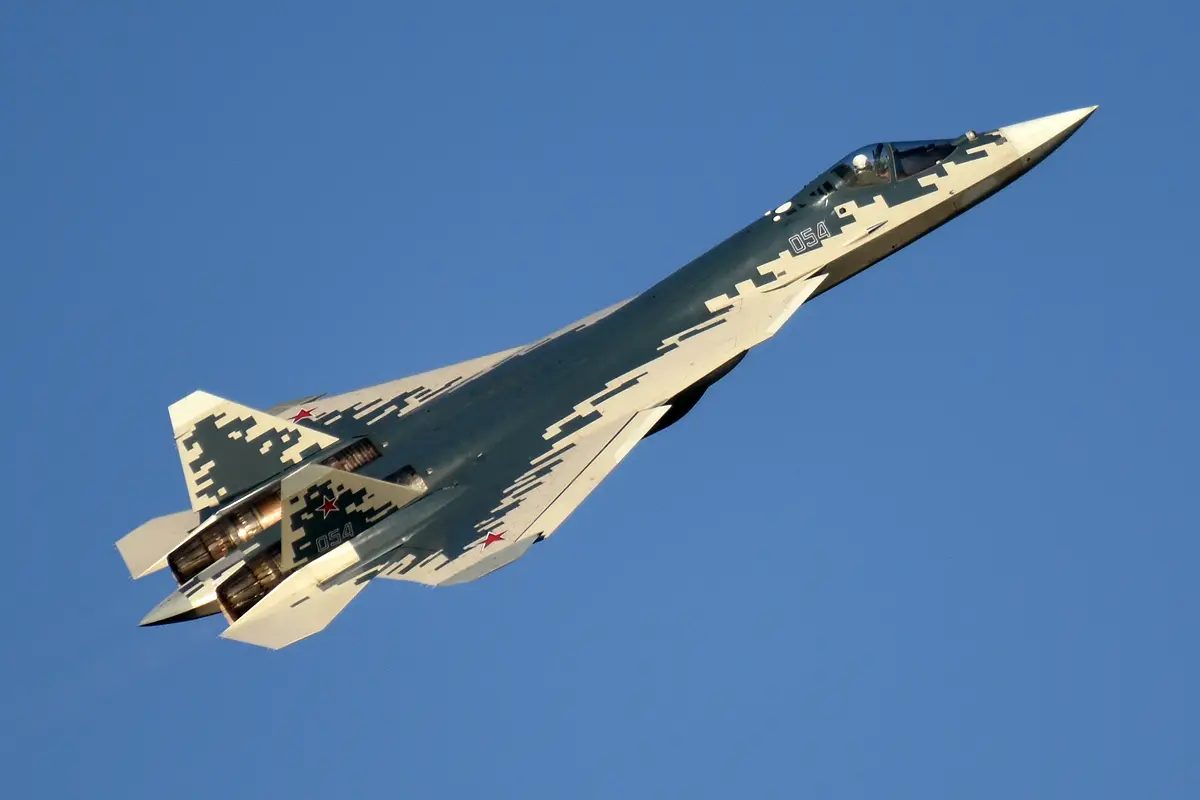
Pre-Flight Checks Are Essential
Before every mission, pilots and ground crews perform extensive safety and system checks. Engines, avionics, weapons systems, everything must be verified. These procedures, though critical, can create delays comparable to traffic jams.
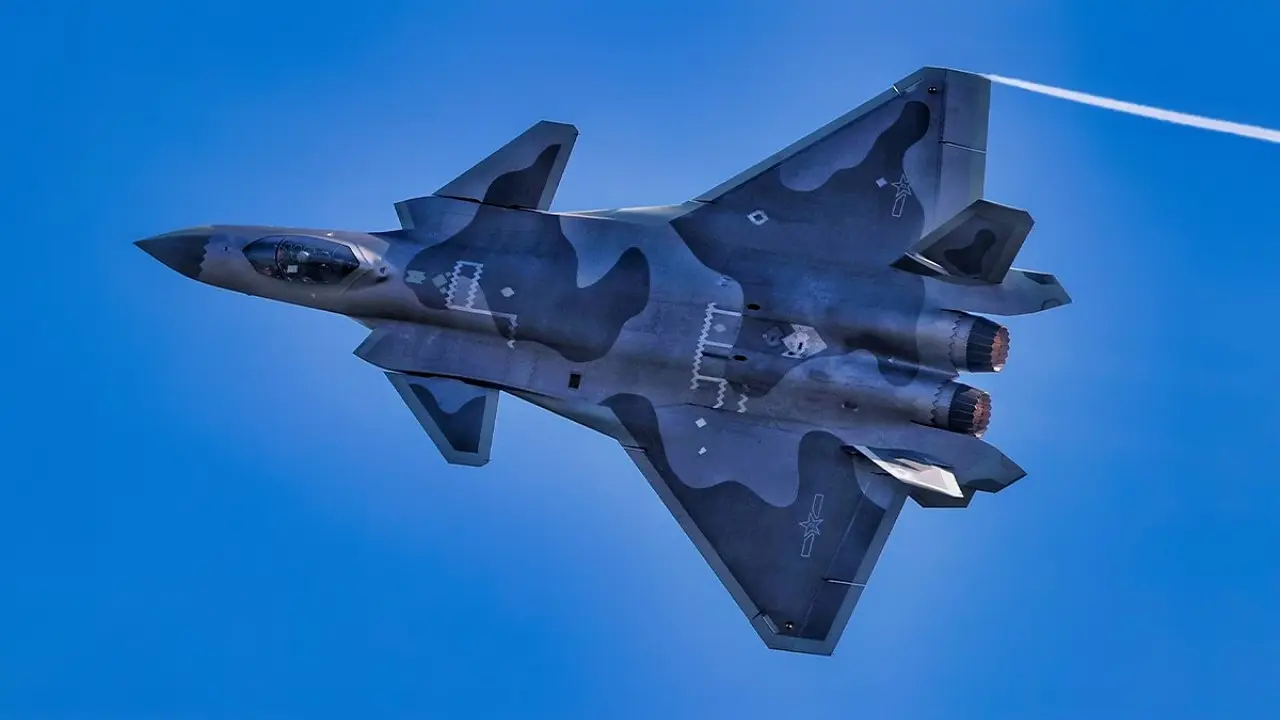
Taxiway Bottlenecks
After leaving the hangar, jets must follow designated taxiways to the runway. Narrow taxi paths and simultaneous movements of multiple aircraft create “traffic jams,” slowing down the overall sortie schedule.
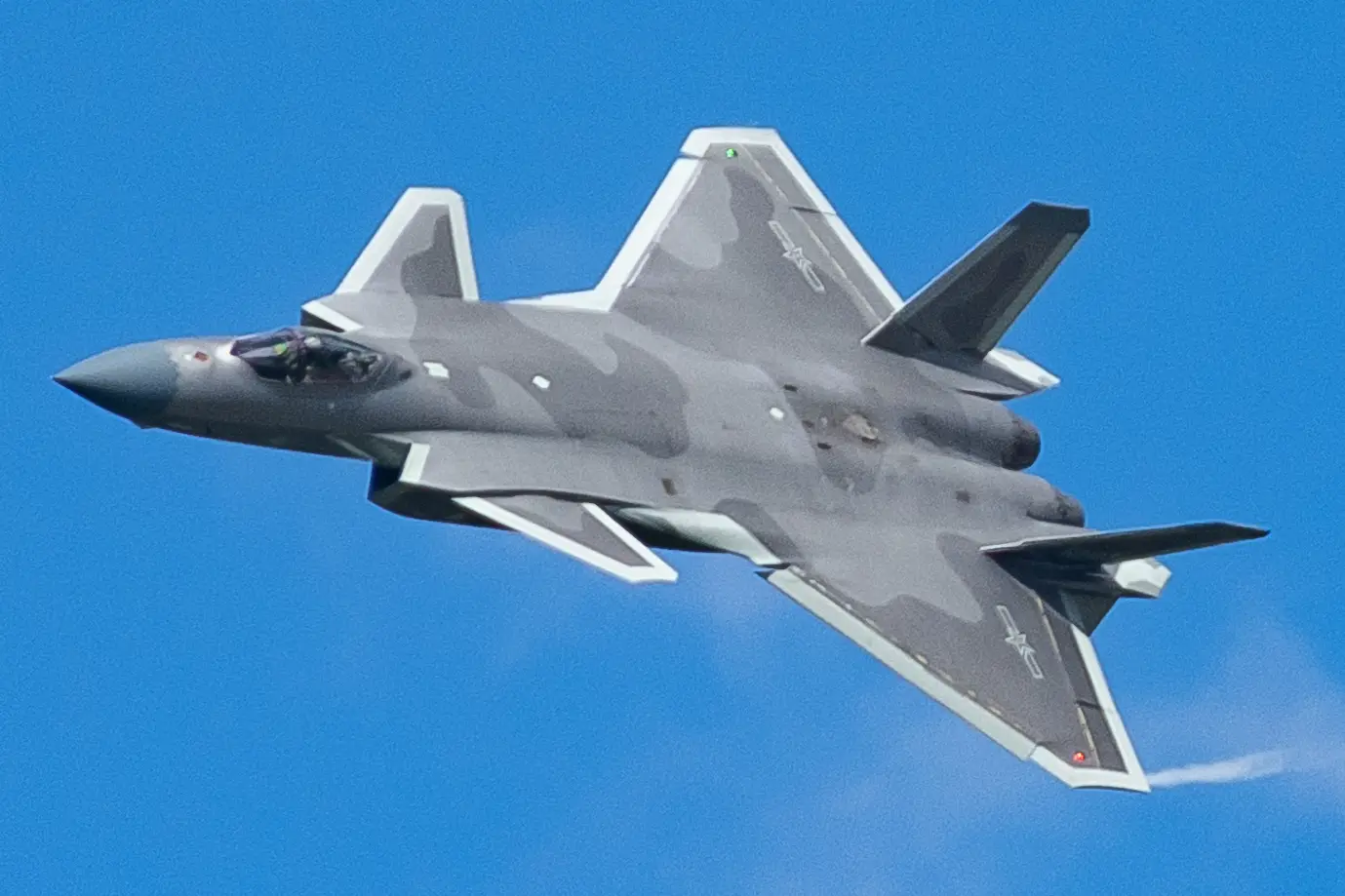
Air Traffic Control Coordination
Even military jets need clearance from air traffic controllers, especially when sharing airspace with civilian flights. Coordination delays on high-traffic bases can force jets to hold position longer than expected.
Maintenance and Technical Hiccups
Fighter jets are complex machines. Minor technical issues discovered during pre-flight checks can ground a jet temporarily, causing delays for others waiting to take off.
Weather and Environmental Factors
Fog, rain, or strong crosswinds can reduce the number of aircraft allowed on the runway at a time. Even supersonic jets are grounded until conditions are safe.
The Surprising Similarity to Road Traffic
From runways to taxiways, from checks to coordination, fighter jets experience a ground-level “traffic problem” that mirrors urban congestion. It’s a reminder that speed in the air begins with patience on the ground.
)
)
)
)
)