Unfirable Musk, Mars colony bonus and massive losses- Five strangest revelations in SpaceX’s blockbuster S-1 filing

Elon Musk's highly anticipated SpaceX Form S-1 registration statement, aiming for a historic $1.75 trillion to $2 trillion valuation, has laid bare its financials and strategic goals. Here are the five strangest things in the filing.
Musk is unfirable
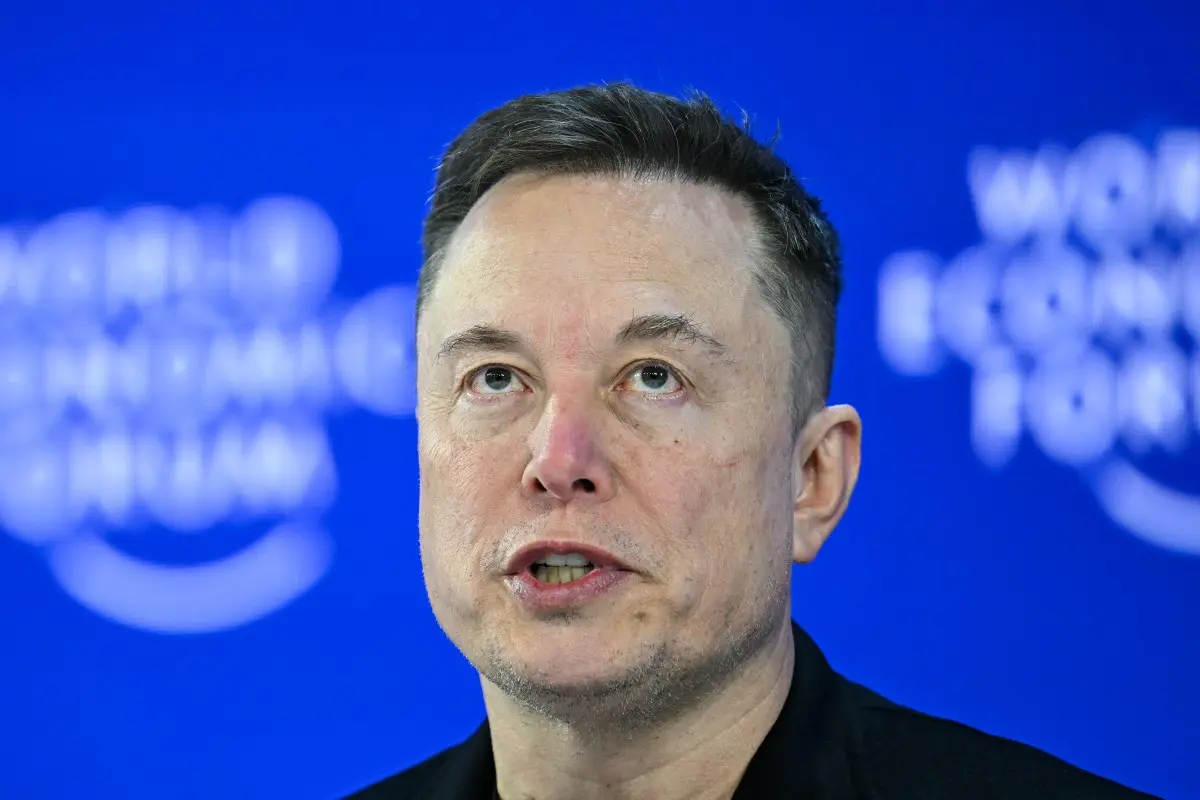
The two tiers of shares outlined in the SpaceX Form S-1 filing establish a strict dual-class share structure. Class A Common Stock, the public shares for Public retail investors, standard asset managers, and institutional index funds, with one voting each share; Class B Common Stock, the insider shares reserved for Elon Musk and a select inner circle of early company insiders, 10 votes each share. It gives Musk 85 per cent of the corporate voting power while owning 42 per cent equity. He could only be removed by himself.
Fastrack into Index funds
Nasdaq officially rewrote its index inclusion rules specifically to accommodate mega-IPOs like SpaceX, allowing the company to bypass standard waiting periods. Earlier, a company must have been listed for at least 12 months and must demonstrate GAAP profitability over a 12-month period and in its most recent quarter before being considered for inclusion. Under the newly minted rule, if a company's market capitalisation at IPO places it within the top 40 largest holdings of the Nasdaq-100, it can bypass the 12-month rule. SpaceX, which is aiming for a historic $1.75 trillion to $2 trillion valuation, easily qualifies. It creates a capital vacuum, because massive, multi-trillion-dollar exchange-traded funds (ETFs) like the Invesco QQQ ETF (QQQ) will be forced to mirror the Nasdaq-100 index. This means millions of retirement accounts and pension funds will be legally forced to buy SpaceX stock, regardless of whether the fund managers actually want to own it.
SpaceX spent $131 million buying cybertrucks
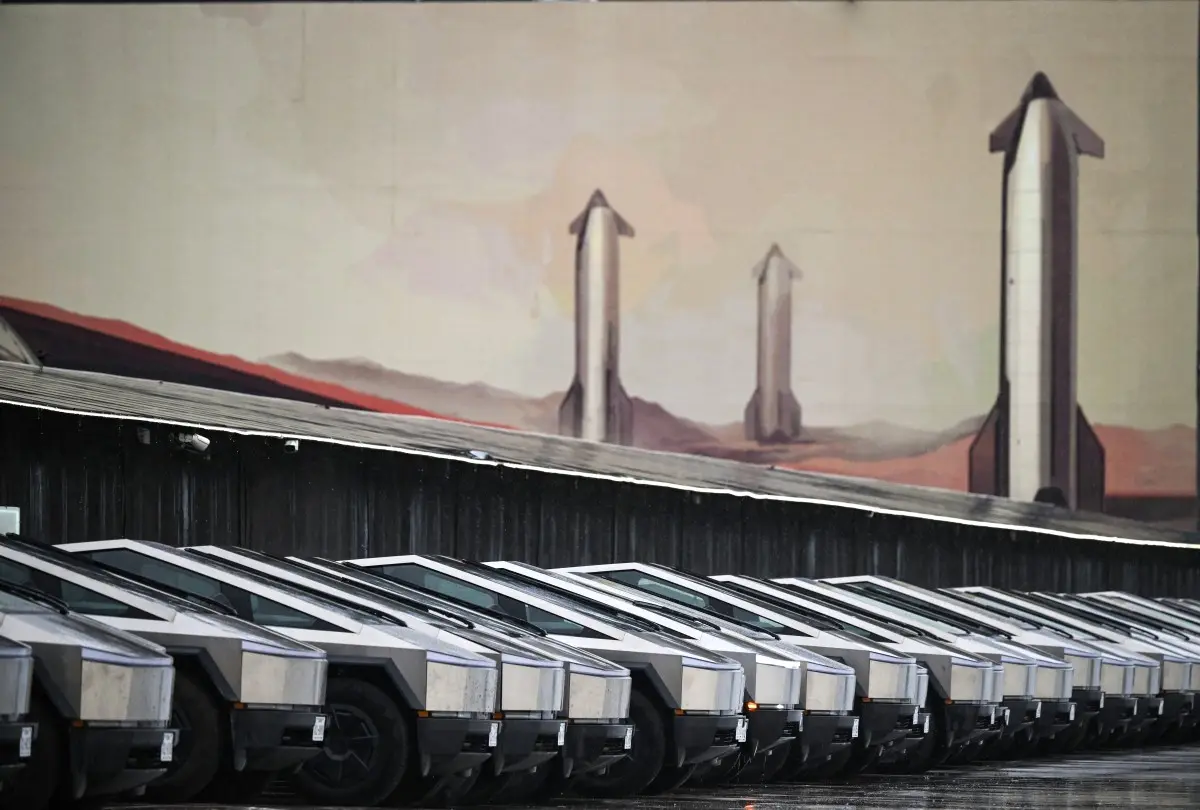
SpaceX spent nearly $700 million purchasing Tesla products between 2024 and 2025. It spect $131 million just buying Tesla Cybertrucks, roughly 1,183 to 1,813 in units, as its demand never picked up. A company seeking a $1.75 trillion public valuation spent $131million buying products from its other struggling company to prop up sales in related-party transactions.
Musk gets 1 billion shares if he colonises Mars
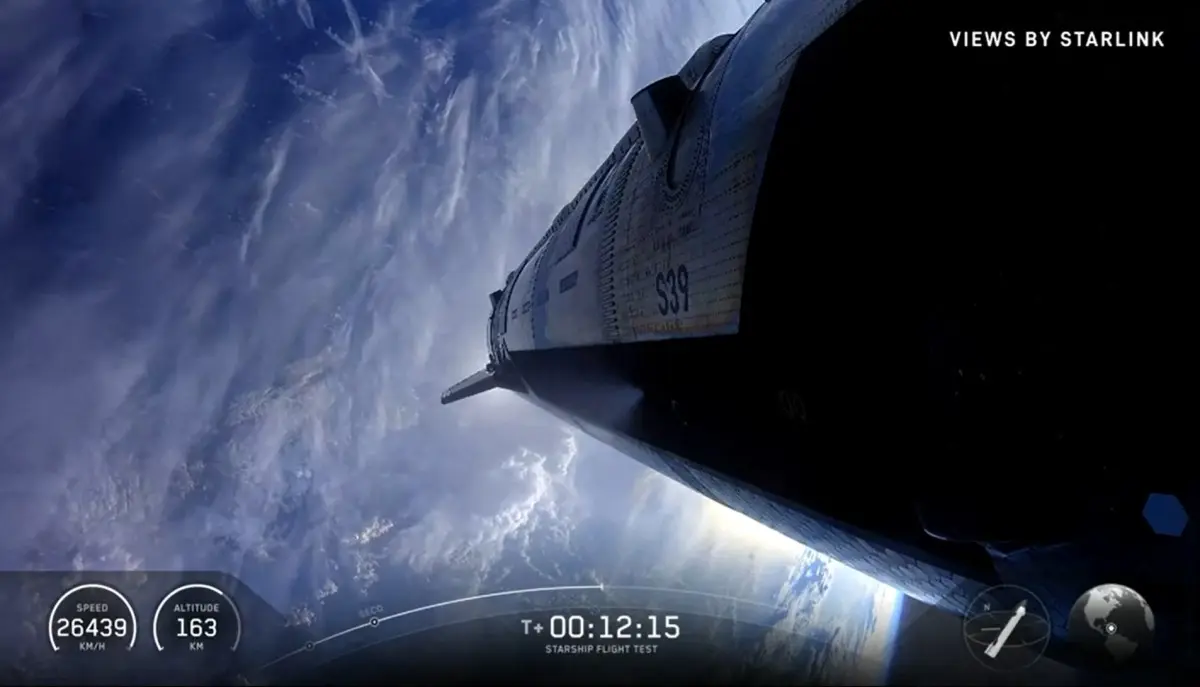
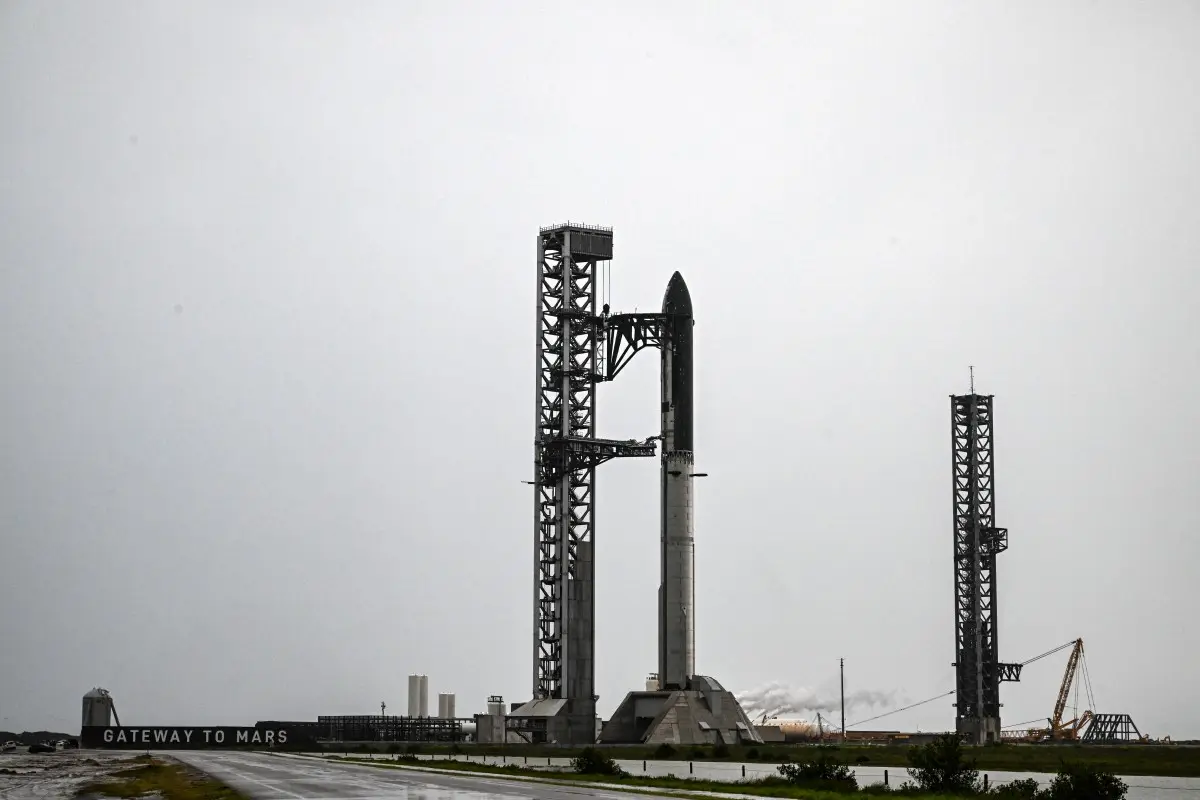
The word Mars appears 63 times in the document, including in the executive compensation section. The SpaceX board granted Musk an award of 1 billion restricted Class B shares on the condition that he guides the company to establish a permanent colony on Mars with one million inhabitants.
Messy finance and unproven technologies
The AI division of SpaceX lost $6.4 billion while bringing in $3.2 billion in revenue. The company lost almost $5 billion last year, on revenue of $18.7 billion. And the losses grew by another $4.3 billion in the first three months of this year. It is specifically making money in the satellite business. The businesses are generating less than 7 per cent of the total addressable market for the investors.
In one section of the filing, SpaceX acknowledges that its objectives will involve technologies that are "unproven" and “do not exist”.
)
)
)
)
)