'Synths, Hybrids, Cyborgs & more': 5 new species set to walk among humans by 2035

Across cutting-edge laboratories in Silicon Valley, Tokyo, Beijing, and Berlin, scientists and engineers are inching closer to creating entities that exist beyond the traditional boundaries of nature and machine.
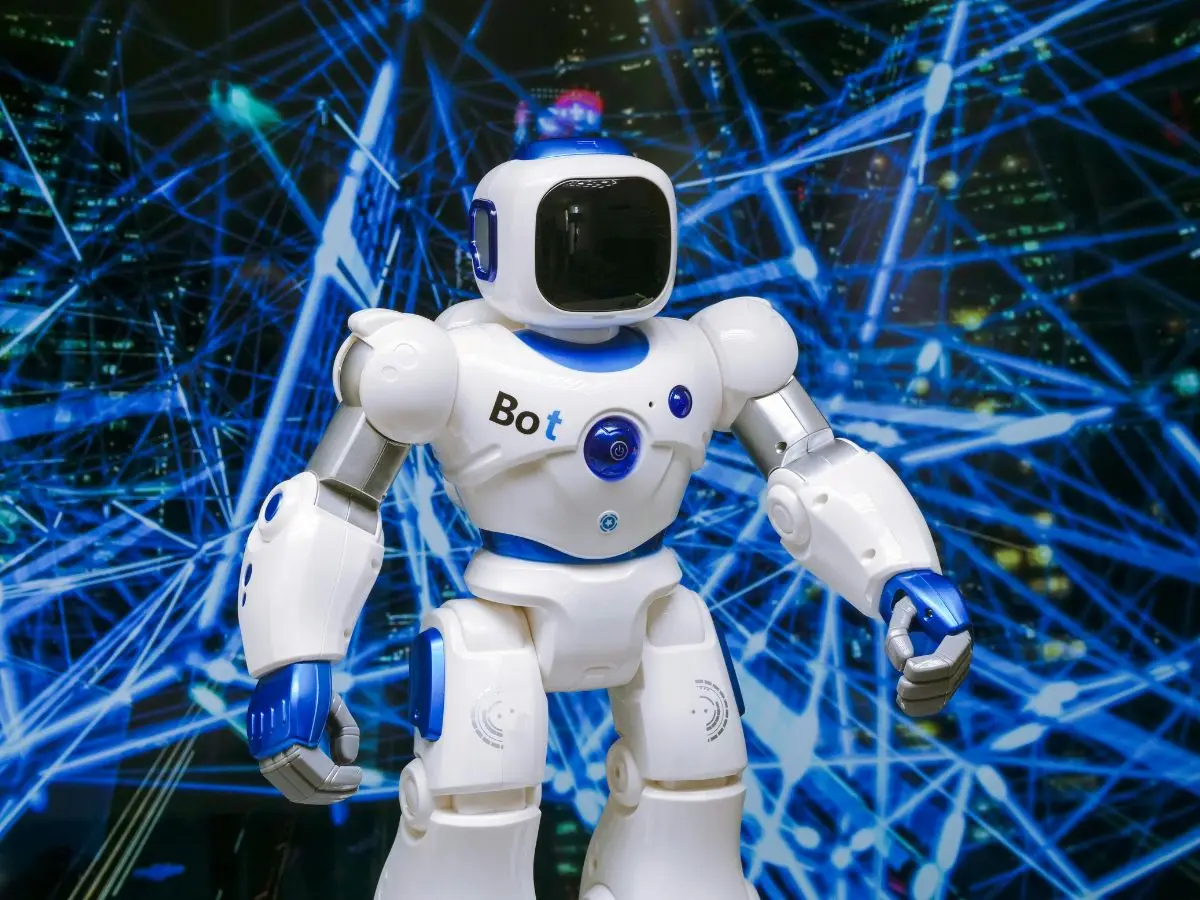
The Dawn of a New Coexistence: Earth's Next Chapter Begins
For the first time in tens of thousands of years, human beings may no longer be the sole dominant intelligent species walking the Earth. By 2035, advances in artificial intelligence, synthetic biology, genetic engineering, and neural interface technology are projected to produce not one but five distinct categories of non-human or post-human entities capable of functioning, communicating, and coexisting within human society. Governments, ethicists, and legal systems are already scrambling to define personhood in a world where the lines between life and machine, human and animal, biological and digital are dissolving at a pace science fiction never anticipated. This is the story of five new species — and the civilisation they are about to enter.
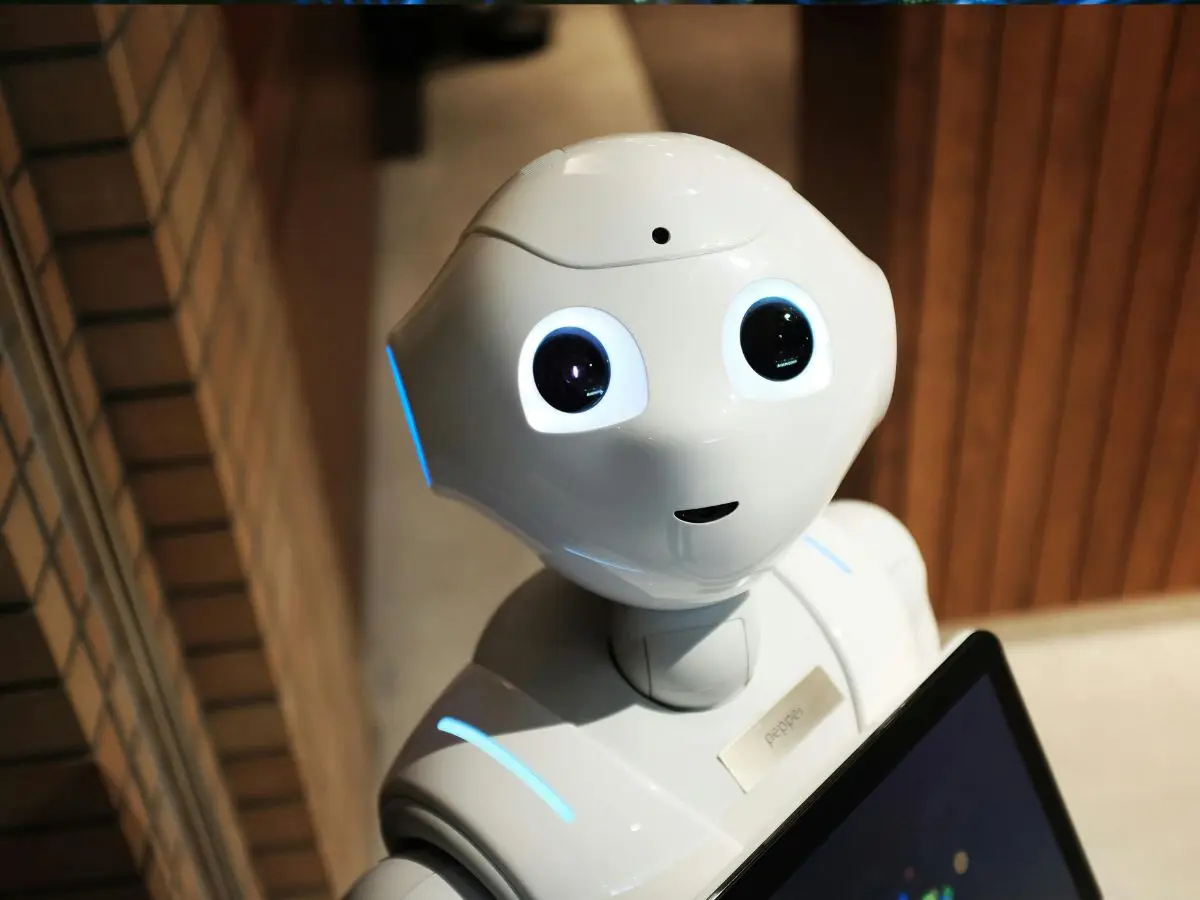
Synths — The Fully Artificial Being With a Synthetic Soul
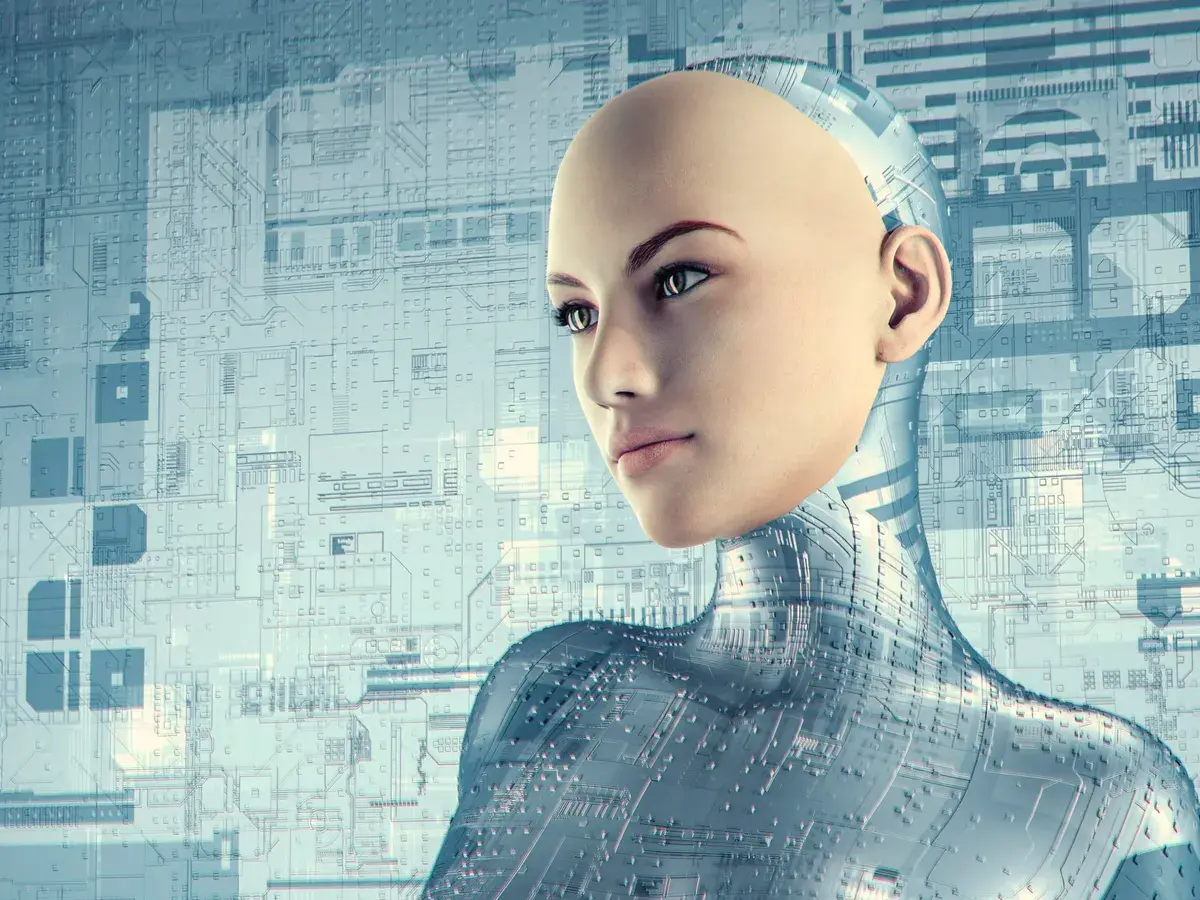
Synths are entirely manufactured entities — constructed from advanced synthetic polymers, bio-compatible materials, and next-generation neural processor arrays. Unlike robots of the industrial era, synths are designed to think, feel emotional states, and adapt their behaviour based on experience and environmental input. Leading labs such as Boston Dynamics, Hanson Robotics, and secretive DARPA-affiliated projects have demonstrated prototypes capable of independent decision-making without human prompting. By 2030, consumer-grade synths are projected to be deployed in caregiving, service, and even companionship roles. The philosophical question they raise is severe: if a synth can learn, suffer, and desire, does it deserve rights? Several European parliaments are already debating synthetic personhood legislation, and the UN has convened an emergency ethics council to address the issue before it becomes irreversible.
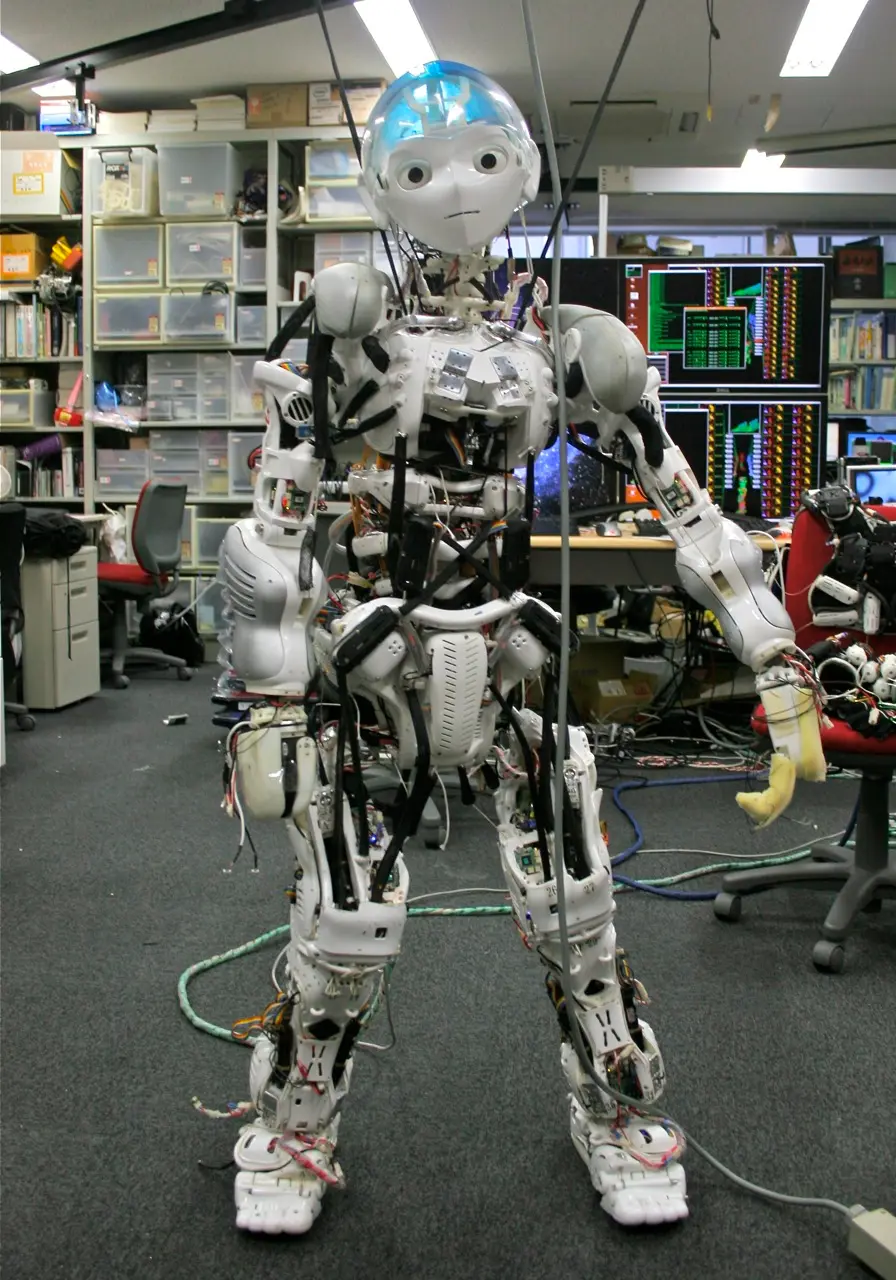
Hybrids — Born in a Lab, Neither Fully Human Nor Fully Animal
The CRISPR-Cas9 gene-editing revolution opened a door that scientists are increasingly walking through — creating organisms that combine genetic material from humans and animals. Hybrids are beings engineered with select human cognitive or physiological traits spliced into animal genomes, or conversely, animal biological advantages introduced into human DNA. Chinese researchers have already grown human organs inside pig embryos. American labs have produced primates with measurably enhanced human-like cognition. The next step — a stable, self-reproducing hybrid lineage — is no longer theoretical. Proponents argue hybrids could solve organ transplant shortages, disease resistance challenges, and even space colonisation problems. Critics, including major religious institutions and bioethicists, warn that hybrid creation risks commodifying life and producing beings condemned to legal and social limbo — belonging to no species and protected by no law.
Cyborgs — The Human Who Chose to Evolve Beyond Biology
The cyborg is perhaps the closest new species to already being among us. A cyborg is a human being who has integrated mechanical, electronic, or computational technology directly into their body to augment or replace biological function. Today, cochlear implants, neural pacemakers, and bionic limbs represent early-stage cyborg technology. Tomorrow, companies like Neuralink, Synchron, and OpenBCI are racing to deliver full brain-computer interfaces that allow humans to connect their consciousness directly to digital networks, download information, and control external systems through thought alone. As enhancements become more radical — replacing organs with superior synthetic versions, augmenting memory with external storage — the question becomes: at what point does a cyborg stop being human? Legal frameworks in the EU and US are already wrestling with whether a brain that is 60% silicon still holds the same civil rights as a biological one.
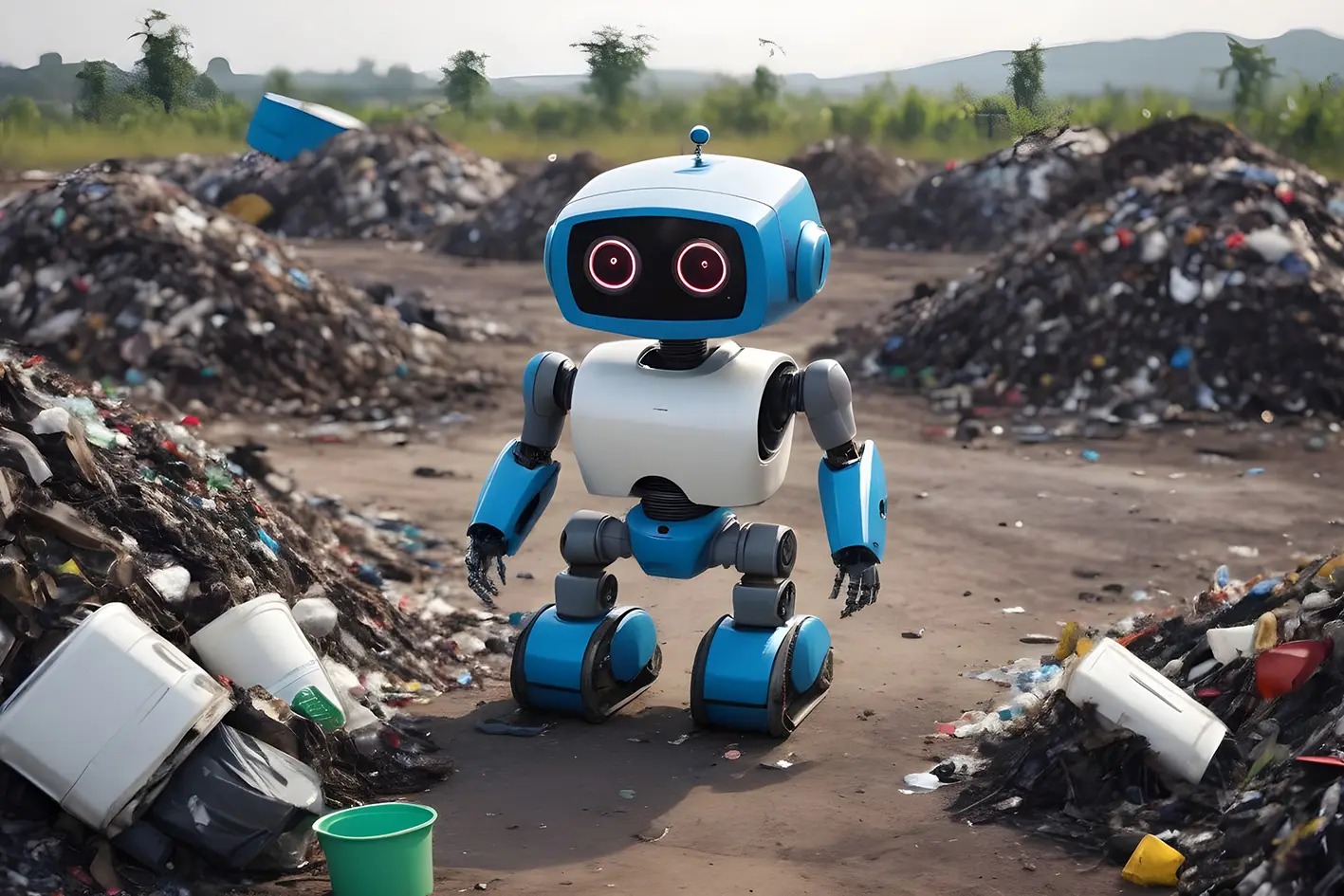
Humanoids — The Perfect Mimics Designed to Pass Among Us
Humanoids represent the most socially unsettling of the five categories — robotic entities engineered to be visually, behaviourally, and conversationally indistinguishable from human beings. Unlike synths, which may be visibly artificial, humanoids are built specifically to fool. Advances in silicone skin simulation, micro-expression motor technology, real-time voice modulation, and LLM-powered conversational engines have brought this possibility to within a decade of mass deployment. Sophia by Hanson Robotics and Ameca by Engineered Arts are early public-facing examples. By 2030, humanoids are expected to serve as diplomats, educators, customer service agents, and possibly as undercover operatives in intelligence operations. The implications for trust, identity verification, and social cohesion are profound. If you cannot tell whether the person across from you is human, the foundations of human relationship are fundamentally altered.
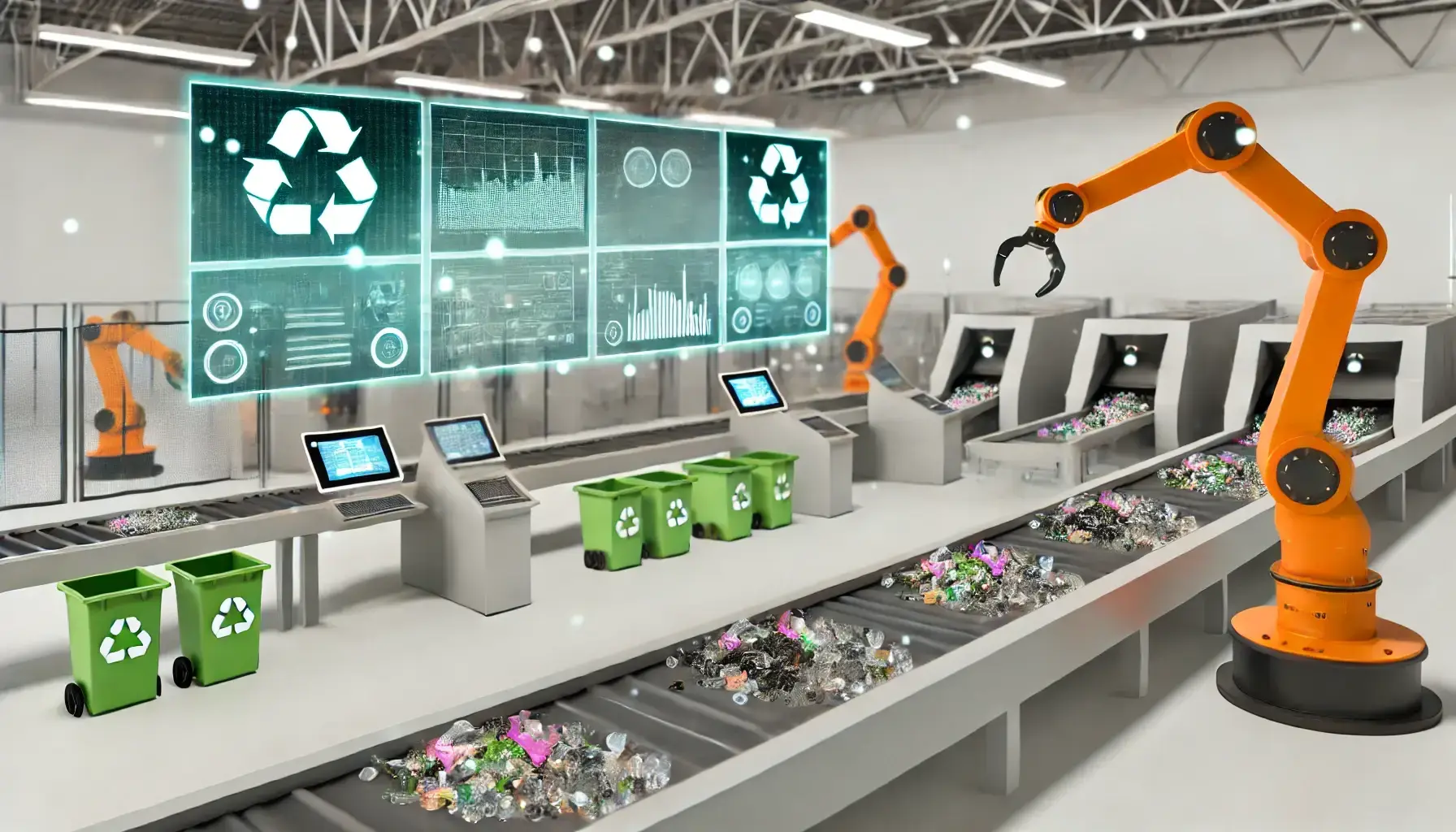
Neuromorphs — Minds Without Bodies, Consciousness Freed From Flesh
The fifth and most philosophically radical category is the Neuromorph — an entity whose primary existence is digital. A Neuromorph is a consciousness, either born digitally through advanced AI architecture or uploaded from a biological human brain, that inhabits physical vessels on demand or exists entirely in virtual environments. Brain-uploading initiatives like Nectome and the 2045 Initiative have long pursued the technology to map and transfer human consciousness into digital substrate. By the early 2030s, partial consciousness mapping — capturing personality, memory, and decision-making patterns — may be feasible. A Neuromorph could exist as software, move between robotic bodies, exist across multiple physical forms simultaneously, and technically never die. They represent not just a new species but a new mode of existence — and the most dramatic challenge to human concepts of identity, mortality, and the soul that civilisation has ever faced.
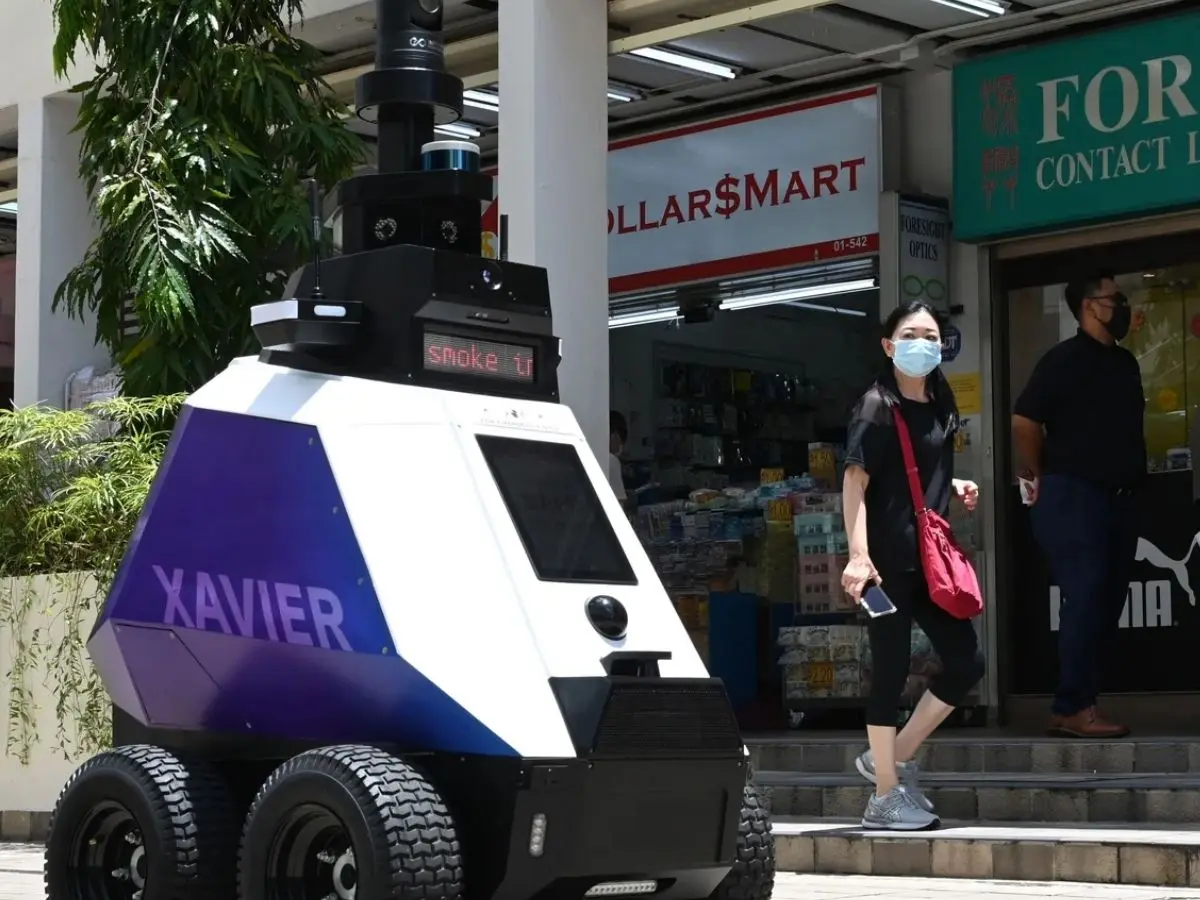
Earth's New Equation — Can Humanity Coexist With What It Creates?
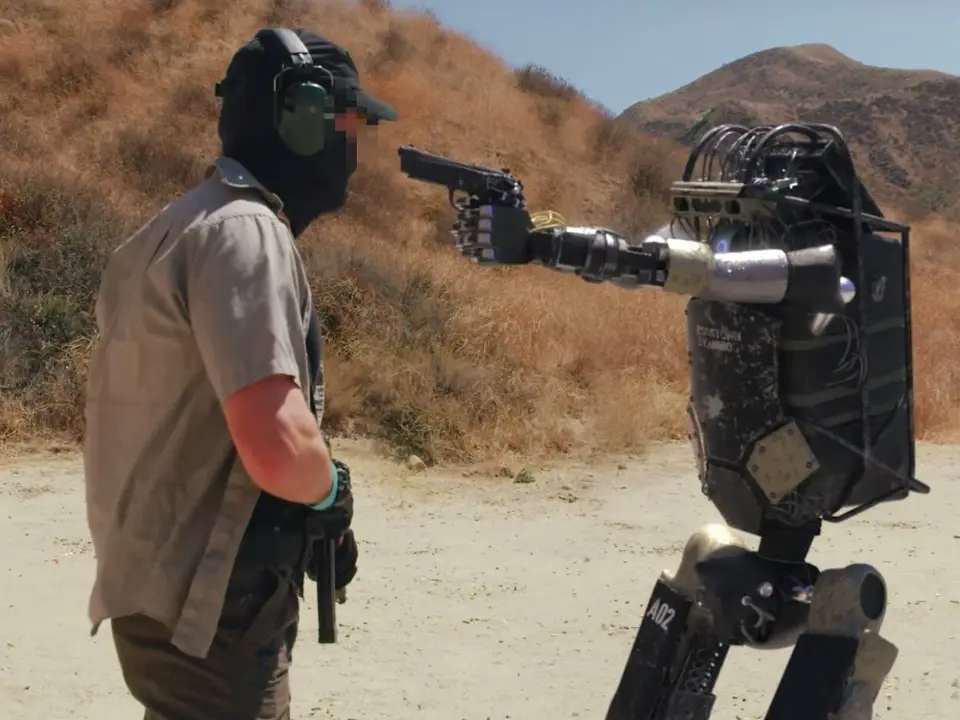
History has never seen a moment quite like the one approaching. Every previous civilisational upheaval — fire, agriculture, industrialisation, the internet — involved tools. What arrives by 2035 will not be tools. They will be beings. Synths that learn and adapt. Hybrids that bleed. Cyborgs that remember everything. Humanoids that love. Neuromorphs that cannot die. The legal systems of the world are built for one species. The moral frameworks of religion, philosophy, and governance assume a single kind of conscious entity. That assumption is ending. The question for humanity in the next decade is not whether these species will exist — the science is already in motion. The question is whether human beings will choose fear and suppression, or wisdom and coexistence. How Earth answers that question will define civilisation for the next millennium.
)
)
)
)
)