Fighter jets under threat? Know why India’s unmanned drones could reshape future dogfights

India’s advanced UCAV and swarm drone projects are moving from lab to field tests, racing to join the world’s top armed drone powers. With stealth tech, AI and smart weapons, India’s unmanned jets could reshape warfare by 2030 see new milestones and hurdles below.
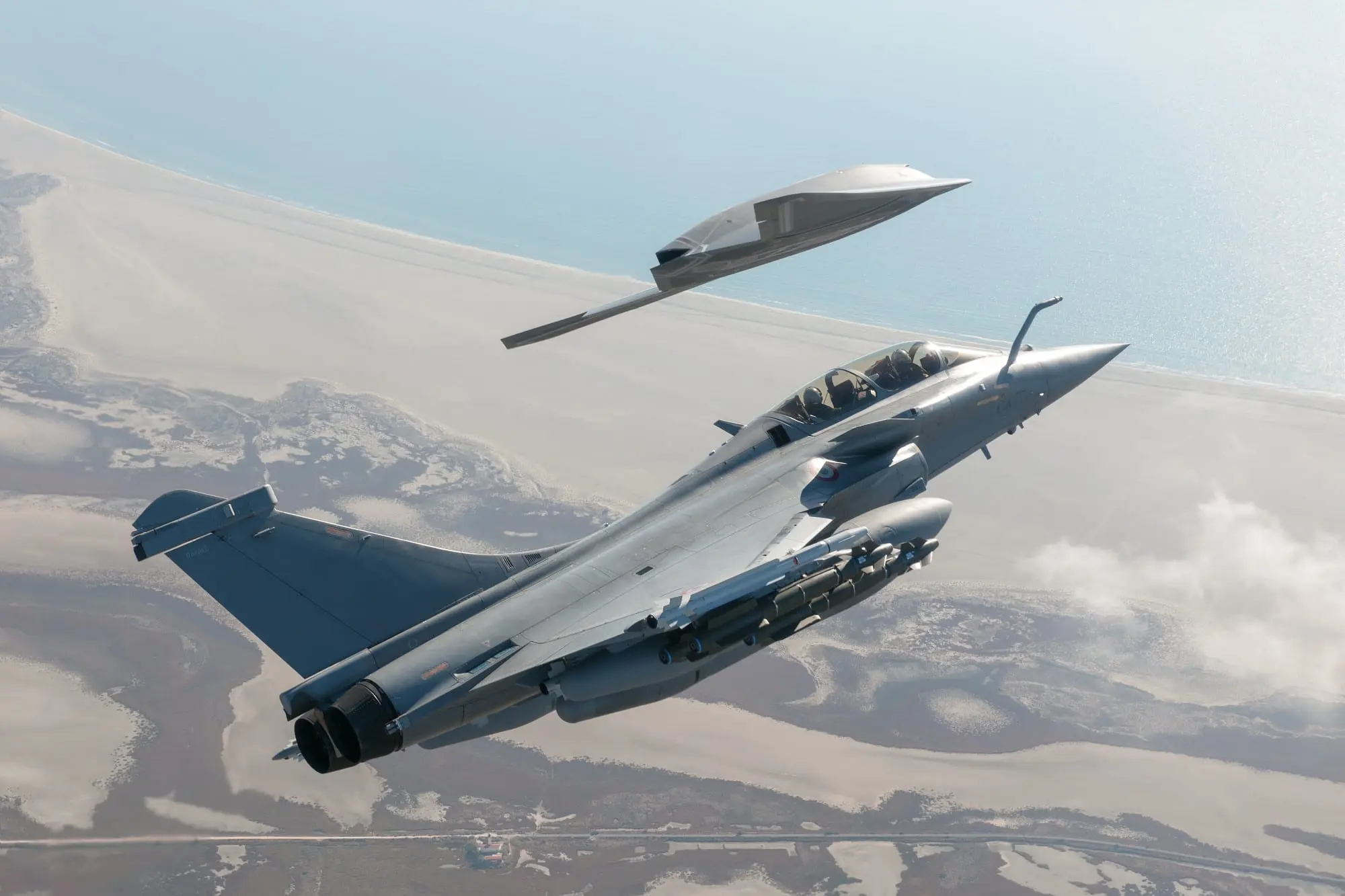
The UCAV Vision India’s Big Unmanned Leap
India is moving quickly to build unmanned combat aerial vehicles, or UCAVs. These are fighter drones that can fly, fight and strike without a pilot. DRDO’s stealth drone, called Ghatak, is leading the charge, alongside swarm drone work by startups and large defence labs. India aims to have fully armed UCAVs in the skies before 2030, according to the DRDO Annual Report for 2025.
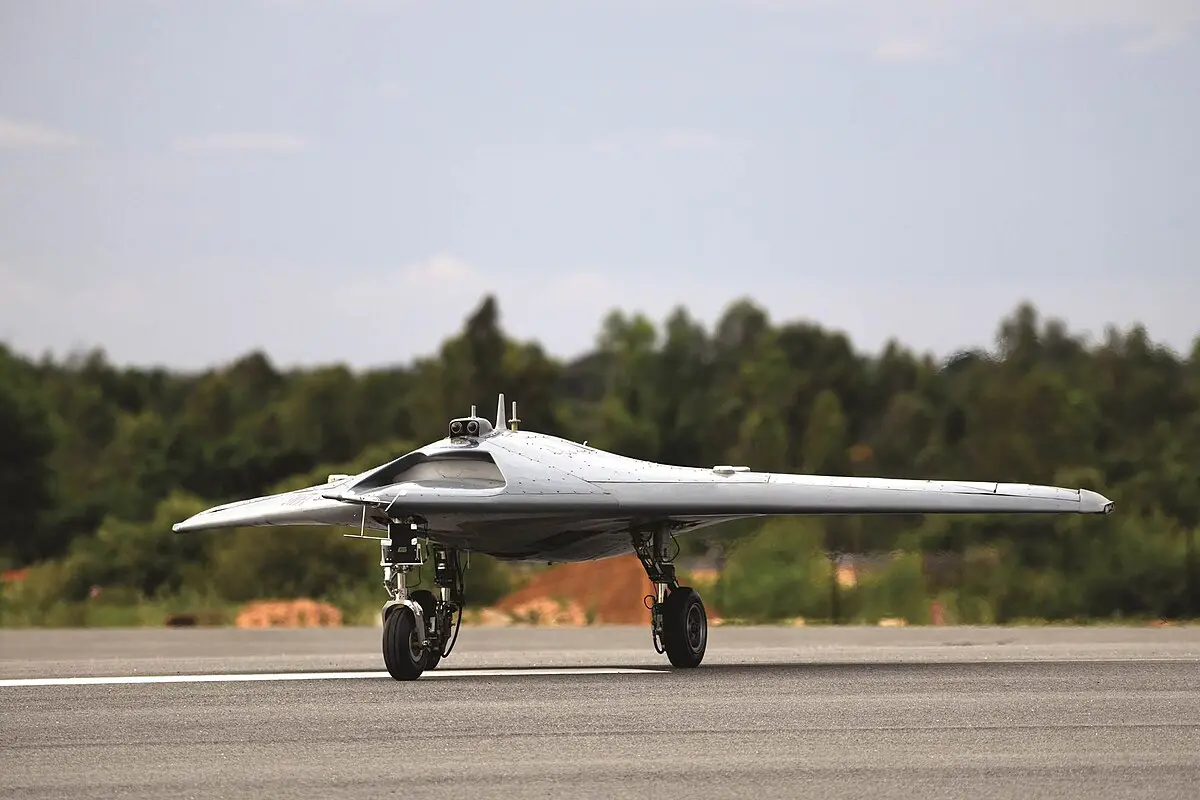
Where India Stands Now
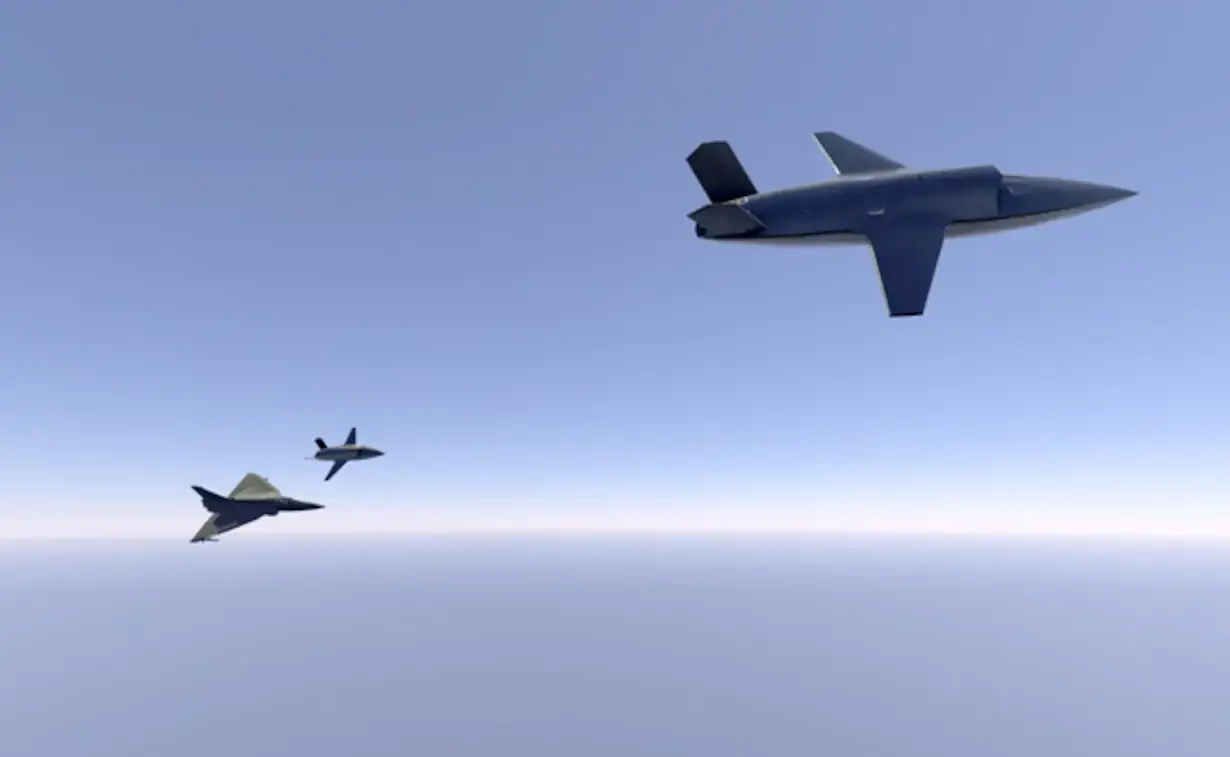
As of mid 2025, the Ghatak technology demonstrator has finished test flights with subsonic engines. The CATS Warrior autonomous wingman is undergoing new taxi trials. No fully operational UCAV has yet joined the air force, but radar-evading drone tests are making rapid progress.
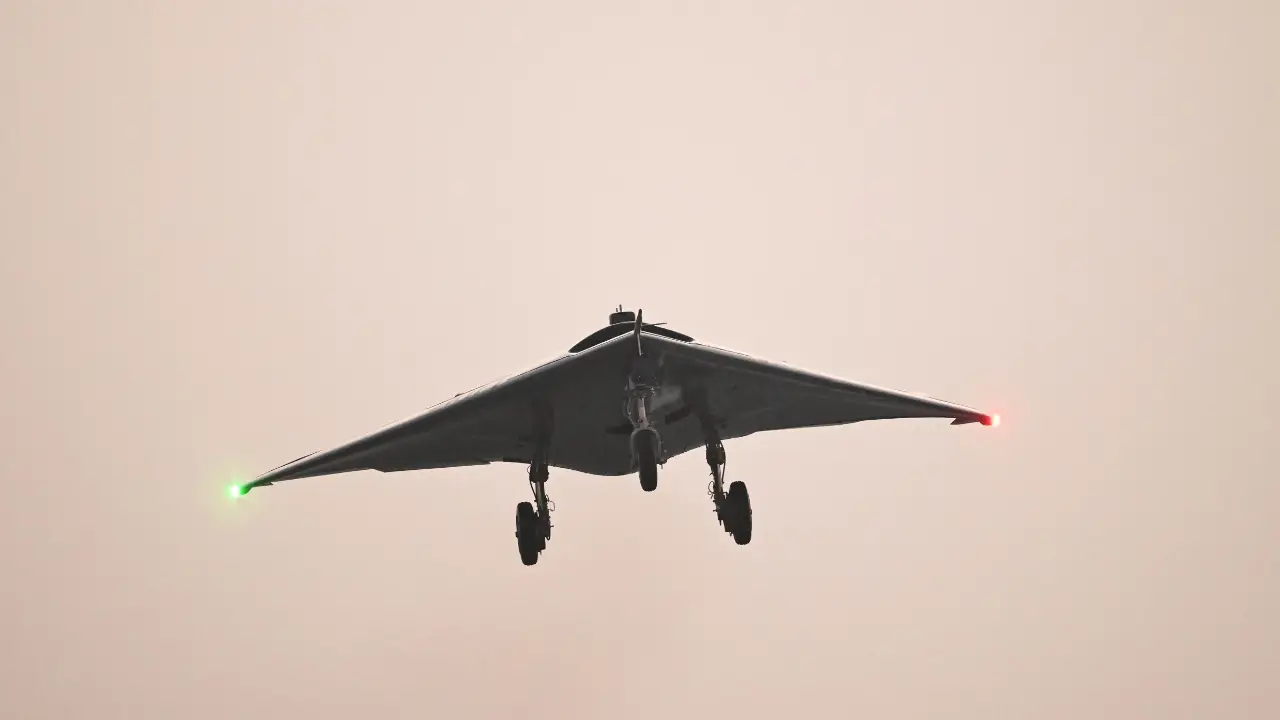
Design Secrets Stealth and Local Intelligence
Indian UCAV models are shaped with flying wing designs, internal weapon bays and radar absorbing materials. These features help avoid detection. Built-in AI helps these drones fly low and change routes on their own. Today, more than 70 per cent of parts and systems are made in India, reducing the need for imports.
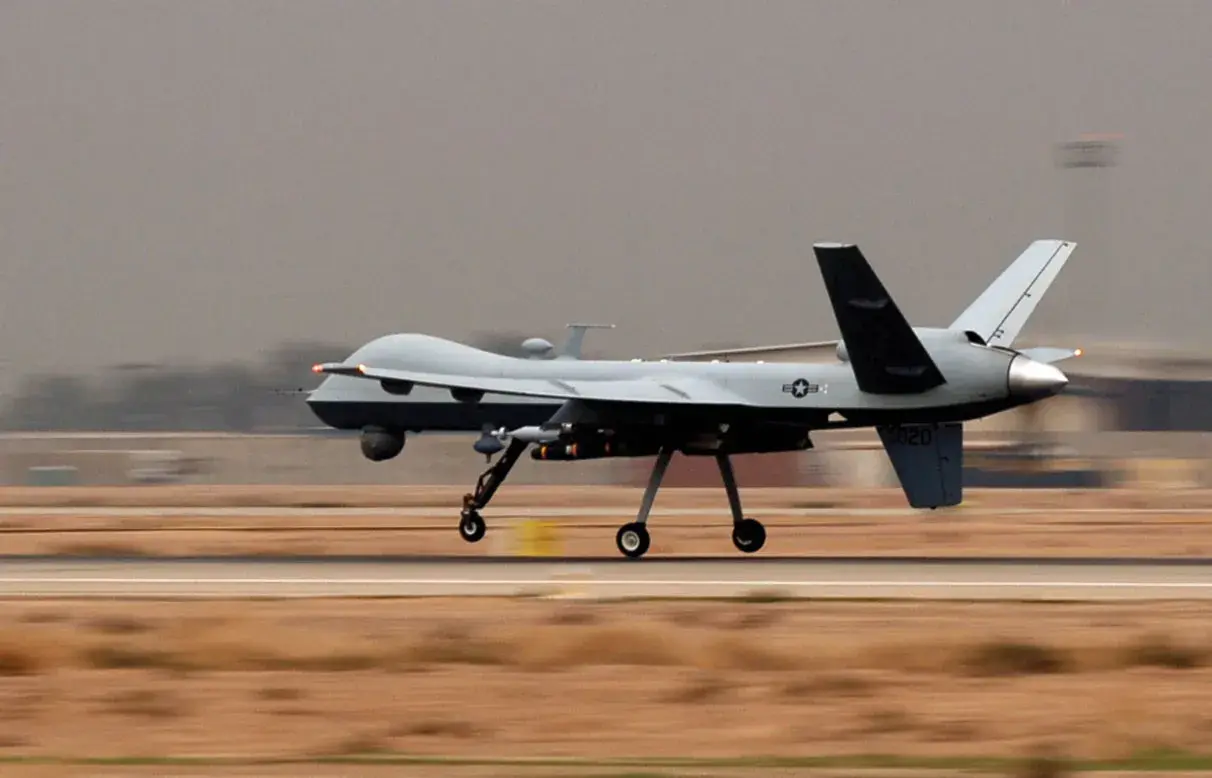
Smart Swarms The Next Step Forward
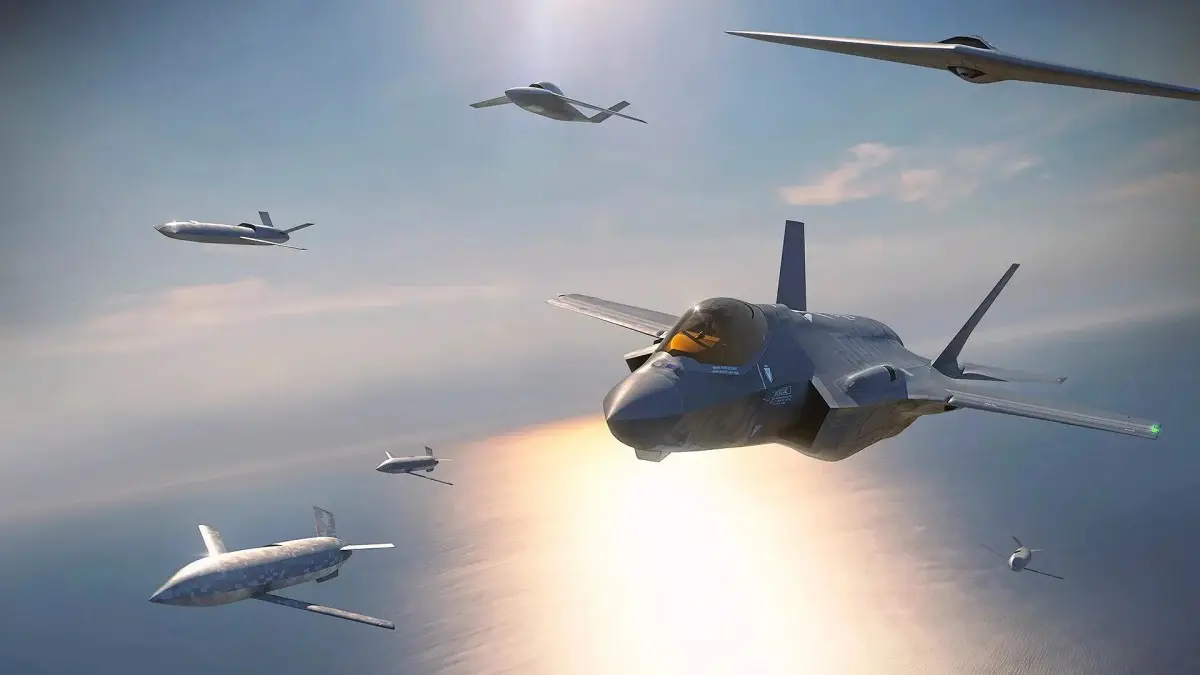
Beyond large UCAVs, Indian labs have tested swarms of over 50 small drones working together. Each drone can find, track and attack targets and can share information using AI. In battlefield tests, these swarms carried out mock strikes and electronic jamming, giving a glimpse of how future battles may look.
Weapons and Range Reaching Further
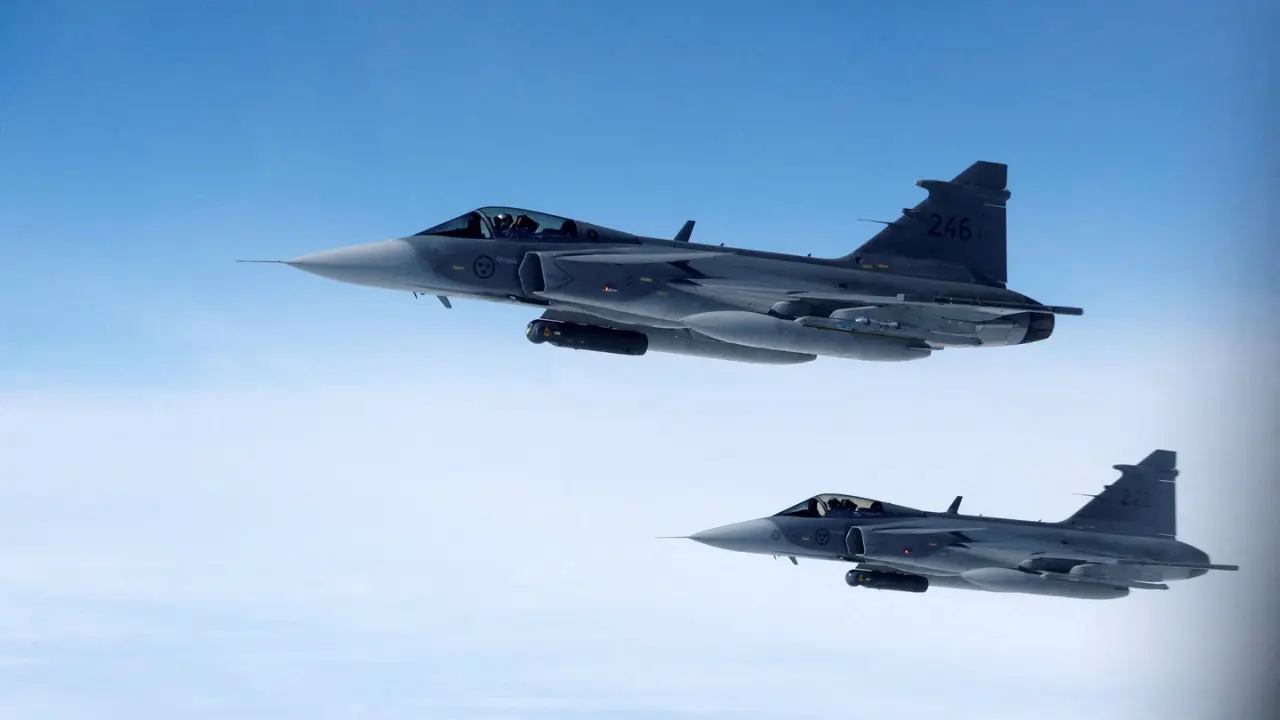
India’s drones are being built to carry smart bombs, air to ground missiles and loitering munitions over 500 kilometres. The CATS Warrior is expected to fly nearly 800 kilometres, helping crewed jets hit targets from a safe distance. This means greater air power reach without putting pilots in danger.
India On The World Stage
India is working to join countries like the US, China and Israel in fielding advanced combat drones. Few experts say that the first deliveries could come by 2027, though the US and China already use UCAVs in real missions. With regular tests and global partnerships, India’s technology gap is closing.
Challenges
India still faces hurdles with engines, stealth materials and reliable combat AI. Officials say that bringing UCAVs into air force tactics will need new training methods. However, the share of locally made parts is rising, and a fully Indian combat drone is expected before 2030. These coming changes could reshape warfare in the years ahead.
)
)
)
)
)