Fighter jets to flying giants: Inside 5 experimental aircraft that dared to push limits, and paid the price

One of these few flew so high they almost touched space itself. Yet pushing those limits often came at a cost: unexpected design flaws, fatal crashes, and projects abandoned despite years of work.
Mastering the sky
In the quest to master the skies, engineers and test pilots have built aircraft that rewrote what was thought possible. Some soared faster than a bullet; others were shaped unlike anything seen before. One few flew so high they almost touched space itself. Yet pushing those limits often came at a cost: unexpected design flaws, fatal crashes, and projects abandoned despite years of work. These are the five experimental aircraft each set out to break new ground, and in doing so, sometimes broke themselves. Here’s how they changed aviation, and what we learned from their bold, and sometimes tragic, journeys.
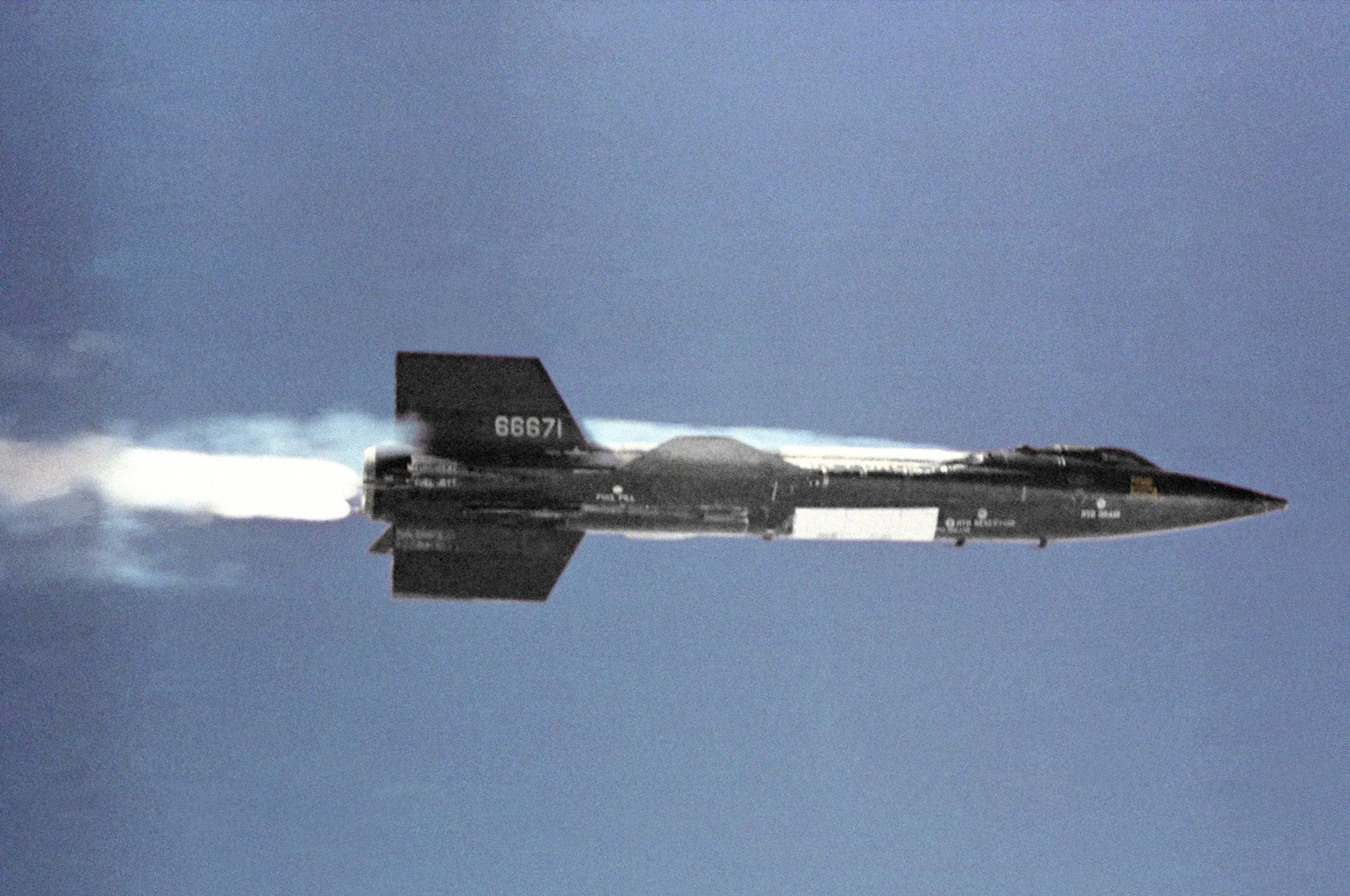
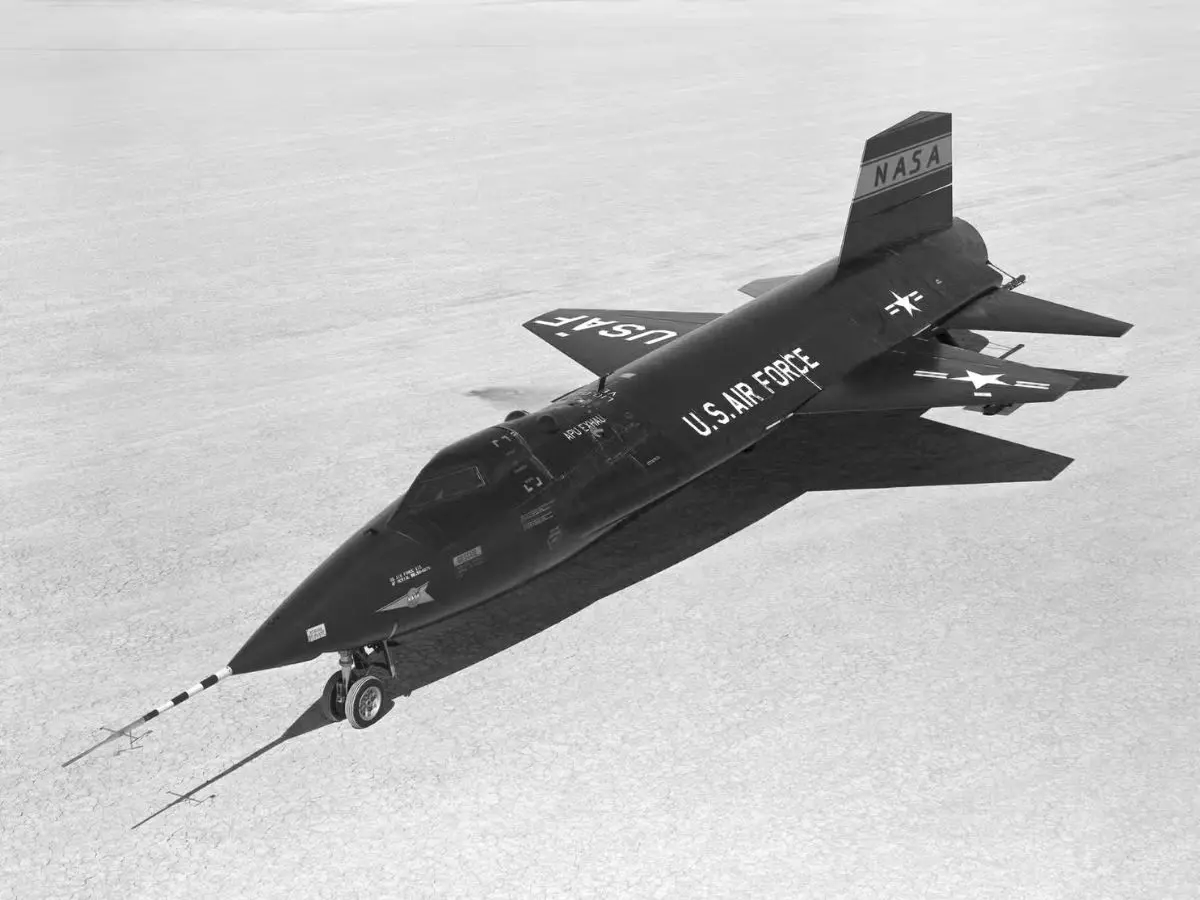
North American X-15
The North American X-15 was a rocket-powered research aircraft flown from 1959 to 1968. Built to investigate flight at hypersonic speeds and extreme altitudes, it reached Mach 6.7 (over 7,200 km/h) and altitudes above 67 miles (107 km). Pilots like Neil Armstrong tested re-entry dynamics and heat-resistant materials, but the X-15 programme also saw serious accidents, including the 1967 loss of pilot Michael J. Adams when his aircraft broke apart during descent.
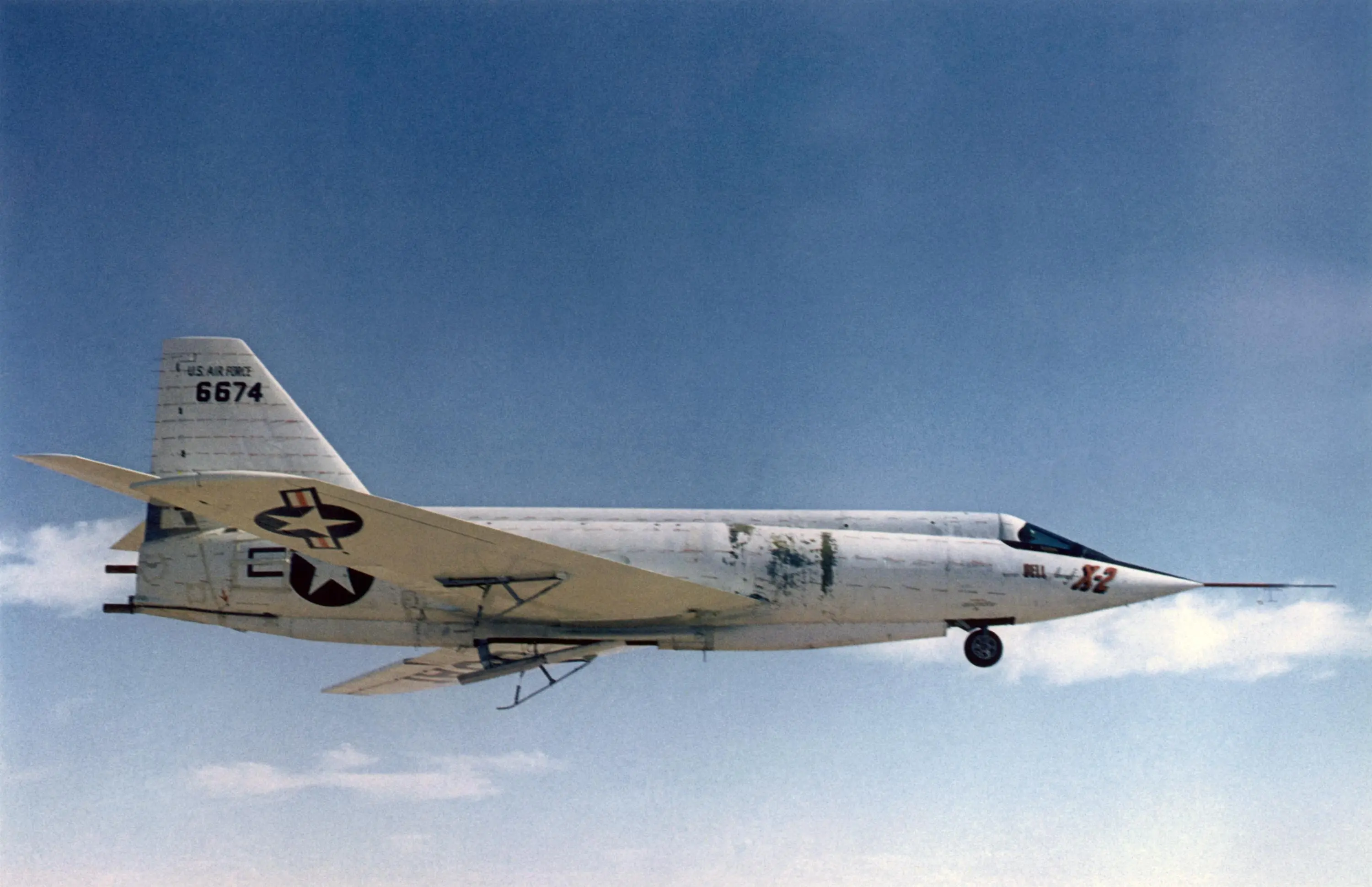
Bell X-2 'Starbuster'
The Bell X-2 aimed to explore aerodynamics at speeds beyond Mach 3. First flown in 1955, it reached Mach 3.196 in September 1956. Moments later, test pilot Captain Milburn “Mel” Apt lost control due to inertia coupling, leading to a fatal mid-air breakup. The X-2 demonstrated critical limits of stability and control in high-speed flight.
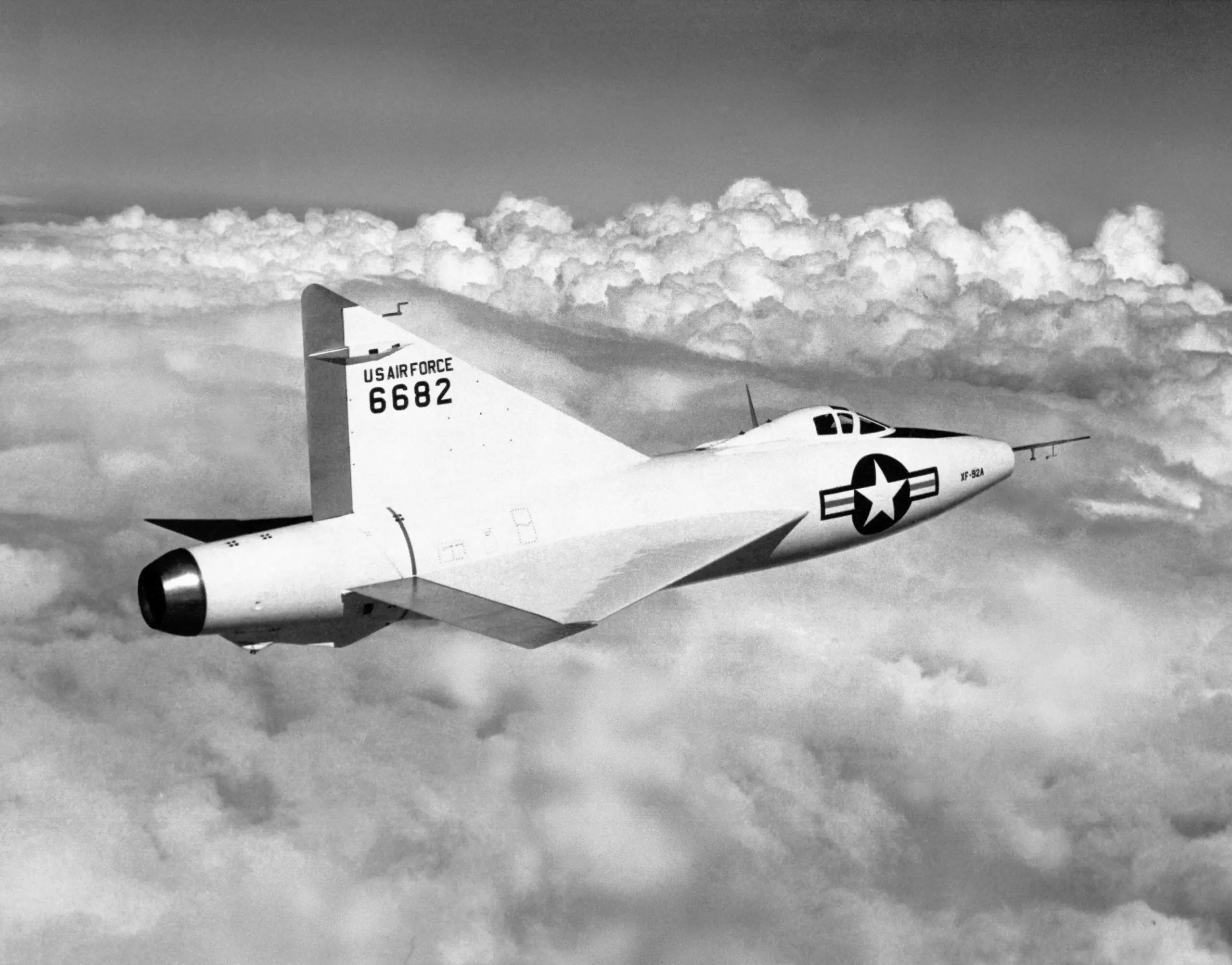
Convair XF-92A
Introduced in 1948, the Convair XF-92A was the first American jet to fly with a delta wing. Intended to test high-speed aerodynamics, the XF-92A faced persistent stability and control challenges, especially at lower speeds. While it never became operational, the data informed later successful aircraft like the Convair F-102 Delta Dagger.
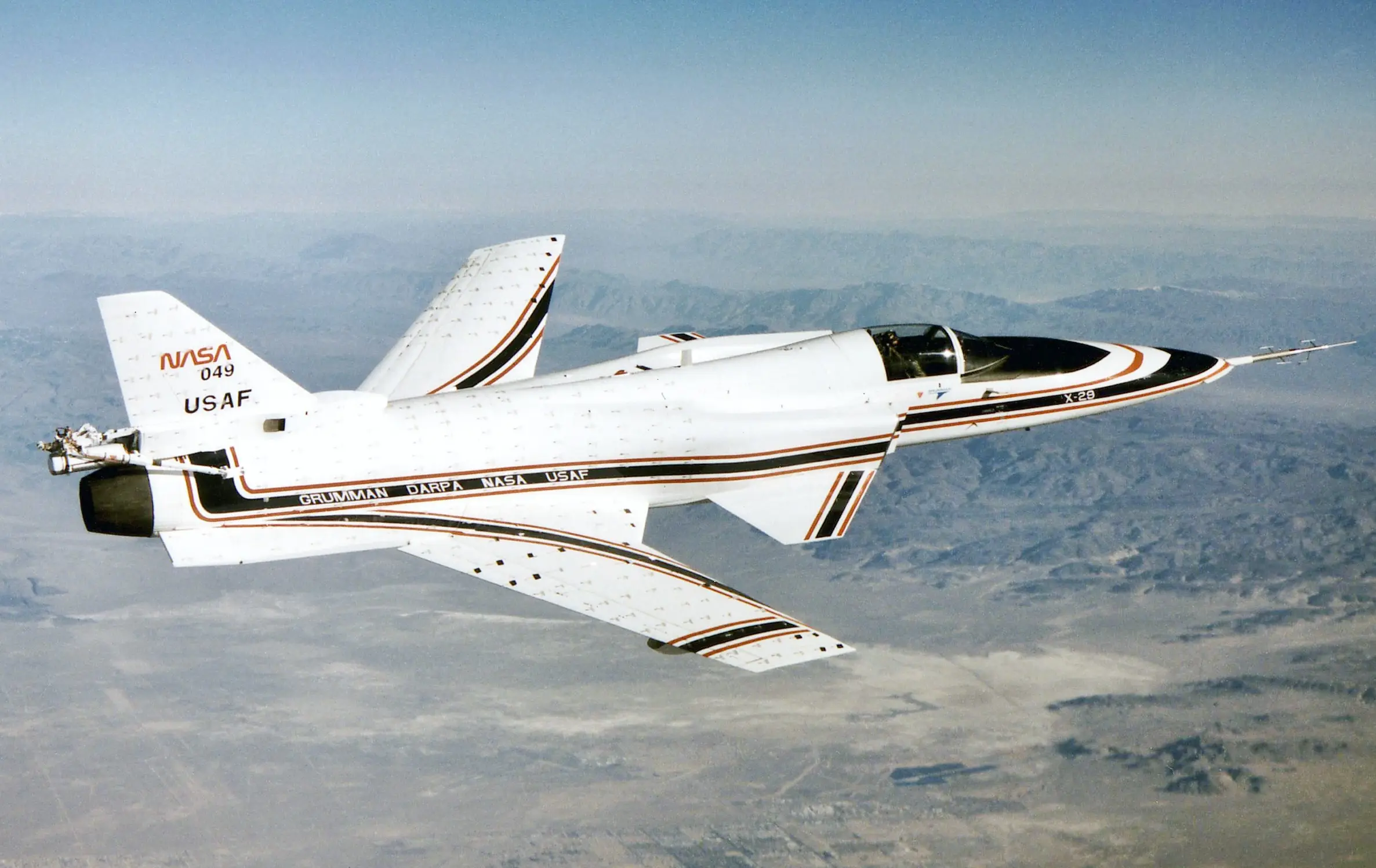
Grumman X-29
The Grumman X-29, flown between 1984 and 1991, featured forward-swept wings and advanced composite materials. This radical design increased agility at high angles of attack, but also introduced instability that required continuous computer correction via a digital fly-by-wire system. The X-29 provided valuable insights for modern fighter design.
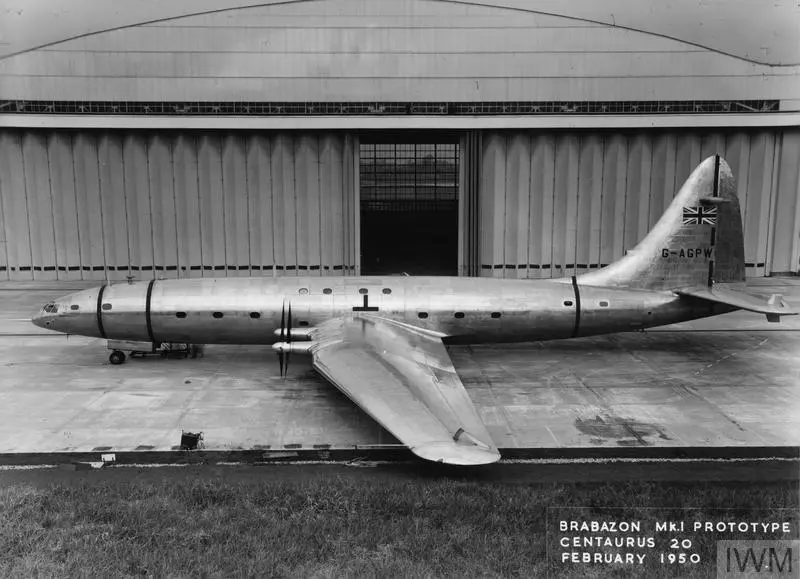
Bristol Brabazon
Conceived after World War II, the Bristol Brabazon was one of the largest propeller-driven airliners ever built, first flying in 1949. Designed for luxury transatlantic travel, it featured eight engines and spacious cabins. However, the rapid rise of jet airliners quickly made it obsolete, and only one prototype was completed before the project was cancelled in 1953.
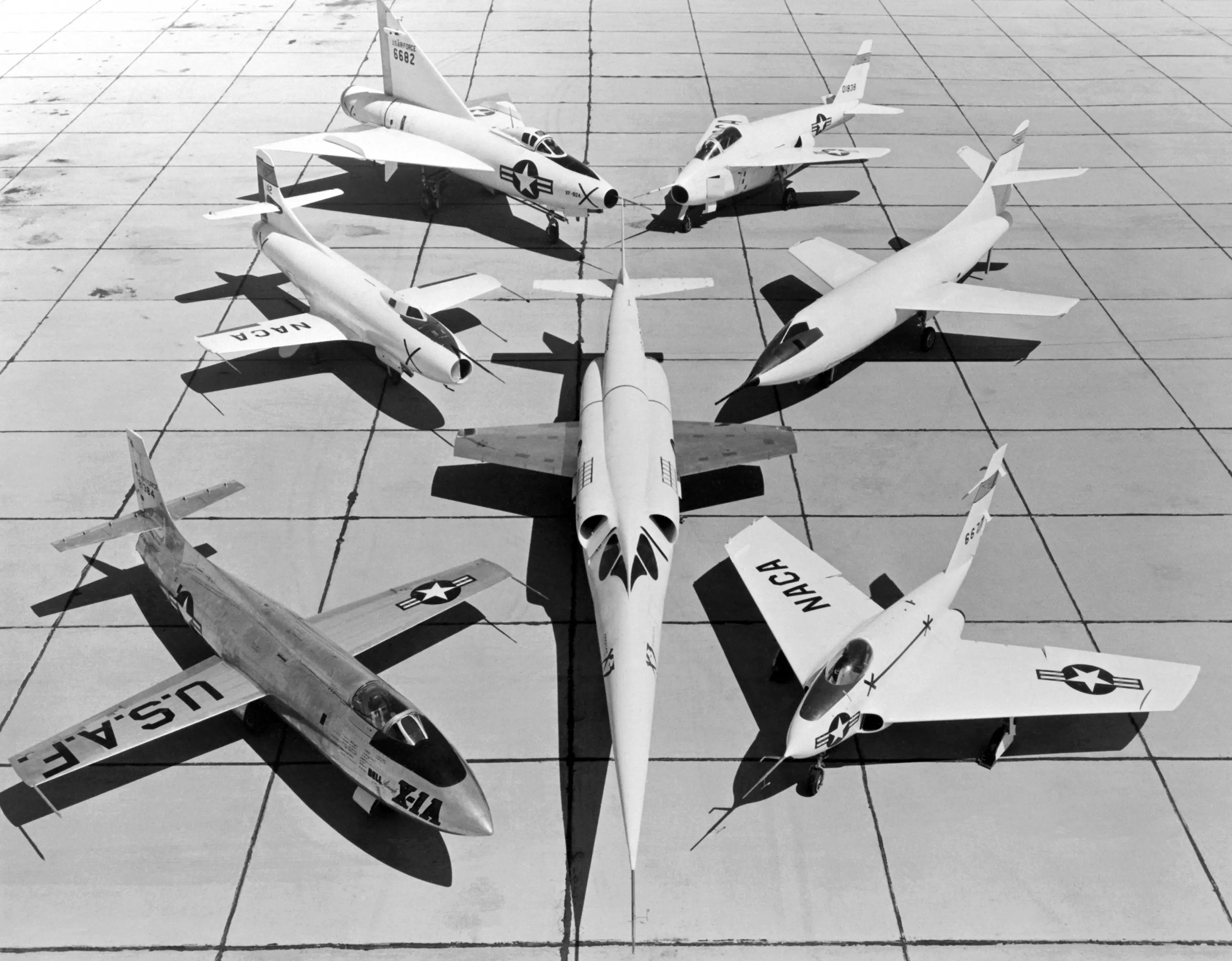
Unknown legacy: Risk and reward
These aircraft illustrate how innovation in aviation often walked a fine line between success and disaster. Each programme produced critical data that advanced technology, despite their sometimes tragic outcomes or commercial failure.
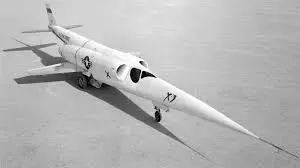
Pushing the limits of flight
Experimental aircraft like the X-15, X-2, XF-92A, X-29 and Brabazon reveal the tension between ambition and practicality. Though some ended in loss or cancellation, they expanded knowledge, shaped future designs and remain significant milestones in aviation history.
)

)
)
)