Fighter jets and bullet trains: Is speed the only thing they share?

Fighter jets and bullet trains may seem worlds apart, but both rely on speed, design, and high-tech systems. From sleek shapes to smart controls, discover how these machines race ahead on land and in the sky by sharing breakthrough engineering.
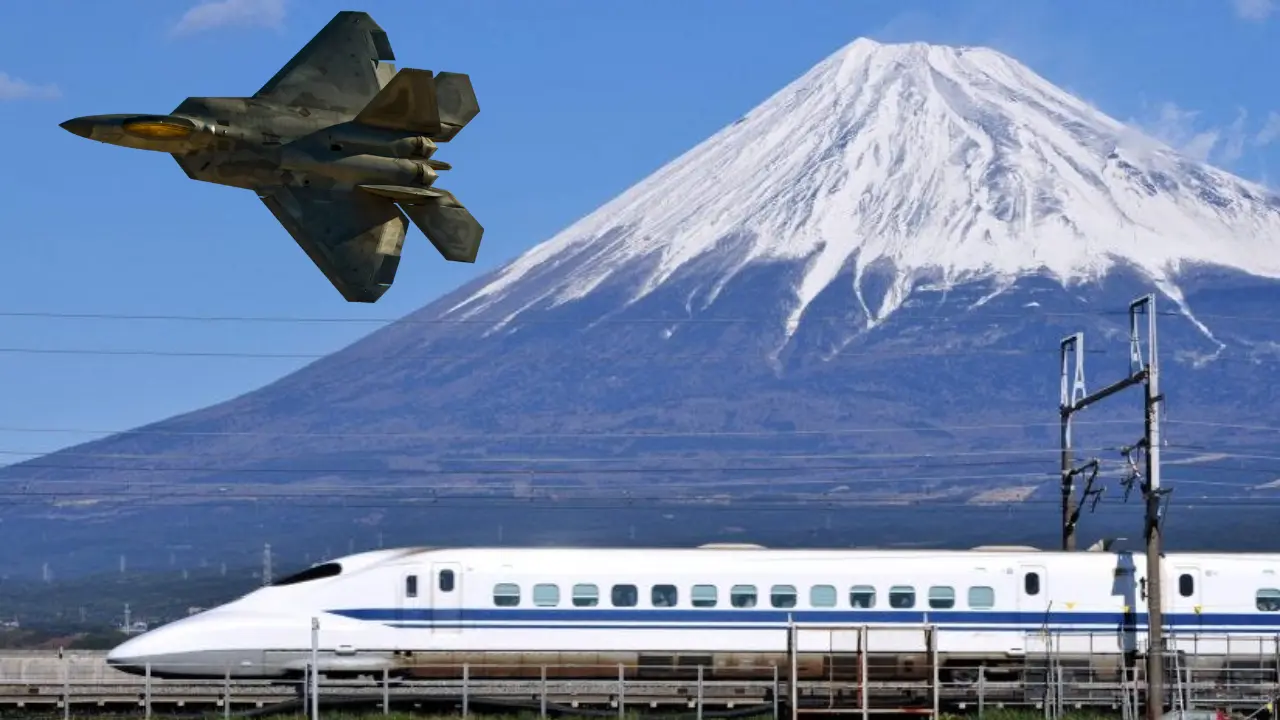
Racing Ahead - Jets and Trains
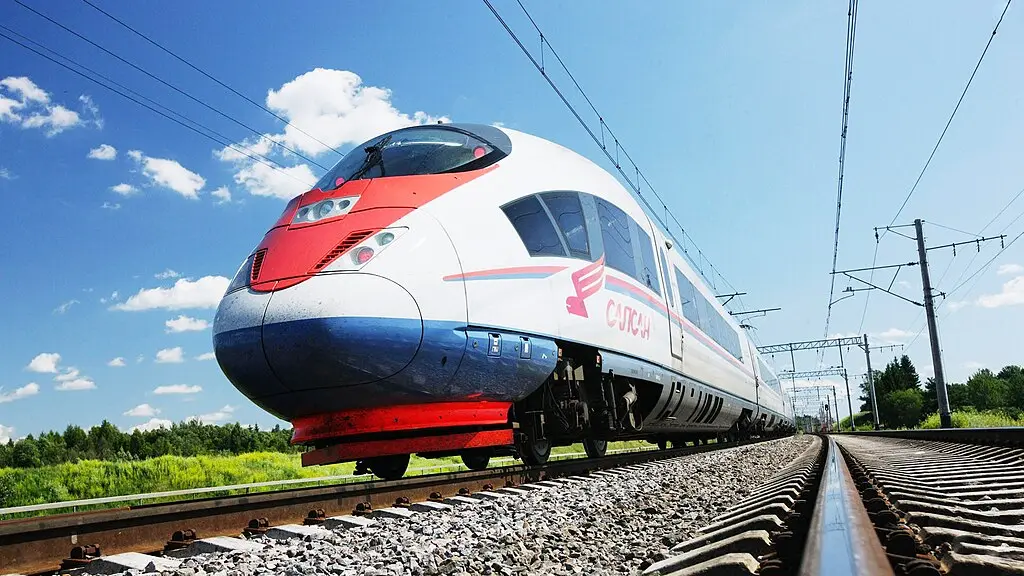
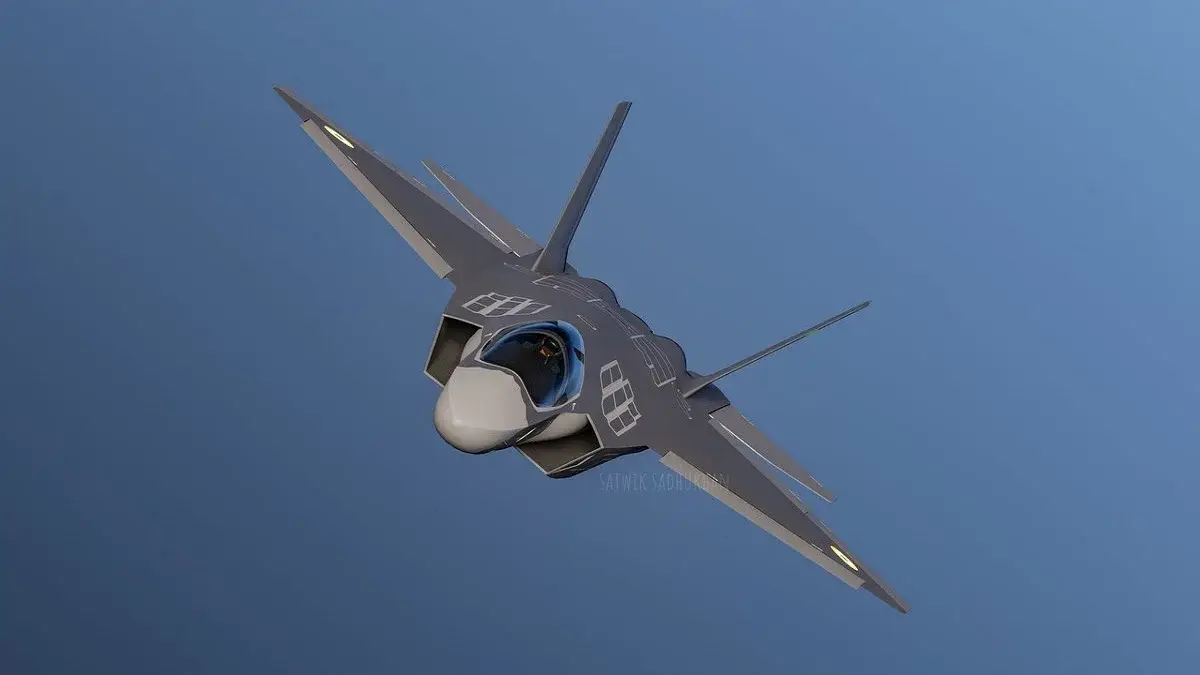
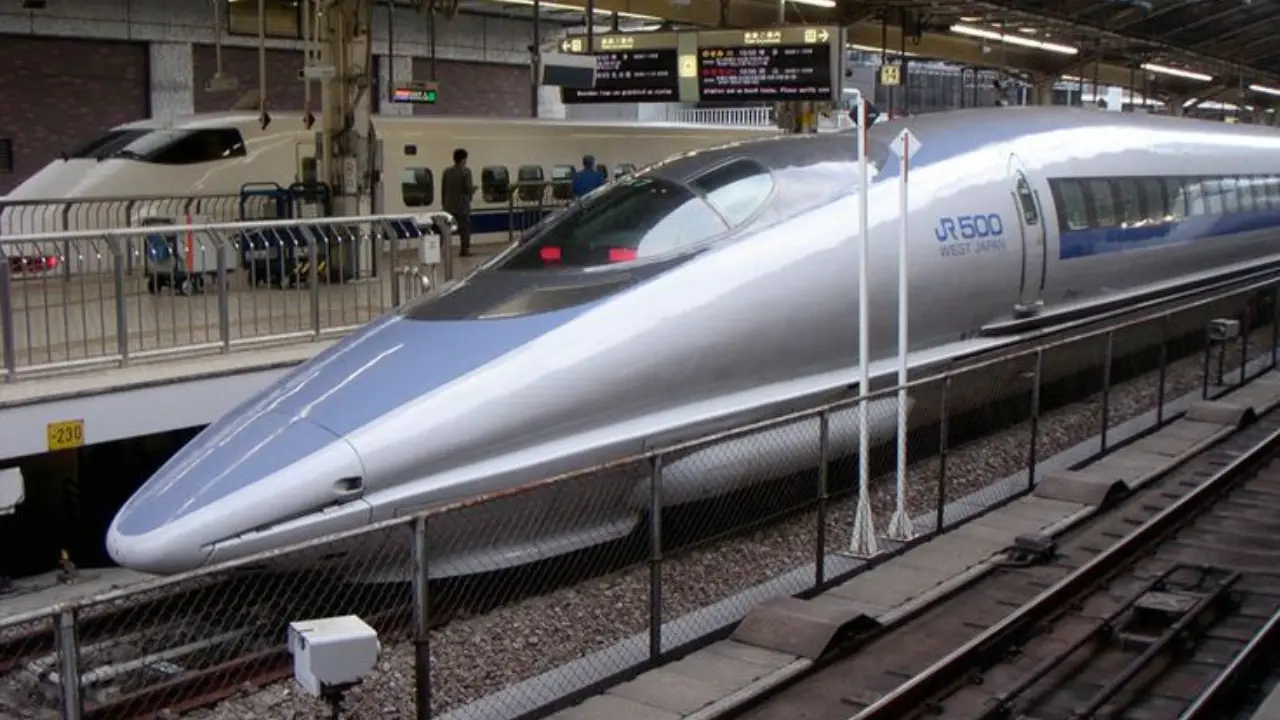
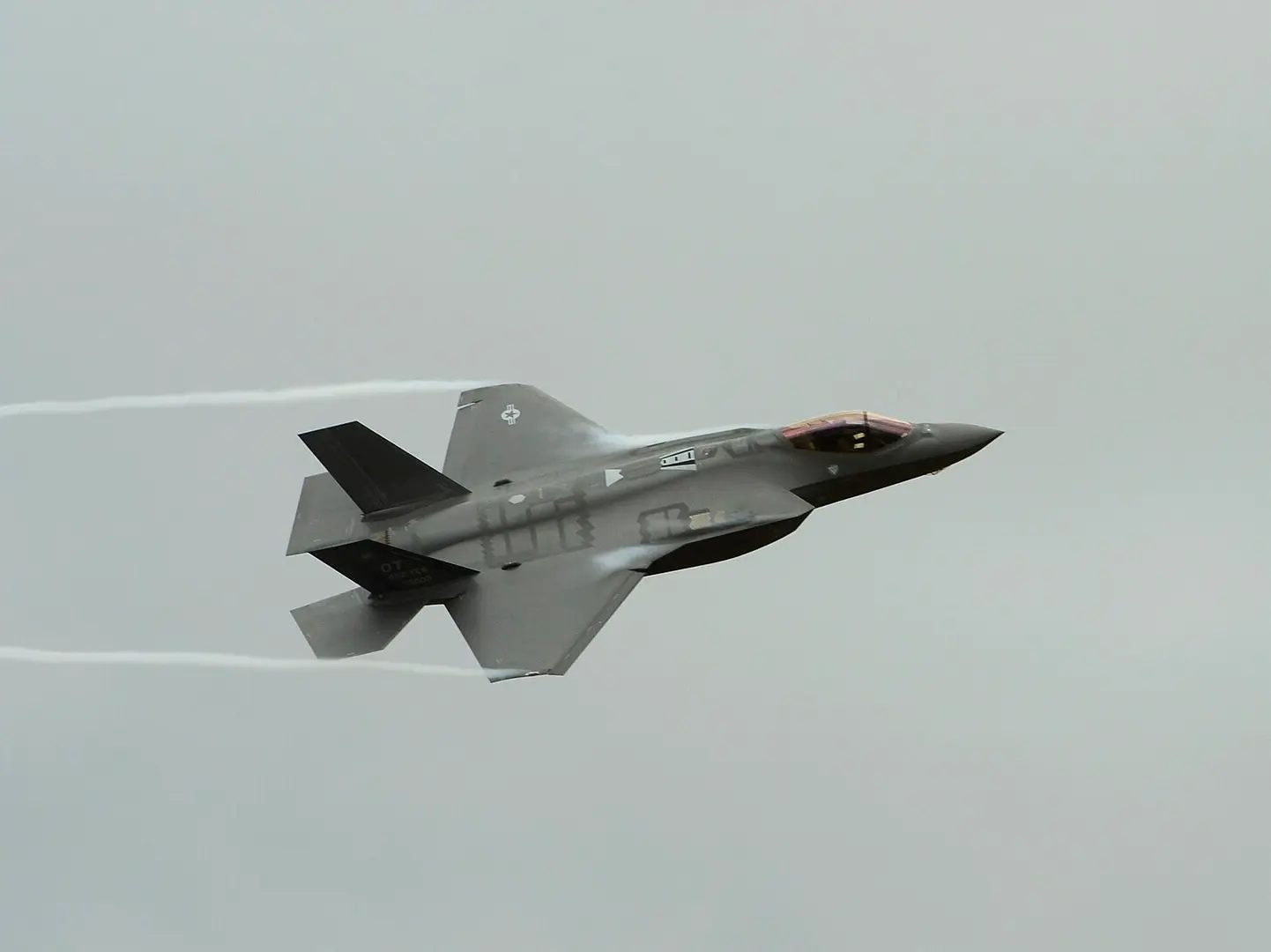
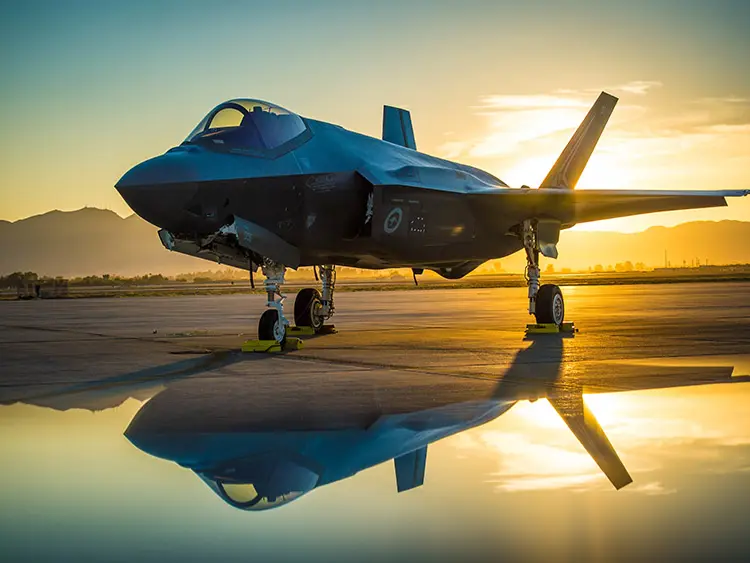
Fighter jets like the F-22 exceed 2,400 km/h, while bullet trains - like Japan’s Shinkansen - travel on tracks at up to 320 kilometres per hour. Both are designed to travel fast and rely on top engineering for their high speeds, according to Railway Technology reports.
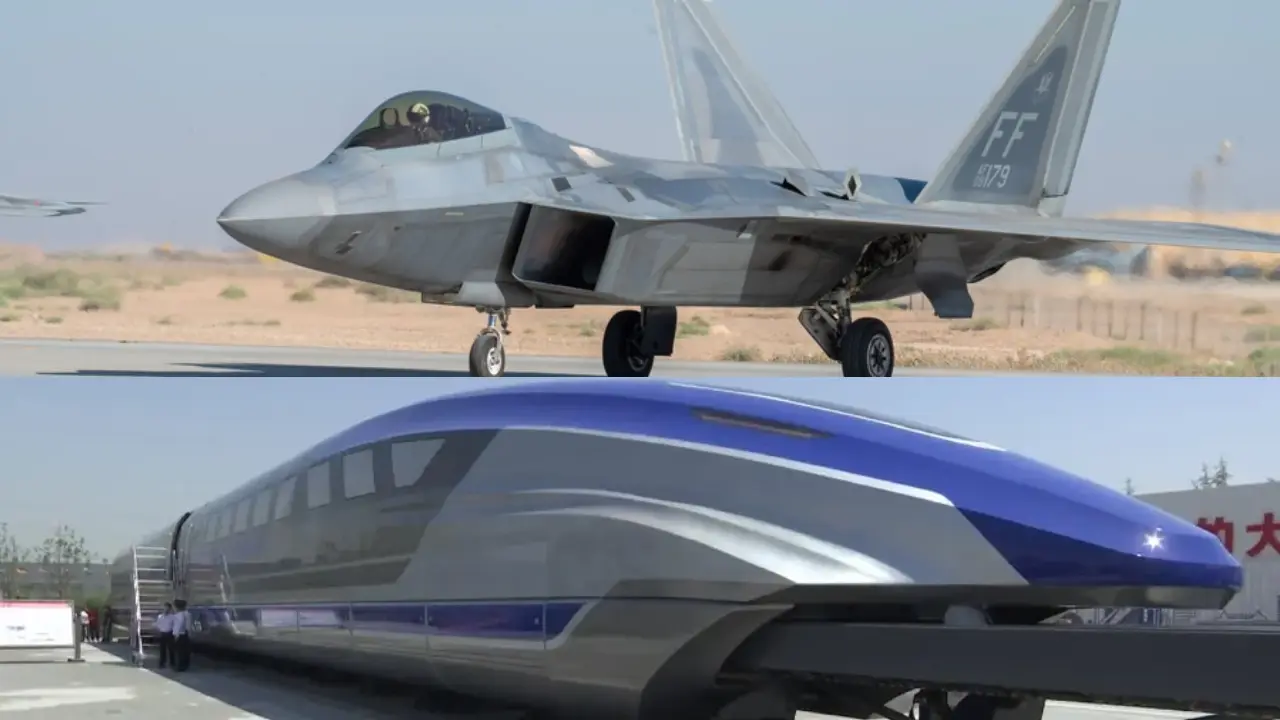
Aerodynamics - Cutting Through Air
Both jets and bullet trains use aerodynamic shapes to reduce drag. Fighter jets feature sleek noses and swept-back wings. Bullet trains are shaped like a needle, helping them slice through the air and save energy, according to a report by Railway Technology.
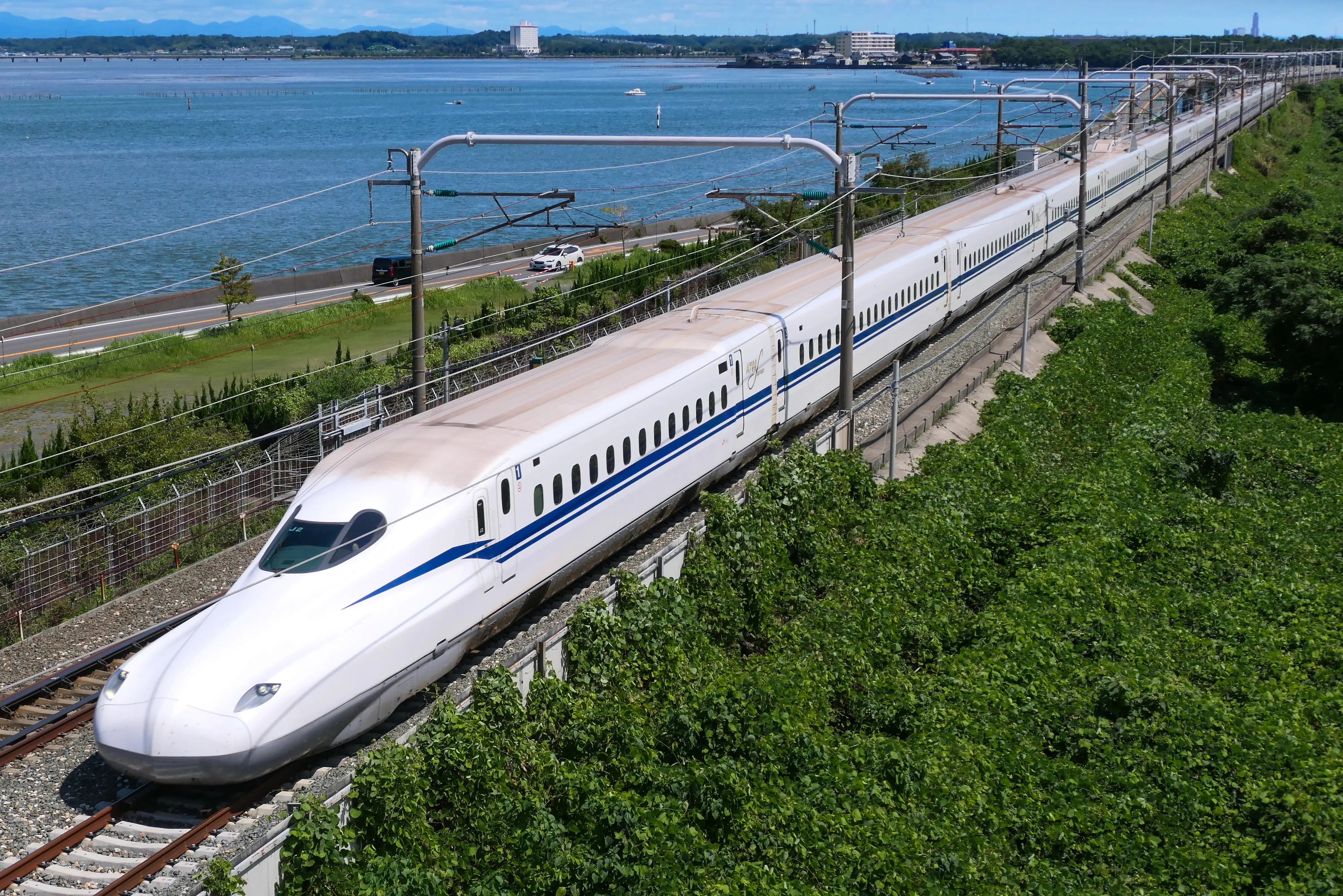
Advanced Materials for Lightness
Engineers use lightweight materials in both. Fighter jets use aluminium alloys and carbon fibre to fly fast yet stay strong. Bullet trains use similar composites to reduce weight. This shared approach boosts acceleration and cuts energy use, as per Popular Mechanics reports.
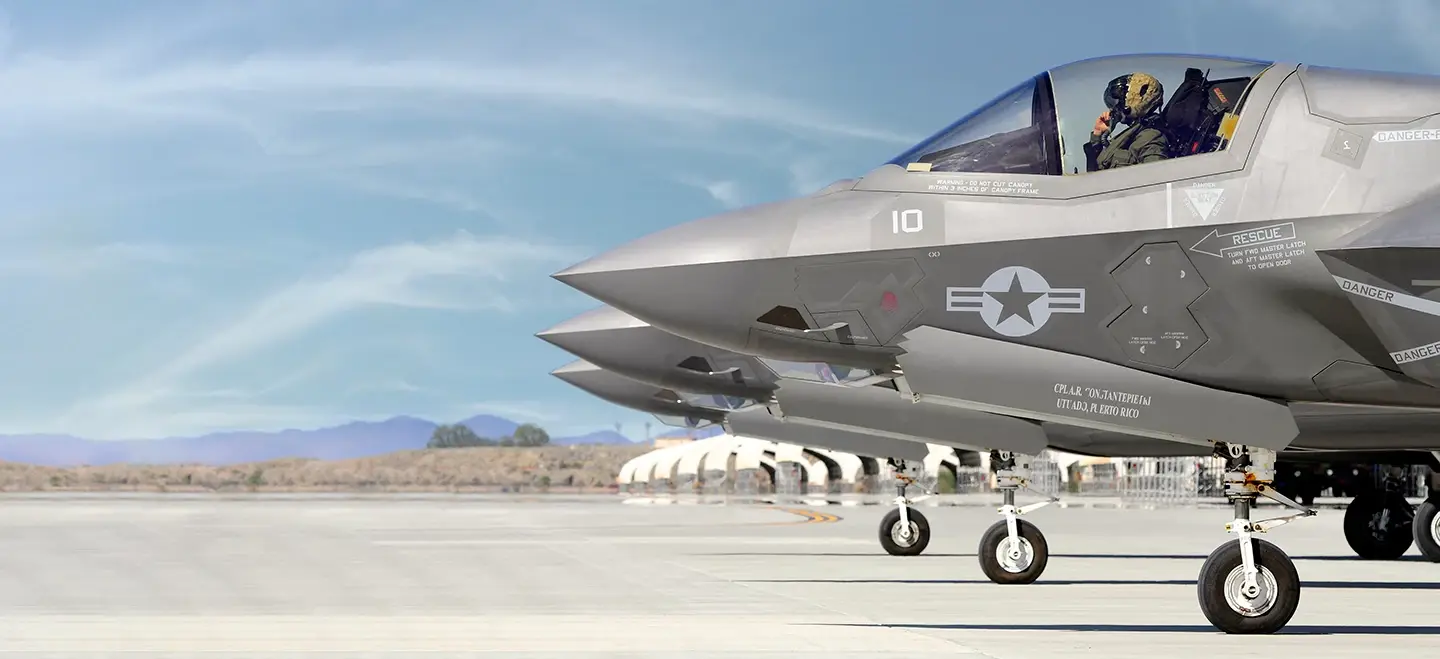
Precision Control Systems
Fighter jets have advanced electronic controls for stability and quick navigation. Bullet trains rely on precise electronic systems for safe, smooth rides at high speeds. Both use sensors and computers to react quickly and keep travel safe for pilots and passengers.
Managing Speed and Comfort
At high speed, both jets and trains must protect their occupants. Fighter jets have systems to manage G-forces for pilots. Bullet trains use special shock absorbers and noise controls to keep rides comfortable, even when racing along tracks at top speed.
Energy and Efficiency
Jets optimise fuel to fly far and fast. Bullet trains run on efficient electric power, reducing emissions and using less energy per passenger. Both adopt the latest tech to boost efficiency, making rapid travel more sustainable, according to energy reports.
More Than Just Speed
Fighter jets and bullet trains show how engineering crosses boundaries. Both inspire each other: new train noses might copy a jet’s nose cone, and lightweight rail materials first appeared in aviation. Innovation in one often shifts to the other, pushing speed and safety further every year.
)
)
)
)
)