Fighter jet speed secrets: How high-altitude flying and aerodynamics work together

Fighter jet aerodynamics is all about controlling airflow to fly fast, turn tight, and stay stable. From high-altitude speed to advanced lift, drag control, and AI flight systems. Know how cutting-edge designs keep jets ahead in modern air combat.
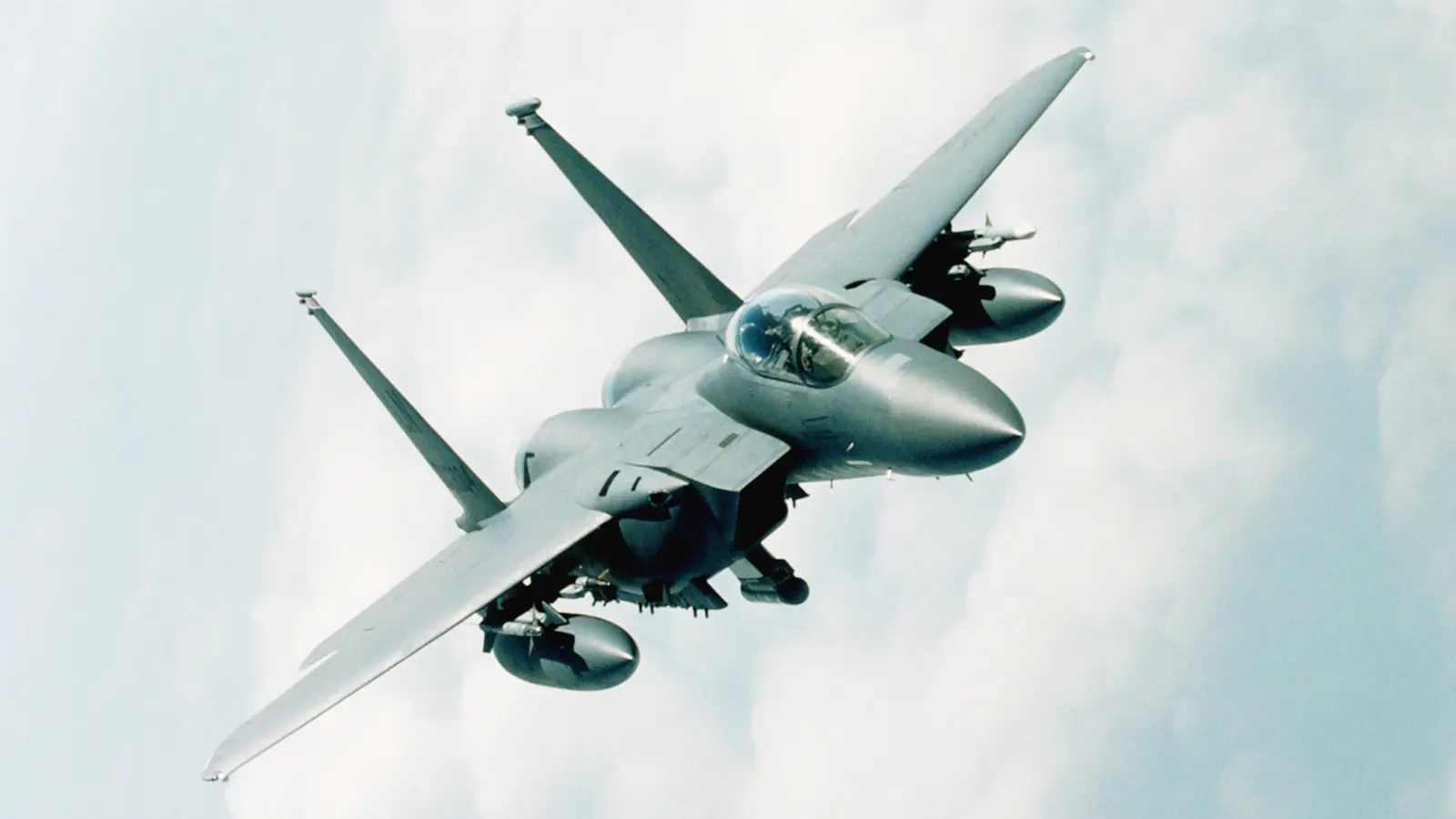
What is fighter jet aerodynamics?
Aerodynamics is the science of how air moves around objects. Fighter jets are designed to control airflow so they can fly fast, turn quickly, and stay stable even in tough conditions. Lift helps jets rise, while controlling drag reduces air resistance.
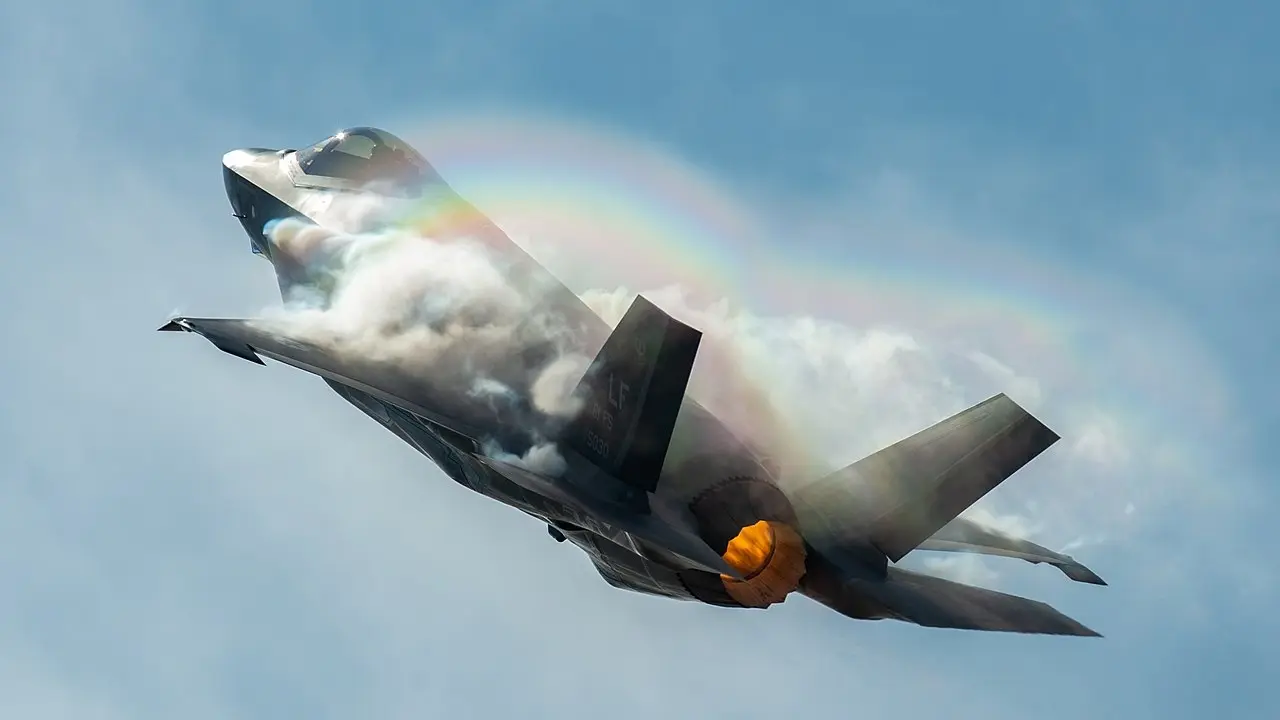
Flying high means less air resistance
At high altitudes, the air is thinner which means less drag. For example, at 12,000 metres altitude, air density is just 30 per cent of that at sea level. This allows jets like the F-22 Raptor to fly faster and use fuel more efficiently.
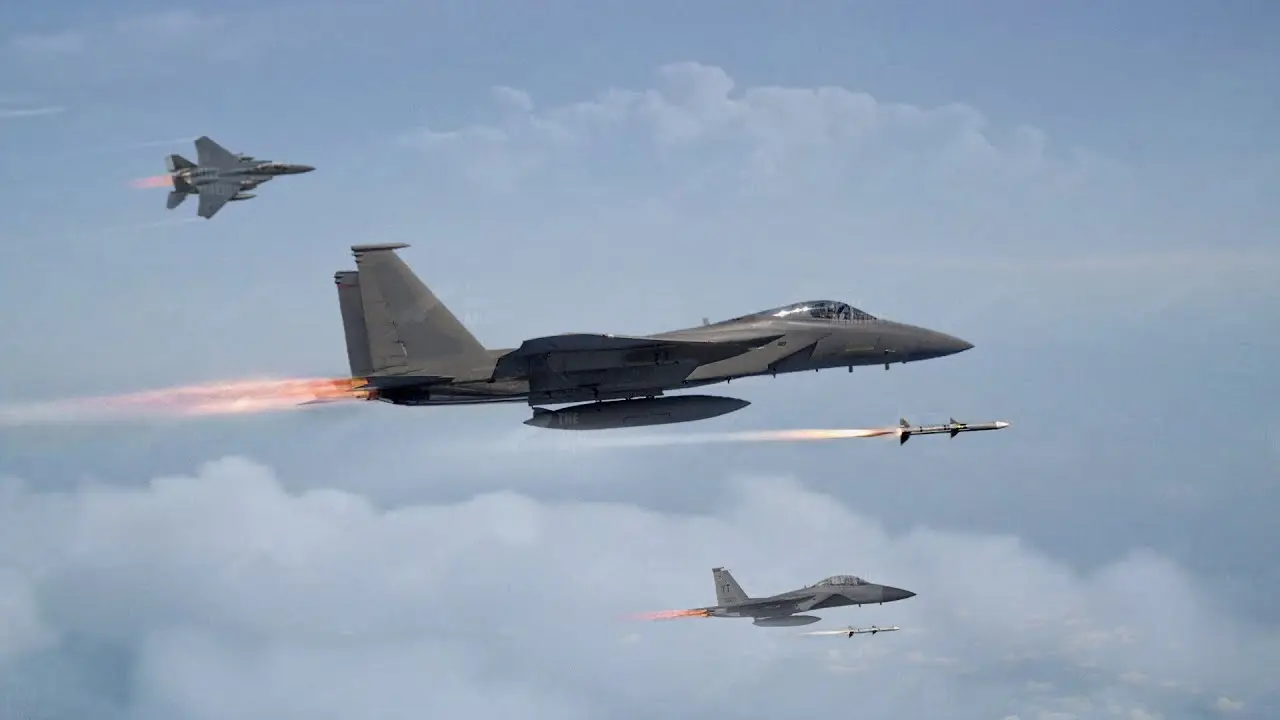
How lift is created by wings
The wings are shaped so air moves faster over the top and slower below. This creates lower pressure on top and higher pressure below, pushing the jet upwards. The angle of attack the tilt of the wings also helps increase lift.
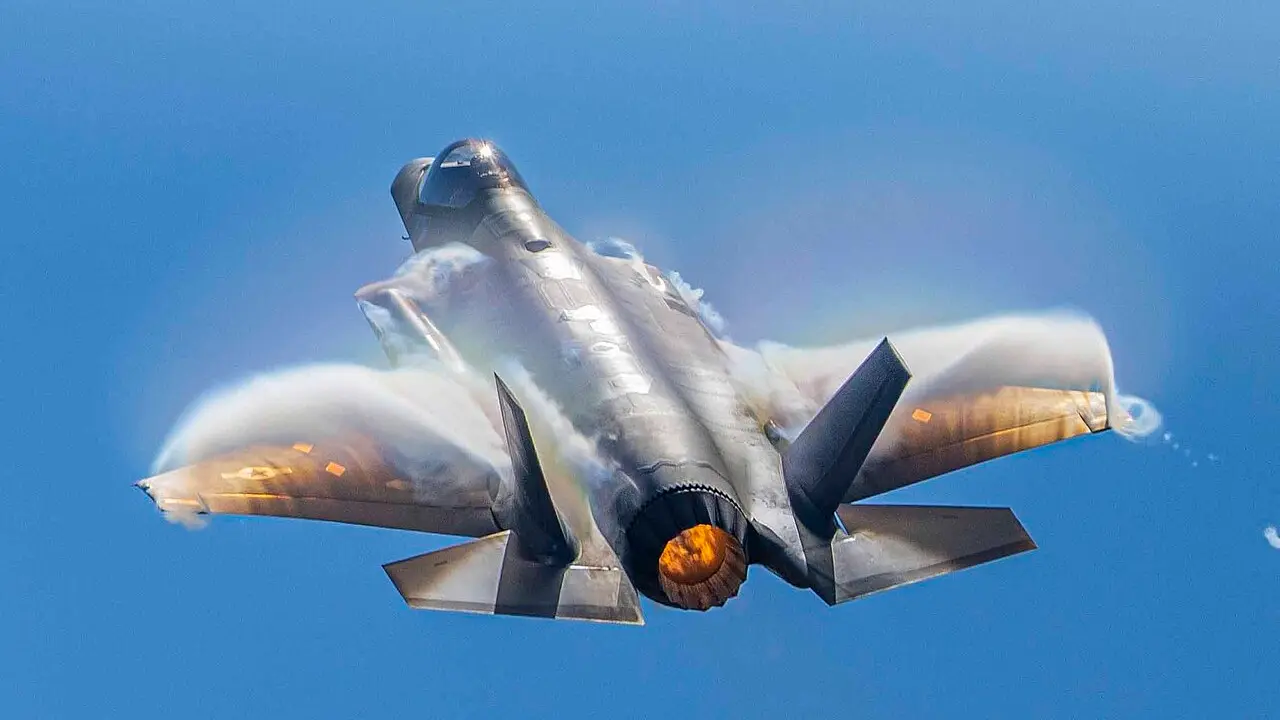
Controlling drag to fly faster
Jets have to cut drag to fly efficiently. Different types of drag include form drag (air resistance on surfaces), induced drag (due to lift), and wave drag (at supersonic speeds). Designs like smooth wing-fuselage shapes and movable air intakes reduce drag.
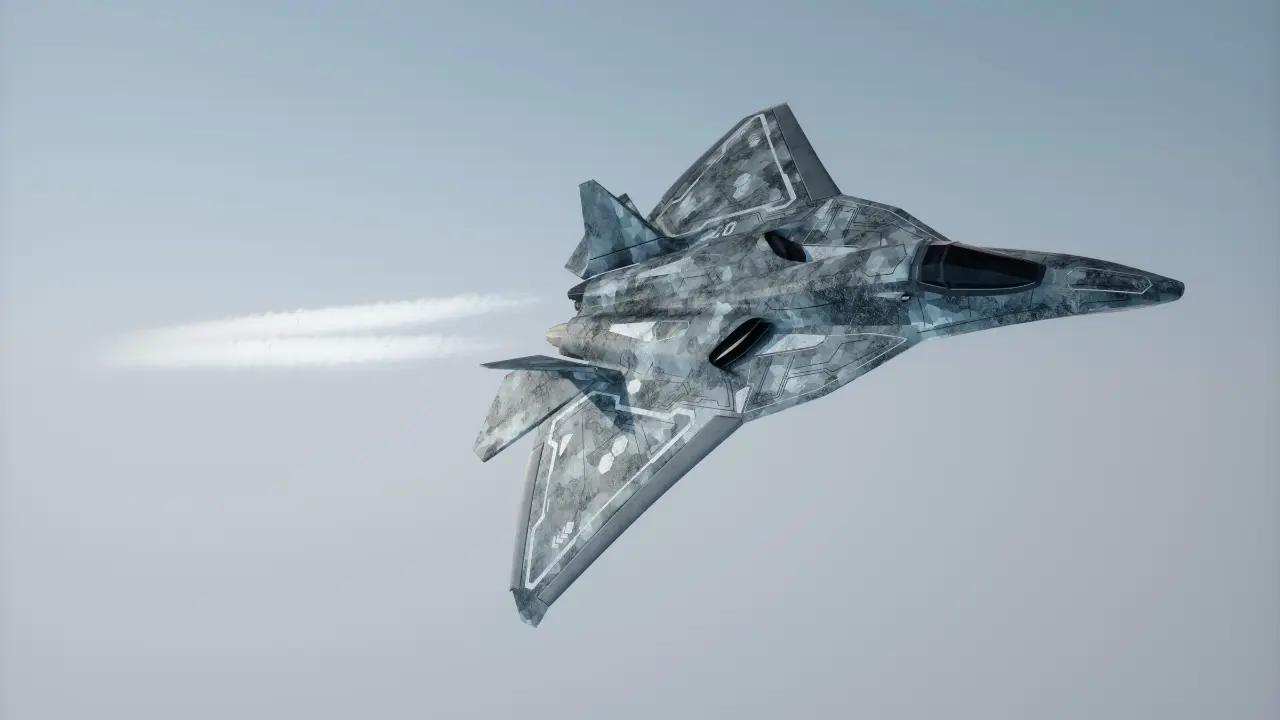
Maneuverability - Turning on a dime
Small wing area and precise control surfaces let fighters turn sharply. Modern jets use fly-by-wire systems that adjust surfaces instantly for smooth, fast moves impossible with manual controls.
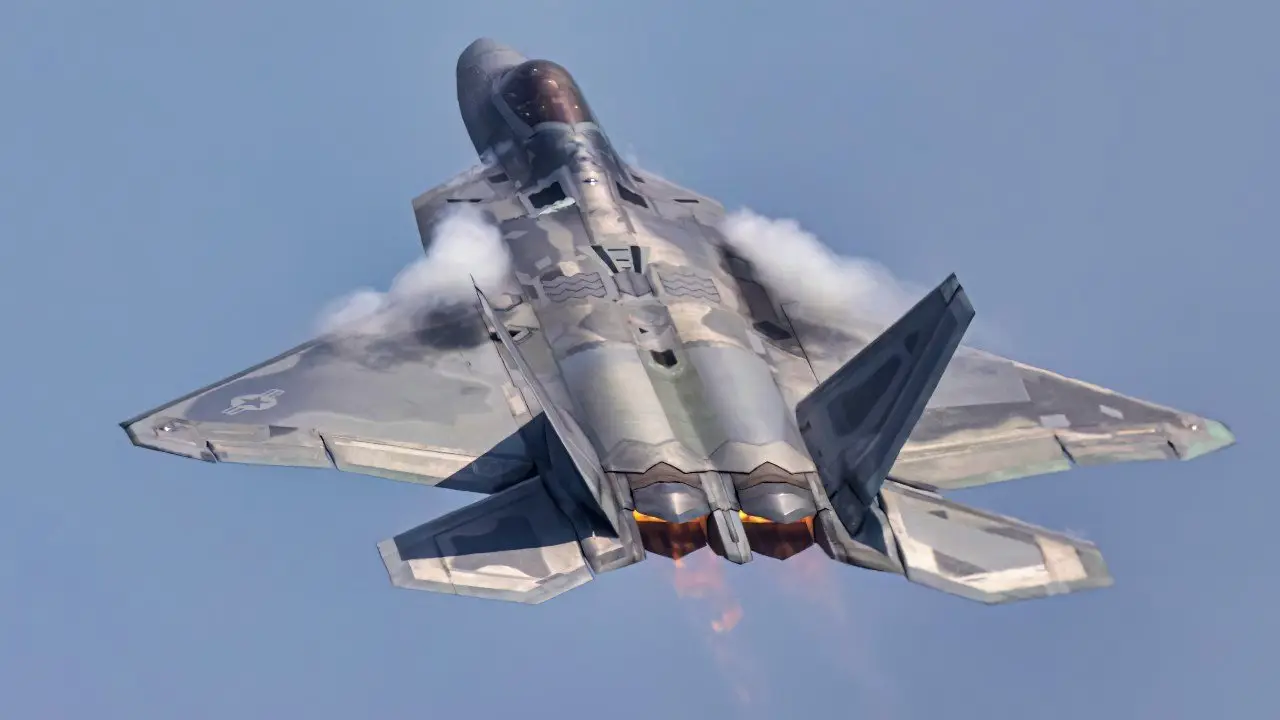
Takeoff with high thrust-to-weight ratio
Fighter jets need high thrust relative to their weight to take off quickly. Afterburners inject extra fuel to boost engine power for fast climbs and short runway takeoffs.
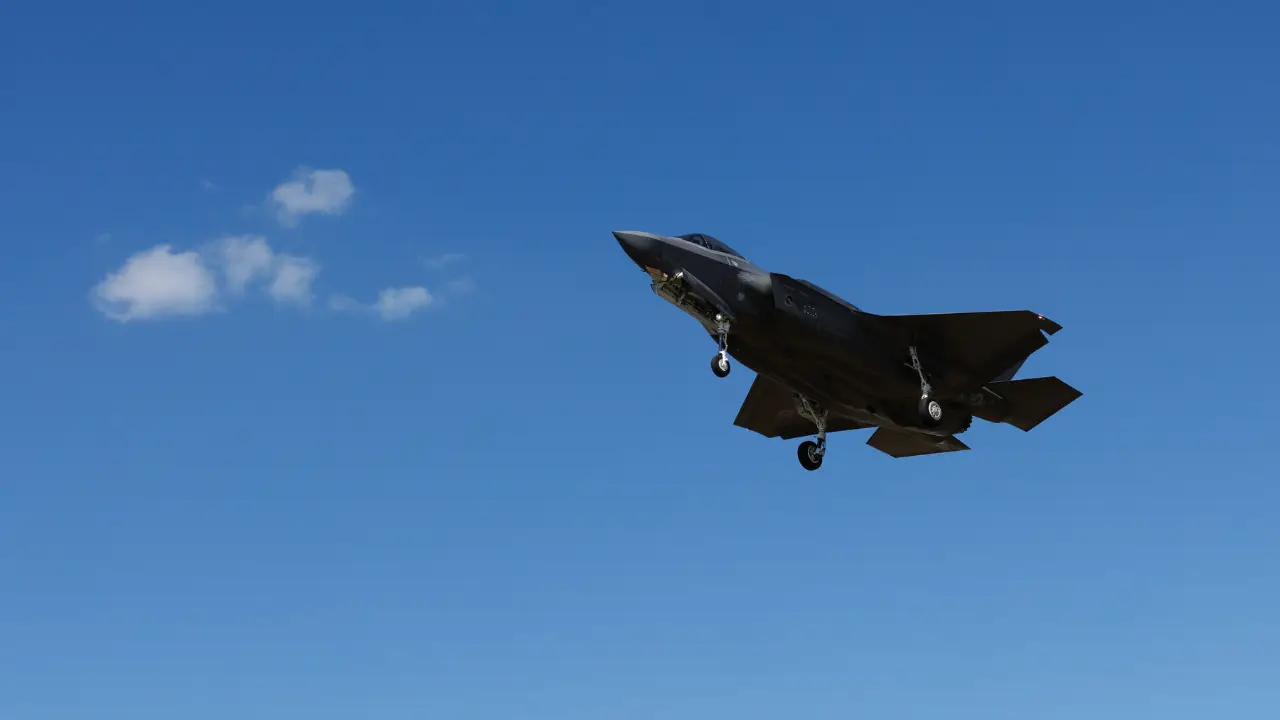
Future advances in flight dynamics
New materials, better engines, AI-assisted controls, and improved aerodynamics are helping fighter jets fly faster, farther, and safer. Innovations keep pushing the limits of what fighter aircraft can do.
)
)
)
)
)