Fighter jet over oceans: What happens if a pilot ejects?

If a fighter pilot must eject over the ocean, survival gear, radios, and rescue teams work together to find and save them. Fast action, pilot training, and teamwork mean most pilots survive. Read more below.
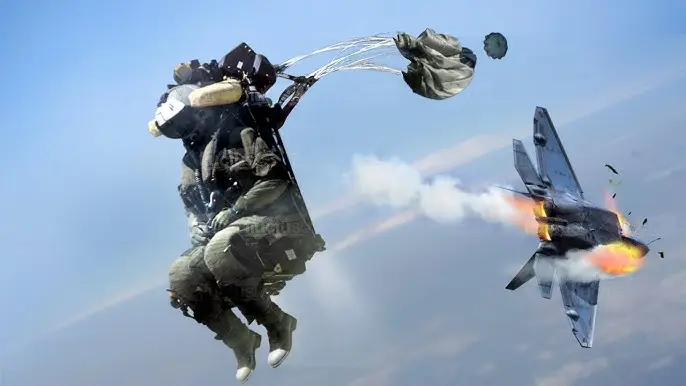
Can a Pilot Eject Safely Over the Ocean?
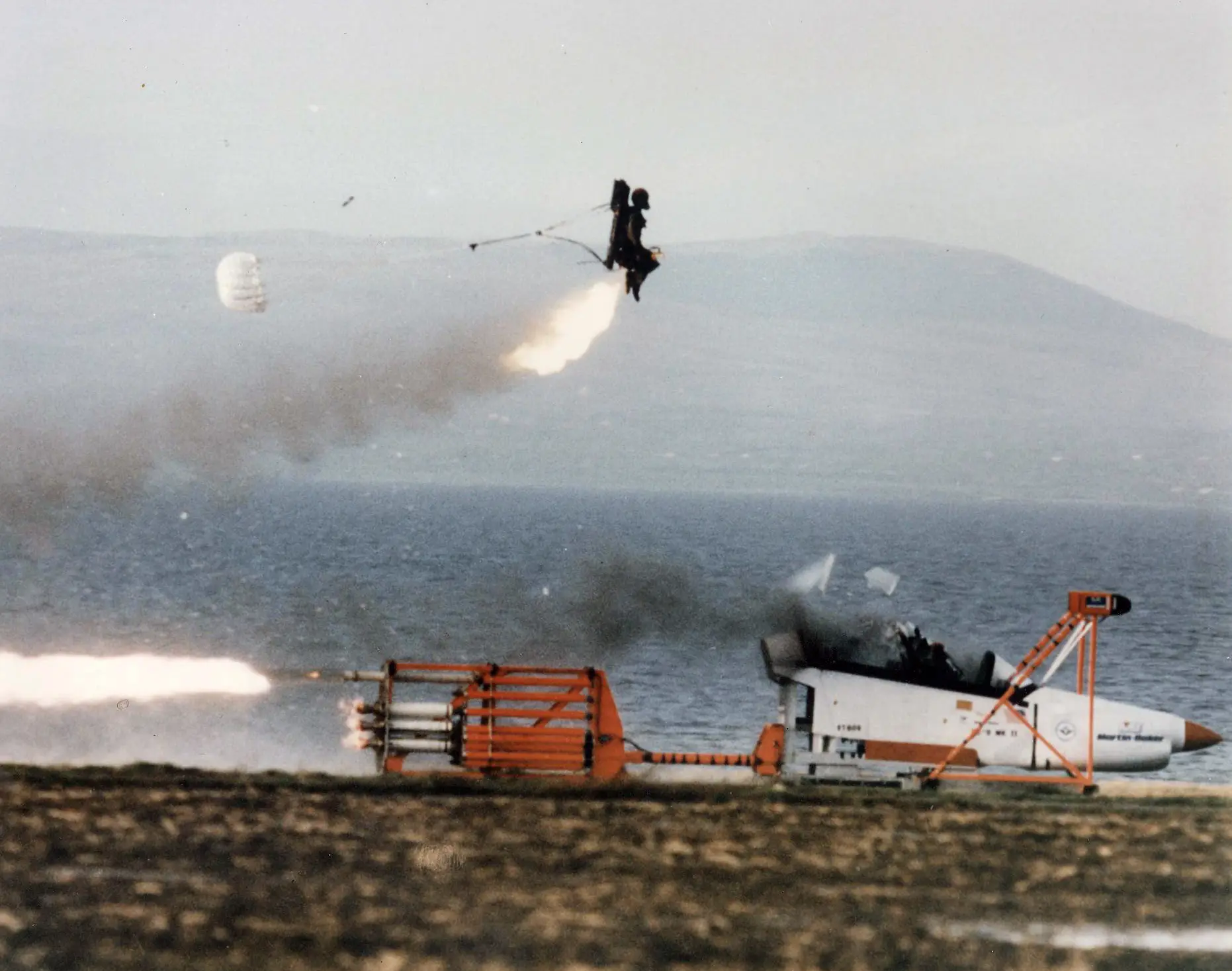
Ejecting above water is rare but possible. If there’s a serious problem, the pilot pulls the ejection handle.
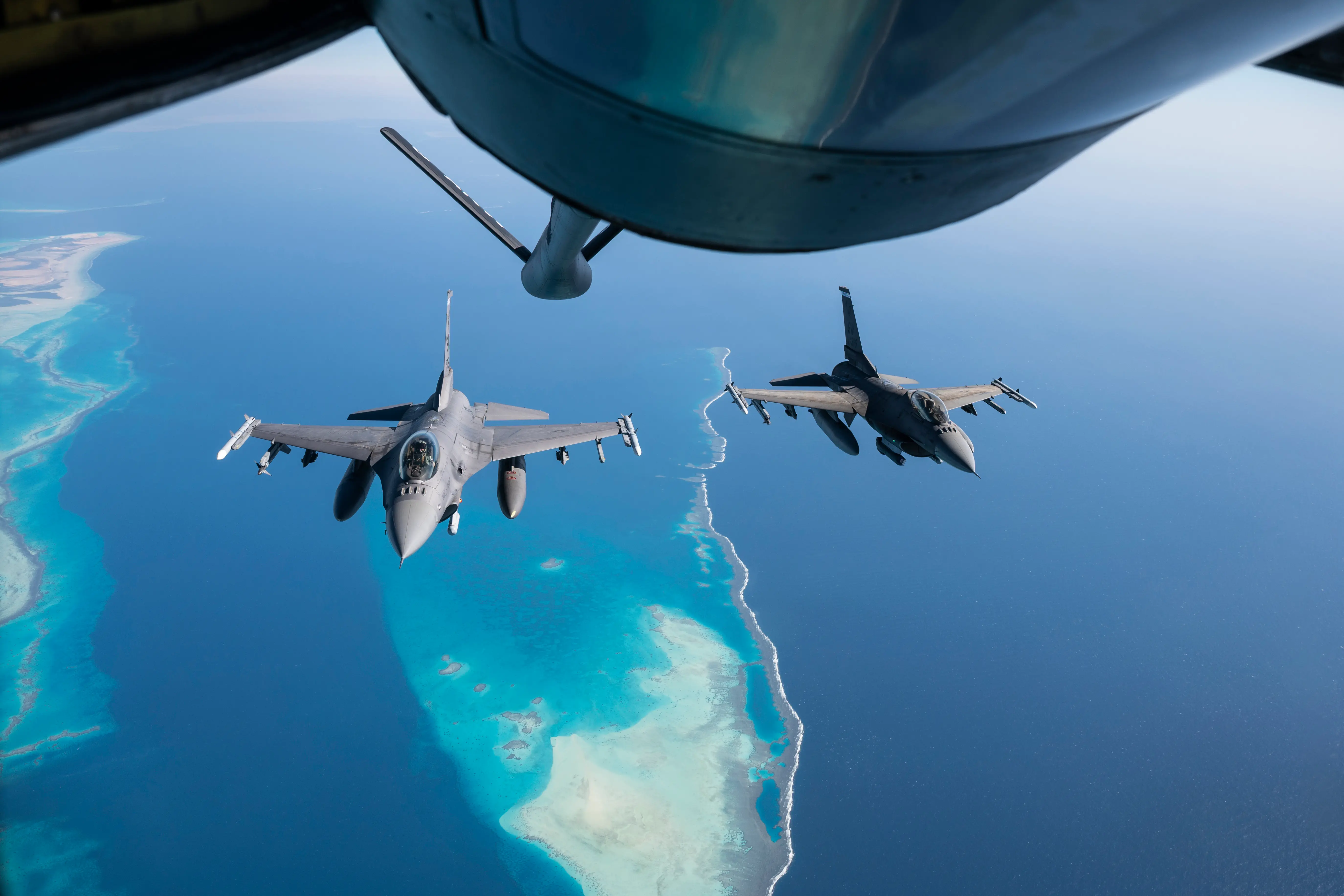
What Happens Once in the Water?
After touching down, the pilot uses a life raft or inflatable pack built into the seat. Survival kits give water, a radio, flares, and sea-dye markers to signal rescuers. The pilot is trained to stay calm and make their location easy to spot.
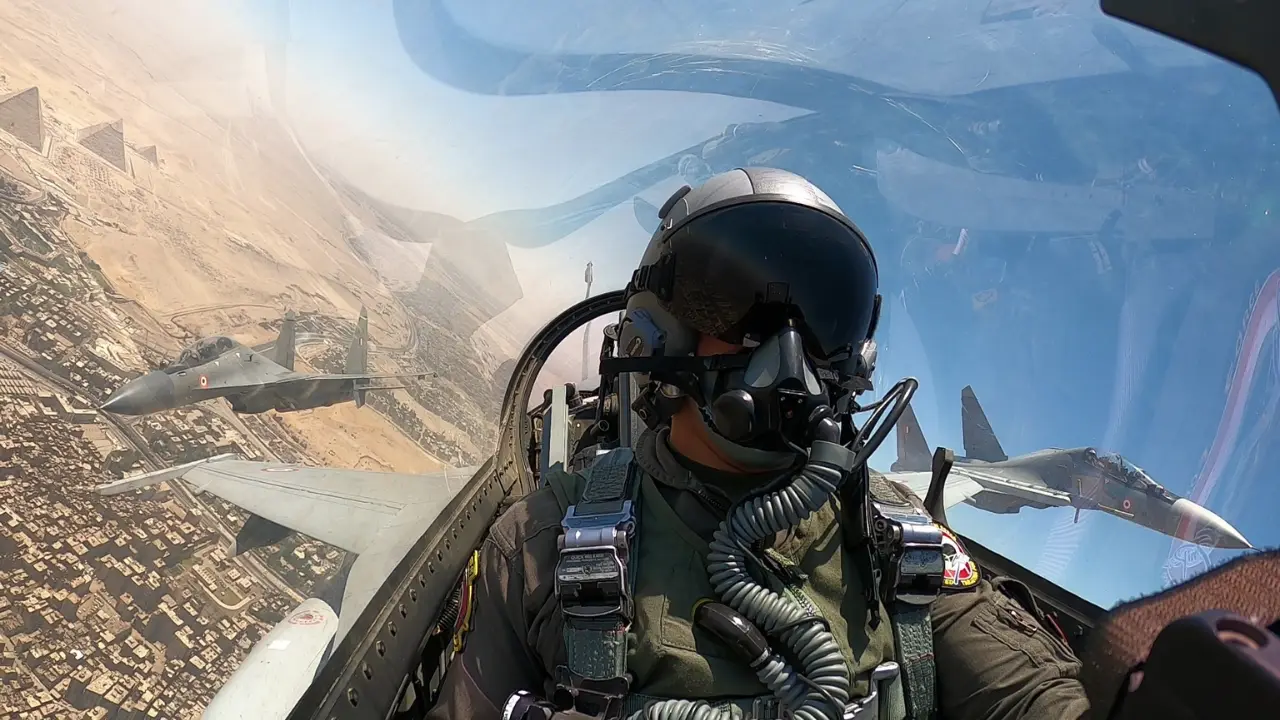
Emergency Signaling for Rescue
First, pilots radio their base. Next, they may use visual signals, like the dye marker that turns the sea bright green. This helps helicopters or ships find them faster, even in bad weather or at night.
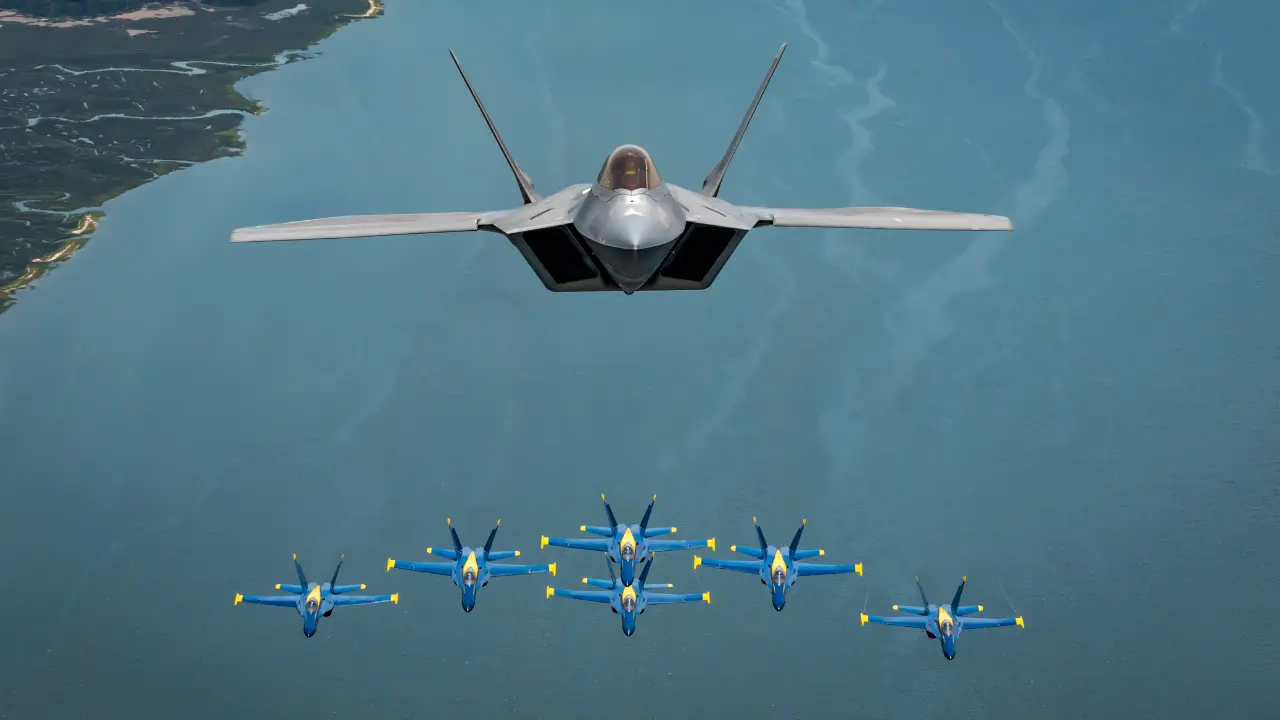
Search and Rescue in Action
Military or Coast Guard helicopters and fast boats are sent to the area. to rescue and pick up the pilot.
Survival Challenges and Training
The biggest dangers at sea are cold, injury, and waiting too long for rescue. Pilots learn to survive at sea, even in rough weather. Modern gear, radios, and skills have raised the survival rate to over 90 per cent.
)
)
)
)
)