Fifth-generation fighter jets vs fourth-generation jets missile capability compared

Fifth-generation fighters outmatch fourth-generation jets through advanced sensors, stealth design, and integrated missile systems enabling first-strike advantage. Superior fire control and network integration define modern air superiority.
Introduction
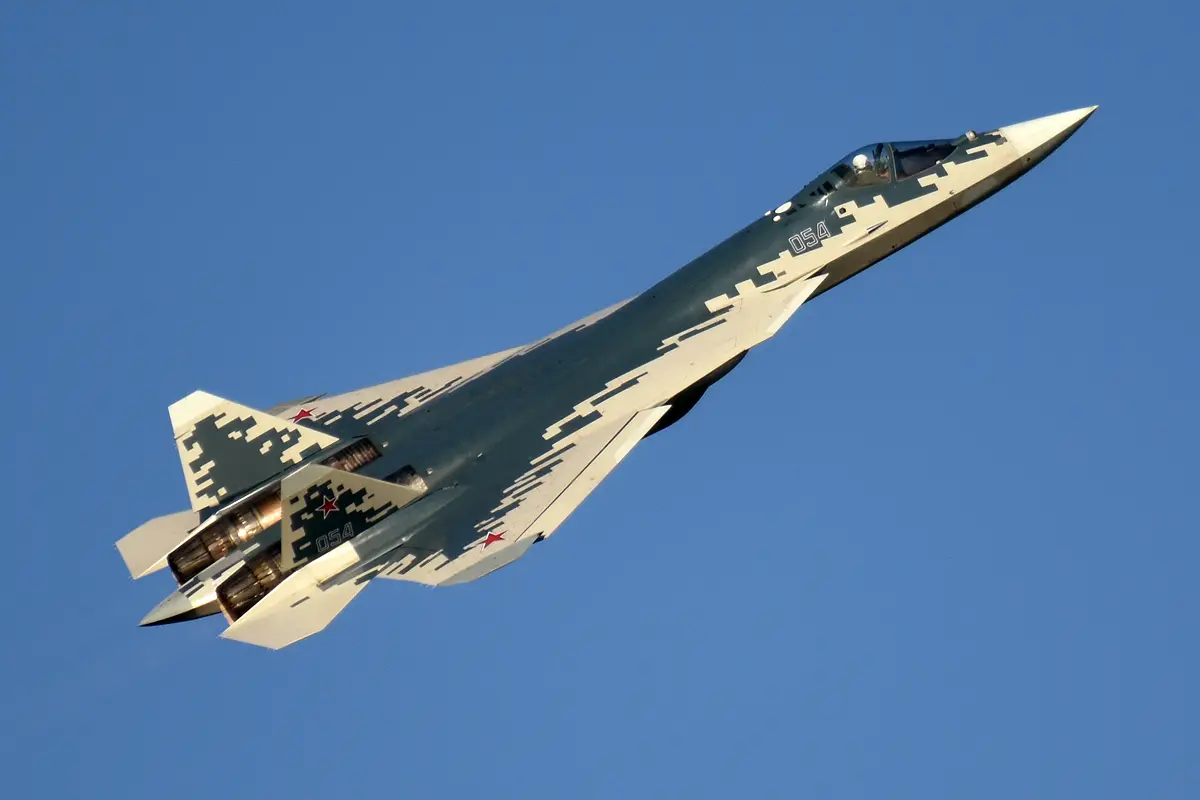
Fifth-generation fighter jets represent a quantum leap in missile capability compared to fourth-generation platforms. Advanced avionics, sensor fusion, and stealth technology enable fifth-generation fighters to carry modern missile systems more effectively. Fourth-generation jets remain capable platforms but lack the integrated systems that maximise modern missile potential.
Fifth-Generation Sensor Integration - Superior Target Detection
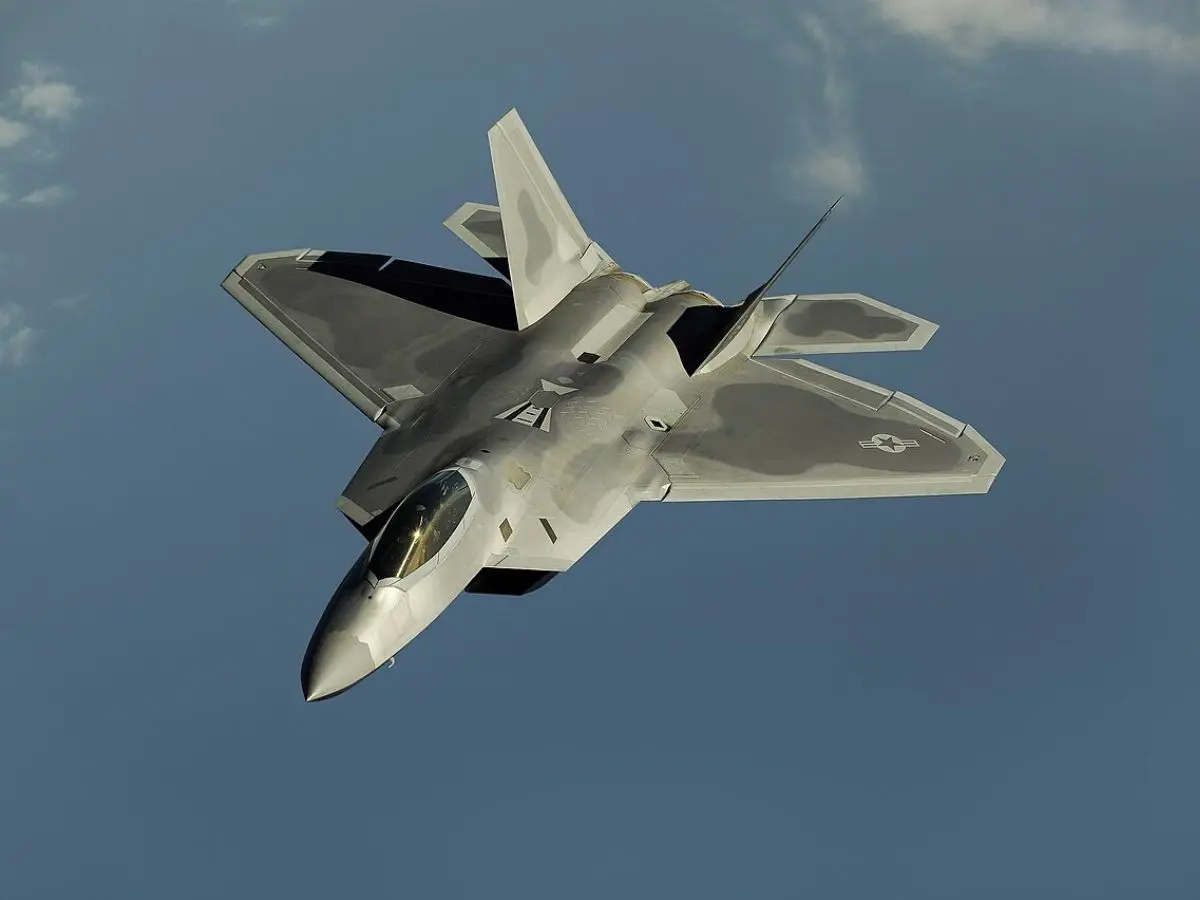
Fifth-generation jets like the F-22 and F-35 integrate multiple sensor systems providing real-time target detection across extended ranges. Superior sensor fusion enables pilots to identify threats far earlier than fourth-generation aircraft, translating to first-strike missile advantage. Fourth-generation fighters depend on separate radar and infrared systems without comparable integration capability.
Stealth Advantage - Fifth-Generation First-Strike Capability
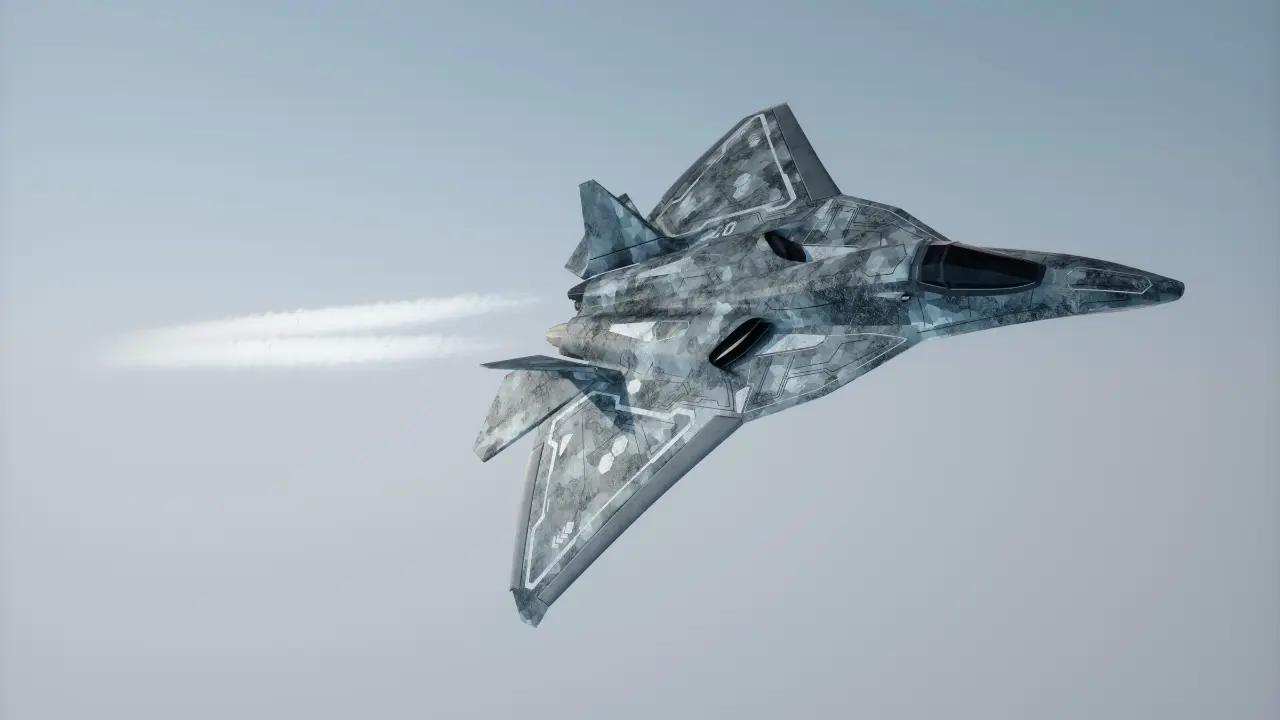
Fifth-generation aircraft stealth design allows undetected approach to firing positions, enabling surprise missile launches against fourth-generation opponents. Fourth-generation jets lack stealth features, making them vulnerable to detection before closing to effective missile range. This fundamental advantage shifts air combat dynamics decisively toward fifth-generation superiority.
Beyond-Visual-Range Missile Capability Comparison
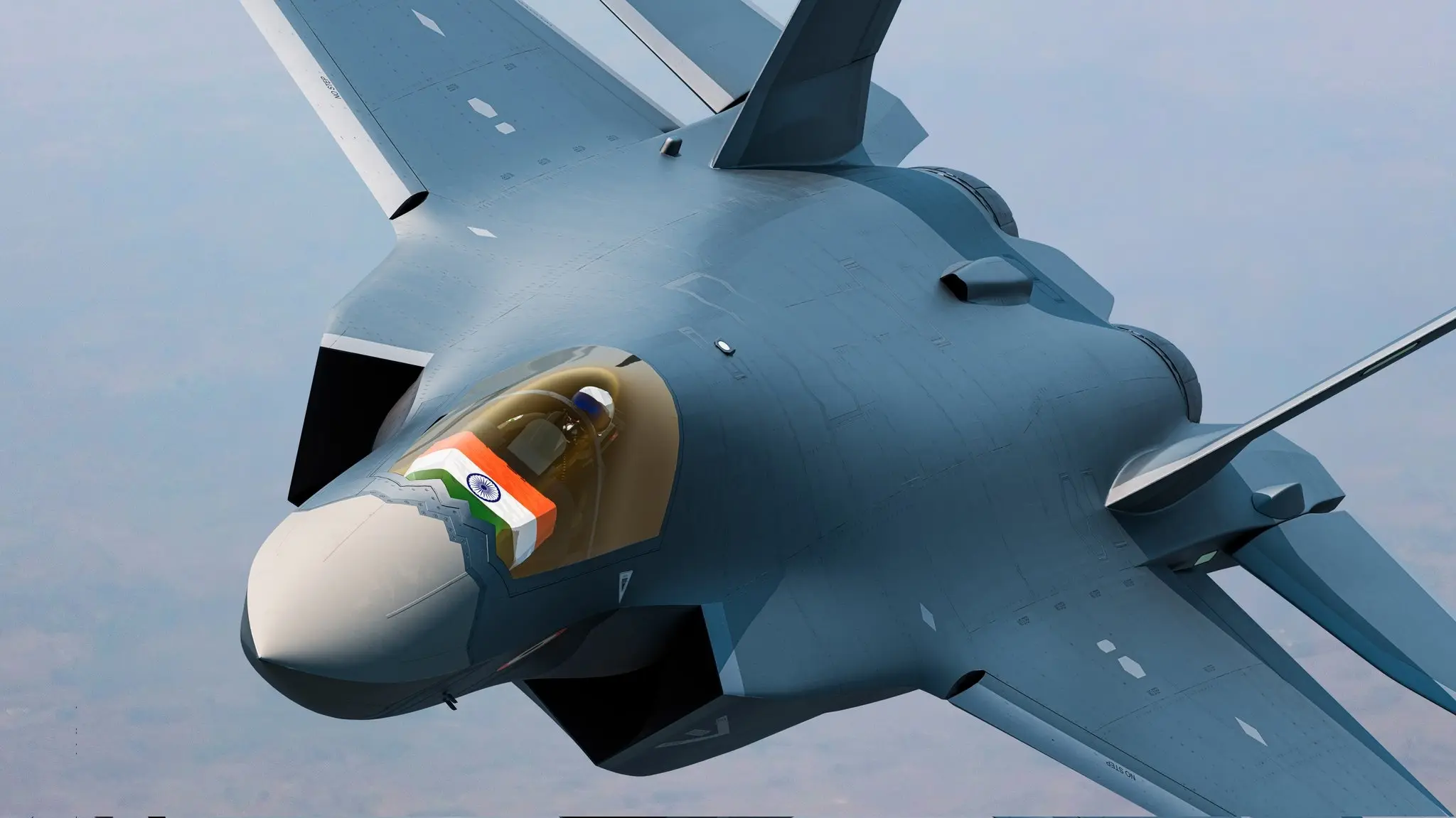
Fifth-generation fighters carry advanced beyond-visual-range missiles with superior guidance and lethality compared to fourth-generation platforms. The F-22 Raptor carries AIM-120D AMRAAM missiles with extended range and improved target discrimination. Fourth-generation fighters operate earlier AMRAAM variants with reduced capability, putting them at tactical disadvantage.
Avionics and Fire Control System Advancement
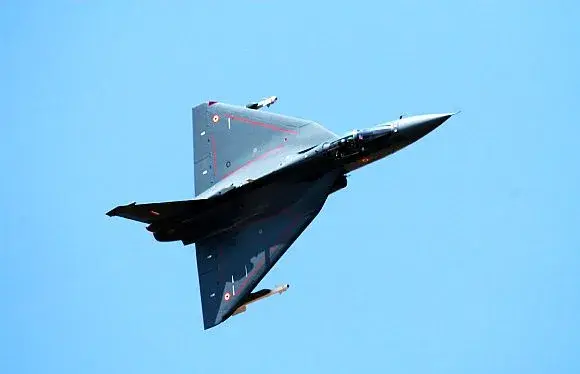
Fifth-generation avionics provide real-time targeting data and fire control capability enabling simultaneous multi-target engagement. F-35 fighters demonstrate this through integrated cockpit displays and autonomous targeting systems. Fourth-generation fire control systems require separate targeting pods and manual pilot control, reducing engagement effectiveness.
Missile Carrying Capacity and Loadout Flexibility
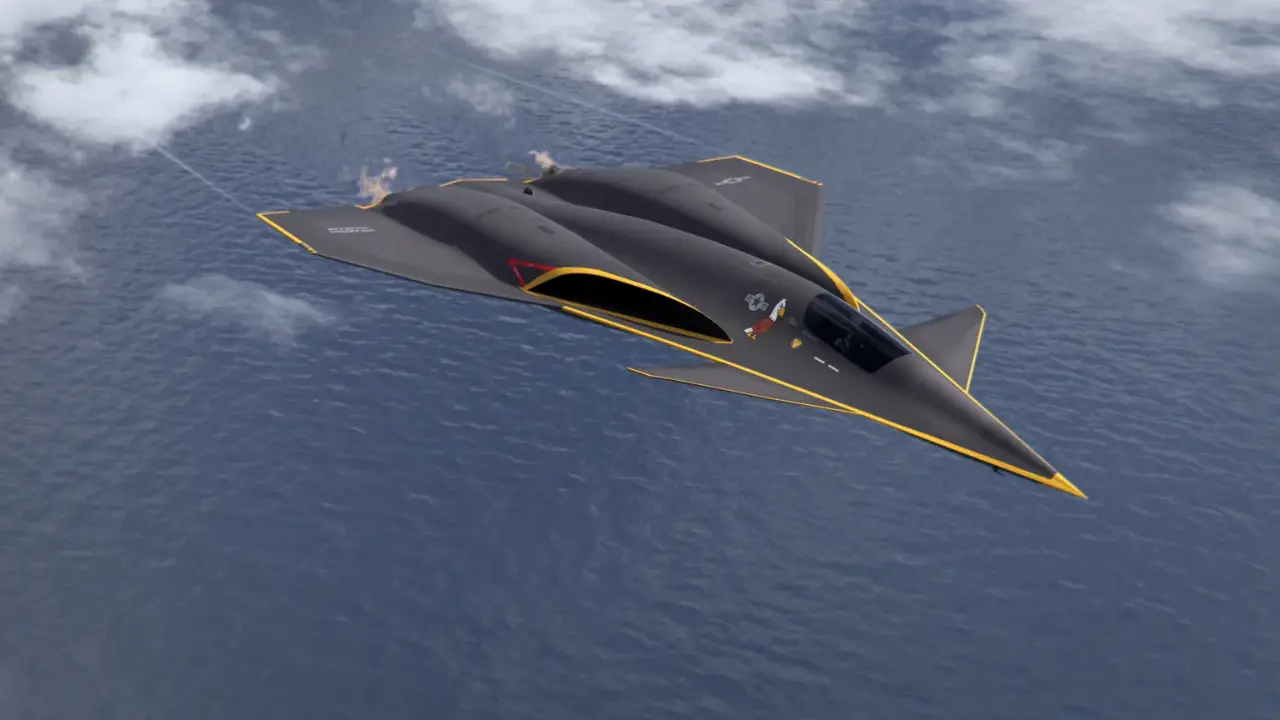
Fifth-generation fighters carry missiles internally within weapons bays, maintaining stealth whilst carrying full missile loads. F-22 internal bay capacity allows carrying eight air-to-air missiles maintaining low radar signature. Fourth-generation fighters carry external missiles, increasing radar signature and reducing effective stealth capability during weapon carriage.
Network-Centric Warfare Integration Capability
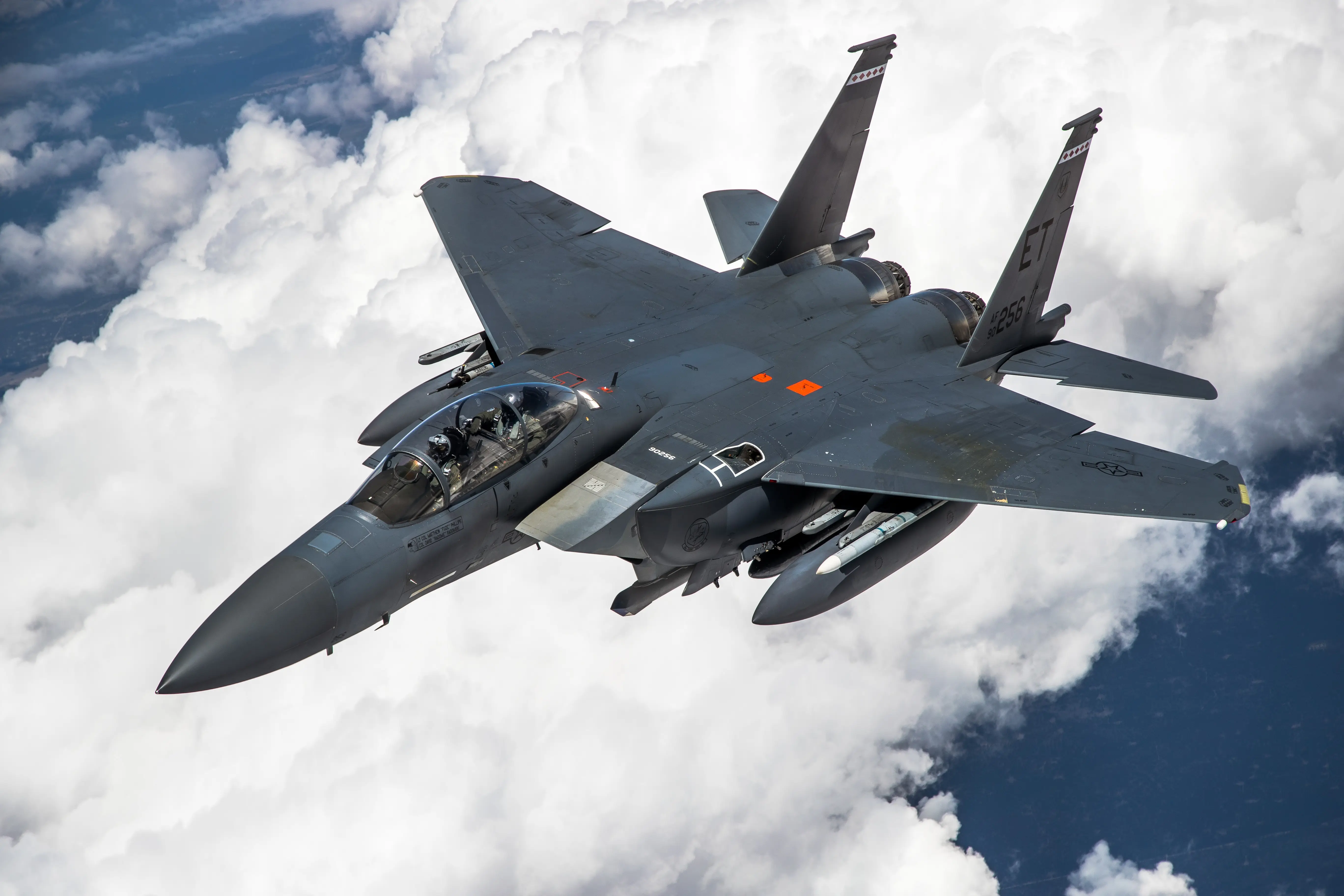
Fifth-generation jets operate within network-centric warfare environments, sharing sensor data with allied aircraft and ground units instantaneously. This integration provides missile targeting data from multiple platforms, expanding engagement capability beyond individual aircraft limitations. Fourth-generation fighters lack comparable network integration, limiting situational awareness and targeting flexibility.
Real-World Combat Performance and Future Implications
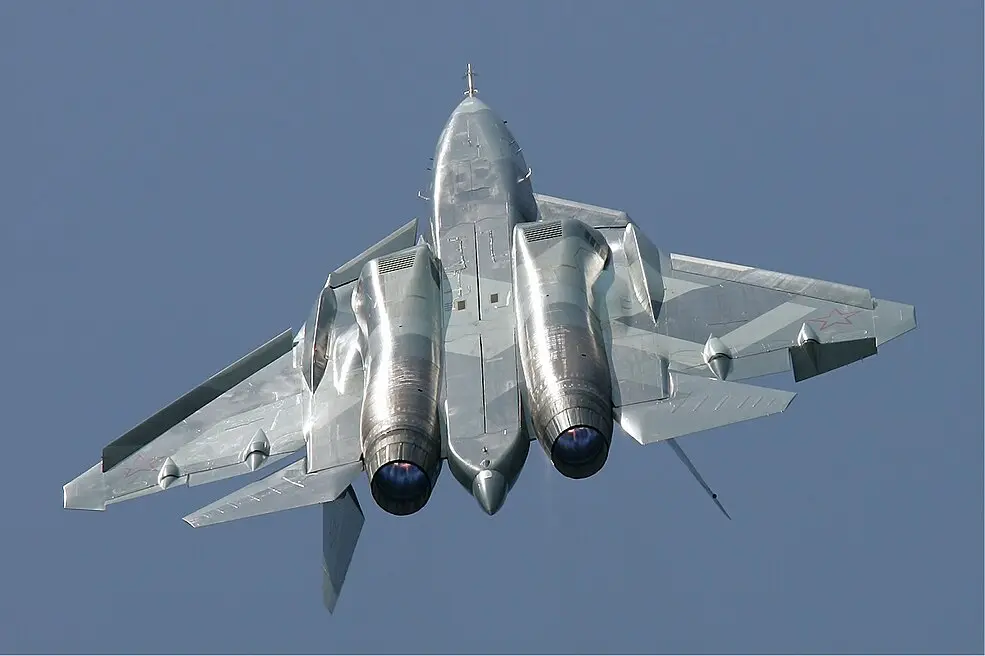
Combat experience across multiple operations confirms fifth-generation fighters maintain superiority in engagement ranges and missile effectiveness. The integration of advanced sensors, stealth, and modern missiles gives fifth-generation jets decisive advantage. Fourth-generation fighters remain effective but require superior numbers and tactics to counter fifth-generation opponents.
)
)
)
)
)