FIFA World Cup: 5 footballing facts about Cape Verde, the tiny nation that stunned Spain

Cape Verde stunned the world with perhaps their most significant achievement on the global stage, restricting Spain to a scoreless draw in their tournament opener. Here are five fascinating facts about the third-smallest country (by population) to secure WC qualifications.

Story behind Hero Goalkeeper’s Name
The 40-year-old goalkeeper, the hero for his country against Spain, Josimar Dias (also known as Vozinha), was nearly named after an Argentine football legend, Jorge Valdano, by his father. However, after a local registry official in Cape Verde rejected the foreign name, his father was forced to pick another name, with iconic Brazilian full-back Josimar finally chosen.
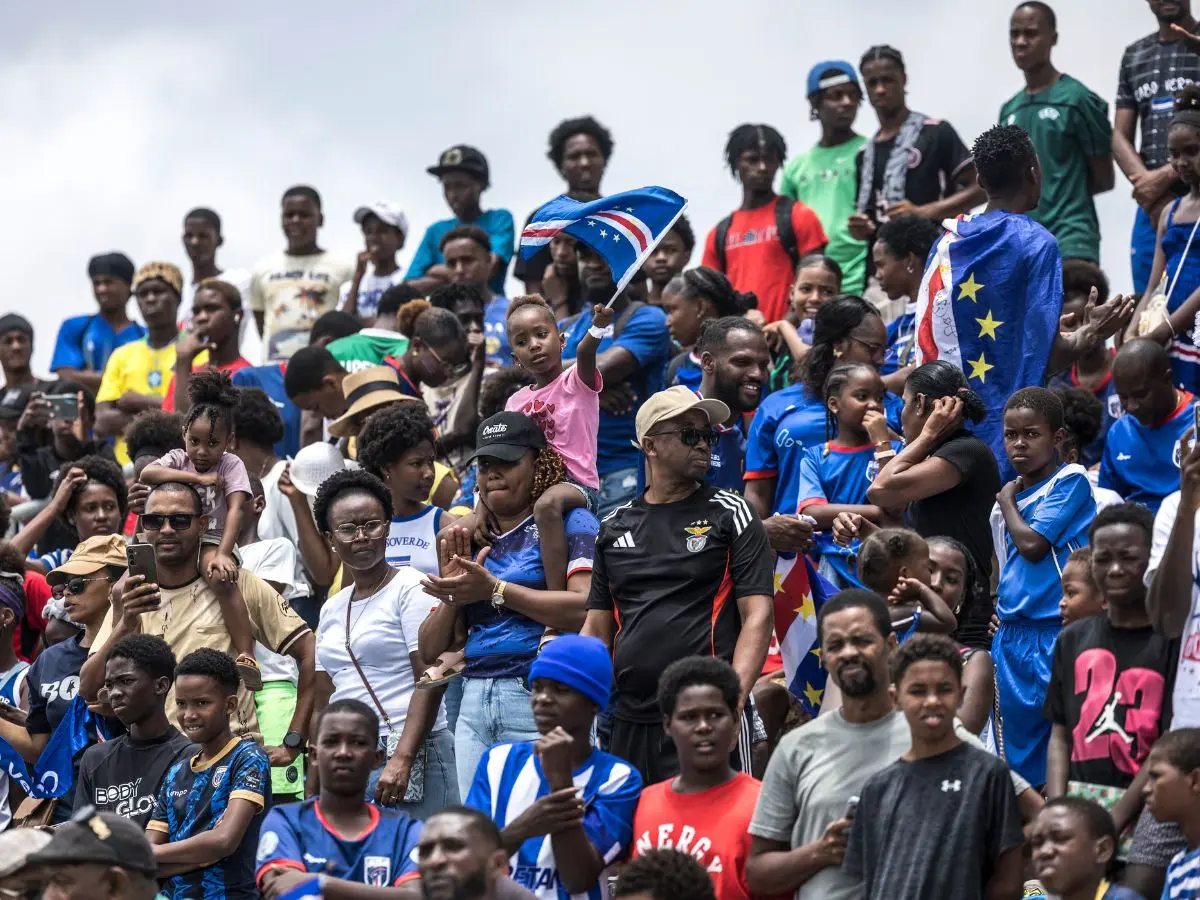
Government Grants Public Holiday for Qualifier Screening
On the cusp of historic World Cup 2026 qualification, Cape Verde’s government understood the magnitude of this moment, granting a public holiday to all 600,000 citizens to watch the team’s final qualifying match against Eswatini.
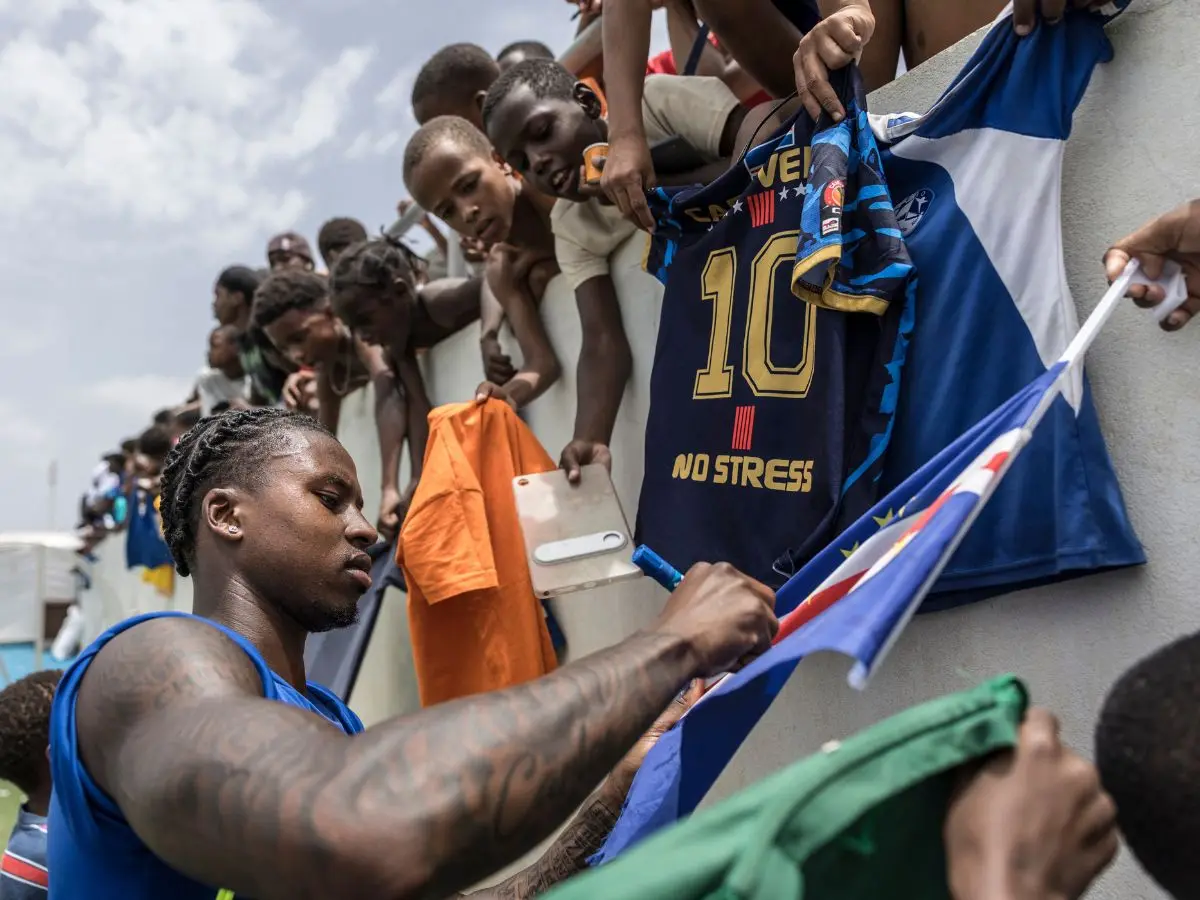
Unbeaten Fortress of Praia
Cape Verde’s road to the World Cup was built on a defensive record at home. The third-smallest country (by population) to qualify for this showpiece event turned their home turf in Praia into a fortress, remaining unbeaten across five contested matches and that too without conceding a goal. This tiny nation overcame hurdles in Cameroon and Angola on the way.

The 2015 ‘Miracle of Estoril’
Even though playing a draw against the former world and European champions, Spain, is their most significant official result, Cape Verde has tasted history earlier. 11 years ago, in 2015, they travelled to Portugal for an international friendly and pulled off a shocker by beating the hosts 2-0.
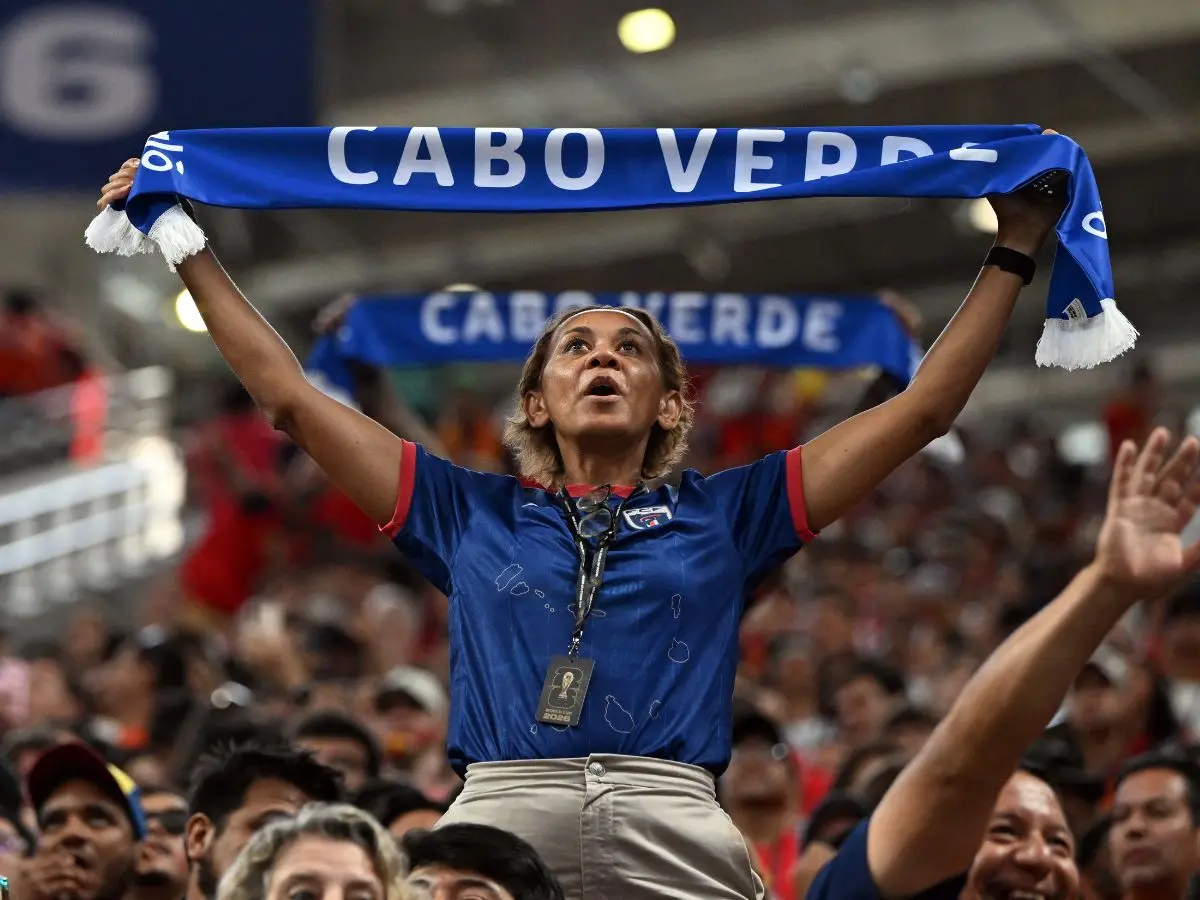
25-year Vision
Aware of their geographical challenges, the Cape Verdean Football Association (FCF) launched a targeted initiative in 1998, aiming at youth development. The association constructed 25 high-quality grass and modern synthetic pitches across the archipelago over the next two decades, which laid the physical foundation for their upcoming generation to shine.
)
)
)
)
)