'Fiery lava planets': NASA's James Webb Telescope discovers shocking chemistry of worlds that shouldn’t exist

Their surfaces reach temperatures hot enough to melt or even vaporize rock, creating conditions that are completely alien compared to Earth, Mars, or Venus.
Worlds locked in molten heat
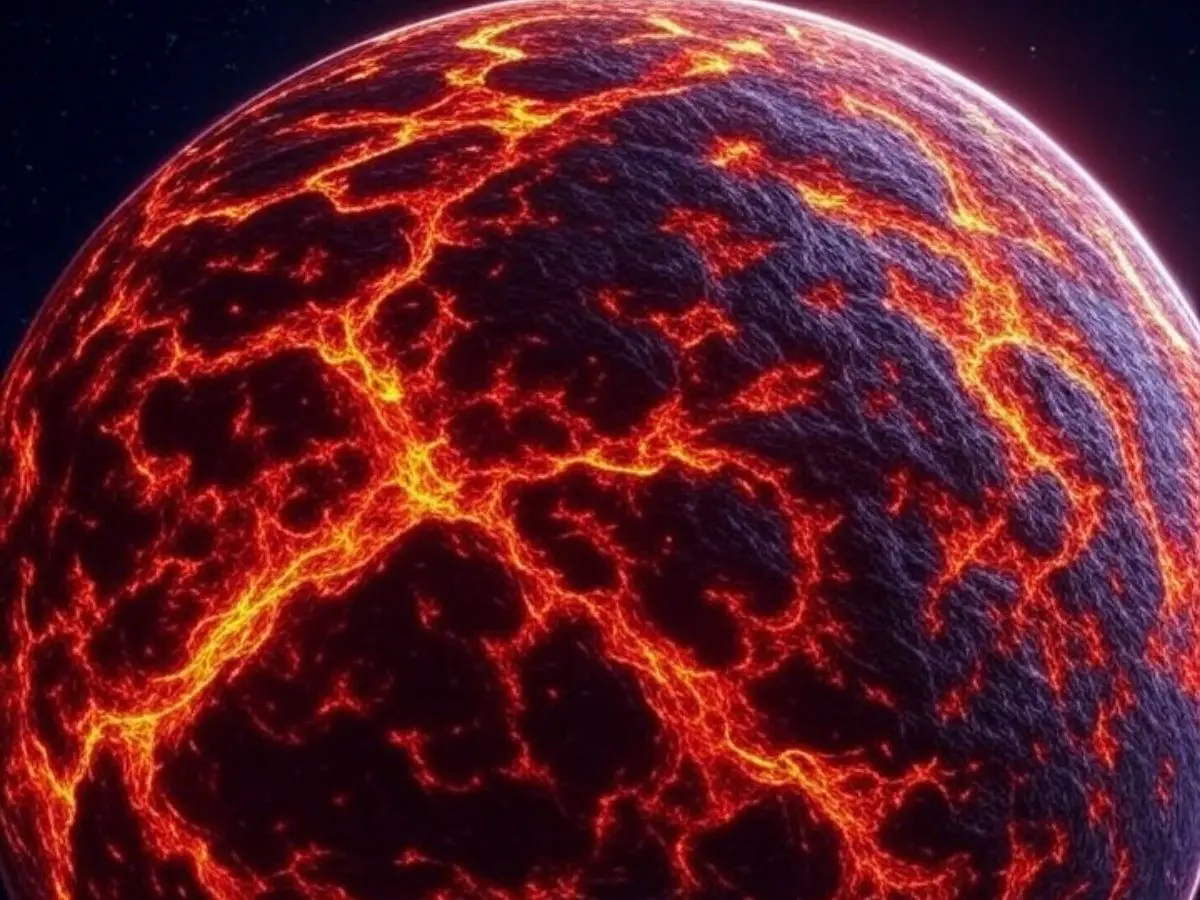
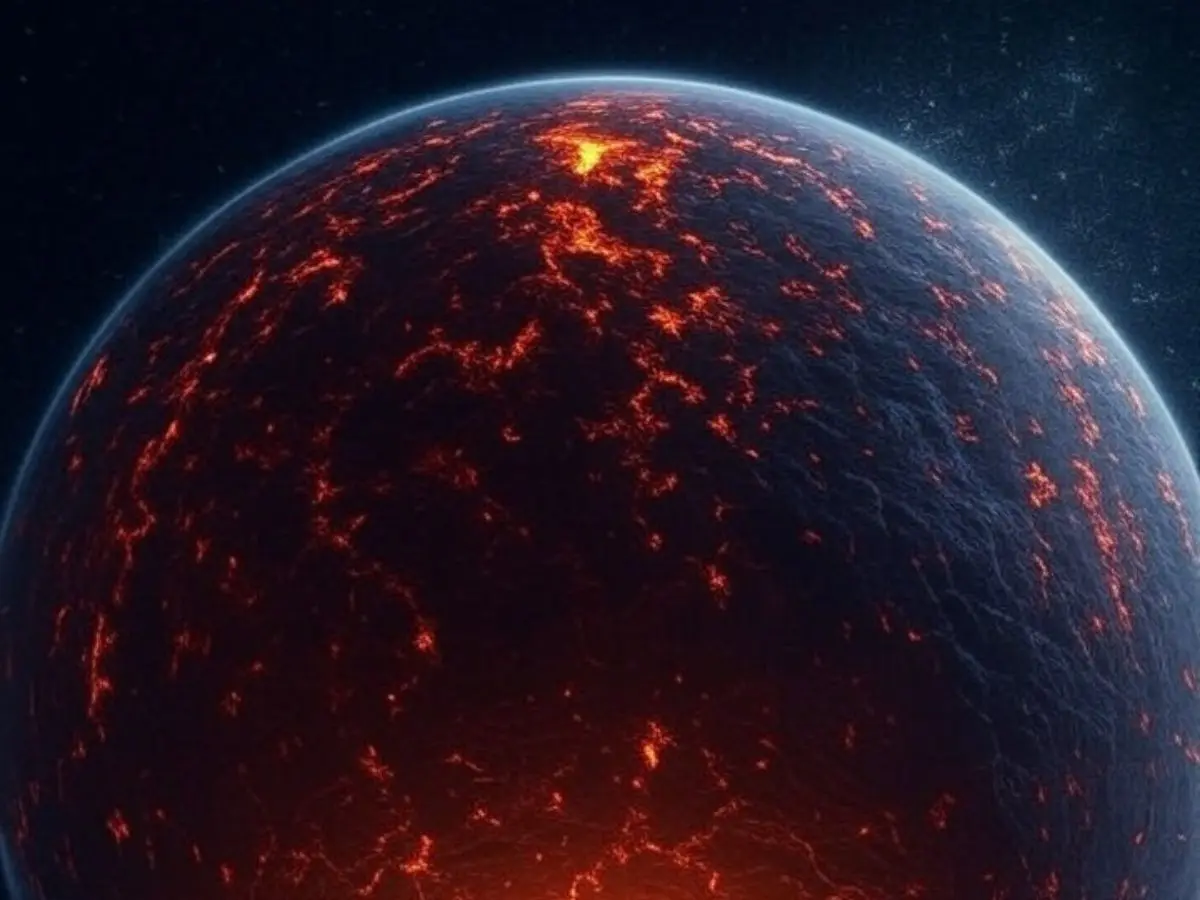
Lava planets are a class of rocky exoplanets that orbit so close to their stars that a year can last less than a single Earth day. Their dayside temperatures can exceed 2,700°C, hot enough to melt or even vaporise rock, forming vast magma oceans. These planets are usually tidally locked, with one hemisphere permanently facing the star in relentless heat while the other remains in darkness. Such conditions are extreme compared with any found on Earth, Mars or Venus, yet they offer scientists an unparalleled opportunity to study how rocky planets evolve over billions of years.
A new blueprint for molten worlds
A study led by Charles-Édouard Boukaré of York University, published in Nature Astronomy, has developed a framework for decoding the interiors and atmospheres of lava planets. By combining geophysics, atmospheric science and mineral chemistry, the team used numerical models to simulate how molten rock, vapour, and solid crust interact over immense timescales. The models suggest two end-member interior states: fully molten young planets, where heat circulates efficiently, and older ones that have partly solidified, with distinct chemical differences between their magma oceans and atmospheres.
Chemical distillation over geological time
Central to the research is the concept of chemical distillation. When rock melts or vaporises, heavier elements such as magnesium and silicon tend to stay in the liquid or solid phase, while lighter elements like sodium and potassium escape into the atmosphere. Over time, repeated cycles of melting, vaporisation, and crystallisation alter the planet’s outer layers and atmosphere. This means the chemical composition of an older lava planet’s atmosphere may be significantly different from that of a younger one, allowing astronomers to estimate planetary age from atmospheric data.
Observations with the James Webb Space Telescope
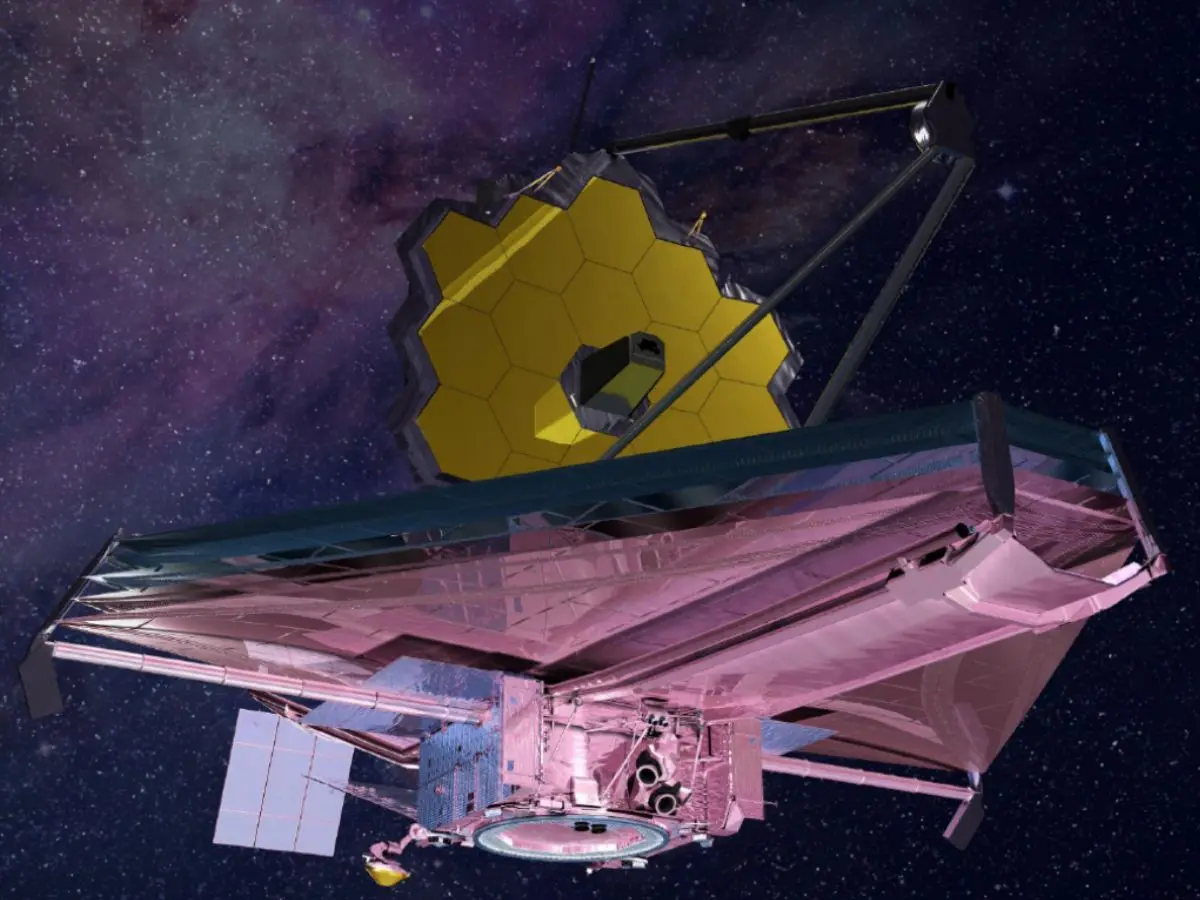
Five programmes are already planned to study lava planets with NASA’s James Webb Space Telescope (JWST), and Boukaré’s team has secured 100 hours of observing time. JWST’s infrared sensors can detect atmospheric vapour from silicate rocks and identify key elements, confirming whether a planet remains molten or has cooled into a more stable state. Measurements of nightside temperatures, which are warmer in younger lava planets due to internal heat circulation, will further refine models of planetary evolution.
Lessons from our own Solar System
Although the conditions on lava planets are far more extreme, the physical processes that shape them are similar to those that acted on the early Earth and other young rocky planets. On Earth, ancient lava flows and crusts preserve chemical fingerprints of such processes, but on lava planets they occur in real time, accelerated by extreme heating and atmospheric loss. This parallel offers a valuable analogue for studying the formation and evolution of rocky worlds.
The role of winds and hemispheric exchanges
The tidal locking of lava planets produces stark temperature contrasts between hemispheres, generating powerful winds that transport heat and vapour. This atmospheric circulation interacts with the magma ocean and underlying mantle, redistributing elements across the planet. Boukaré’s three-dimensional simulations track the movement of rock-forming elements such as magnesium, silicon, and iron between solid, liquid, and vapour states, revealing a complex planetary chemistry shaped by both surface and interior processes.
Towards a dynamic view of exoplanets
Until now, most exoplanet studies have provided only a static snapshot of these distant worlds. The new framework links a lava planet’s atmosphere directly to its internal evolution, allowing scientists to distinguish young, molten planets from older, cooling ones. With JWST’s upcoming observations and future instruments such as the Extremely Large Telescope in Chile, astronomers are poised to test these predictions. This could transform our understanding of rocky planet evolution, including processes that shaped early Earth and other potentially habitable worlds.
)
)
)
)
)