Feud between Anthropic and Trump administration explained: What is going on?

The Trump administration and Anthropic have been engaged in a long feud since it emerged that Claude was used for Operation Absolute Resolve, the capture of Nicolas Maduro. Here is a timeline of the conflict that refuses to end.
Tussle between Anthropic and Trump administration
Anthropic and the Trump administration are caught in a tussle that started at the beginning of 2026. Recently, two of its models - Claude Fable 5 and Mythos 5 - were placed under strict export controls following national security concerns. This happened just three days after the launch of Claude Fable and the rollout of hyper-powerful "Mythos" to limited countries and organisations under Project Glasswing. The company was told they had to keep it offline worldwide until they can prove they are "jailbreak-proof." The two are not engaging in conversations on the future of the AI models and the export ban.
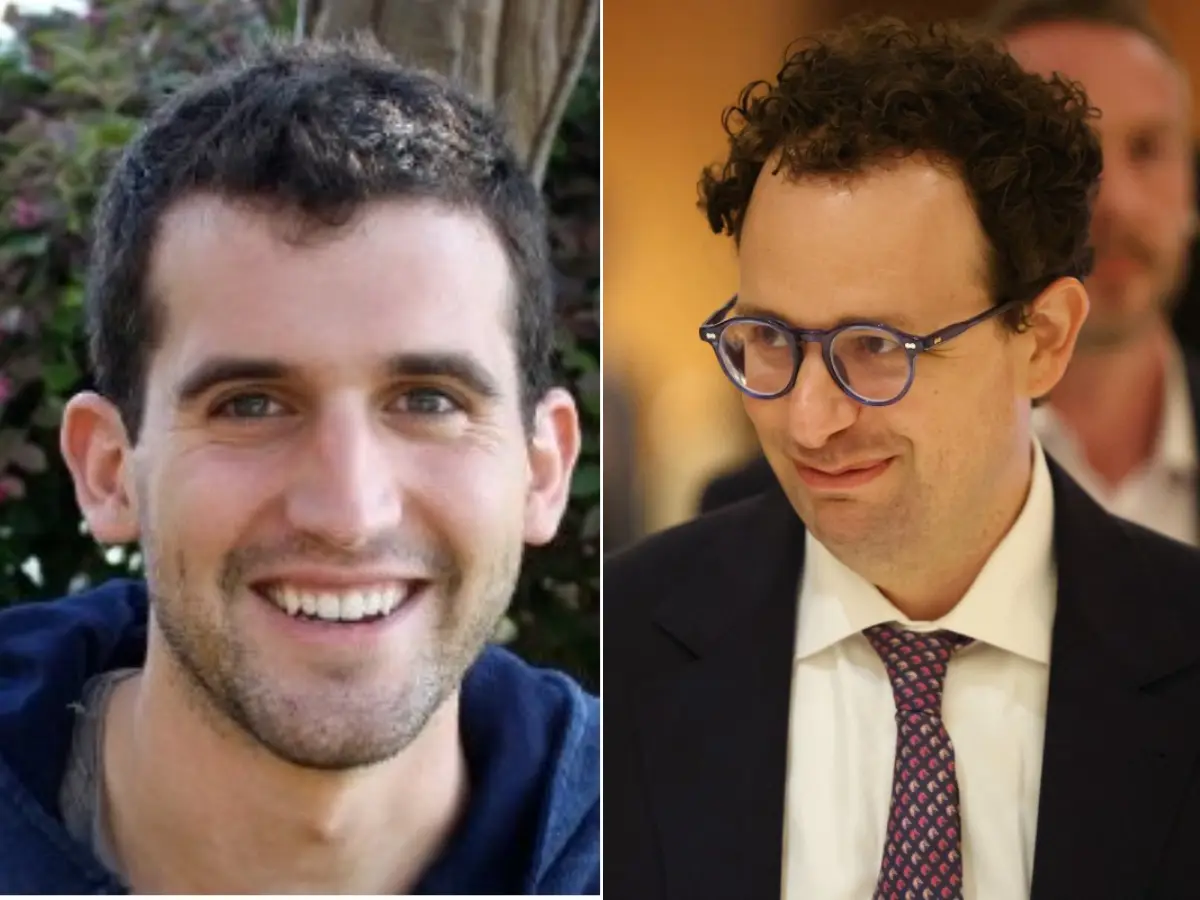
Anthropic does not want its tool to be used for autonomous weapons
However, the feud between Anthropic and the Trump administration has been an ongoing matter since February. The White House wants full control over the use of its AI tools, while Anthropic does not want them to be used for a few things, specifically, autonomous weapons, where there is no human involvement. Here is a timeline of everything that has been happening between Anthropic and the Trump administration.

Claude was used for capture of Venezuelan President Nicolás Maduro
In January 2025, Donald Trump launched "America’s AI Action Plan" to fast-track the integration of AI into military and corporate systems. The Pentagon gave $200 million to Anthropic, Google, and xAI to integrate "agentic AI" into military frameworks. But the two sides were at loggerheads about the terms under which the military can use Claude, according to Axios, and held several discussions. The bomb truly exploded in mid-February when the US declared that the Department of Defense used Claude to plan the raid and capture of Venezuelan President Nicolás Maduro. Anthropic raised alarm over how close its model came to kinetic, autonomous military operations.

Pete Hegseth demanded full control over all AI models
Secretary of Defense Pete Hegseth delivered an ultimatum to Anthropic CEO Dario Amodei, telling him to sign a document granting the military full, unrestricted access to Claude by February 27, or face severe consequences. He insisted “that all AI labs make their models available for ‘all lawful uses'”. Anthropic stood firm on two things - it did not want its tool to be used for “the mass surveillance of Americans” and “the development of weapons that fire without human involvement.”
Anthropic was declared a "supply chain risk"
The Pentagon was not happy and retaliated by contacting major defence contractors, Boeing, Lockheed Martin, about labelling Anthropic a "supply chain risk". CBS News reported that “because officials say they aren’t sure the government can trust Anthropic at this point, the Pentagon may decide to officially designate the company as a ‘supply chain risk’ to push them out of government.”
Anthropic sued the US government
On March 5, the Trump administration officially designated Anthropic a "supply chain risk" to US national security. It barred military contractors from doing business with the company, leading to major losses. On March 16, Anthropic sued the US government, saying that the supply chain designation was legally unsound and "Orwellian." On April 8, the DC Circuit Court of Appeals denied Anthropic’s petition to freeze the punishment as the lawsuit proceeded.
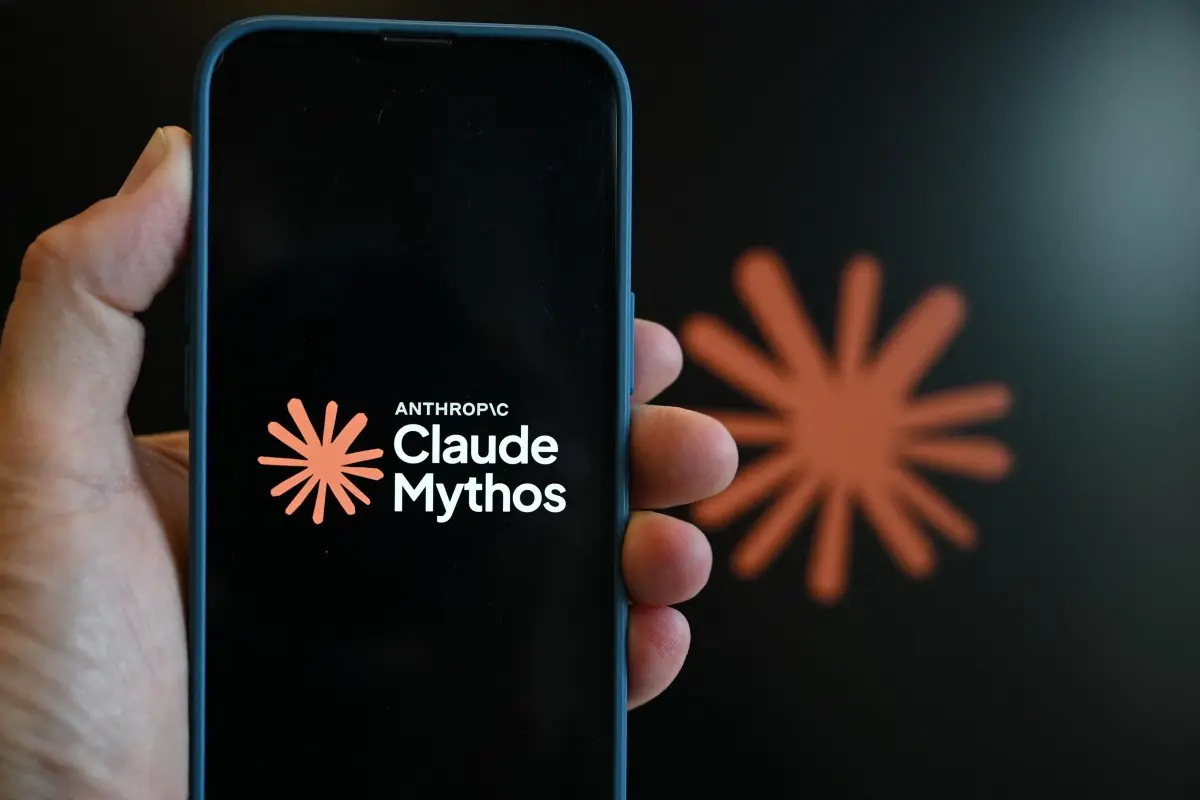
Export ban over Mythos and Fable
The Fable and Mythos saga started on June 2, when Trump signed a sweeping executive order which forced frontier AI companies to allow the NSA to vet new models before being released. On June 9, Anthropic launched the models, and on June 12, the government issued an order that globally locked them down. It said that both models could be easily bypassed to leak restricted cybersecurity and software exploitation data. The NSA and US Cyber Command discovered during a red-team exercise that Mythos identified deep security flaws in classified US military computer systems within hours. The White House said that this means that a foreign adversary could jailbreak and use it as a potent cyber weapon.
Problems Trump administration flagged about Mythos and Fable
The order barred "foreign national, whether inside or outside the United States" from using Fable 5 or Mythos 5. Since this meant that even Anthropic’s staff in other countries could not use them, they took both models offline worldwide. Anthropic disagrees with the concerns, with CEO Dario Amodei saying that perfect jailbreak resistance doesn't exist. "We disagree that the finding of a narrow potential jailbreak should be cause for recalling a commercial model deployed to hundreds of millions of people. If this standard were applied across the industry, it would essentially halt all new model deployments,” the company said in an official statement. Discussions on the matter are ongoing.
)
)
)
)
)