Fentanyl, heroin, cocaine and meth: The global drug network run by El Mencho’s Jalisco New Generation Cartel

Oseguera Cervantes was 59 and originally from the western state of Michoacán. His ties to organised crime stretched back at least three decades.
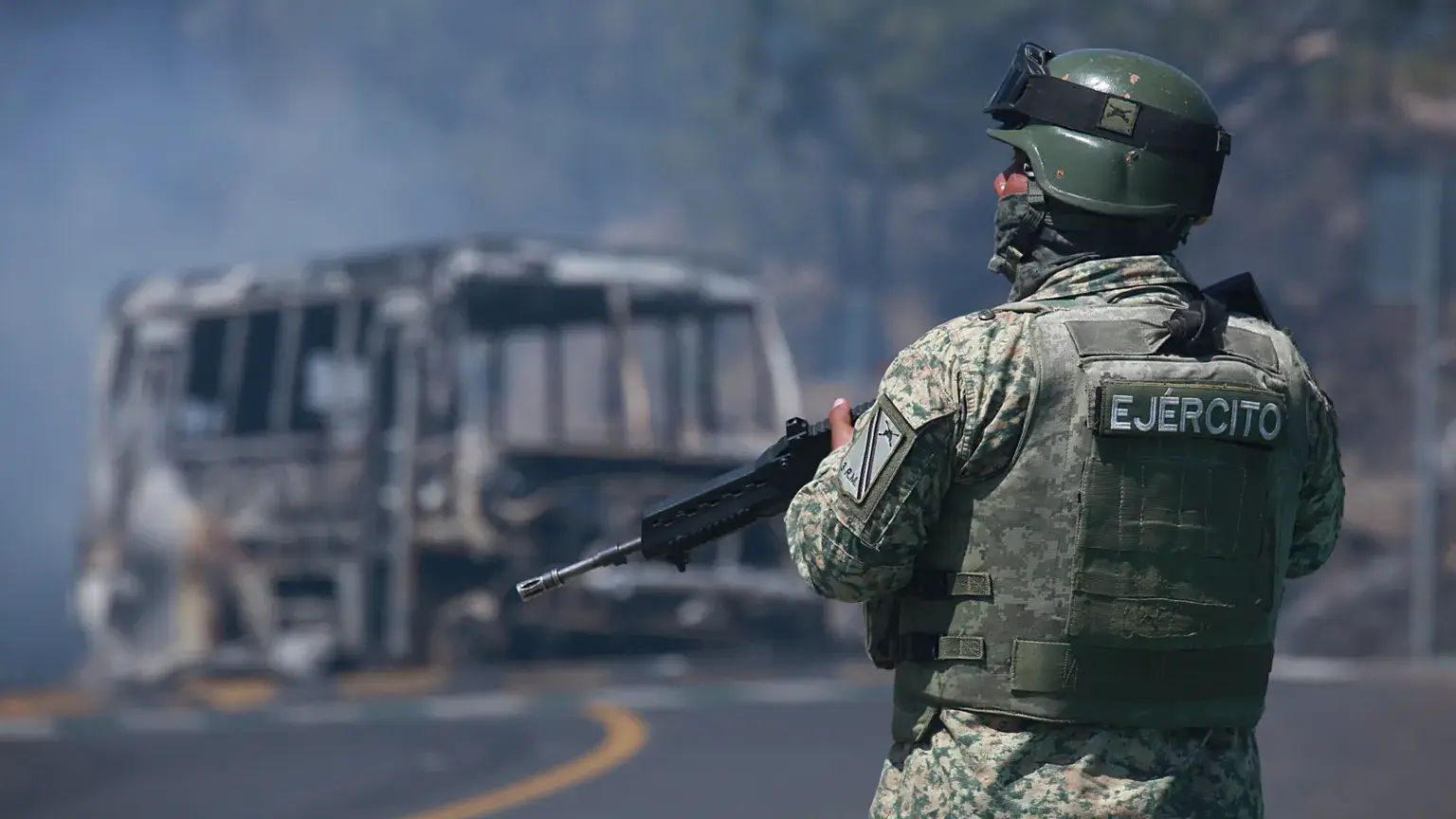
The Raid That Ended El Mencho
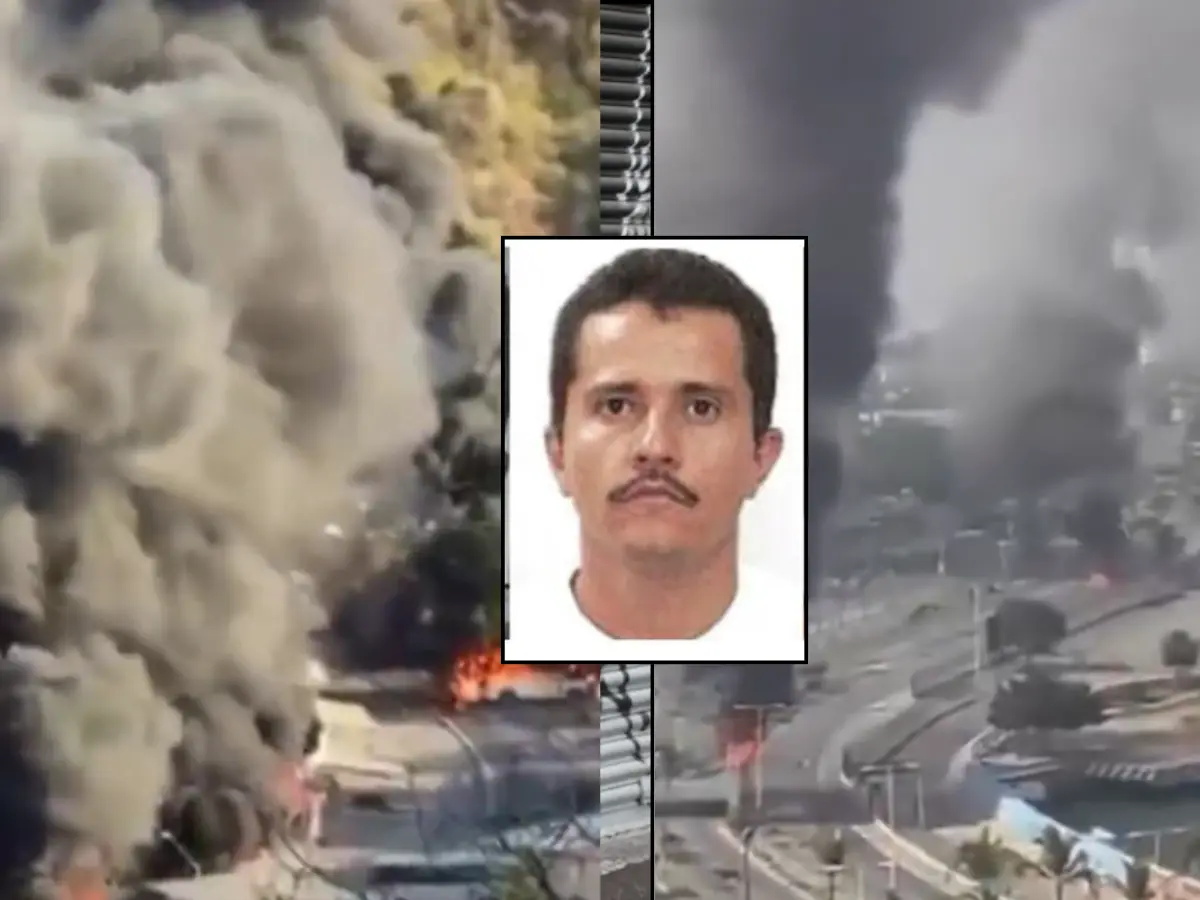
Mexican forces killed drug kingpin and country's most wanted man, Nemesio Oseguera Cervantes, also known as 'El Mencho', during an operation in Jalisco state, marking what officials described as the most significant blow against organised crime since the recapture of Joaquín ‘El Chapo’ Guzmán a decade ago. One of the United States’ most wanted fugitives, Oseguera was targeted in a raid in which a new US-military-led intelligence unit, the Joint Interagency Task Force-Counter Cartel, played a role, according to a US defence official cited by Reuters. The task force was launched to map cartel networks on both sides of the border.
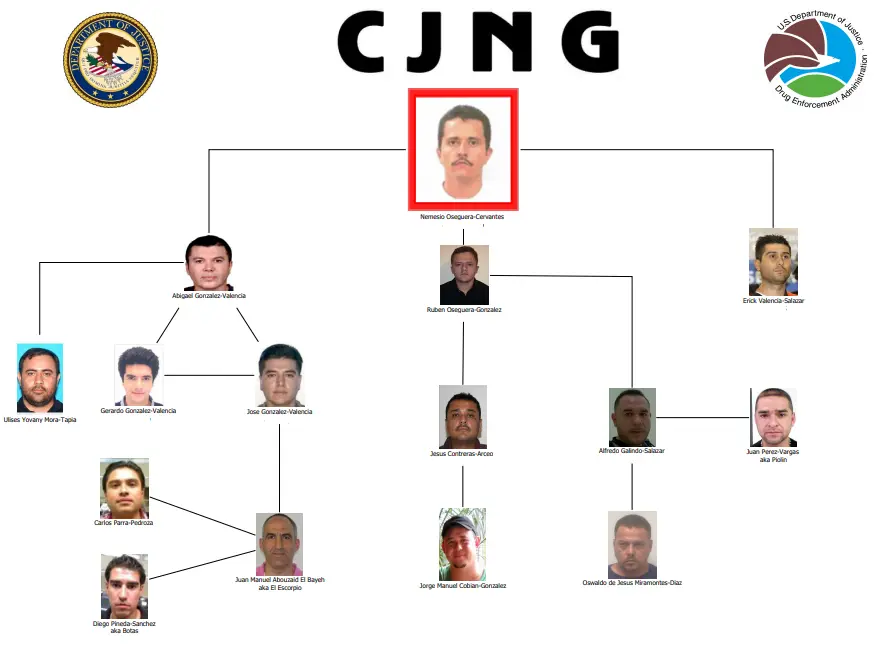
From Michoacán to Cartel Leader
Oseguera Cervantes was 59 and originally from the western state of Michoacán. His ties to organised crime stretched back at least three decades. In 1994, he was tried in the United States for heroin trafficking and served three years in prison. After returning to Mexico, he rose rapidly within the country’s drug underworld and, around 2009, founded the Jalisco New Generation Cartel (CJNG).
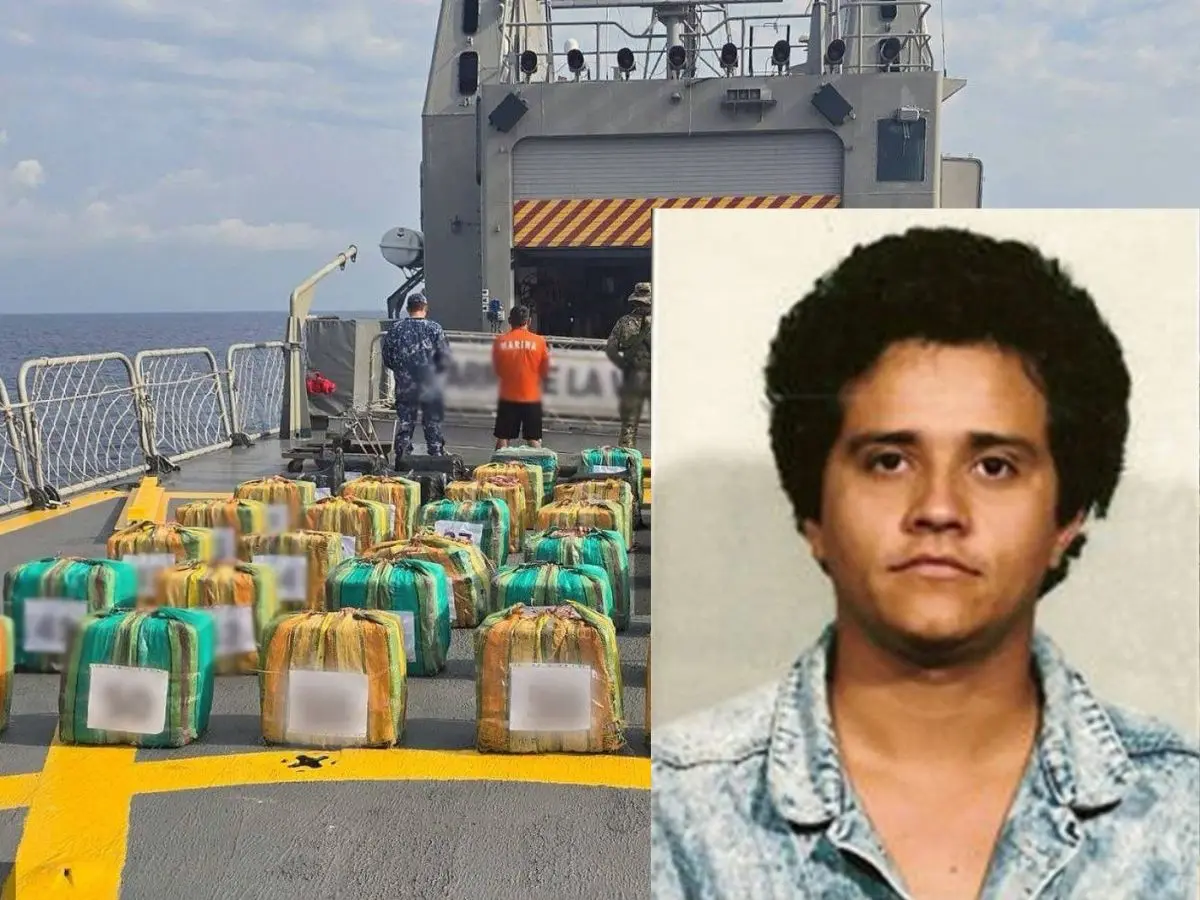
Cocaine, Methamphetamine and Fentanyl
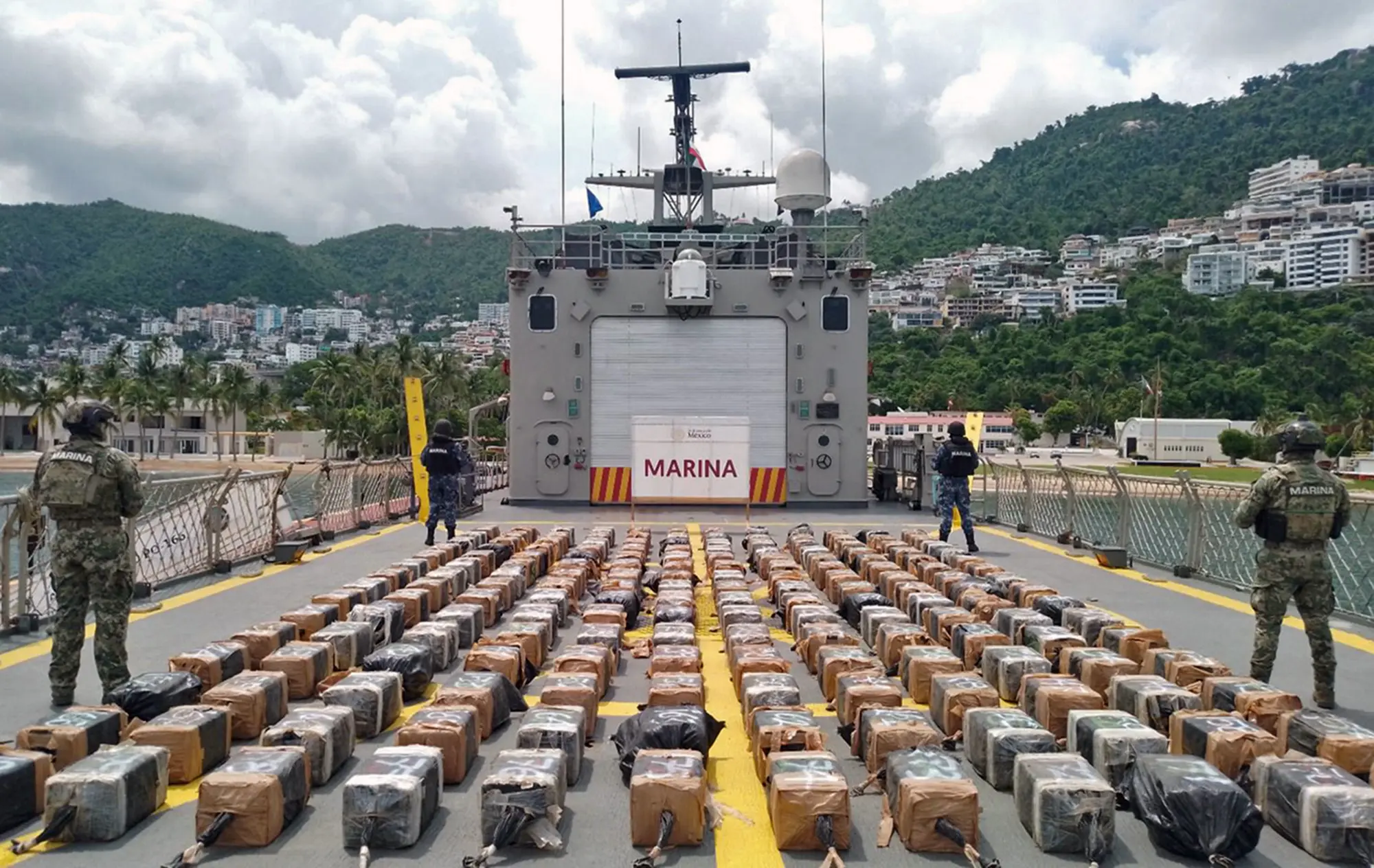
CJNG became Mexico’s fastest-growing criminal organisation. US government assessments state that it trafficked cocaine, methamphetamine and fentanyl into the United States and other markets. The Congressional Research Service notes the group’s central role in synthetic drug production, particularly fentanyl and methamphetamine, which have fuelled overdose crises in North America.
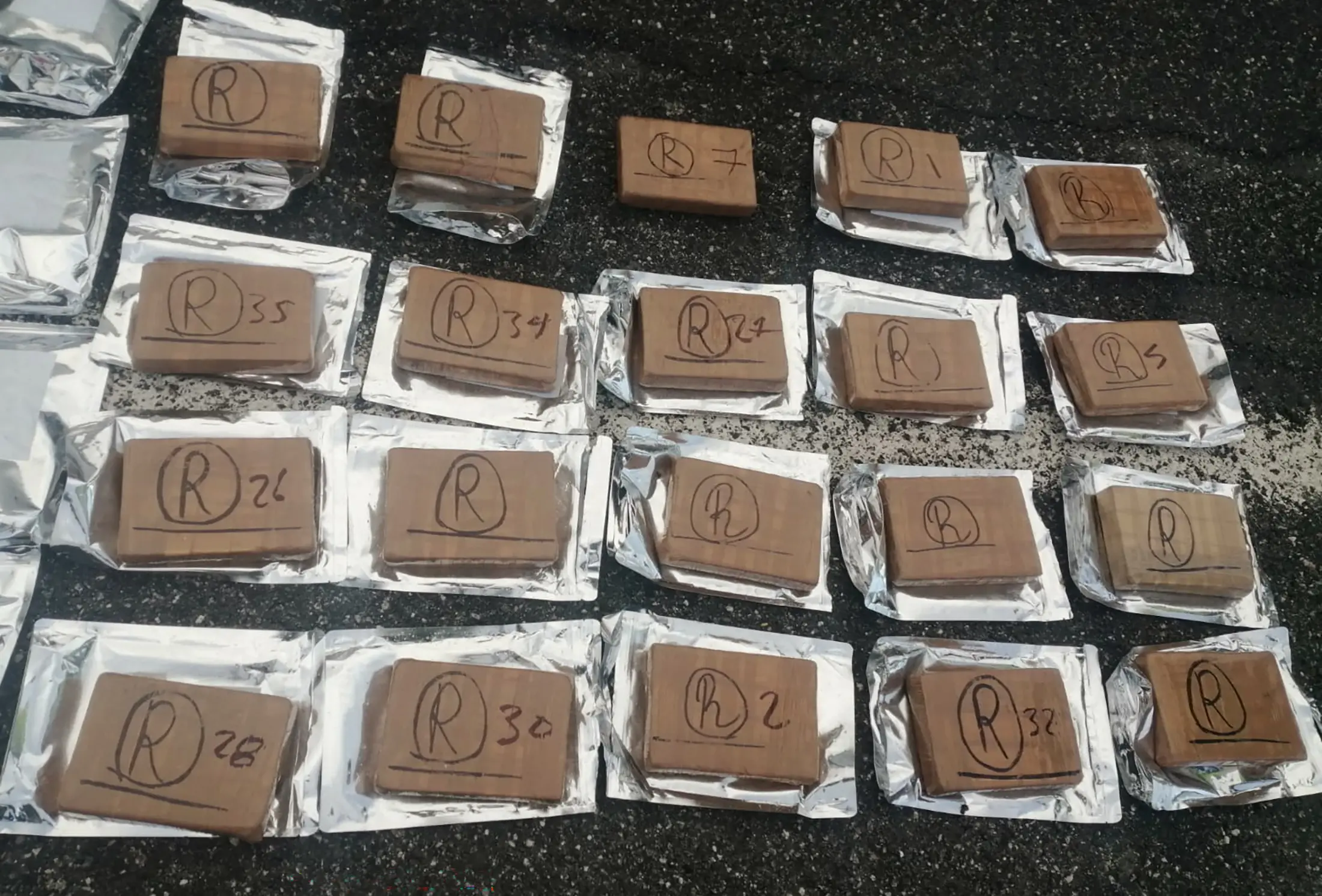
Heroin and Synthetic Innovation
Before fentanyl dominated illicit opioid markets, heroin was a key commodity. Oseguera’s early conviction was linked to heroin trafficking. Over time, CJNG diversified into synthetic opioids and refined methamphetamine production, using precursor chemicals imported through Mexican ports, including Manzanillo, according to US government records.
Beyond Drugs: Migrants and Revenue Streams
The Associated Press reported that CJNG also moved migrants to the United States and generated revenue through fuel theft, extortion and timeshare fraud. The group recruited aggressively, experimenting with online methods to attract members, broadening its operational reach.
Military-Style Violence
CJNG earned notoriety for 'brazen attacks on Mexican security forces', including downing a military helicopter in Jalisco in 2015. It later attempted to assassinate Mexico City’s police chief, Omar García Harfuch, now Mexico’s federal security secretary. US assessments state that CJNG 'uses extreme violence and intimidation', including operating training sites such as the Izaguirre Ranch.
Indian embassy in Mexico issues advisory
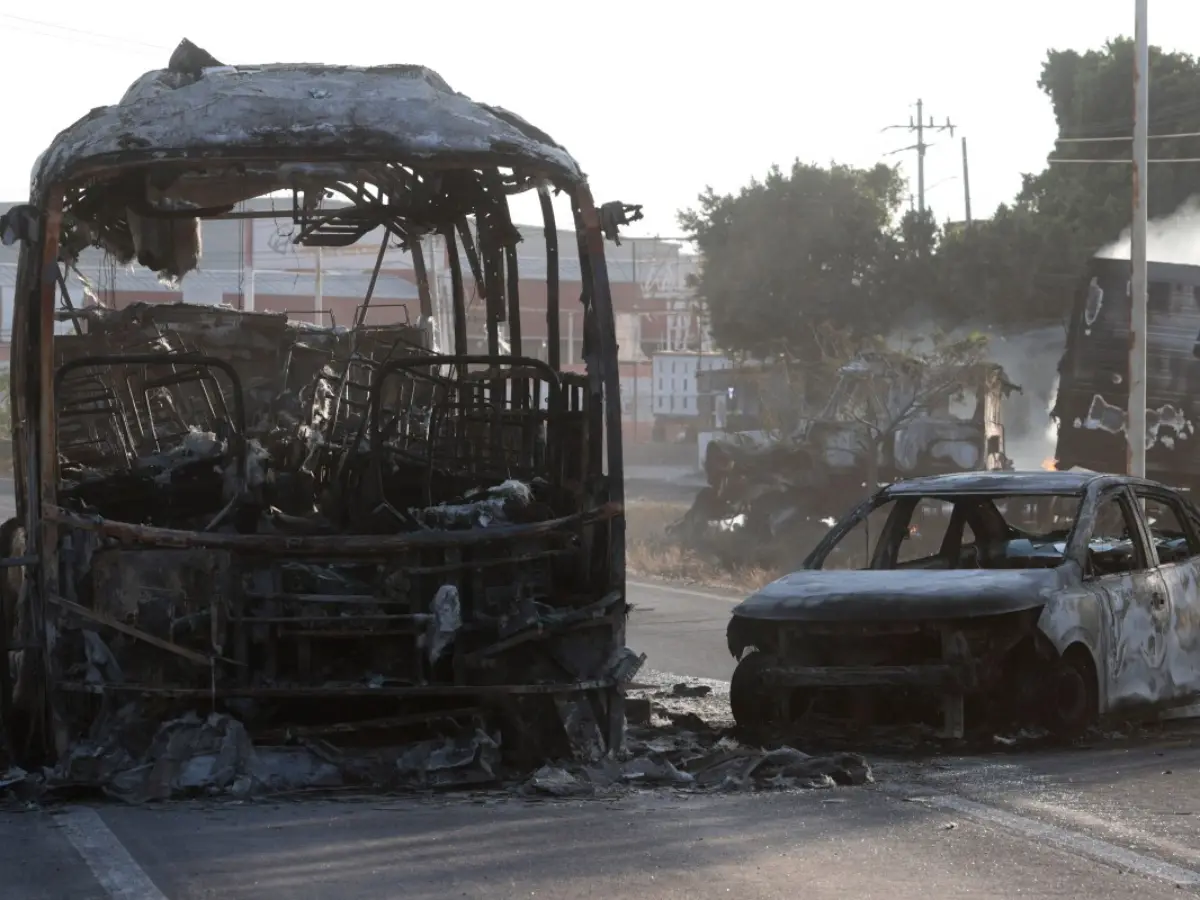
School was cancelled in several Mexican states and local and foreign governments, including the Indian embassy in Mexico urged citizens living in Mexico to take shelter until further notice amid violence, road blocks and flight cancellations after
)
)
)
)
)