Fattah, Khorramshahr‑4, Hormuz‑2 and more: Iran’s 7 deadly weapons that could challenge the US and Israel

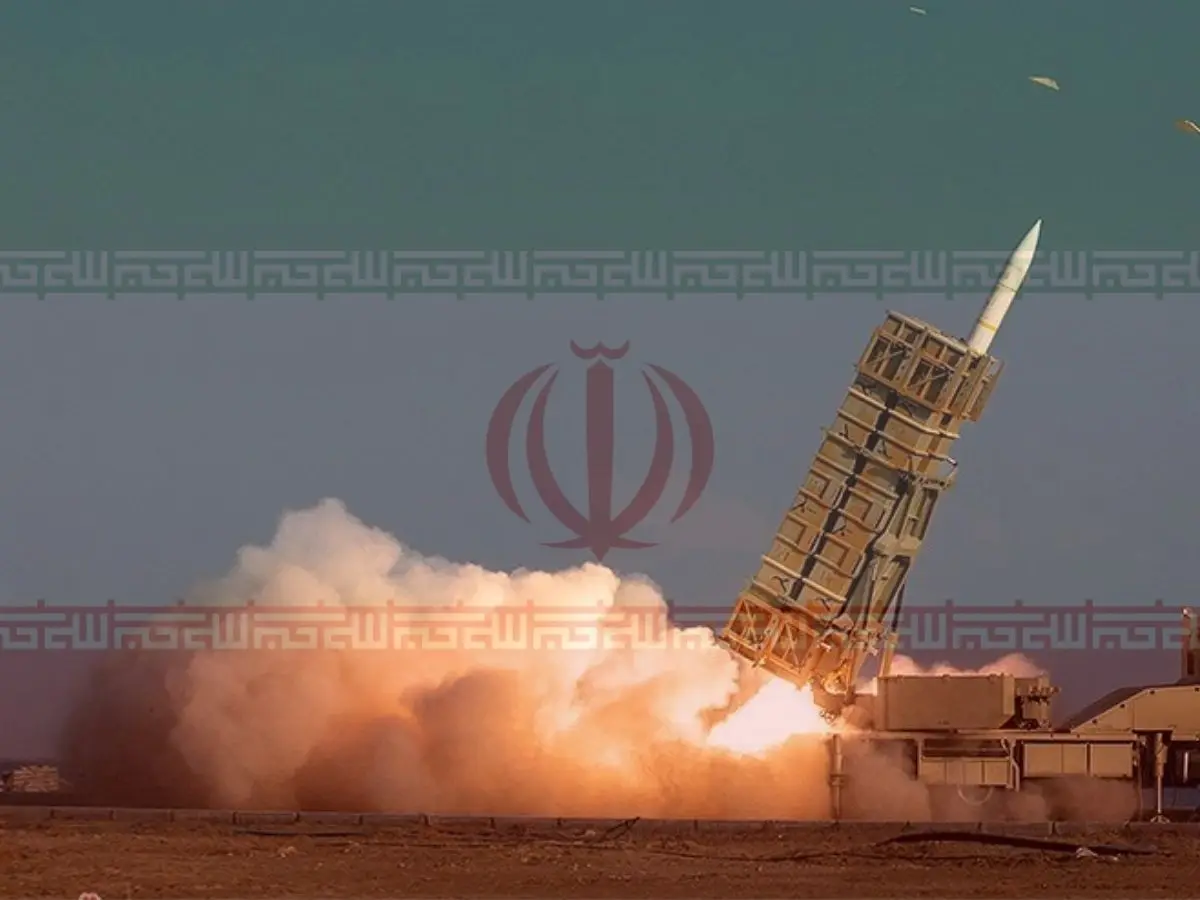
Iran’s arsenal spans ballistic and cruise missiles as well as a growing range of unmanned systems, many of them designed to strike targets far beyond its borders.
Strategic context
Iran’s military capabilities have come under intensified global scrutiny as tensions with the United States continue. At home, economic pressure and social unrest have increasingly tested the authority of the clerical establishment, as the government crackdown on protestors continue. Against this backdrop, speculation about possible US military action has continued, even as US president Donald Trump said on Wednesday that he had been informed 'on good authority' that plans for executions in Iran had been halted.
top weapons
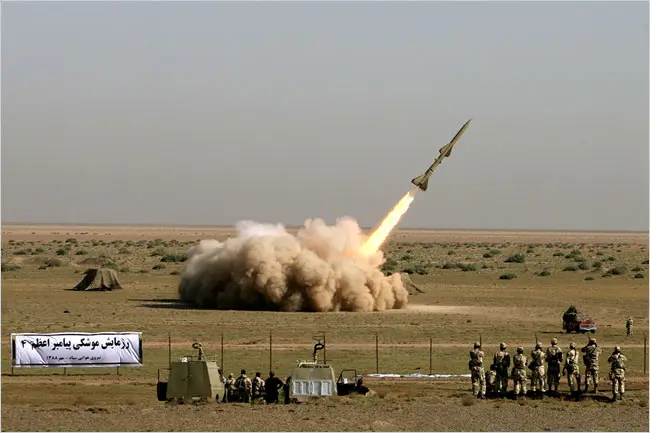
Despite such signals, strains between Washington and Tehran remain unresolved. Here is a list of top 7 weapons in the Iran's military arsenal that could pose a significant challenge to US and Israel. Iran’s arsenal spans ballistic and cruise missiles as well as a growing range of unmanned systems, many of them designed to strike targets far beyond its borders:-
Fattah-1 and Fattah-2 missiles
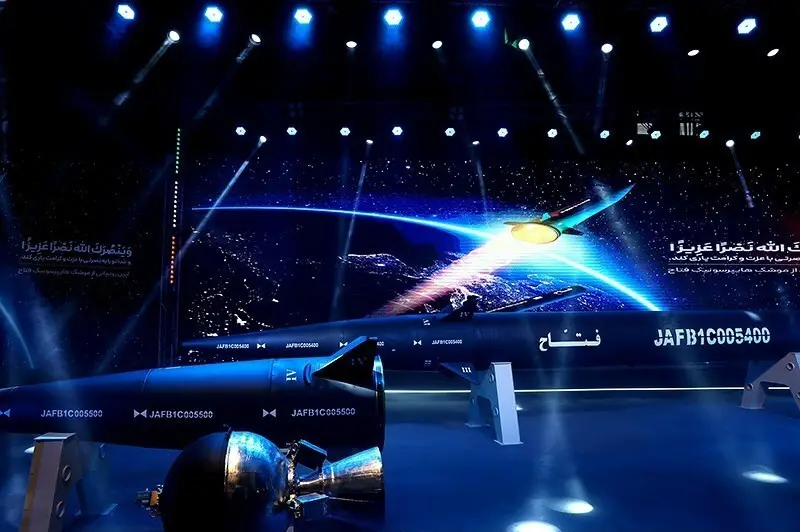
In 2023 and 2024, Iran announced the Fattah-1 and later the Fattah-2, claiming hypersonic capabilities with speeds reaching up to Mach 15. According to reports, Fattah-1 was designed to get past even the most advanced missile defence systems like Israel's Iron Dome and Arrow. These missiles are manoeuvrable during flight, complicating interception by existing missile defence systems. The range of Fattah-2 missiles is around 1,400-1,500 km. While independent verification of their full performance remains limited, their unveiling signalled Iran’s intent to move into a new technological tier.
Khorramshahr-4 (Kheibar) missile
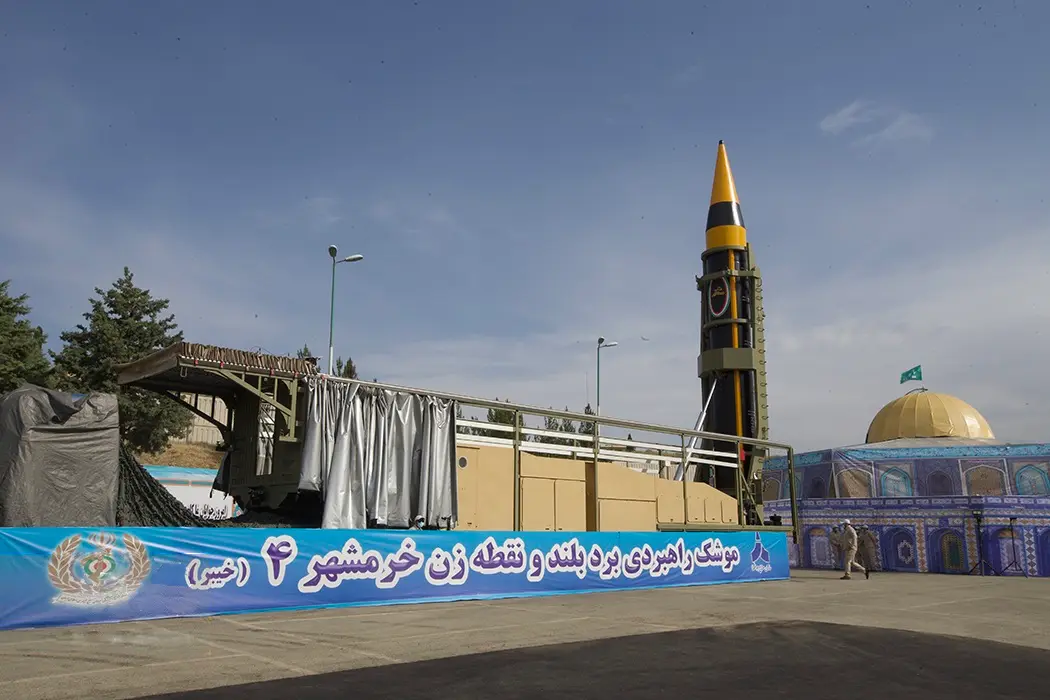
The Khorramshahr-4, also known as Kheibar, is among Iran’s most powerful ballistic missiles. This medium range ballistic missile, stands 13 metres tall and was unveiled in May 2023. This Liquid-fuelled missile is assessed to have a range of around 2,000 kilometres (1,240 miles) and is sufficient to reach Israel and US military installations across the Middle East. While Tehran insists that its missile programme is defensive, it has launched these missiles in the past.
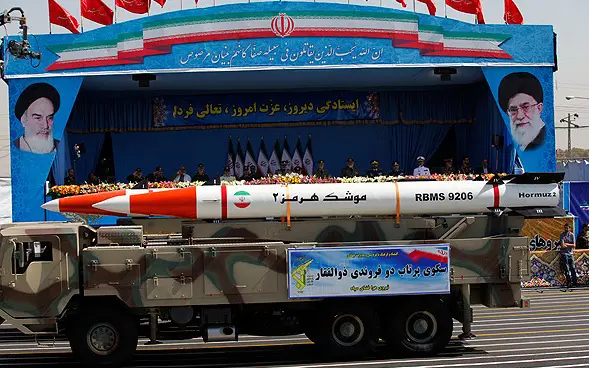
Hormuz-2 missile
The Hormuz-2 is a precision-guided anti-ship ballistic missile that has been derived from the Fateh-110 family. Iranian military and media sources describe it as designed to strike high-value maritime targets such as aircraft carriers with a range of 300 km reportedly. It has an active radar homing (ARH) seeker with terminal guidance. This system was developed to counter technologically superior naval fleets.
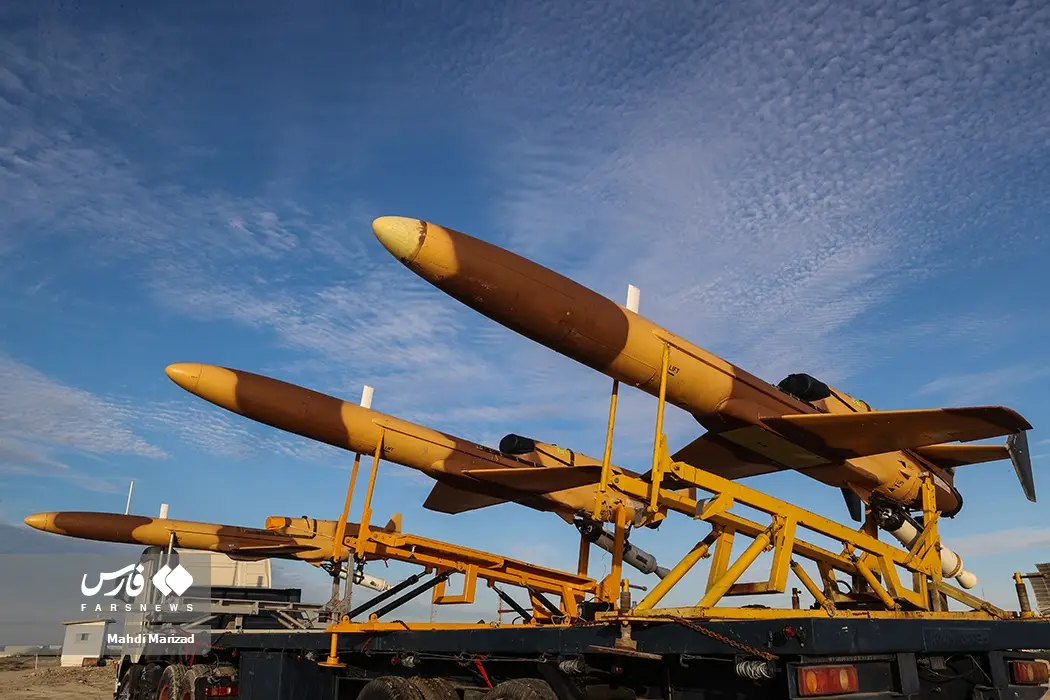
Zolfaghar and Qiam-1 missiles
The Zolfaghar and Qiam-1 missiles underpin Iran’s regional strike capability and have both been used in operational strikes across the Middle East. The Zolfaghar is a road-mobile, solid-fuelled short-range ballistic missile with a range of approximately 700–800 kilometres. More advanced variants, notably the Dezful, extend that reach to around 1,000 kilometres, placing them in the lower tier of medium-range ballistic missiles. The Qiam-1, by contrast, is a liquid-fuelled, single-stage short-range ballistic missile. With a payload of roughly 650 kilograms, it was declared operational in 2010.
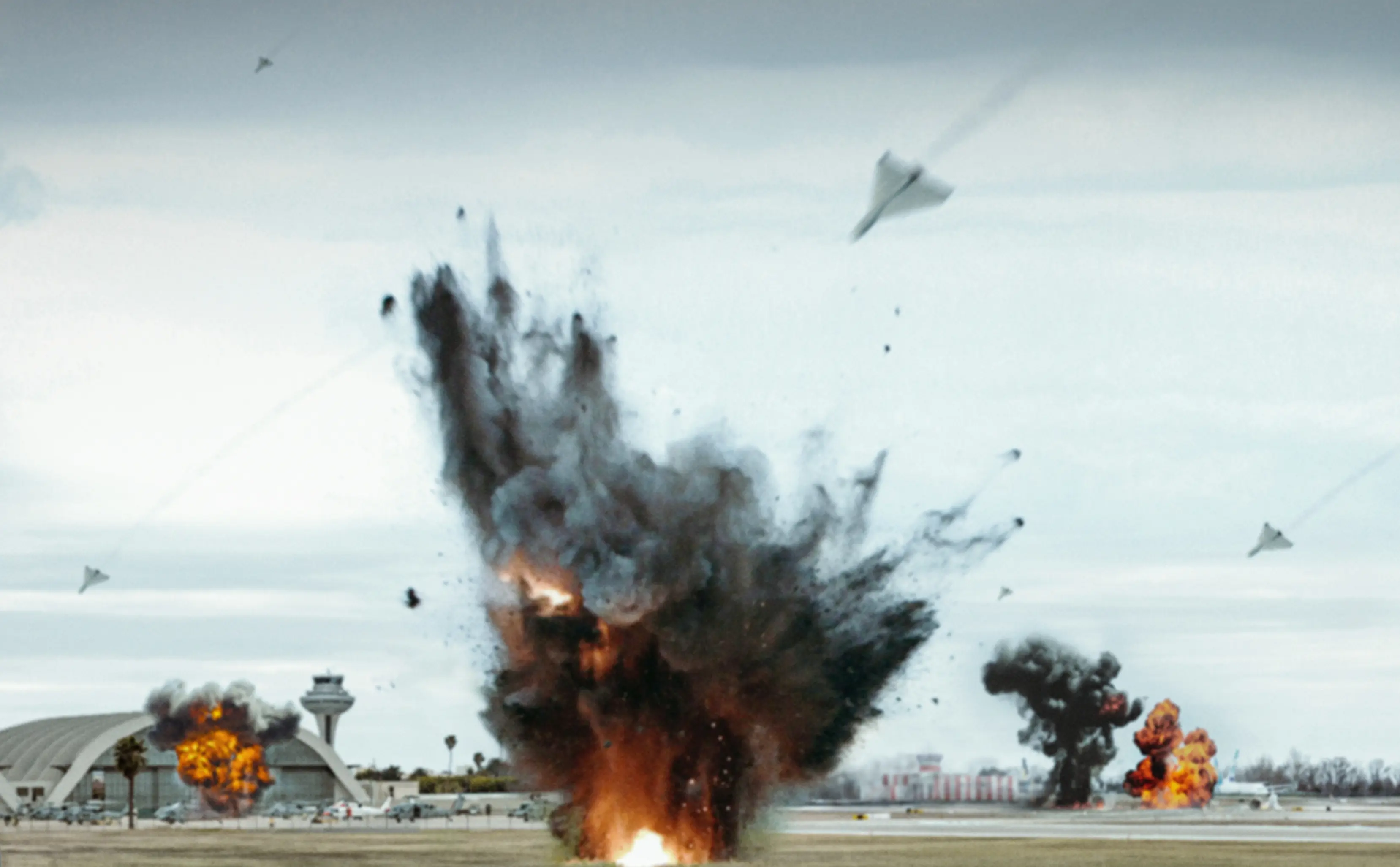
Shahed-136 loitering munition
The Shahed-136, often described as a kamikaze drone, has become one of Iran’s most visible weapons. It has a range of about 2,500 kms and is manufactured by Iran's Shahed Aviation Industries. Mass-produced, relatively inexpensive and designed for swarm use, it has been deployed by Iranian allies and supplied abroad, including in the war in Ukraine. Its effectiveness lies in numbers rather than sophistication.
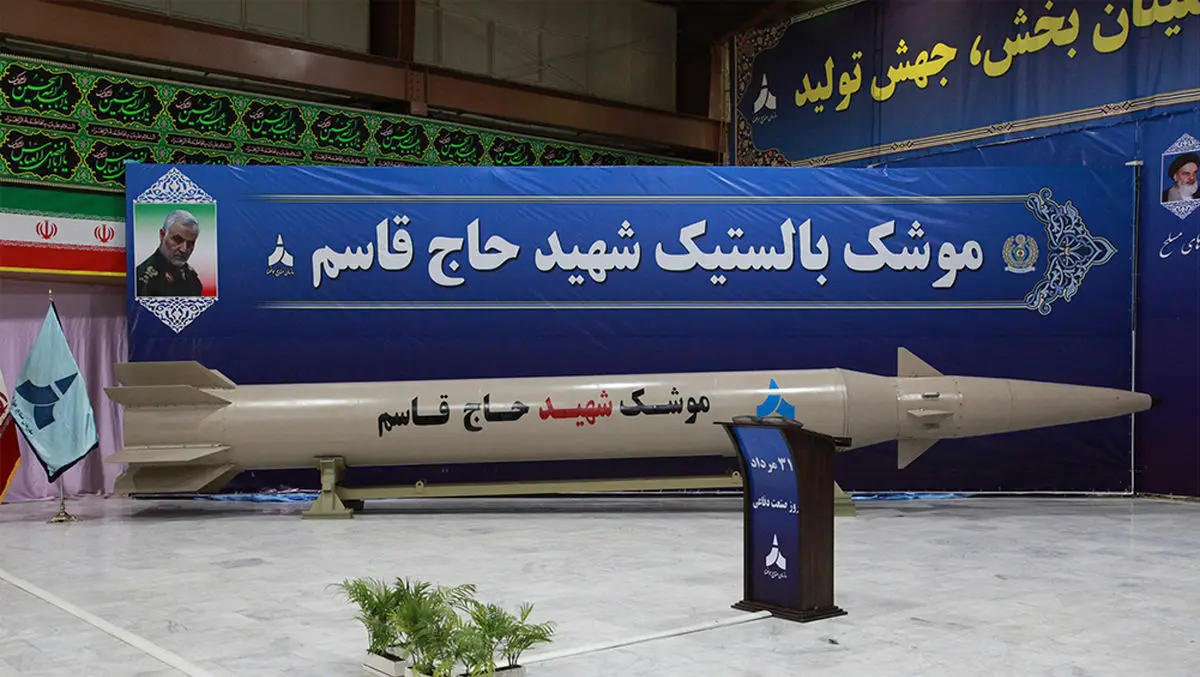
Qassem Basir missile
Iran's defence ministry unveiled the country's latest solid-fueled balistic missile named Qassem Basir in 2025. The missile boasts an expected range of 1,200 kilometres and is reportedly designed to evade advanced missile defence systems like the US' THAAD and Patriot.
)
)

)
)