Fact or fear? Do Russia and China pose a real threat to Greenland, as Trump claims? Inside their Arctic interests

China and Russia do maintain a presence in the Bering Sea, south of Alaska, but analysts note that this is geographically and strategically distinct from Greenland.
The Arctic’s rising geopolitical profile
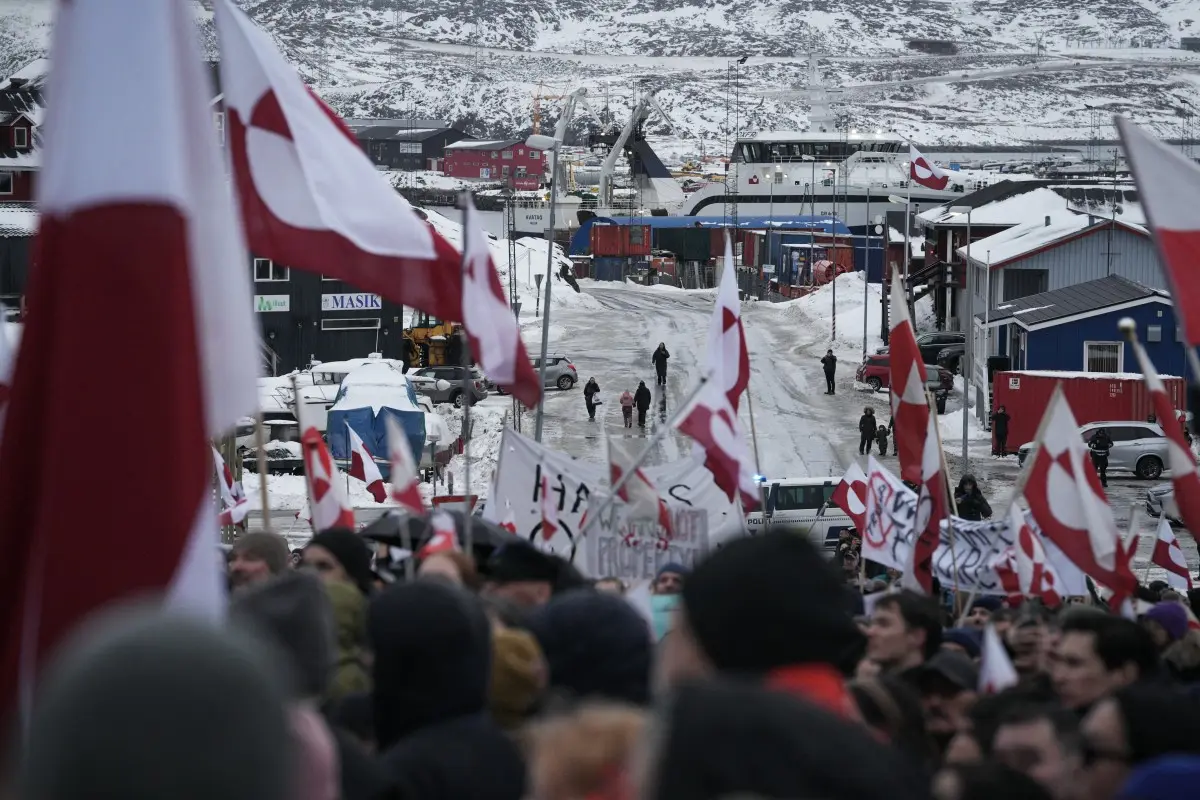
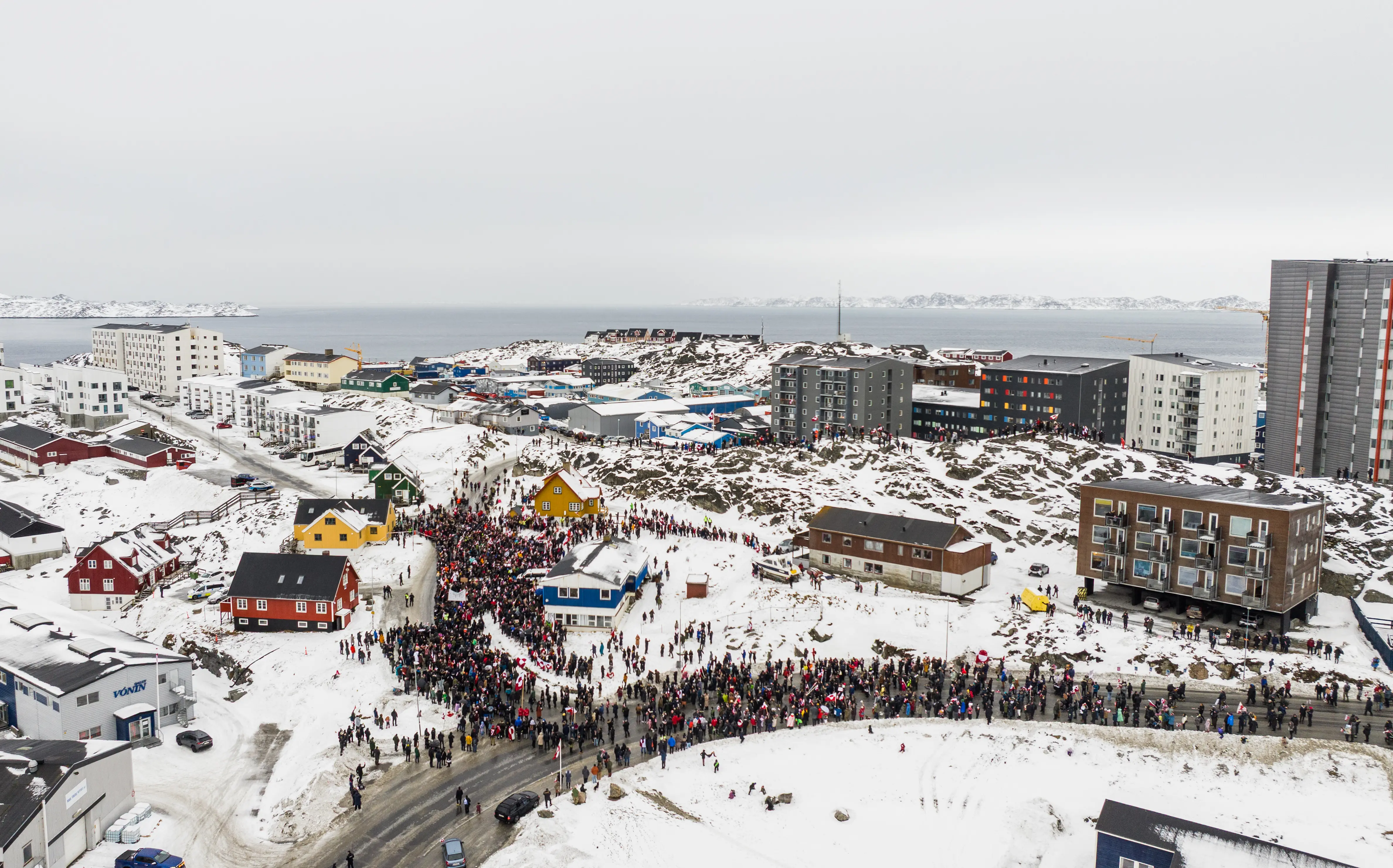
US President Donald Trump has threatened that an additional 10 per cent tariff will take effect from February 1 on goods imported from Denmark, Norway, Sweden, France, Germany, the Netherlands, Finland and Great Britain. The levy would rise to 25 per cent on June 1 unless an agreement linked to Greenland is reached. Trump has repeatedly argued that control of Greenland is central to countering the growing influence of Russia and China in the Arctic. He has claimed that Russian and Chinese warships and submarines are operating ‘all over the place’ near Greenland, framing the issue as a matter of national security for the United States. Both Denmark and Greenland, however, have firmly rejected any US proposal to transfer sovereignty over the island.
Strategic military geography
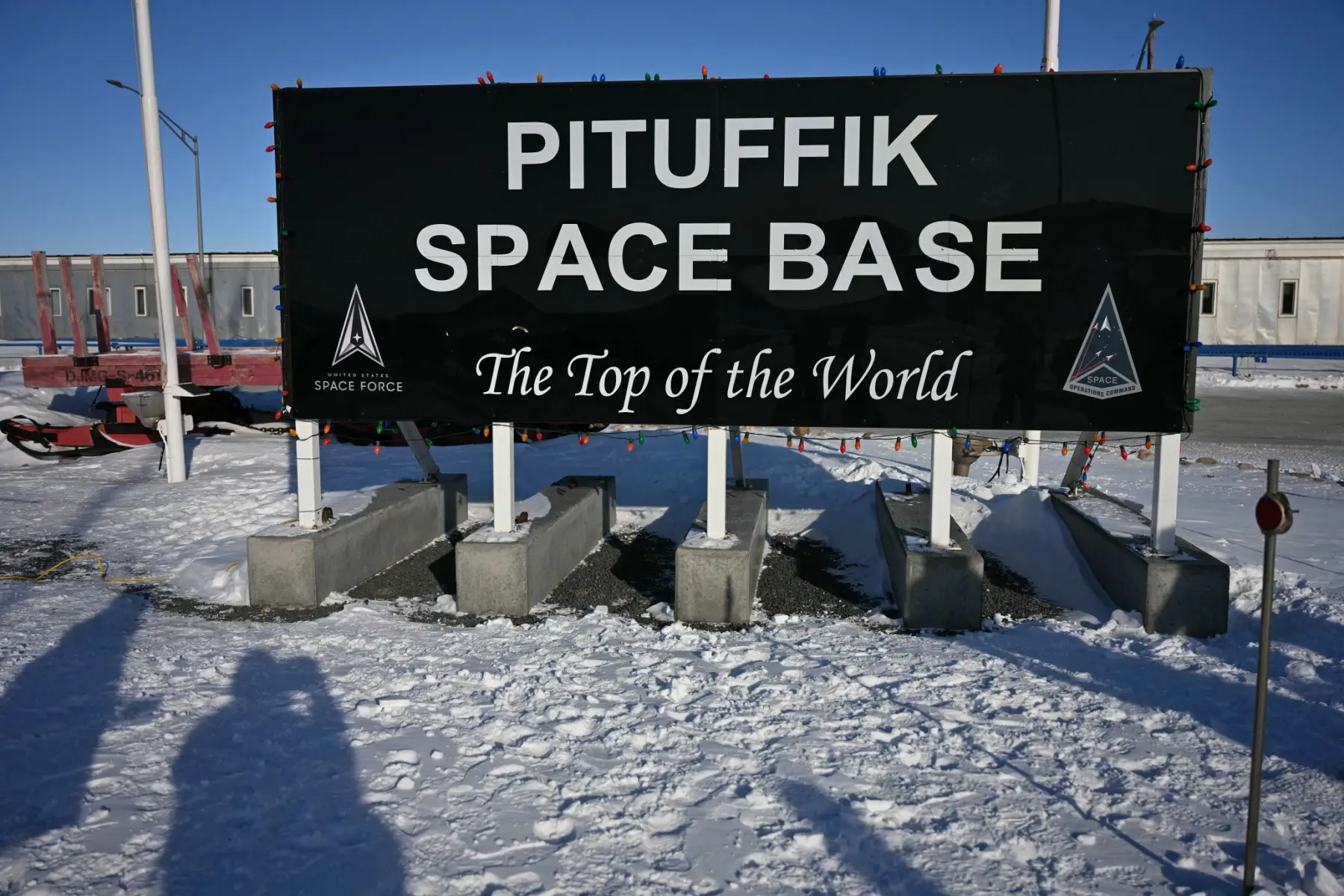
Greenland’s location between North America and Europe gives it outsize importance for Arctic defence and surveillance. The US operates Pituffik Space Base on the island, which supports missile warning and space surveillance for NATO. Greenland also guards the GIUK (Greenland-Iceland-UK) Gap, a key maritime choke point through which Russian naval movements into the North Atlantic must pass.
What analysts say
Experts cited by the Associated Press have pushed back strongly against these assertions. Security analysts say there is no evidence of Chinese or Russian warships or submarines operating near Greenland’s coastline. Russia’s primary naval activity in the Arctic is concentrated in the Barents Sea, off the Scandinavian coast, where its Northern Fleet is based. China and Russia do maintain a presence in the Bering Sea, south of Alaska, but analysts note that this is geographically and strategically distinct from Greenland.
China’s expanding Arctic footprint
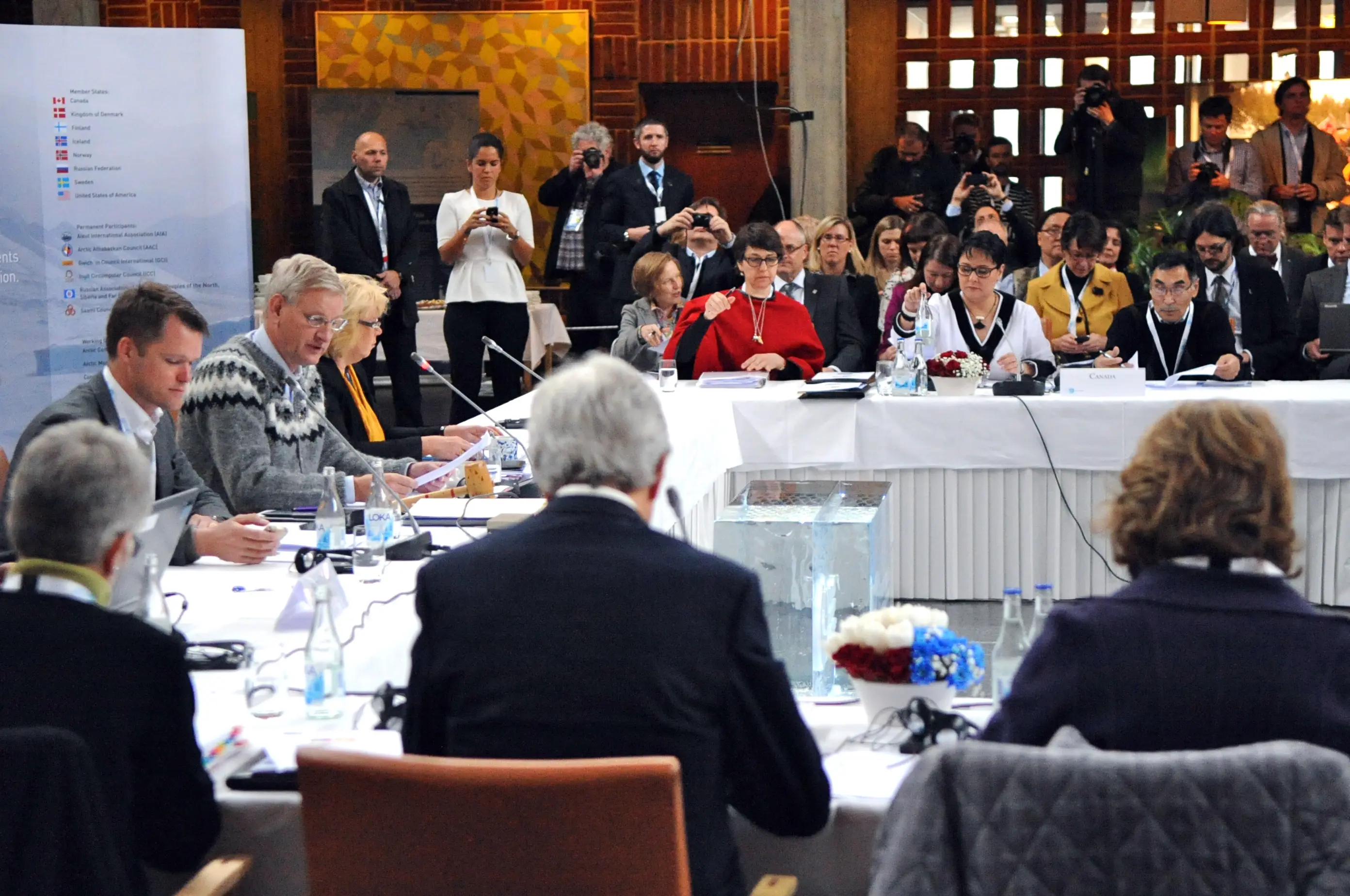
In 2018, China launched its Arctic policy, also known as the Polar Silk Road, in which it controversially referred to itself as a ‘Near-Arctic State’. China was the first Asian country to host the Arctic Science Summit Week in 2005 and in 2013, it became an accredited observer to the Arctic Council. It has pursued scientific research and joint ventures across the high north. In October 2024, Beijing and Moscow signed agreements to develop shipping along the Northern Sea Route (NSR) in the Russian Arctic, a coastal Arctic passage that can significantly shorten Europe-Asia voyages compared with traditional routes. Chinese firms also hold stakes in Russian LNG projects and are involved in resource and data-cable projects in the region.
China’s involvement in the Kvanefjeld project
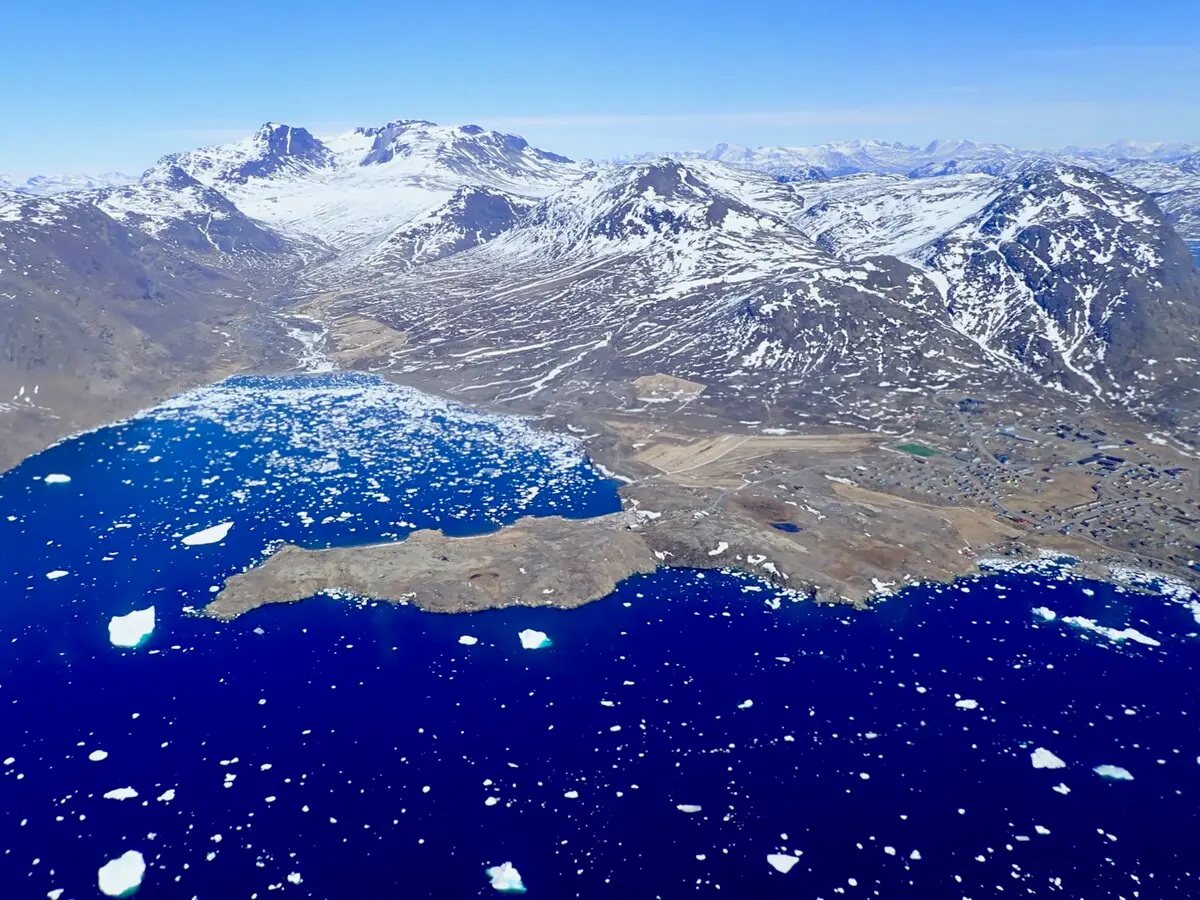
Greenland is home to two rare earth deposits that are among the largest in the world: Kvanefjeld and Tanbreez. The Kvanefjeld project is majority-owned by Australian company Greenland Minerals, but China’s Shenghe Resources is its largest shareholder and strategic partner. The Atlantic Council notes that this has been raising concerns in Washington, which sees the mining sector as a backdoor for Chinese encroachment in the Arctic.
China’s stalled infrastructure push
According to the Centre for Strategic & International Studies, for more than a decade, China has sought to gain a foothold in Greenland through proposed infrastructure investments, including airports, an abandoned naval base and a satellite ground station. None of these projects has materialised, largely due to geopolitical concerns raised by the United States and Denmark. While Beijing has yet to establish a Polar Silk Road of strategic significance, its dominance in rare earth separation and processing still gives China leverage, allowing potential access to Greenland’s resources through processing and offtake agreements rather than direct ownership.
Shipping lanes and climate change
Melting Arctic ice is transforming the region’s economic landscape. Routes like the NSR and the potential Transpolar Sea Route are becoming more navigable, offering faster passages for global trade. Control or influence over these corridors could reshape maritime strategy and reduce reliance on routes like the Suez Canal.
Natural resources beneath the ice
Greenland and the wider circumpolar Arctic hold vast mineral resources essential for modern technologies, including rare earth elements, uranium, lithium and graphite. Greenland alone ranks eighth globally for rare earth reserves, estimated at around 1.5 million tonnes. Although extraction remains technically and environmentally challenging, warming temperatures and improved access have intensified international interest, drawing both diplomatic and commercial attention. At the same time, China and Russia have in recent years expanded cooperation in the Arctic, including joint military exercises in the broader region, adding a security dimension to the growing competition over the high north.
)
)
)
)
)