Trump claims credit for Artemis program, says NASA was closed in 2017 - They are blatant lies

Donald Trump has claimed credit for the Artemis mission, which saw four astronauts fly to the Moon and back in over 50 years. He also said in an interview that NASA was closed in 2017. He has once again lied through his teeth.

Trump makes false statements about NASA and Artemis II
Donald Trump recently said several things about NASA and its Artemis mission. However, as he has done in the past, he passed some wrong information to the media, which was easily verifiable. On Wednesday, Trump talked to Fox Business host Maria Bartiromo and made a bunch of claims. Some of them were about the space agency that recently tasted success on the second stage of the Artemis moon mission. Here is what Trump said.
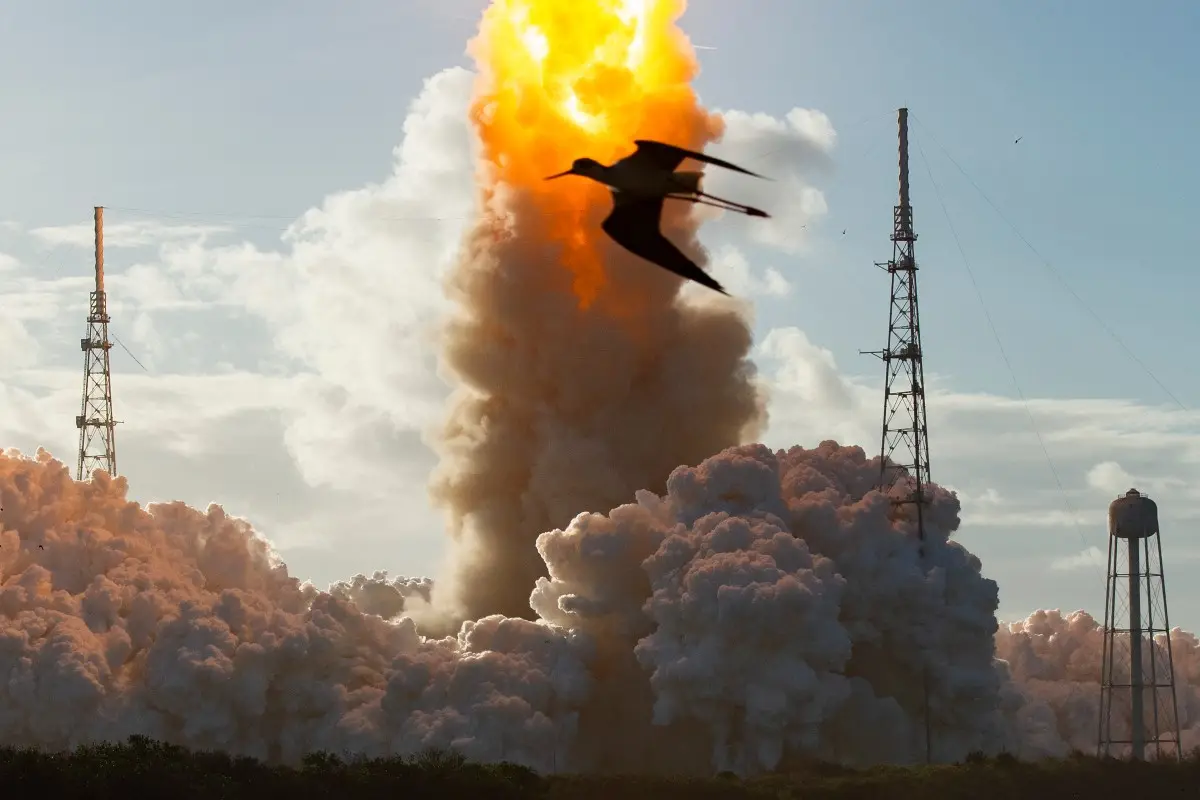
Trump said he started the Artemis program - Not True
Trump said that he "started the Artemis program during his first presidency." This is not true. The Artemis program was being developed years before Trump ever entered the picture. The preparation for the Artemis mission started during the presidency of Barack Obama. On October 11, 2010, he signed the NASA Authorization Act of 2010, which talked about the immediate development of the SLS rocket and the Orion spacecraft. The Artemis II mission utilised both these components to send four humans to the Moon.
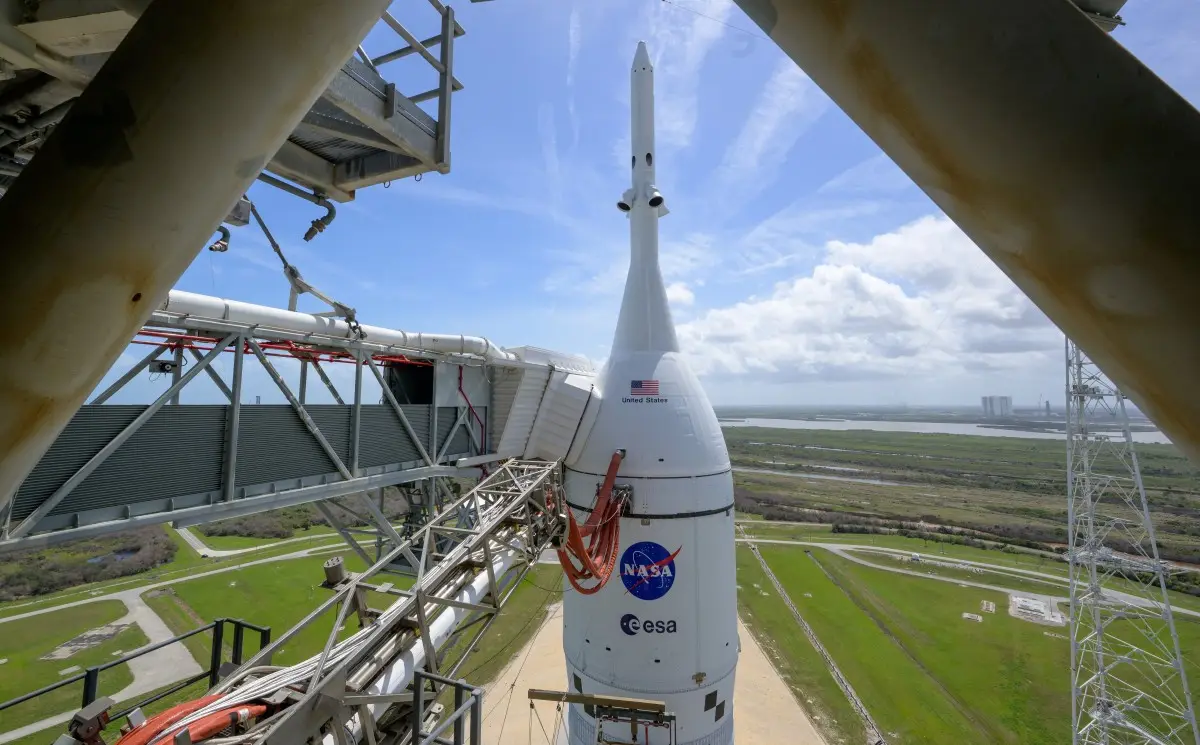
NASA used data from Constellation Program for Artemis
The act transitioned from the Constellation Program to a new deep-space exploration framework. While it cancelled the Constellation Program (Ares I and Ares V rockets), NASA was told to use the existing contracts and technology to develop new systems. So NASA developed a new heavy-lift rocket, the SLS, which could launch the Orion Multi-Purpose Crew Vehicle.
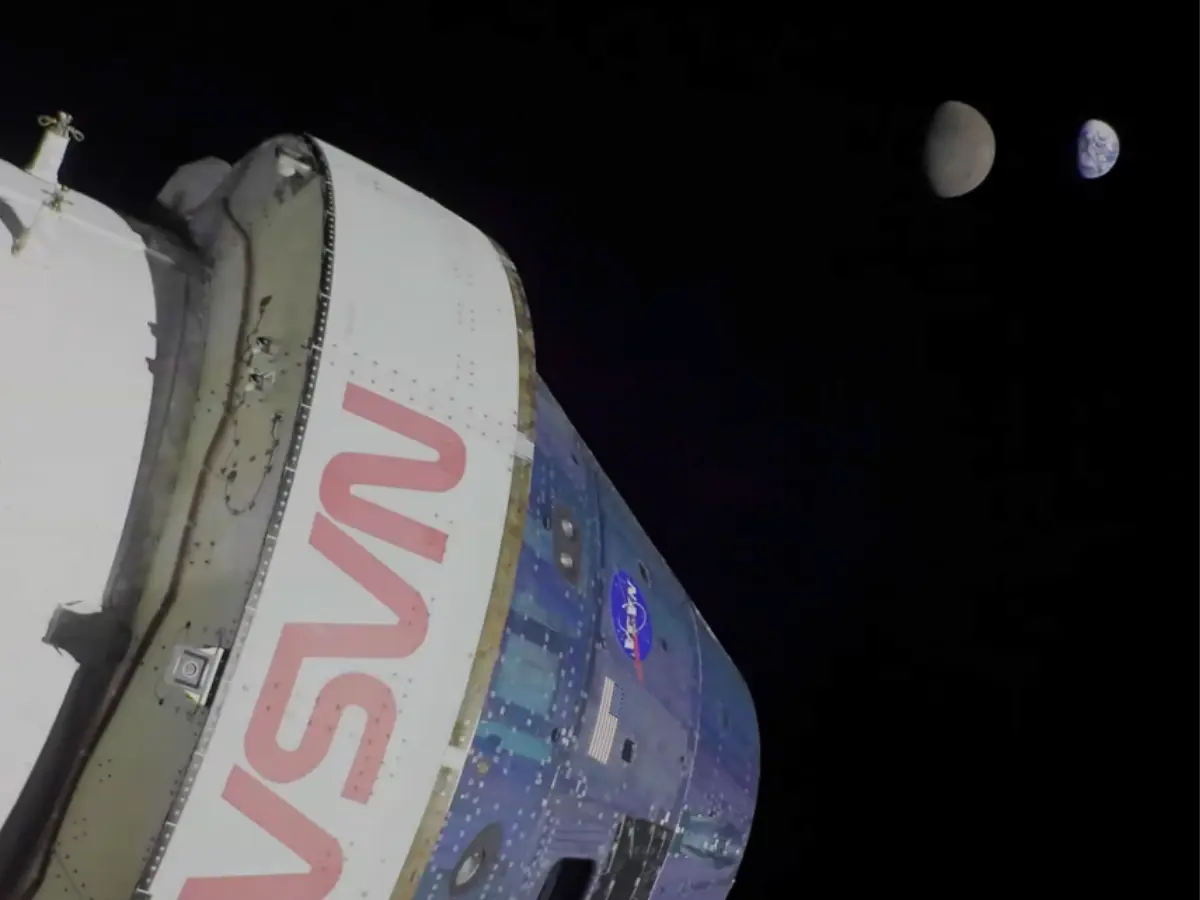
Orion spacecraft was a work in progress for two decades
The Orion spacecraft used in the Artemis II mission was developed over two decades, meaning several administrations were active as it was being made. It is the only human-rated spacecraft that can survive the high-velocity, high-heat return from deep space. It started off as the Crew Exploration Vehicle (CEV) between 2004 and 2010 and was rebranded as the Multi-Purpose Crew Vehicle (MPCV) after Constellation was cancelled.
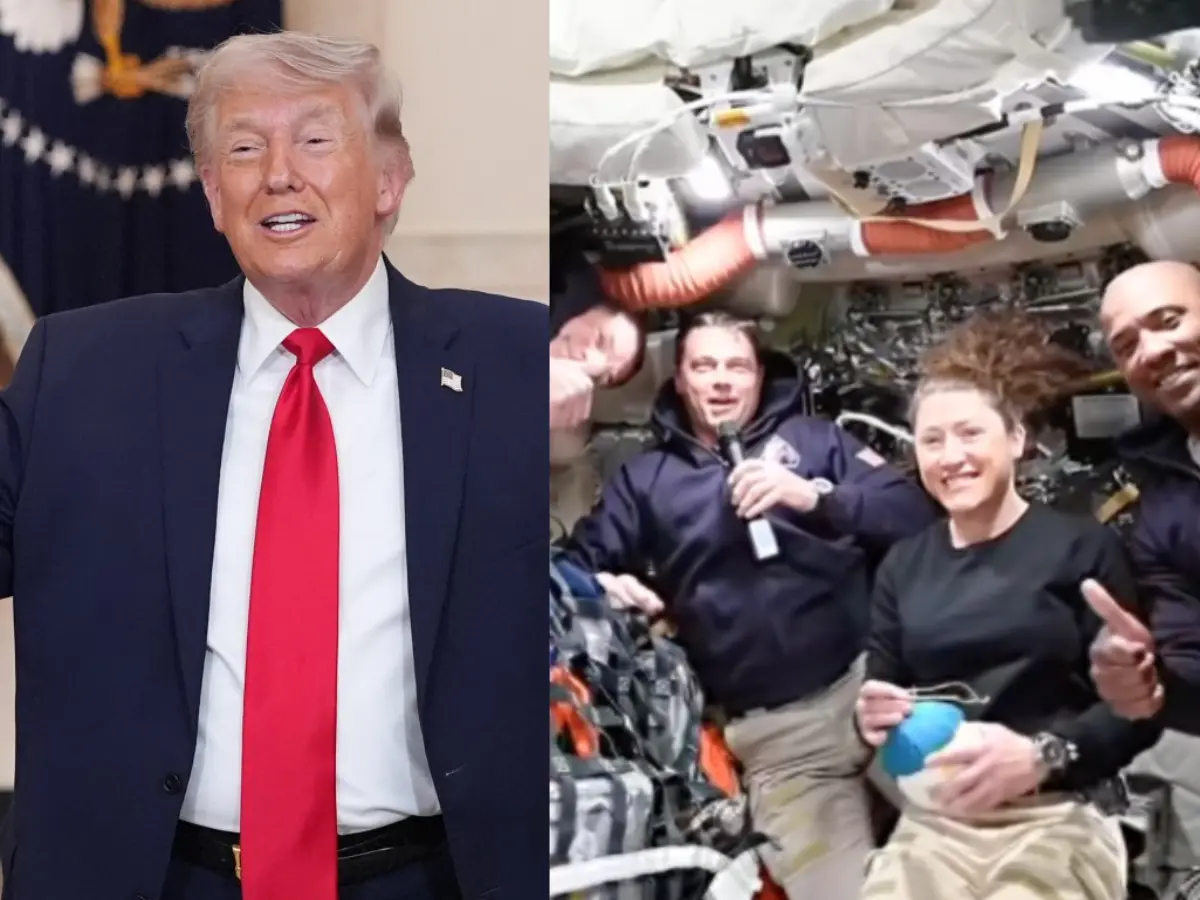
Trump said, NASA was closed in 2017 - Not True
Trump also said that before he started the Artemis program, "NASA was closed. It was totally closed." However, NASA has never been closed ever since it was established in 1958. It has undertaken several space missions in the nearly 70 years it has been in existence. Trump made a similar statement in 2020. He also said something similar while talking to Artemis II astronauts while they were returning to Earth.
What are we going to do with NASA, Trump said
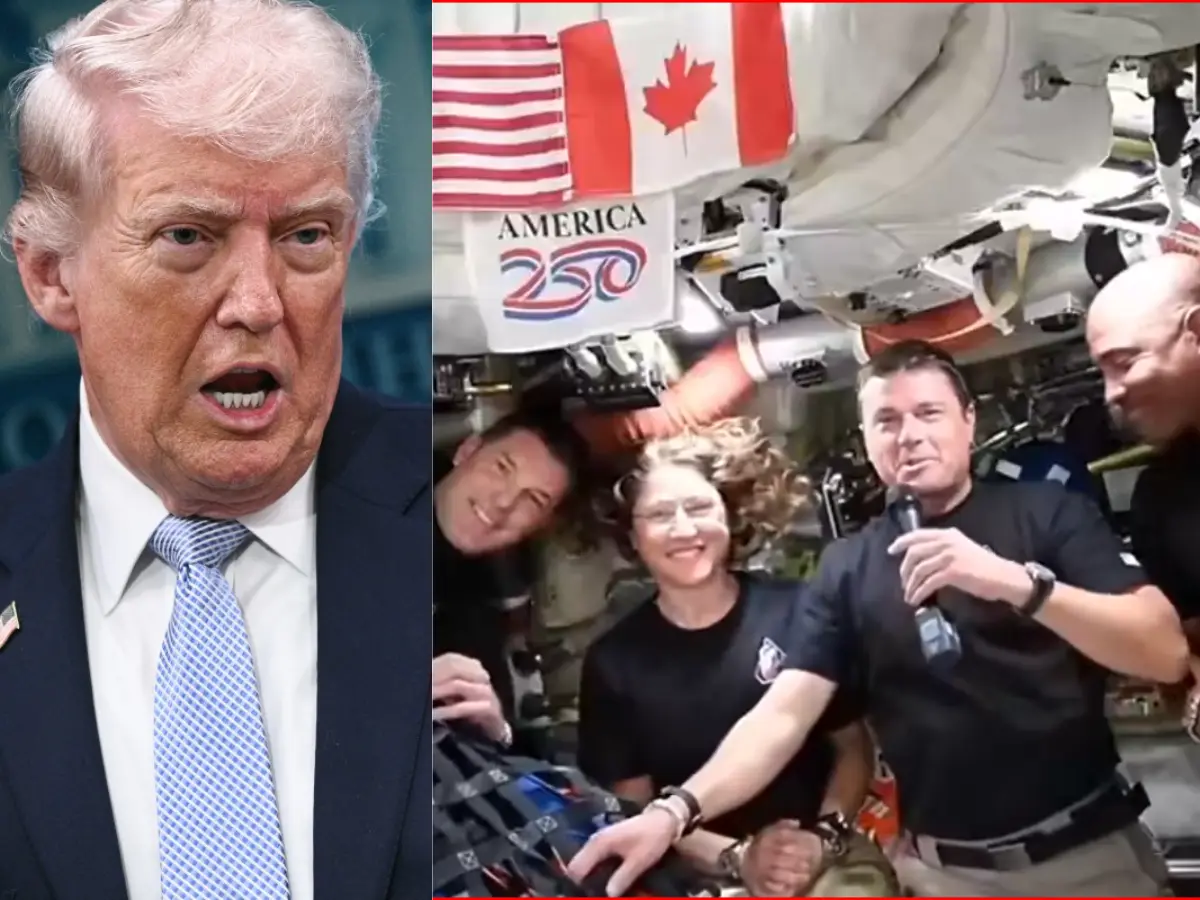
Shocking the crew, the President said, "I had a decision to make in my first term, and that decision was what are we going to do with NASA. Are we going to have it be revived, or are we going to close it down?" again, indicating that NASA was not functioning when he took over as president in 2017. Trump's statement took the Artemis II crew by surprise, some of whom could not hide their surprise.
NASA and the historic Artemis II mission
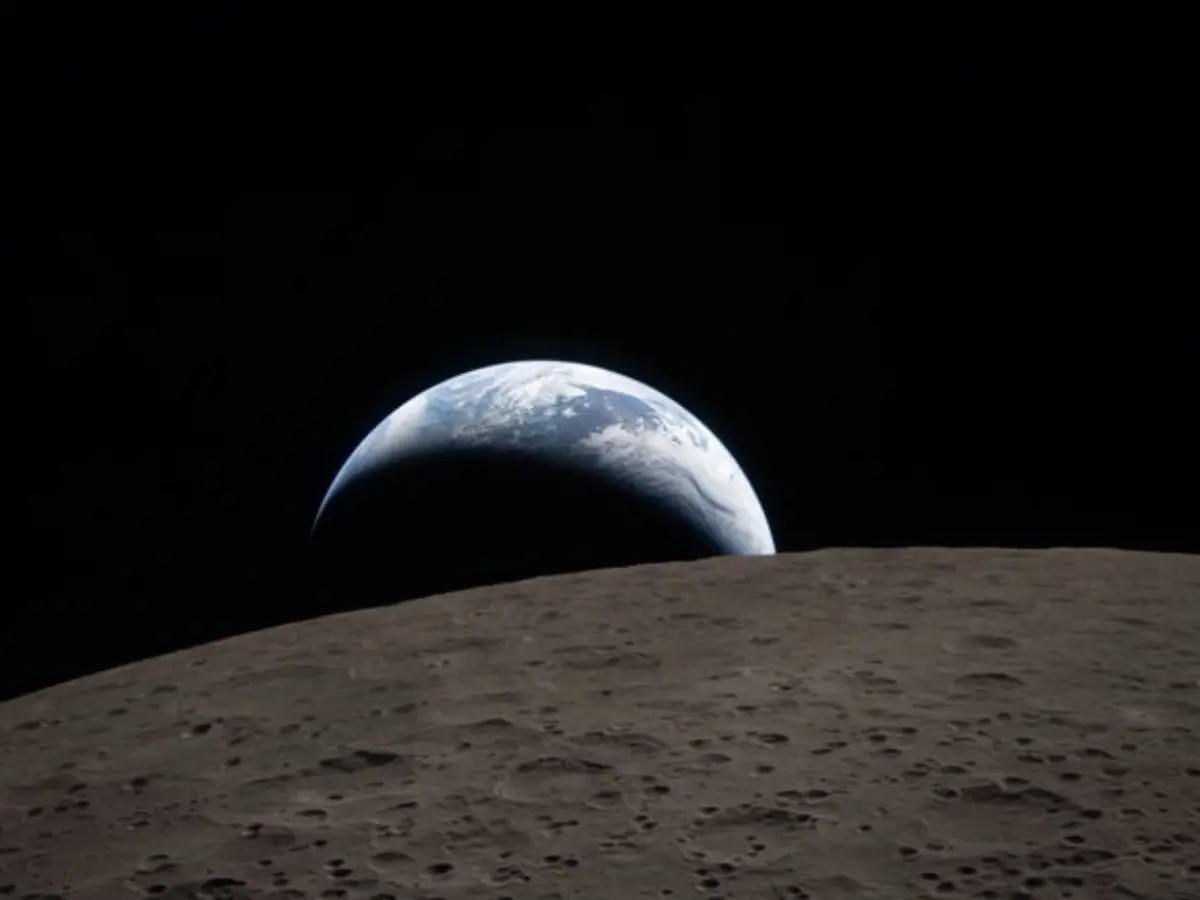
NASA made history on April 1 when it launched the Artemis II mission to the Moon. Mission commander Reid Wiseman, Victor Glover, Christina Koch and Jeremy Hansen flew aboard the Orion spacecraft for 10 days. They went around the Moon and reached the farthest point in space humans had ever been to. They saw the far side of the Moon, before returning home as the spacecraft successfully splashed down in the Pacific on April 10.
)
)
)
)
)