F-35C fighter jets: What makes them different from any other F-35 version?

The F-35C is the US Navy's specialized carrier variant, distinct from the A and B models. It features larger folding wings, a robust tailhook, and the highest fuel capacity of the trio. Designed for catapult launches, it trades an internal gun for superior range and stability at sea.
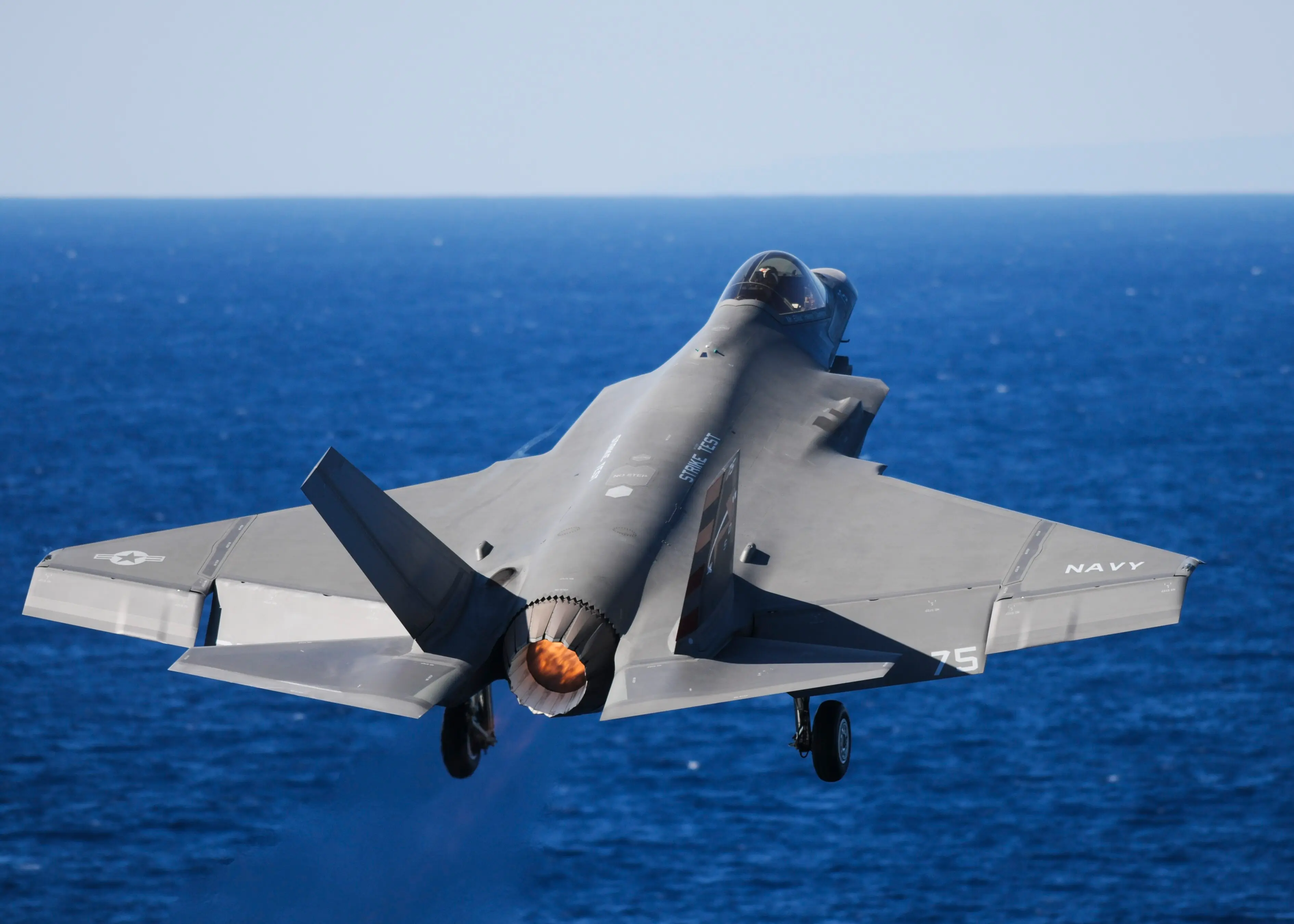
Variant: The Only 'CV' Model
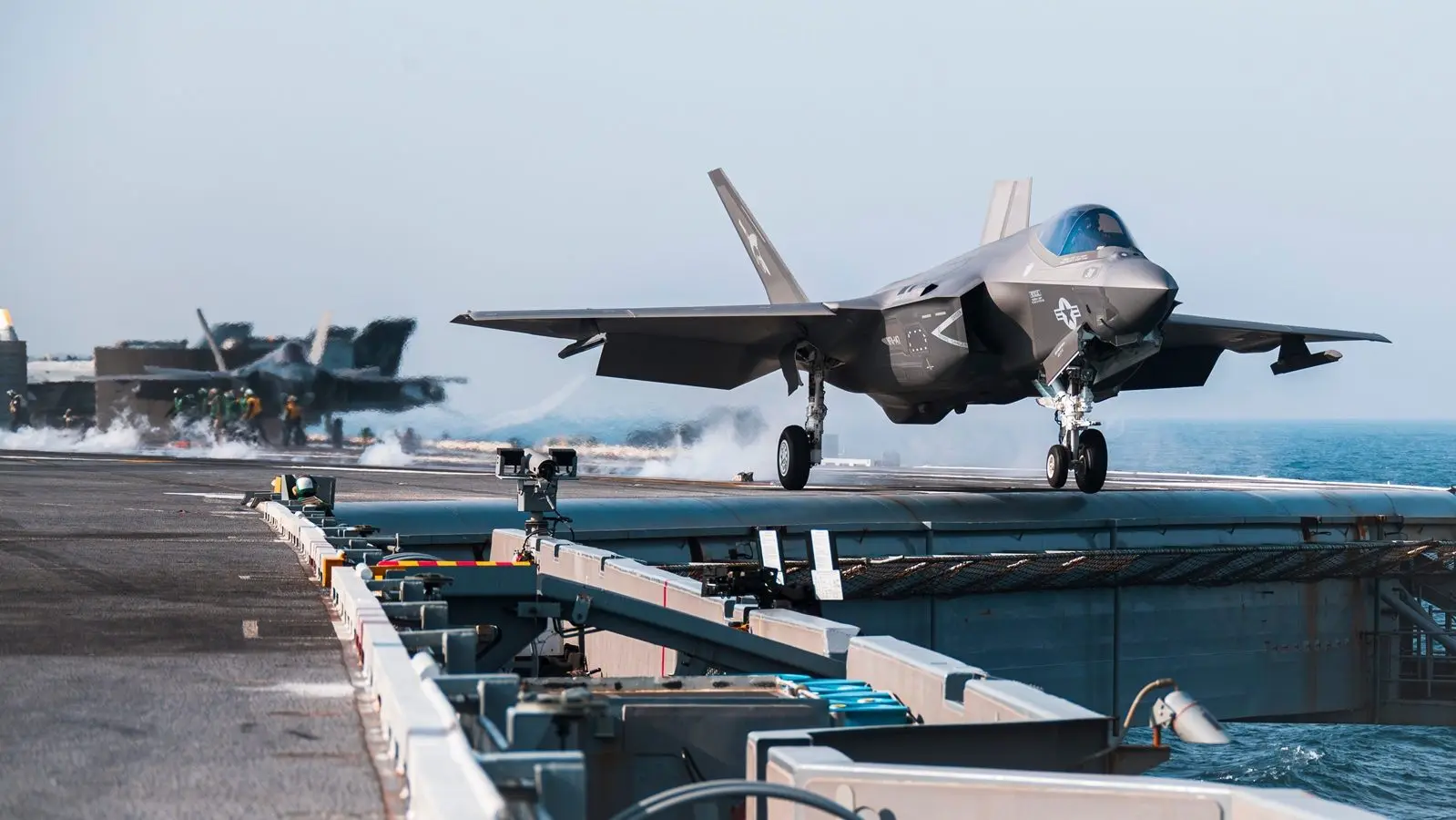
The F-35C is the world’s first and only long-range stealth strike fighter designed explicitly for aircraft carrier operations. Unlike the A and B variants, it is engineered for catapult-assisted take-off but arrested recovery (CATOBAR). This design allows it to launch with a full payload from the short deck of a supercarrier.
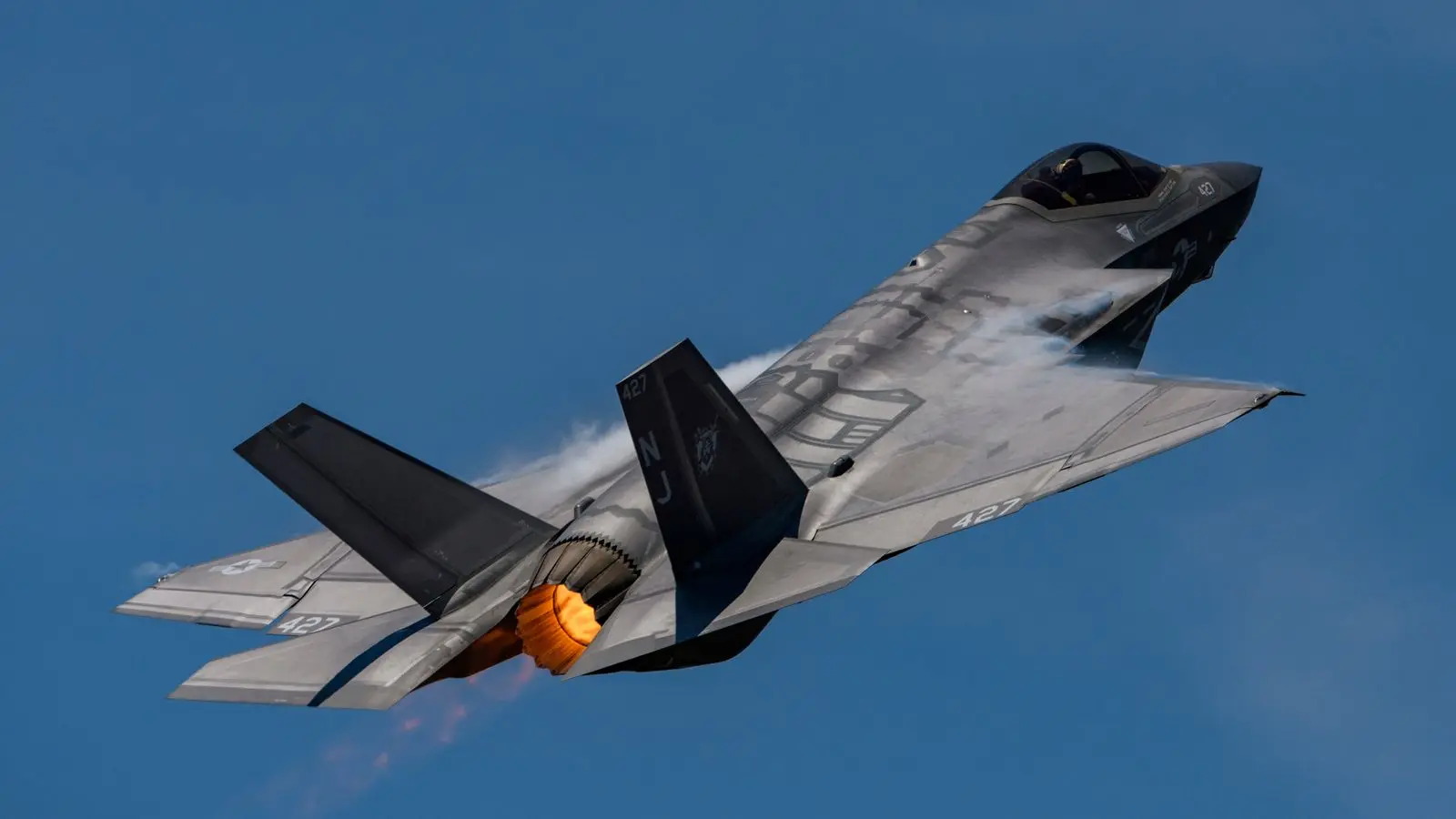
Wingspan: 13.1 Metres vs 10.7 Metres
To handle low-speed carrier approaches, the F-35C features significantly larger wings than the A and B models. Its wingspan stretches to 13.1 metres (43 feet), compared to just 10.7 metres (35 feet) on the others. This extra lift allows the jet to land safely on a moving flight deck.
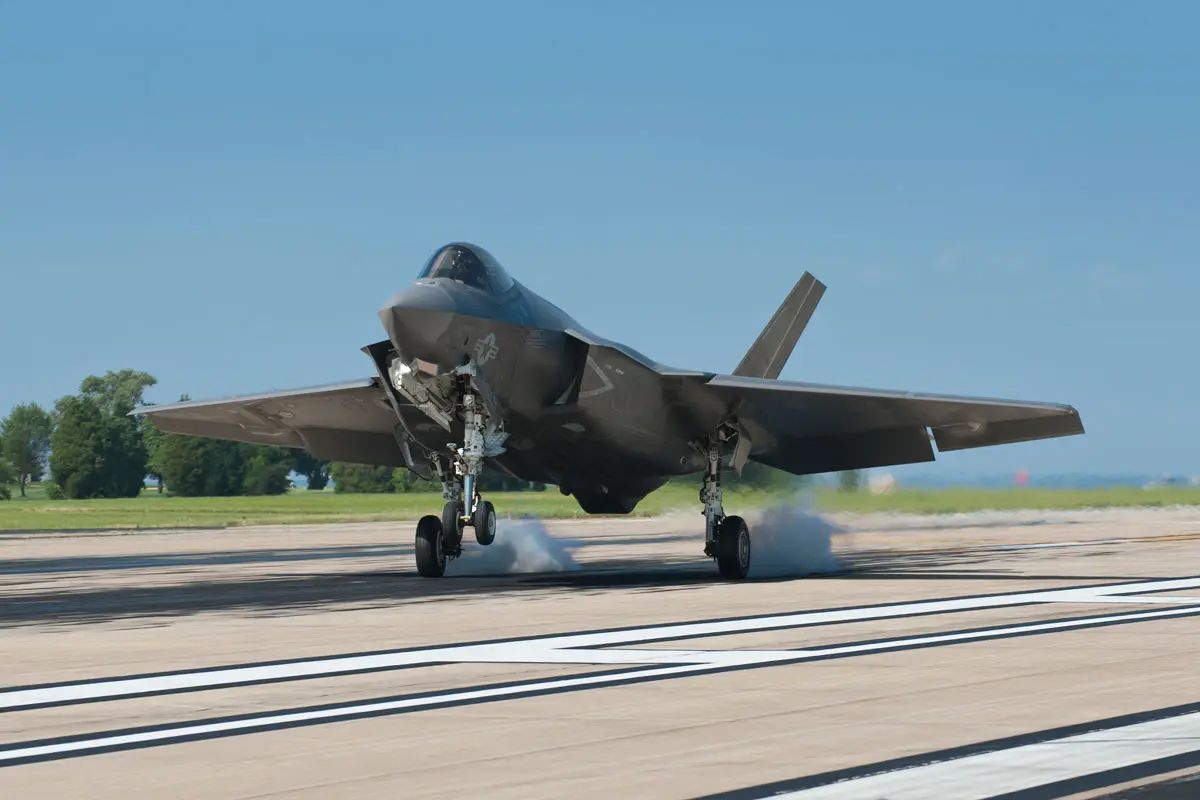
Surface Area: 668 vs 460 Sq Ft
The differences go beyond just width; the F-35C boasts a total wing area of 668 square feet. This is roughly 45 per cent larger than the 460 square feet found on the F-35A and F-35B. The increased surface area provides greater stability and payload capacity during demanding sea-based missions.
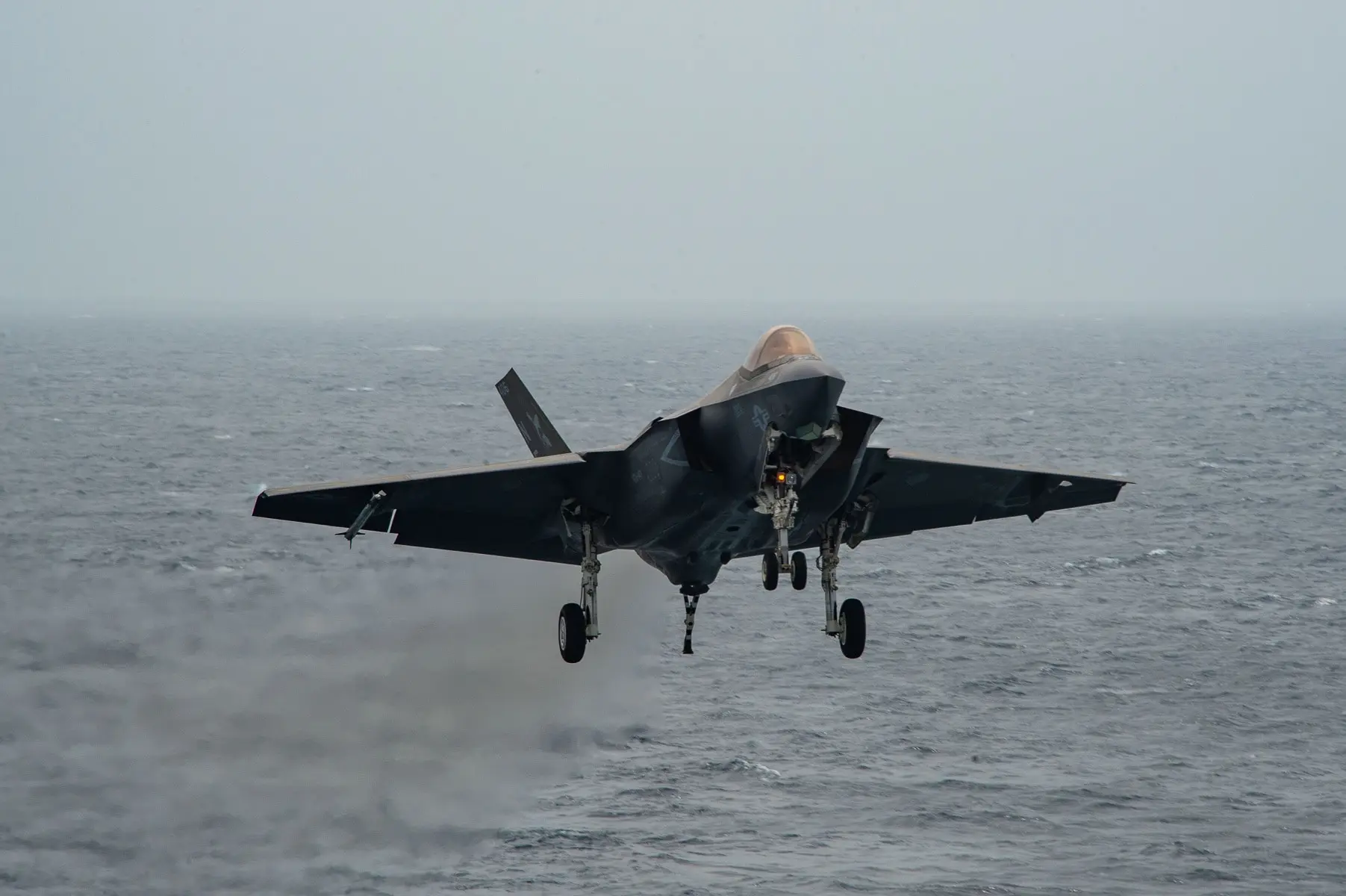
Storage: Unique Folding Mechanism
Space is a premium commodity on an aircraft carrier, and the F-35C adapts to this constraint. It is the only variant equipped with folding wingtips, allowing it to fit into tight hangar bays and crowded flight decks. This mechanical feature reduces its parking footprint despite having the largest wings of the trio.
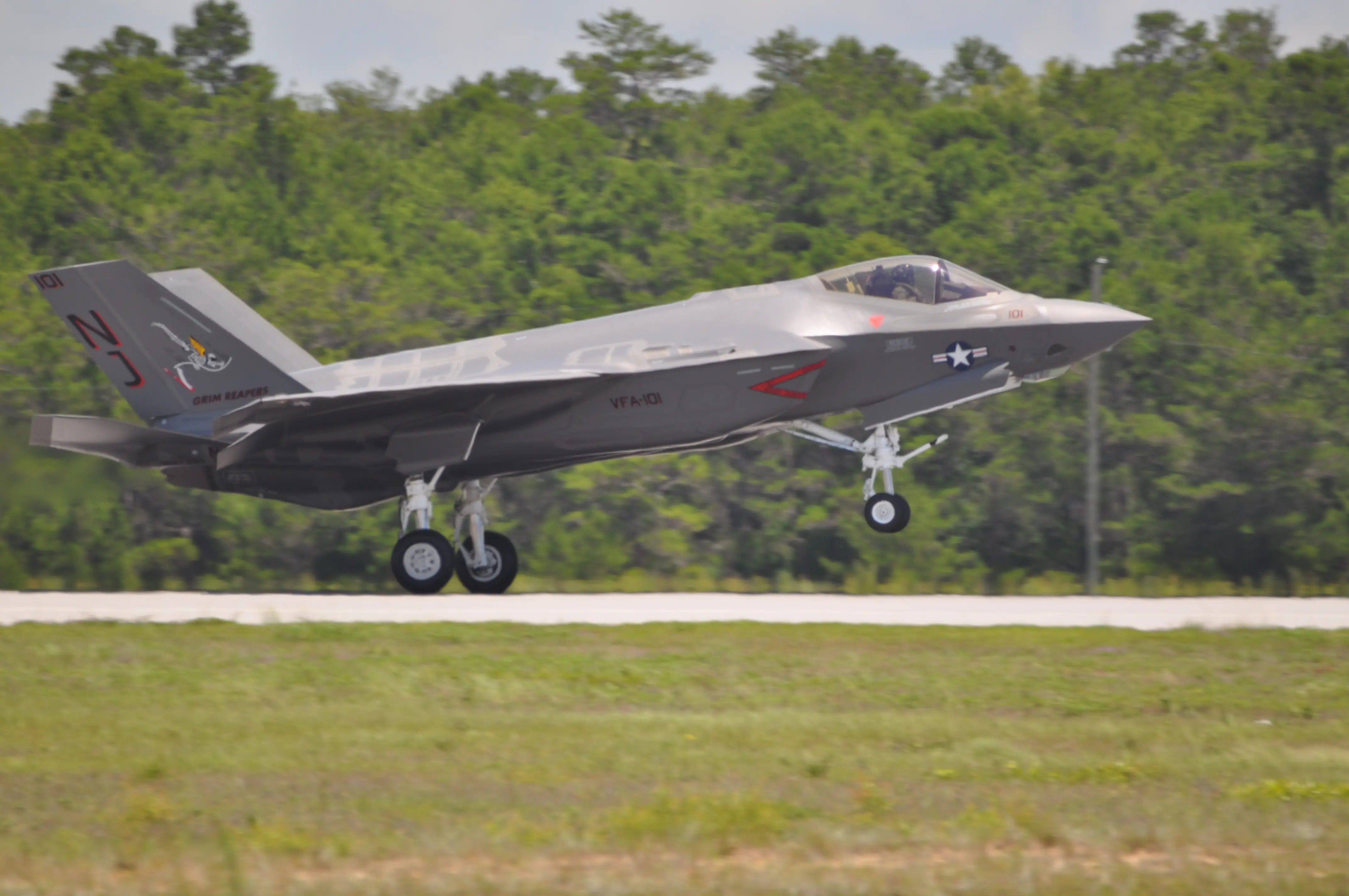
Heavy-Duty Landing Gear
Carrier landings are often described as 'controlled crashes', requiring immense structural resilience. The F-35C features a reinforced landing gear system with a dual-wheel nose gear, unlike the single wheel on the F-35A. This robust setup absorbs the violent impact of hitting the deck at high sink rates.
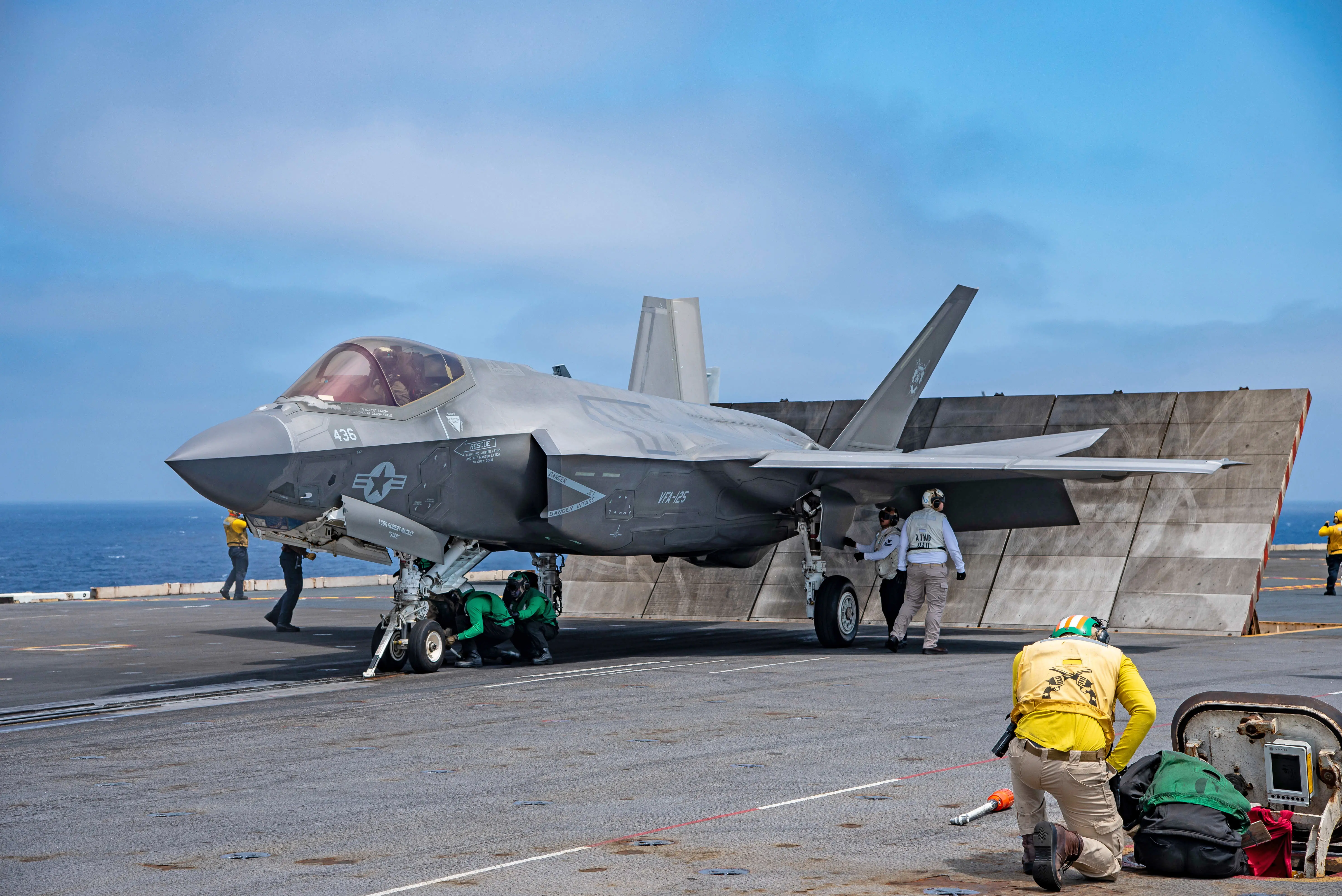
Tailhook Design
While the F-35A has an emergency hook, the F-35C is equipped with a heavy-duty arresting hook designed for everyday use. This hook catches the steel wire on the carrier deck to bring the jet to a halt from high speeds in just a few seconds. It is a defining feature of naval aviation absent in the STOVL F-35B.
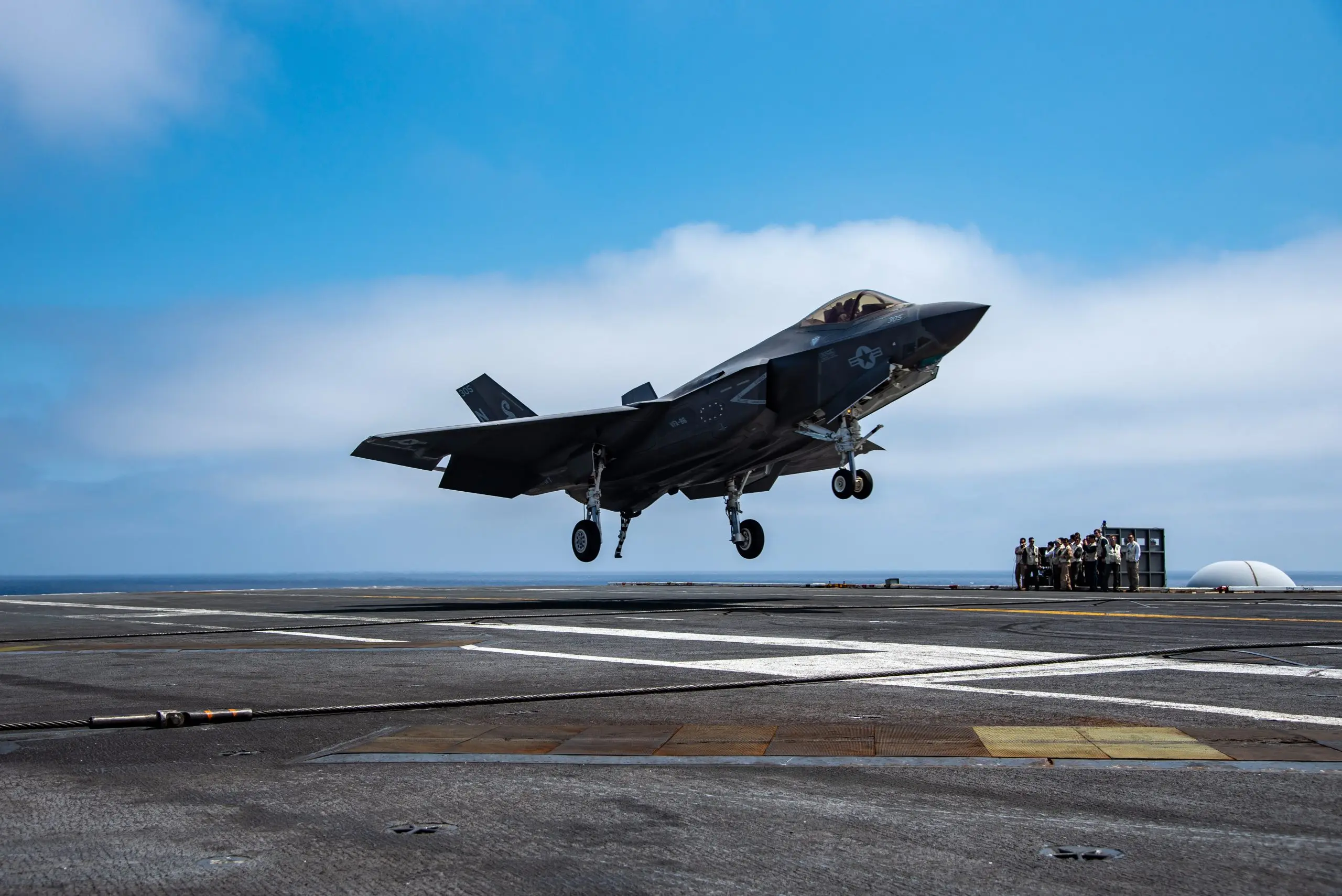
8,960 Kg Internal Capacity
The F-35C carries more internal fuel than any other variant, holding approximately 8,960 kilograms (19,750 lbs). This gives it a combat radius of over 600 nautical miles, significantly outlasting the F-35B. This extended range is vital for keeping the aircraft carrier safely out of reach of enemy anti-ship missiles.
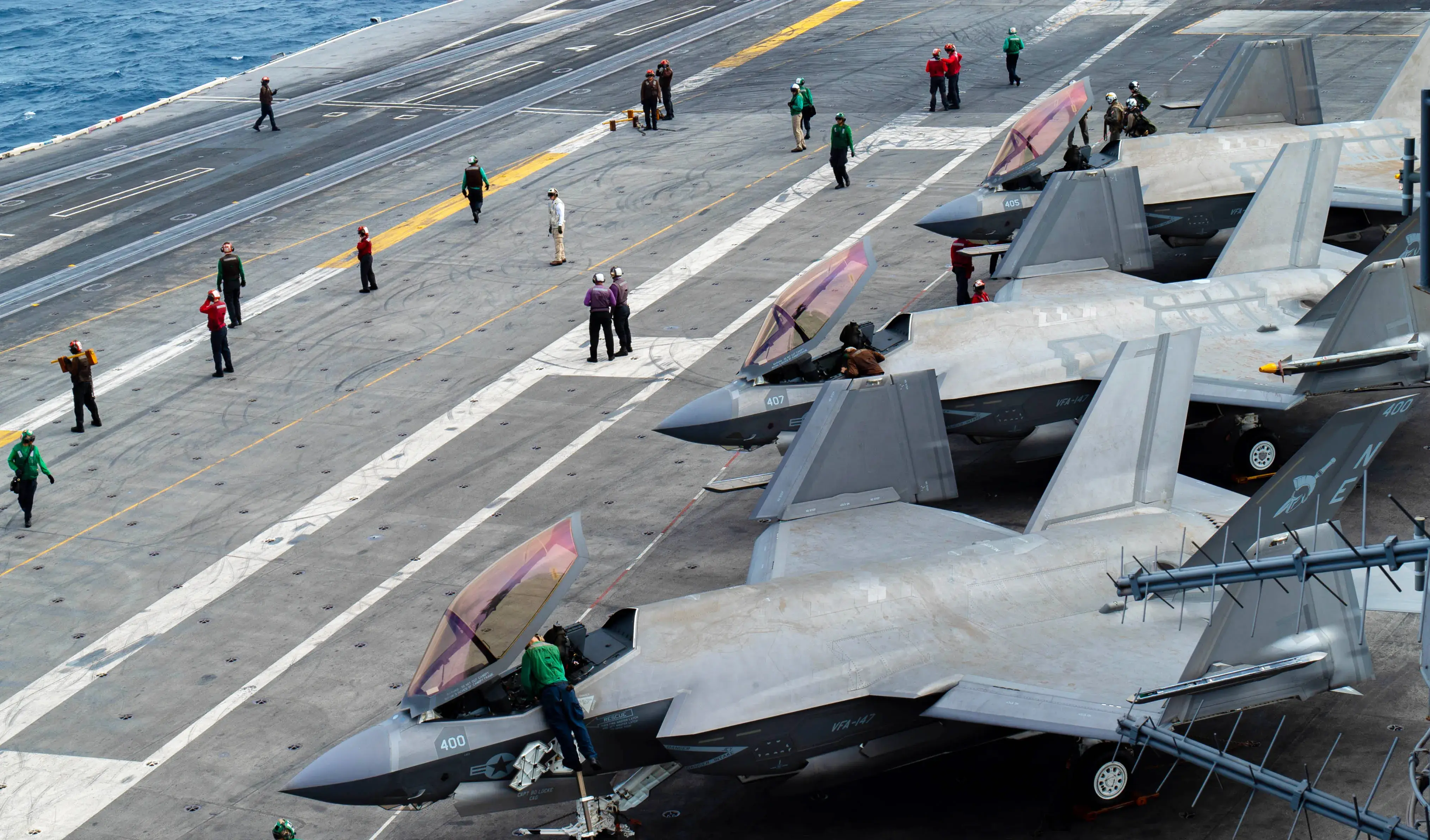
No Internal Gun
Unlike the Air Force’s F-35A, which has an internal 25mm cannon, the F-35C does not carry a built-in gun. To maintain stealth and fuel capacity, it relies on an external gun pod when a cannon is required. This trade-off prioritises range and sensor capability over close-quarters dogfighting power.
7.5G vs 9.0G Limit
Due to its larger structure and heavy-duty naval modifications, the F-35C is rated for 7.5G manoeuvres. In comparison, the lighter, land-based F-35A can pull up to 9.0G. While slightly less agile in extreme turns, the C variant makes up for this with superior low-speed handling characteristics.
Payload Capacity Capacity
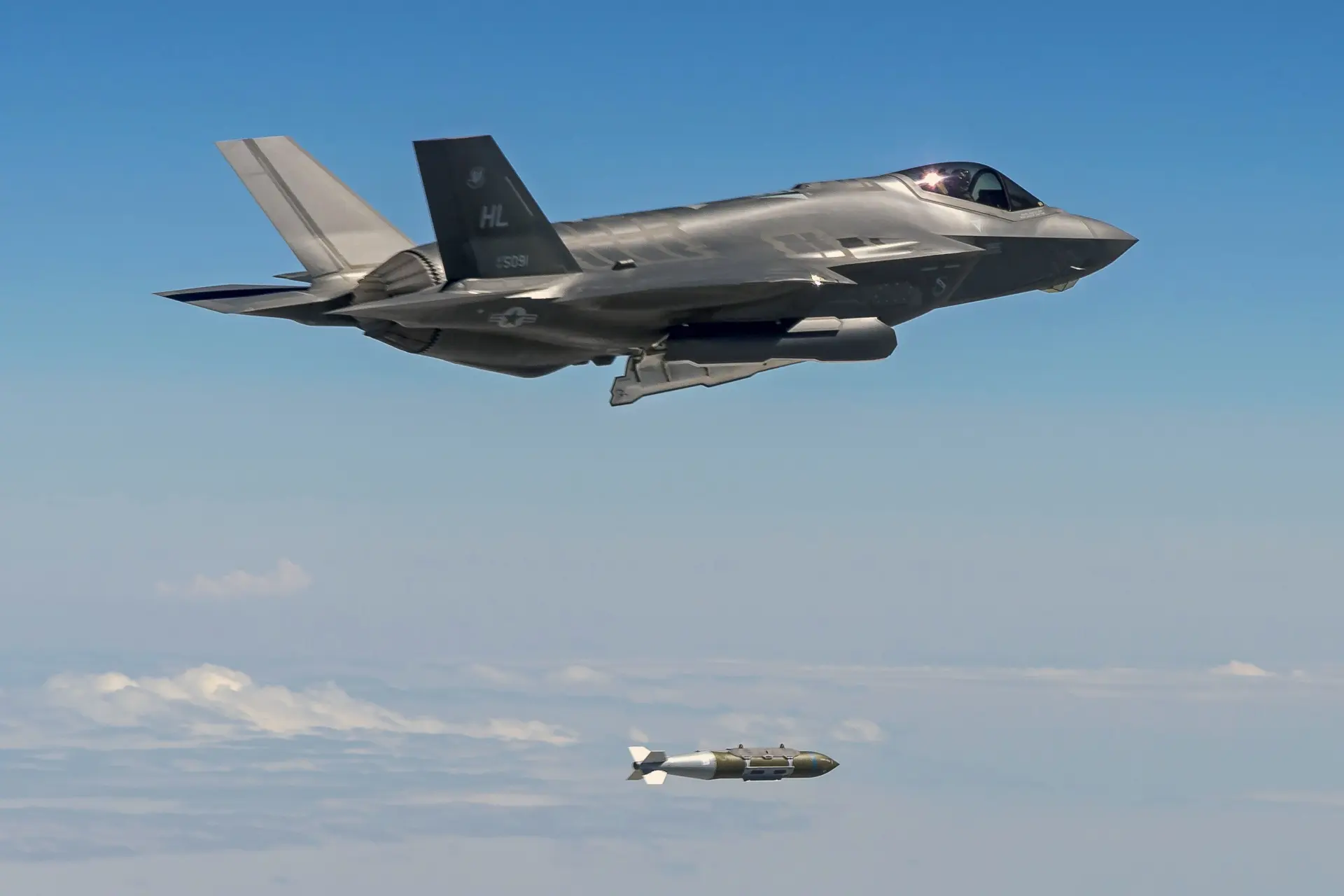
The F-35C is a powerhouse, capable of carrying nearly 8,160 kilograms (18,000 lbs) of combined internal and external weaponry. Its massive wing area is crucial here, providing the necessary lift to launch with this heavy warload from the short deck of an aircraft carrier. This makes it a lethal asset for the Navy, balancing stealth with substantial striking power.
)
)
)
)
)