F-35C factor? The US has 11 aircraft carriers, why Trump chose USS Abraham Lincoln for the Persian Gulf

The USS Abraham Lincoln heads to the Persian Gulf on Trump's orders. Its proximity in the Indo-Pacific and its squadron of F-35C stealth fighters made it the top strategic choice. The carrier provides immediate stealth options and reduces response time from weeks to days.
The 'Just in Case' Order
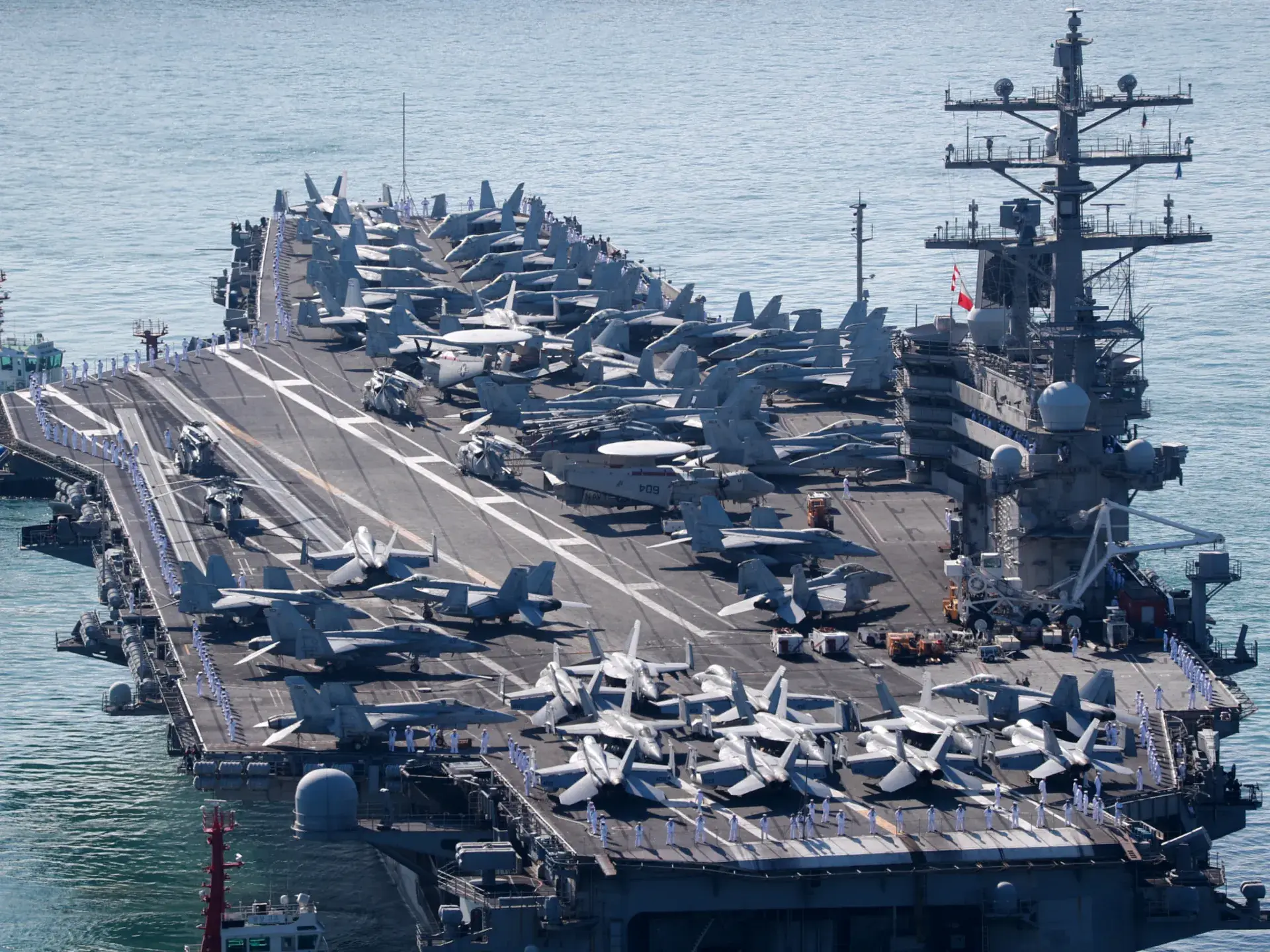
President Trump described the deployment as a precautionary measure, stating that a "massive fleet" was heading to the region "just in case". The USS Abraham Lincoln was redirected from its operations in the Indo-Pacific to the Middle East. This move places a potent "armada" directly off the coast of potential adversaries.
The Proximity Advantage
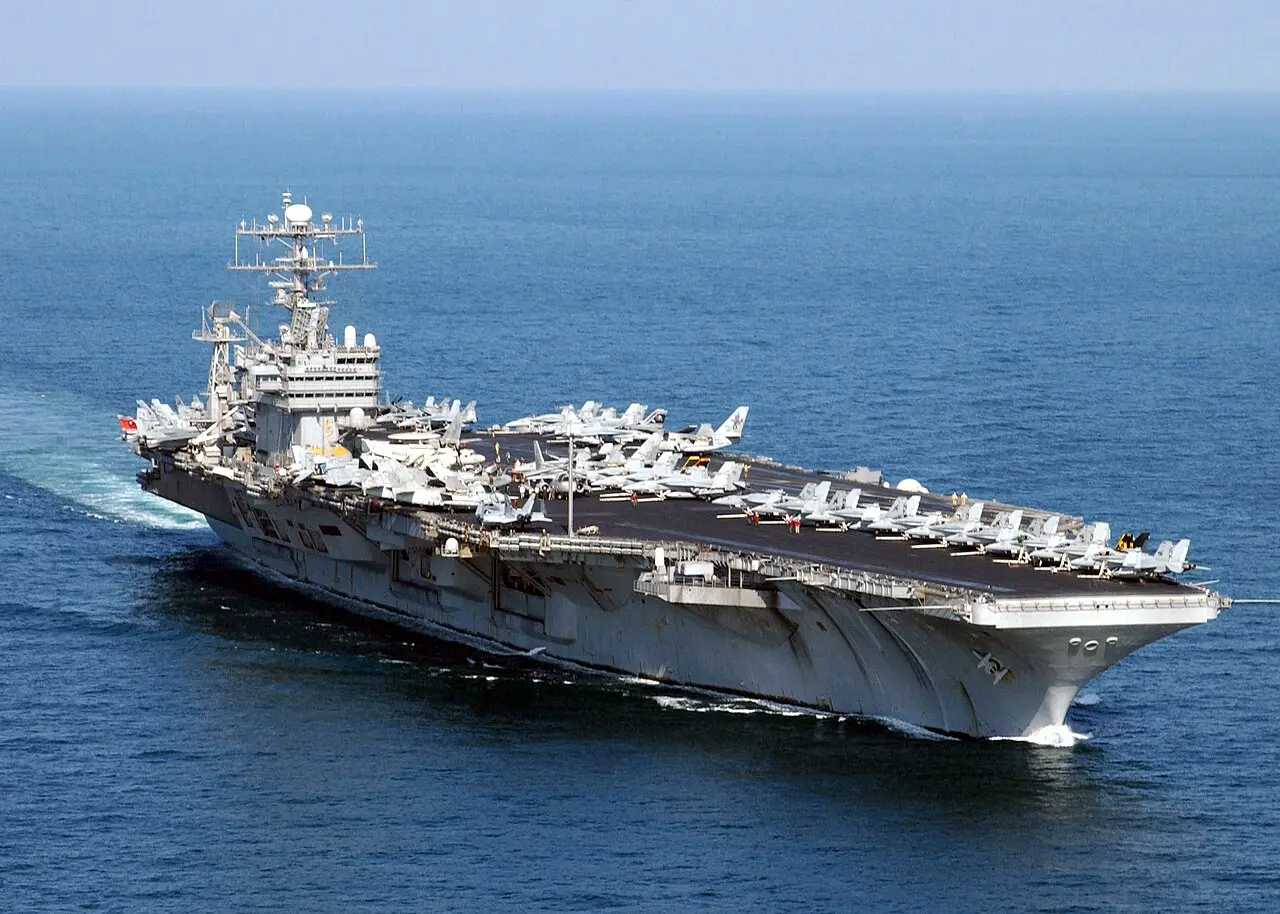
The Lincoln was already operating in the South China Sea and Indian Ocean regions when the order came. Moving a carrier from the US West Coast would have taken weeks of transit time. By redirecting the Lincoln, the US Navy cut the response time down to mere days, filling the strategic gap immediately.
The F-35C Factor
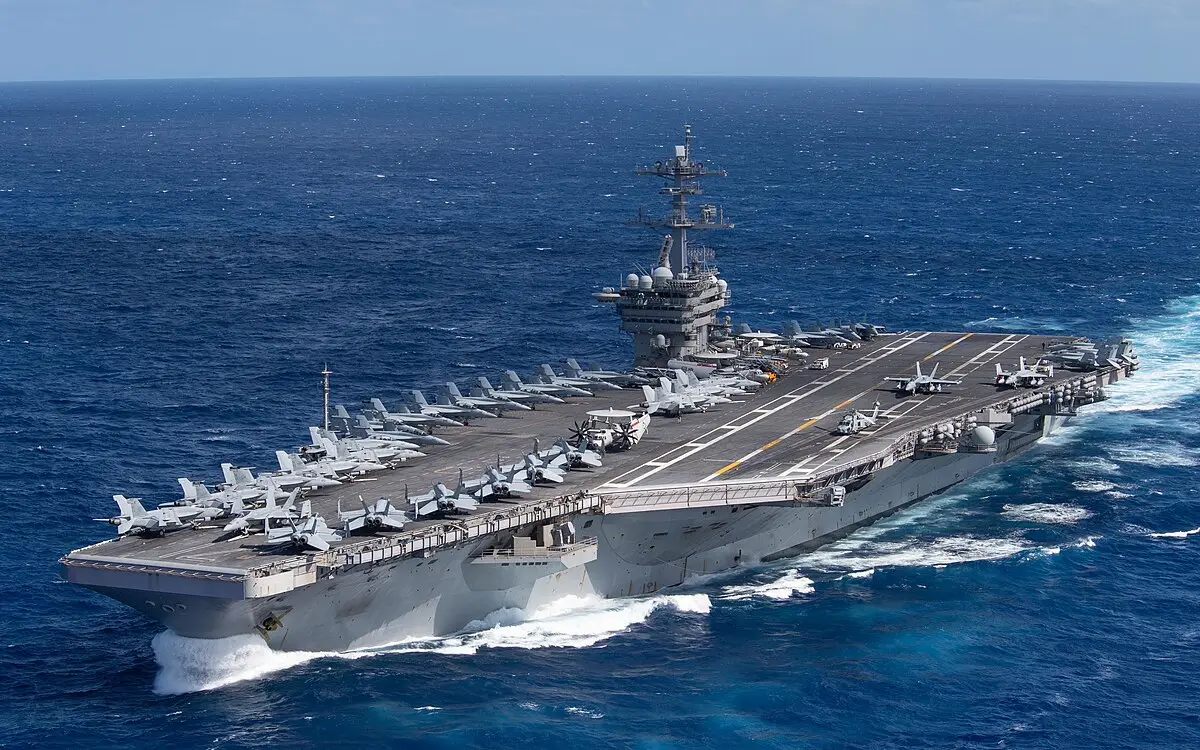
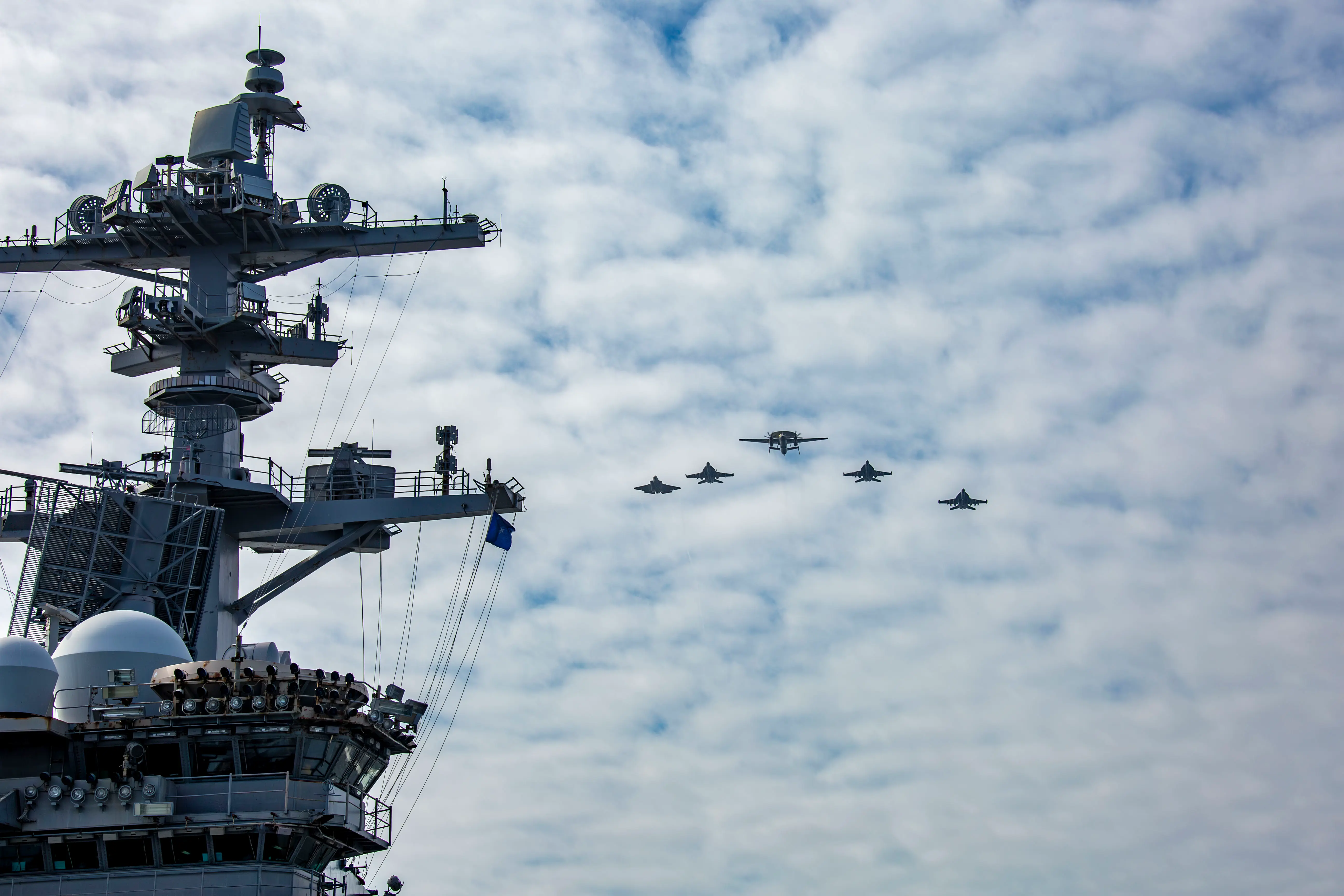
This deployment marks a significant shift in naval power due to the presence of F-35C Lightning II jets. The USS Abraham Lincoln is the first carrier to deploy with a Marine Corps F-35C squadron, the 'Black Knights' (VMFA-314). These fifth-generation fighters bring unmatched stealth capabilities to the region.
Stealth Against Modern Radar
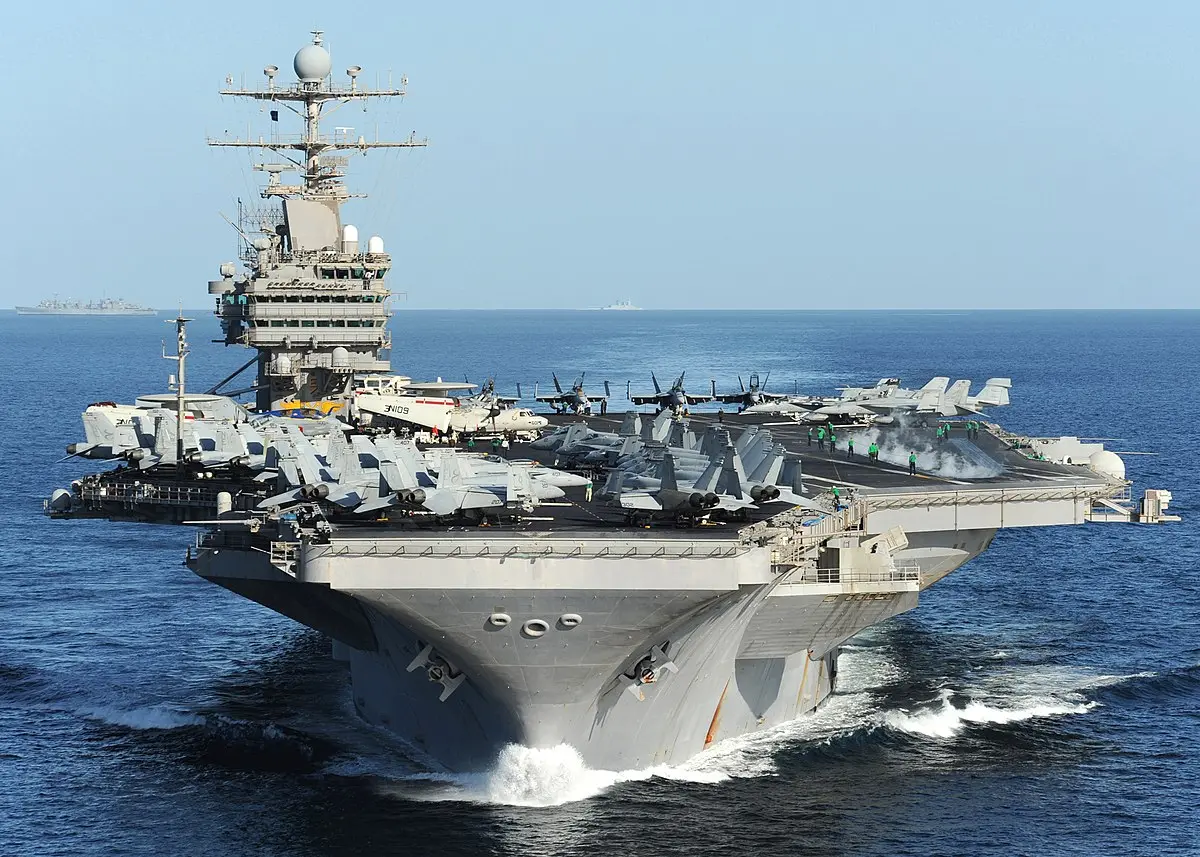
The primary military reason for choosing the Lincoln is the F-35C's ability to evade detection. Unlike older F/A-18 Hornets, the F-35C is designed to penetrate contested airspace protected by advanced air defence systems. This capability is critical for operating near nations with sophisticated radar networks like Iran.
A 'Day One' Strike Option
Military planners view the Lincoln as a "Day One" asset capable of initiating operations immediately upon arrival. The combination of stealth aircraft and experienced crew means the strike group does not need a long work-up period. It arrived in the region ready for high-intensity combat scenarios if diplomacy fails.

Avoiding Global Gaps
Redirecting the Lincoln allowed the Pentagon to surge power to the Middle East without leaving the Pacific completely vulnerable. While it removed a capital ship from the South China Sea, it was the most efficient way to balance global commitments. A deployment from the US homeland would have left a longer vulnerability window.
Advanced Sensor Fusion
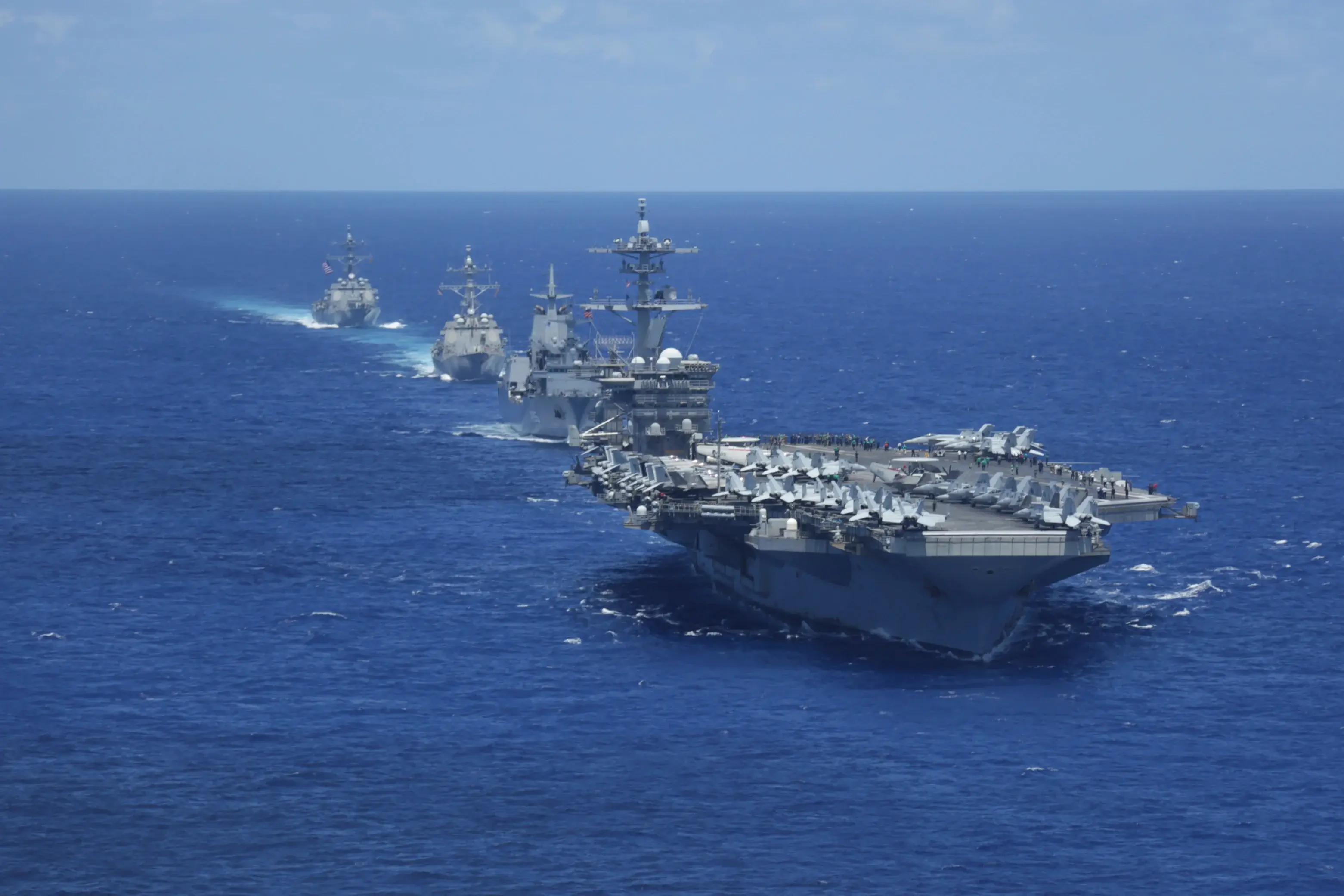
The F-35C jets serve as more than just bombers; they act as advanced flying sensors. They can gather intelligence and share targeting data with other ships and aircraft in real-time. This "sensor fusion" gives the entire strike group a clear picture of the battlefield, even in jammed environments.
The Escort Armada
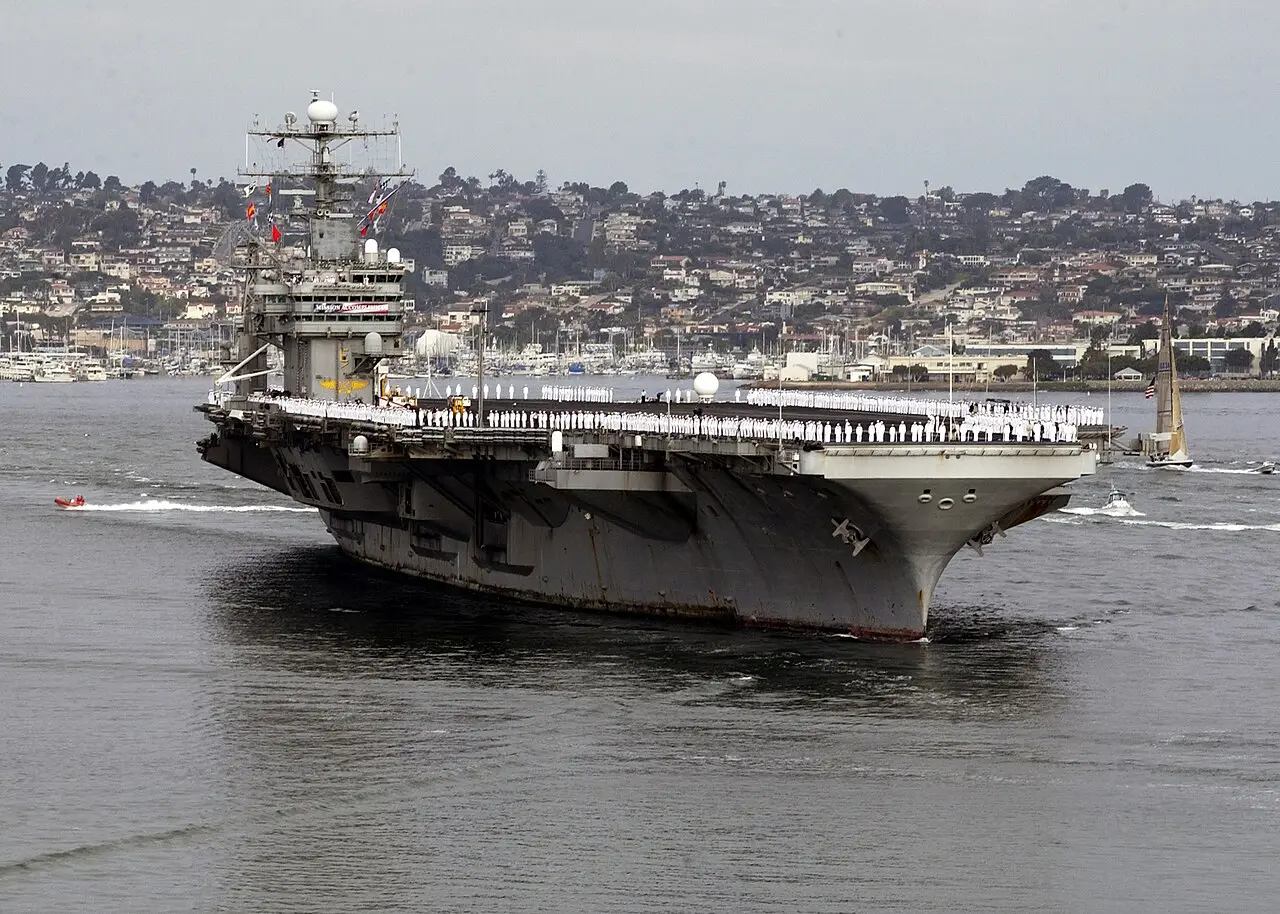
The carrier is not travelling alone; it is protected by a powerful screen of destroyers and cruisers. These warships are equipped with Aegis combat systems and Tomahawk missiles, adding layers of offensive and defensive firepower. This composition allows the group to defend against drone swarms and ballistic missiles.
Operational Sea Time
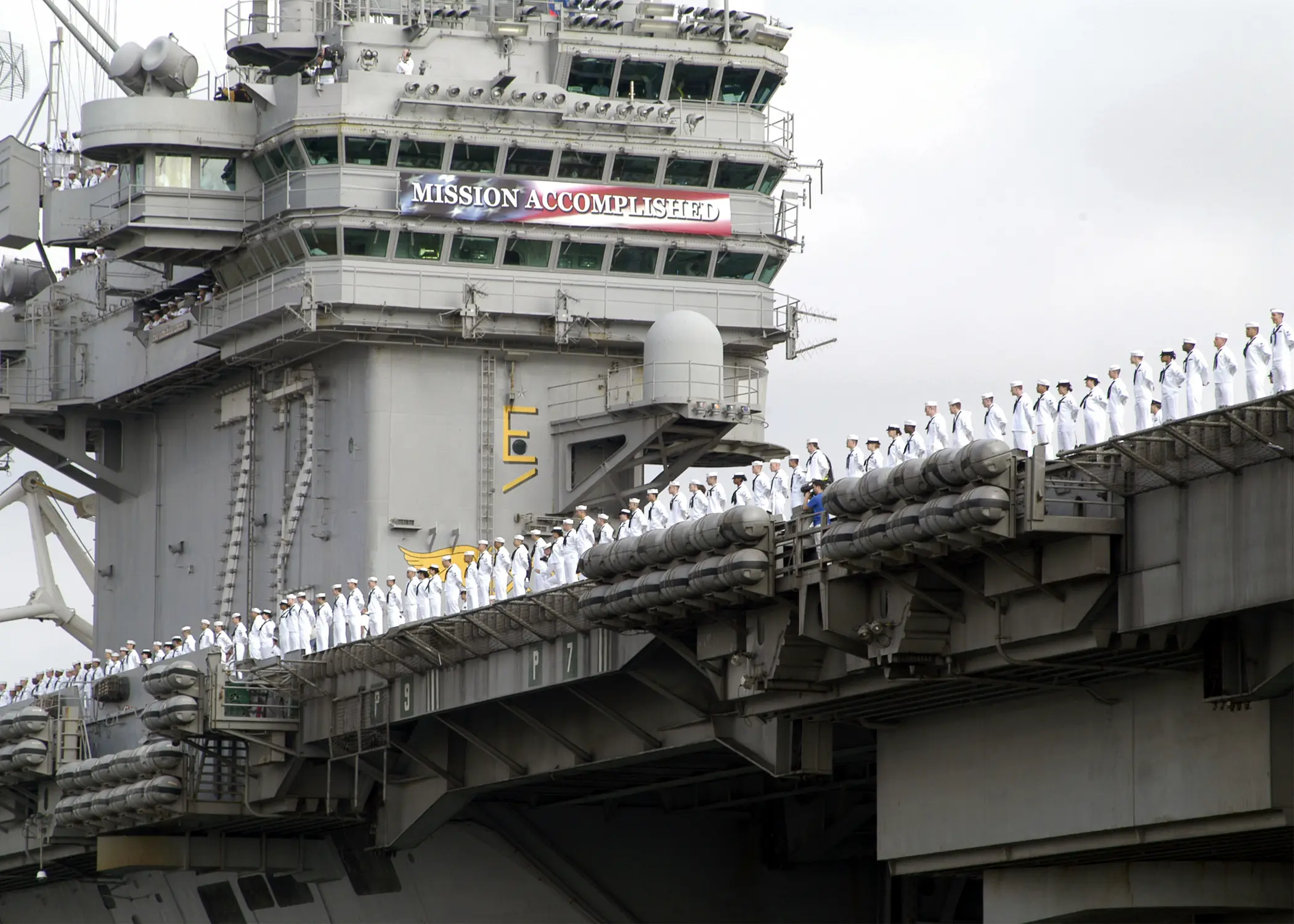
The crew of the USS Abraham Lincoln has spent months at sea, making them highly trained and acclimatised to operations. This high level of operational readiness was a key factor in the decision. A fresh carrier from port would require time to reach the same level of efficiency.
A Clear Signal
The arrival of the Lincoln sends a specific message of deterrence to regional actors. By placing its most advanced air wing in the Persian Gulf, Washington is signalling that it can bypass traditional air defences. The deployment is calculated to prevent escalation through a show of overwhelming technological superiority.
)
)
)
)
)