F-35 vs J-20: Which has the superior stealth signature?

The F-35 has superior stealth with 0.005 square-metre RCS compared to J-20's 0.01-0.1 square metres. Size, canards, and design philosophy favour F-35 in one-on-one encounters. J-20 compensates with upgraded radar range.
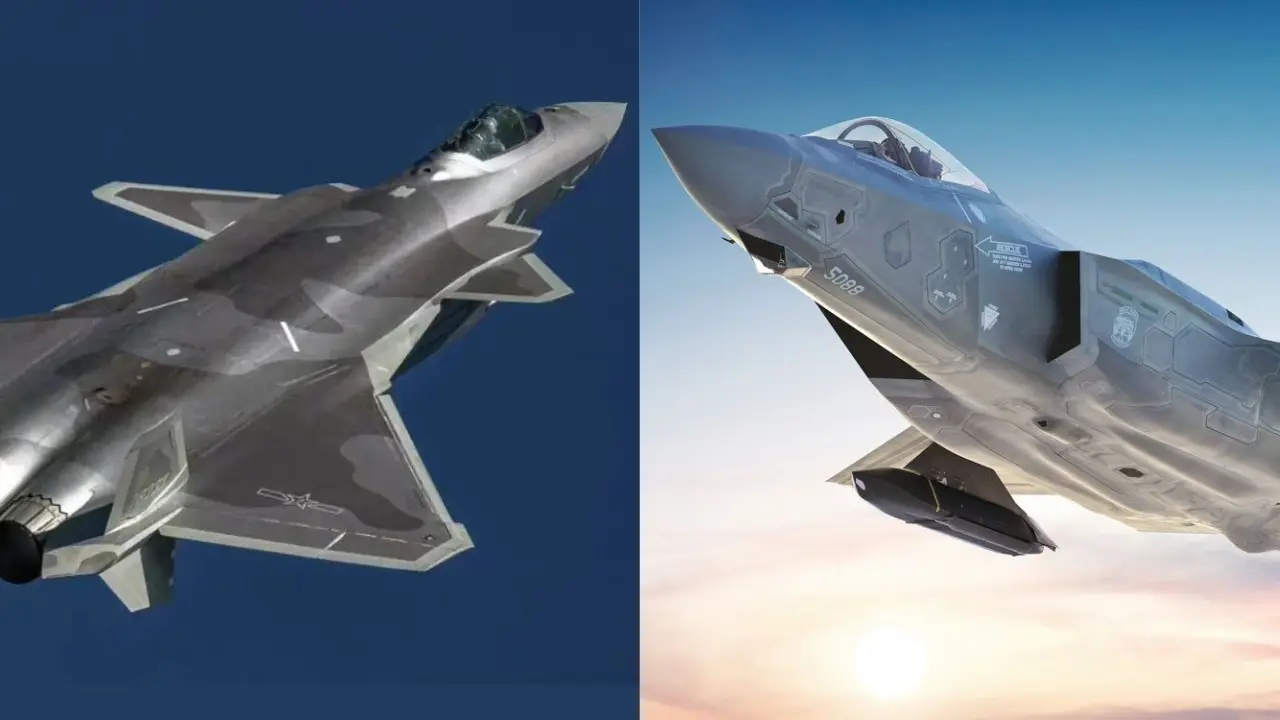
F-35 RCS - 0.005 Square Metres From the Front
The F-35 achieves a radar cross section of approximately 0.005 square metres frontally, comparable to an insect on radar. This gives it a one-to-two order of magnitude advantage over the J-20.
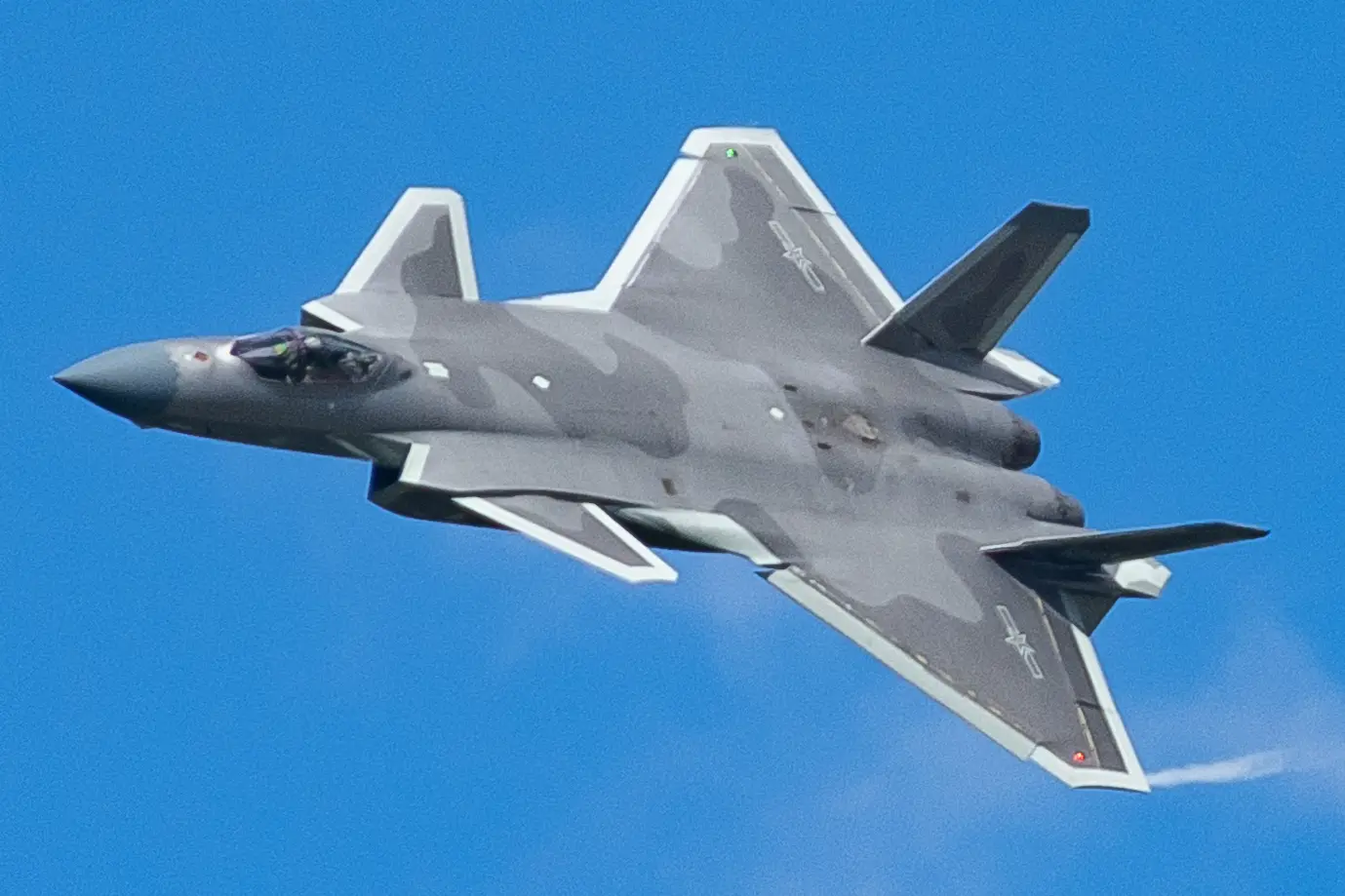
J-20 RCS - 0.01 to 0.1 Square Metres Estimated
The J-20 Mighty Dragon's stealth signature remains less well-documented, with estimates ranging from 0.01 to 0.1 square metres depending on aspect angle. Larger size and canards increase detection difficulty.
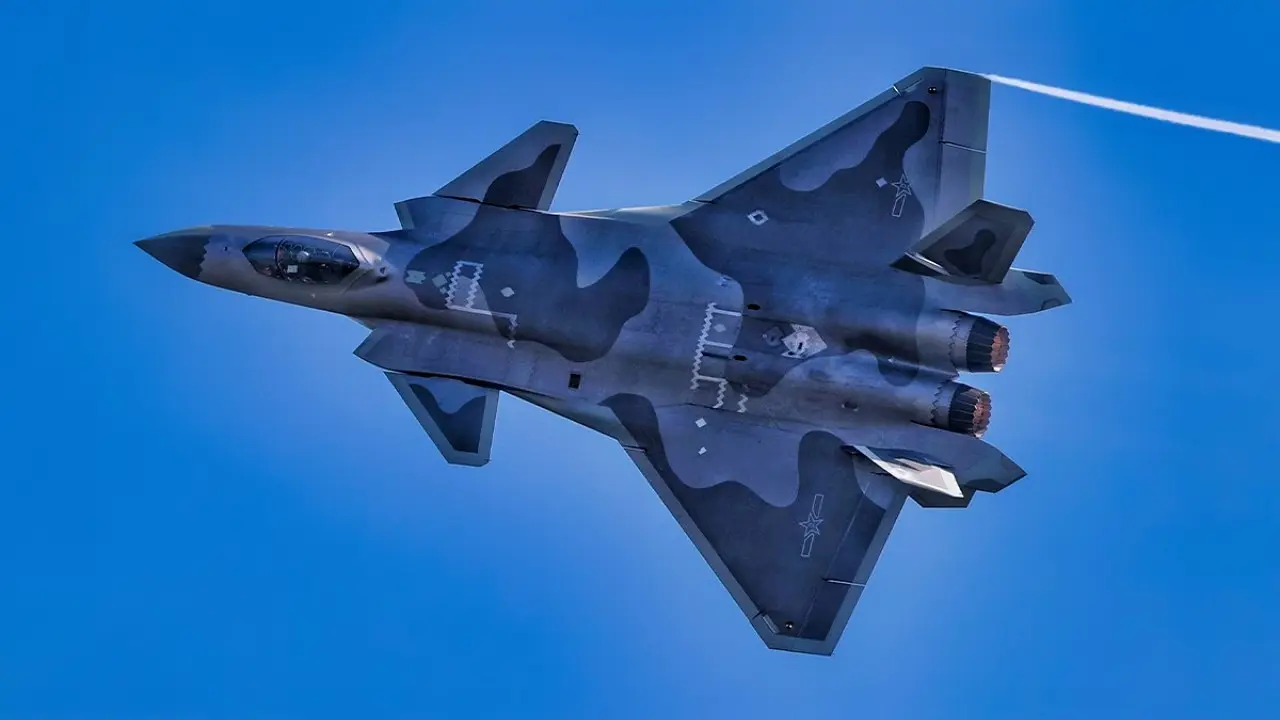
Size Disadvantage - J-20 is 4.8 Metres Longer
The J-20 measures 20.5 metres long compared to the F-35A's 15.7 metres. This larger airframe requires more advanced radar-absorbing materials to compensate, but still struggles to match F-35 stealth.
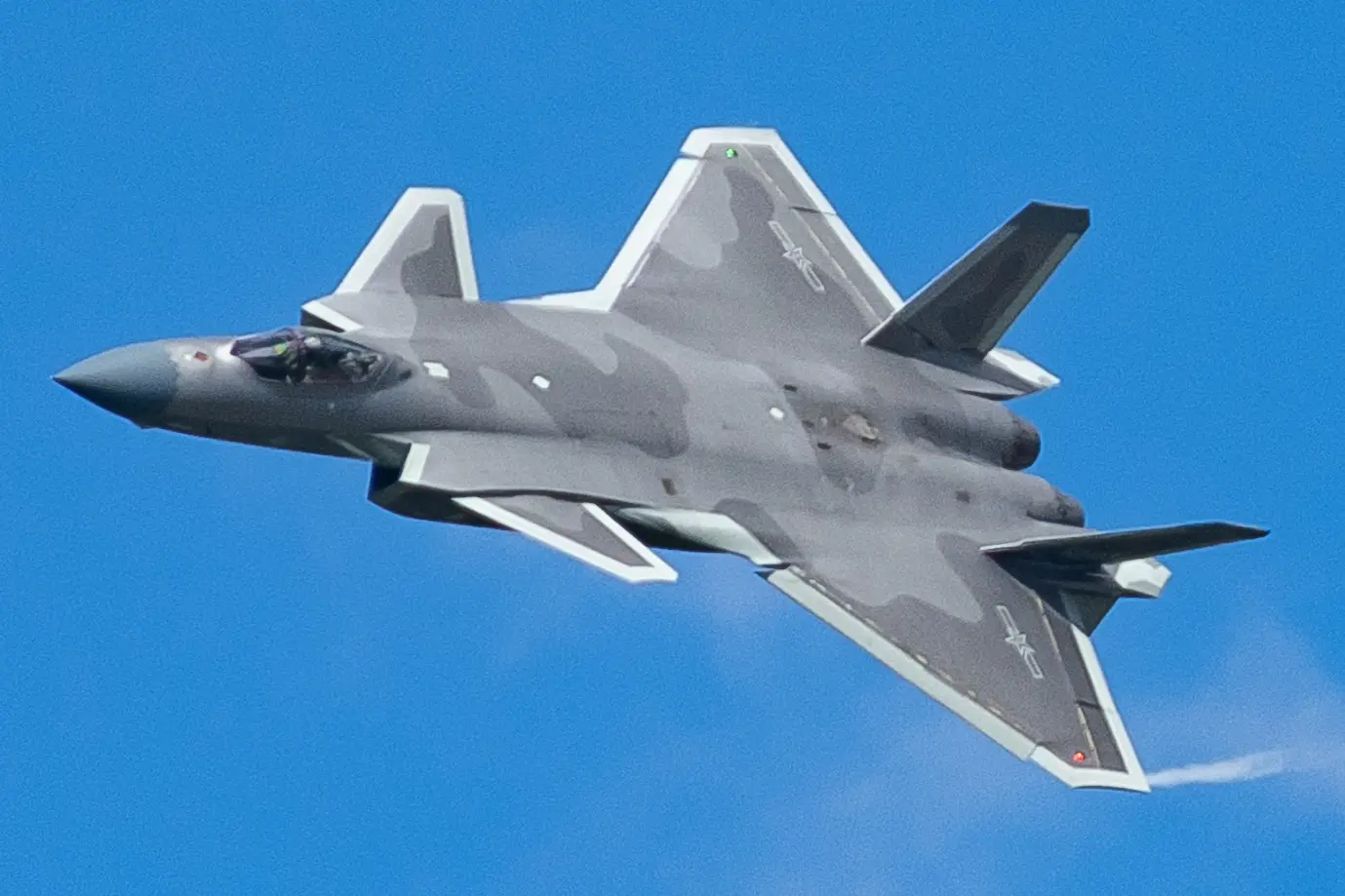
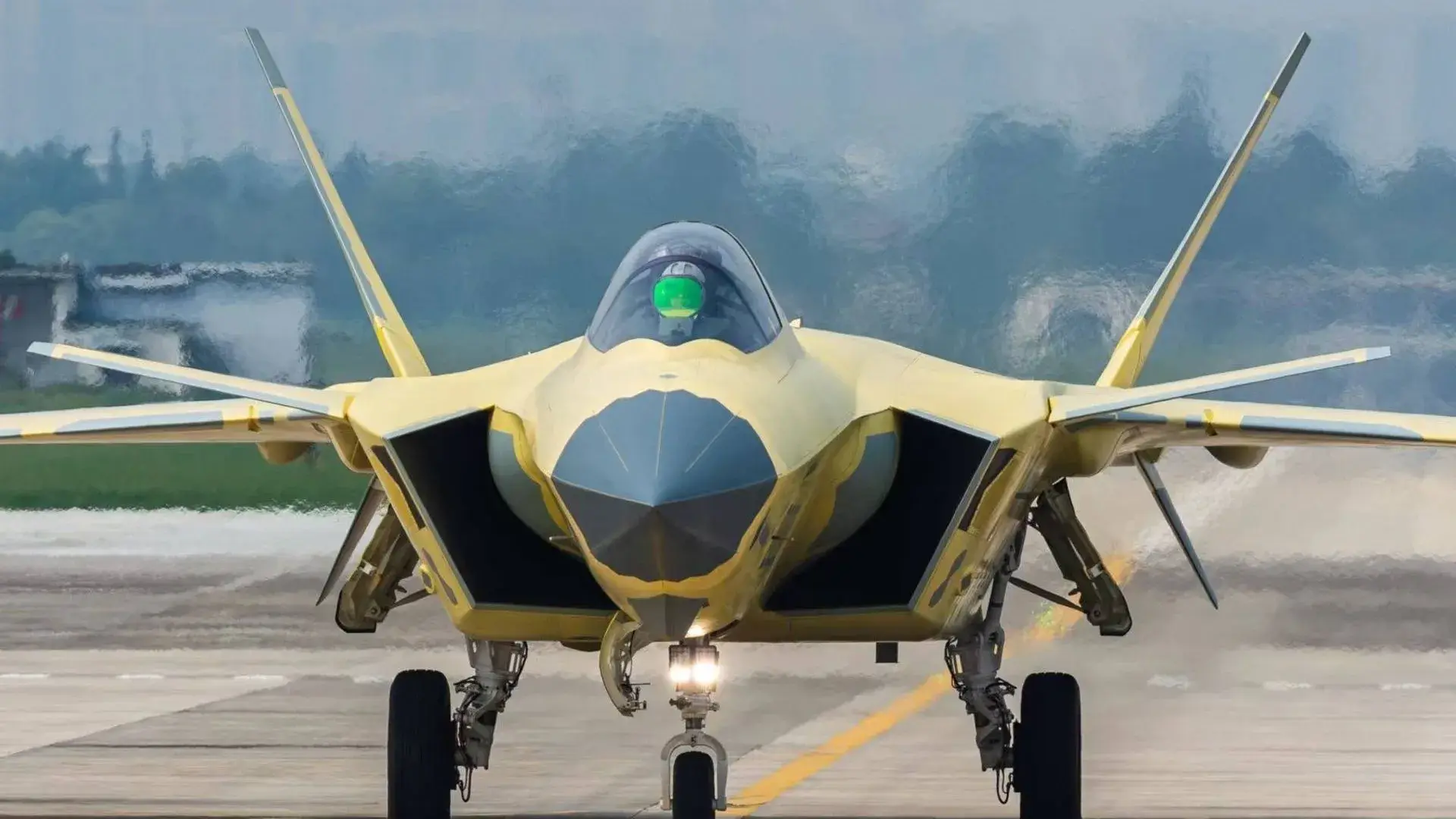
Canard Design Increases J-20 Radar Visibility
The J-20's forward canards (small control surfaces) increase radar reflectivity from certain angles. The F-35 avoids this design compromise, maintaining consistent low-observable characteristics.
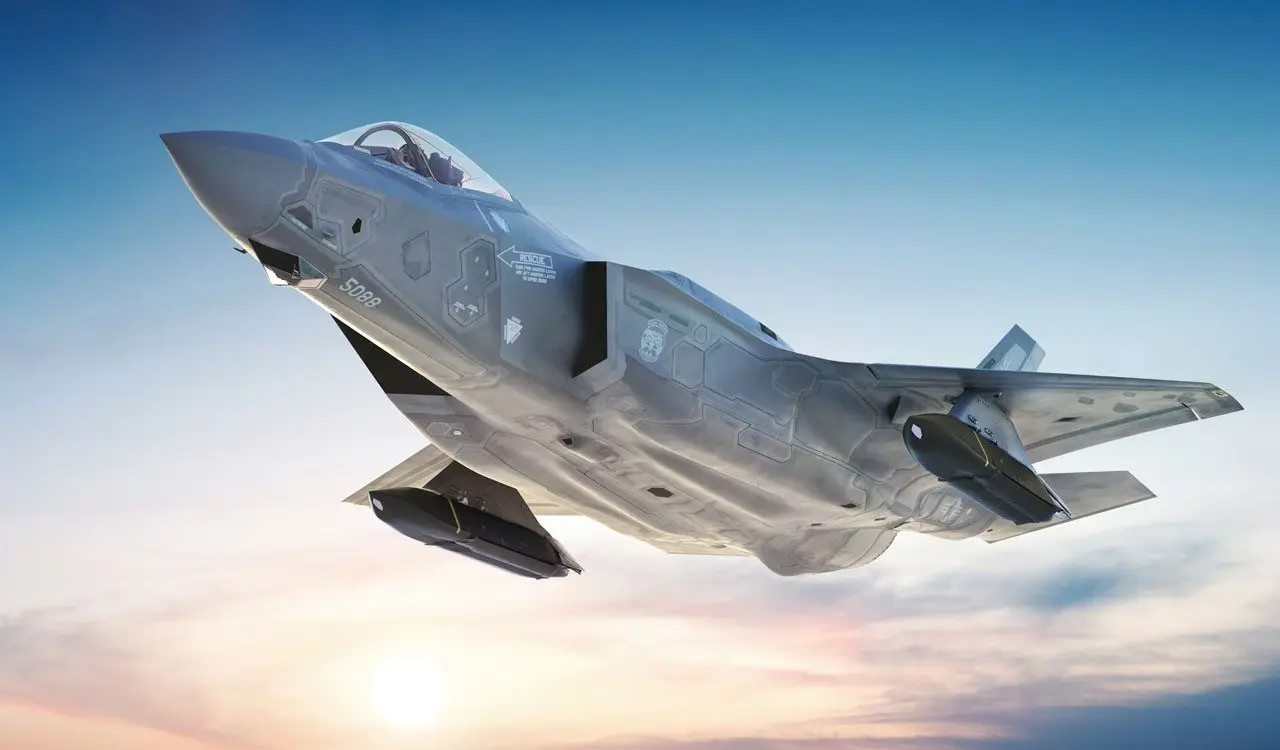
Internal Weapons Bays - Critical Stealth Factor
Both aircraft store weapons internally, but the F-35's tighter internal bays and more refined geometric shaping provide superior stealth. F-35 design prioritises radar-absorbing geometry more ruthlessly.
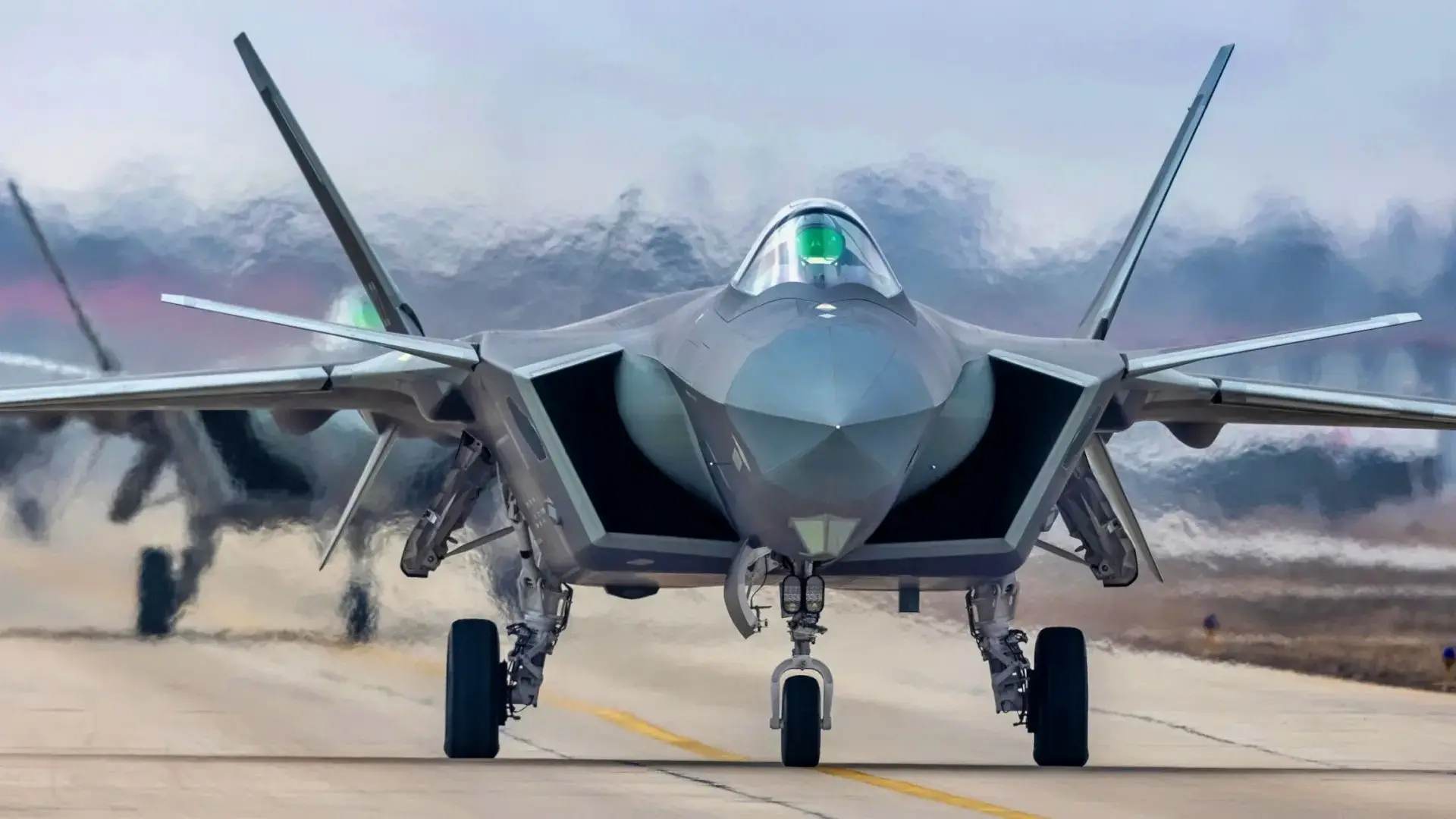
New J-20 Radar Upgrade Tripled Detection Range
China's latest SiC-based radar chip upgraded the J-20's KLJ-5 radar to detect targets 600-700 kilometres away, up from 300 kilometres previously. This compensates for inferior stealth with superior sensor range.
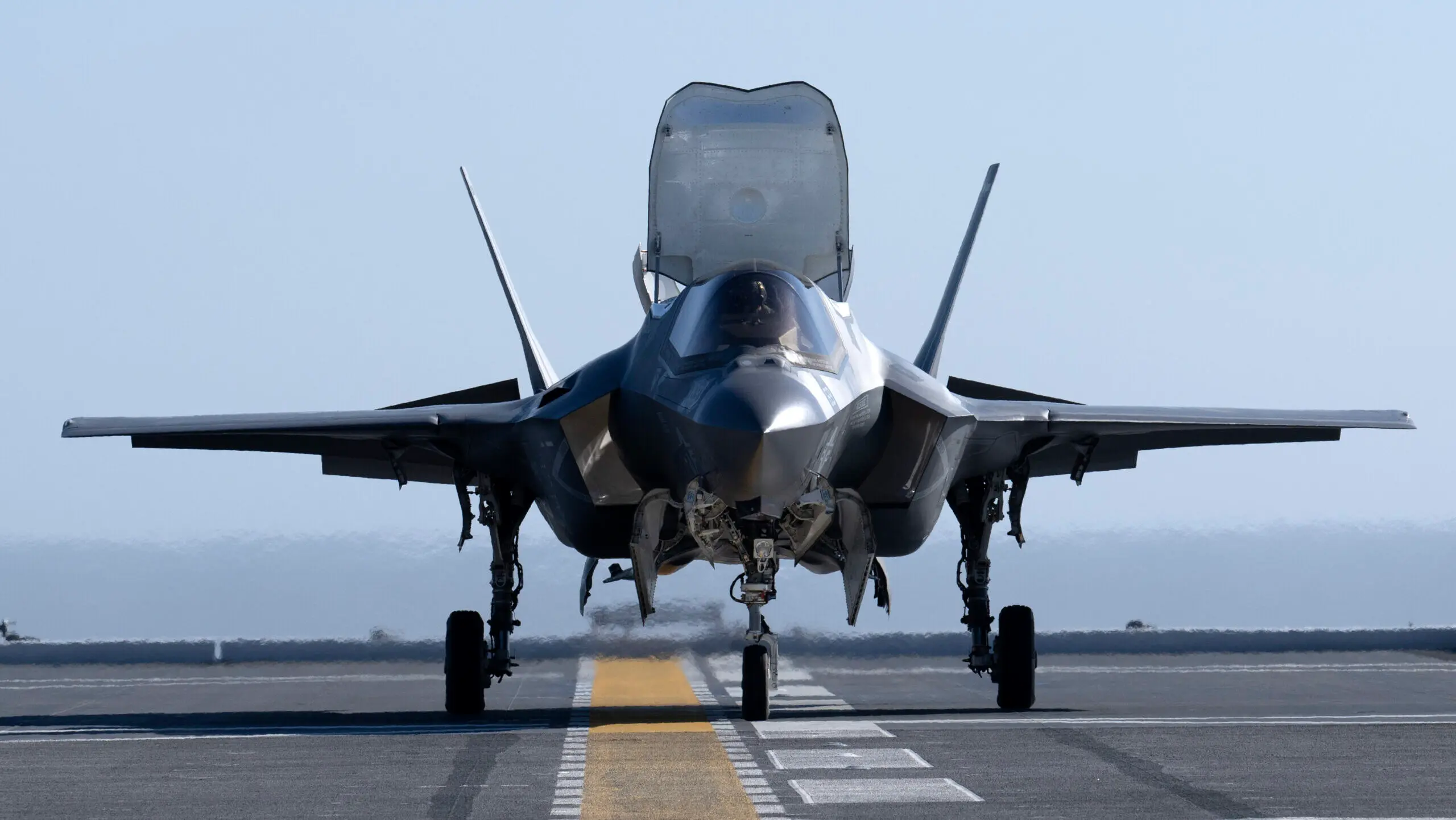
First-Shot Advantage - F-35 Wins One-on-One
The F-35 can detect the J-20 first and achieve missile lock before being detected. This fundamental stealth advantage persists regardless of dogfighting capability or manoeuvrability.
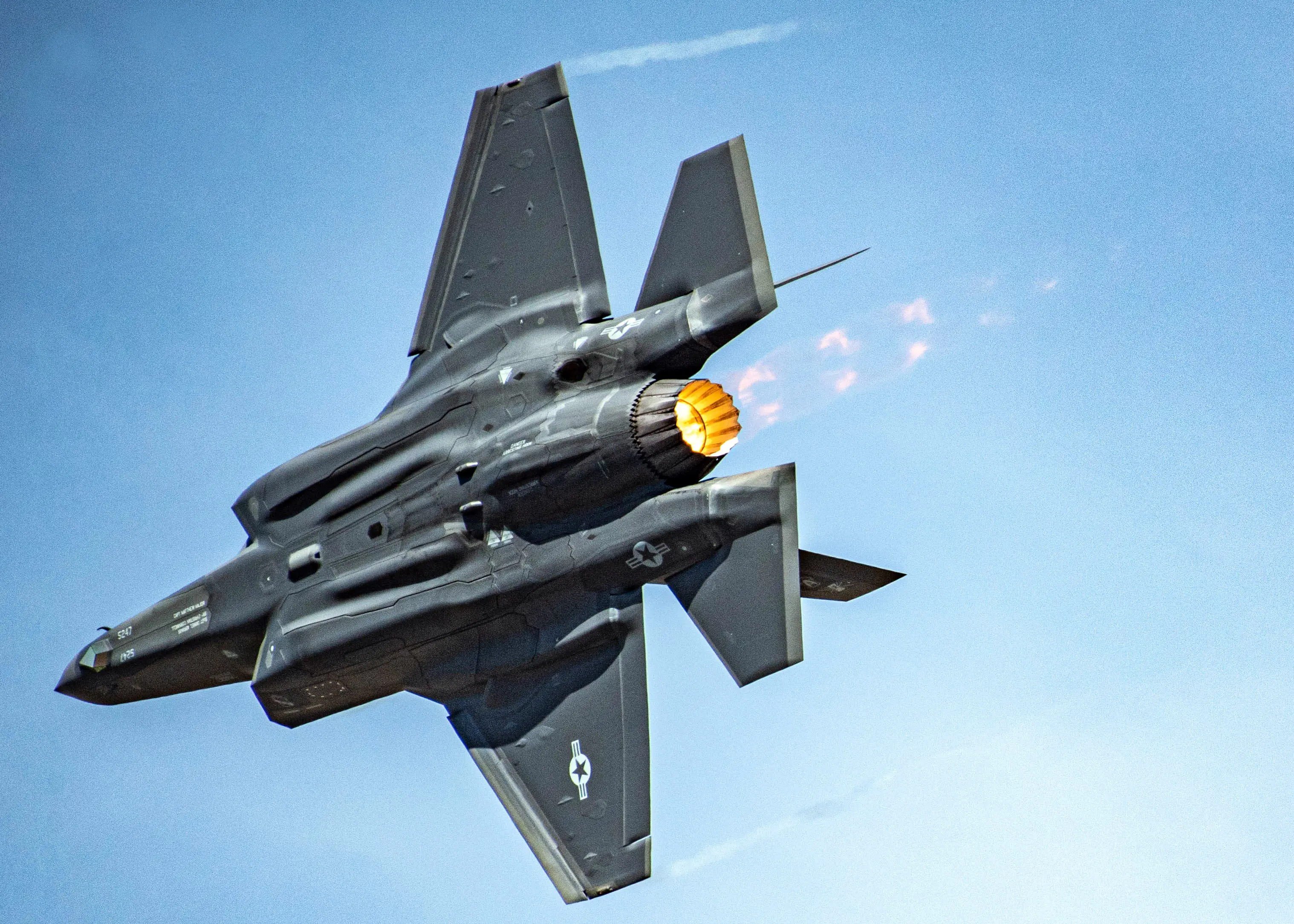
Design Philosophy Differences
The F-35 optimises for all-around stealth and multirole capability. The J-20 prioritises long-range strike and interception, accepting larger size and slightly higher radar signature for increased fuel and weapons capacity.
Sensor Fusion Compensates for Lower Stealth
The J-20 compensates for reduced stealth through extended radar detection range and data-sharing with air defence systems. It acts as a networked sensor node rather than relying purely on invisibility.
Future Outlook - J-20 Catching Up
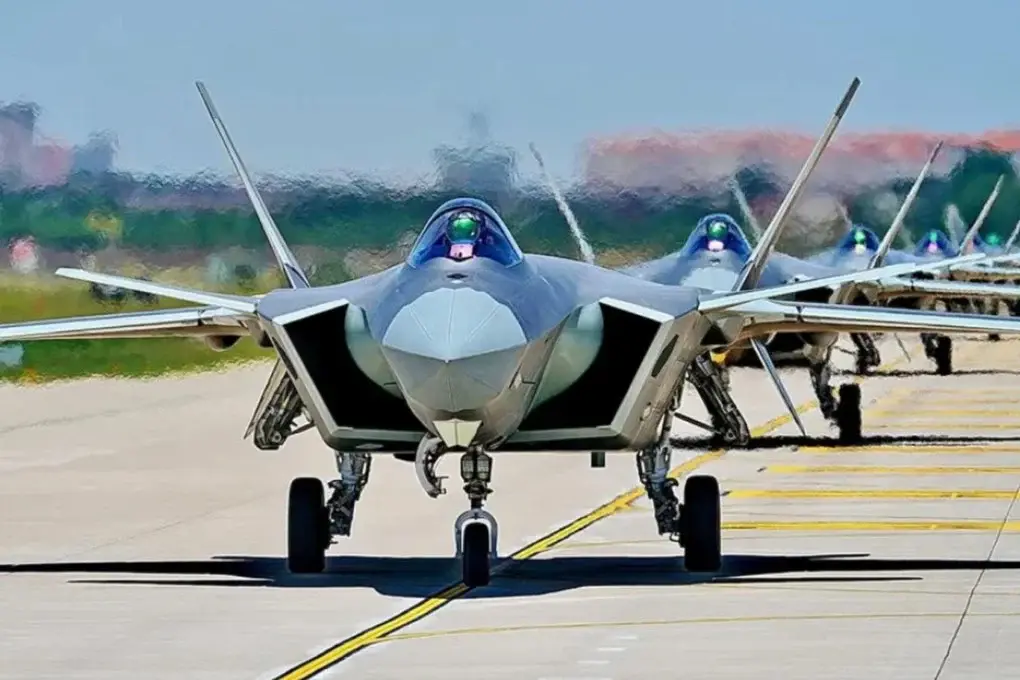
China's continued radar improvements and potential additional stealth refinements suggest the stealth gap is narrowing. However, F-35's mature coatings and geometry currently maintain advantage.
)
)
)
)
)