F‑35 fighter jet failures: 6 crashes that revealed flaws of one of the world’s costliest aircraft

The jet’s advanced systems offer cutting-edge capability, but when they fail, whether in freezing conditions, during carrier operations or complex refuelling, the consequences are stark.
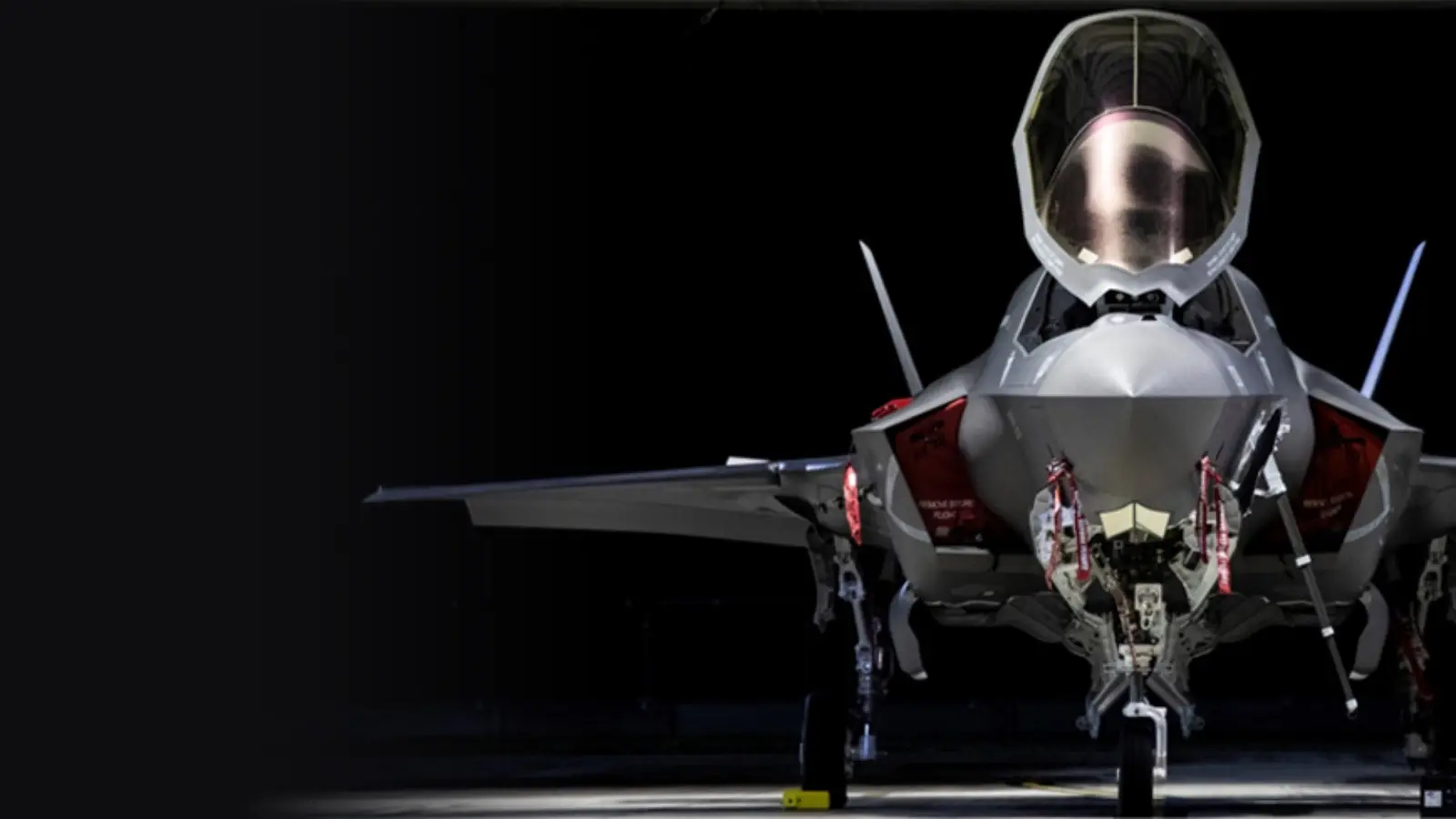
A Fighter with Flaws
The F‑35 Lightning II is widely regarded as one of the most advanced and expensive fighter jets ever built. Designed for stealth, supersonic speed and multirole capability, it has also been controversial: since 2018, at least 11 crashes involving F‑35s have been reported, raising serious safety and reliability questions. These incidents come amid renewed discussions over the potential sale of F‑35s by the US to Saudi Arabia, a plan promoted by former President Donald Trump, which has added geopolitical scrutiny to the jet’s performance record.
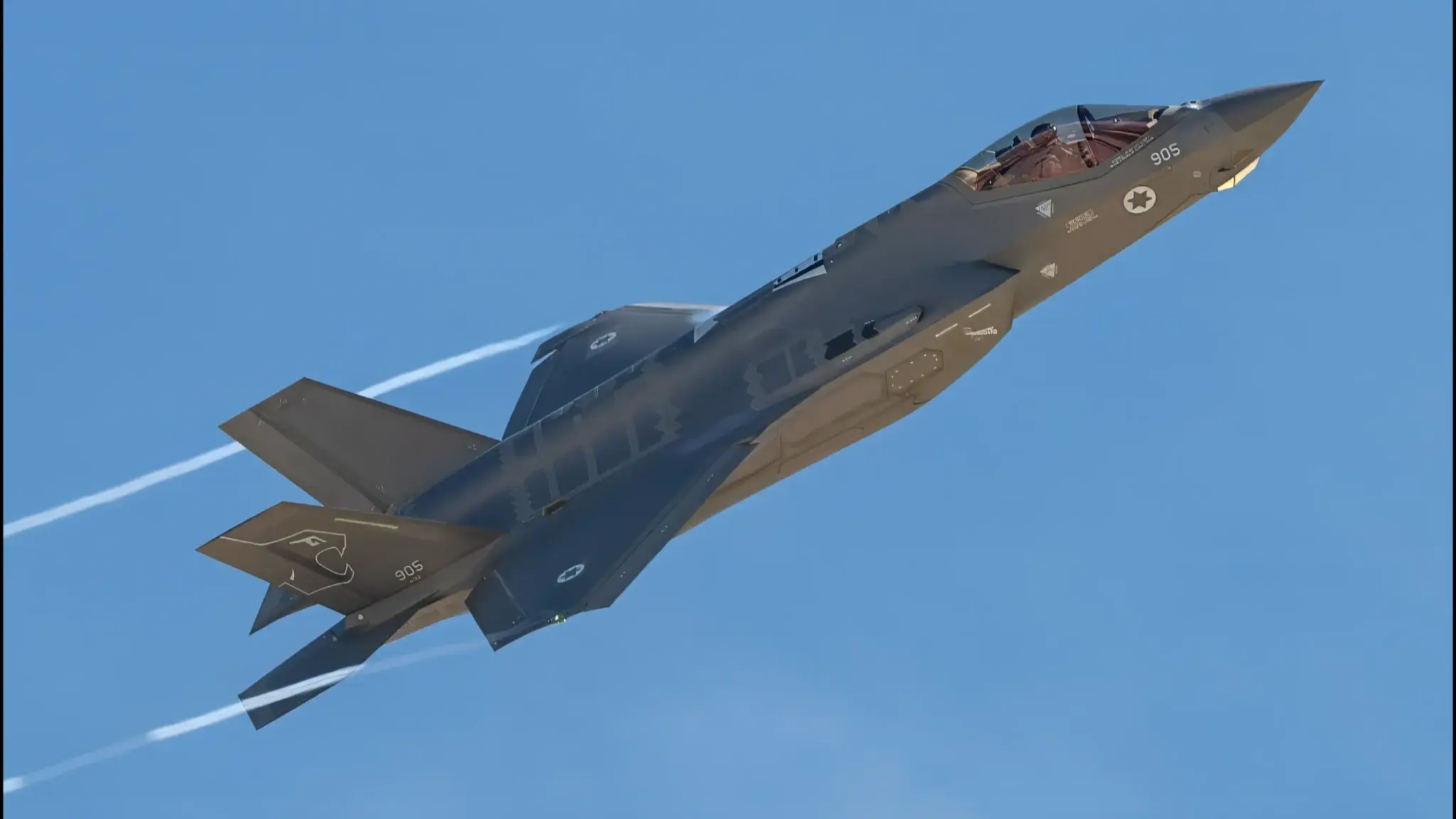
1. Alaska Disaster: Frozen Hydraulics
In early 2025, an F‑35A at Eielson Air Force Base, Alaska suffered a critical failure when hydraulic fluid froze. The pilot spent nearly an hour communicating with engineers before ejecting safely. This incident underlined design vulnerabilities when operating in extremely cold environments.
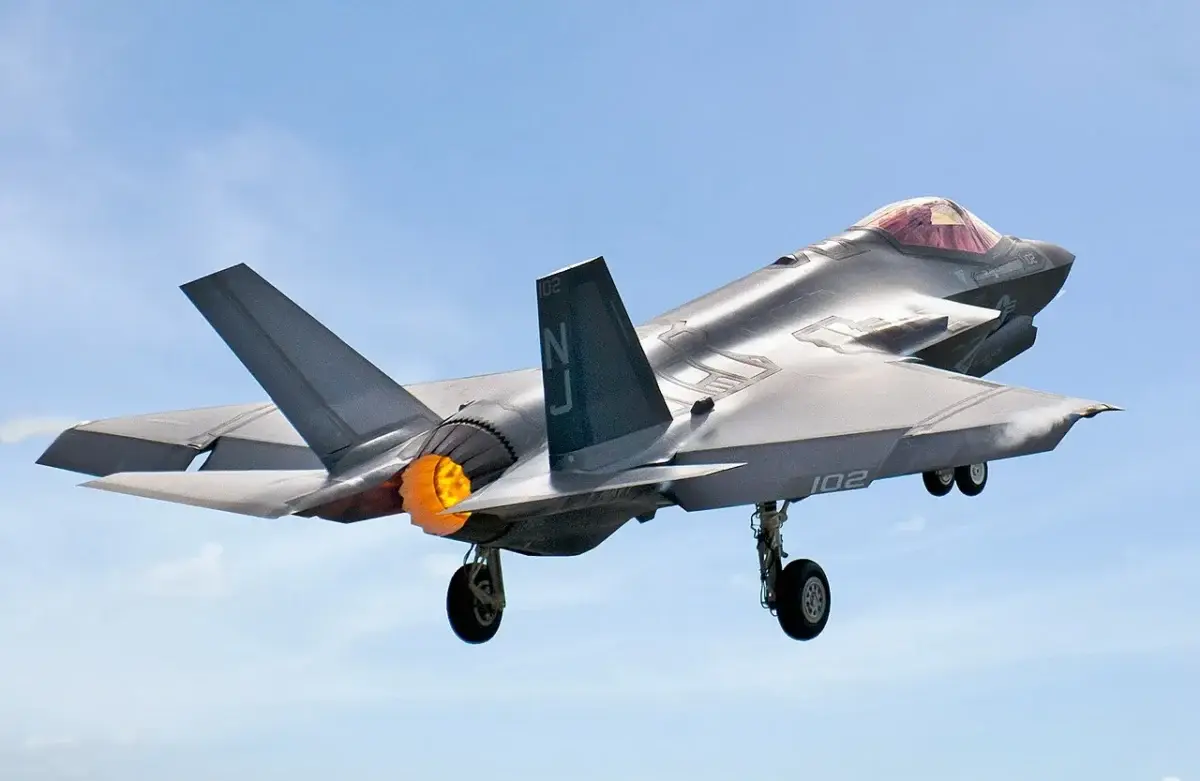
2. South China Sea Incident: Lost Overboard
In January 2022, a US Navy F‑35C made a dangerous ramp strike while landing on USS Carl Vinson aircraft carrier and eventually plunged into the South China Sea. The pilot ejected and was recovered. Retrieving the aircraft required specialist equipment as it sank to a significant depth.
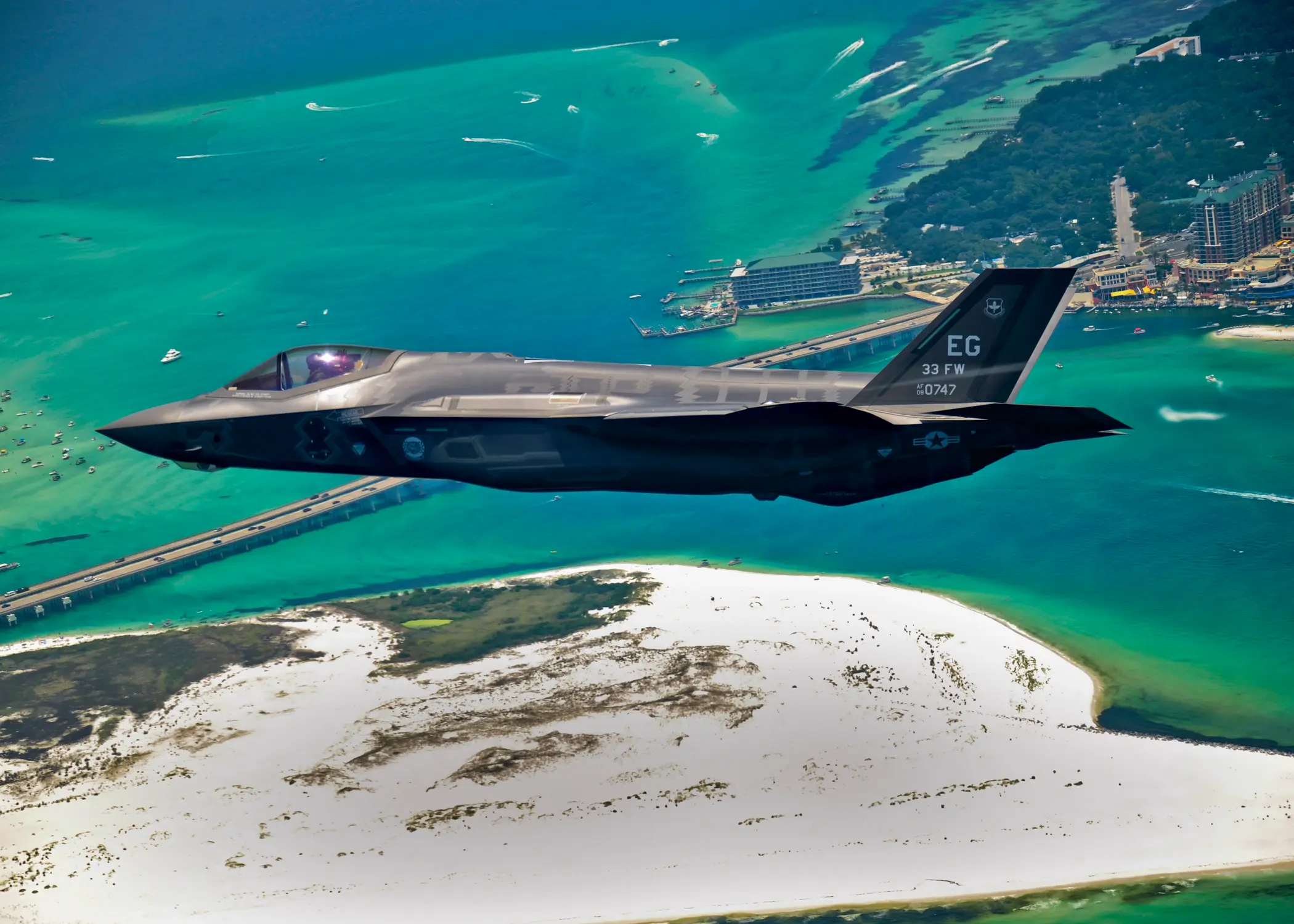
3. Utah Crash: Faulty Flight Data
In October 2022, an F‑35A crashed during its final approach at Hill Air Force Base, Utah. The investigation attributed the accident to faulty air-data systems: the jet’s sensors switched between primary and backup data sources, generating unstable flight-control responses. The pilot ejected without injury.
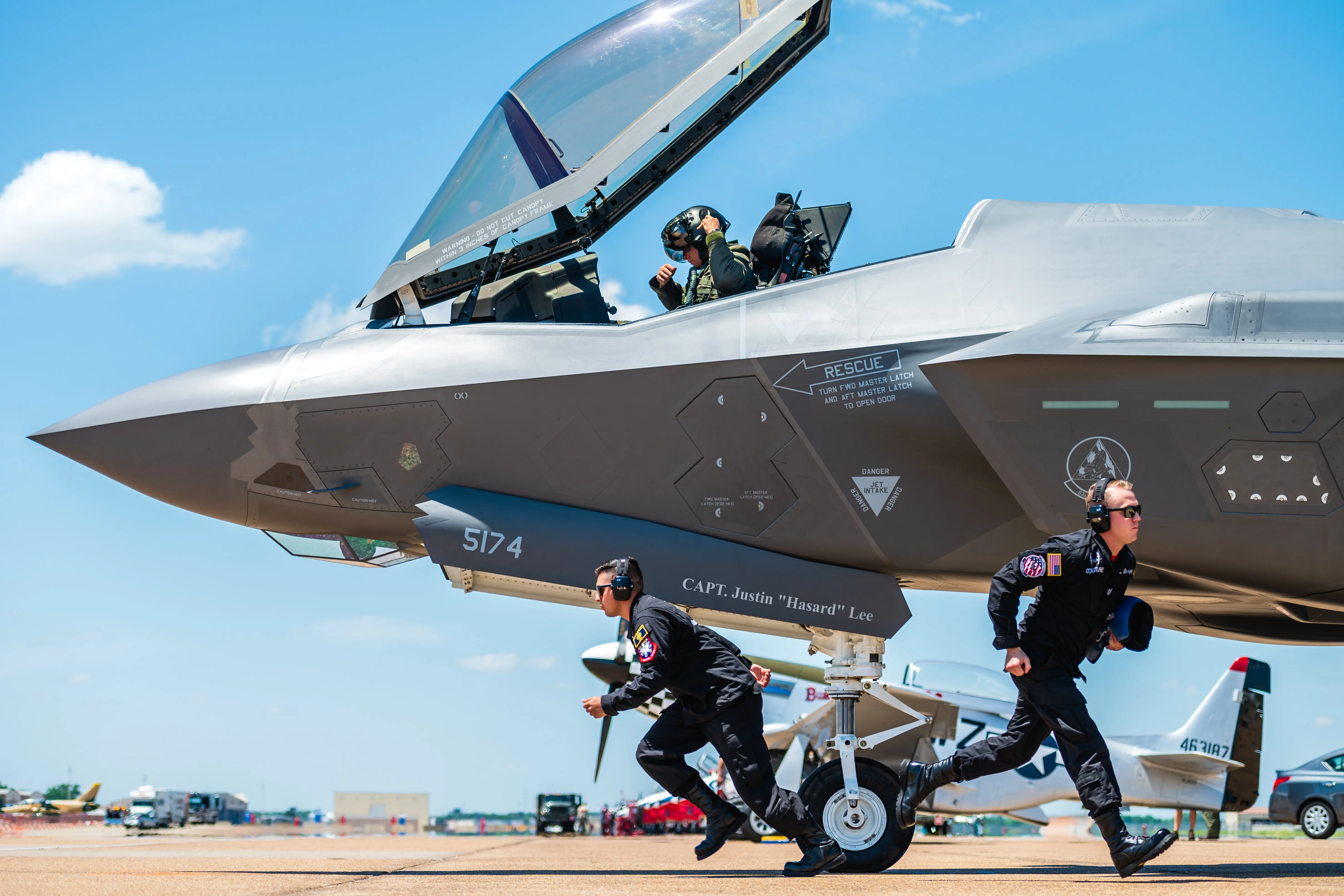
4. Emergency Landing in South Korea
Also in January 2022, a South Korean F‑35A made a 'belly landing' after avionics and landing gear systems failed. The pilot avoided ejection and landed the plane safely, a rare outcome when critical systems collapse.
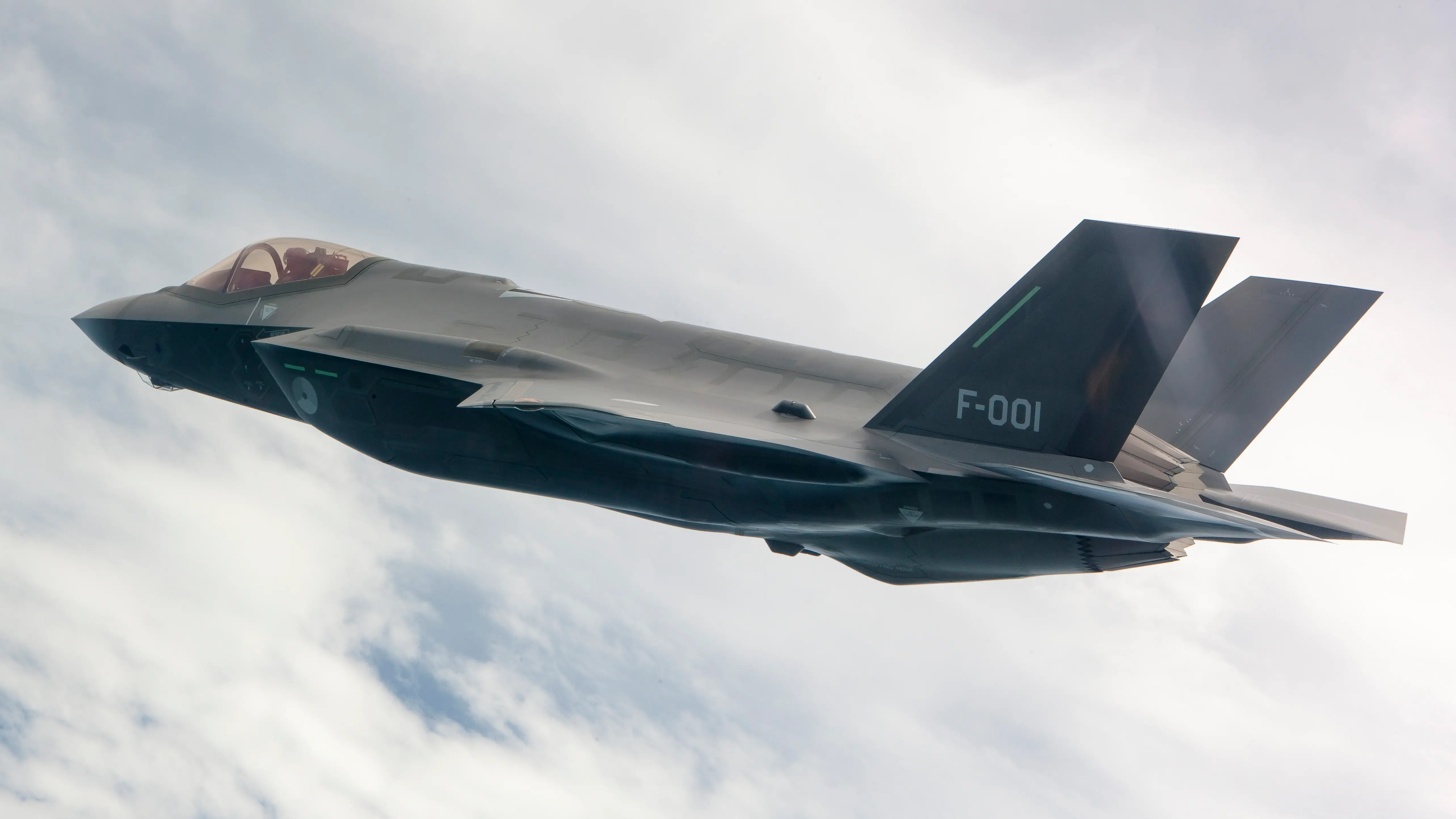
5. Vertical Landing Failure in Texas
In December 2022, an F‑35B, the short takeoff/vertical landing variant, was conducting a test flight near Fort Worth, Texas, when its final vertical landing failed. The pilot ejected safely, and the aircraft was lost before delivery to any military unit.
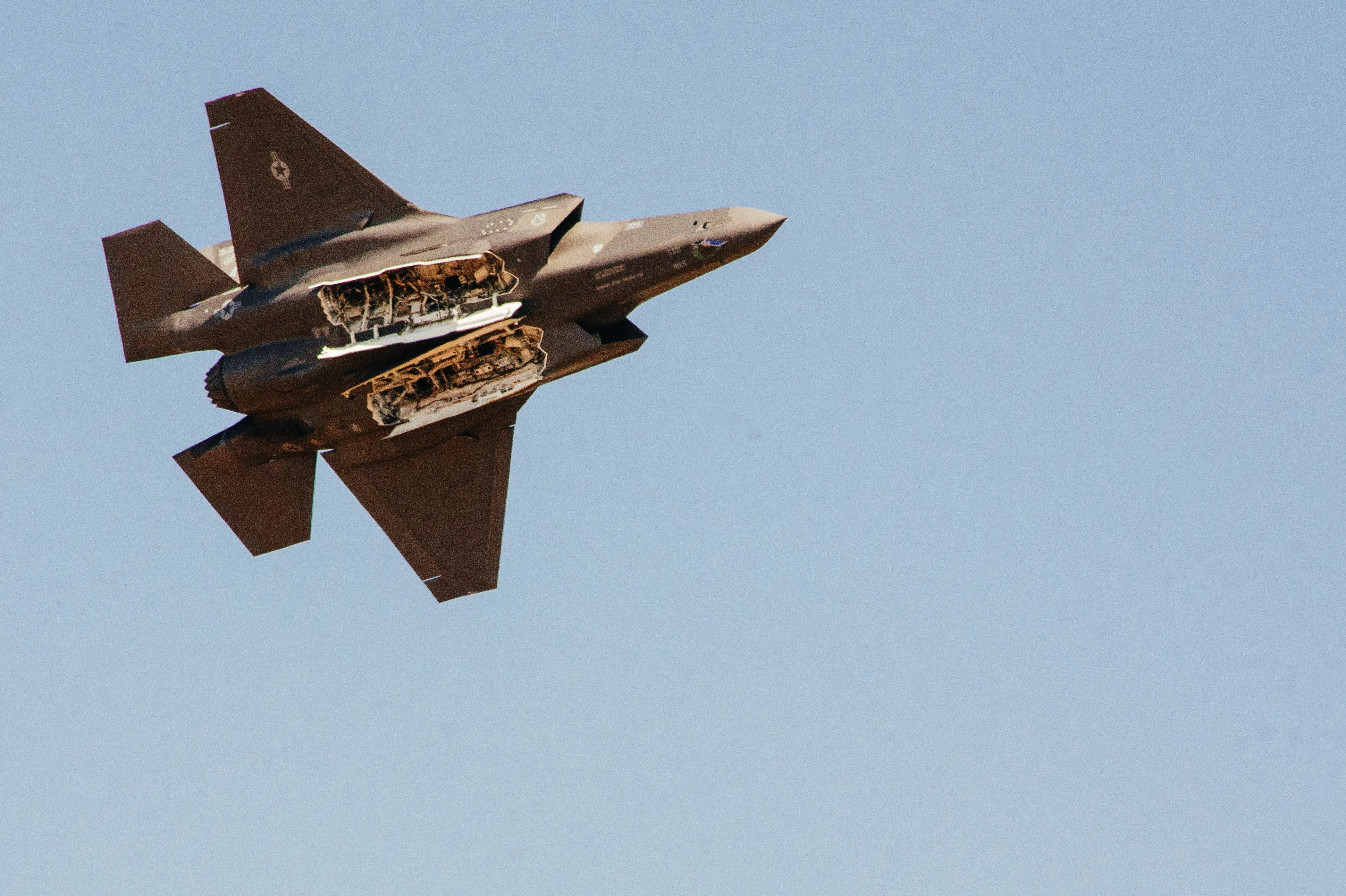
6. Mid-Air Refuelling Crash in California
In September 2020, a US Marine Corps F‑35B collided with a KC-130 tanker during air-to-air refuelling over California. The F‑35 crashed; the pilot ejected, and the KC-130 made an emergency landing.
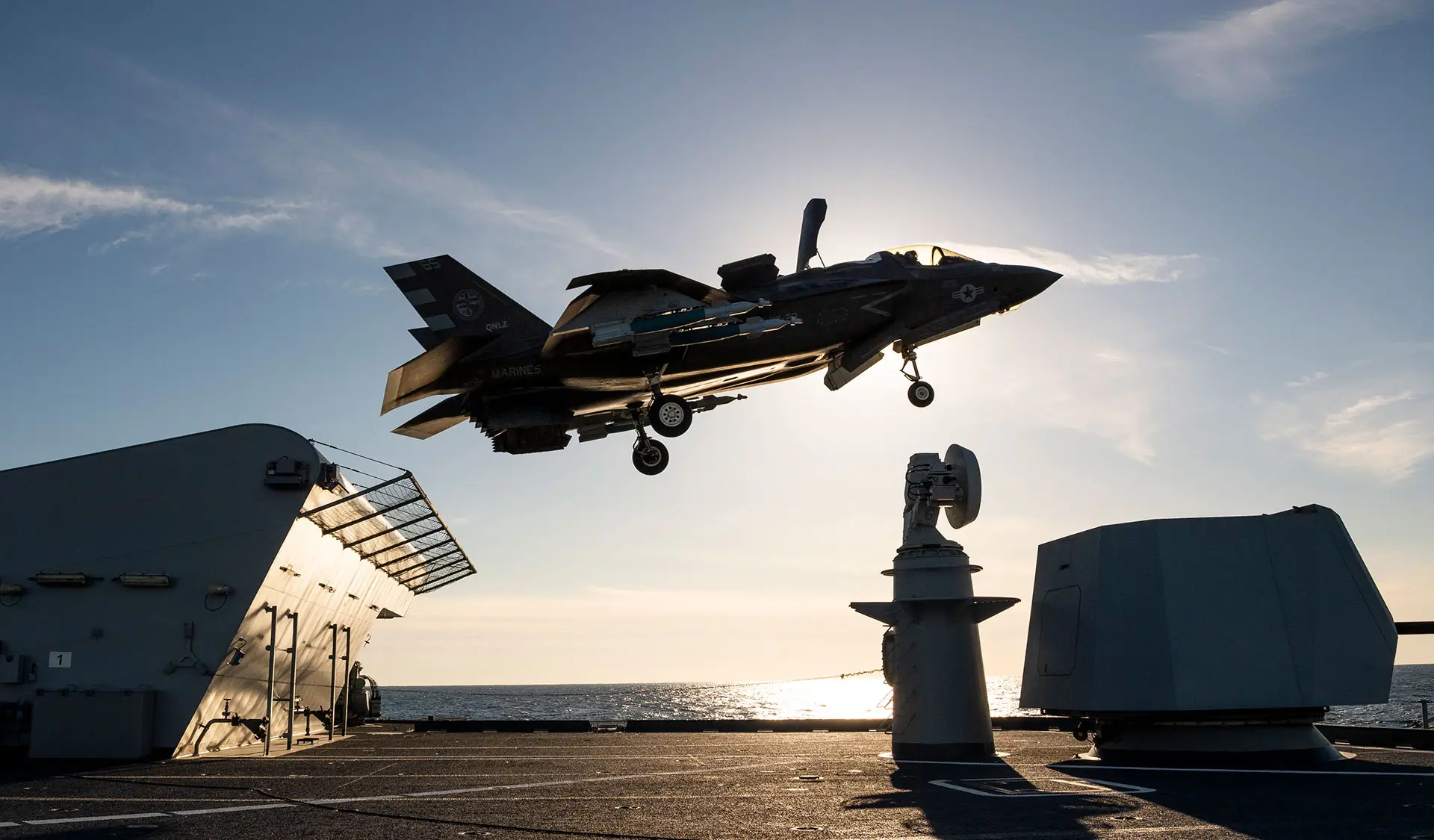
Conclusion — Technology vs. Risk
These accidents raise concerns, especially as former President Trump signalled his intention to sell F‑35s to Saudi Arabia. While the F‑35 remains a formidable and strategically important asset, its accident history represents a clear vulnerability. The jet’s advanced systems offer cutting-edge capability, but when they fail, whether in freezing conditions, during carrier operations or complex refuelling, the consequences are stark.
)
)
)
)
)