F-35, B-21 & advanced drones: Trump’s $1.5 trillion defence budget prioritises $750 billion for ships, jets and Golden Dome

A key feature of the budget is $65.8 billion allocated to shipbuilding, funding 18 battle force ships and 16 non-battle force ships made by General Dynamics and Huntington Ingalls Industries.
FY 2027 US budget proposes sharp rise in defence and discretionary spending
The Pentagon on Tuesday outlined US President Donald Trump’s defence budget request for fiscal year 2027, placing total resources at $1.5 trillion, which is by far the largest year-over-year increase in defense spending in the post-World War Two era. The proposal builds on FY 2026, which reached a historic $1 trillion defence topline through a mix of discretionary and mandatory funding.
Officials cite global threats as defence budget reaches historic levels
For FY 2027, the plan includes $1.15 trillion in discretionary spending, a 28 per cent increase, and $350 billion in mandatory funding. This represents a 44 per cent rise for the Department of War. US officials told Reuters the scale of the budget exceeds the Reagan-era buildup and approaches levels seen before World War II, citing global security pressures and the need to restore military readiness and lethality.
Major investment in ships, jets and Golden Dome
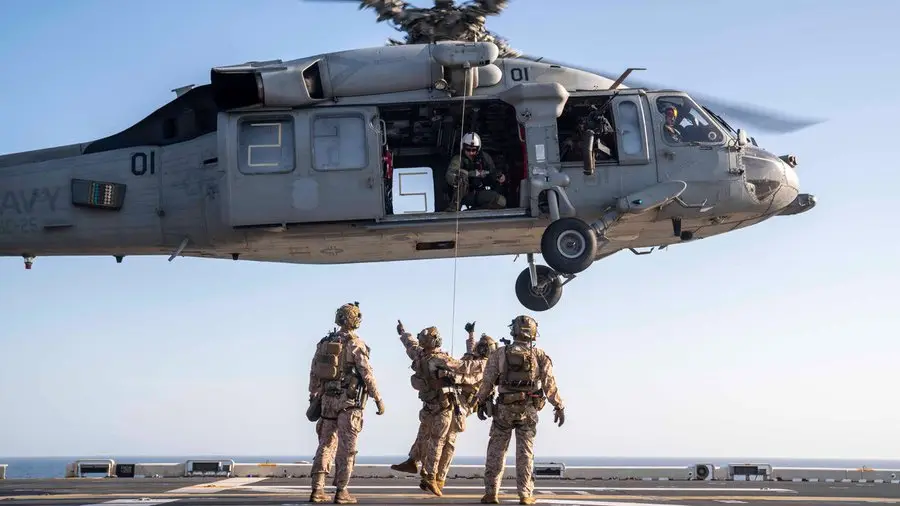
A key feature of the budget is $65.8 billion allocated to shipbuilding, funding 18 battle force ships and 16 non-battle force ships made by General Dynamics and Huntington Ingalls Industries. The Pentagon said the expansion is necessary as global waters become increasingly contested, with a focus on strengthening maritime awareness and deterrence.
‘Golden Fleet’ and Naval Expansion Drive Defence Build-Up
The programme also includes the creation of what is called Trump’s ‘Golden Fleet’, which will receive initial funding for a Trump-class battleship and next-generation frigates, the largest shipbuilding request since 1962, according to officials quoted by Reuters. Alongside this, the plan aims to increase public shipyard capacity and improve production speed and efficiency across the naval industrial base. A larger portion of defence resources is also directed towards ships, jets and the Golden Dome missile defence initiative.
Additional $150 billion push last year
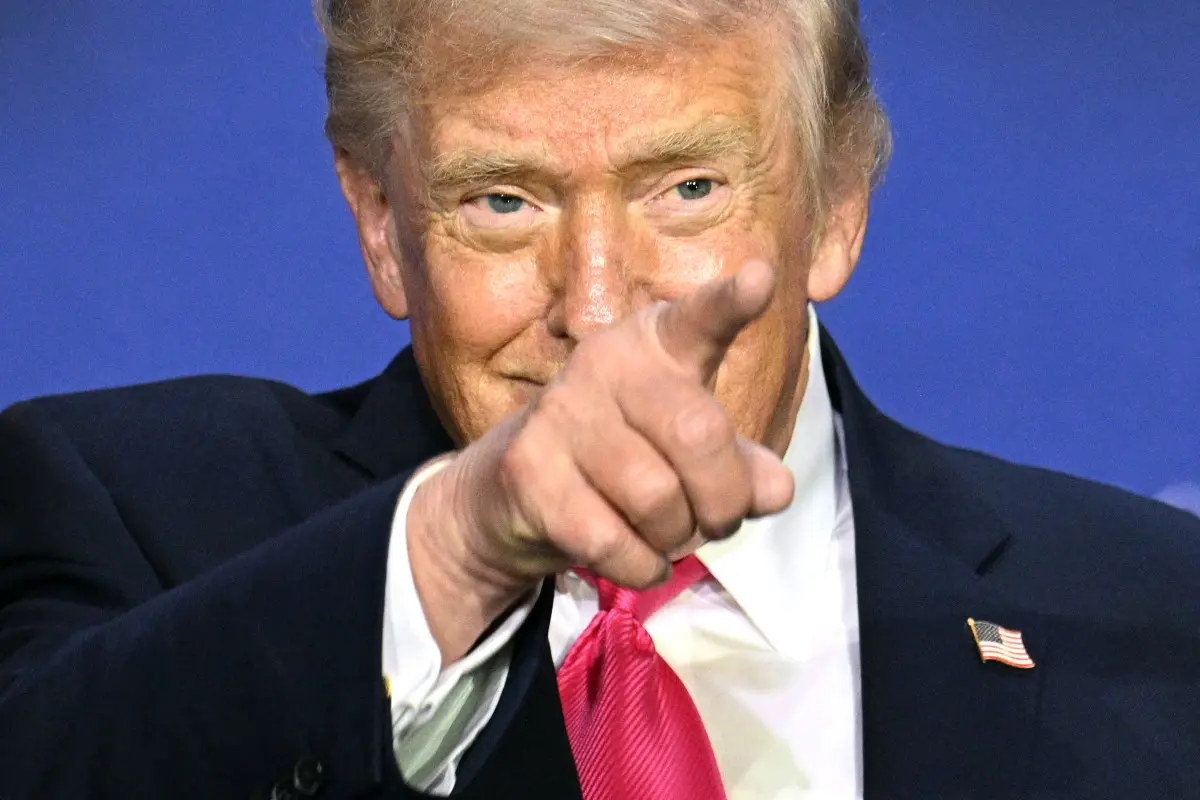
Last year, Trump had initially requested a national defence budget of $892.6 billion, before supplementing it with an additional $150 billion through a separate funding request. This pushed total defence spending past the $1 trillion mark for the first time in history.
Pay rise for troops
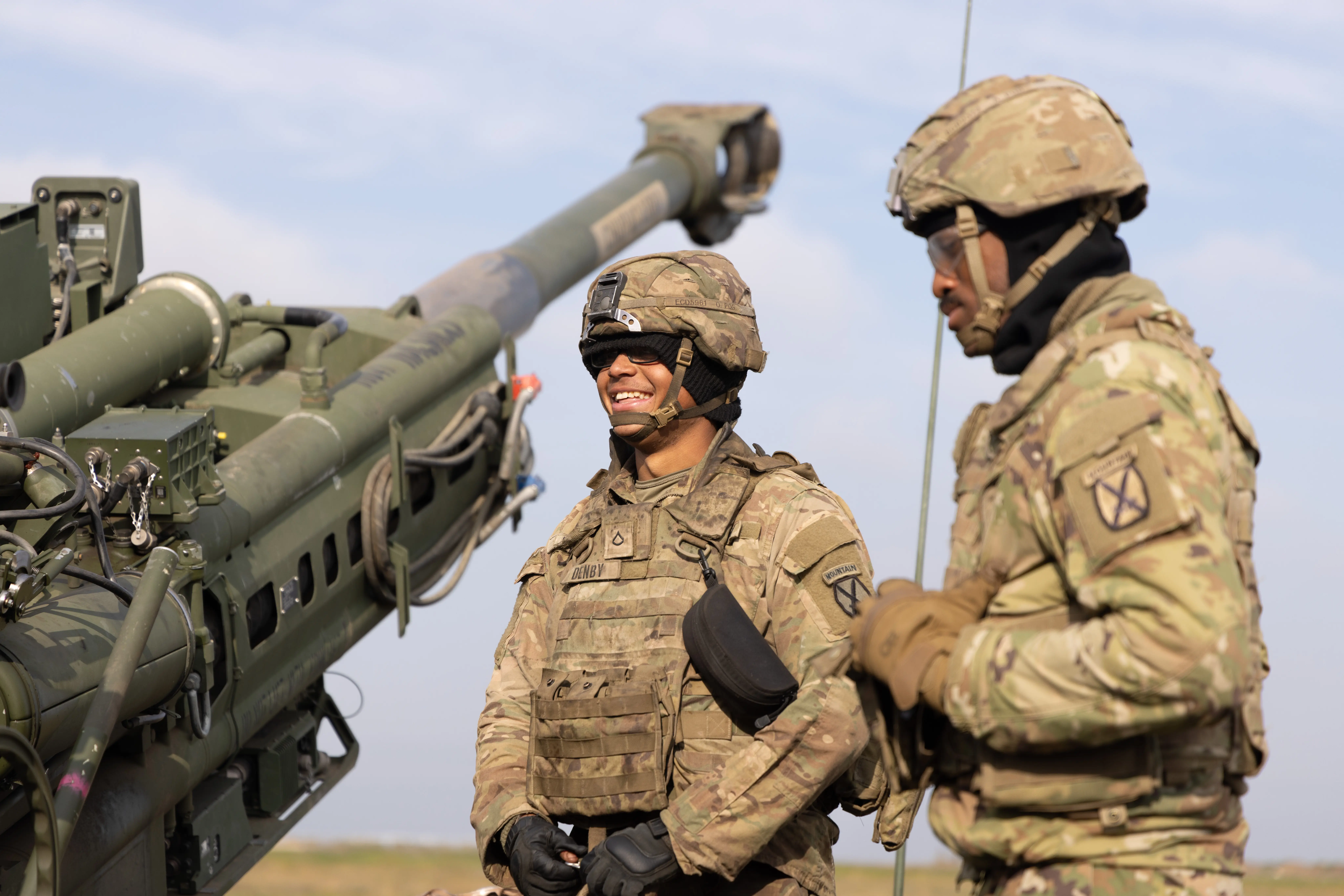
The budget includes pay increases for military personnel, with 7 per cent for ranks E-5 and below, 6 per cent for E-6 to O-3, and 5 per cent for O-4 and above. Officials said the rise is significantly above standard annual adjustments and is designed to support recruitment and retention. The proposal also introduces a ‘presidential priorities’ category covering missile defence systems, drone capability, artificial intelligence, data infrastructure, and the defence industrial base.
US Defense Budget Boosts Air Power and Drones
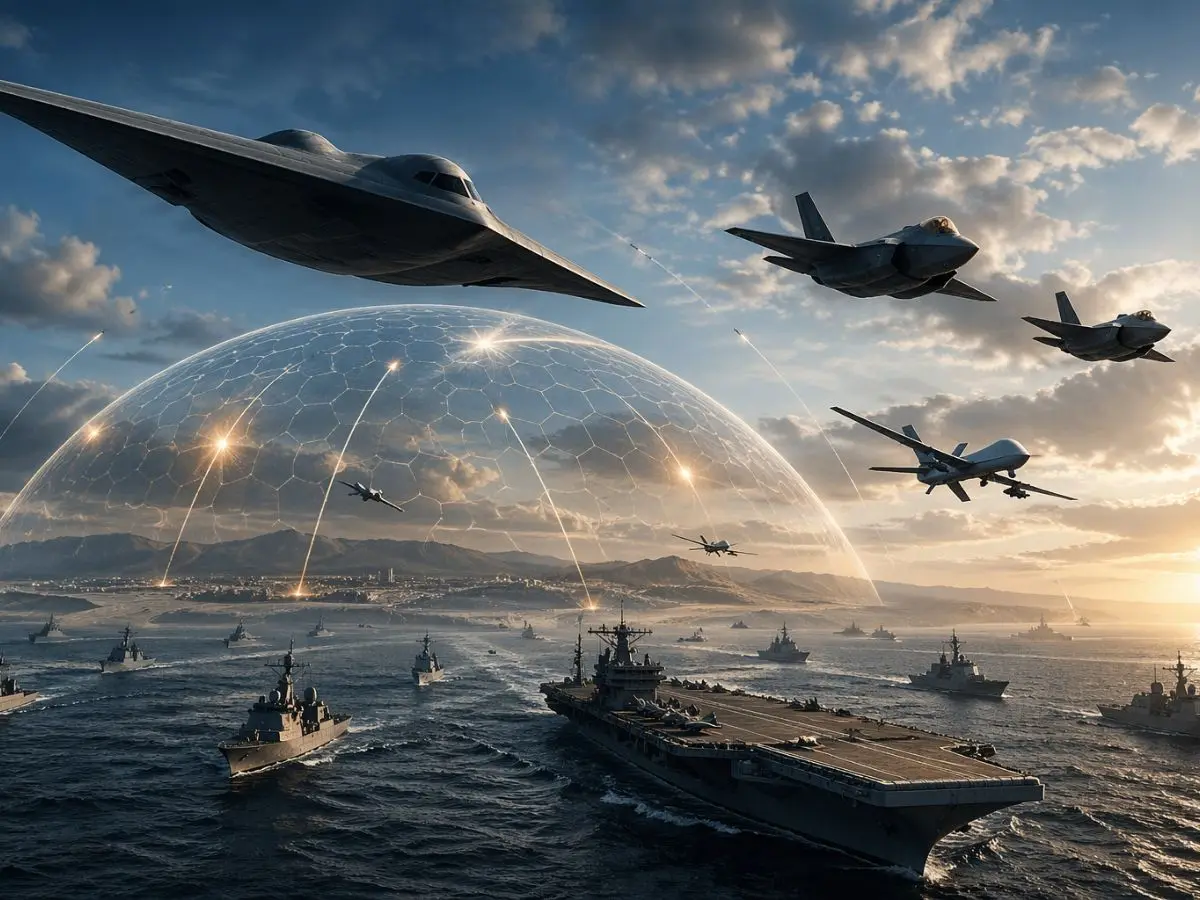
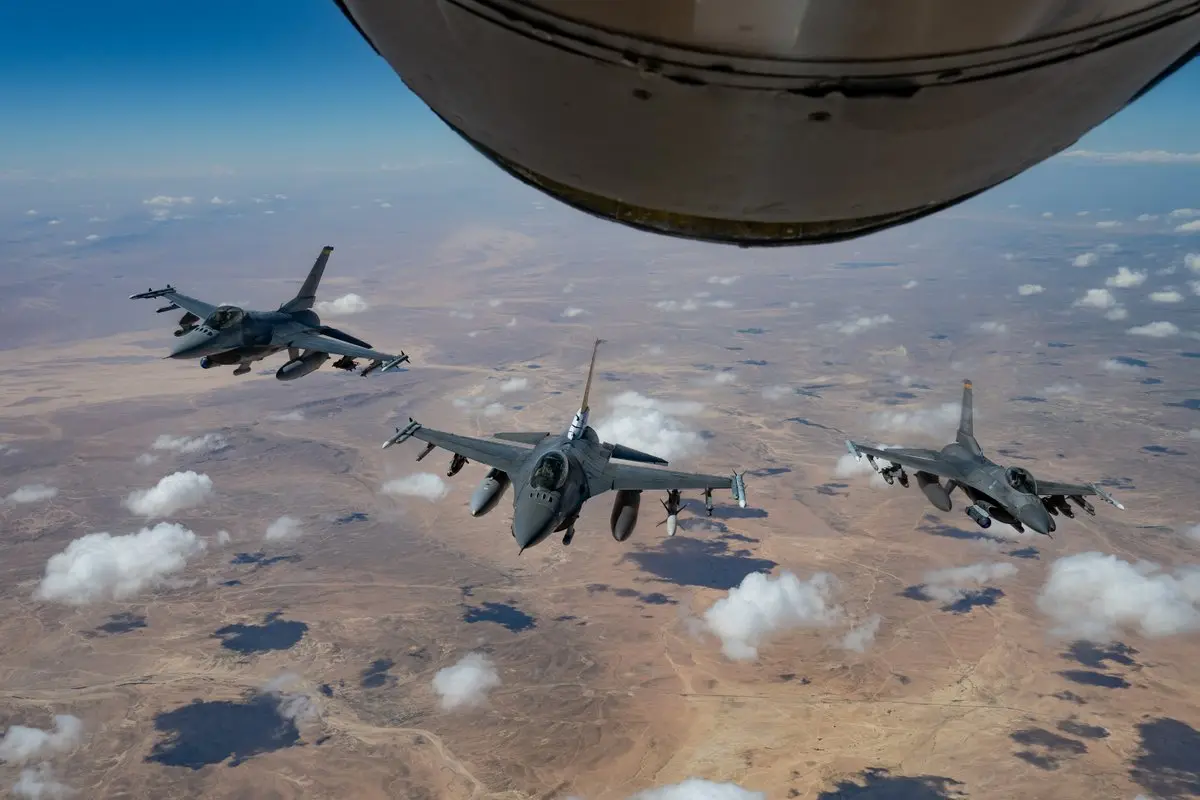
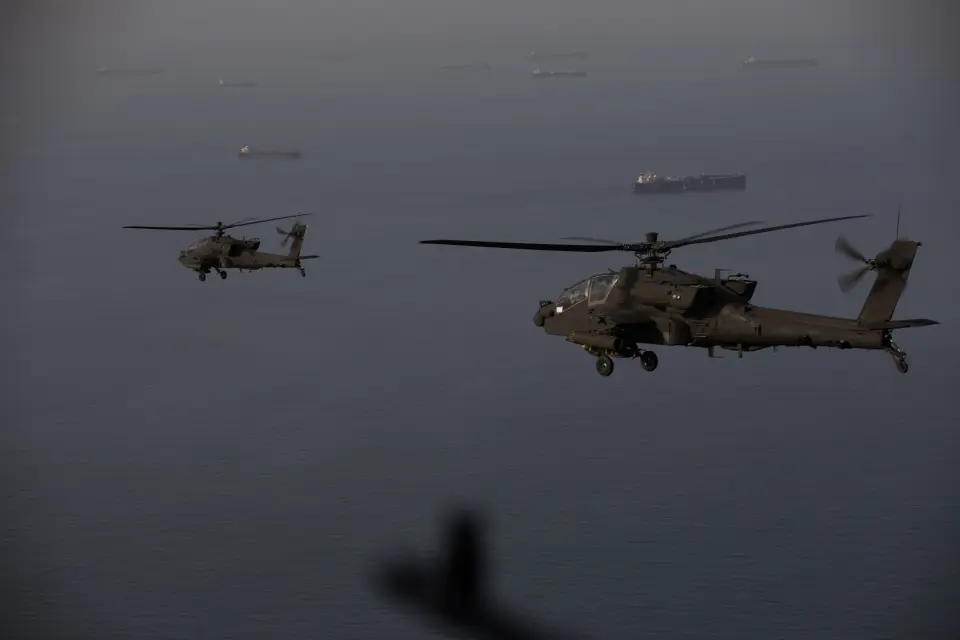
Officials quoted by Reuters said the new budget increases Lockheed Martin F-35 procurement to 85 aircraft annually and allocates $102 billion for aircraft procurement and research and development, marking a 26 per cent rise over last year. Development of next-generation platforms, including Boeing’s F-47 fighter jet, is a priority, alongside $6.1 billion for Northrop Grumman’s B-21 bomber. The plan makes drones central, calling it the largest US investment in autonomous warfare and counter-drone systems. It requests $53.6 billion for autonomous drone platforms and logistics support, plus $21 billion for munitions, counter-drone defenses, and advanced systems. The Defense Autonomous Warfare Group grows from $225 million to about $54 billion, focusing on existing technologies and absorbing the Replicator initiative.
Notable reforms
Additionally, the official fact sheet said: ‘The Budget continues to eliminate millions of dollars in wasteful and egregious spending related to Diversity, Equity, and Inclusion and other ‘woke’ programs, sustaining the more than $1.6 billion in reductions that the Administration has already identified.’
)

)
)
)