F‑22s, F‑35s, USS Gerald R. Ford, Abraham Lincoln & tankers: How US is militarily positioned near Iran amid nuclear talks

These talks follow an earlier session in Muscat aimed at resolving longstanding disputes over Tehran’s nuclear programme. While officials report progress on ‘guiding principles,’ no final agreement has been reached.
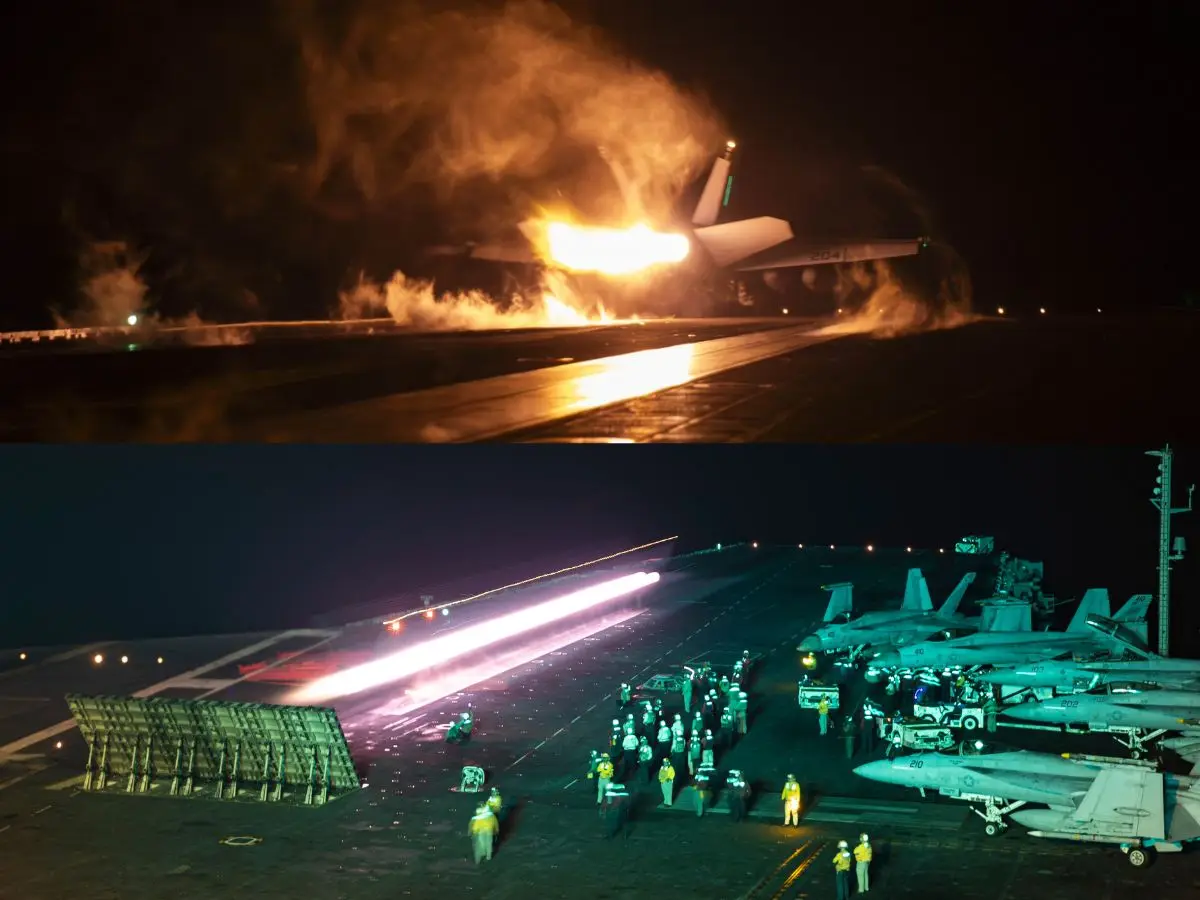
Introduction
As indirect nuclear negotiations between the United States and Iran unfolded in Geneva, mediated by Oman, Washington dramatically increased its military presence across the Middle East. The diplomatic discussions followed an earlier session in Muscat, which addressed longstanding disputes over Tehran’s nuclear programme. While progress was reported, with both sides agreeing on “guiding principles,” no final deal was reached.
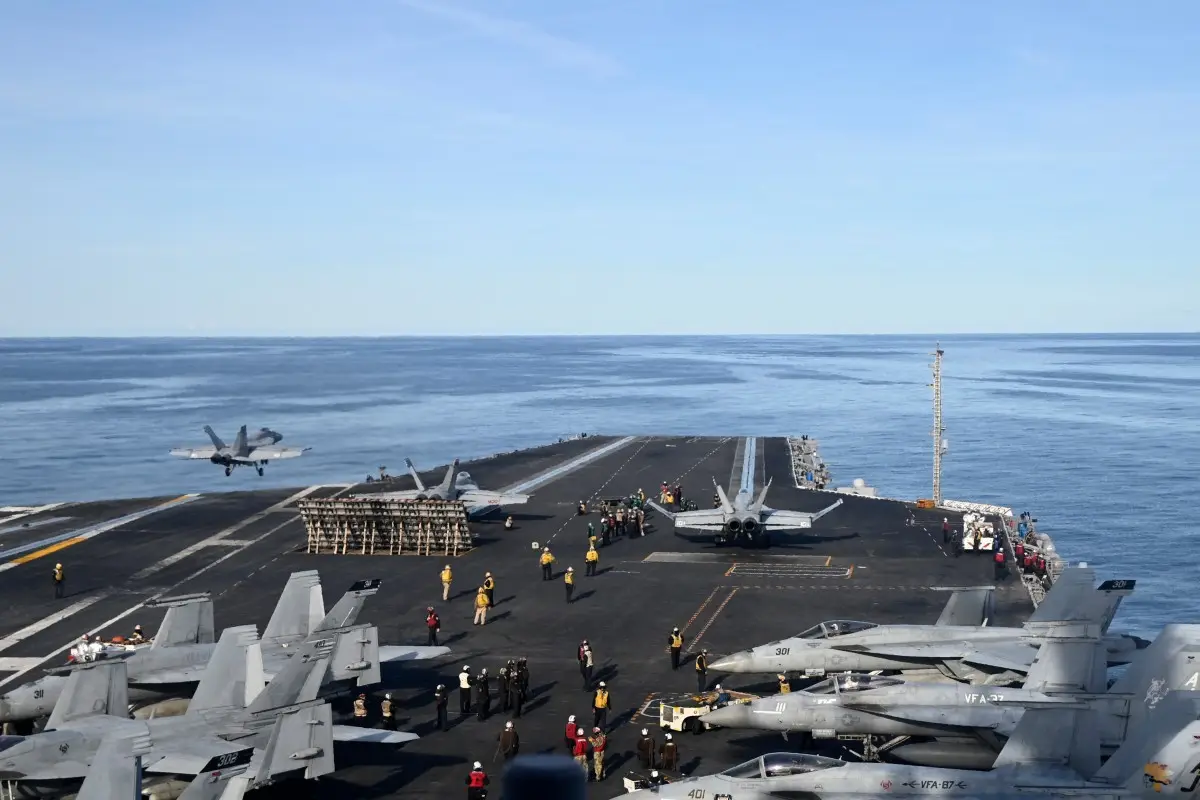
USS Abraham Lincoln Already Deployed
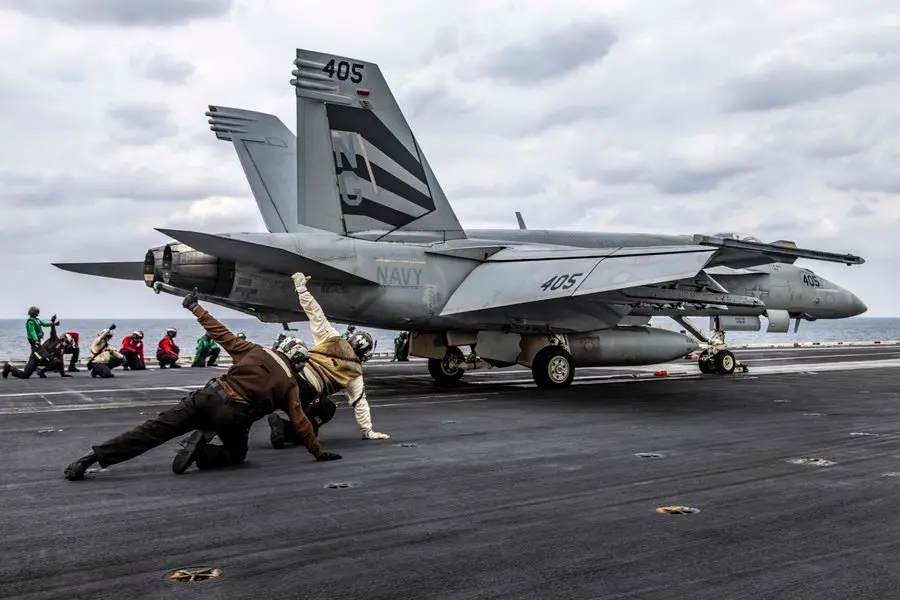
USS Abraham Lincoln, the first US carrier strike group deployed to the region, has been operating in the Arabian Sea, providing airpower projection and maritime security. Its embarked air wing, which includes F‑35C Lightning II jets, F/A-18E/F Super Hornets, E-2D Hawkeyes, EA-18G Growlers, MH-60R/S Seahawks, and C-2A Greyhounds, continues to support deterrence operations and can respond rapidly to potential threats near strategic waterways such as the Strait of Hormuz. The carrier leads a strike group comprising three guided-missile destroyers, carrying 90 aircraft and staffed by 5,680 personnel. Positioned approximately 700 km off the coast of Iran, near Oman, the Abraham Lincoln strike group represents a significant US naval presence and rapid-response capability in the region.
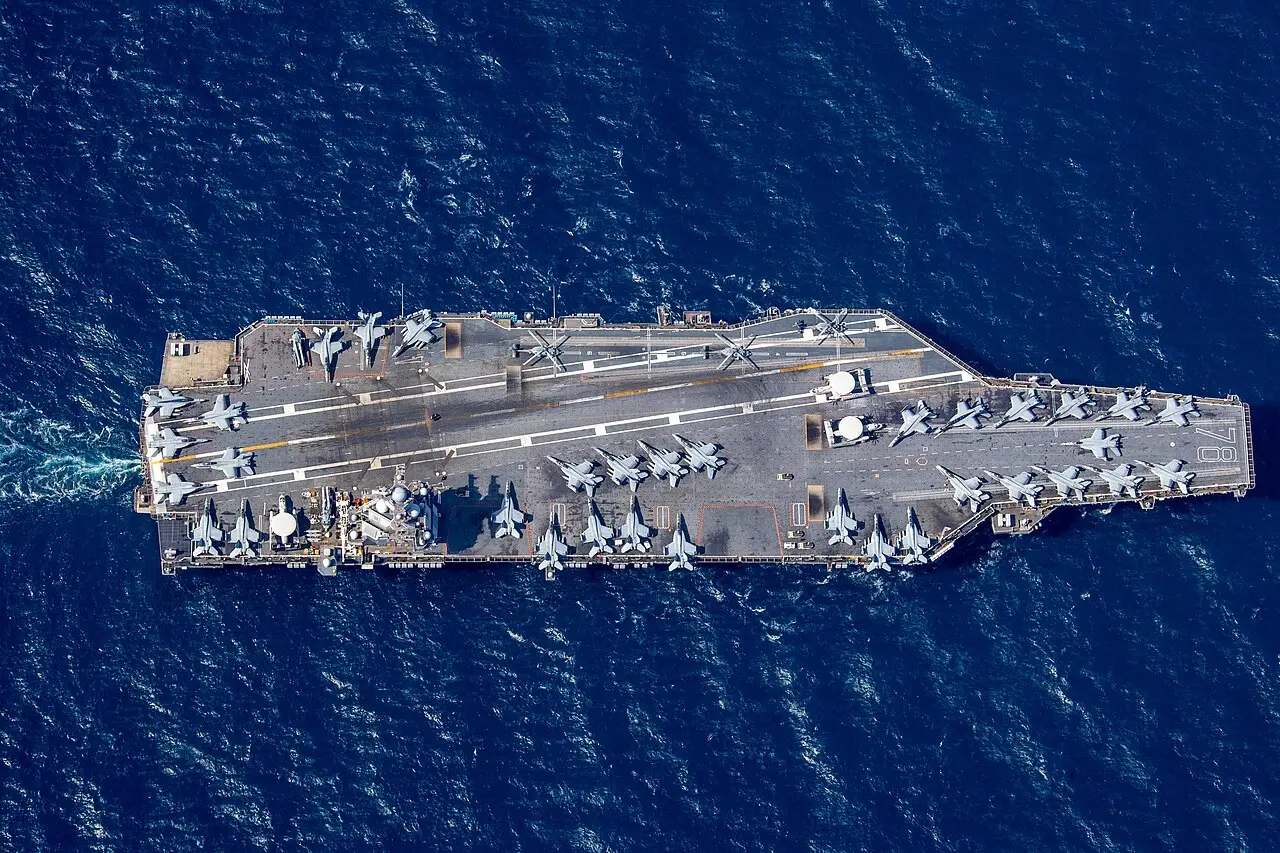
USS Gerald R. Ford strike groups on the move
Alongside the fighter deployment, the nuclear‑powered aircraft carrier USS Gerald R. Ford is en route from the Caribbean to join the strike group led by USS Abraham Lincoln in the region. The Ford is expected to be in operational range by late February, effectively placing two carrier strike groups within theatre at the same time, a rare concentration of US naval power.
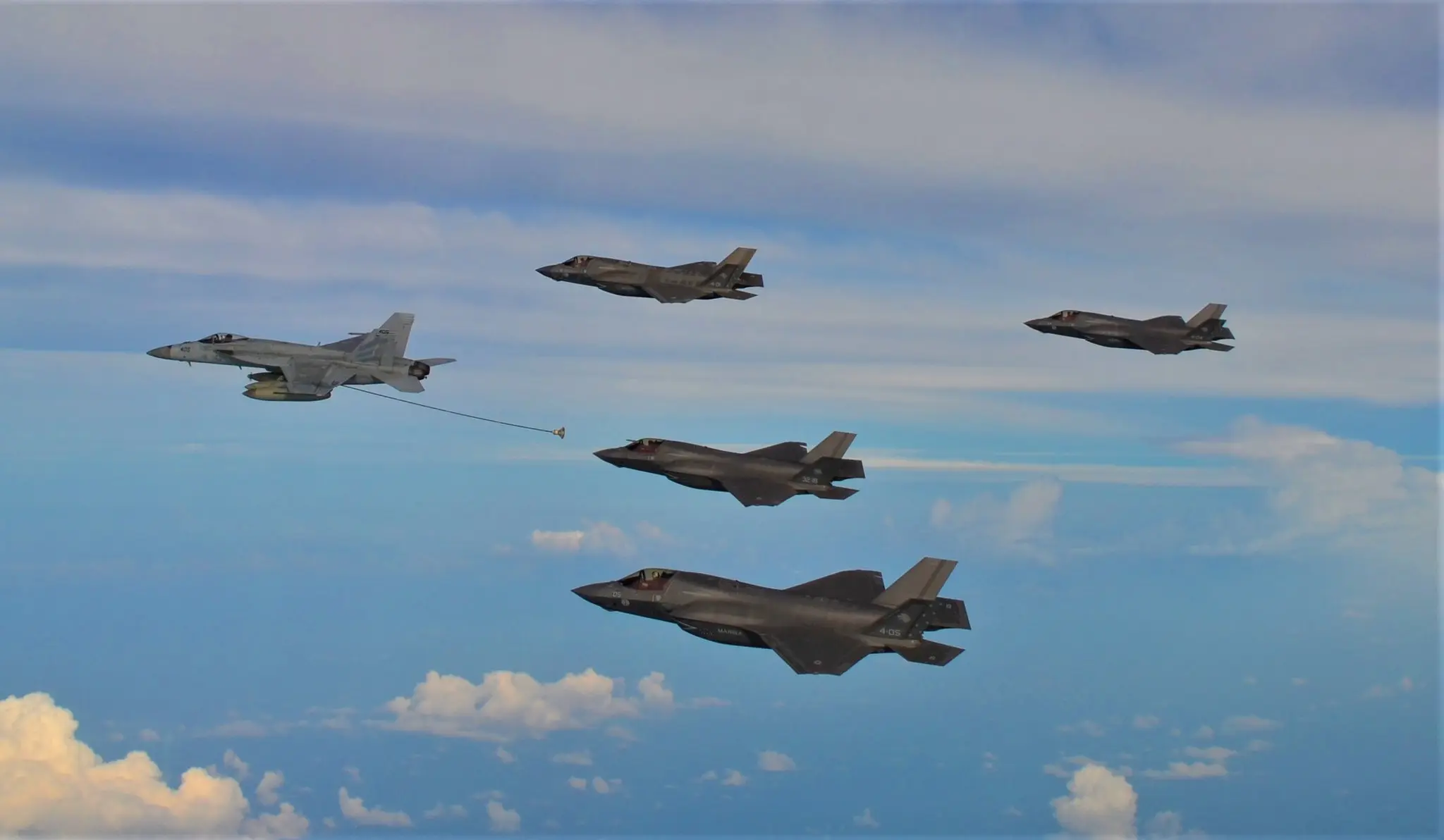
Over 50 fighter jets repositioned
In the space of 24 hours, more than 50 US fighter aircraft, including F‑22 Raptors, F‑35 Lightning IIs and F‑16s, have been tracked moving toward bases in the Middle East, along with several aerial refuelling tankers. Independent flight tracking and US officials, according to media reports, describe this as a significant reinforcement of air assets that could support sustained operations in the region.
Refuelling tankers
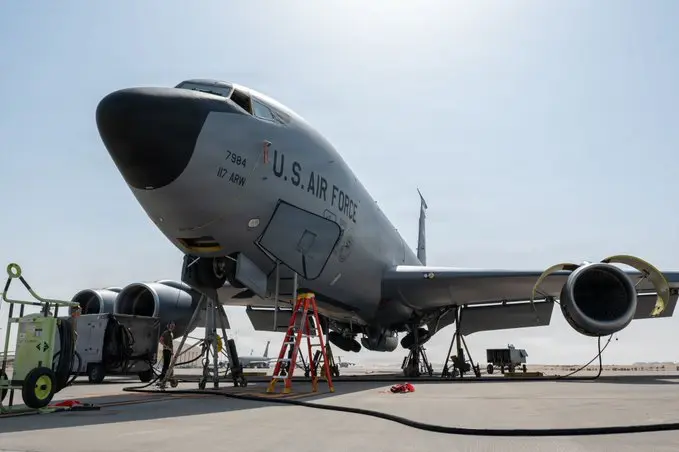
On Wednesday, CENTCOM posted on X that maintainers performed preventative landing gear checks on a KC-135 Stratotanker at a Middle East base, highlighting the tanker’s operational presence amid the recent large-scale deployment of US fighter jets in the region. The KC-135 has provided core aerial refueling for the US Air Force for over six decades, extending global reach for Air Force, Navy, Marine Corps, and allied aircraft.
Aircraft carriers as strategic deterrence
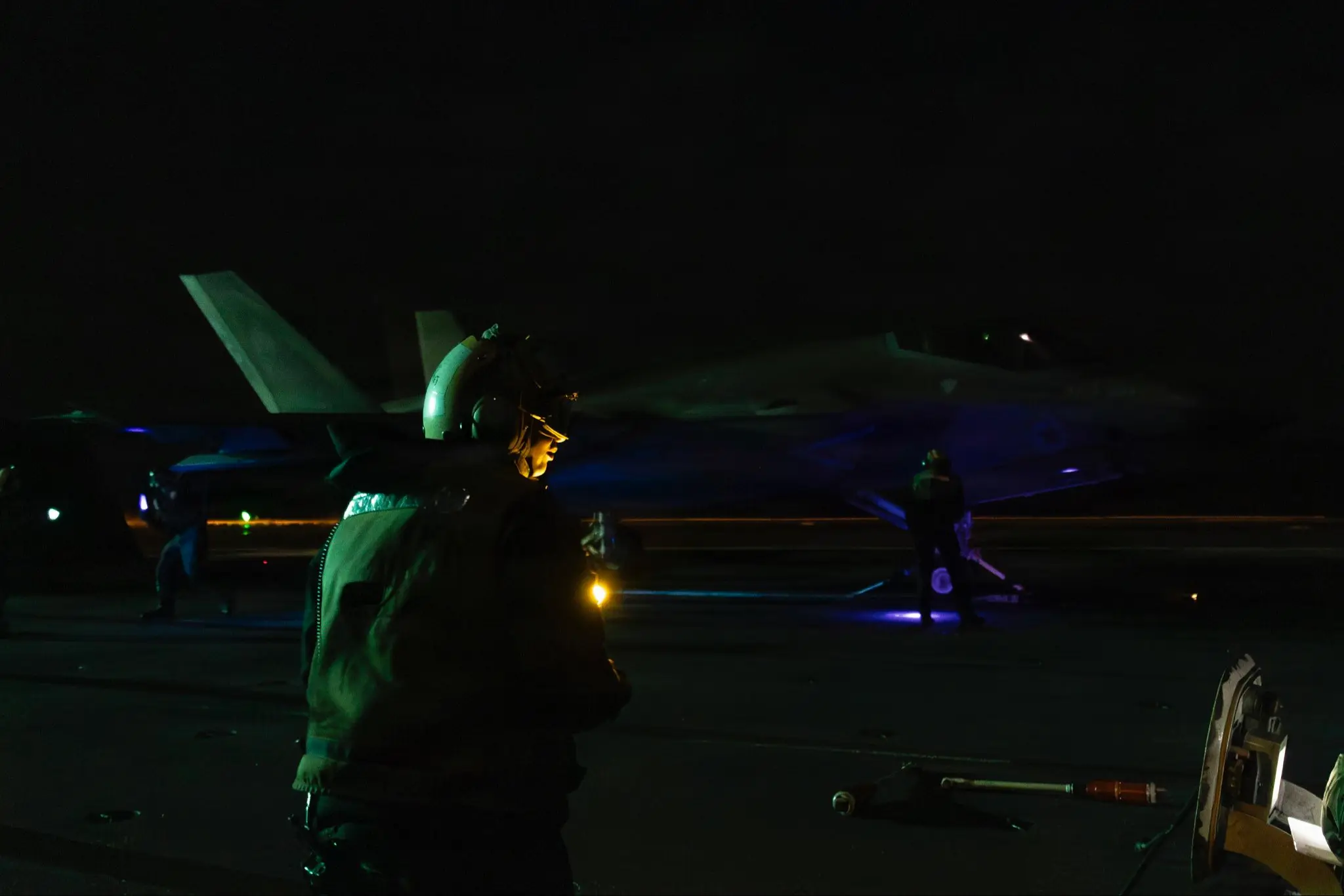
Carrier strike groups provide formidable airpower and strike capability, with embarked fighter wings, electronic warfare aircraft and early‑warning systems. The Abraham Lincoln group, already operating in the Arabian Sea, includes F‑35C jets that recently shot down an Iranian drone approaching the carrier.
Movement around US Bases
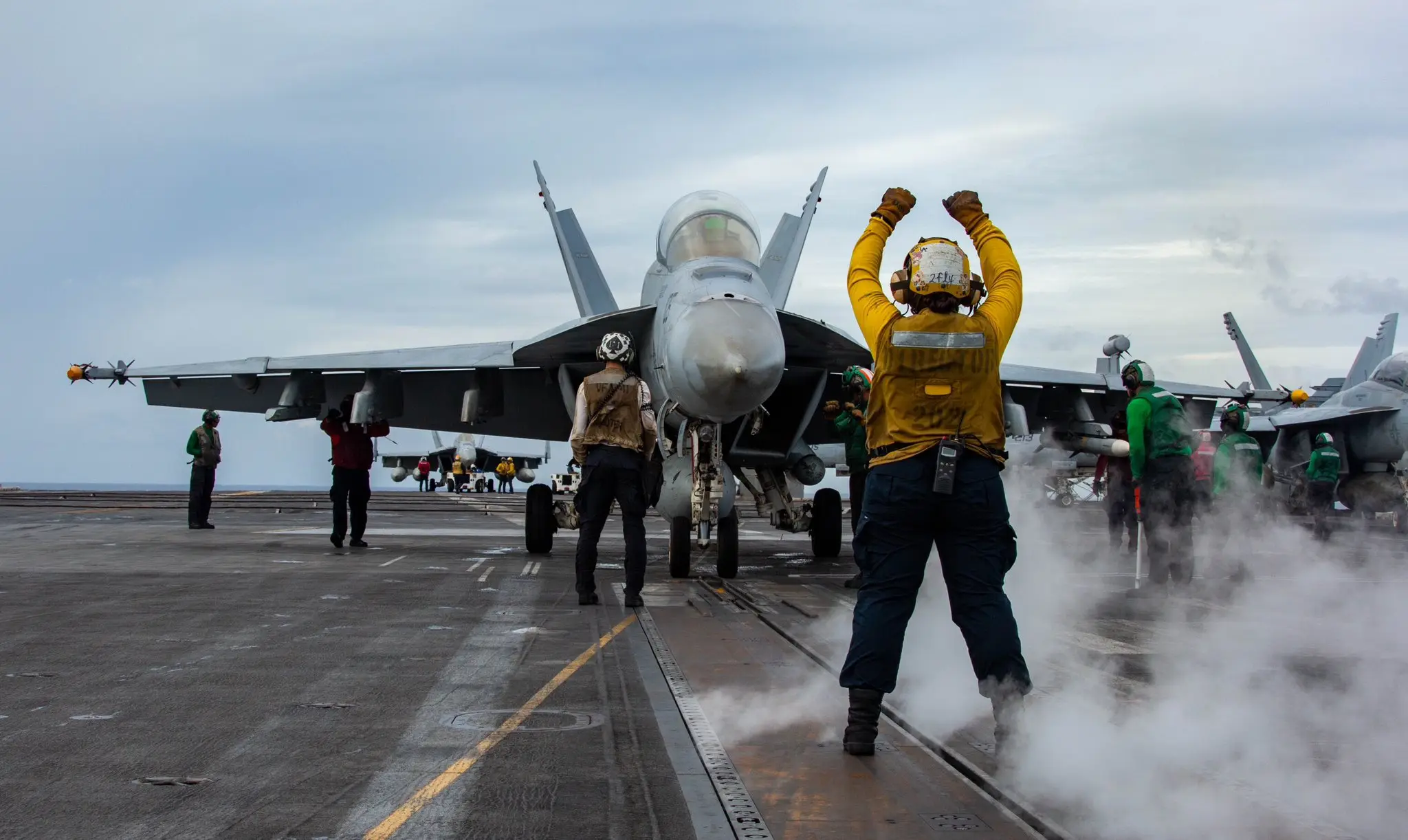
Additionally, Several media reports indicate increase of F-15 and EA-18 fighter jets stationed in Muwaffaq Salti military base in Jordan and an increase in US cargo planes and refuelling and communications aircraft moving towards the Middle East from the US and Europe.
Strategic timing amid talks and regional tensions
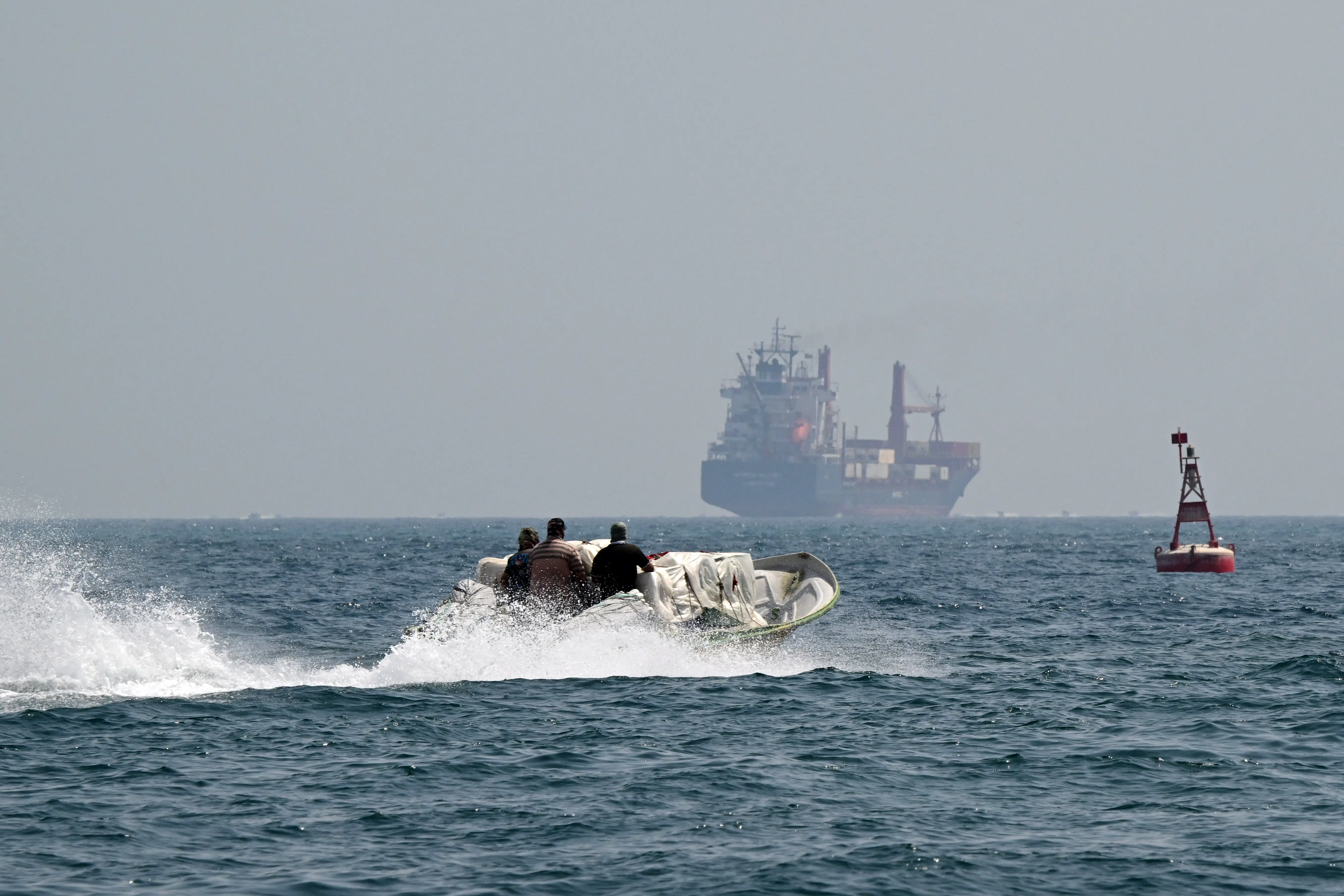
The buildup comes as Tehran conducts its own military exercises, including brief closures of parts of the Strait of Hormuz amid the talks. Iran insists it will negotiate its nuclear programme for sanctions relief but remains firm on its right to enrich uranium.
Balancing diplomacy and deterrence
While sources cited by news agencies maintain that increased military deployments are intended to support deterrence and reassure allies in the Gulf as negotiations proceed. At the same time, the visible presence of advanced jets, carriers and supporting vessels shows Washington’s readiness for a range of contingencies should diplomacy falter.
)
)

)
)