F-22 vs F-35: 6 shocking facts that reveal how America’s fifth-generation stealth fighter jets are worlds apart

The F-22, launched in 2005, was engineered for unrivalled air dominance and is operated exclusively by the United States. The F-35, introduced in 2015, is a multirole, networked fighter flown by the US and over 15 allied nations worldwide.
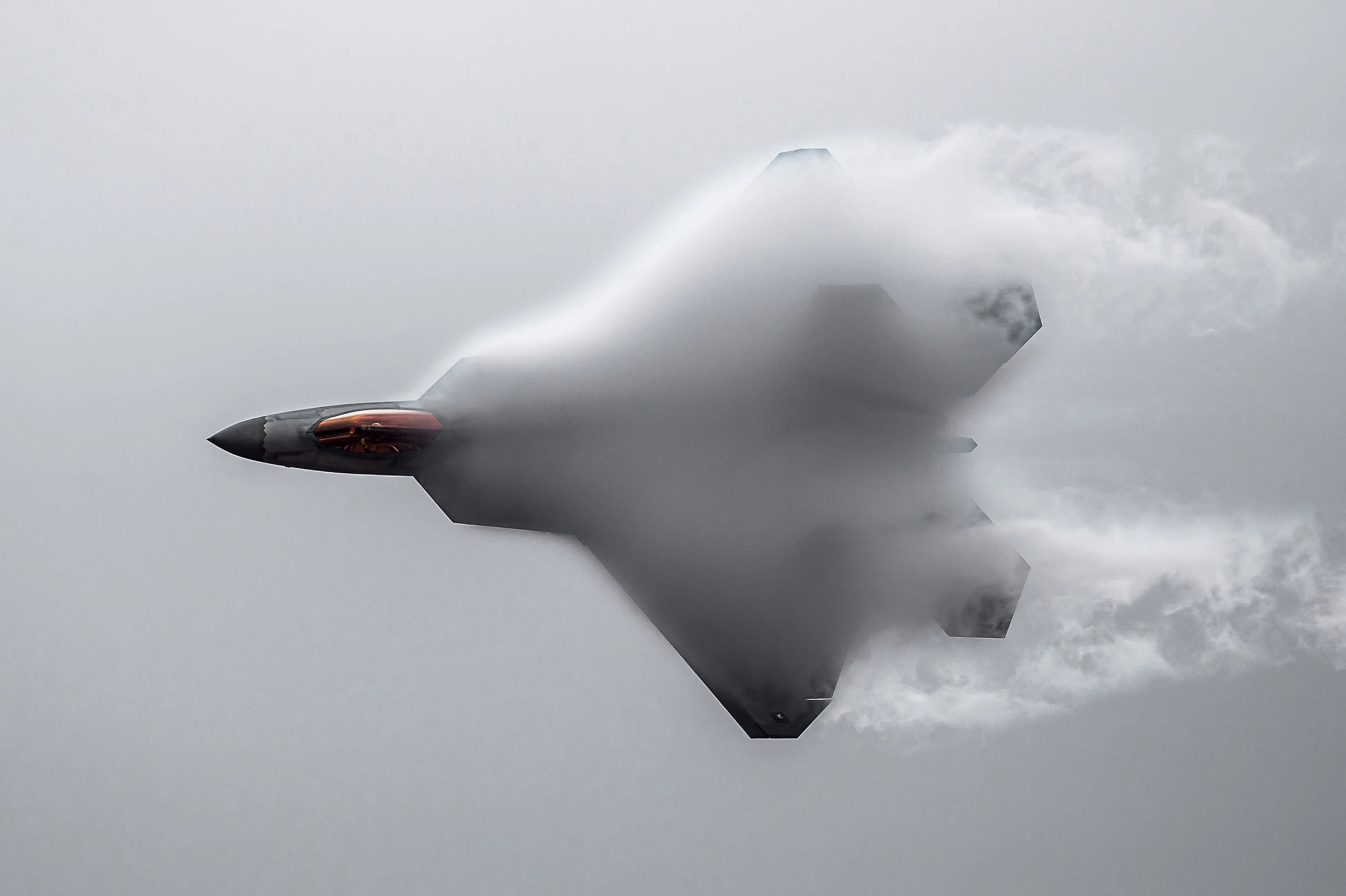
Divergent Paths to Air Dominance
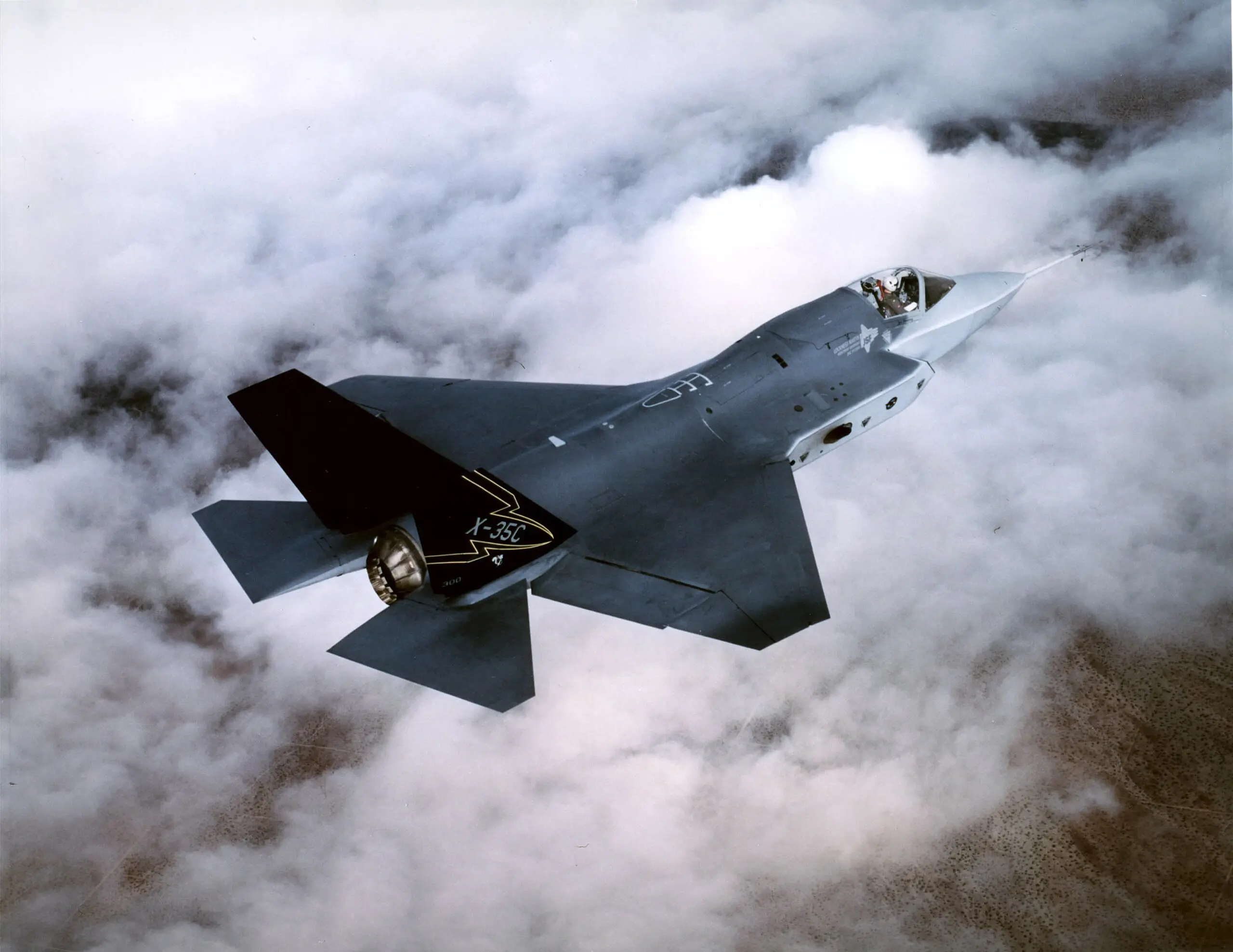
The F-22 Raptor and F-35 Lightning II are often mentioned in the same breath, yet they embody entirely different approaches to air combat. The F-22, launched in 2005, was engineered for unrivalled air dominance and is operated exclusively by the United States. The F-35, introduced in 2015, is a multirole, networked fighter flown by the US and over 15 allied nations worldwide. From speed and stealth to operational deployment and global strategy, these fifth-generation fighters reveal how the US tailors technology to evolving threats. Let's understand how these fifth generation fighter jets, built by Lockheed Martin differ from each other.
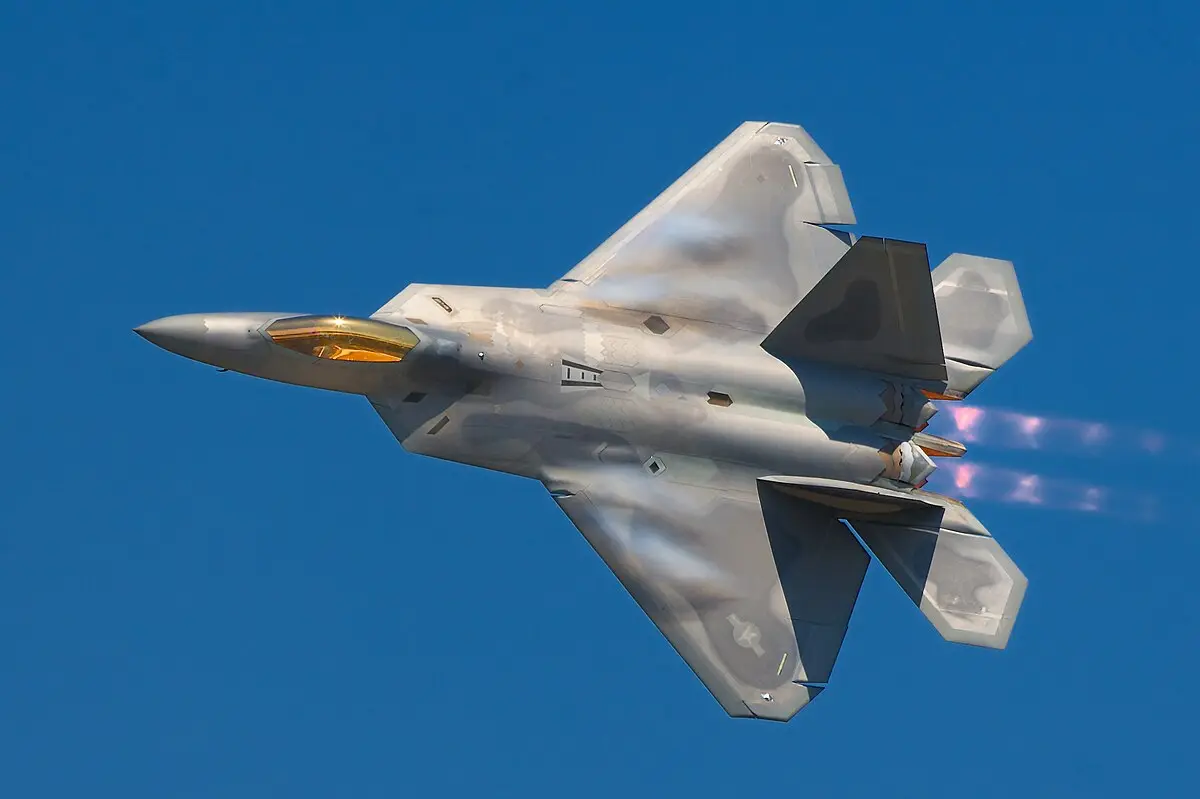
1. Design Philosophy: Specialisation vs. Versatility
The F-22 Raptor was conceived as an air superiority fighter, prioritising unmatched manoeuvrability and stealth to dominate adversary aircraft in aerial combat. Its design focuses on agility and speed, enabling it to engage enemy planes with superior dogfighting capabilities.
In contrast, the F-35 Lightning II was developed as a multirole platform, capable of performing a wide array of missions, including air-to-ground strikes, electronic warfare, and intelligence gathering. This versatility allows the F-35 to operate effectively across various combat scenarios, providing a broader tactical advantage.
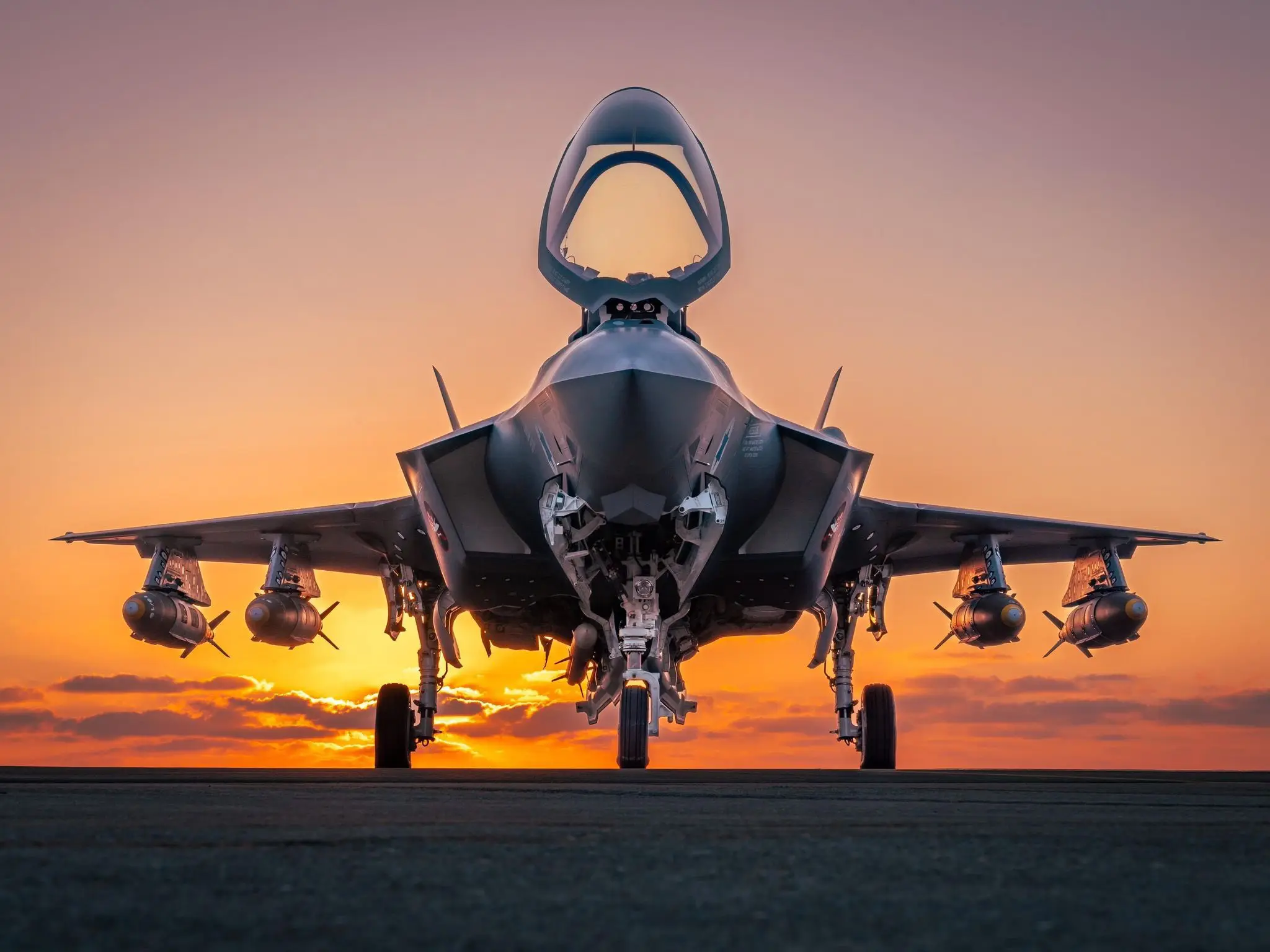
2. Stealth Capabilities: Evolving Technologies
Both aircraft incorporate advanced stealth features to reduce radar cross-section. The F-22's design emphasises low observability, with its radar cross-section comparable to that of a small bird, enhancing its ability to operate undetected in hostile airspace.
The F-35, while also incorporating stealth technologies, benefits from advancements in radar-absorbing materials and design refinements. Its radar cross-section is smaller than that of many fourth-generation fighters, making it difficult to detect by enemy radar systems.
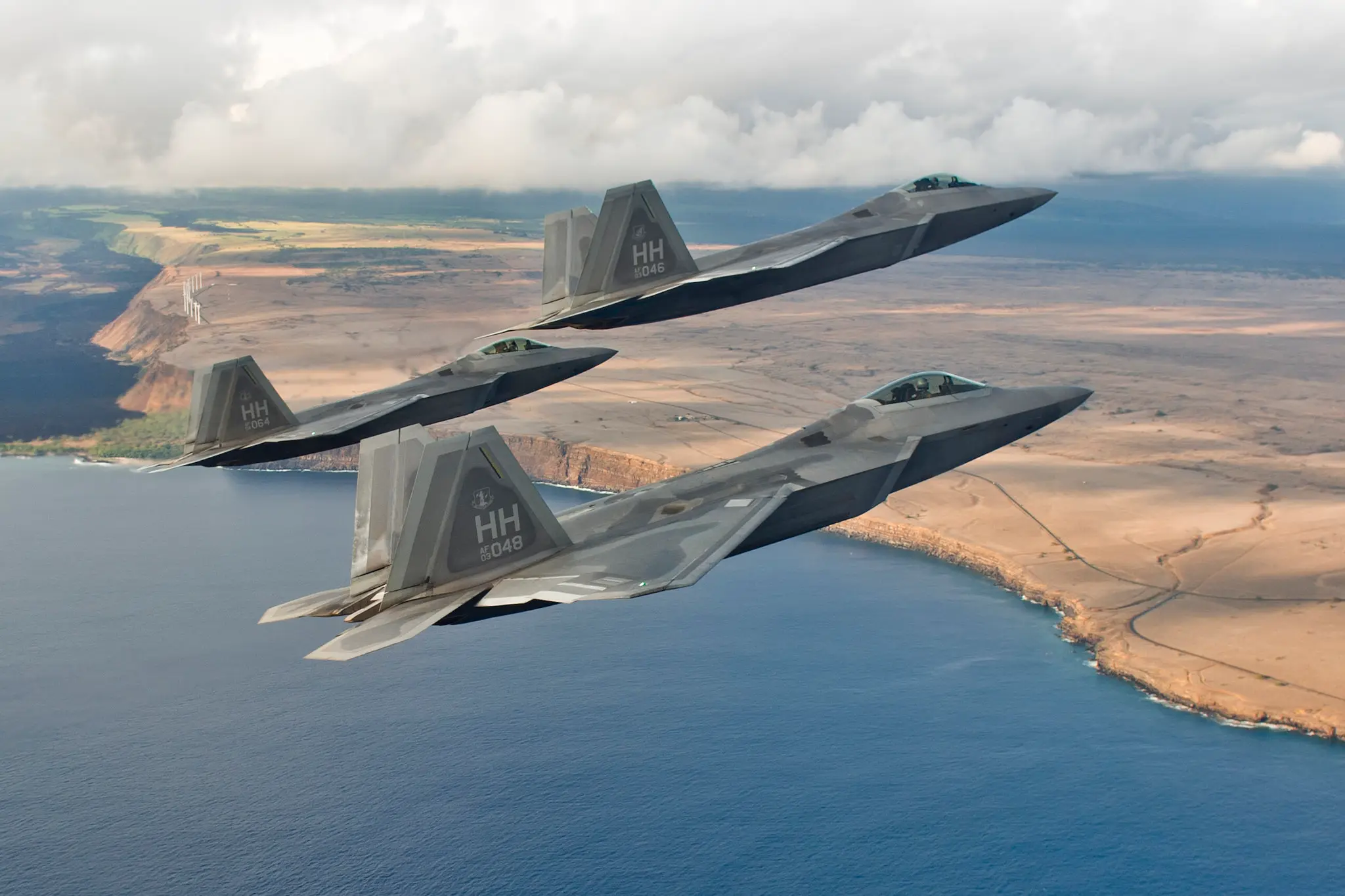
3. Performance Metrics: Speed, Altitude, and Range
The F-22 Raptor boasts superior speed and altitude capabilities, with a top speed exceeding Mach 2.25 and an operational ceiling of 65,000 feet. These attributes contribute to its dominance in high-speed engagements and high-altitude operations.
The F-35, while not matching the F-22 in speed, offers a respectable top speed of Mach 1.6 and an operational ceiling of 50,000 feet. Its range is approximately 1,380 miles, allowing for extended missions without the need for refuelling.
4. Operational Roles: Air Superiority vs. Multirole Flexibility
The F-22's primary mission is to establish and maintain air superiority, engaging enemy aircraft and neutralising aerial threats. Its design and capabilities are tailored to this singular focus, ensuring dominance in air-to-air combat scenarios.
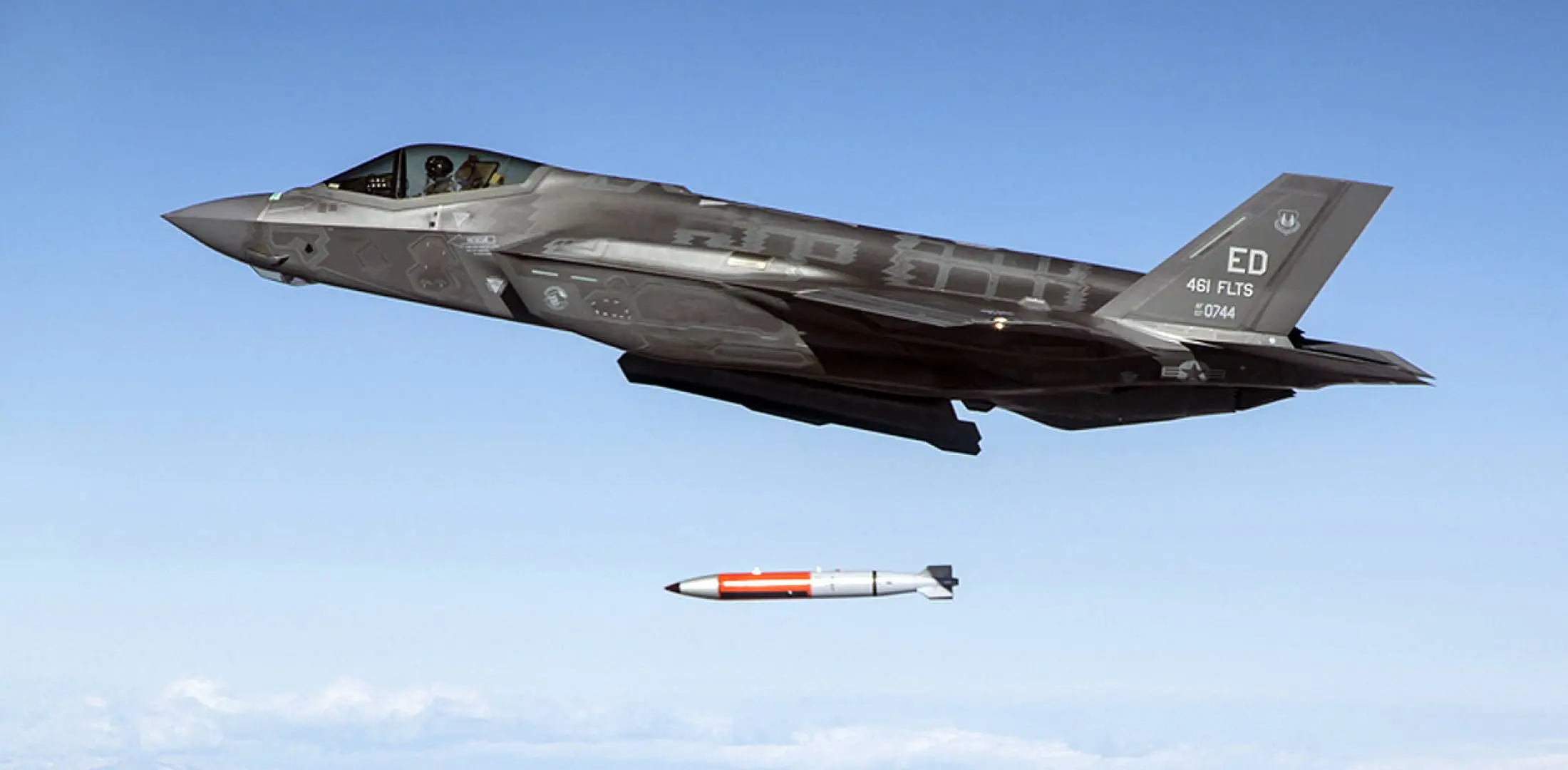
The F-35's multirole design enables it to perform a variety of missions, including precision strikes, close air support, and intelligence collection. This adaptability makes it a valuable asset in joint and coalition operations, where diverse mission requirements are common.
5. Global Deployment: Limited vs. Widespread Integration
The F-22 Raptor, with its advanced capabilities, remains exclusive to the United States Air Force, limiting its deployment to domestic and allied operations. This restriction is due to both strategic considerations and export limitations.
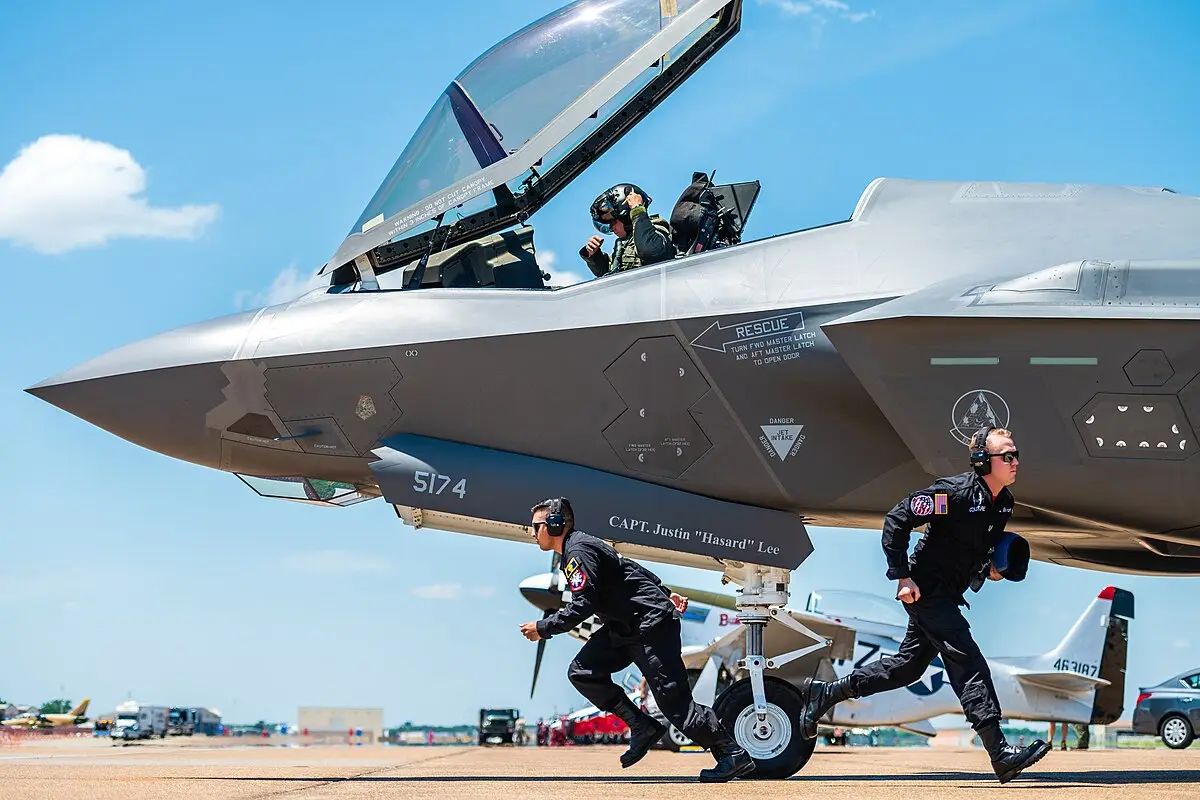
The F-35 Lightning II, on the other hand, has been adopted by numerous allied nations, with over 1,000 units delivered worldwide. Its widespread deployment underscores its role as a cornerstone of modern air forces, facilitating interoperability among allied military forces.
5. Cost Considerations: Investment and Affordability
The F-22 Raptor, with its advanced technology and limited production, carries a higher per-unit cost, estimated at approximately $150 million. This investment reflects its specialised capabilities and the complexities of its manufacturing process.
The F-35 Lightning II, benefiting from economies of scale and broader international production, has a lower per-unit cost, estimated at around $80 million. This affordability, combined with its multirole capabilities, makes it an attractive option for many nations seeking advanced air combat solutions.
Conclusion
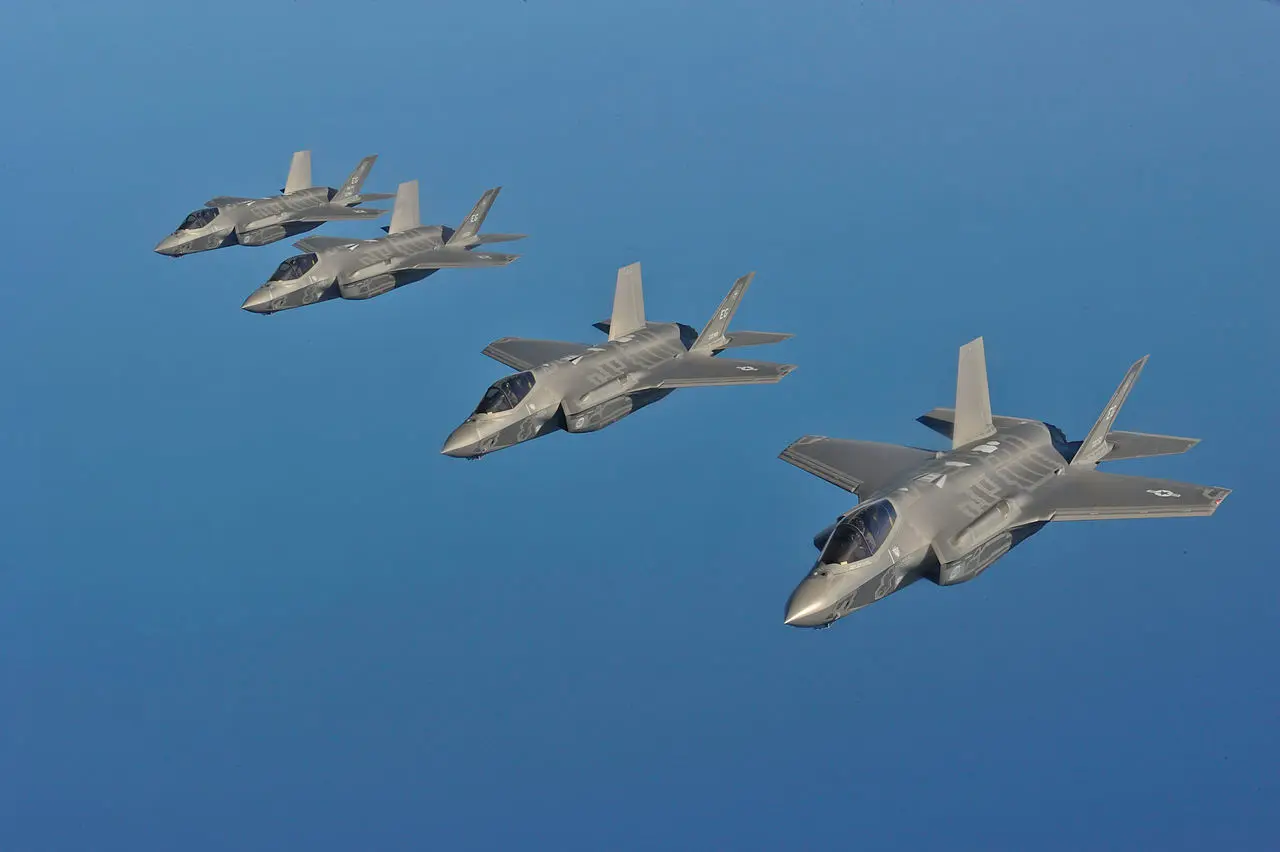
While the F-22 Raptor and F-35 Lightning II differ in design and operational focus, both play crucial roles in ensuring air dominance. The F-22 excels in establishing air superiority through its speed and agility, while the F-35 provides versatile capabilities across a spectrum of missions.
)
)
)
)
)