'F-22 Raptor': Why the world’s most advanced fighter jet was limited to just 195

The answer lies in shifting strategic needs, mounting costs, and crowded competition from newer, more versatile platforms.
Introduction: the raptor that never reached its full wingspan
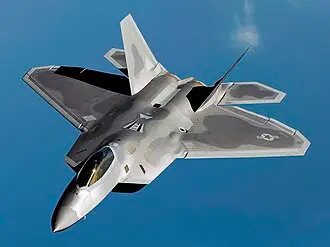
The US' F-22 Raptor was conceived as the pinnacle of air supremacy, a fifth-generation stealth fighter capable of dominating future air wars. Yet, production ceased after a mere 195 examples, far short of the 750 originally planned. What caused this extraordinary curtailment? The answer lies in shifting strategic needs, mounting costs, and crowded competition from newer, more versatile platforms.
Strategic shifts and the death of the cold war threat
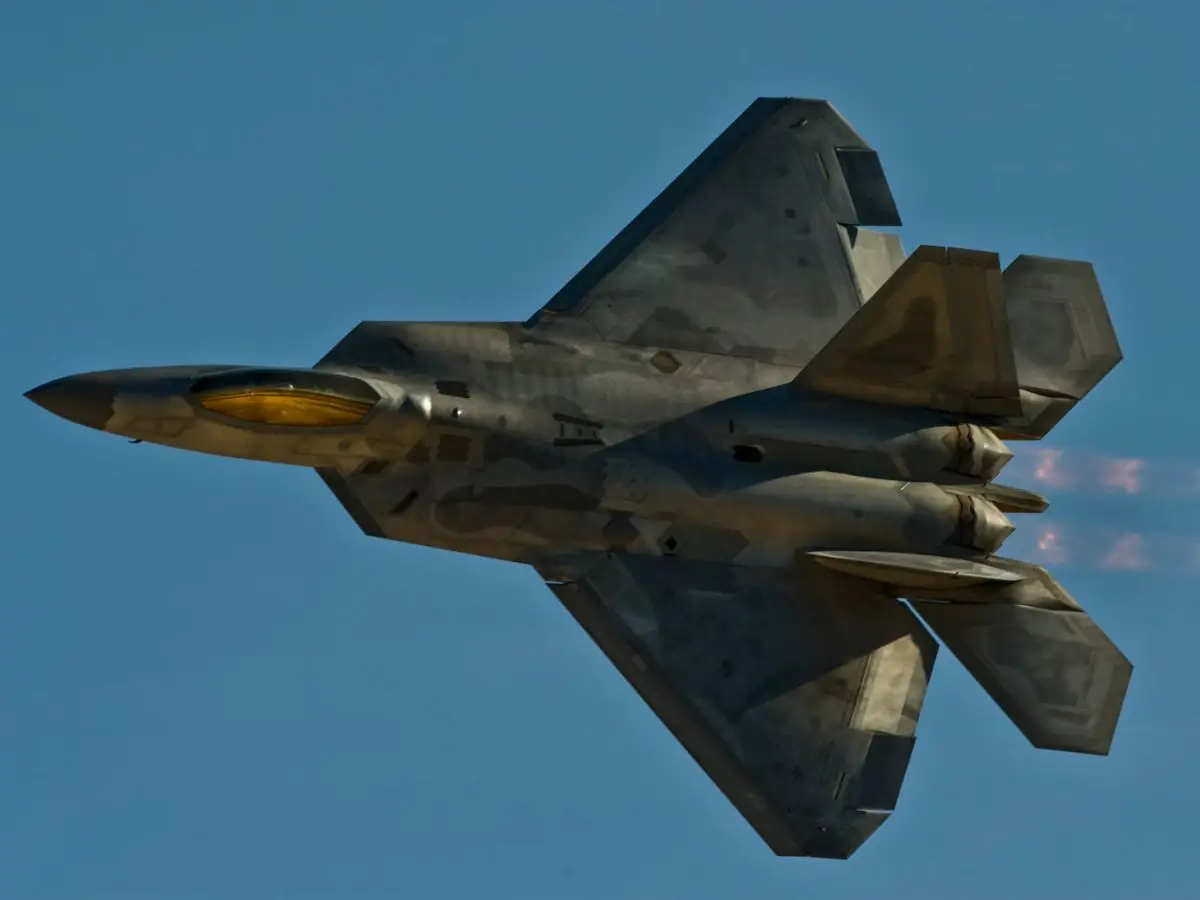
By the 1990s, the Soviet Union had dissolved, eliminating the principal adversary the Raptor was built to face. As the threat landscape shifted, the requirement for large numbers of air superiority fighters diminished. The US Air Force’s initial plan for 750 jets was gradually trimmed, first to 648, then down to 339, then 277, and finally 187 operational aircraft.
Budget pressure from ground wars and economic crisis
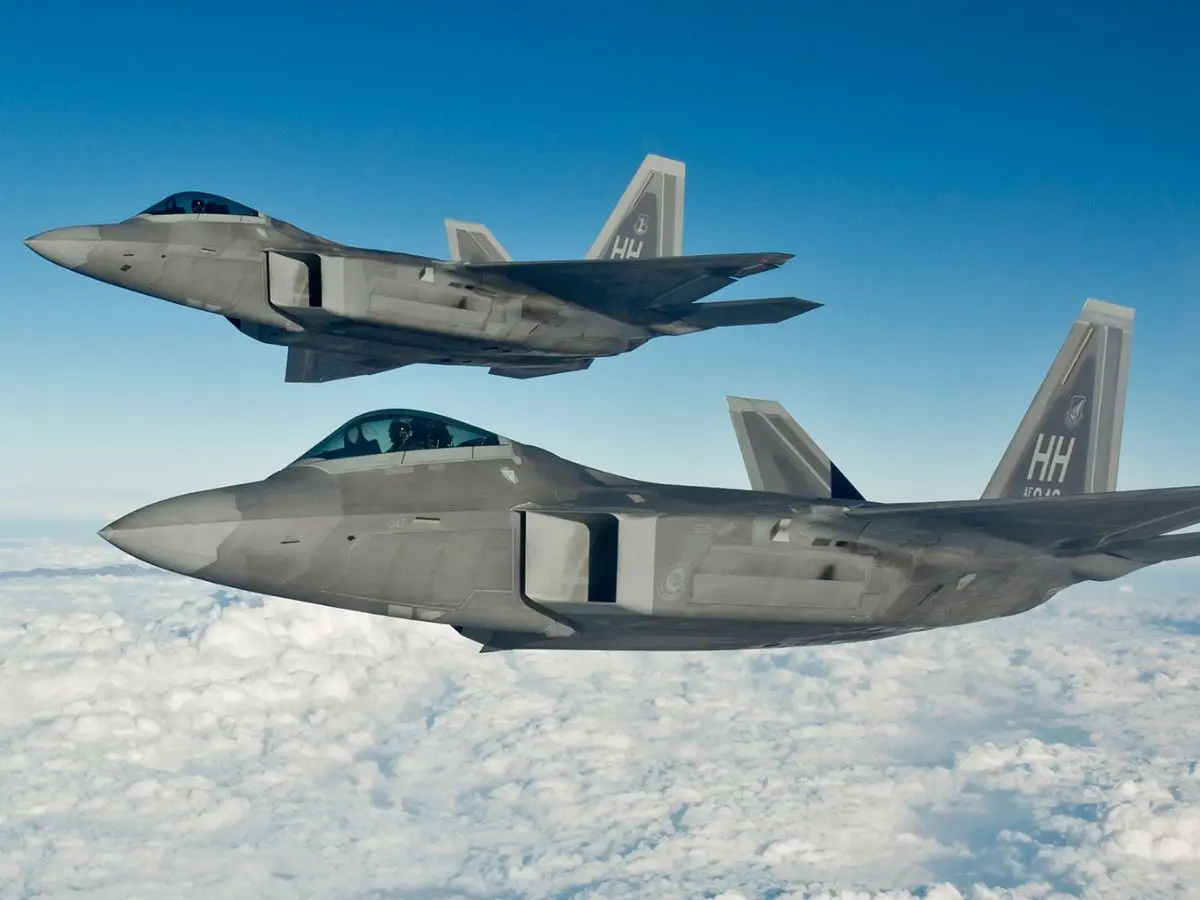
At the time of the Raptor’s development and early production, the US was engaged in costly operations in Iraq and Afghanistan. Funding was urgently needed for ground forces, drones, and armoured vehicles. Moreover, the Great Recession of 2008–09 further intensified scrutiny of military expenditures. Defense Secretary Robert Gates described the F-22 as a niche, silver-bullet solution with limited application in asymmetric conflicts, making its high expense increasingly difficult to justify.
Escalating costs and political resistance
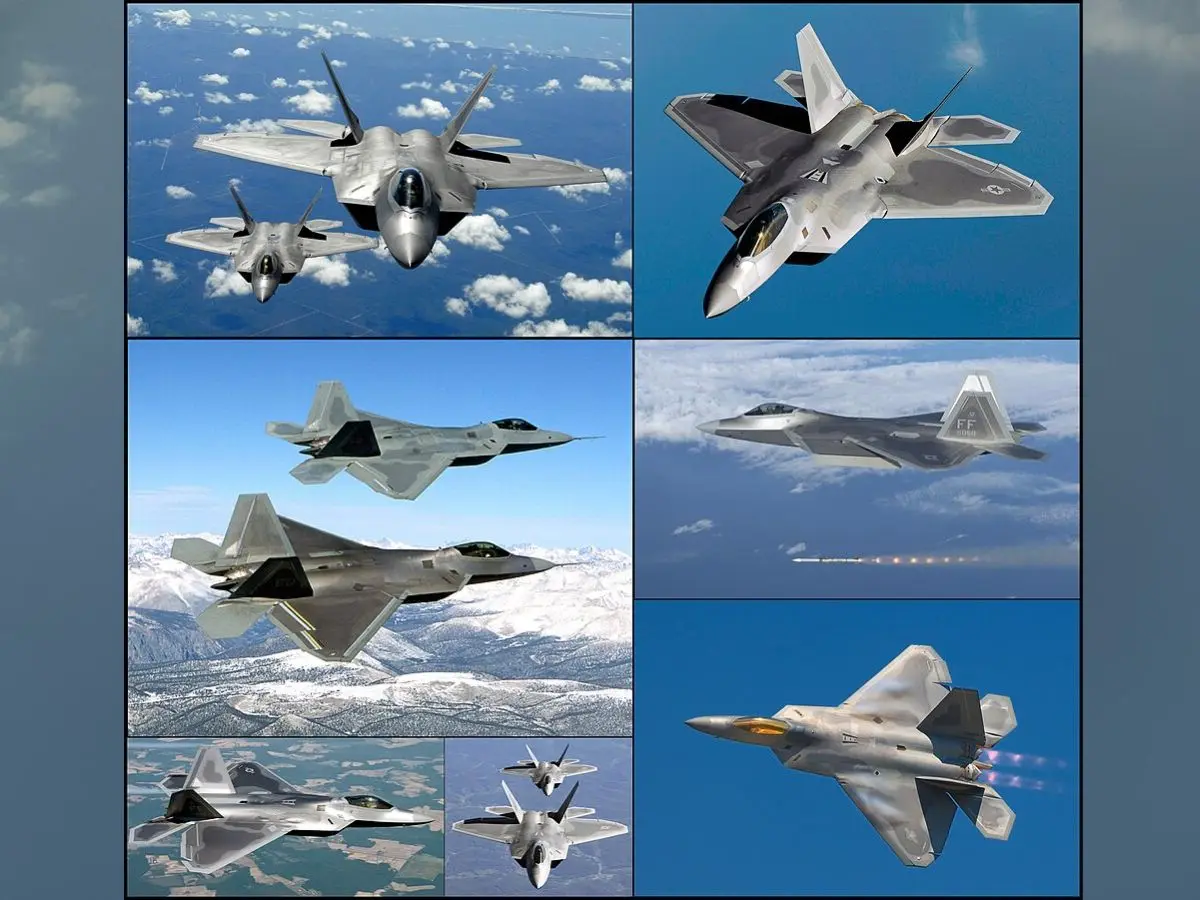
By design, the F-22 was technologically extraordinary and expensive. With unit costs approaching 150 million dollars (excluding research and development), the aircraft quickly became a financial burden. Congressional and Pentagon leaders, including Donald Rumsfeld, Gates, and Senator John McCain began calling for an end to its production in favour of more versatile and economical programmes like the F-35.
Rationalising the fleet: from raptor to joint strike fighter
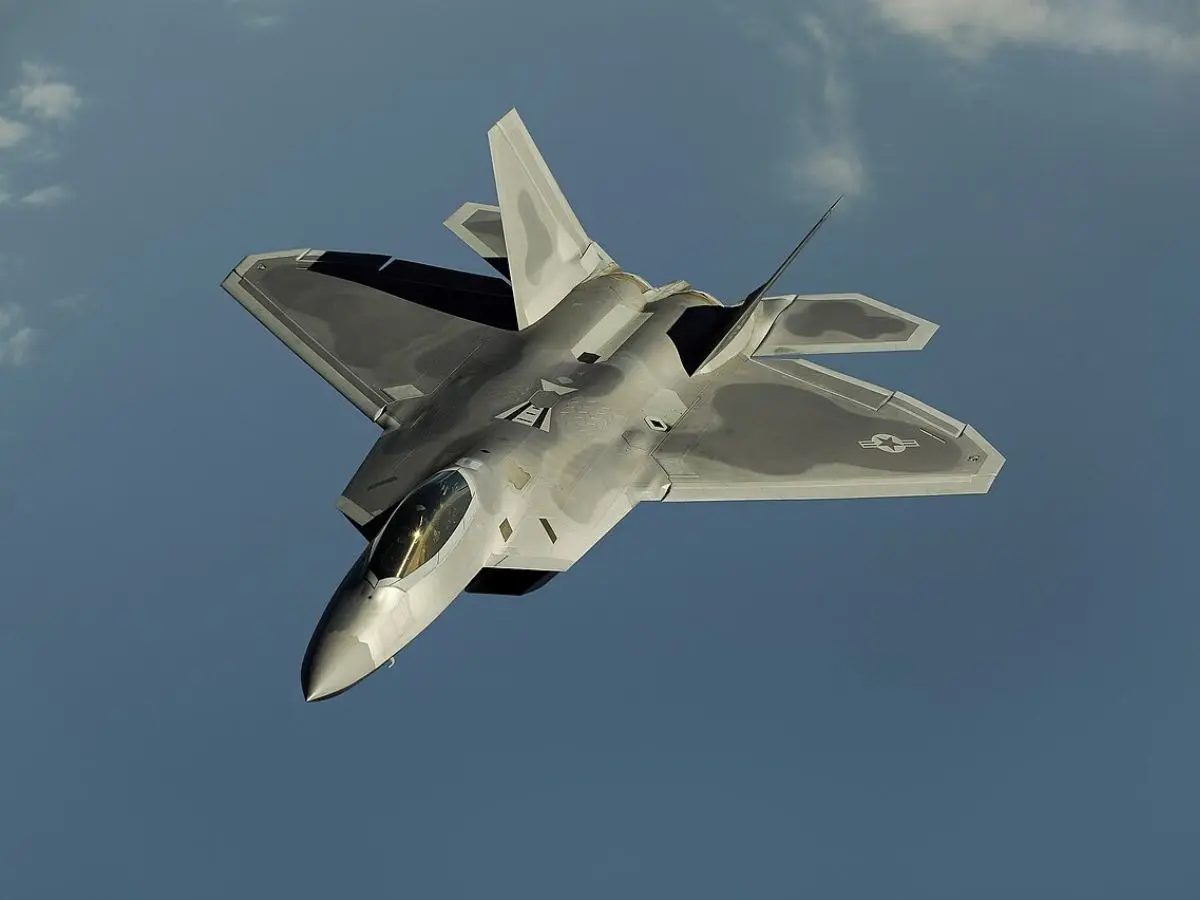
With the production line frozen at 187 operational jets (plus eight test aircraft), resources were redirected into the multi-role F-35 Lightning II. This aircraft, while less stealthy than the Raptor, offered greater versatility and ease of export, spreading cost across allied partners.
Restarting production is not viable
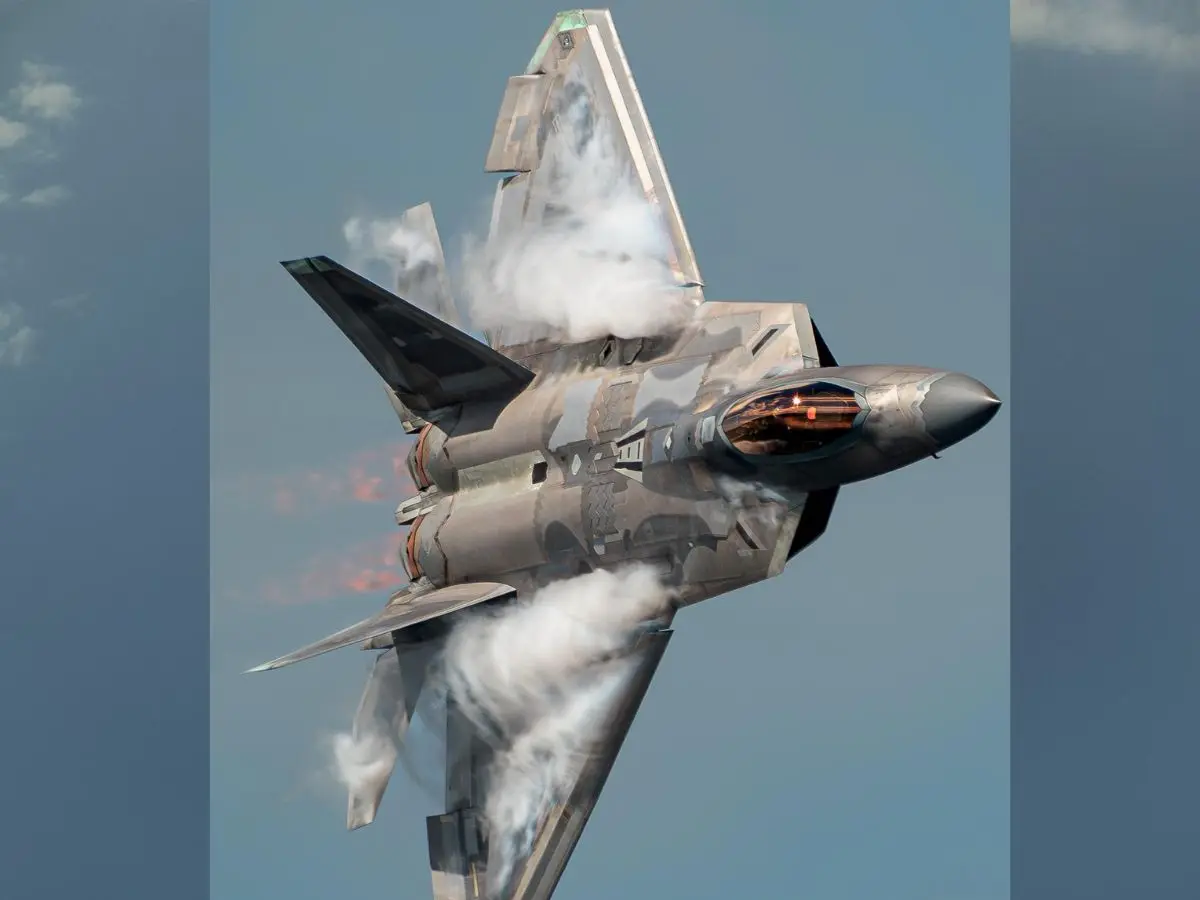
Despite retaining the tooling and documentation, the prospect of restarting F-22 production remains unfeasible. A 2017 Air Force estimate put the cost at 50 billion dollars to produce only 194 new Raptor jets, including nearly 10 billion just for restarting the line itself. Additionally, the original supply chain has frayed, and avionics designs now date back decades, making the platform technologically dated.
Conclusion: A technological marvel grounded by reality
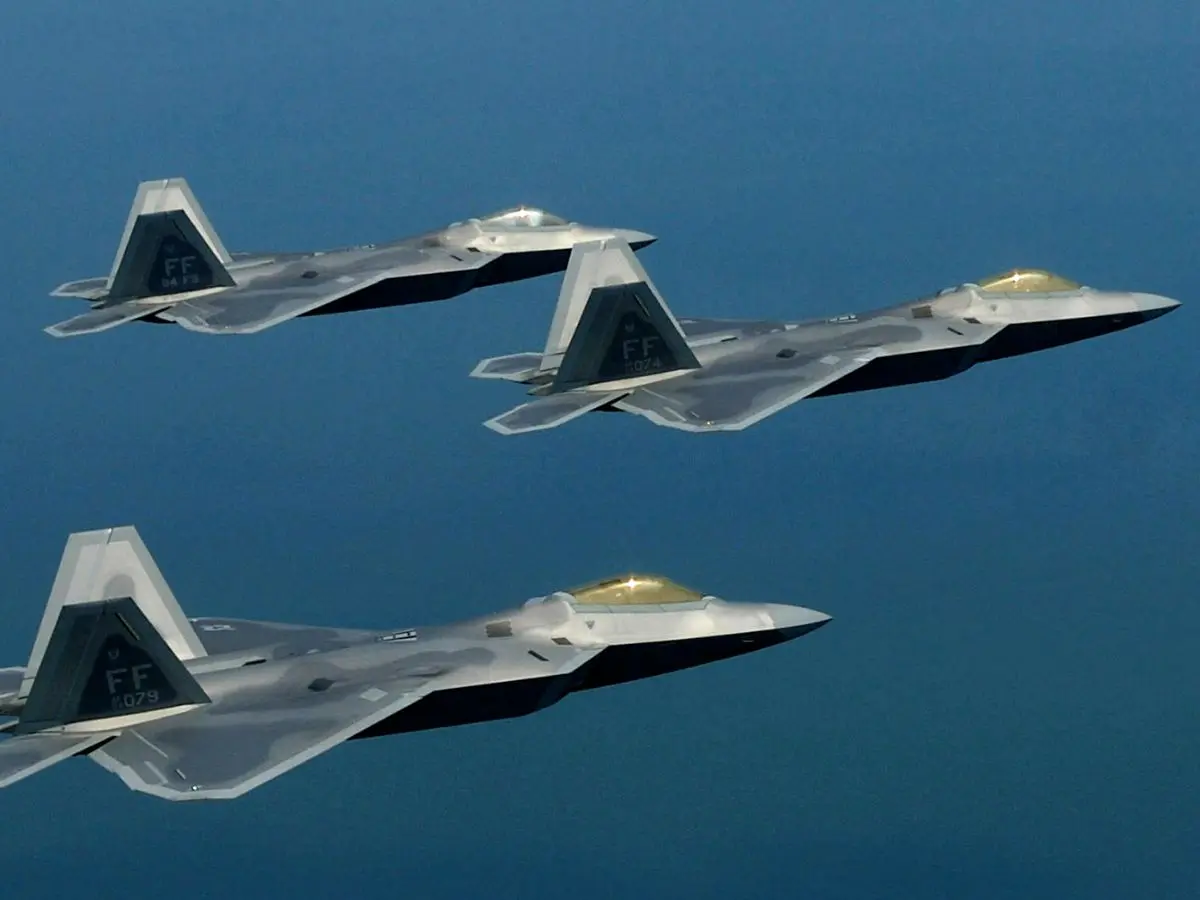
The F-22 Raptor remains unmatched in its stealth, speed, and air-to-air prowess. Yet, it became a victim of timing: conceived at the end of the Cold War, born amidst economic crisis, and overtaken by shifting military priorities.
)
)
)
)
)