F-22 Raptor vs B-52 bomber: Why one aircraft needs far more expensive paint

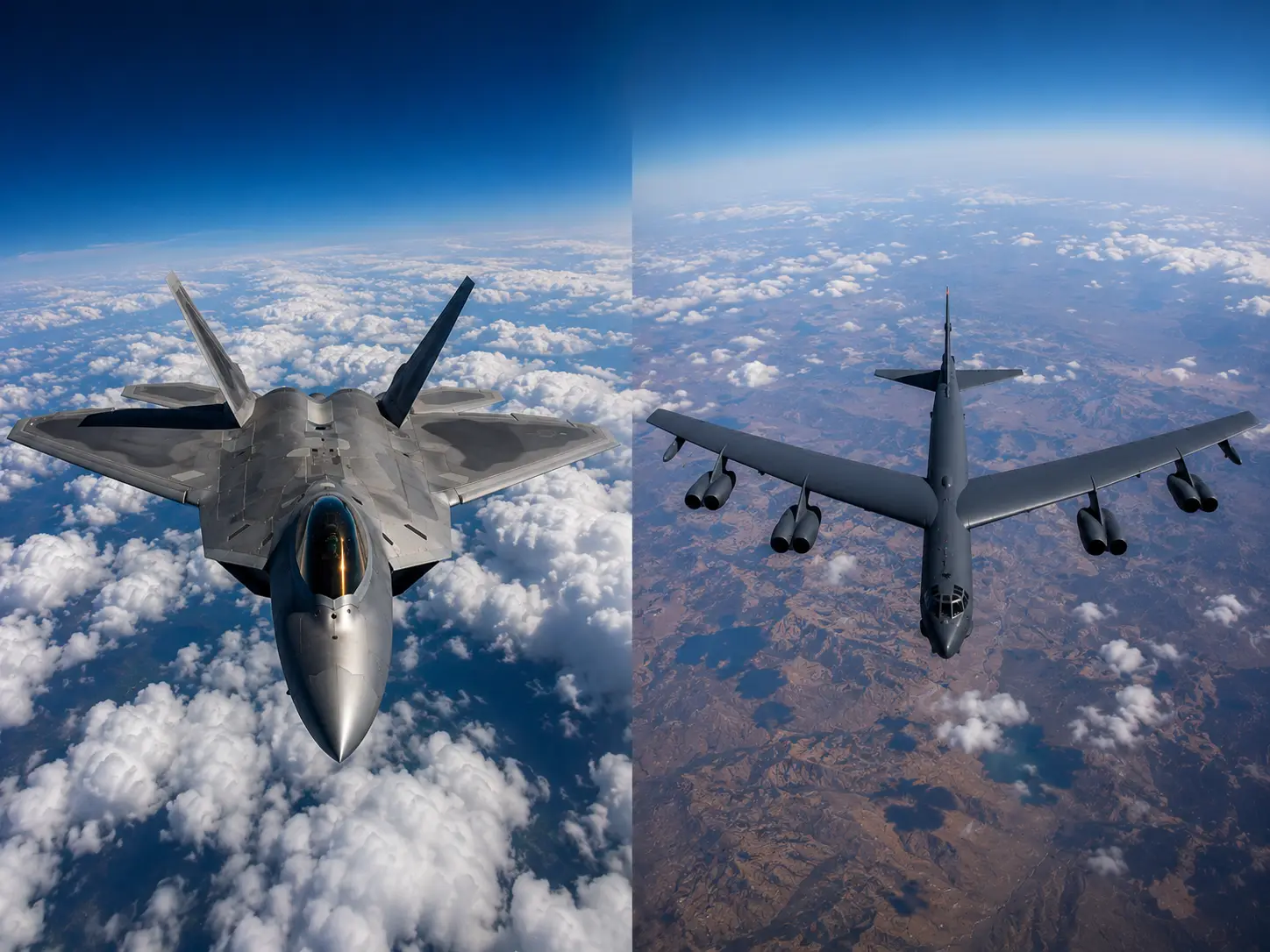
The F-22 Raptor uses costly radar-absorbent paint that demands extensive maintenance to protect its stealth profile. Conversely, the B-52 bomber relies on durable, standard paint for weatherproofing.
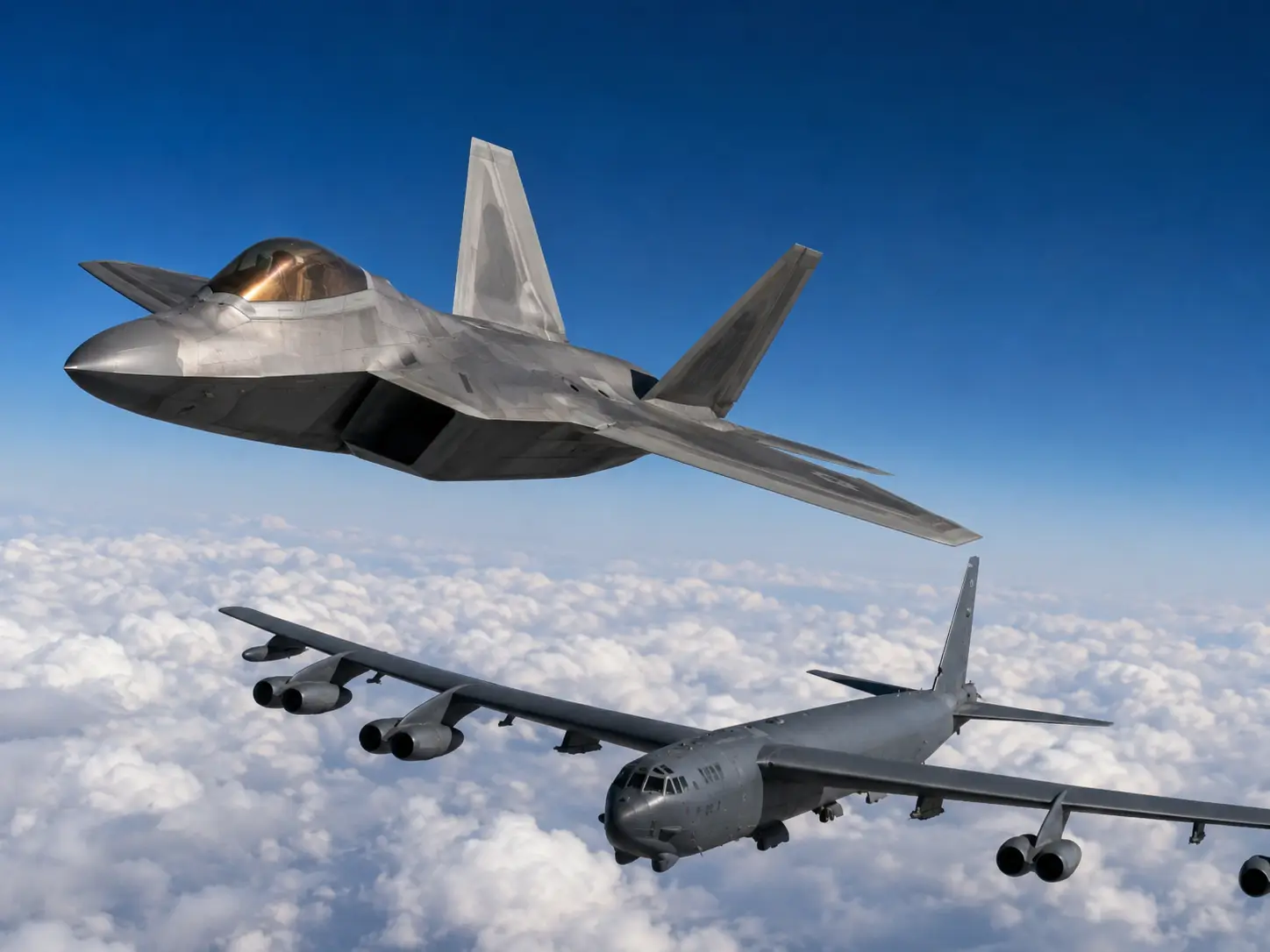
Coating 1 stealth airframe
The Lockheed Martin F-22 Raptor relies on a specialised Radar-Absorbent Material (RAM) coating to maintain its fifth-generation stealth profile. This delicate exterior layer absorbs incoming radar frequencies rather than reflecting them back to enemy receivers. Applying and preserving this sophisticated chemical composite represents one of the most expensive material requirements in modern military aviation.
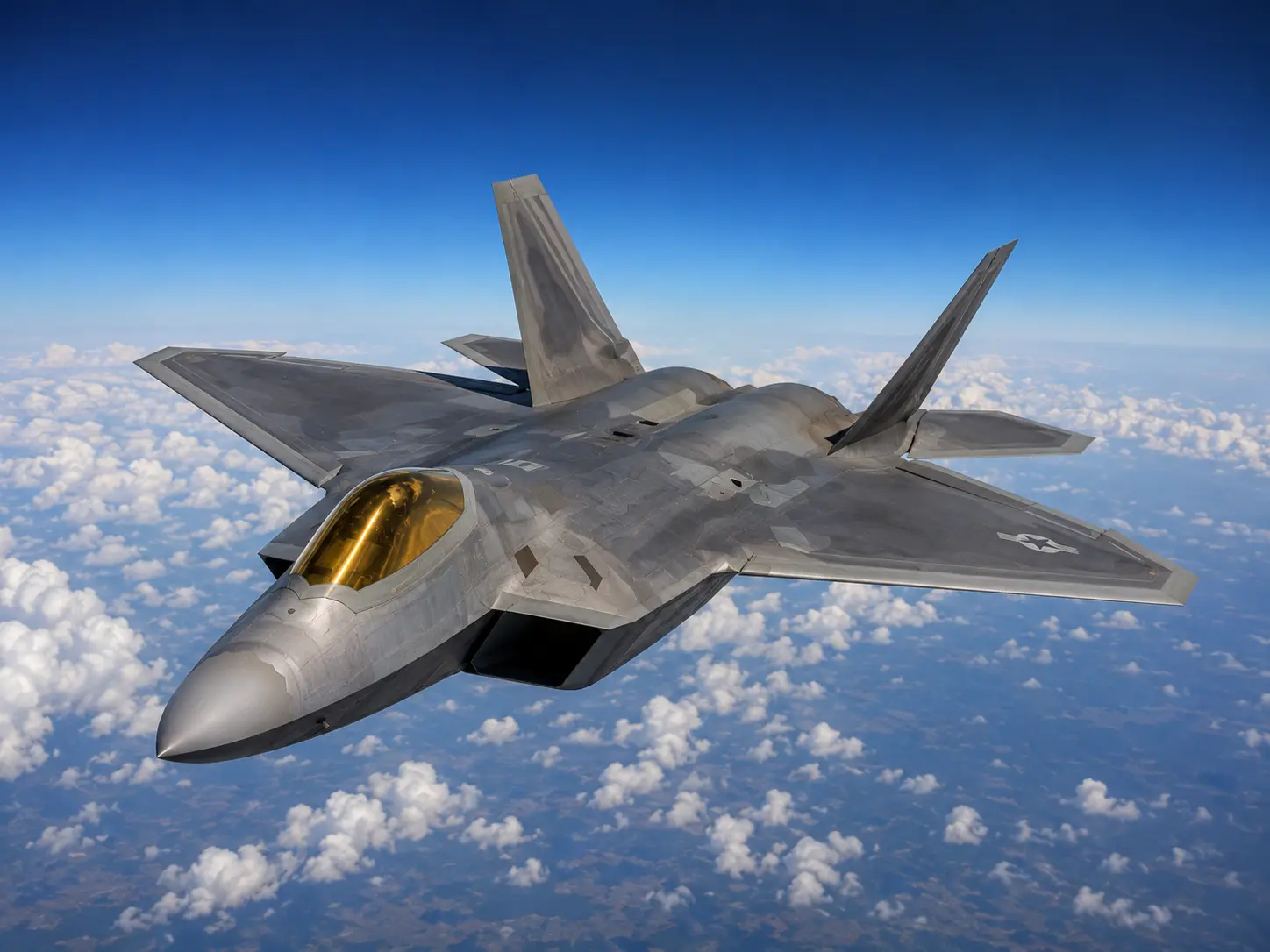
Demanding 30 maintenance hours
Because the delicate RAM skin degrades under extreme atmospheric friction, the F-22 requires extensive ground servicing. For every single hour the fighter spends in the air, ground crews must perform up to 30 hours of general maintenance. A substantial portion of this downtime involves meticulously repairing, smoothing, and curing the radar-absorbing paint in climate-controlled hangars.
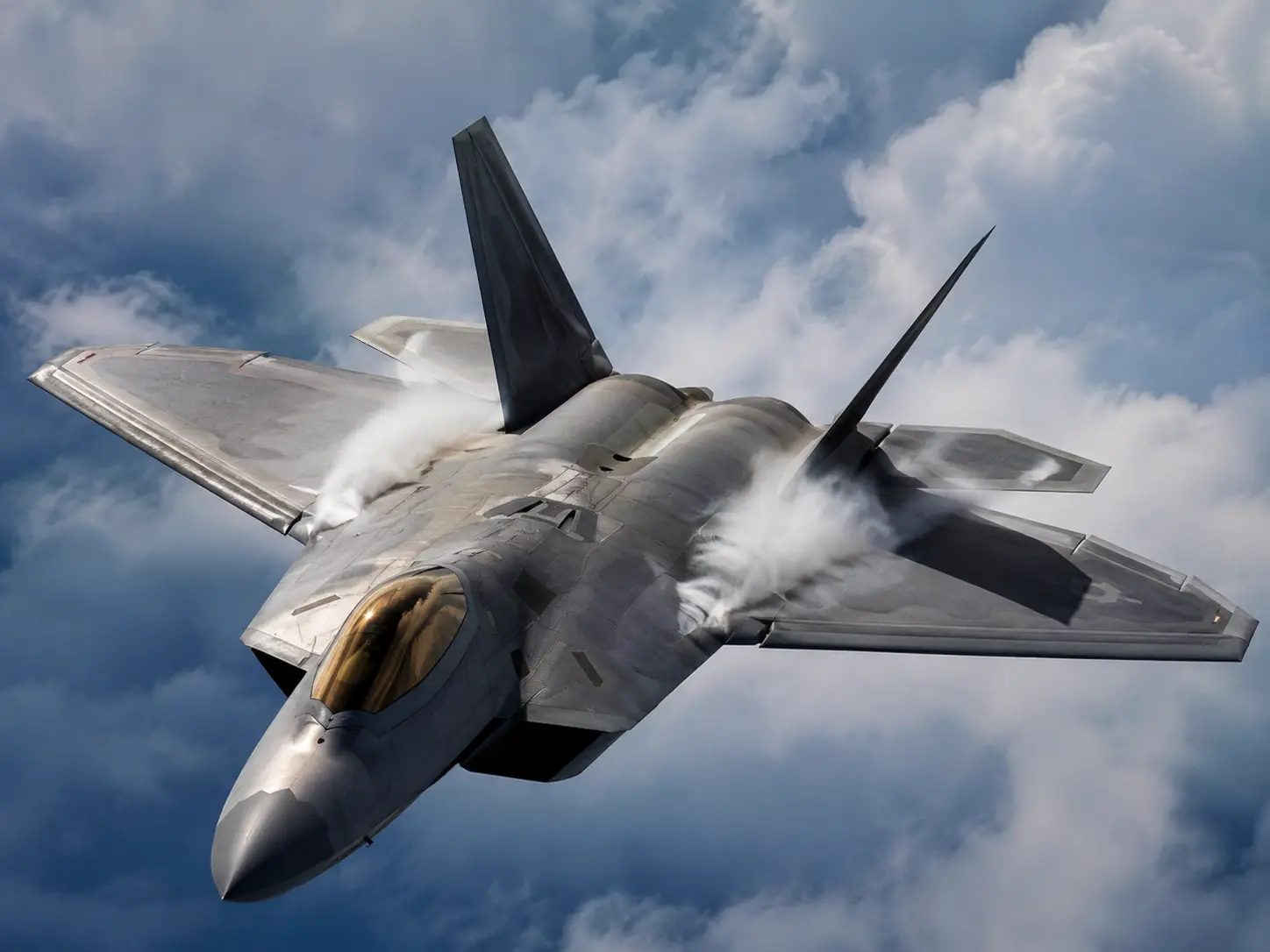
Facing Mach 1.5 temperatures
The Raptor achieves supersonic supercruise speeds exceeding Mach 1.5 without using afterburners. The intense kinetic heat generated at these high velocities along the leading edges and nose section causes standard paint to blister. The F-22 requires advanced, heat-resistant topcoats that prevent the underlying composite skin from warping during high-speed combat interceptions.
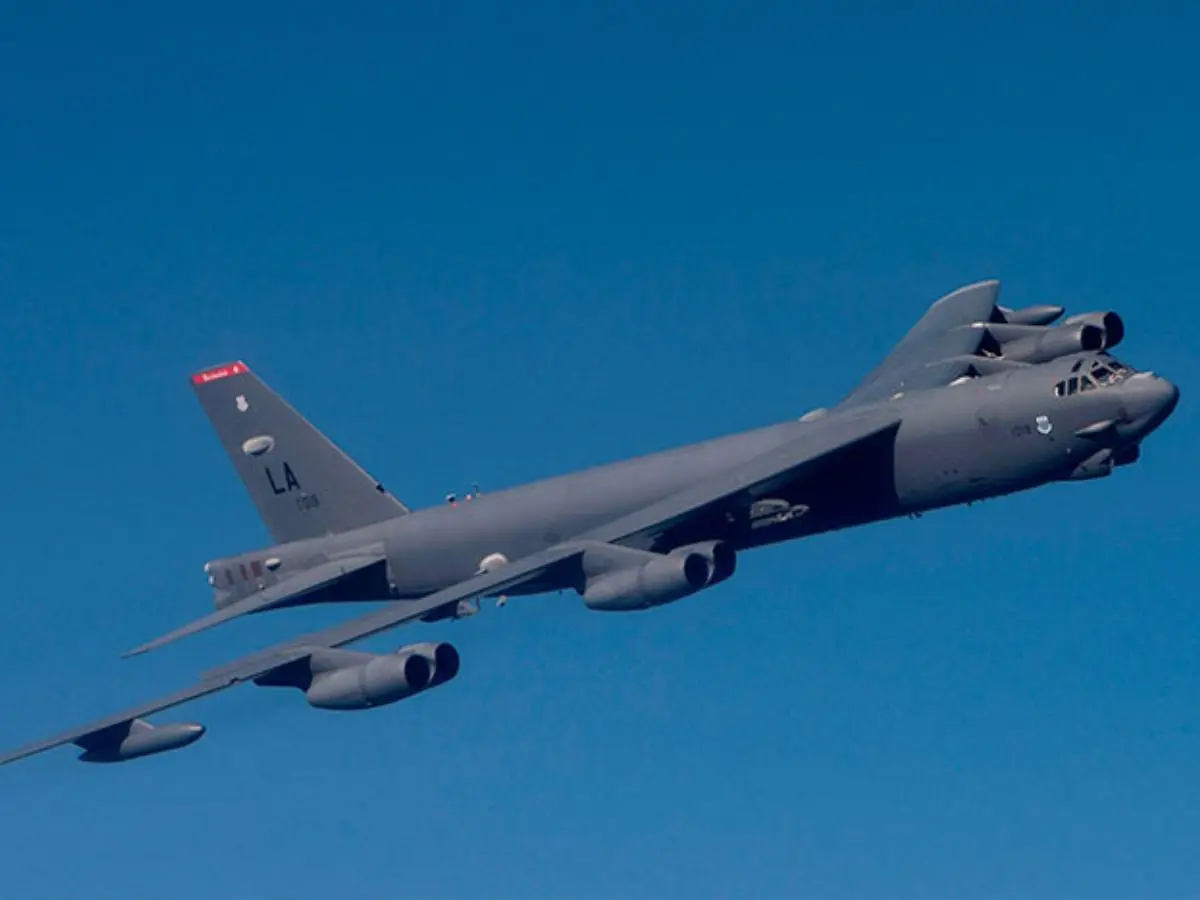
Using 2 conventional coats
Conversely, the massive Boeing B-52H Stratofortress operates without any low-observable stealth requirements. Built to deliver heavy strategic ordnance from standoff distances, the heavy bomber relies on two standard layers of conventional military polyurethane paint. This durable coating provides straightforward weatherproofing and corrosion resistance against harsh environmental elements.
Lasting across 10-year cycles
The standard polyurethane finish applied to the B-52 is engineered for rugged longevity, requiring full repainting only once every decade. Because ground crews do not need to preserve a precise radar cross-section, minor surface scratches are easily repaired with simple brush touch-ups. This conventional approach saves the military millions of dollars in structural upkeep over the aircraft's lifespan.
)
)
)
)
)