F-22 Raptor vs B-52 bomber: Which aircraft can fly higher?

Official data places the B-52 ceiling at 50,000 feet and the F-22 Raptor above 50,000 feet. The agile fighter outclimbs the heavy bomber, though its true upper limit remains classified.
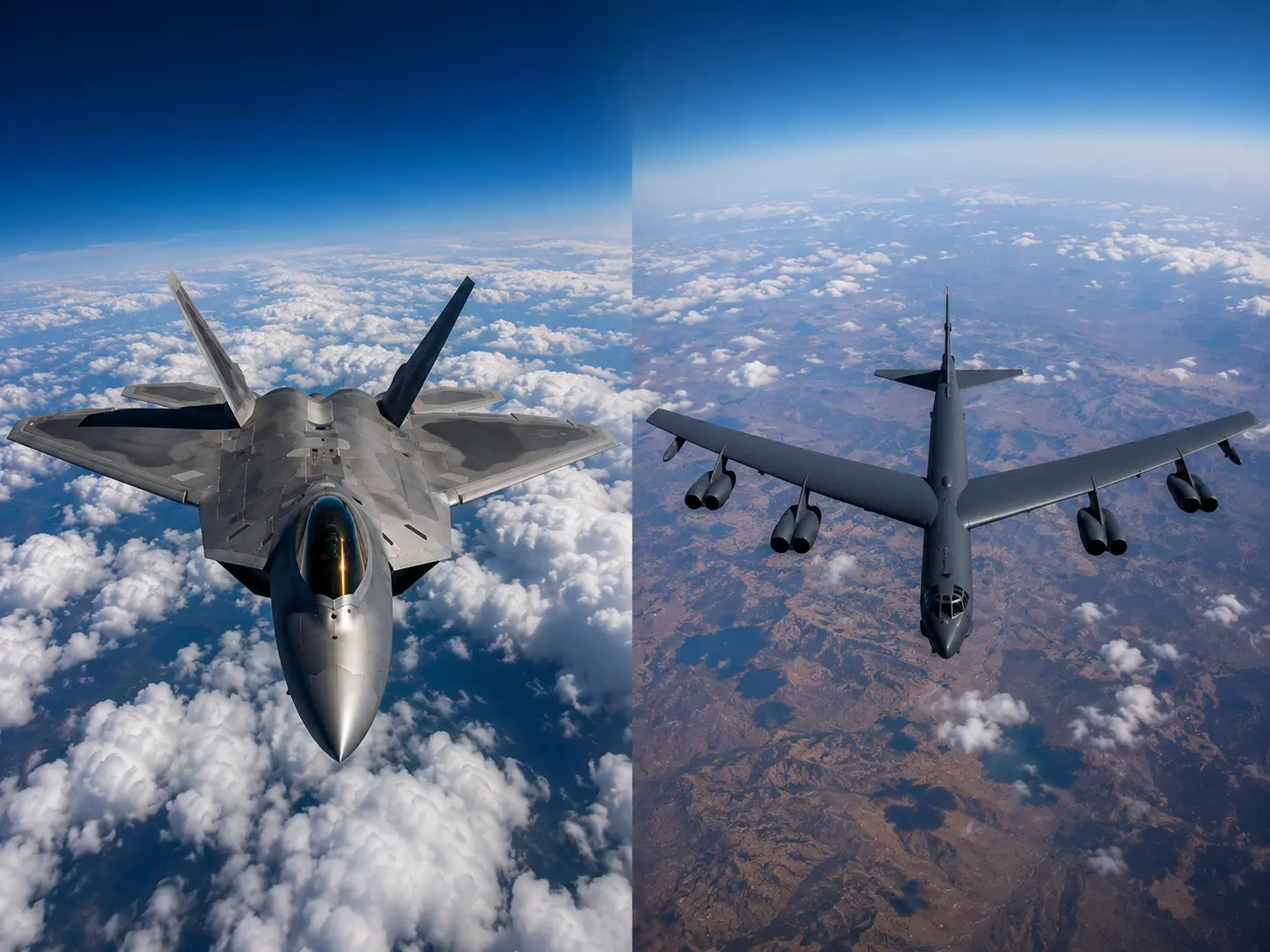
Official 50,000-plus feet ceiling
Meticulous US Air Force data classifies the F-22 Raptor's operational service ceiling as strictly greater than 50,000 feet. The true upper limit remains a classified military parameter to protect tactical advantages, though aerospace engineers confirm its large wing area generates immense aerodynamic lift even in the thinned upper atmosphere.
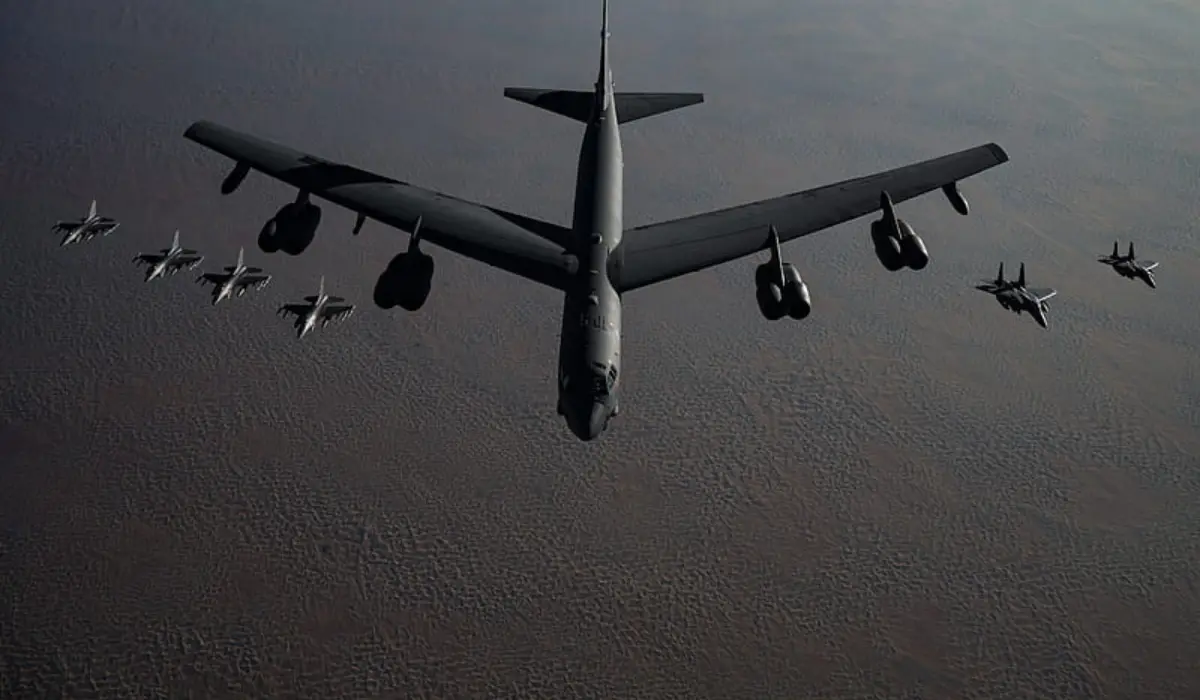
Bomber 50,000 feet ceiling
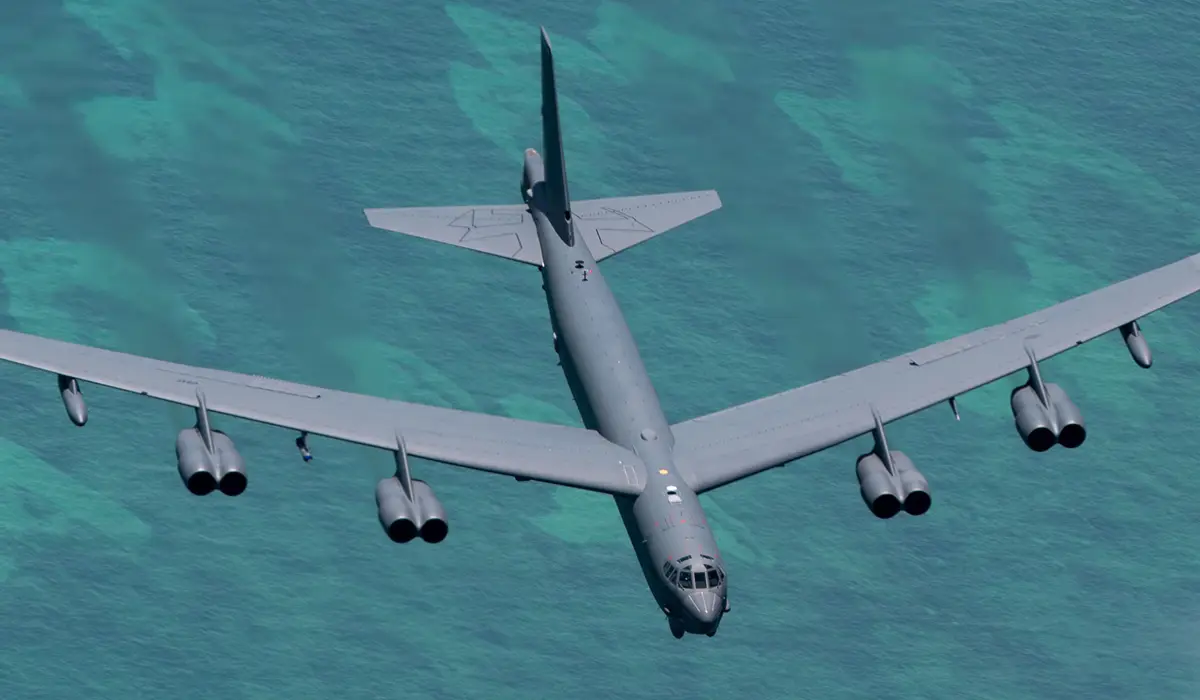
Official military specification documents establish the maximum operating ceiling of the Boeing B-52H Stratofortress at precisely 50,000 feet. Unlike lightweight fighters, this eight-engine strategic bomber carries an empty airframe weight exceeding 83,250 kilogrammes, structurally restricting its capability to operate above the lower margins of the stratosphere.
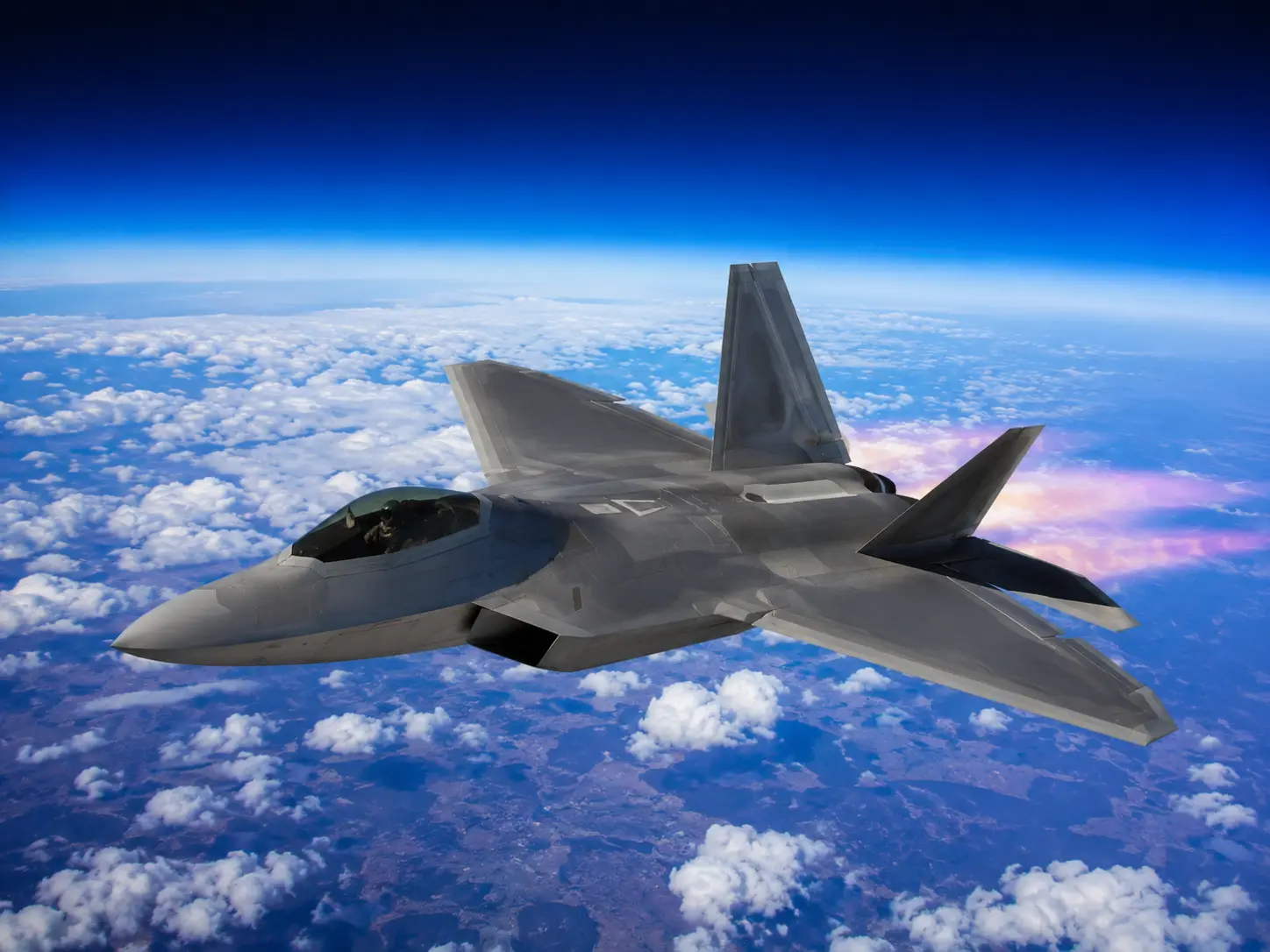
Beyond 15,000 metres boundary
While unclassified figures show both aircraft operating at the 15,000-metres boundary, the F-22 comfortably outclimbs the heavy bomber during frontline operations. Declaring a definitive numerical gap remains speculative due to classified fighter thresholds, but the Raptor's agile thrust profile allows it to cruise high above legacy bomber flight paths.
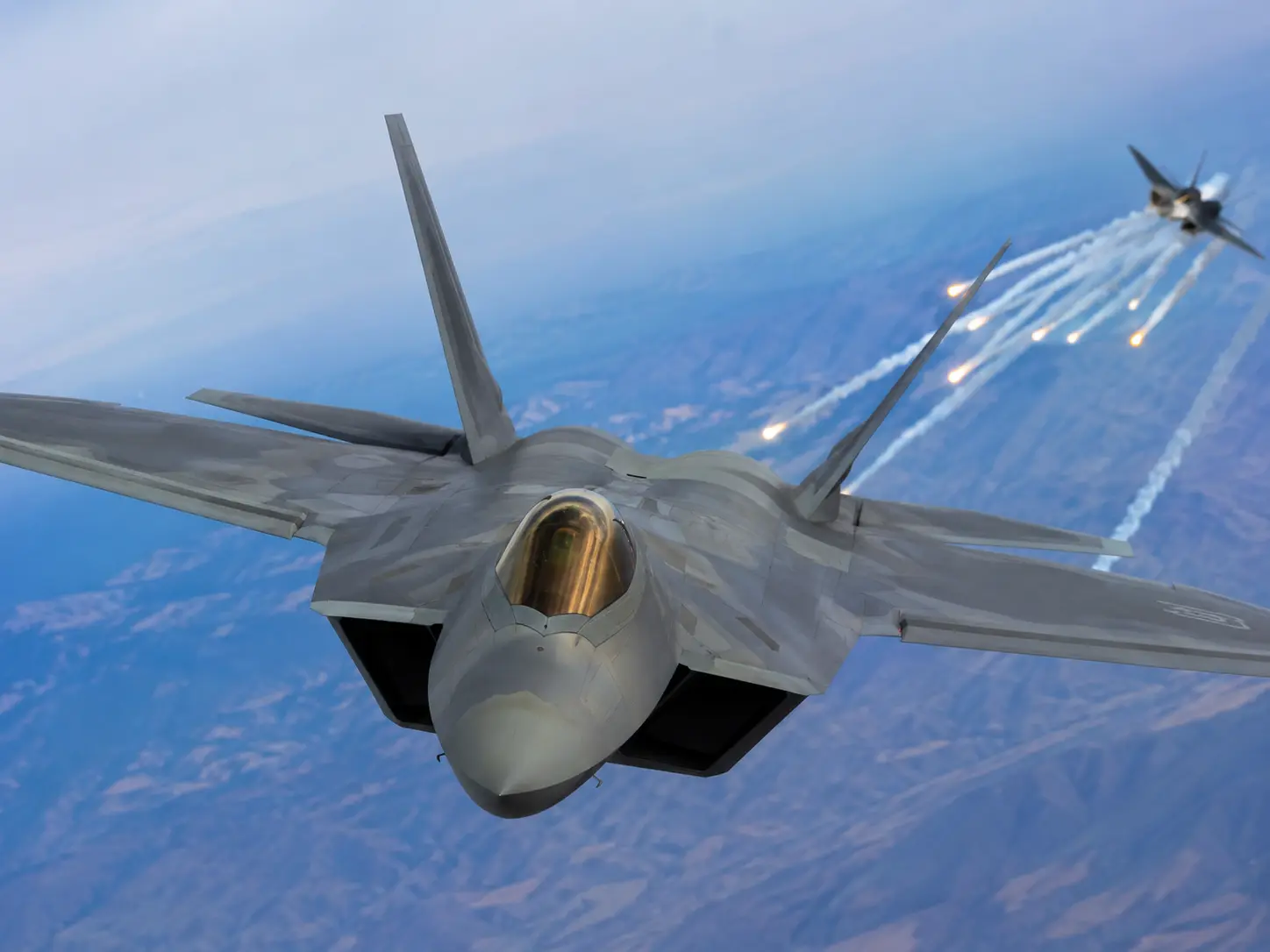
Twin 35,000 pounds thrust
The Raptor achieves its high-altitude dominance using two Pratt & Whitney F119 turbofans, each generating roughly 35,000 pounds of thrust. This advanced propulsion enables the airframe to maintain supersonic flight above Mach 1.5 without using fuel-heavy afterburners, effortlessly pushing the fighter past standard aerodynamic limits.
Heavy 70,000 pounds payload
The B-52H operates at lower altitudes due to its strategic bombardment role, which prioritises long-range endurance over vertical climbing speed. Engineered to carry 70,000 pounds of mixed ordnance across an unrefuelled combat range of 8,800 miles, the massive vehicle anchors its design to global reach rather than extreme altitude.
)
)
)
)
)