F-22 Raptor secrets revealed: How a Cold War rivalry shaped the world’s deadliest fighter jet

In the 1980s, the United States feared that the Soviet Union was developing a new generation of fighters capable of outclassing the F-15 Eagle, which had long guaranteed American air dominance.
A Fighter Born from Rivalry
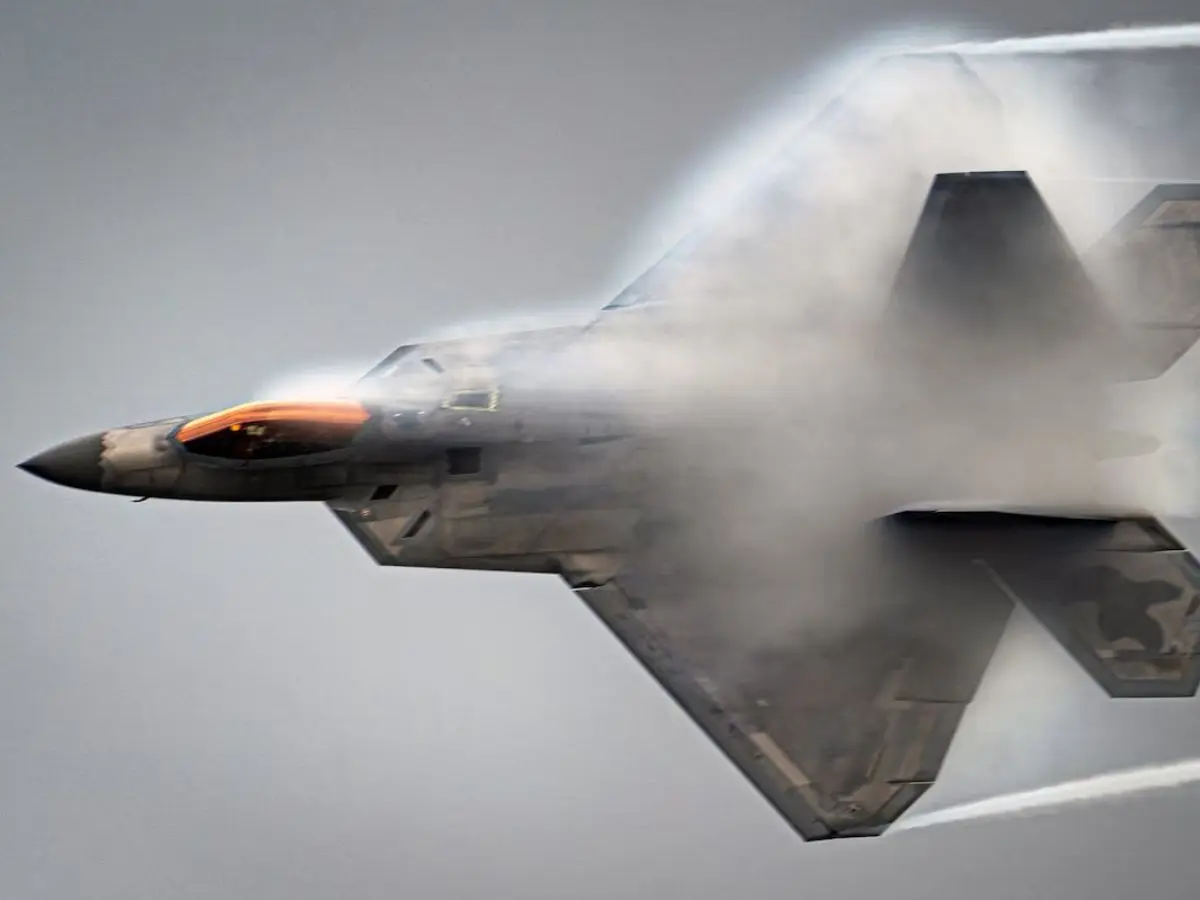
The story of the F-22 Raptor begins in the closing decades of the Cold War. In the 1980s, the United States feared that the Soviet Union was developing a new generation of fighters capable of outclassing the F-15 Eagle, which had long guaranteed American air dominance. Intelligence reports suggested that future Soviet aircraft would incorporate advanced radar systems, long-range missiles, and high manoeuvrability, threats that could erode America’s advantage in the skies. The US Air Force responded by launching the Advanced Tactical Fighter (ATF) programme, a competition to design a jet that would not just match but decisively outpace any adversary well into the 21st century.
The Advanced Tactical Fighter Competition
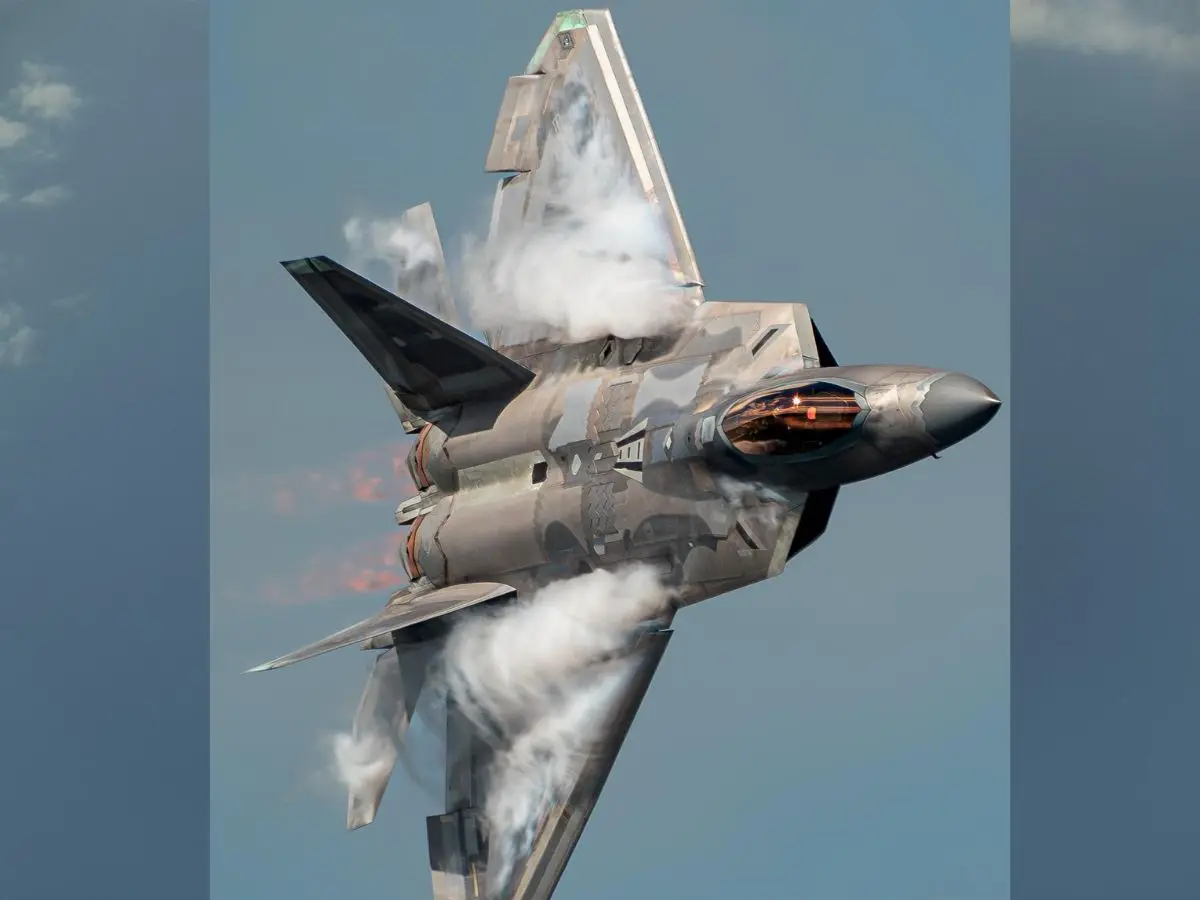
In 1986, the US invited two aerospace giants, Lockheed and Northrop, to build prototypes. Lockheed’s YF-22 and Northrop’s YF-23 were both radical departures from earlier fighters, designed with stealth shaping, internal weapons bays, and thrust-vectoring engines. After rigorous trials, the YF-22 emerged victorious in 1991. Its agility, stealth performance, and development potential convinced the Air Force that it was the right choice to ensure air superiority.
Designed for the Unseen Battle
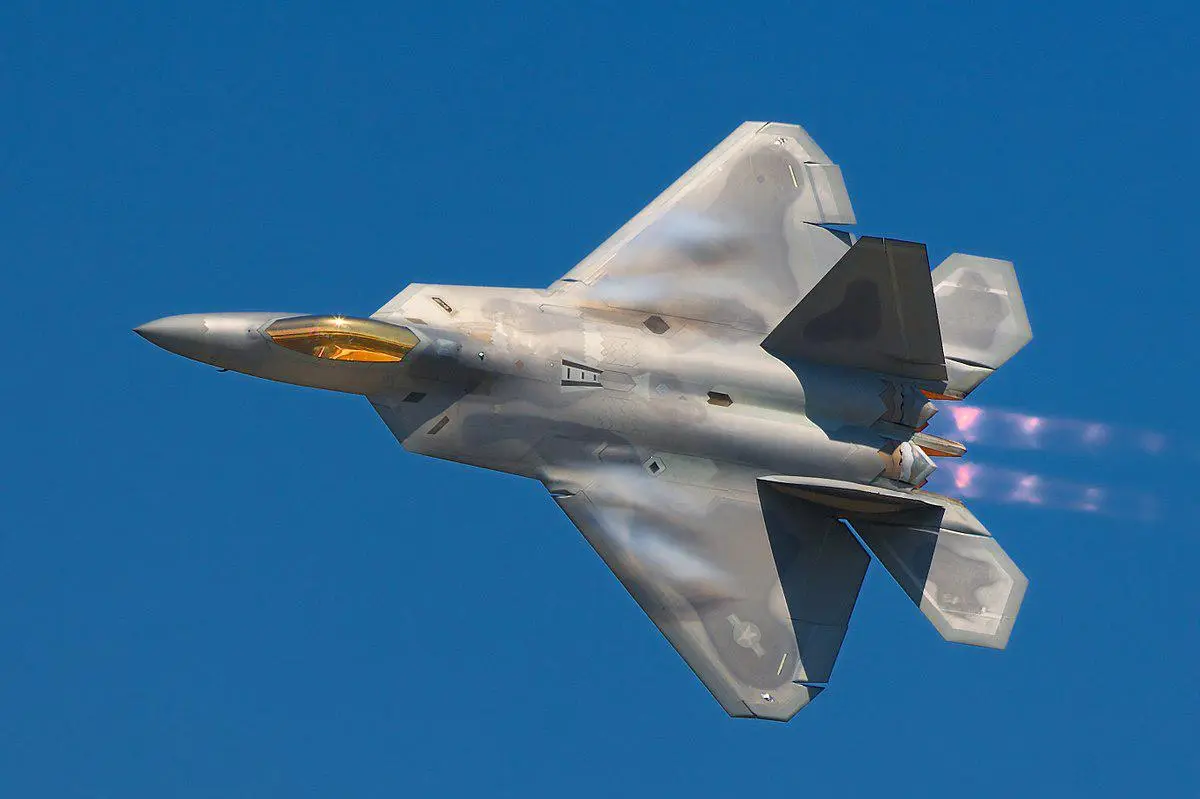
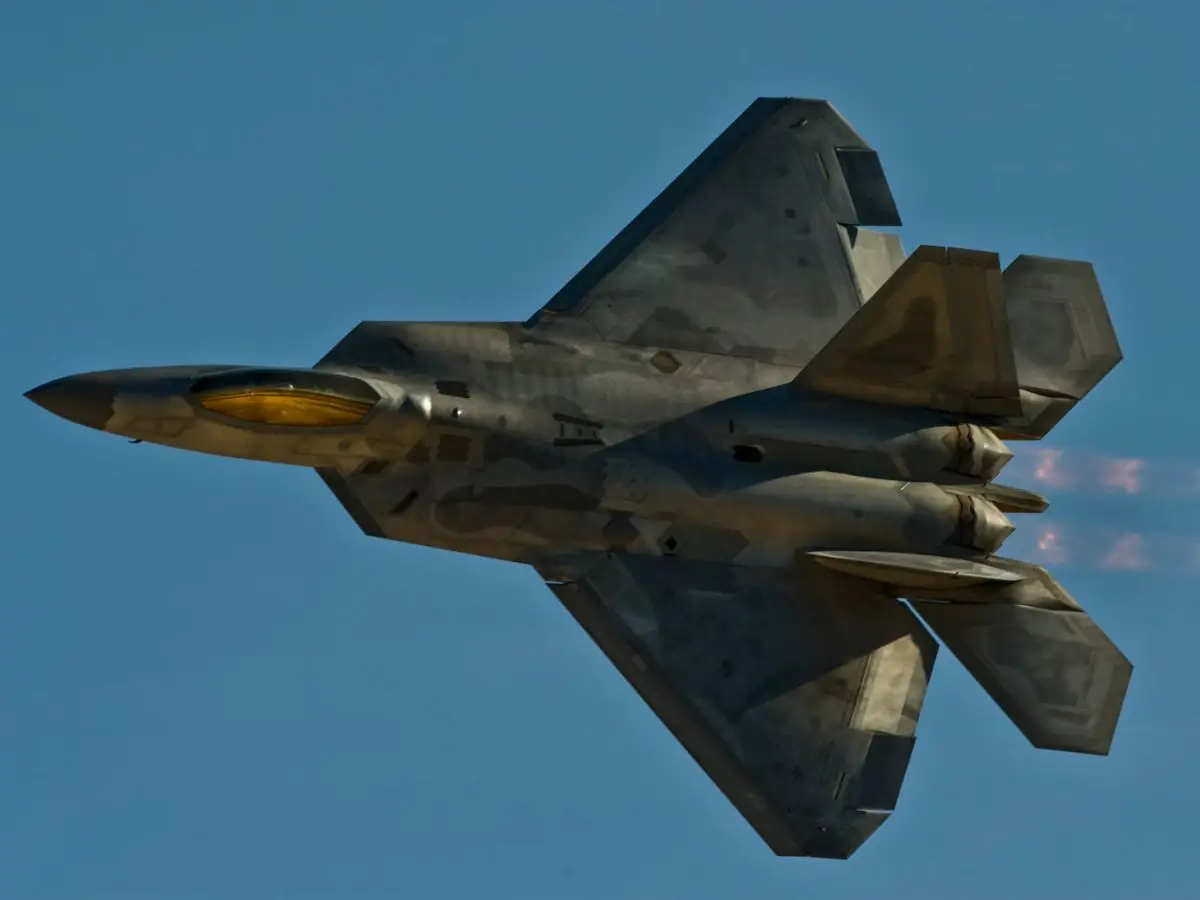
The F-22 was conceived not just as a faster or more agile fighter, but as one that could dominate before being detected. Every element of the aircraft, from its faceted surfaces to its radar-absorbent coatings, was designed to minimise its radar cross-section. Coupled with supercruise capability, allowing sustained supersonic flight without afterburners, and unmatched manoeuvrability from thrust-vectoring engines, the Raptor embodied a new philosophy: strike first, remain unseen, and leave no chance for retaliation.
From Cold War Urgency to Post-Soviet Uncertainty
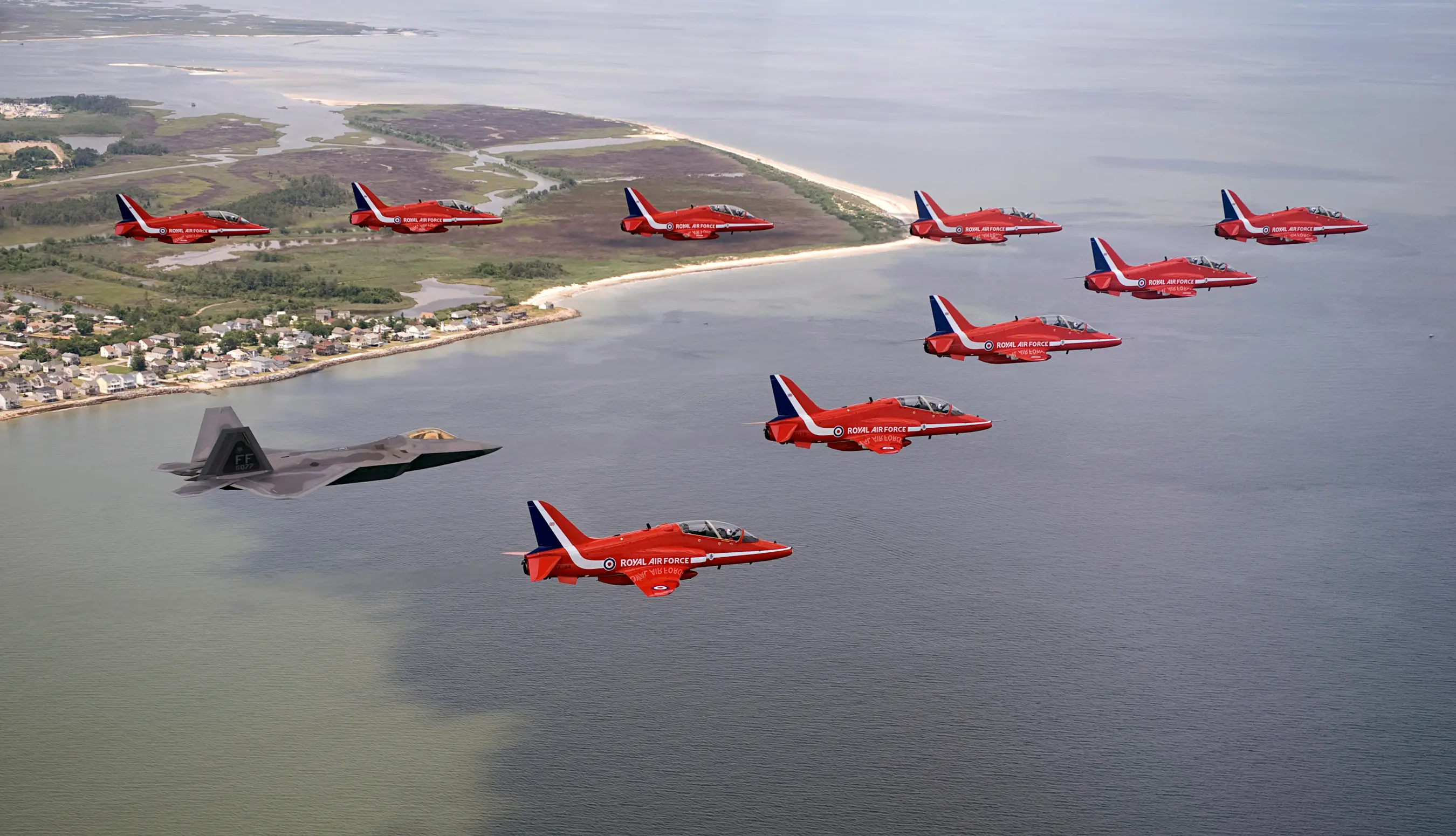
Ironically, by the time the F-22 flew its first operational missions in the 2000s, the Soviet Union had collapsed. The immediate threat that had driven its creation had vanished. This shift in the global order cast doubt on the necessity of such an expensive fighter. Nevertheless, the US pressed ahead, seeing the Raptor not only as a deterrent against future great power rivals but also as insurance against unexpected technological leaps from adversaries.
A Programme of Unprecedented Cost
The development of the F-22 proved far more expensive than anticipated. Early plans had called for more than 700 aircraft, but escalating costs and changing defence priorities after 9/11 saw production curtailed. In the end, only 195 Raptors were built. Despite its breathtaking performance, the jet became a symbol of the tension between military ambition and financial reality.
Legacy of a Fighter Ahead of Its Time
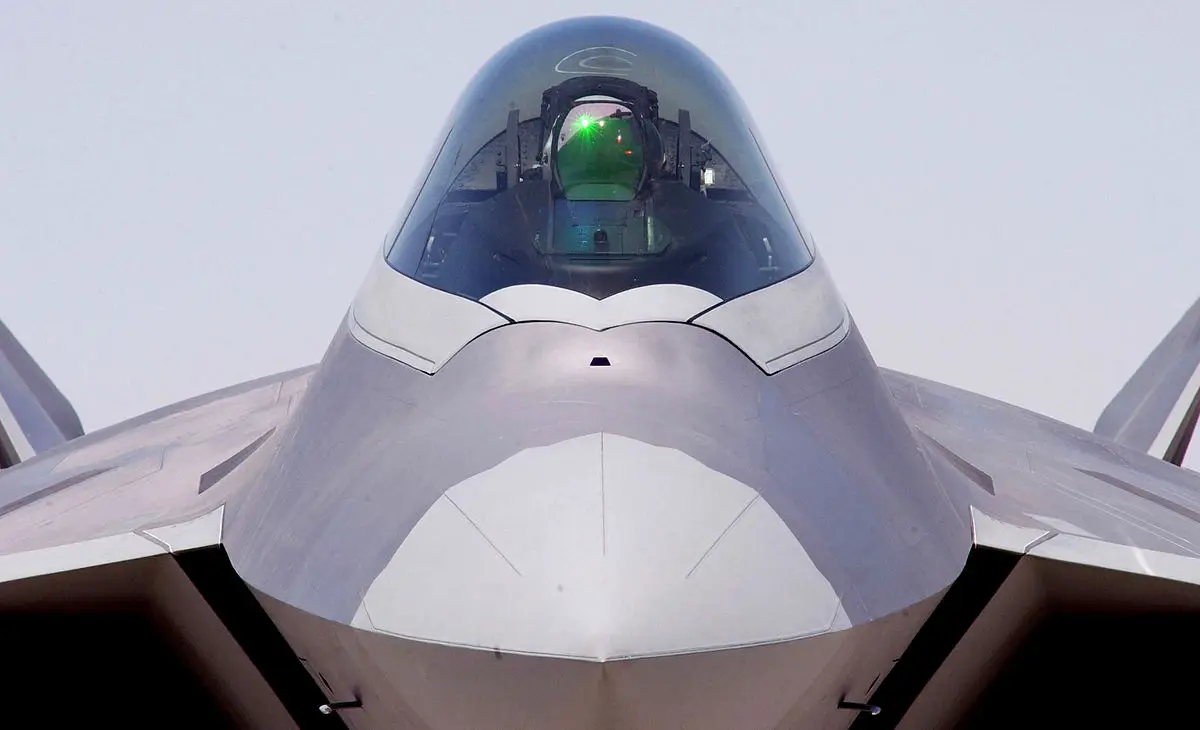
Though its origins lay in Cold War fears, the F-22 remains unmatched in capability today. It has never been exported, owing to strict US laws protecting its classified technology. More than three decades after its design, it continues to serve as the cornerstone of American air dominance. The Raptor’s journey from Cold War rivalry to modern-day exclusivity is a reminder that the most advanced weapons are often born not just of necessity, but of the fear of falling behind.
)
)
)
)
)