F-22 Raptor export ban: Why America refused to sell its most powerful jet

Why was this advanced jet system never offered for sale, not even to close allies? The reasons lie in protective legislation, secretive technology, prohibitive cost, and strategic choice.
Introduction: Unrivalled Capability, Untouchable Design
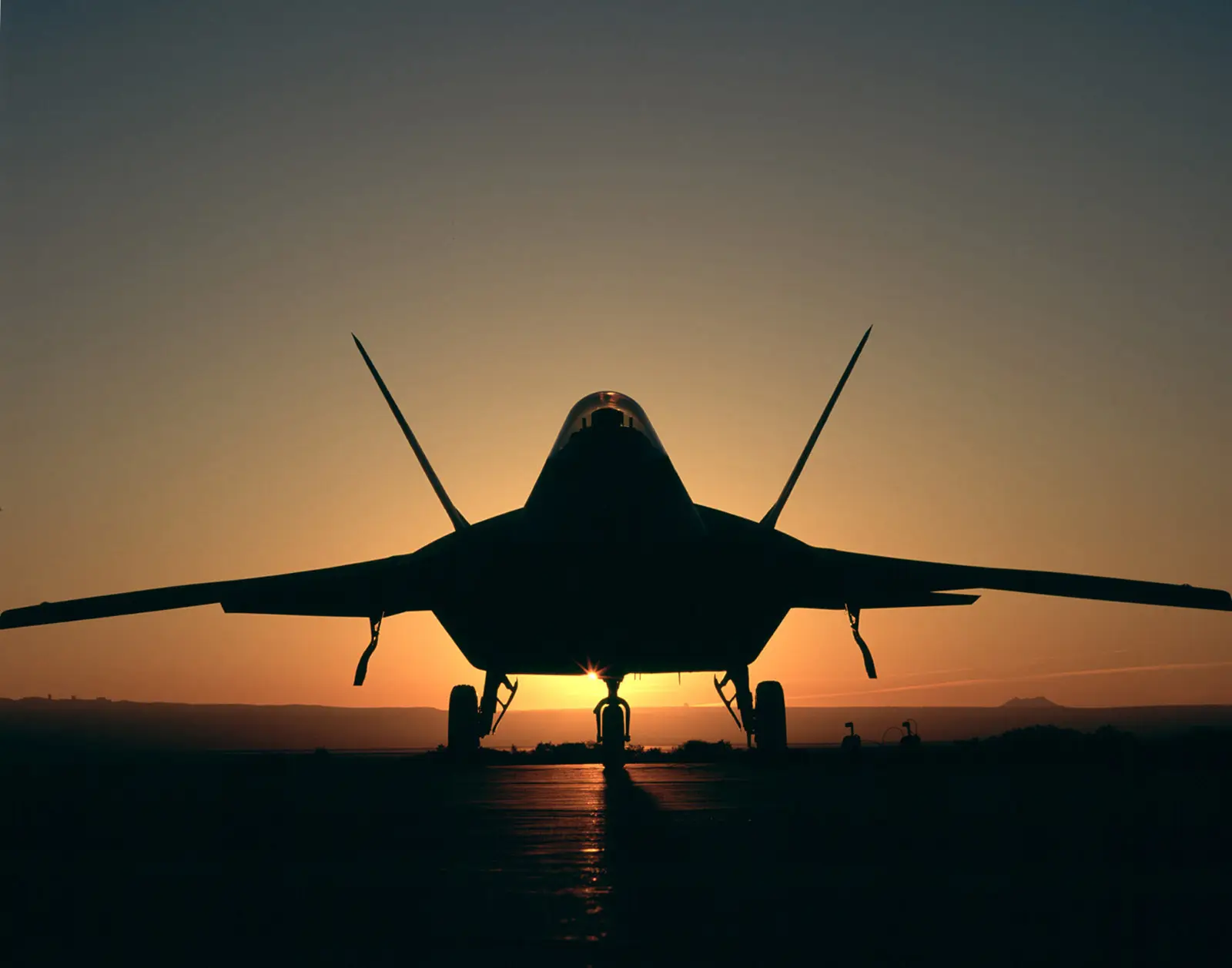
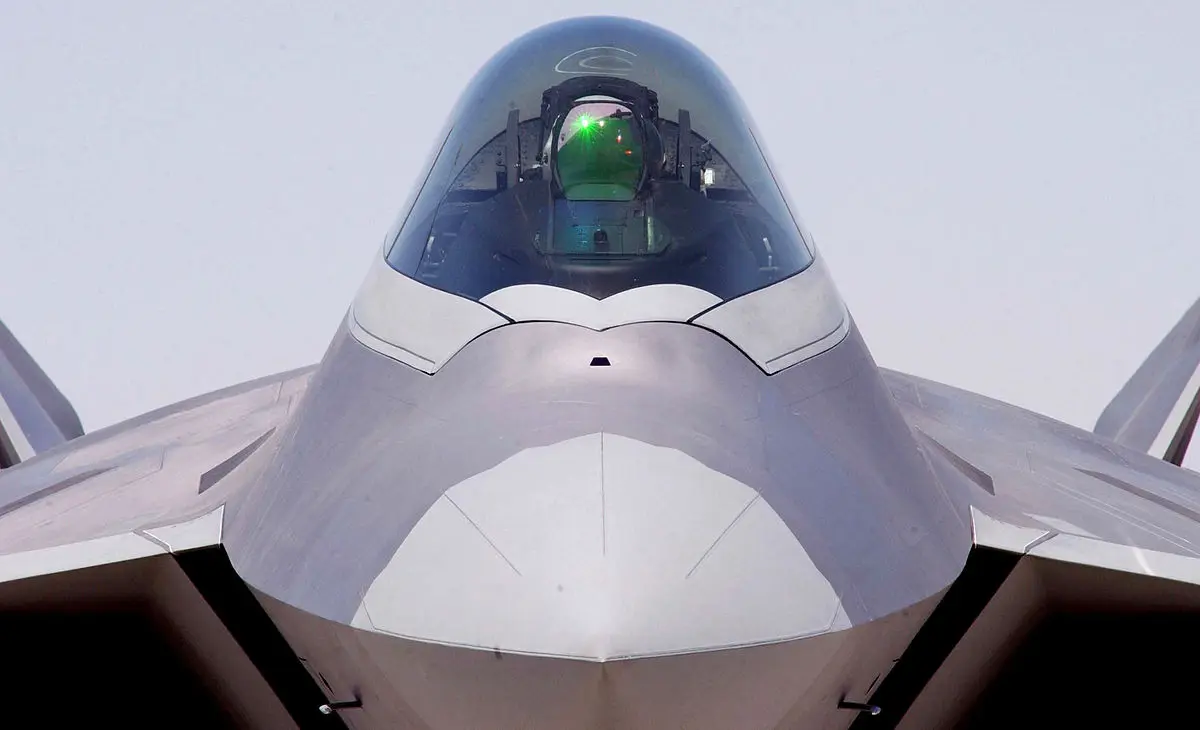
The F-22 Raptor was developed as the crown jewel of American military aviation, a stealth, super-cruising, air-superiority fighter designed to dominate future conflicts. Yet, despite its unmatched capabilities, it remains exclusively in the hands of the US Air Force. Why was this advanced jet system never offered for sale, not even to close allies? The reasons lie in protective legislation, secretive technology, prohibitive cost, and strategic choice.
Legal Prohibition Enshrined in Congress
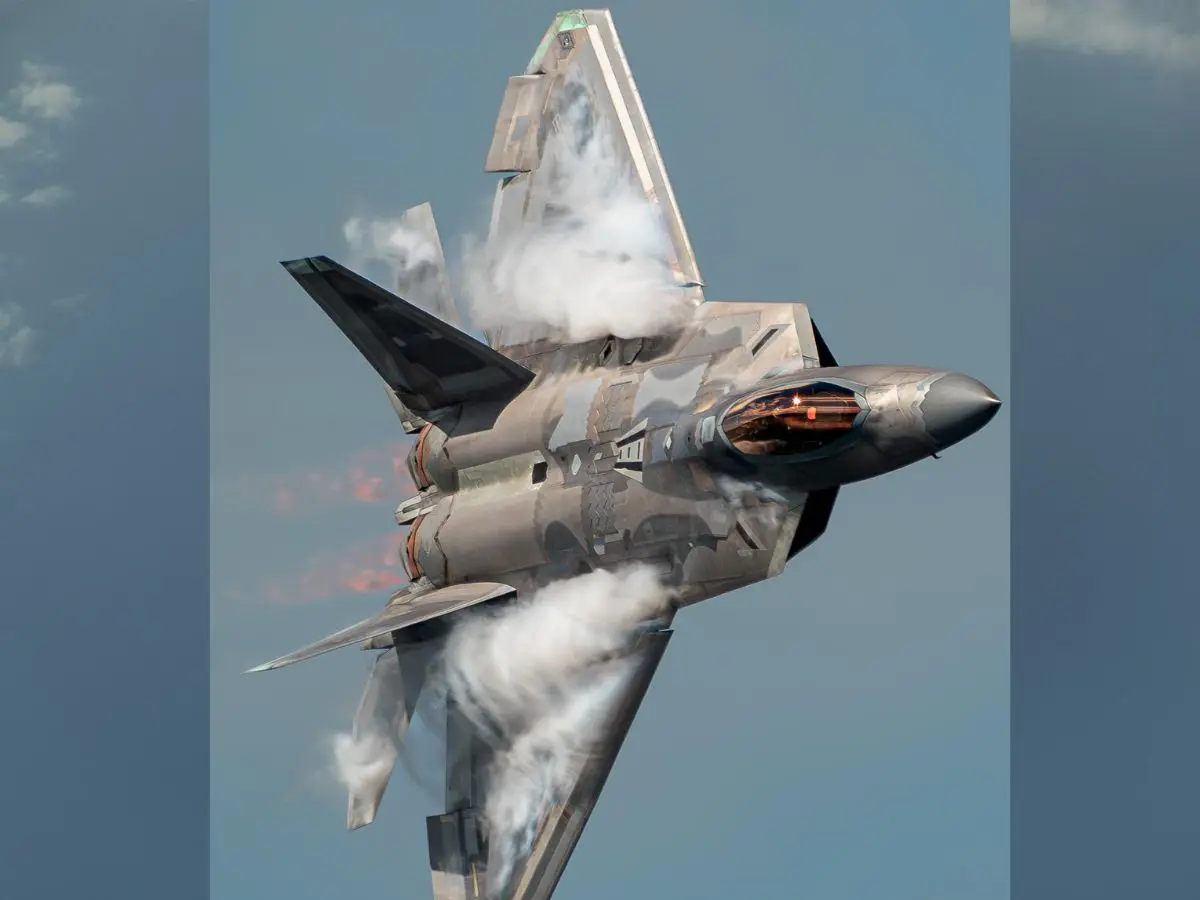
In 1998, the US Congress enacted a specific provision that explicitly forbade the sale of the F-22 to any foreign government. Since then, each annual defence appropriation act has included that prohibition, making the ban statutory. Attempts to revisit or lift these restrictions have consistently stalled. This legal barrier ensures that the fighter remains a unique national asset.
Safeguarding Classified Stealth Technology
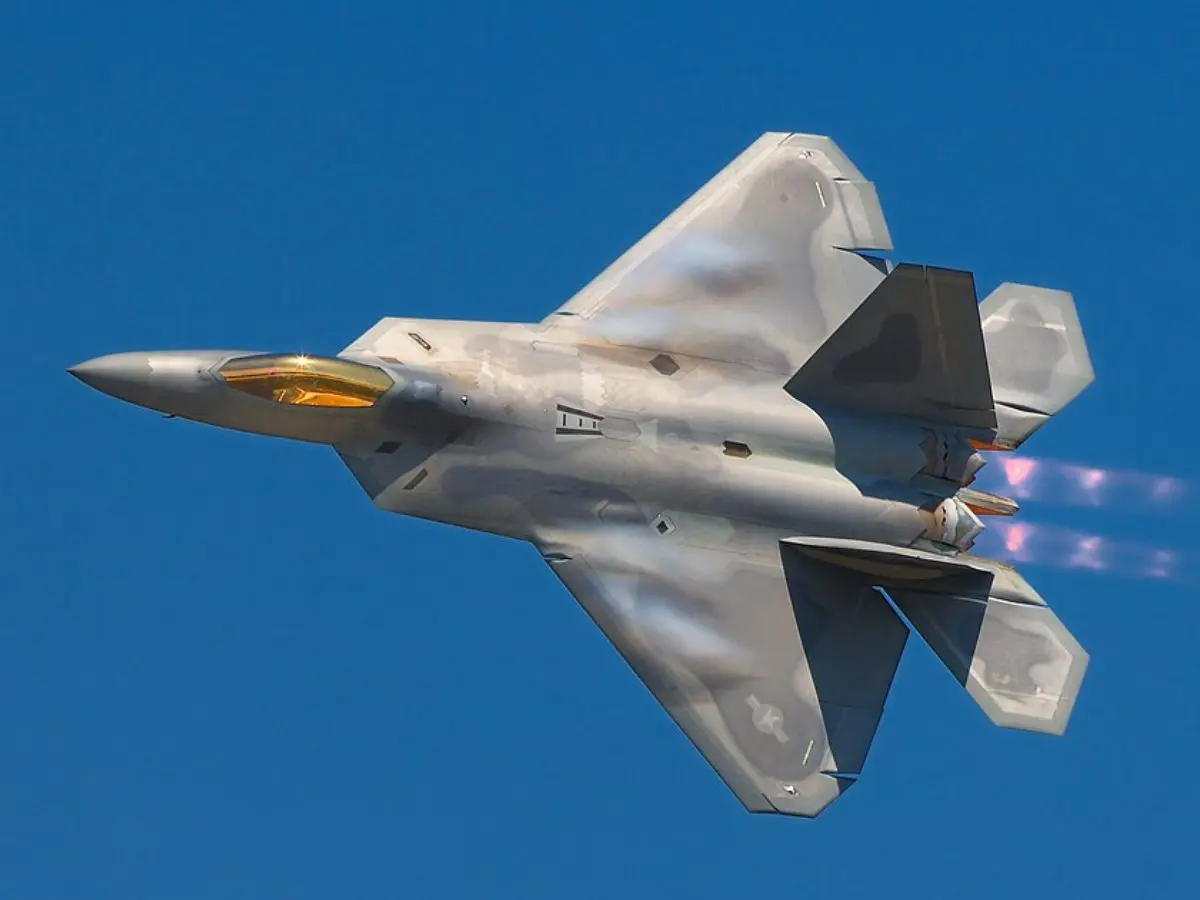
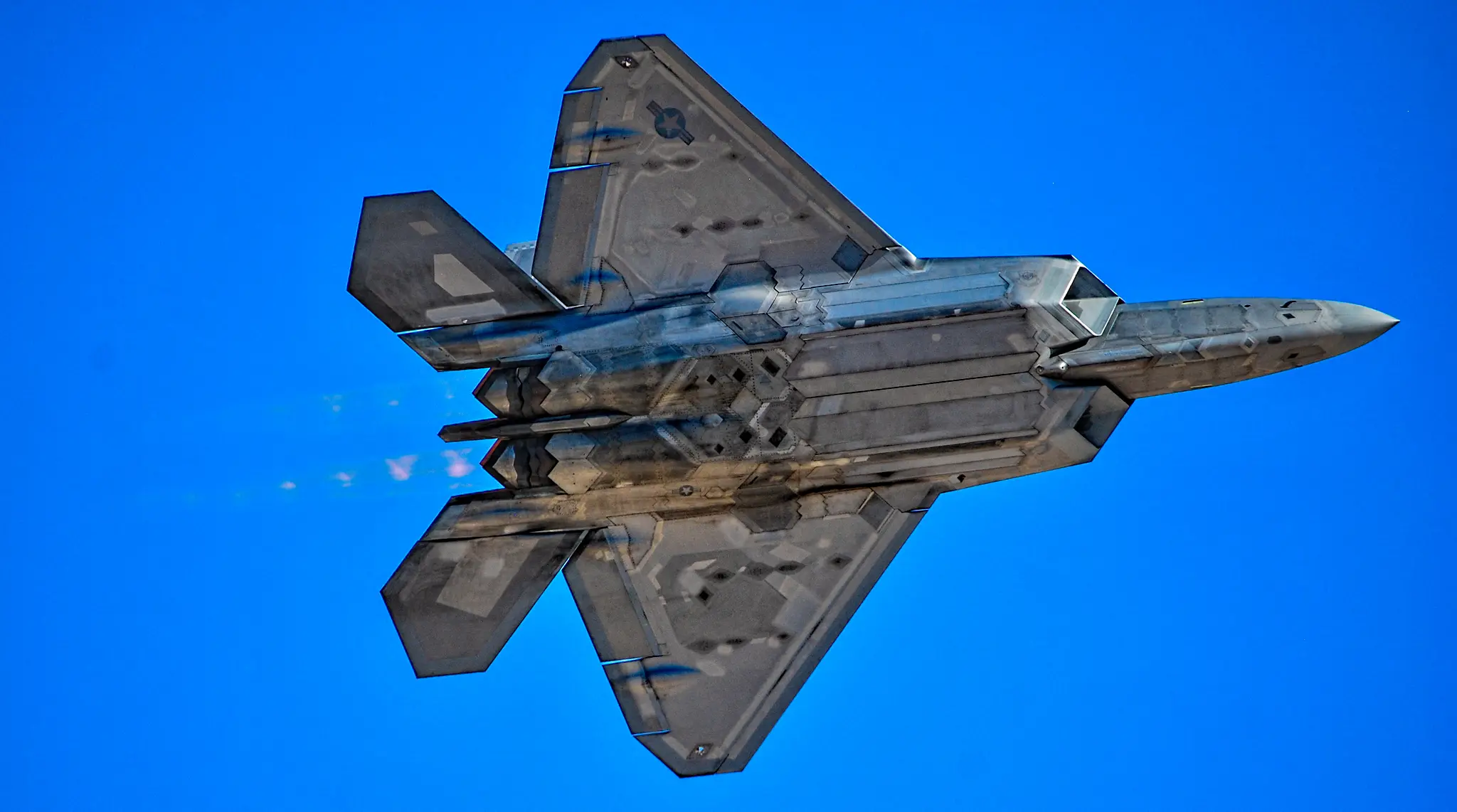
The F-22 carries some of the most advanced stealth and sensor technologies ever deployed. Its radar-evading design, super-cruise capability, thrust-vectoring engines, and internal avionics are tightly controlled. US policymakers feared that exporting the Raptor, even to trusted allies, might risk exposure of this technology to potential adversaries, especially through reverse-engineering or leaks from subcontractor networks.
Redesign Costs Make It Unviable
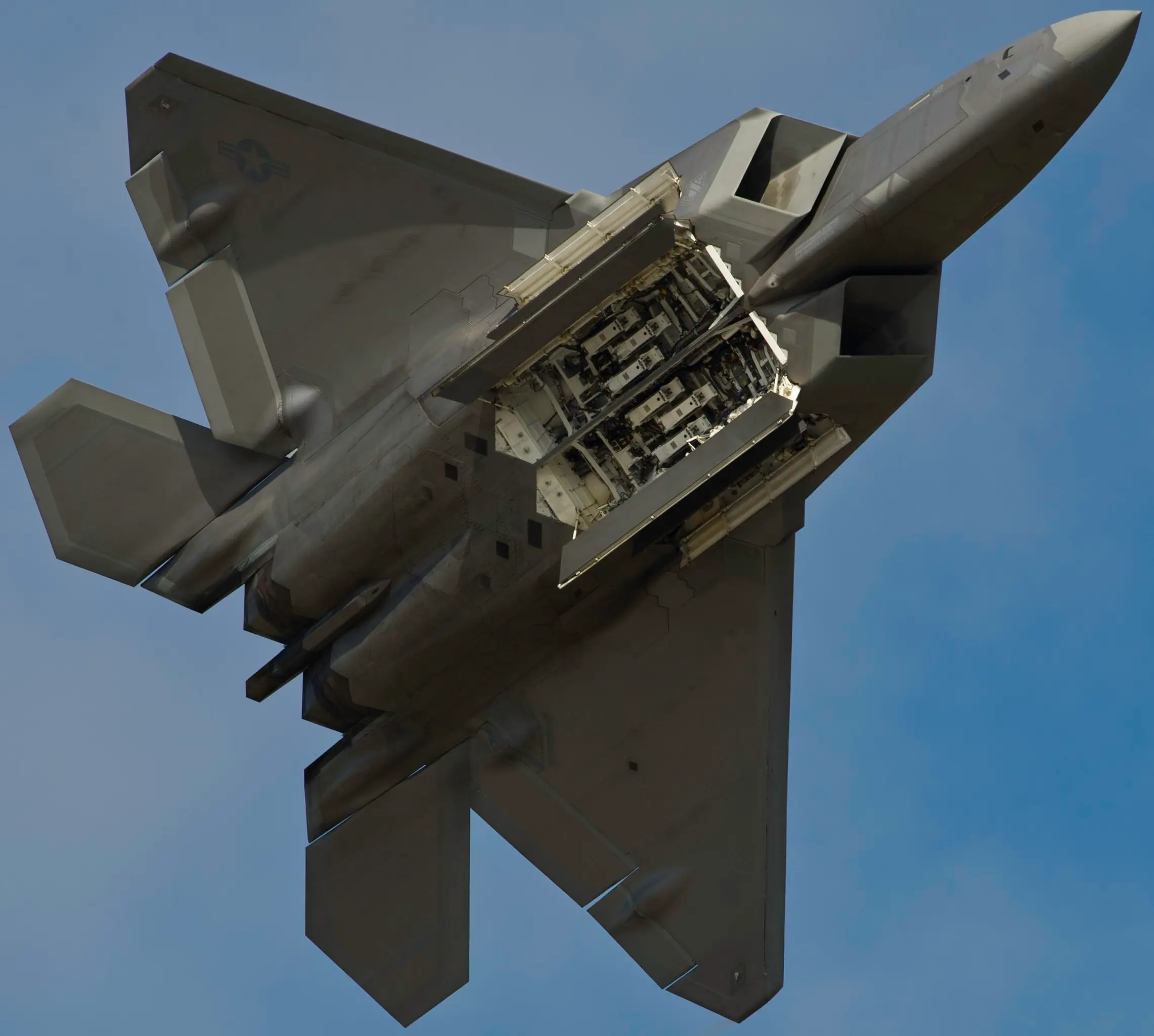
To comply with export laws, any foreign-sales variant of the F-22 would have required substantial redesign, retesting, and capability downgrades. Pentagon officials noted that such a process could exceed one billion dollars alone, prohibitive even for wealthy partners, aside from the delicate redesign compromises required to strip classified elements.
Strategic Choice, Favour the F-35 for Allies
Rather than export the F-22, the US invested in the F-35 Lightning II, which was designed from the outset to be multi-role and exportable. Allies across the globe now operate the F-35 in large numbers, receiving the benefits of fifth-generation stealth with a more cost-effective and scalable platform, without compromising the secrecy around F-22 combat advantage.
Conclusion: Exclusivity Reinforces Superiority
The export ban on the F-22 Raptor stems from a deliberate decision to protect the cutting-edge technologies that define the jet, and to maintain an undisputed US edge in air dominance. Though admired by many allies, it remains untouchable, in both law and design.
)
)
)
)
)