F-22 pilot ejected at supersonic speed: The incident that shocked US Air Force

Ejecting at speeds exceeding 600 knots, especially at low altitudes, increases the risk of fatal injuries due to windblast forces.

A Fatal Decision at 770 Knots
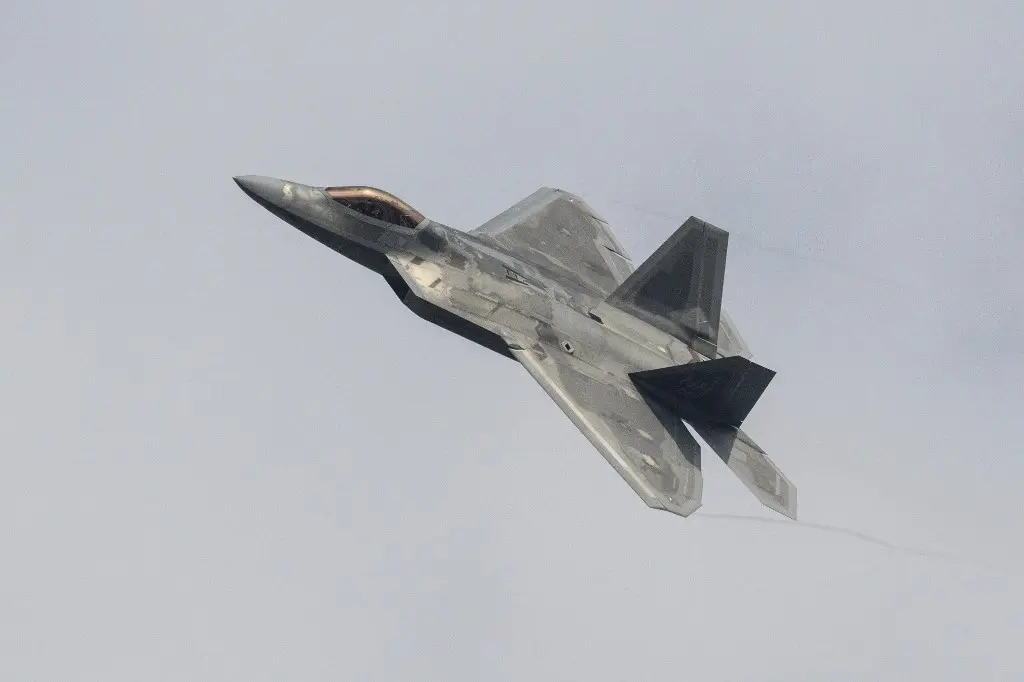
On March 25, 2009, Lockheed Martin test pilot David Cooley was conducting a test flight of the F-22 Raptor near Edwards Air Force Base in California. During a high-G manoeuvre, Cooley lost consciousness due to g-induced loss of consciousness (g-LOC). Realising he was too low to recover, he ejected at an estimated speed of 770 knots (approximately 885 mph). The ejection was outside the aircraft's safe parameters, subjecting him to severe windblast forces. Tragically, Cooley sustained fatal blunt-force trauma injuries upon ejection and did not survive. The accident remains the deadliest in the F-22's history.
The Ejection Parameters and Consequences
The F-22's ejection seat, the ACES II, is designed for optimal performance within certain speed and altitude ranges. Ejecting at speeds exceeding 600 knots, especially at low altitudes, increases the risk of fatal injuries due to windblast forces. Cooley's decision to eject at 770 knots was outside these safe parameters, leading to the catastrophic outcome. The investigation concluded that while the aircraft was functioning normally, the ejection at such high speed was the primary cause of the fatal injuries.
Investigative Findings and Aircraft Integrity
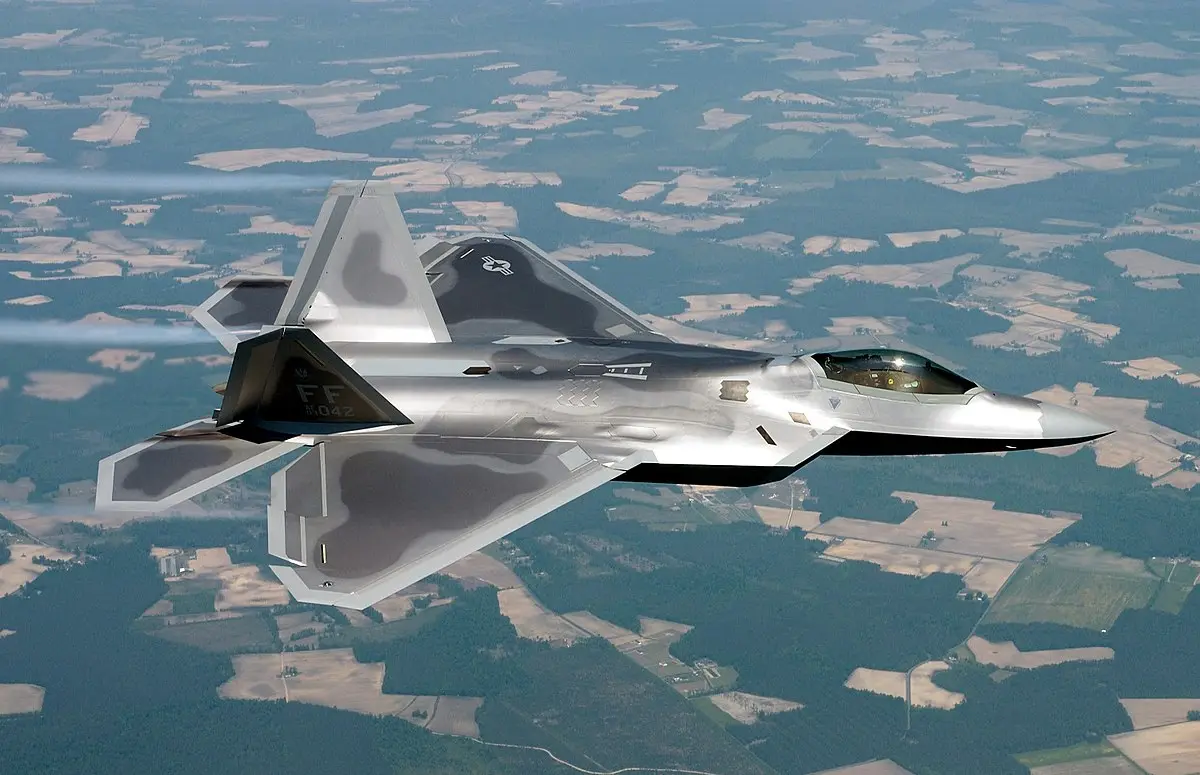
An investigation by the US Air Force board determined that the F-22's design and systems were not at fault in this incident. The aircraft was operating within its intended performance envelope, and there were no mechanical failures contributing to the crash. The primary cause of the fatality was the pilot's ejection at an unsafe speed, highlighting the critical importance of adhering to established ejection parameters.

The Broader Impact on the F-22 Program
This incident had significant implications for the F-22 program. It highlighted the importance of pilot training and adherence to ejection protocols. In the aftermath, the US Air Force reviewed and reinforced its training procedures to ensure pilots are fully aware of the risks associated with high-speed ejections and the importance of remaining within safe operational limits.

Lessons Learned and Safety Enhancements
Following the accident, the US Air Force implemented several safety measures to prevent similar incidents. These included enhanced pilot training programs focusing on g-LOC recognition and recovery, as well as stricter adherence to ejection parameters. Additionally, the incident prompted a reevaluation of the F-22's operational limits and the development of improved safety protocols for high-speed ejections.
Conclusion: A Tragic Reminder of the Risks Involved
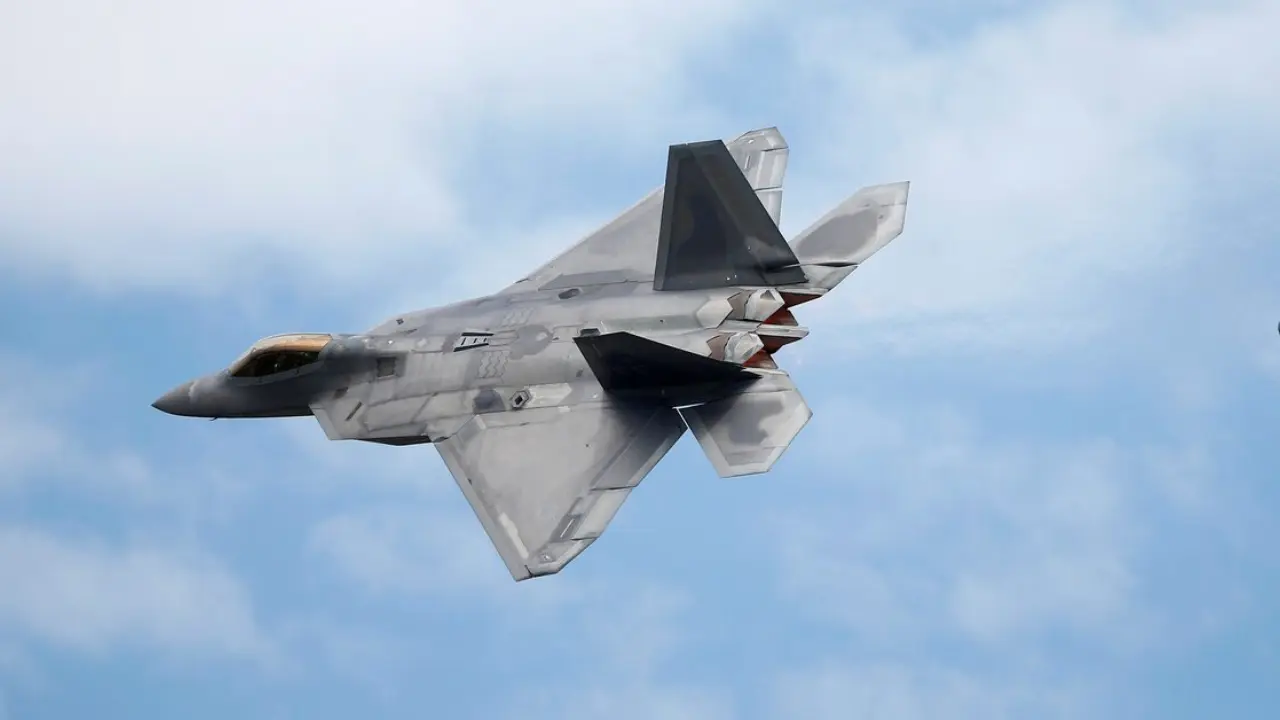
The death of David Cooley serves as a stark reminder of the inherent risks associated with high-performance aircraft operations. While the F-22 Raptor remains a formidable asset to the US Air Force, this incident highlights the critical importance of pilot awareness, adherence to safety protocols, and the need for continuous evaluation and improvement of safety measures in military aviation.
)
)
)
)
)