F-22 can supercruise, vanish from radar and outmanoeuvre rivals, here’s why no other jet comes close

While the aircraft has never been tested in direct combat, training missions with allied and adversary pilots have repeatedly revealed just how far ahead it is of rival jets.
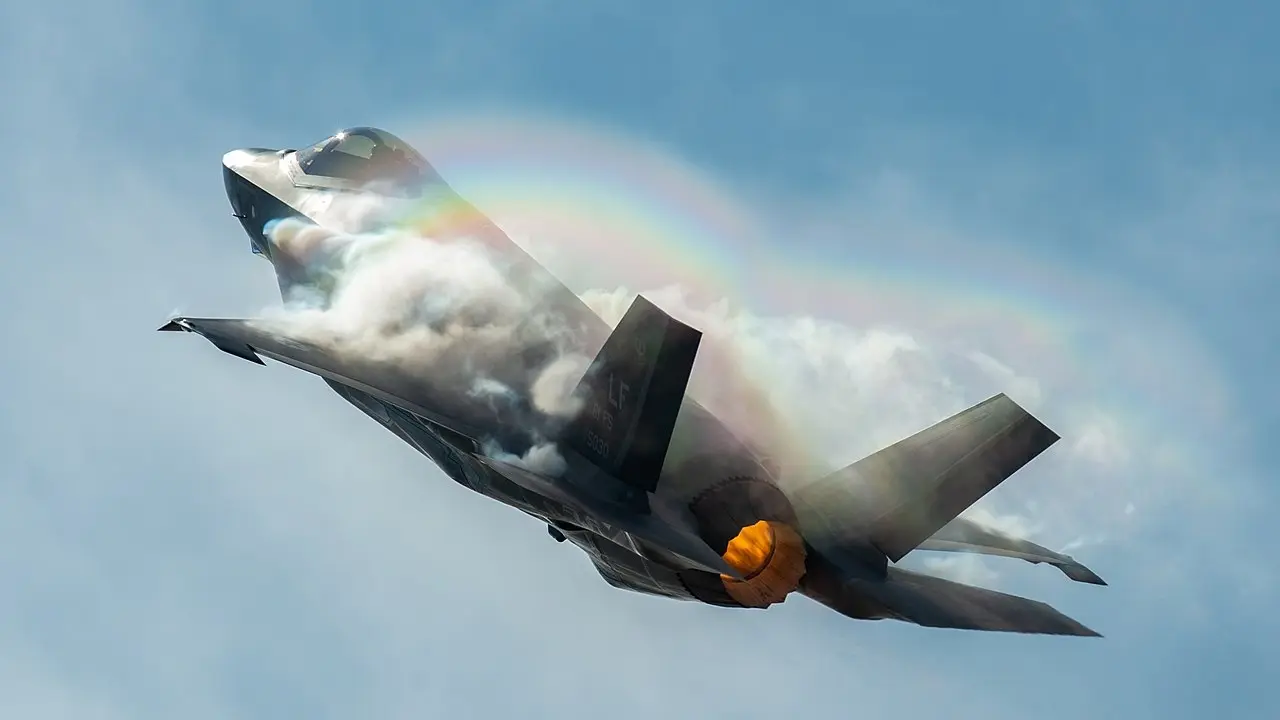
A fighter in a class of its own
Since entering service in 2005, the Lockheed Martin F-22 Raptor has been described as the benchmark for air dominance. Combining stealth, speed, agility, and unmatched situational awareness, it remains without a true rival nearly two decades later. Despite its age, the F-22 continues to perform feats that no other fighter on earth can reliably replicate.
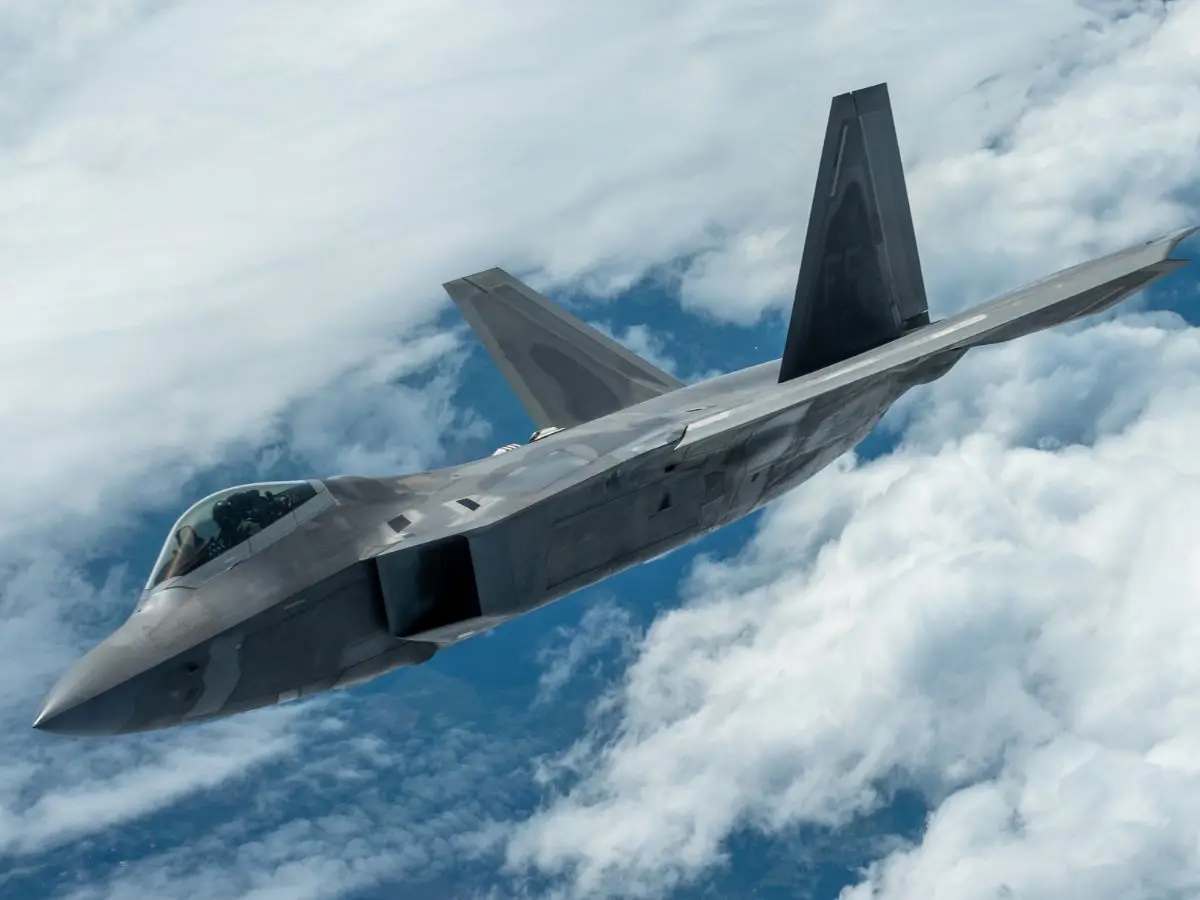
Supercruise without afterburners
One of the Raptor’s most significant capabilities is its ability to cruise at supersonic speeds without using afterburners, a feature known as supercruise. Most fighters require afterburners to break the sound barrier, burning vast amounts of fuel and generating a visible heat signature. The F-22 can fly at Mach 1.5 in supercruise, allowing it to intercept targets faster while remaining stealthier than its competitors.
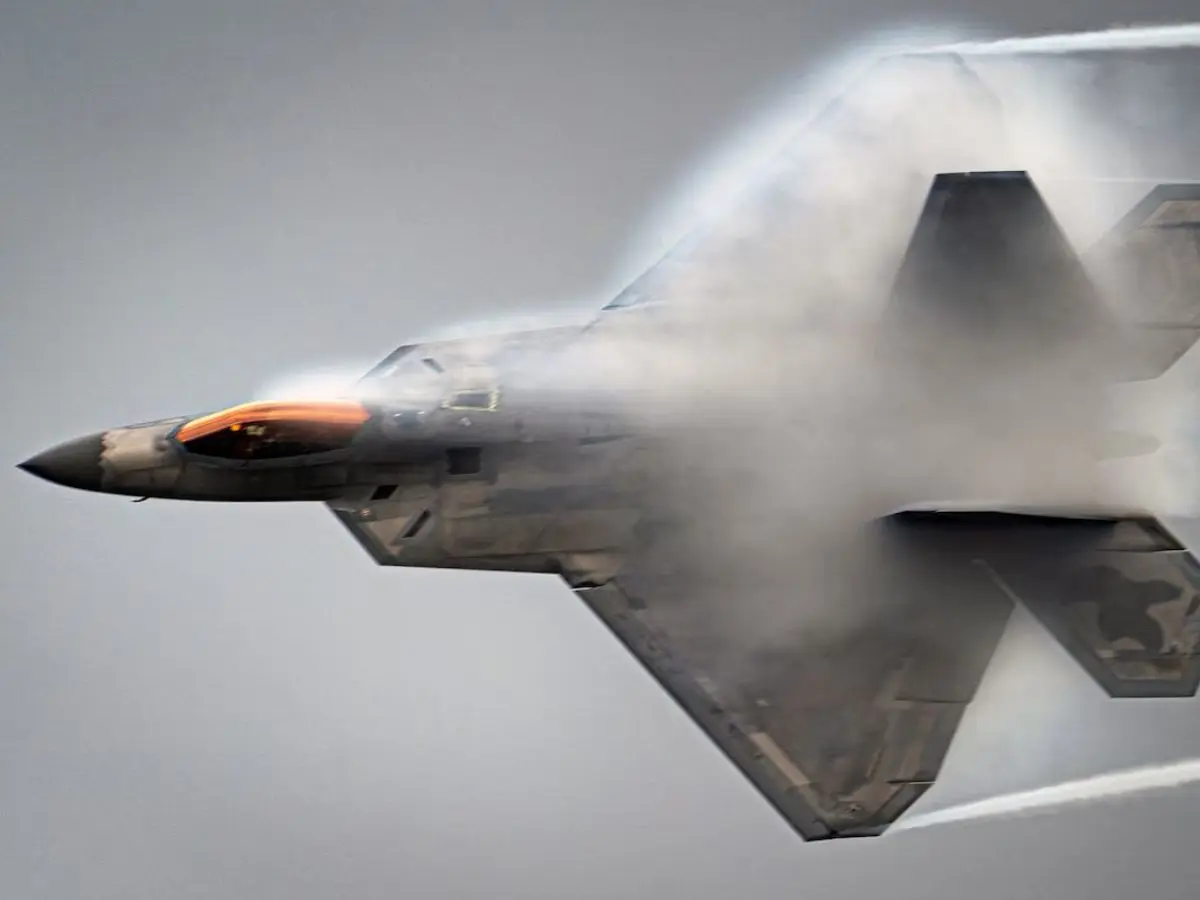
Extreme manoeuvrability with thrust vectoring
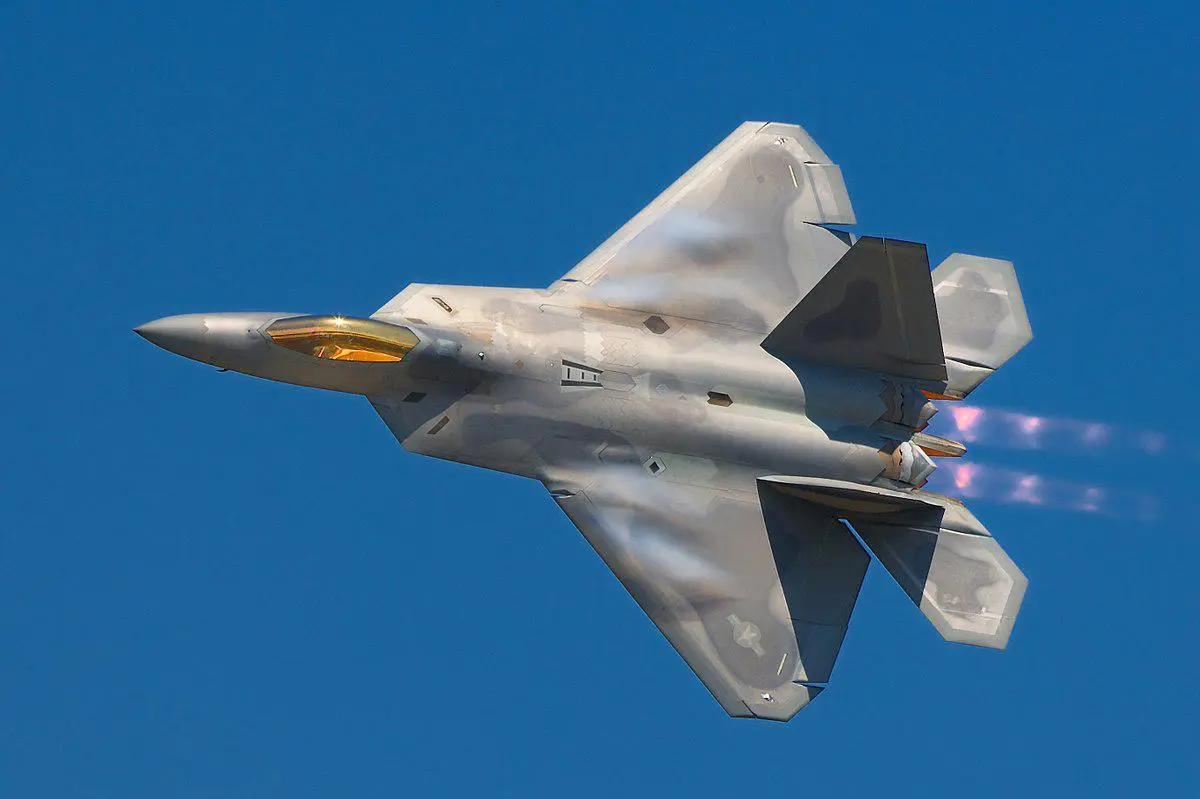
The F-22’s twin Pratt & Whitney F119 engines are fitted with two-dimensional thrust vectoring nozzles, which can direct thrust up or down by 20 degrees. This gives the jet extraordinary agility, enabling it to perform manoeuvres such as the Herbst manoeuvre and the Pugachev’s Cobra, turning inside opponents and controlling the fight in close-range dogfights. Few jets, including the Russian Su-35, come close, but none match the Raptor’s blend of stealth and thrust vectoring.
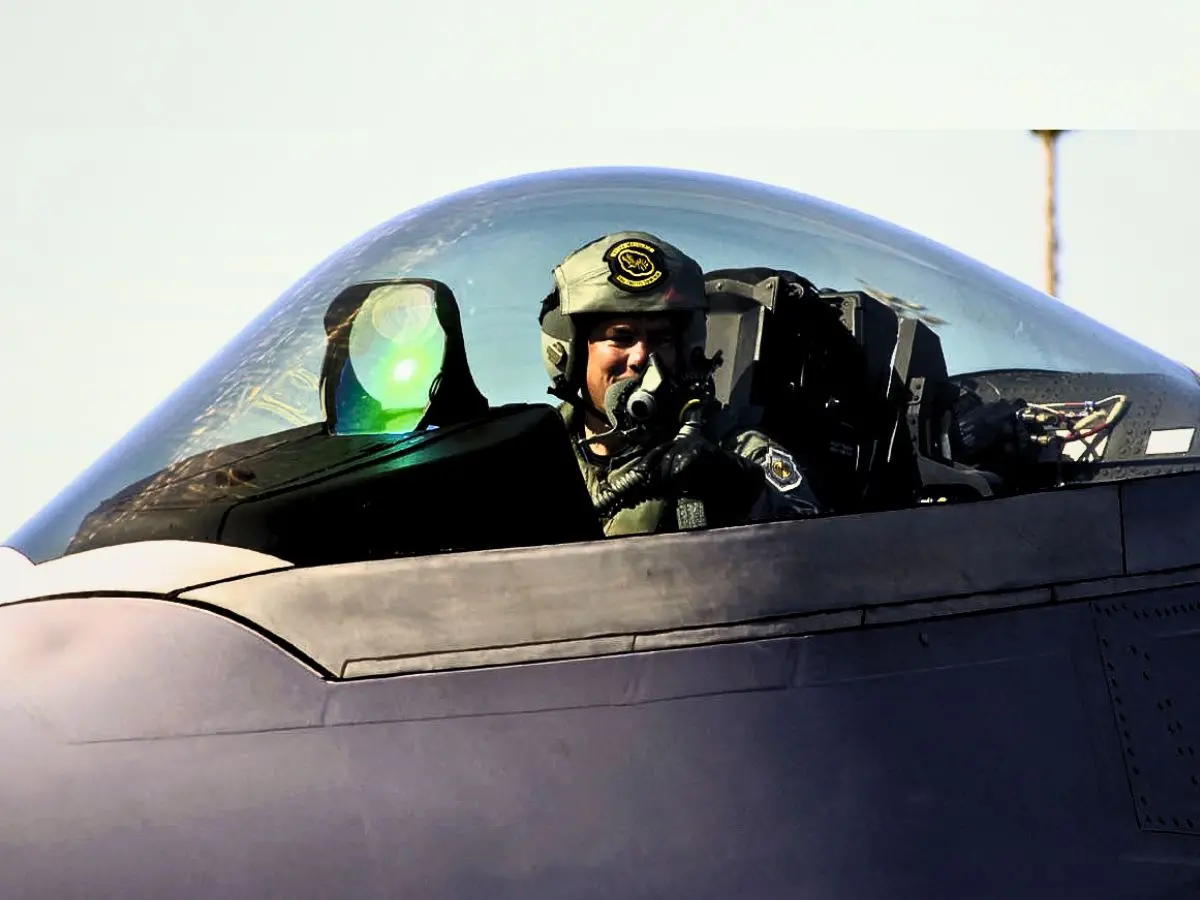
First look, first kill advantage
The Raptor’s combination of stealth design and advanced AN/APG-77 radar gives it what the U.S. Air Force calls first look, first shot, first kill capability. In training exercises such as Red Flag 2006, F-22 pilots routinely destroyed opponents before they were ever detected. The jet’s ability to dominate in beyond-visual-range combat remains unmatched, allowing it to strike from distances that render rivals defenceless.
Engaging multiple targets simultaneously
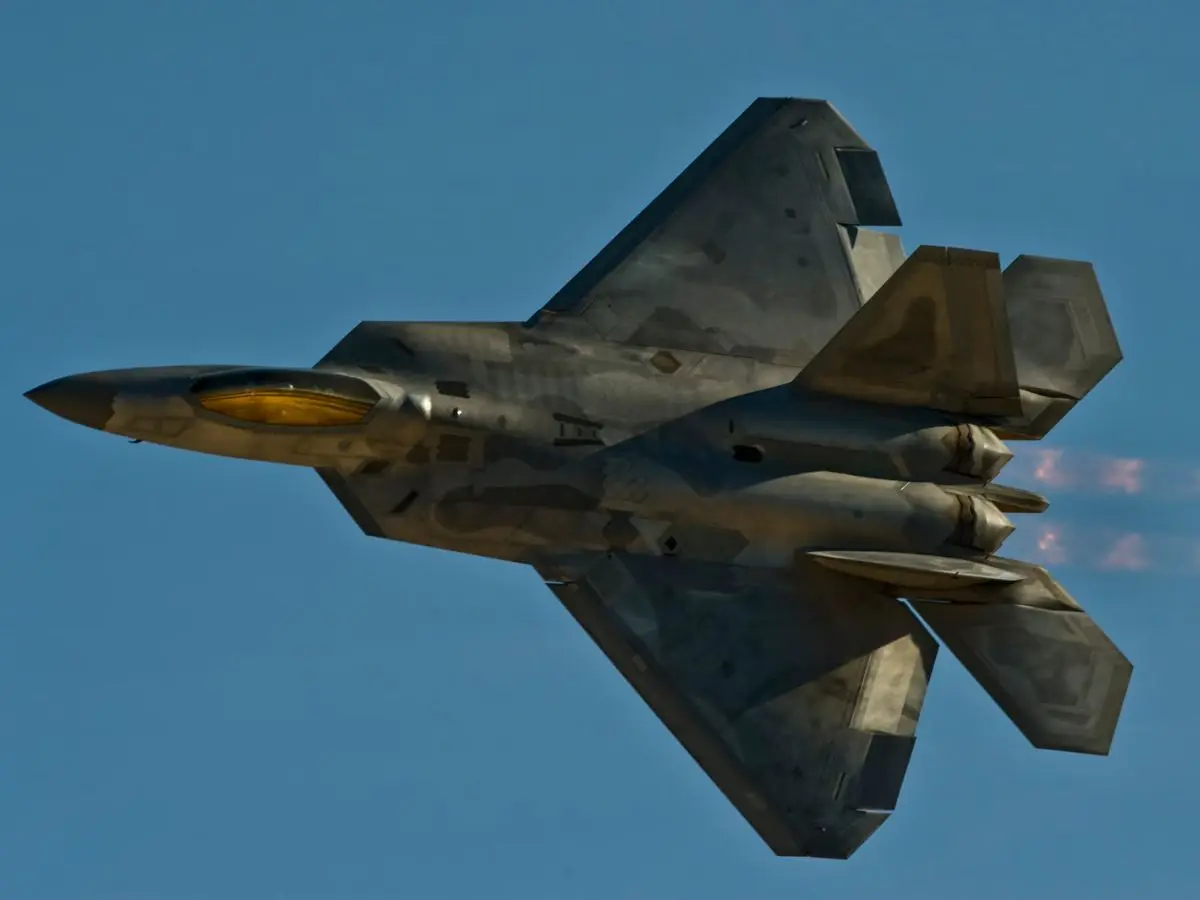
Unlike most fighters, the F-22 can track and engage multiple targets at once, while remaining nearly invisible to enemy radar. Its sensor fusion system integrates radar, electronic warfare, and communications into a single display, giving pilots an unmatched picture of the battlespace. This situational awareness allows them to engage adversaries while coordinating with other assets without being detected themselves.
Operating in electronic warfare environments
The Raptor is also designed to continue fighting in contested electronic warfare conditions, where communications and radar can be jammed. Its low observability reduces reliance on active sensors, and its secure datalinks give it an advantage over adversaries who might otherwise rely on jamming to level the playing field. In scenarios where other fighters might be blinded, the F-22 retains the edge.
A unique combination never exported
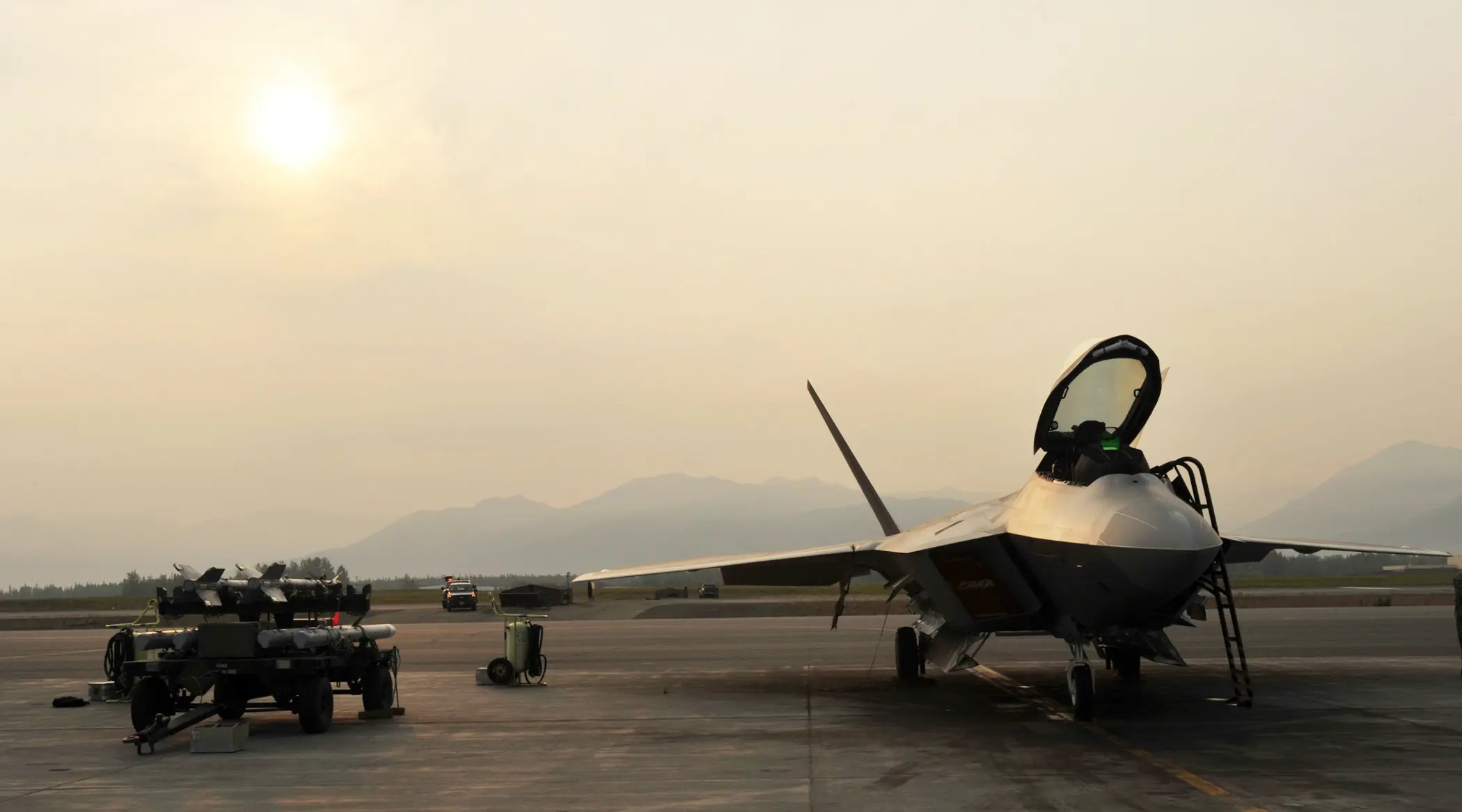
Perhaps the most remarkable fact about the F-22 is that it is the only fifth-generation fighter never exported. US law forbids its sale abroad, making it unique even among allies. With only 186 ever built, the Raptor remains an exclusive capability of the US Air Force. While other nations field advanced aircraft such as the F-35, Typhoon, or Su-57, none combine stealth, supercruise, thrust vectoring, and sensor fusion in the way the F-22 does.
The enduring air superiority fighter
More than 18 years after it entered service, the F-22 still represents a class of its own. Its unmatched combination of speed, stealth, manoeuvrability, and situational dominance ensures it remains a decisive tool in the skies.
)
)
)
)
)