F-15s, warships and USS Abraham Lincoln: What military assets has US deployed as Iran tensions rise?

At the centre of the deployment is the nuclear-powered aircraft carrier USS Abraham Lincoln (CVN-72). The 1,32,000 tons US Navy hardware is steaming towards the Middle east.

A surge of US firepower into a volatile region
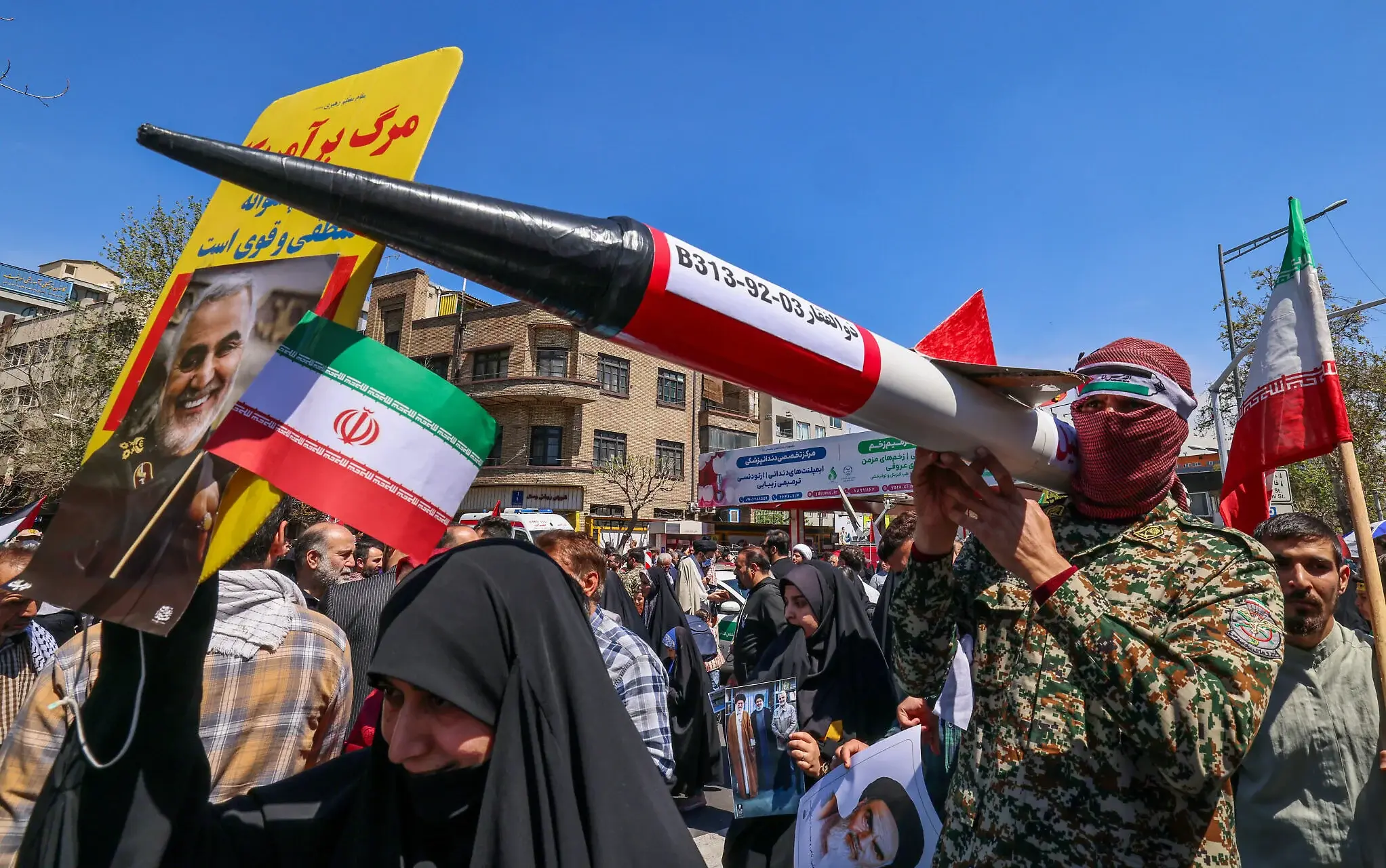
As tensions between US and Iran sharpen after a short-pause, the United States has accelerated the deployment of major military assets to the Middle East, signalling readiness while keeping options open. According to the Associated Press, the Pentagon has moved fighter aircraft, an aircraft carrier strike group along with naval escorts into the region as US President Donald Trump continues to warn of possible action amid Iran’s crackdown on protests. Meanwhile, Iran has responded with its own warning. On Sunday, authorities unveiled a mural in Tehran’s Enghelab Square showing a damaged aircraft carrier, signalling retaliation if the US attempts a strike.
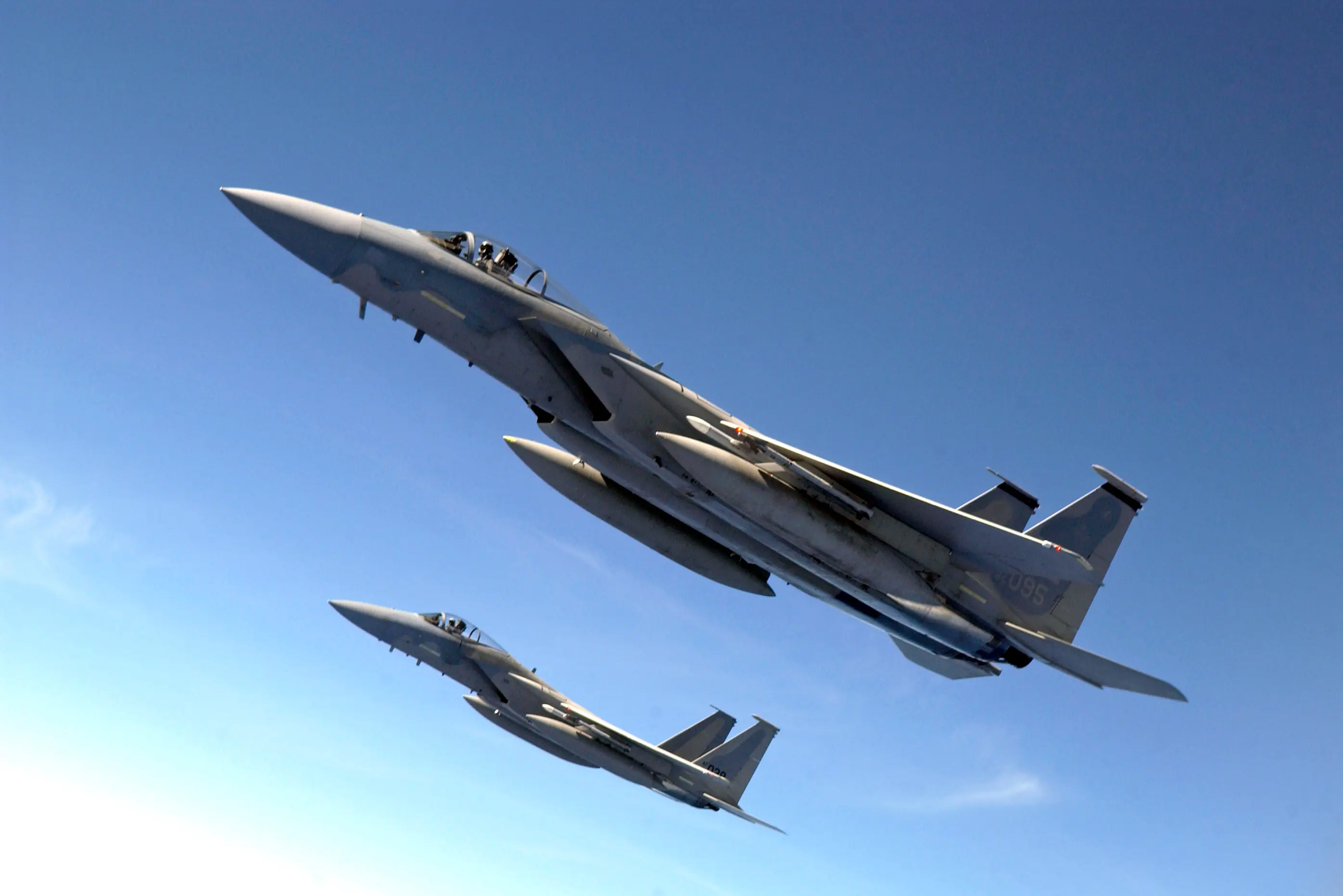
F-15 fighters
Among the most visible moves is the deployment of US Air Force F-15 fighter jets. US Central Command said on social media that the Air Force F-15E Strike Eagle now has a presence in the Mideast, noting the fighter jet “enhances combat readiness and promotes regional security and stability', as reported by AP. The aircraft, designed for air superiority and precision strike, can reach speeds exceeding Mach 2 and carry advanced air-to-air missiles alongside guided bombs. The presence of F-15s allows rapid response to threats across the Gulf, reinforcing US control of regional airspace.
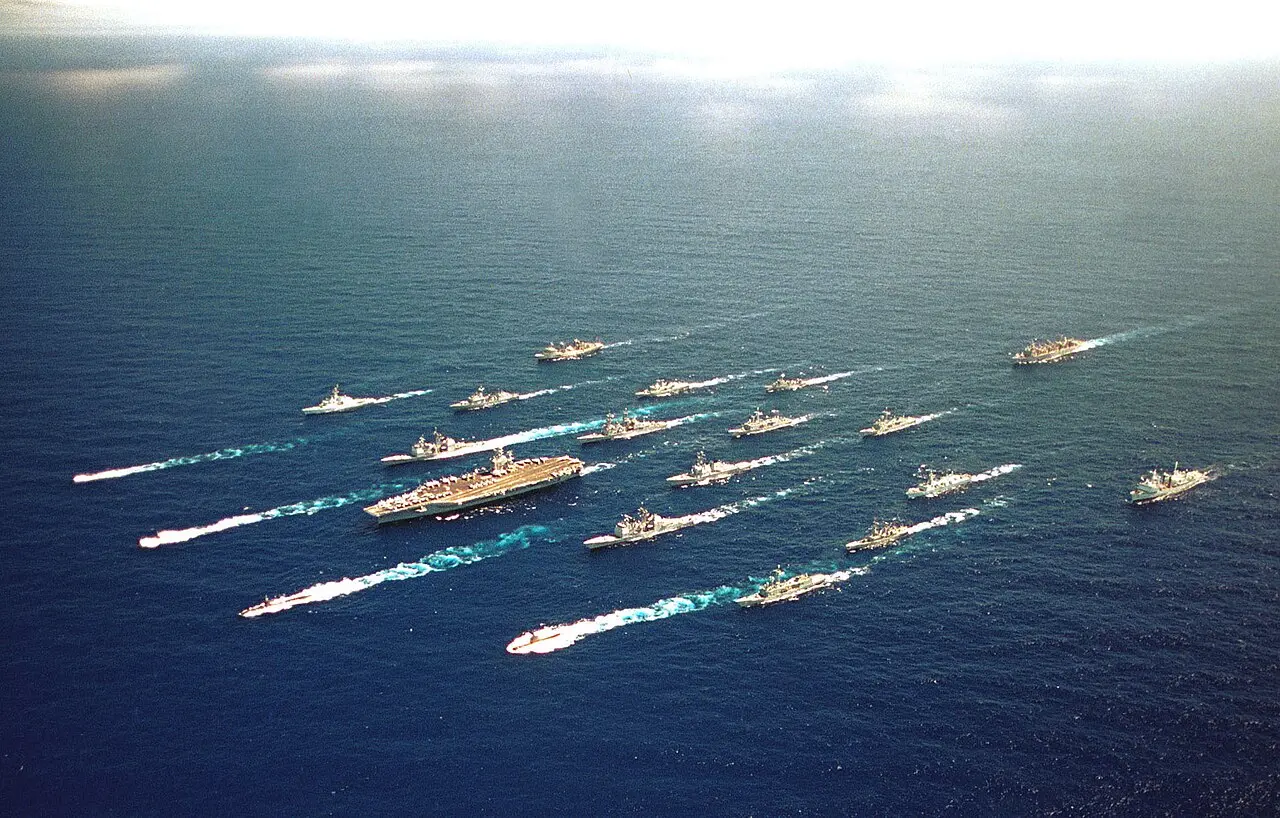
USS Abraham Lincoln
At the centre of the deployment is the nuclear-powered aircraft carrier USS Abraham Lincoln (CVN-72). The 1,32,000 tons US Navy hardware is steaming towards the Middle east. The Nimitz-class carrier serves as a floating airbase, capable of launching sustained air operations without reliance on regional infrastructure. Its arrival in the will place US strike aircraft within immediate reach of potential flashpoints, extending Washington’s military leverage.
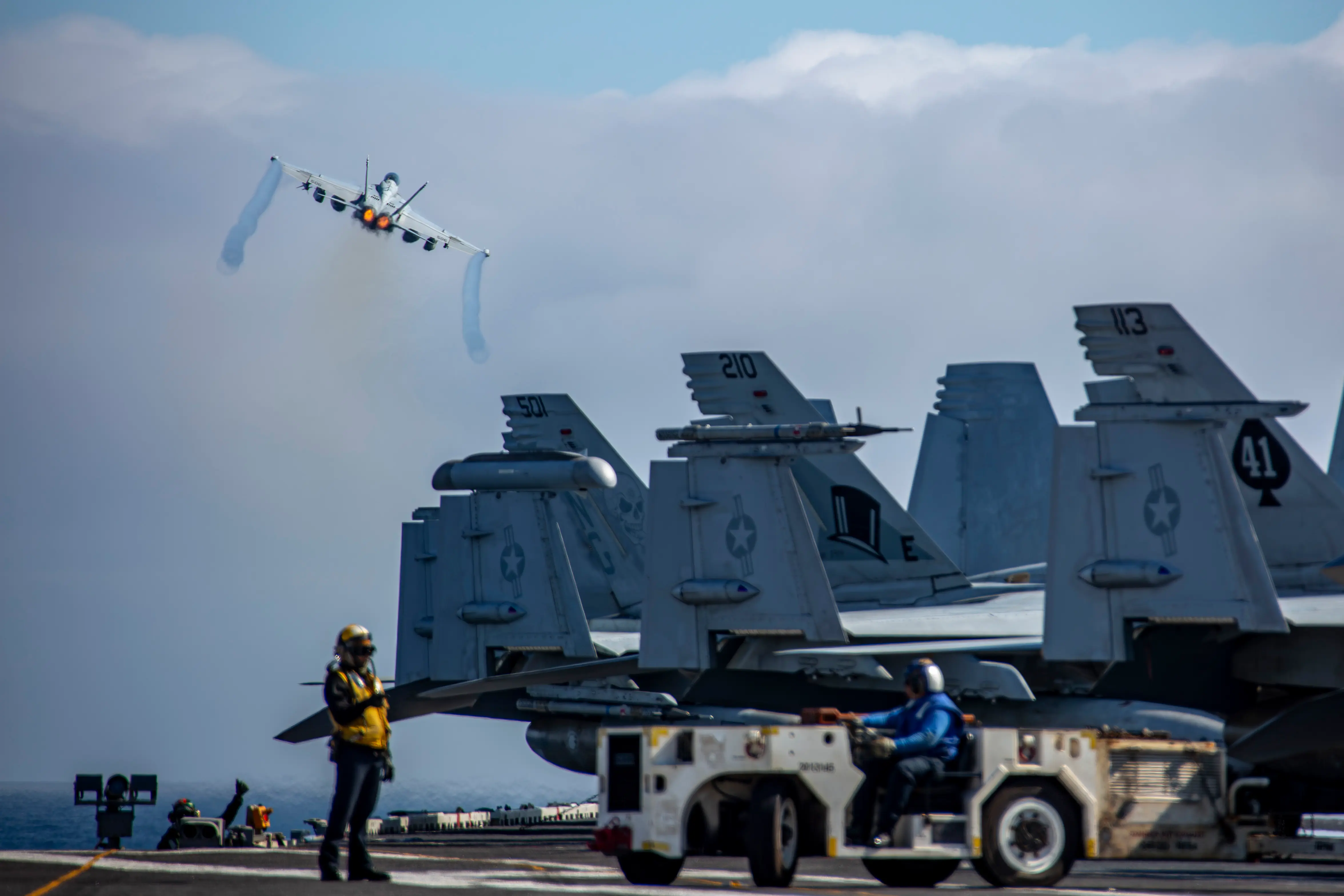
Fifth-generation power from the flight deck
The aircraft-carrier has a capacity of 90 aircrafts. CVW-9 is attached to Carrier Strike Group (CSG) 3 and USS Abraham Lincoln and consists of eight squadrons flying F-35C Lightning II, F/A-18E/F Super Hornets, EA-18G Growlers, E-2D Hawkeyes, CMV-22B Ospreys and MH-60R/S Sea Hawks. The F-35C can evade radar while sharing real-time targeting data across the fleet, while Super Hornets carry a broad mix of air-to-air and precision strike weapons for prolonged operations.
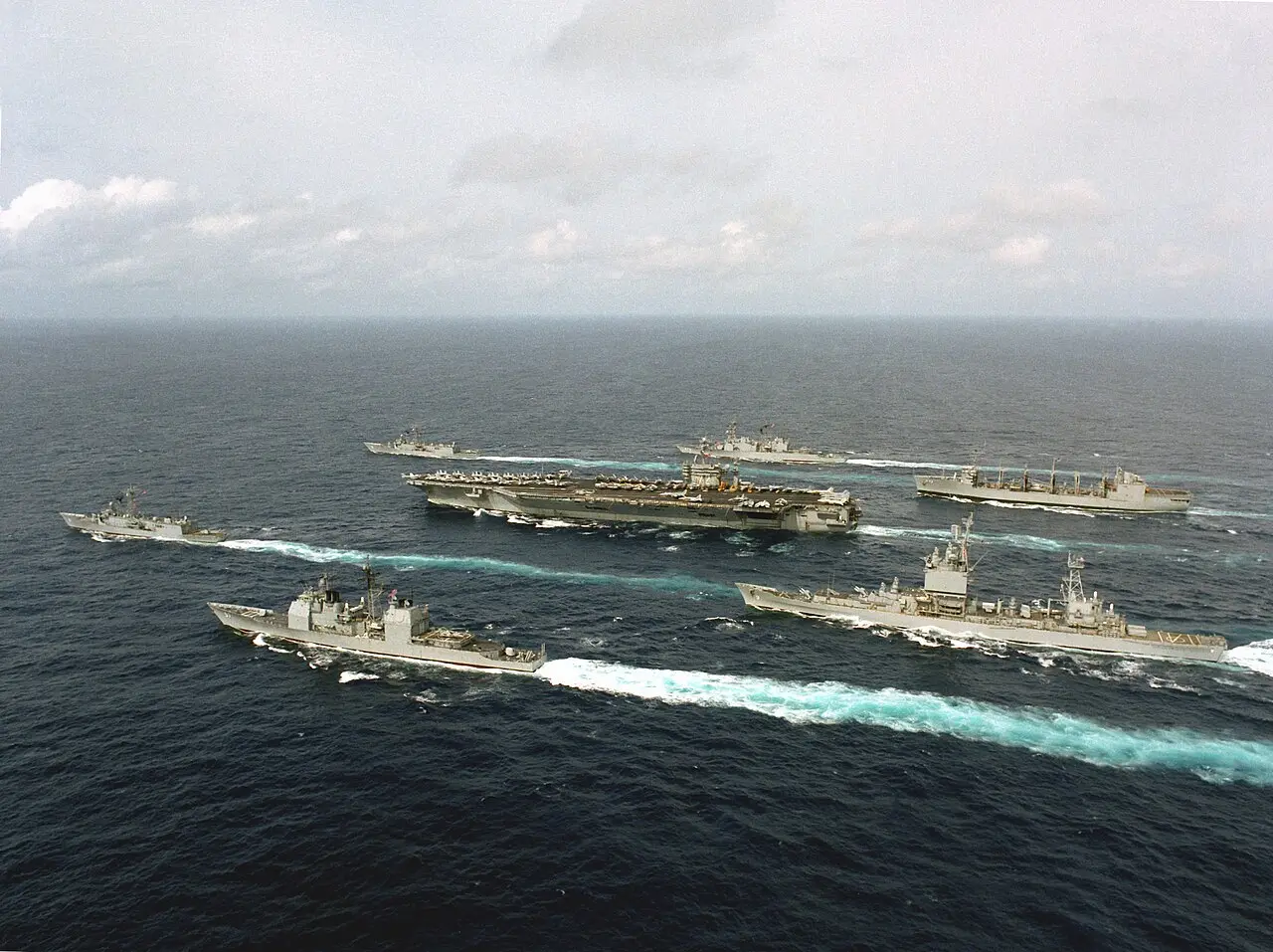
Destroyers and cruisers
Escorting the carrier are Arleigh Burke-class destroyers USS Frank E. Petersen, Jr. (DDG-121), USS Spruance (DDG-111) and USS Michael Murphy (DDG-112), alongside the guided-missile cruiser USS Mobile Bay. A carrier strike group can also include a stealthy nuclear-powered submarine, but their whereabouts are almost never publically revealed. These ships are equipped with Vertical Launch Systems capable of firing Tomahawk Land Attack Missiles, providing long-range strike options against targets hundreds of miles inland.
What's happening
Iran has been gripped since late December by nationwide protests and demonstrations that were sparked by the Islamic Republic’s ailing economy. According to AP, activists said that the overall death toll from the crackdown rose to at least 5,032 people, with more than 27,600 detained in a widening arrest campaign. However, the official Iranian death toll is far lower with only 3,117 dead.
)
)
)
)
)