'F‑15s, KC‑135s, Reaper drones & more': US lost at least 16 aircraft, including 10 MQ‑9 Reapers, in Iran war, says report

Among the fixed‑wing aircraft lost are three F‑15E Strike Eagle fighters, downed in a friendly fire incident over Kuwait. The incidents raise questions about how and when these assets were lost and their significance for US air power.
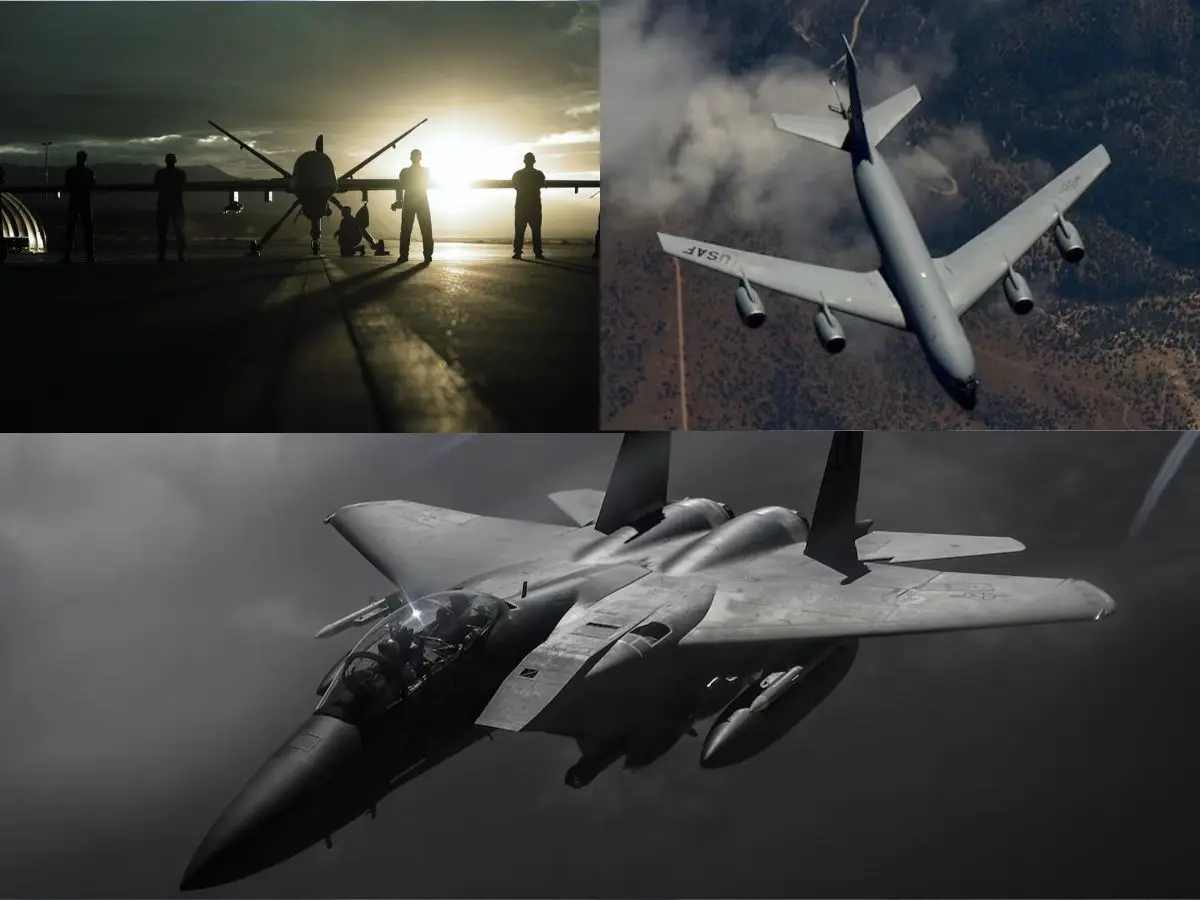
Rising Aircraft Losses in the Iran Conflict
The United States has lost at least 16 military aircraft since the outbreak of high‑intensity conflict with Iran in West Asia, highlighting the growing toll on US air operations in the region, according to a Bloomberg report. Ten of those losses are MQ‑9 Reaper strike drones that were shot down by hostile fire while conducting intelligence, surveillance and precision strike missions against Iranian air defence systems and allied militias. The incidents raise questions about how and when these assets were lost and their significance for US air power.
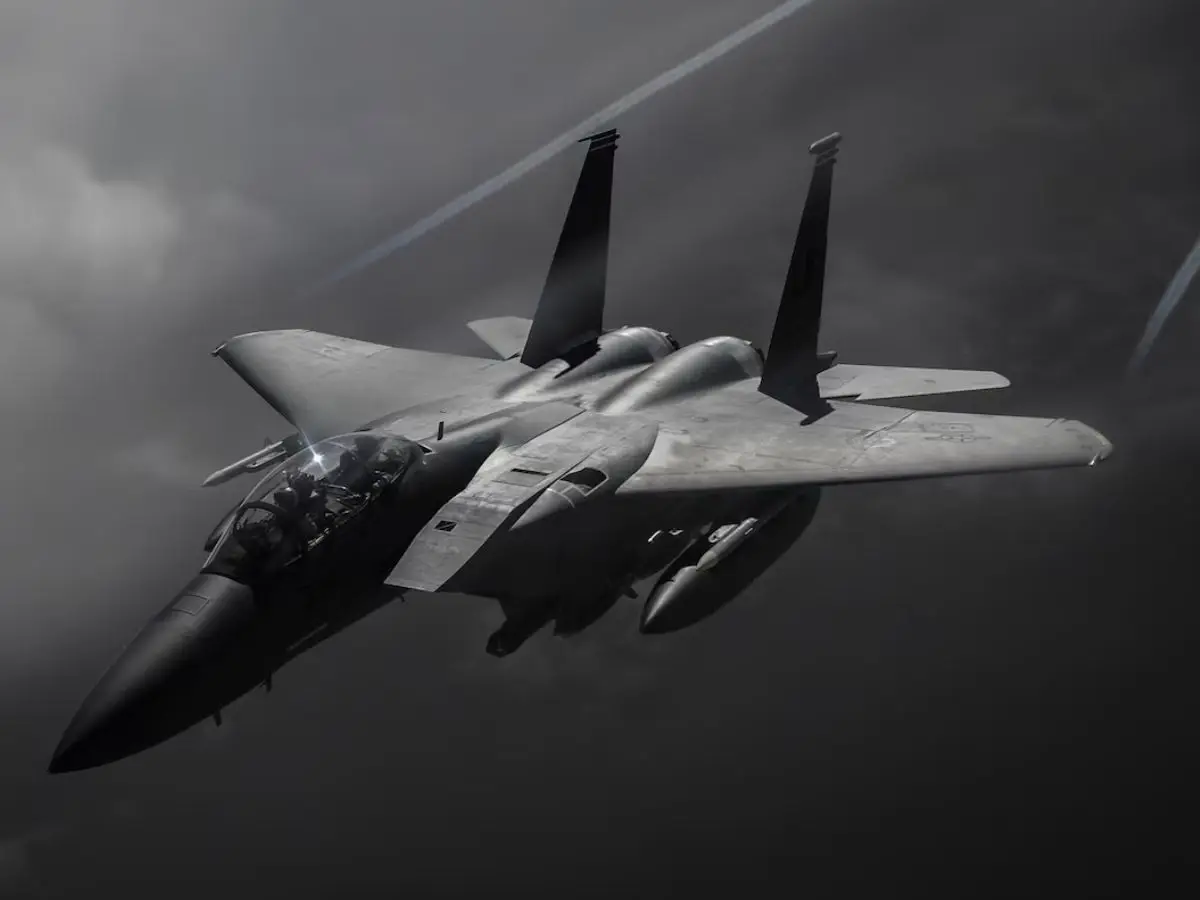
F‑15E Strike Eagle fighters
Among the fixed‑wing aircraft lost are three F‑15E Strike Eagle fighters, downed in a friendly fire incident over Kuwait. The F‑15E is a dual-role fighter capable of both air-to-air and air-to-ground missions. It is powered by two Pratt & Whitney F100-PW-220/229 engines, can reach speeds above Mach 2.5, and carries a wide array of precision-guided bombs, AIM-120 AMRAAM, AIM-9 Sidewinder missiles, and an internally mounted 20mm cannon. The two-seat aircraft also features LANTIRN pods for low-altitude, night, and all-weather operations and advanced avionics for simultaneous target tracking.
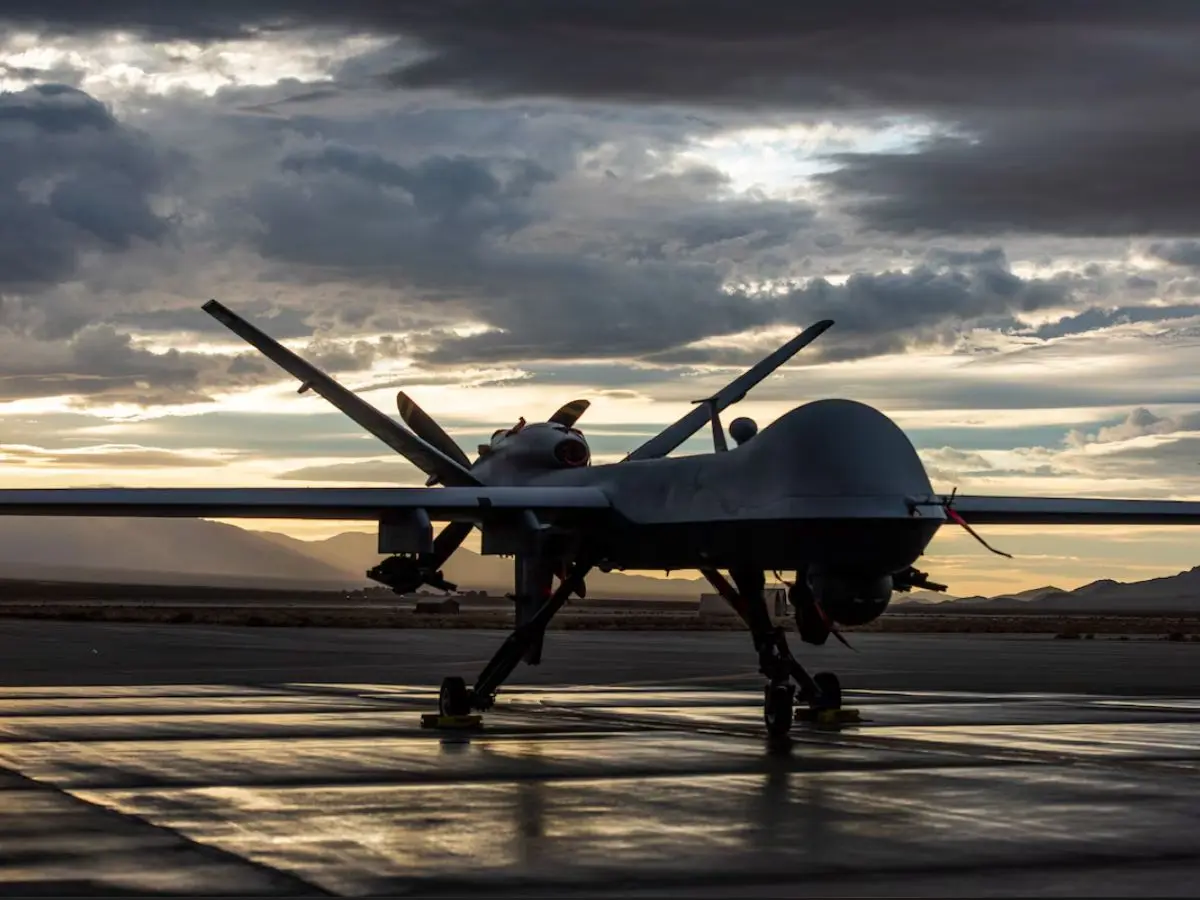
MQ‑9 Reaper drones
Unmanned General Atomics MQ‑9 Reaper drones account for the majority of losses. These remotely piloted aircraft serve in intelligence, surveillance, reconnaissance and precision‑strike roles. They carry a payload of up to 3,750 pounds, including AGM‑114 Hellfire missiles and GBU‑12/38/49 laser-guided bombs, and feature a multi-spectral targeting system with infrared, laser designator, and synthetic aperture radar. With a wingspan of 66 ft and a range of up to 1,611 miles, the Reaper can loiter over targets for extended periods, making it critical for persistent strike and ISR operations.
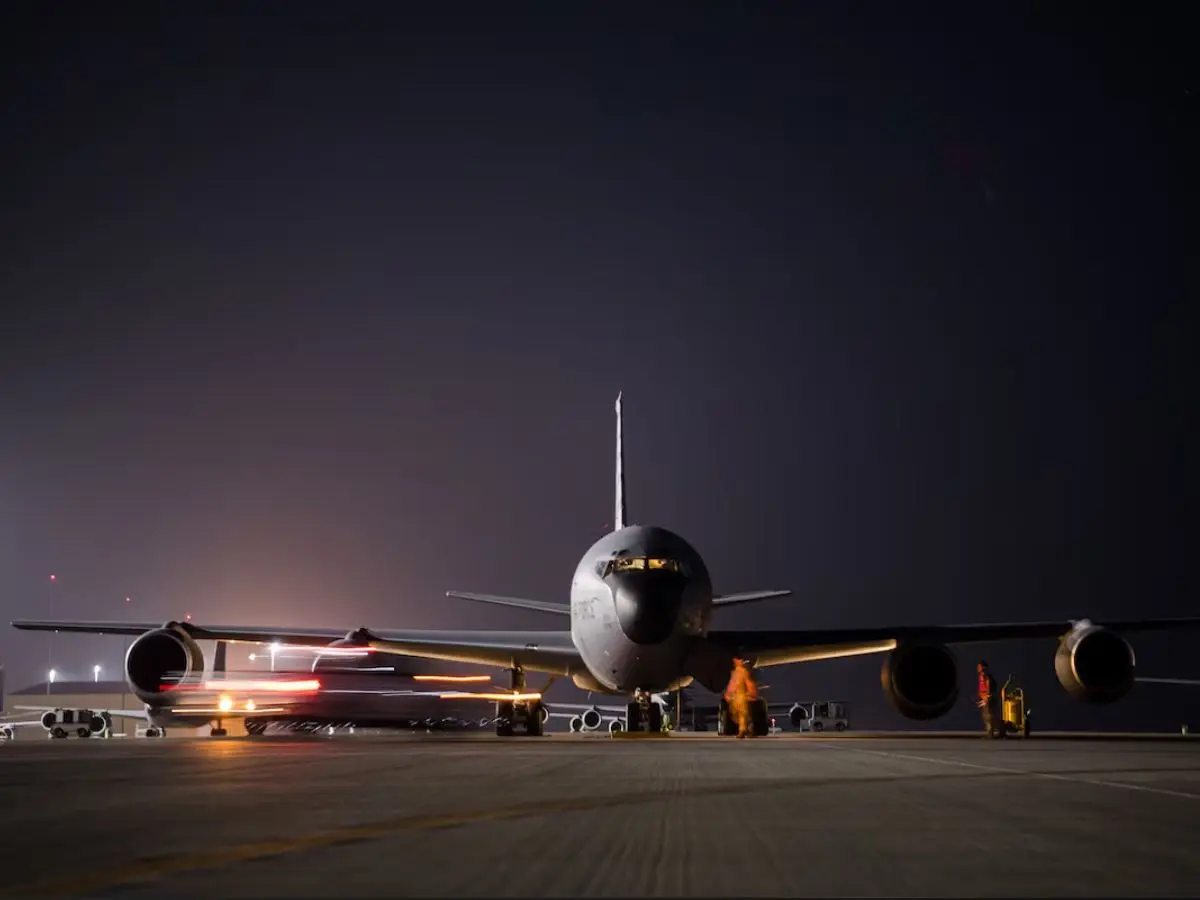
KC‑135 Stratotanker
A Boeing KC‑135 Stratotanker was destroyed during a mid-air refuelling operation over western Iraq, killing all six crew members. The KC‑135 provides core aerial refuelling capability, capable of transferring up to 200,000 pounds of fuel via a flying boom or drogue system. Powered by four turbofans, it can carry up to 83,000 pounds of cargo, 37 passengers, and has a maximum takeoff weight of 322,500 pounds. Five additional KC-135 aircraft were reportedly damaged in an Iranian missile strike on a base in Saudi Arabia.
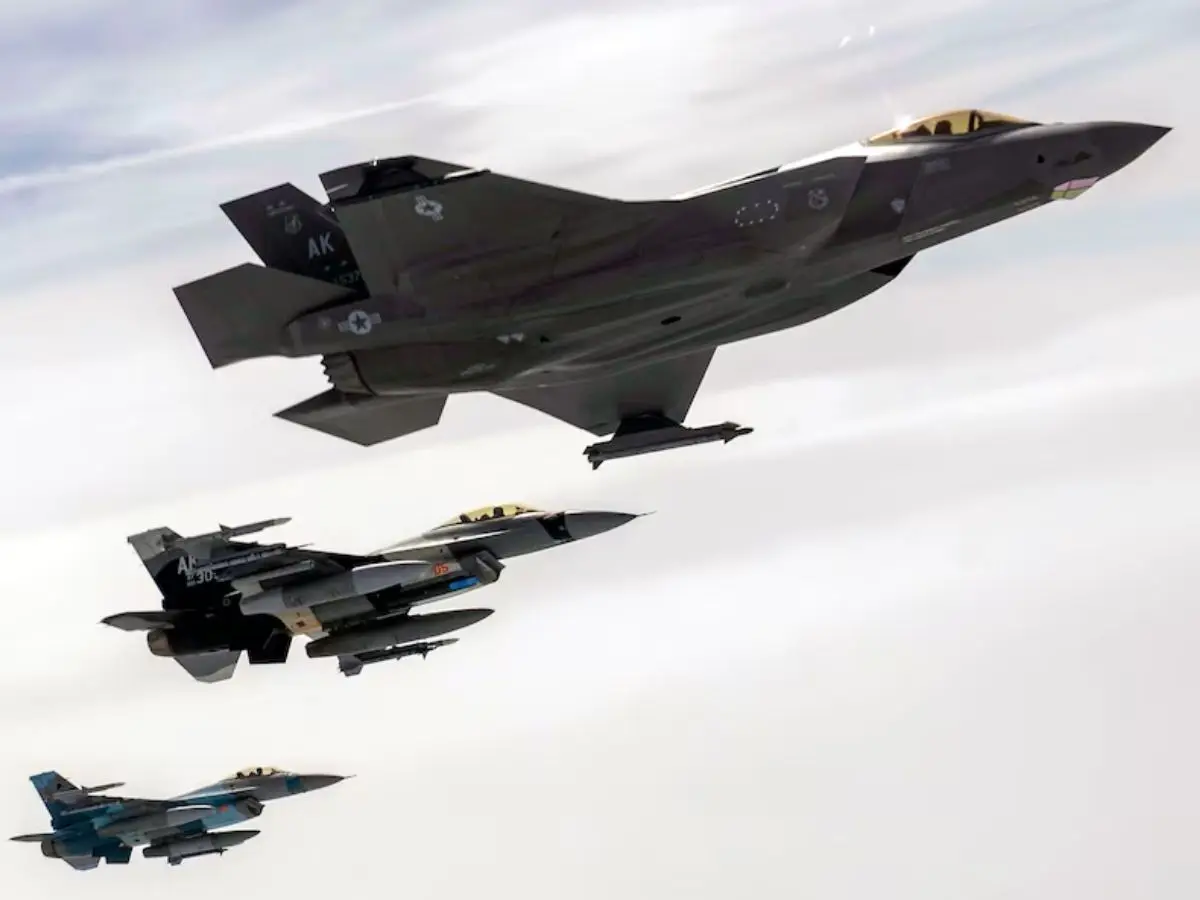
F‑35 Operations and Contested Airspace
The F‑35 Lightning II, the US Air Force’s premier stealth fighter, has also been deployed in the ongoing conflict in West Asia, operating in highly contested airspace over Iran and neighbouring regions. While there have been no confirmed combat losses, reports indicate that at least one F‑35A was forced to make an emergency landing at a Middle Eastern base after sustaining damage, with the pilot in stable condition, according to US Central Command. The aircraft’s advanced stealth, sensor fusion, and networked command-and-control capabilities allow it to lead both manned and unmanned missions, including coordination with MQ‑9 Reapers and strike support for F‑15E operations.
)
)
)
)
)