F-15IA vs F-35: Why Israel needs both fighter jets in its air force? Key details inside

After the new deal with the US, the Israeli Air Force (IAF) is strategically trying to balance its fleet by integrating both the stealth-focused F-35 "Adir" and the heavyweight F-15IA with the aim of strengthening air superiority.
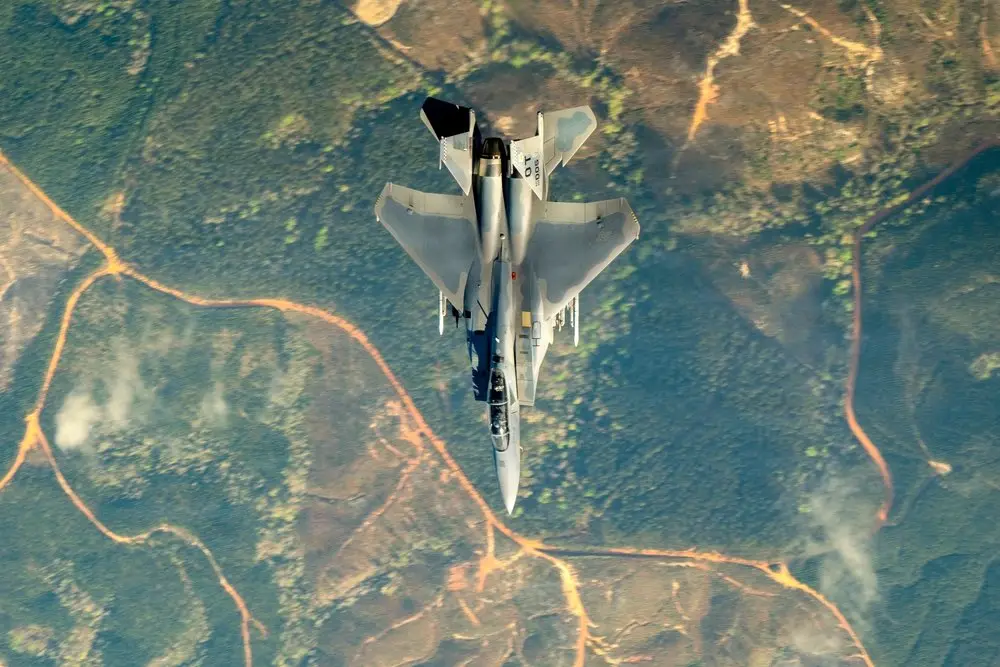
1. Stealth vs. Raw Power (The "Sword and Shield")
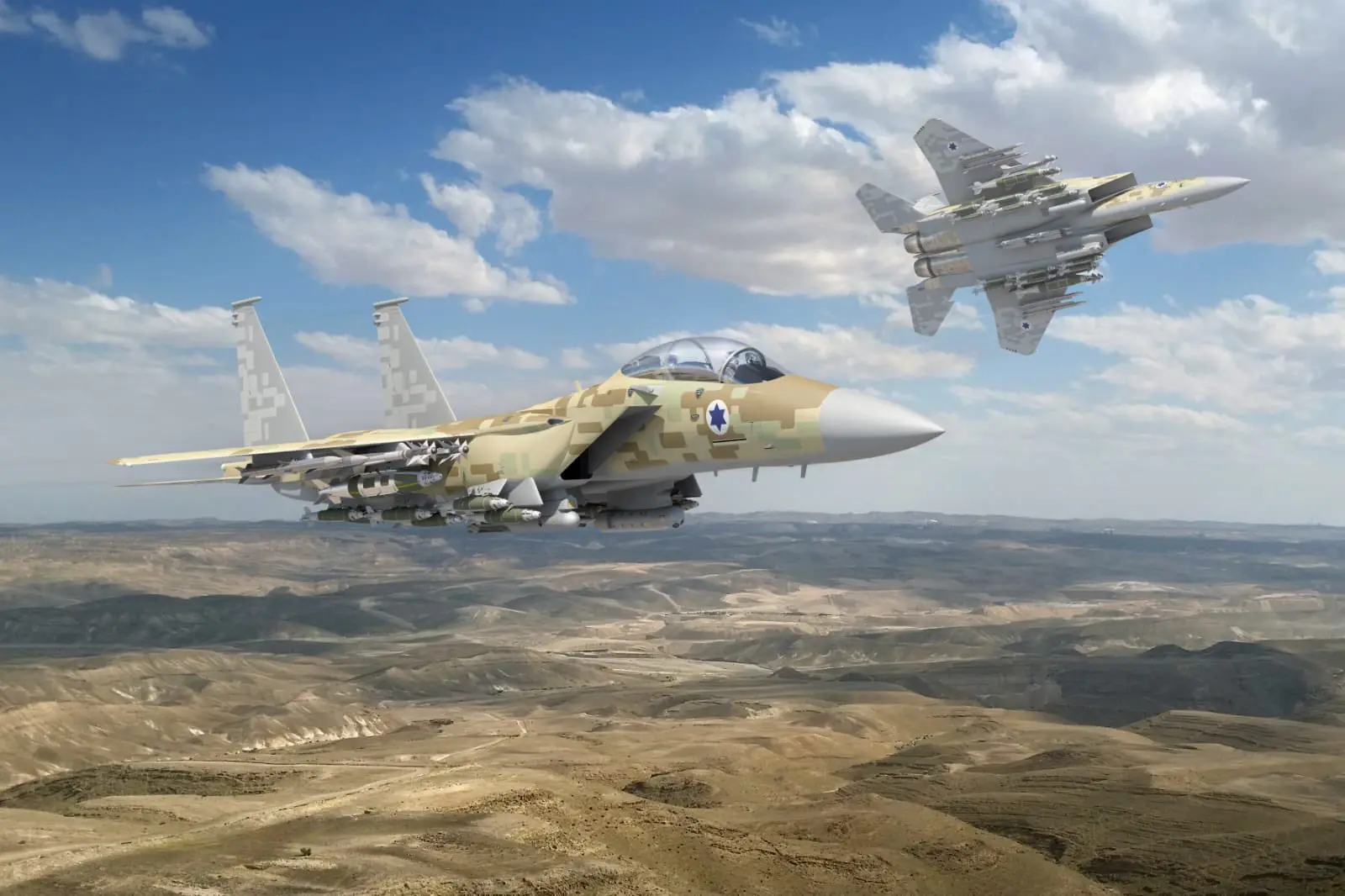
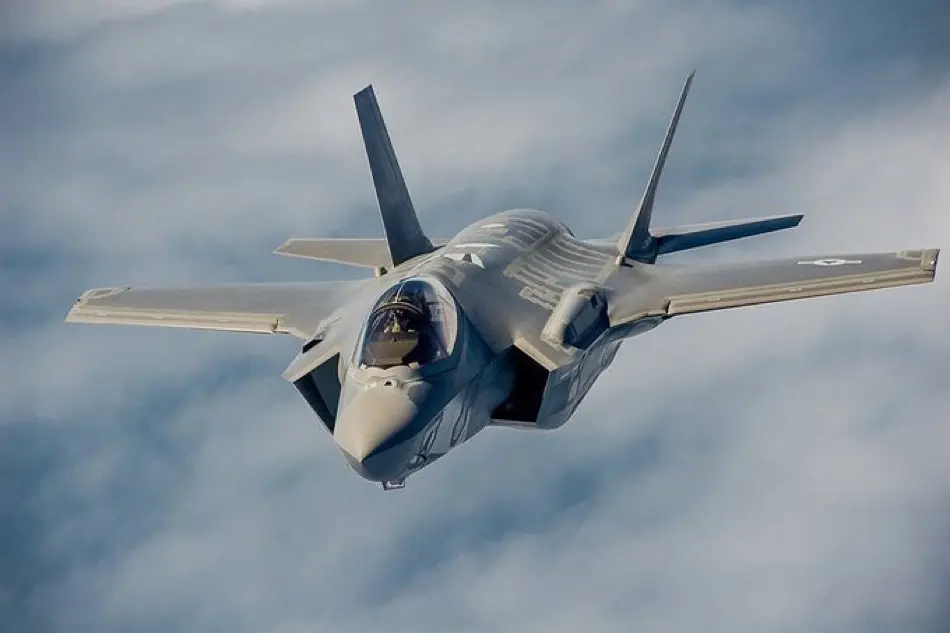
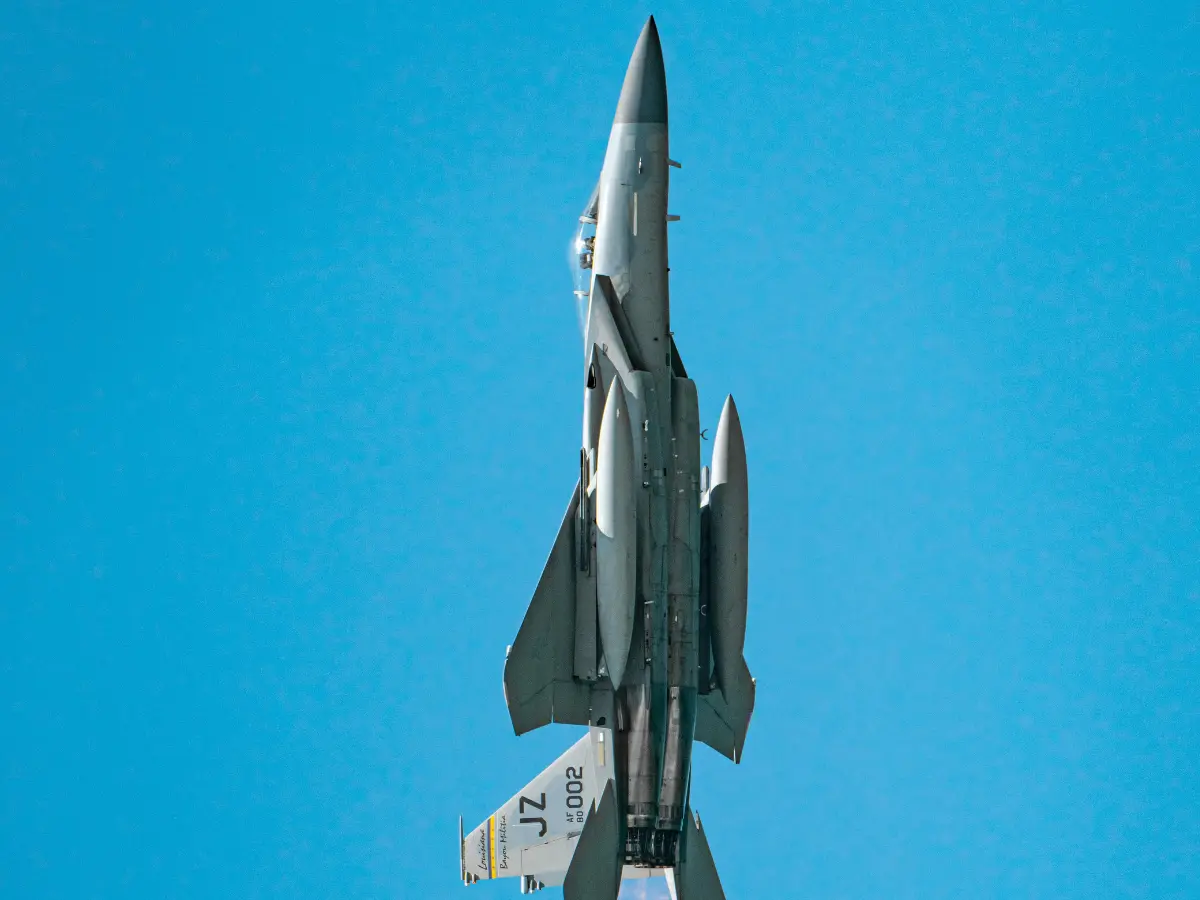
The F-35 acts as the "sword" that penetrates advanced enemy air defences undetected, while the F-15IA acts as the "shield" or heavy hitter. The F-35’s stealth allows it to map and dismantle radar networks, but its internal bays limit its weapon capacity. In contrast, the F-15IA is a "missile truck" that can carry massive payloads up to 13,300 kg (29,500 lbs) of munitions once the path has been cleared.
2. Electronic Warfare and Sensor Fusion
The F-35 is essentially a flying supercomputer that fuses data from various sensors to provide a 360-degree view of the battlefield. It can share this data in real-time with the F-15IA. The F-15IA then utilises its superior AESA radar, the most powerful of its kind, to engage multiple targets that the F-35 identifies, creating a networked "sensor-to-shooter" loop, according to multiple reports.
3. Strategic Reach and "Depth" Operations
For long-distance missions, such as those targeting distant regional adversaries, the F-15IA offers superior range and endurance because it is engineered for an extraordinary service life of over 20,000 hours. With its massive conformal fuel tanks, it can fly much further than a standard F-35 without needing frequent mid-air refuelling. This makes the F-15IA the preferred platform for "depth strikes" where the target is thousands of miles away.
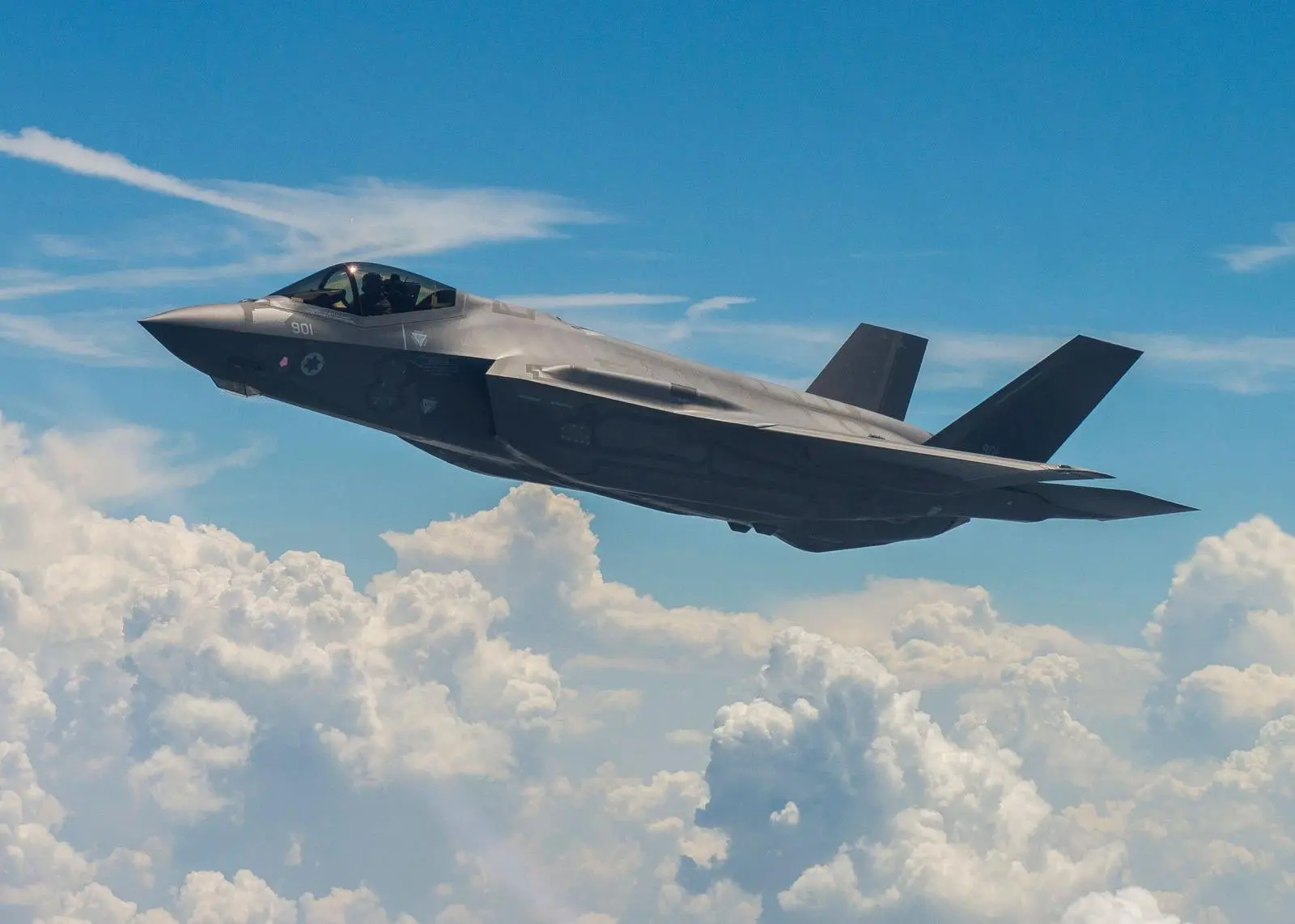
4. Internal vs. External Payload Flexibility
The F-35 must carry its weapons internally to remain stealthy, which restricts it to smaller, specialised munitions. The F-15IA, however, is not bound by stealth requirements and can carry "outsized" weapons. This includes heavy bunker-busters and large Israeli-made standoff missiles that physically cannot fit inside an F-35. Surprisingly, F-35 is limited to a few specific missile types for stealth; however, F-15IA can carry a diverse array of heavy, non-stealthy ordnance.
5. Operational Longevity and Sortie Rates
The F-15IA is designed for ruggedness and a high "sortie rate," meaning it can be refuelled, rearmed, and sent back into the air very quickly. While the F-35 requires intensive maintenance to preserve its stealth coating, the F-15IA is built for a 20,000-hour service life. This allows the IAF to maintain a high volume of flights during prolonged conflicts.
)
)
)
)
)