'F-15E outdated': Why US must accelerate Boeing's F-47 fighter jet development

Following critical F-15E losses in Operation Epic Fury, the Pentagon faces a choice: stick with aging 4th-gen airframes or accelerate the F-47 Phoenix 6th-gen fighter to maintain air dominance against modern air defenses.
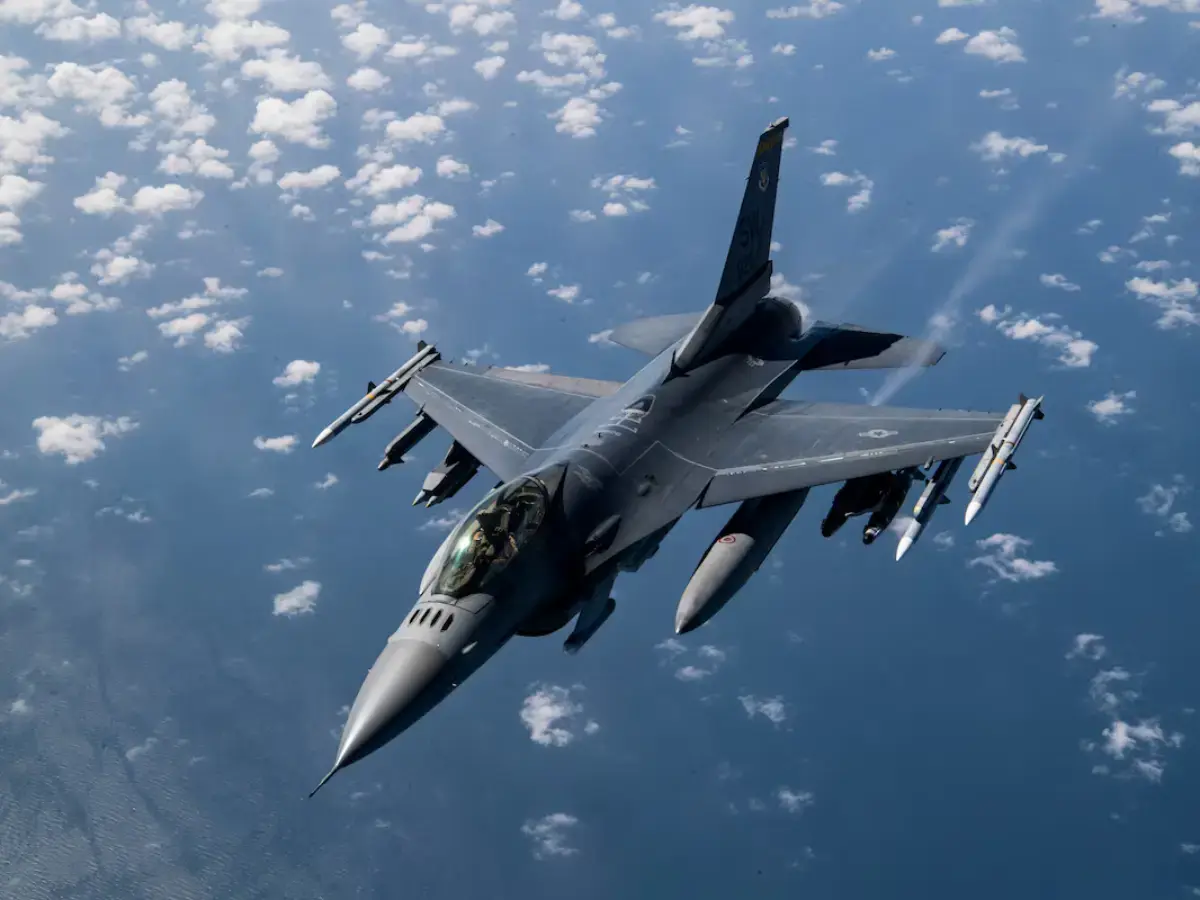
Combat Attrition in High-Threat Zones
Recent shootdowns of F-15E Strike Eagles from the 494th Fighter Squadron over Iran have shattered the myth of 4th-generation survivability in contested airspace. These legacy jets are increasingly falling prey to sophisticated multi-layered Integrated Air Defense Systems like the Russian-made S-300 and Iran’s indigenous Bavar-373.
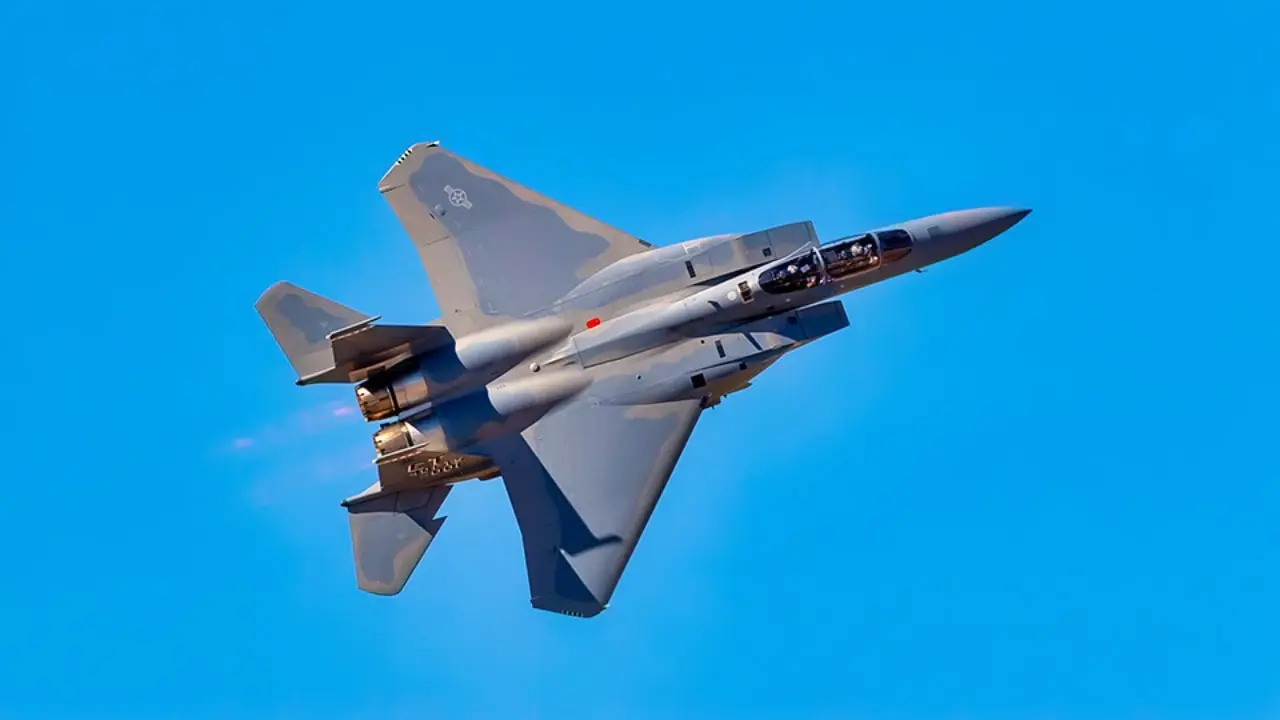
The Radar Signature Problem
Unlike the ultra-stealthy F-47 design, the F-15E possesses a massive Radar Cross-Section that makes it easily detectable to modern AESA ground sensors. Without 6th-generation stealth geometry, the Strike Eagle cannot penetrate deep into enemy territory without massive jamming support.
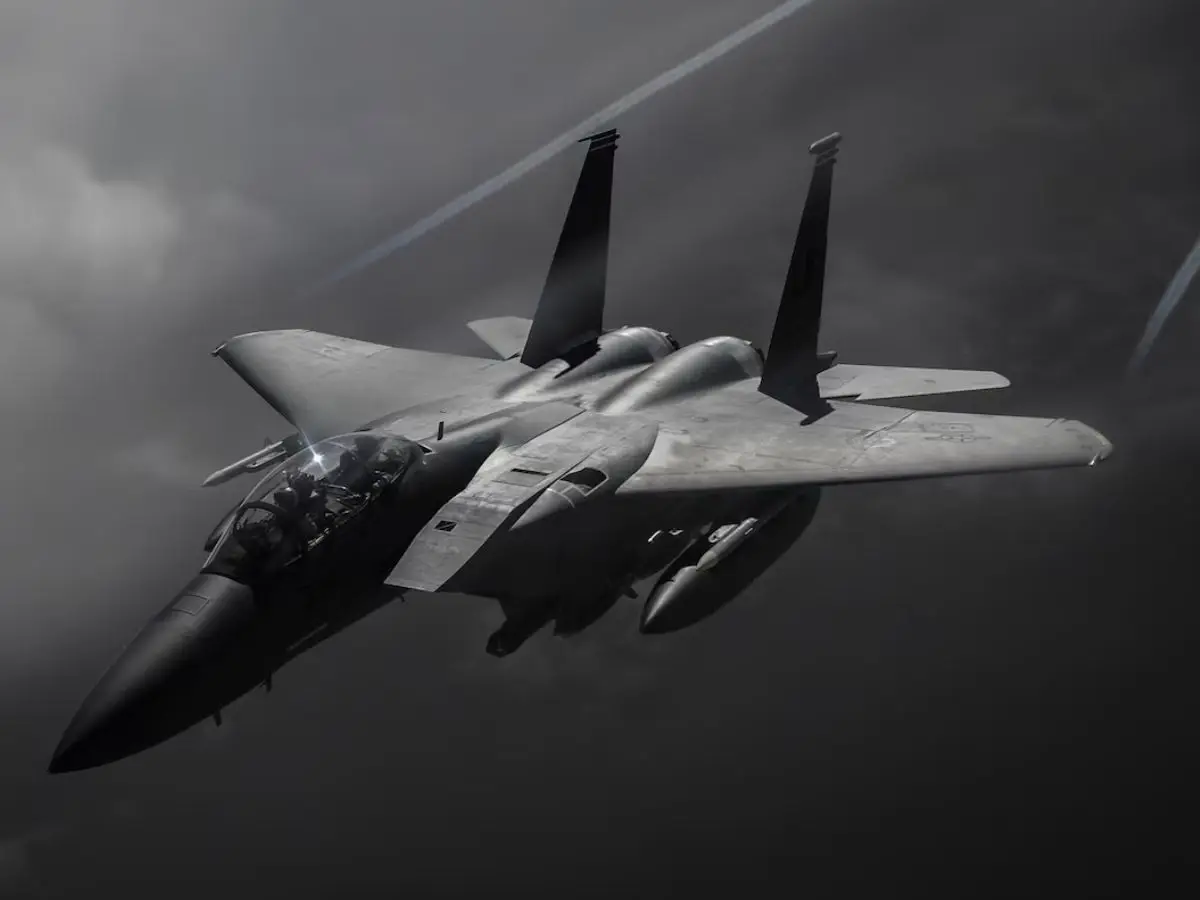
F-47: The Quarterback of the Skies
The F-47 acts as a system-of-systems hub, designed to control a swarm of autonomous Collaborative Combat Aircraft drones. While the F-15E operates as a standalone shooter, the F-47 sends expendable drones into high-threat areas to jam sensors and strike targets while the manned fighter stays at safe distance.
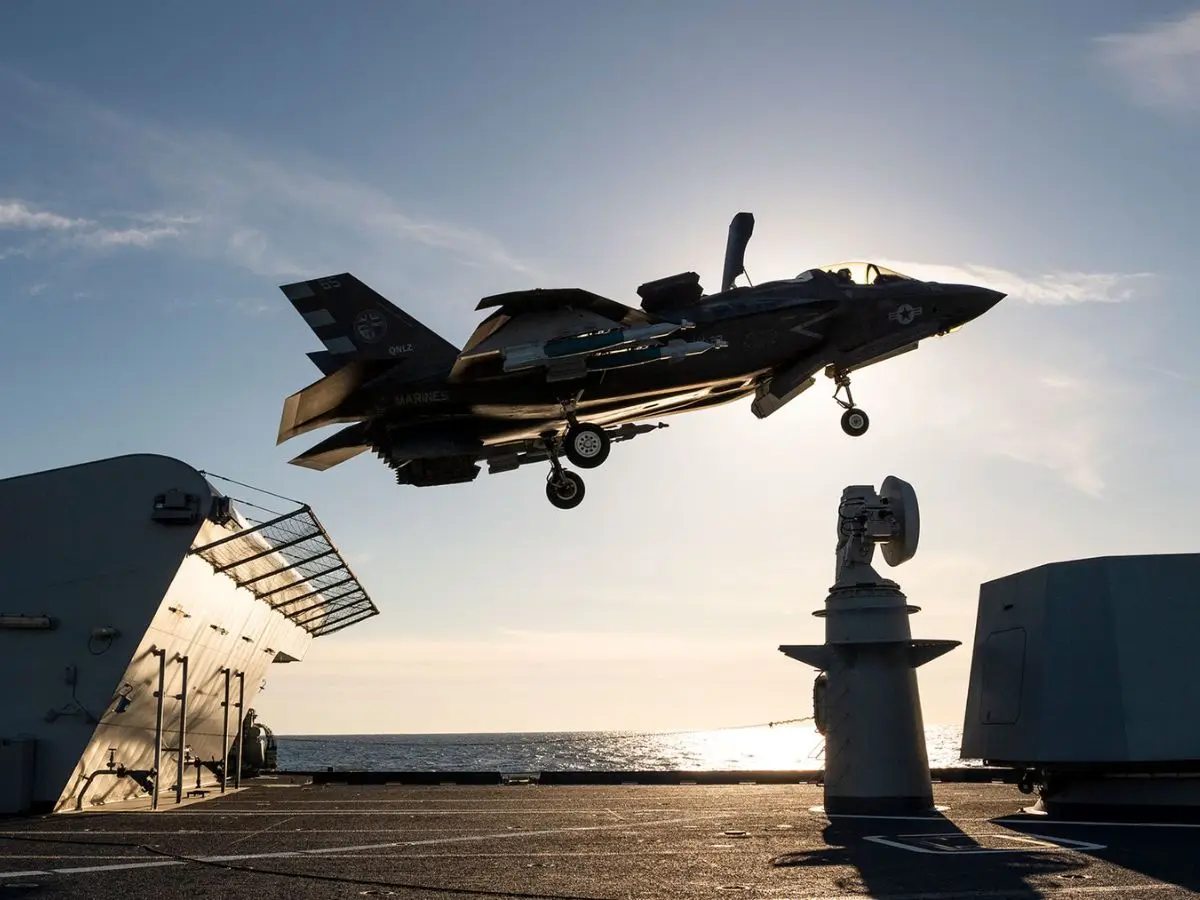
Bridging the Critical Range Gap
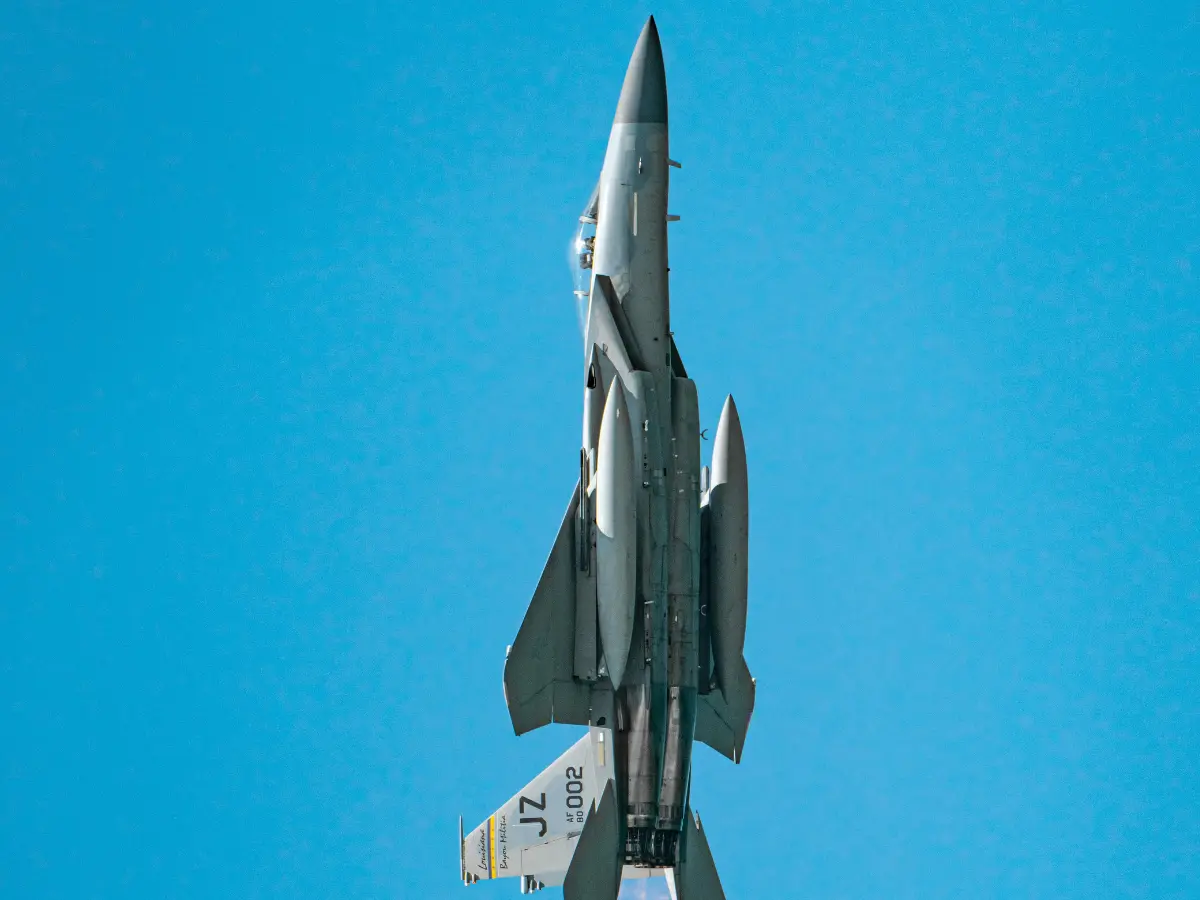
The F-15E’s combat radius is limited, often requiring external fuel tanks that bloat its radar signature and reduce maneuverability. The F-47 is engineered with a combat radius exceeding 1,000 nautical miles, nearly double that of the F-22, specifically designed for vast distances of Pacific and Middle Eastern theaters.
Adaptive Engine Technology
The F-47 will be powered by the next-generation XA-103 adaptive engine, providing superior thermal management and 25% increase in fuel efficiency compared to legacy F-15 powerplants. This allows the F-47 to fly faster and longer while keeping its infrared signature masked from heat-seeking missiles.
Digital Twin Rapid Upgrades
Using a digital twin model-based engineering approach, Boeing can test and integrate new AI-driven software and cyber-warfare tools on the F-47 in weeks. In contrast, the F-15E’s 40-year-old physical airframe requires expensive, slow, and labor-intensive hardware retrofits that cannot keep pace with evolving digital threats.
Strategic Industrial Urgency
With China already testing its own 6th-generation J-50 and J-36 concepts, the U.S. Air Force has accelerated the F-47’s timeline, targeting a first flight by 2028. Budget documents for 2026/2027 allocate nearly $5 billion to the program, signaling that the era of the F-15 as a front-line penetrator is effectively over.
)
)
)
)
)