Explained: What is Eid al-Fitr? Meaning behind the end of Ramadan 2022

What is the meaning of Eid al-Fitr?
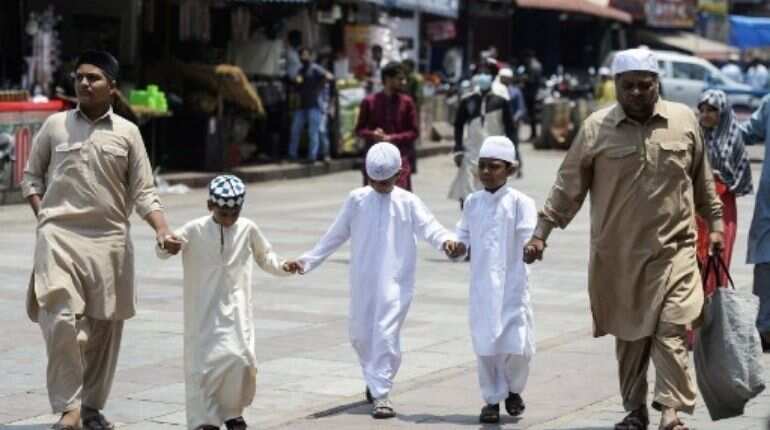
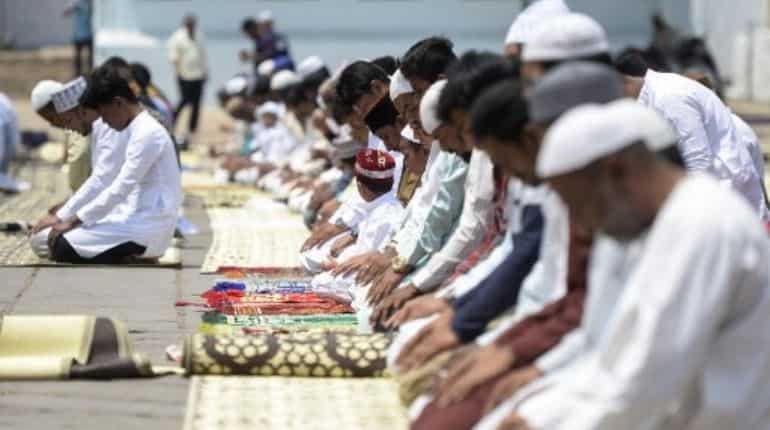
The fasting month of Ramadan comes to a close with Eid al-Fitr, which means "festival of breaking the fast." It is observed for three days, with Muslims gathering for prayer on the first day.
Various countries have different traditions when it comes to Eid. The three days of Eid are typically used for visits. The Eidiyah, or money given to children on Eid, and donning new clothes are two more customs.
What time does Eid al-Fitr start?
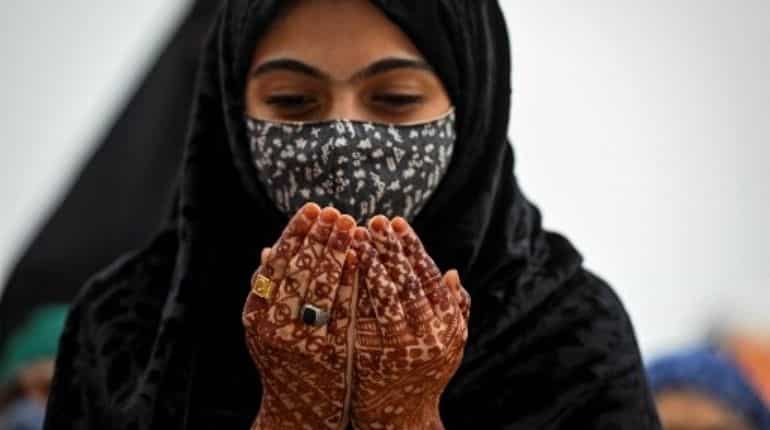
Because it begins with the first sighting of the new moon, Muslims must usually wait until the night before Eid to confirm the date. The first day of the year changes from year to year and from country to country, depending on geographic location.
What kind of celebrations do people have?
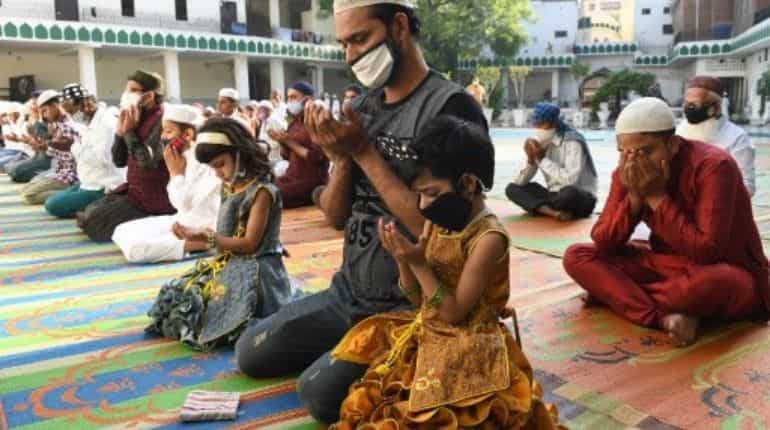
Eid begins with prayers and is followed by a short sermon. Some countries hold their prayers outside, while others hold them within mosques or big halls.

Eid greetings
Following the prayers, Muslims greet others in their immediate vicinity with Eid greetings. People then visit family, friends, and graveyards to pray for their loved ones who have passed away.
'Sweet Eid'
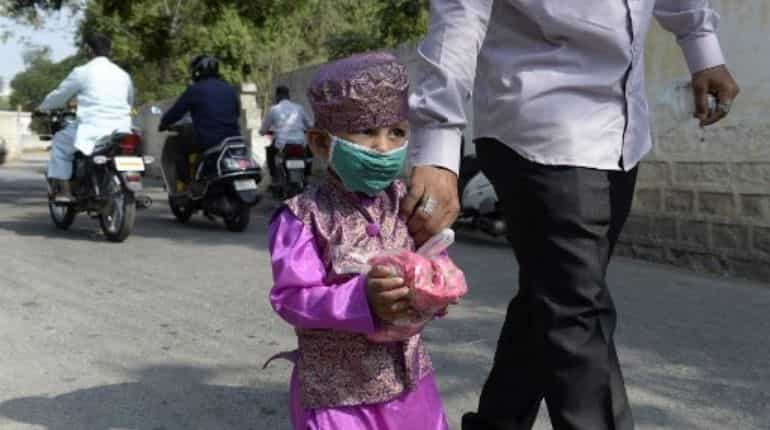
Many individuals dress in traditional attire, give gifts or money to youngsters, and make charitable donations. Because of the variety of sweets available, the occasion is known as Sweet Eid in various countries.
How is it different from Eid al-Adha?
"Feast of the Sacrifice" is how Eid al-Adha is translated. It commemorates the narrative of the Prophet Ibrahim, also known as Abraham in the Christian Old Testament, who willingly sacrificed his son as an act of obedience to God's instruction.
It occurs on the tenth day of Dhu al-Hijjah, the Islamic Hijri calendar's 12th month.
)
)
)
)
)