Explained: Hormuz 2.0? Why Bab el-Mandeb Strait is suddenly in the global spotlight

After Strait of Hormuz, Bab el-Mandeb emerges as a second choke point as Iran extends indirect influence, raising risks for global trade and oil flows
The world’s first choke point — Strait of Hormuz
The Strait of Hormuz remains the world’s most critical oil artery, handling nearly a fifth of global crude trade. With Iran sitting on its northern edge, Tehran holds unmatched geographic leverage. Any escalation here instantly shakes global energy markets, making Hormuz the cornerstone of Iran’s strategic influence.
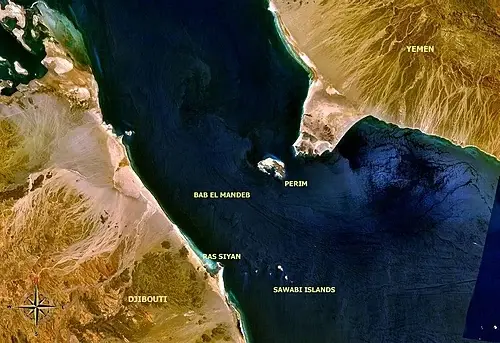
Bab el-Mandeb — The other lifeline of global trade
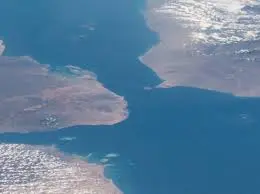
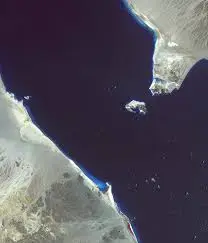
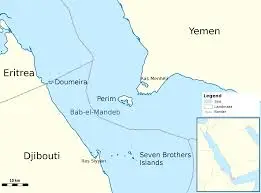
The Bab el-Mandeb Strait connects the Red Sea to the Arabian Sea, forming a vital corridor for ships heading to the Suez Canal. A significant portion of global trade and oil shipments pass through this narrow stretch, making it one of the most sensitive maritime choke points.
Not direct control, but strategic influence
Unlike Hormuz, Iran does not border Bab el-Mandeb. However, through its backing of the Houthis in Yemen, Tehran exerts indirect pressure. This proxy influence allows Iran to disrupt maritime traffic without direct confrontation, expanding its strategic footprint beyond its immediate geography.
The Red Sea under pressure
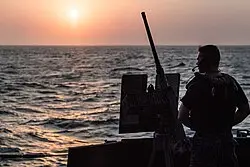
Rising attacks and threats in the Red Sea have increased risks for commercial shipping. Tankers and cargo vessels face delays, higher insurance costs, and rerouting challenges. This instability highlights how fragile global trade routes have become amid escalating geopolitical tensions in the region.
A dangerous two-front maritime strategy
With influence over both the Strait of Hormuz and Bab el-Mandeb, Iran is positioned across two critical choke points. This creates a potential “double disruption” scenario where energy flows and trade routes could be simultaneously affected, amplifying global economic risks.
Global impact — Why it matters now
Any disruption across these choke points can ripple across economies from India to China and Europe. Oil price spikes, supply chain disruptions, and longer shipping routes could follow. As tensions rise, the world watches closely, aware that these narrow waterways hold outsized global consequences.
)
)
)
)
)