'Like teacher, like student': 7 things CJP founder repeated from Kejriwal's protest playbook

In 2011, Arvind Kejriwal stood at Jantar Mantar in Delhi and helped organise a hunger strike that changed Indian politics forever. Fifteen years later, a 30-year-old from Aurangabad, who once managed digital campaigns for Kejriwal's own party, is standing at the same Jantar Mantar, using the same tactics, and the comparisons are no longer deniable.
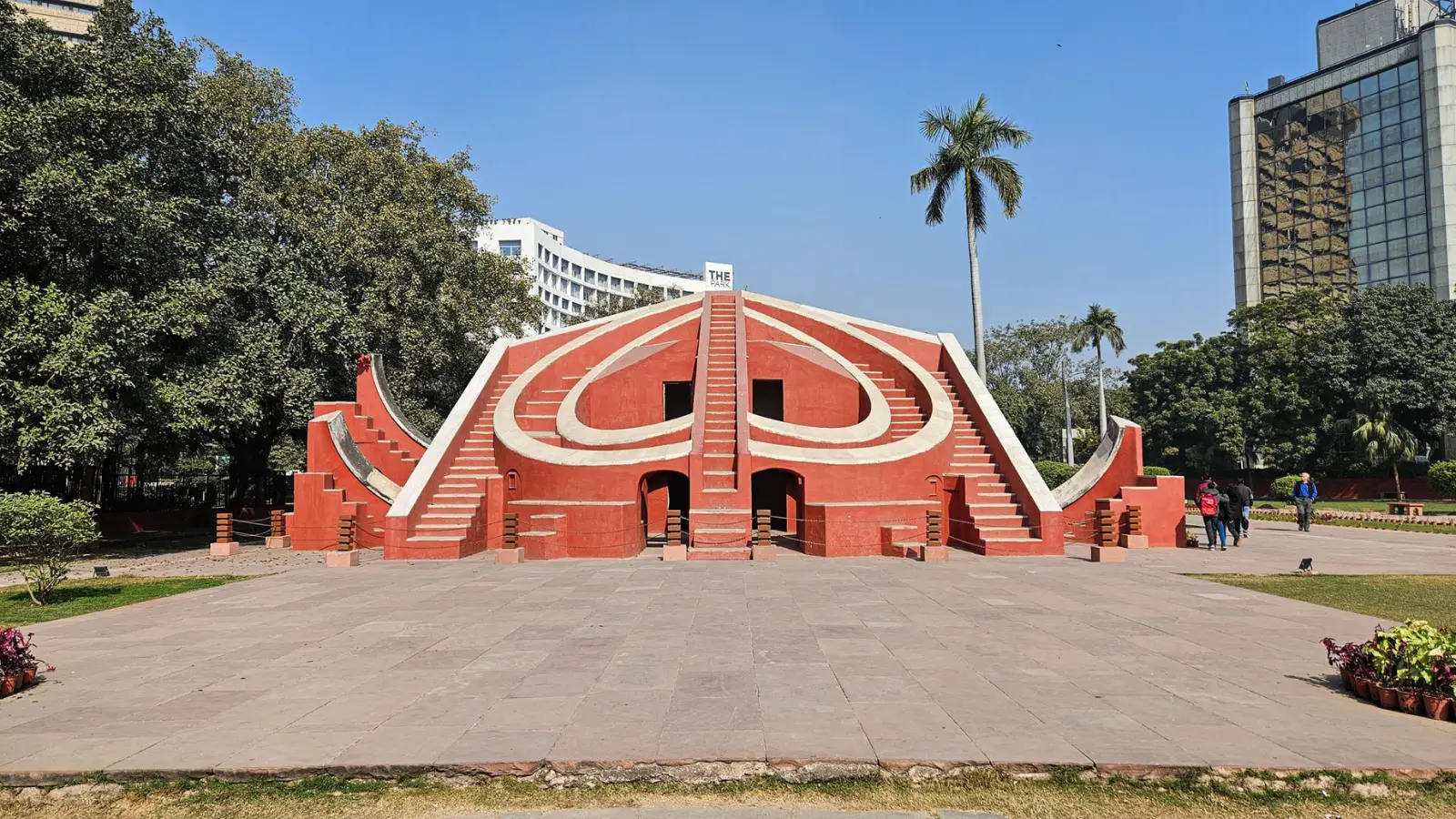
1. Same Ground, Same Stage: Jantar Mantar
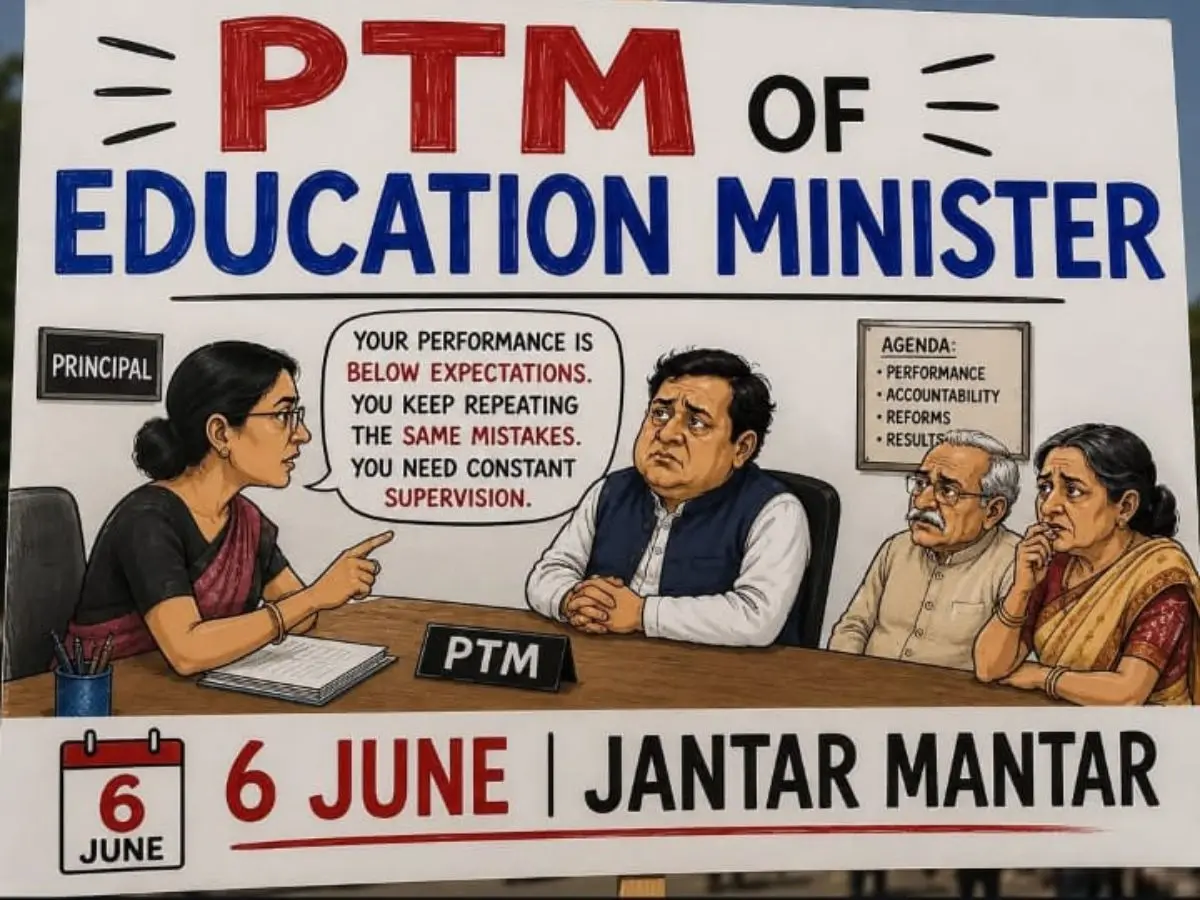
Every element of the Cockroach Janta Party's protest geography mirrors the 2011 India Against Corruption movement. Jantar Mantar, the designated protest ground in central Delhi enclosed by police barricades, was the launchpad for Anna Hazare and Kejriwal. Dipke chose it too. Not by accident. Jantar Mantar is where movements in India acquire legitimacy, television coverage, and the symbolic weight of being in the capital. Dipke, with his AAP background, knew exactly what that address means.
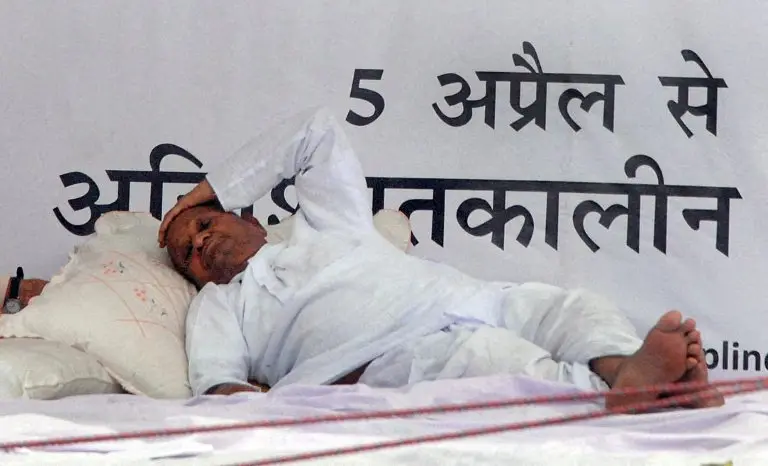
2. The Hunger Strike As Moral Weapon
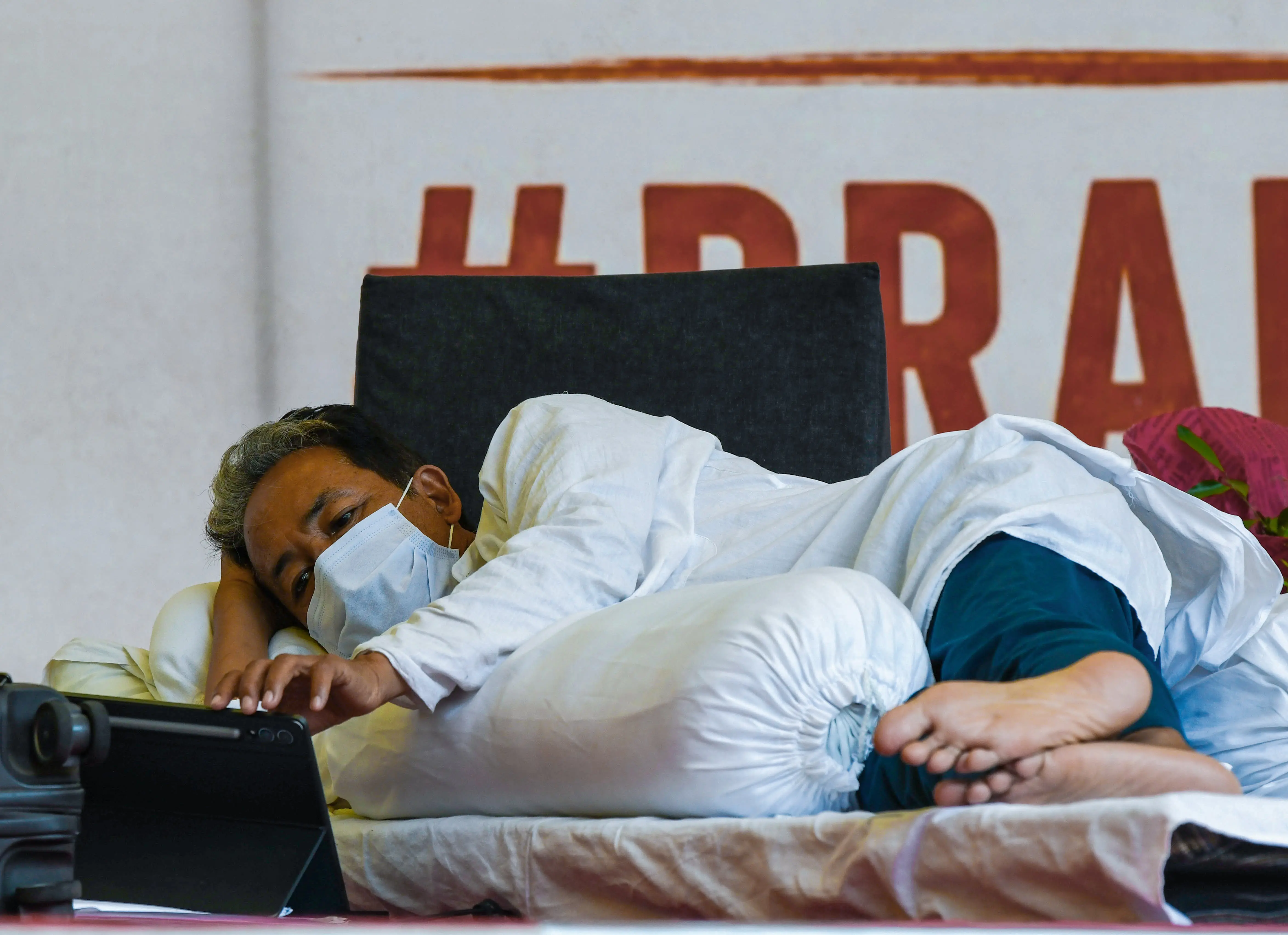
Anna Hazare's indefinite fast in 2011 was the single most effective pressure tactic of that movement, it created a ticking clock the government could not ignore and a moral frame that made cracking down politically costly. Dipke deployed the exact same weapon. Climate activist Sonam Wangchuk joined the CJP protest on an indefinite hunger strike, providing the moral authority and media magnet that Dipke's young movement needed. The script is identical: protest leader + fasting elder statesman = pressure the government cannot easily dismiss.
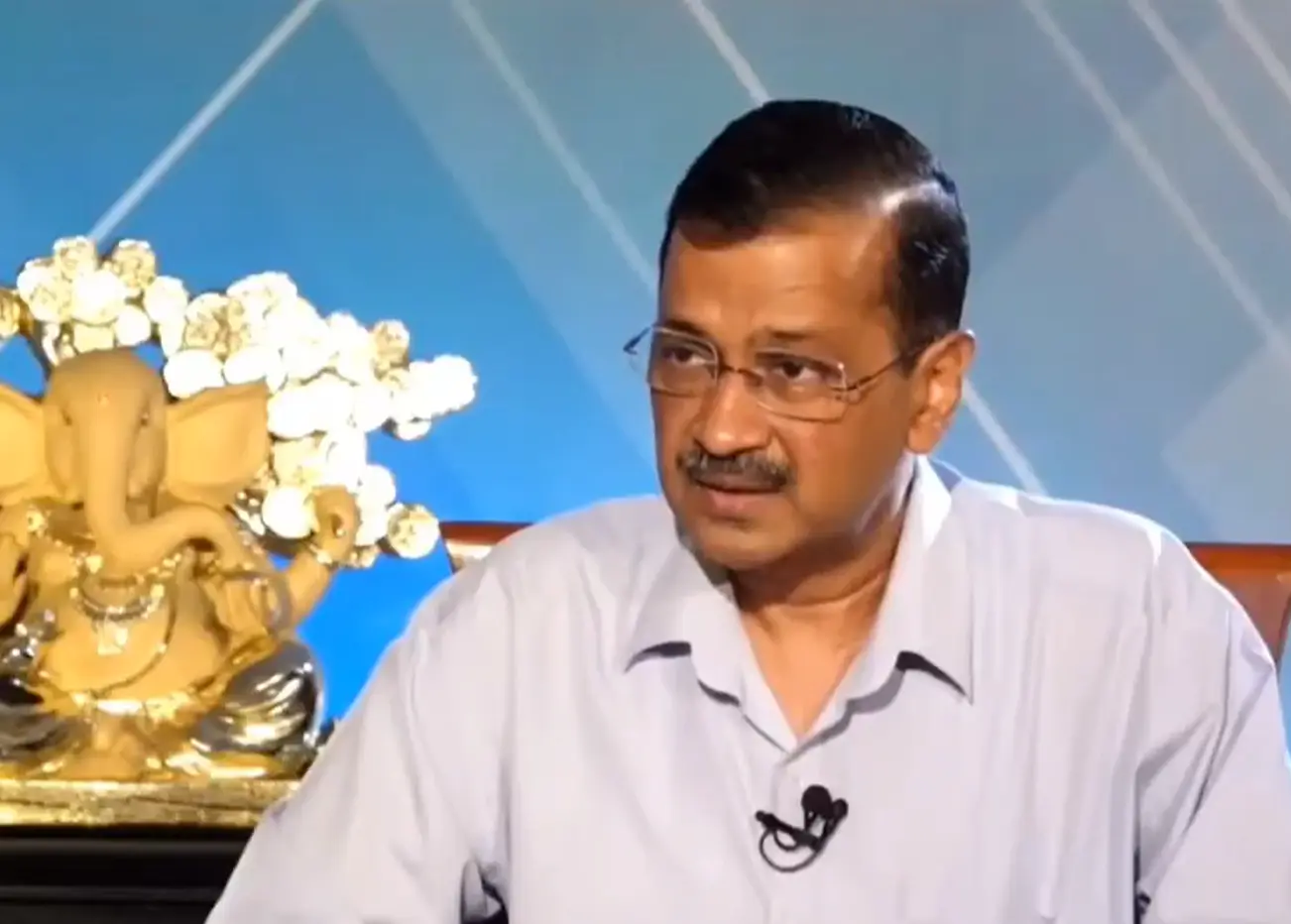
3. Reclaim The Insult
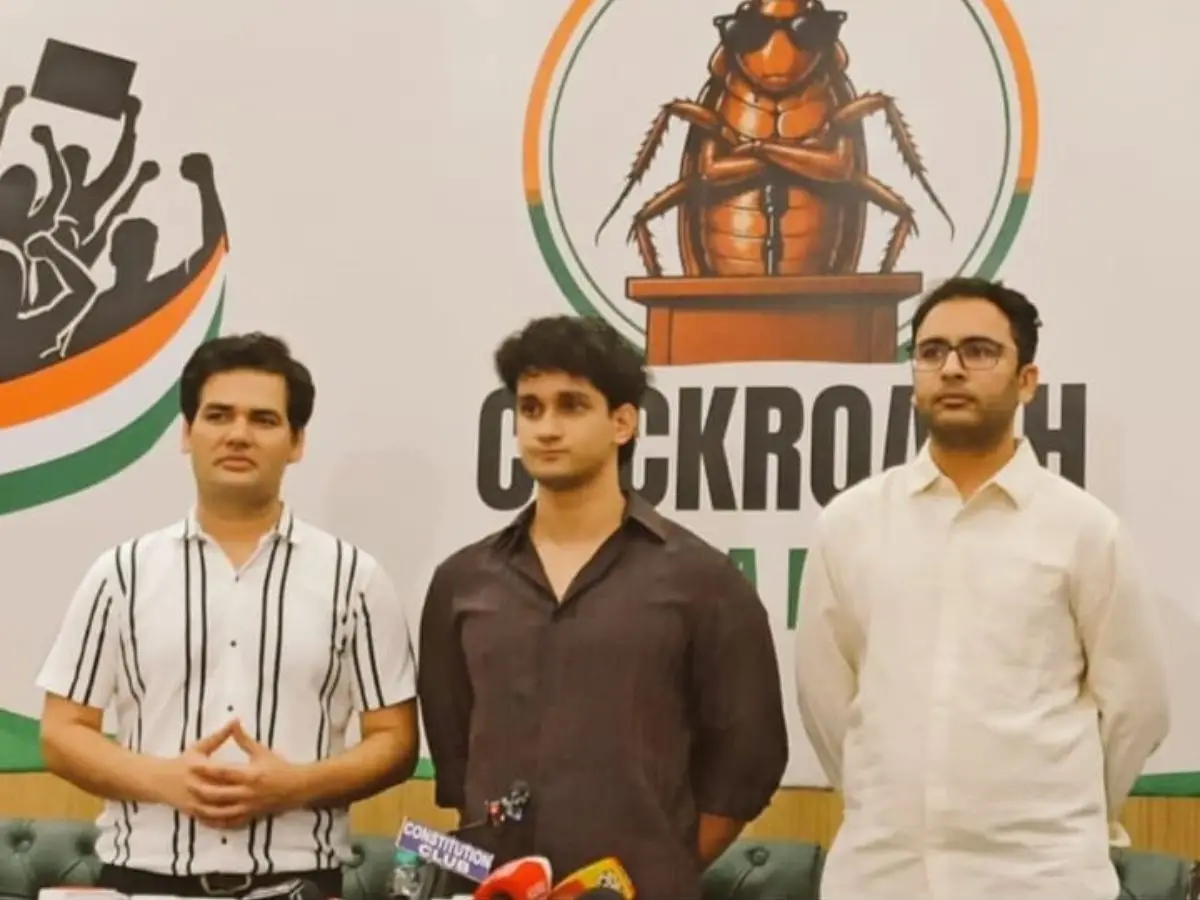
When Kejriwal built his movement, the phrase “Aam Aadmi” common man, was not a compliment in political circles. He took it, owned it, built a party around it, and turned it into a brand that won Delhi twice. Dipke did the same thing in real time. When Chief Justice Surya Kant called unemployed young activists "cockroaches and parasites of society," Dipke did not apologise or reframe. He registered a party named Cockroach Janta Party and put a cockroach on the logo. Within days, 22 million people followed him on Instagram. The insult became the identity.
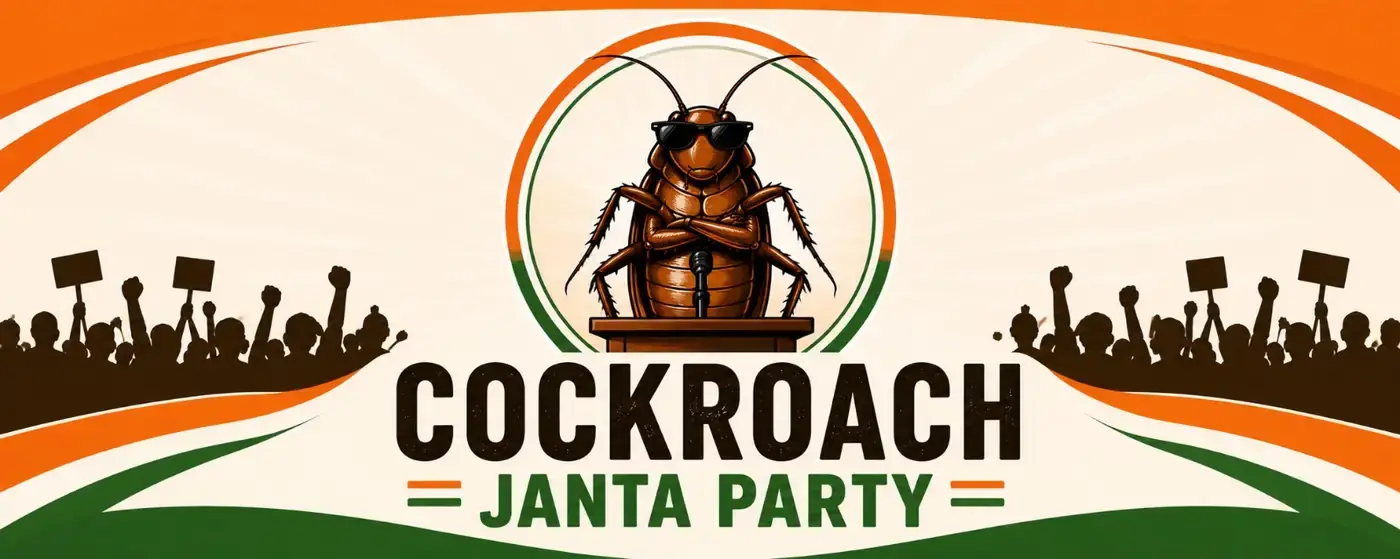
4. Social Media Before Streets
The 2011 movement was the first in India to use Facebook and SMS to mobilise crowds at scale — a breakthrough Kejriwal and his team understood before most Indian politicians. Dipke, who built digital content for AAP's 2020 Delhi campaign, went further. The CJP reached 22 million Instagram followers before it had a single significant ground presence. The movement existed online — in memes, reels, and shareable content aimed at Gen Z — before it ever filled Jantar Mantar. The playbook: build the audience first, then give them somewhere to show up.
5. One Targeted Demand, Not A Movement Manifesto
The genius of the 2011 IAC movement was its simplicity: one bill, the Jan Lokpal Bill, and one ask, pass it. It was not a 40-point policy manifesto. It was a single, repeatable demand that anyone could understand and amplify. Dipke replicated this precisely. The CJP's demand is not "fix the education system." It is: Dharmendra Pradhan must resign. A named individual, a specific consequence, a clear ask. That is not accidental political communication. That is the Kejriwal formula applied with professional precision by someone who learned it from the inside.
6. The Civil Society-To-Politics Pipeline
In 2011, Kejriwal was a civil society activist. By 2012, he had founded AAP. By 2015, he was Chief Minister of Delhi. The pipeline from "protest leader" to "political party" to "electoral force" is now a well-documented Indian political trajectory. The Wire has already asked the question openly: is CJP the Anna Hazare Redux? Opposition parties and media are watching Dipke the same way they watched Kejriwal in 2012 — with a mixture of admiration, suspicion, and the dawning realisation that this might not just be a protest.
7. The AAP Connection They Don't Advertise
Here is the detail that makes all of the above uncomfortable for the government to dismiss as coincidence: Abhijeet Dipke is not just someone who read about Kejriwal. He worked for AAP from 2020 to 2023, managing social media and meme-based digital content during the 2020 Delhi elections — the campaign in which AAP won 62 of 70 seats. He learned the playbook from the people who wrote it. Whether CJP is an AAP front, an inspired imitation, or a genuinely independent movement that happens to share its DNA with its founder's former employer is a question Indian politics will answer over the next 12 months. But the playbook is not just similar. It is, in several places, word for word the same.
)
)
)
)
)