Evolution of cruise missiles: from Tomahawk to BrahMos-II

From the subsonic Tomahawk to the hypersonic BrahMos-II, cruise missiles have become faster, stealthier and more precise. Advances in guidance, materials and propulsion mean deeper strikes, harder interception and a major impact on future warfare strategies.
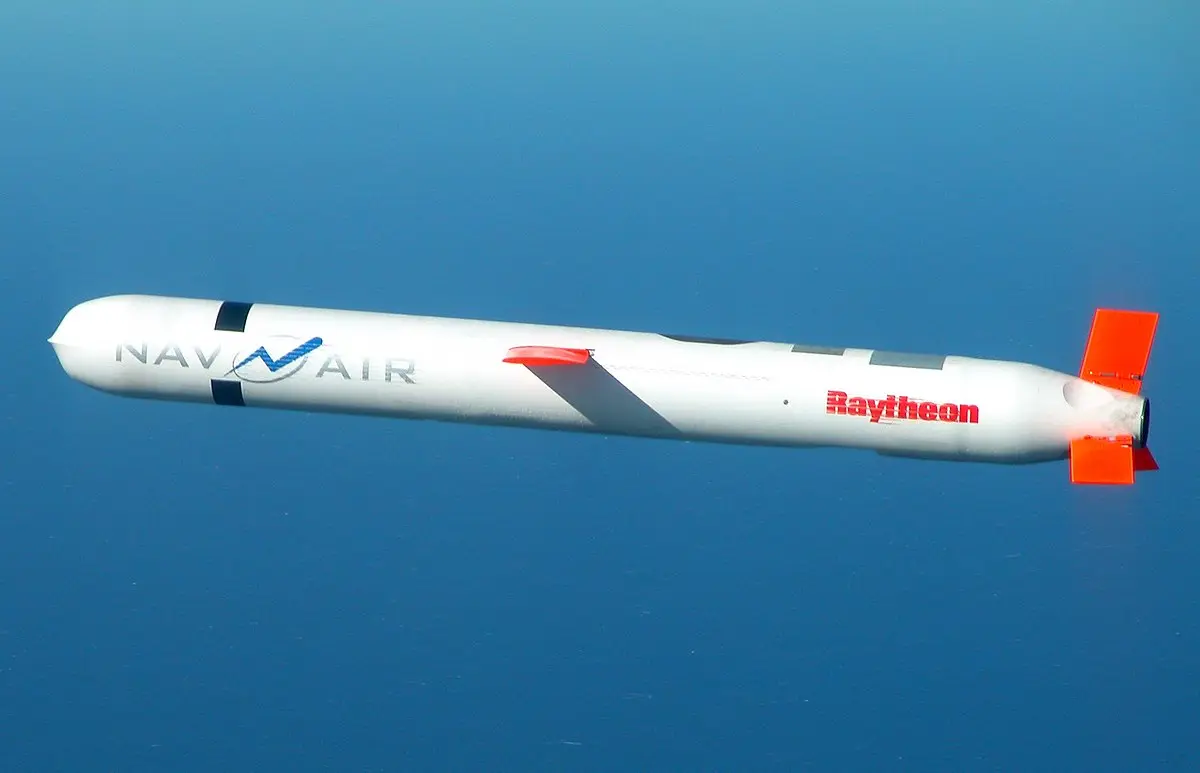
Tomahawk - The Early Cruise Missile
The Tomahawk missile, first used in 1991, flies at subsonic speeds (up to 885 km/h) and can carry conventional or nuclear warheads. It uses GPS and onboard navigation systems for high accuracy, with a range of about 2,400 km.
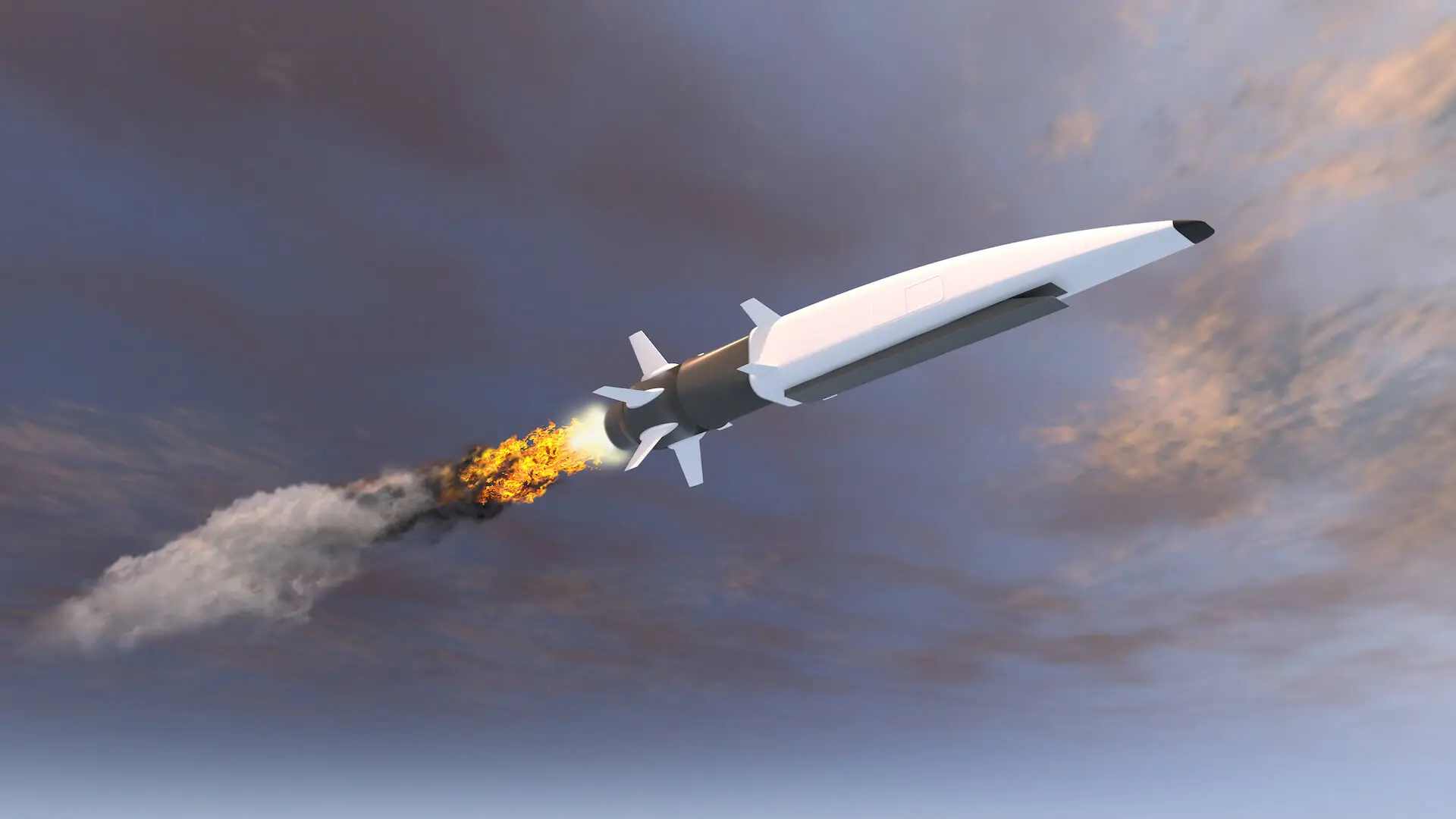
Tomahawk’s Key Features
The Tomahawk uses terrain contour matching (TERCOM) and digital scene matching (DSMAC) for precise targeting. It flies low to avoid radar detection and can adjust its course during flight using satellite data links.

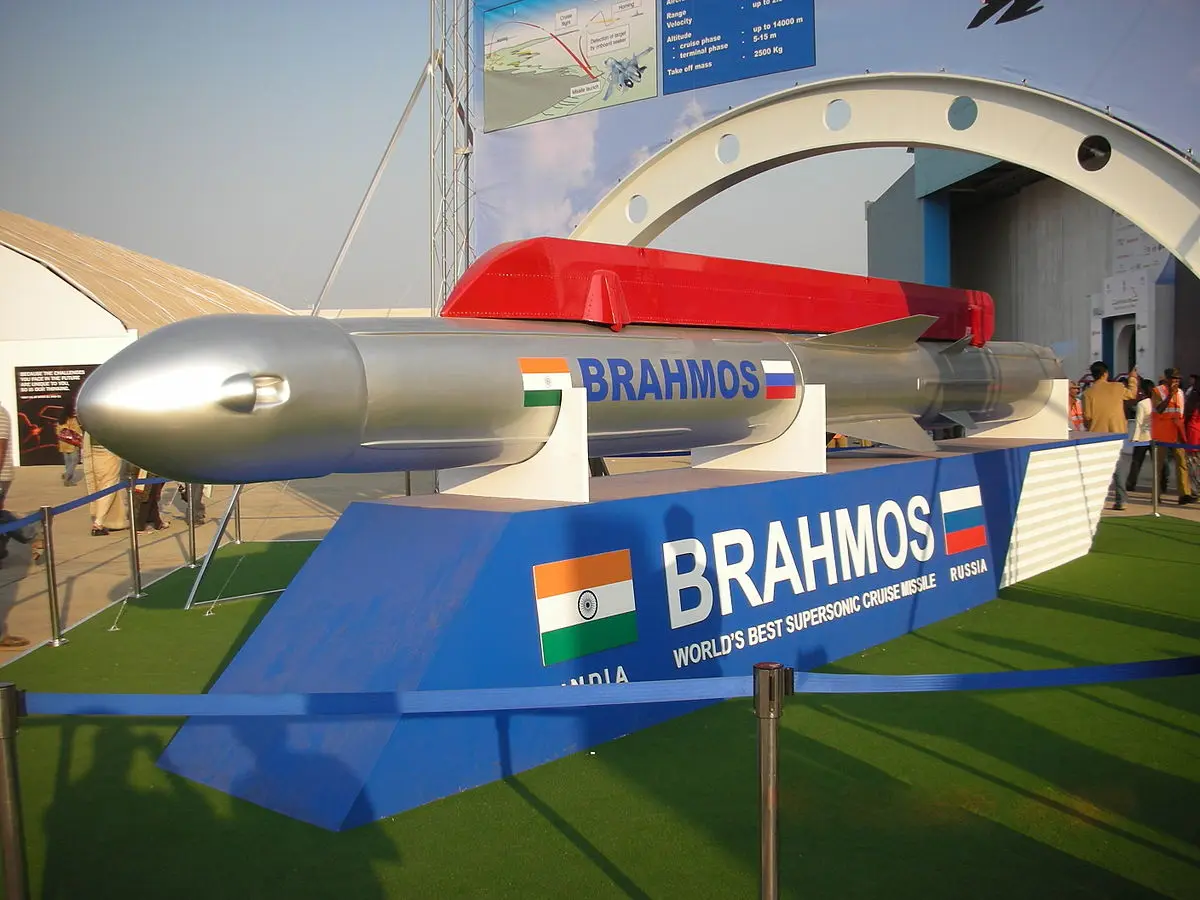
BrahMos-I - The Supersonic Leap
The BrahMos cruise missile developed by India and Russia travels at supersonic speeds of Mach 2.8 to 3.0. It carries a heavy warhead and can be launched from land, sea, and air, with a range of 400-500 km. This missile is known for its speed and hitting power.
BrahMos-II - Hypersonic Future
BrahMos-II, currently in development, aims to reach hypersonic speeds of Mach 7-8, nearly three times faster than BrahMos-I. It will have a longer range of around 1,500 km and will use scramjet engine technology for propulsion. Tests are expected by 2026-2028.
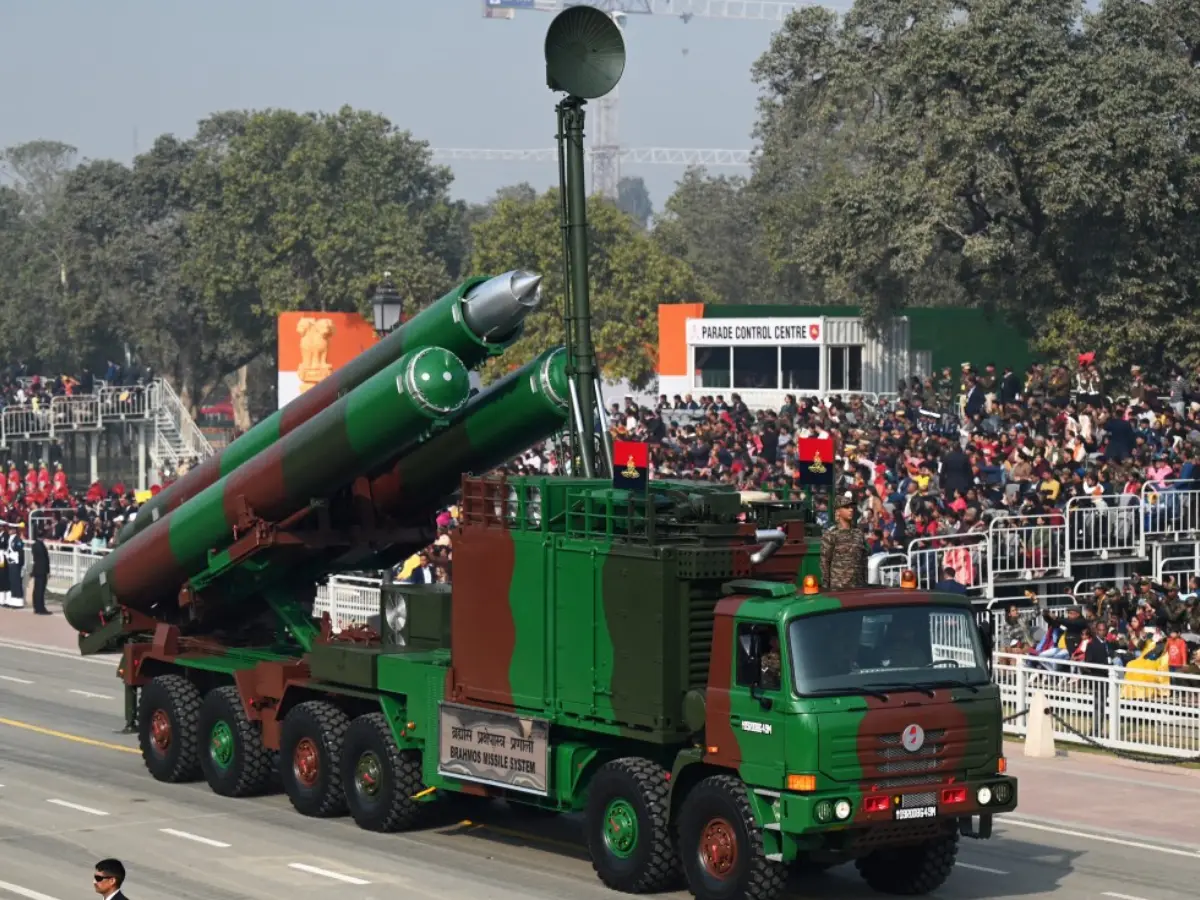
Technological Advances
Newer missiles like BrahMos-II feature lighter designs using carbon nanotube composites, improved navigation, and stealth capabilities. They can fly low and fast, making interception by enemy defences much harder.
)
)
)
)
)