Ever wondered why fighter jets can’t fly as high as rockets?

Why do rockets go into space but fighter jets can’t keep climbing? Most fighter jets max out between 50,000 - 65,000 feet due to engine and air limitations. Unlike rockets, jets need outside air to fly.
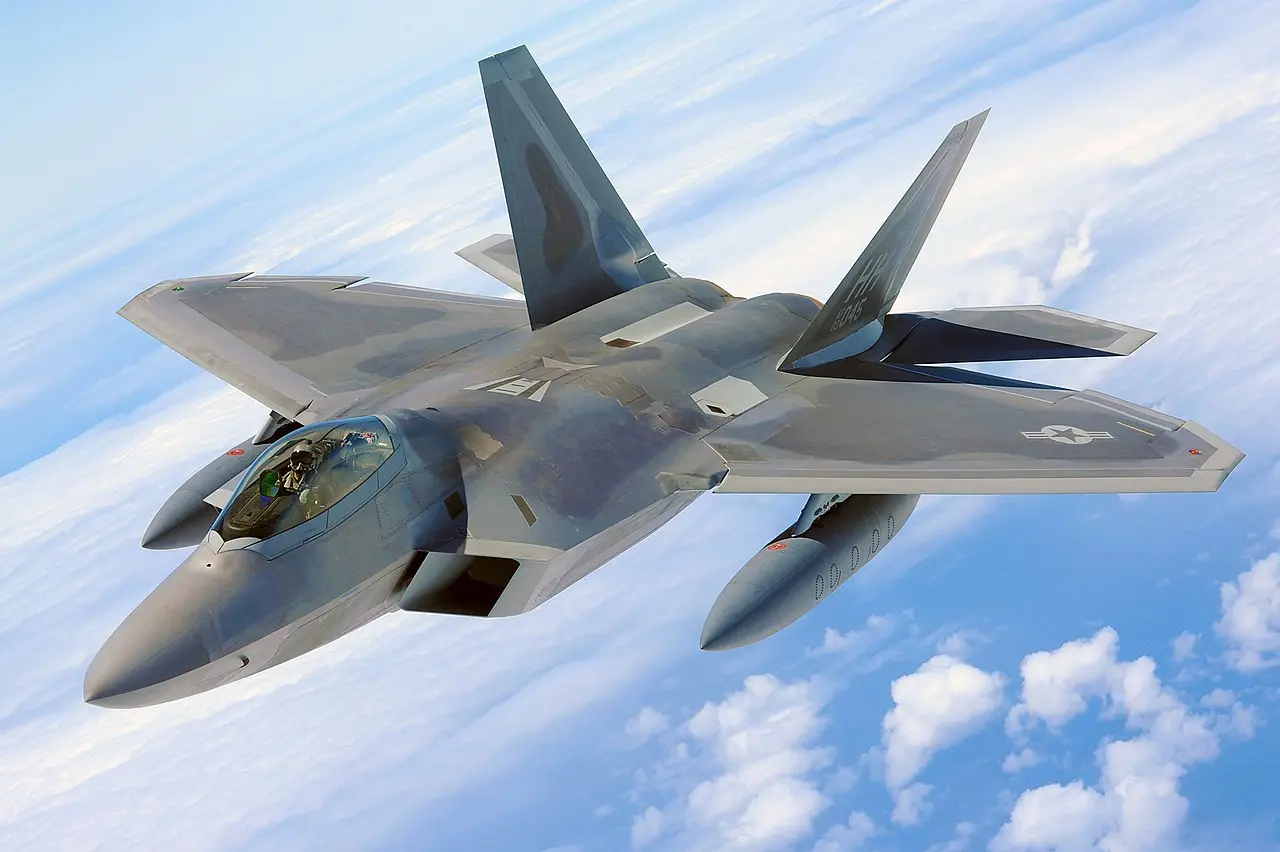
What is the maximum height for jets?
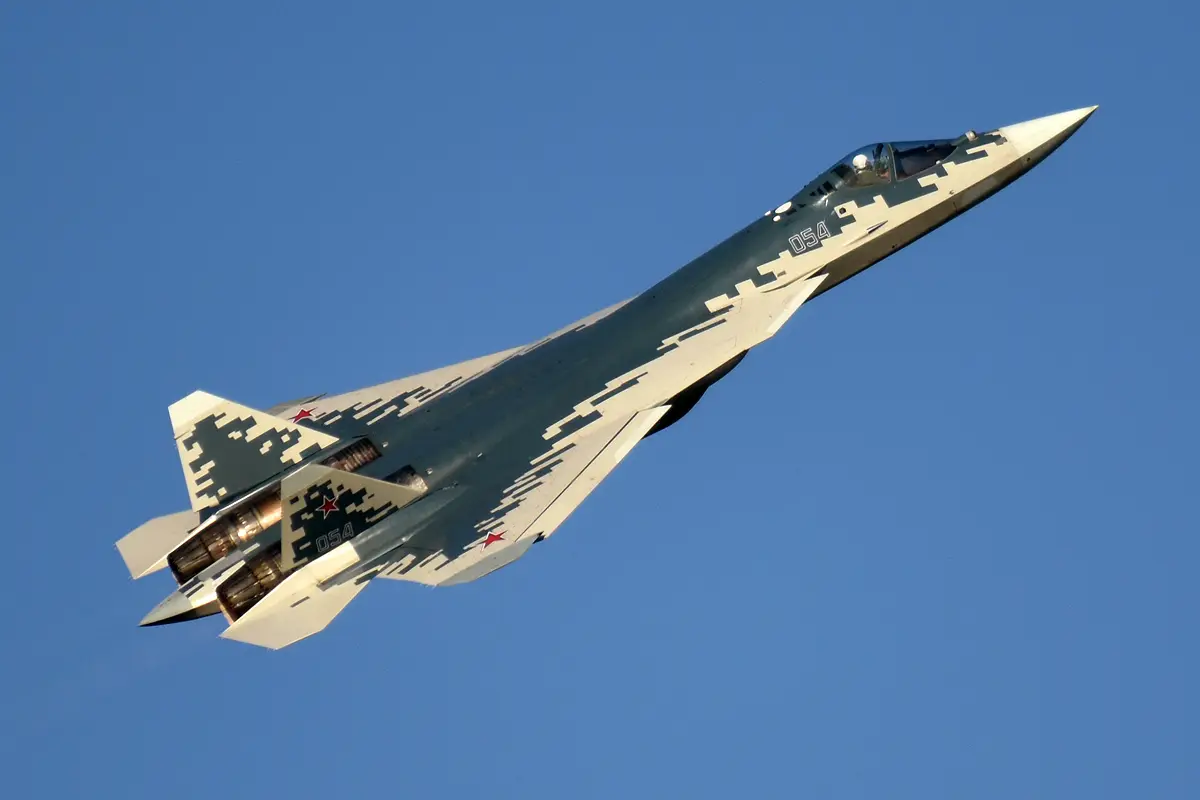
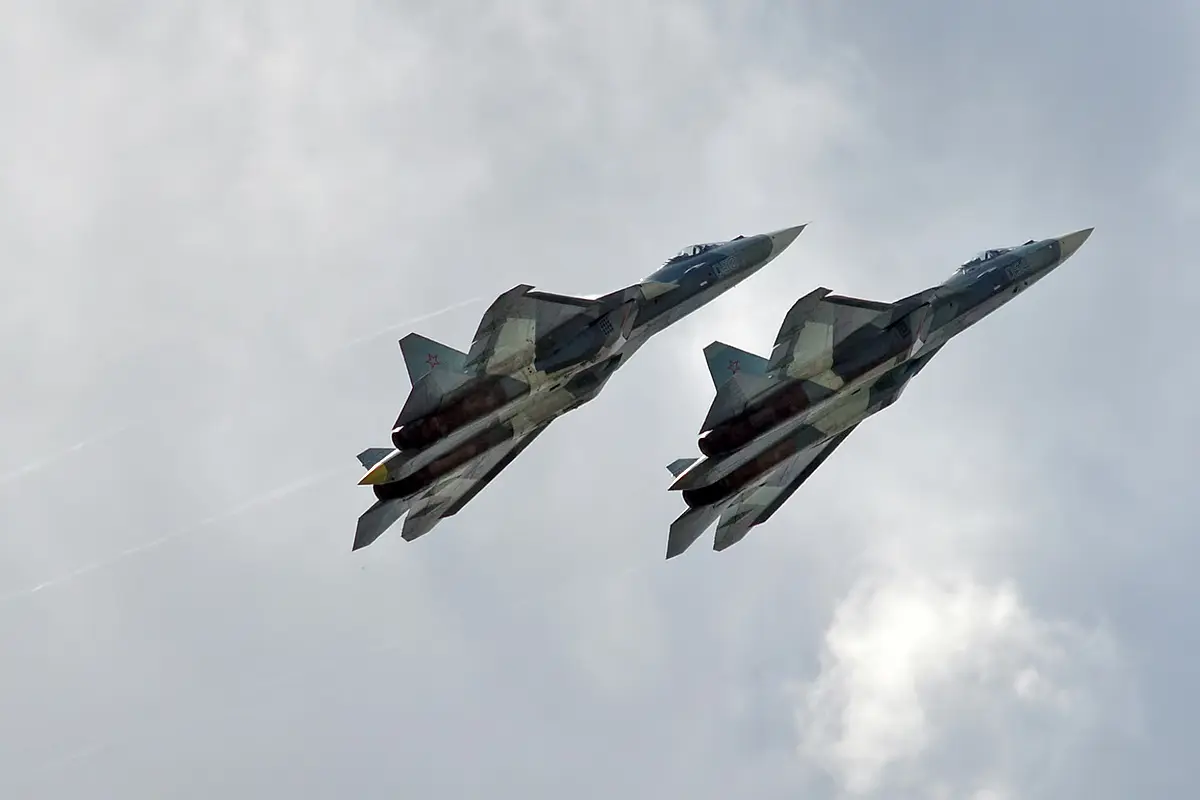
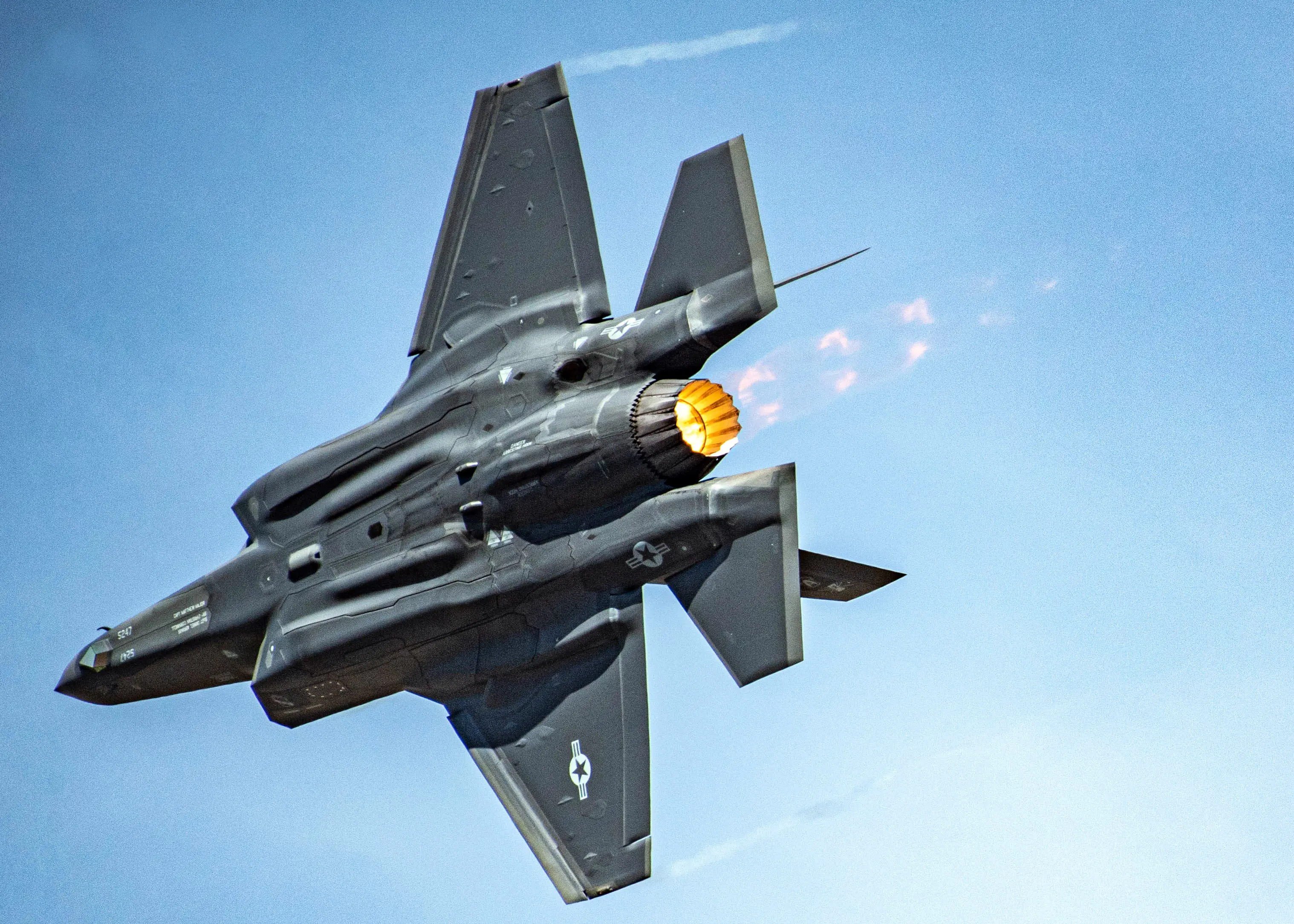
Most modern fighter jets, like the F-22 or Su-57, have a “service ceiling” between 50,000 and 65,000 feet. Record-setting jets like the SR-71 Blackbird reached just over 85,000 feet. In comparison, the edge of space the Kármán line sits at about 328,000 feet (100 kilometres).
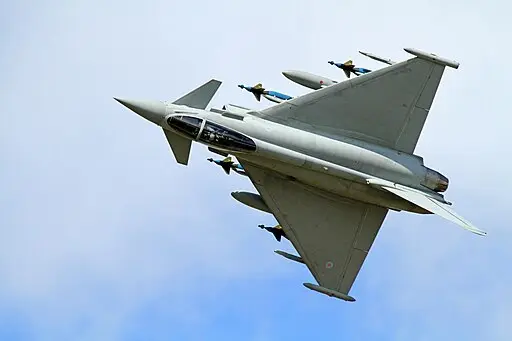
Jet engines need air to breathe
Jet engines work by pulling in outside air, mixing it with fuel, then burning this mixture to produce thrust. As a jet climbs, the air becomes thinner. At around 65,000 to 85,000 feet, there is not enough oxygen to keep the fire going.
Why rockets are different
Rockets carry both their fuel and their own oxidiser in special tanks. They do not need to pull air from outside. This makes them perfect for reaching and working in space, where there is no air at all.
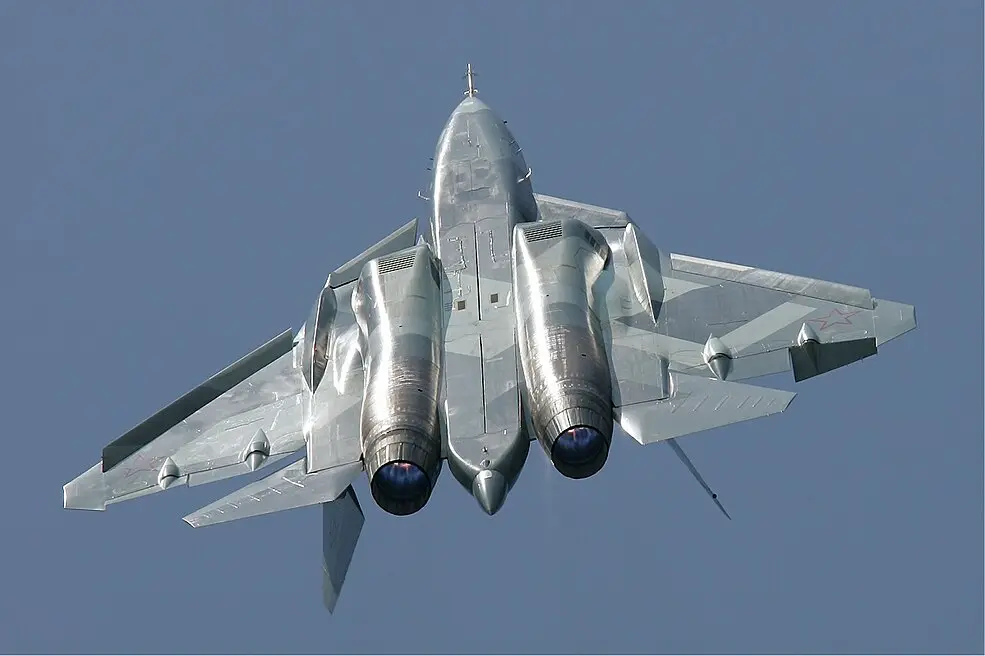
What stops a jet from just climbing higher?
If a fighter jet tries to go too high, two things happen. The air thins so much that wings lose lift, and the engine can no longer burn fuel properly. At this point, the jet will lose power and begin to fall or stall even with full fuel tanks.
How are jets adapted for altitude?
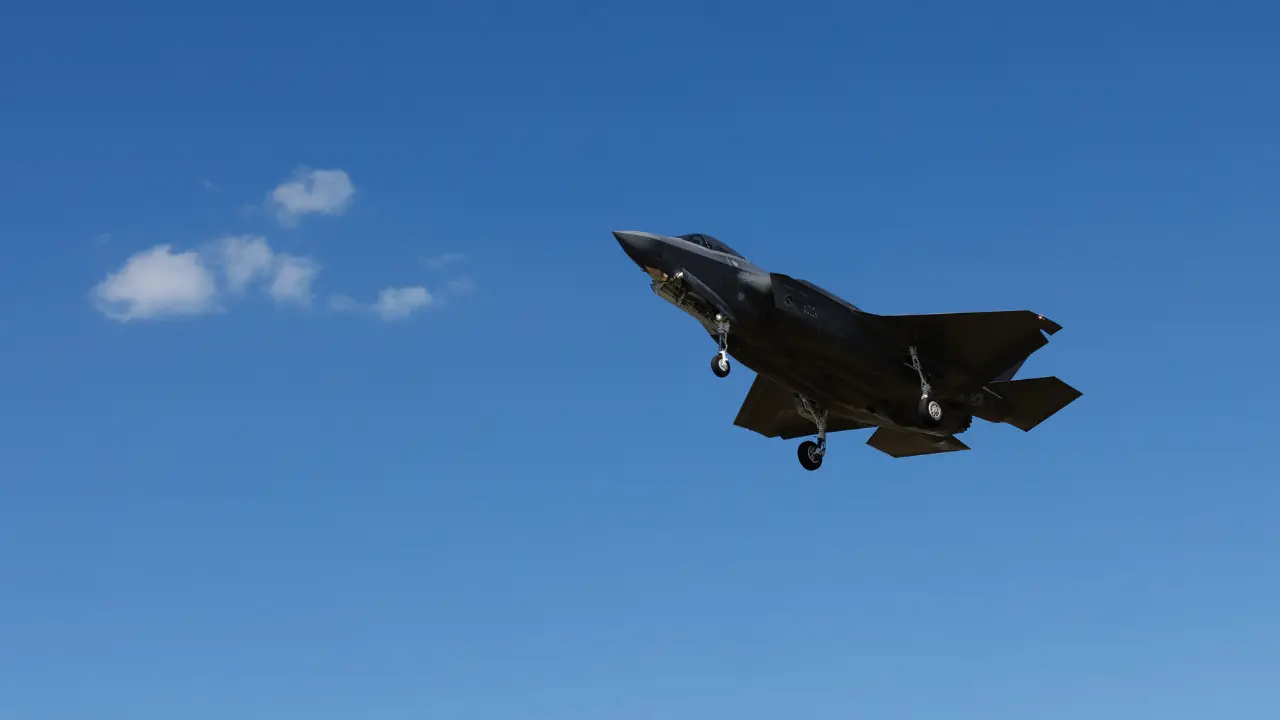
Fighter jets are designed for best performance between 30,000 and 50,000 feet. This offers a balance between speed, fuel efficiency, and the oxygen needed for engines and pilots. Flying at these heights also allows radar, missiles, and cockpit computers to work reliably.
Why does this limit help fighter jets?
Fighter jets stay within the atmosphere for best agility, dogfight ability, radar coverage, and safe ejection if anything goes wrong. If jets tried to work like rockets, they would lose all these advantages. Staying below the edge of space keeps jets effective for defence and attack missions.
Mission and technology
Rockets are made for reaching orbit and carrying loads beyond Earth. While fighter jets are for flexible flight, combat, and quick response inside the sky. That’s why jet engines and rocket engines have completely different needs and limits.
)
)
)
)
)