Eurofighter Typhoon suits Europe, not Bangladesh’s threat environment! Here's why

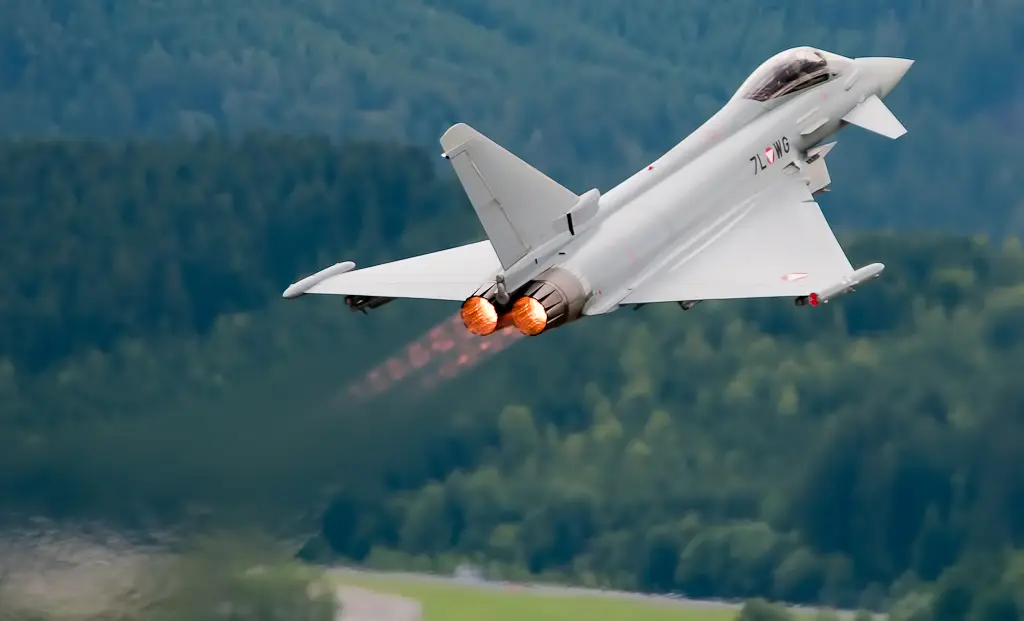
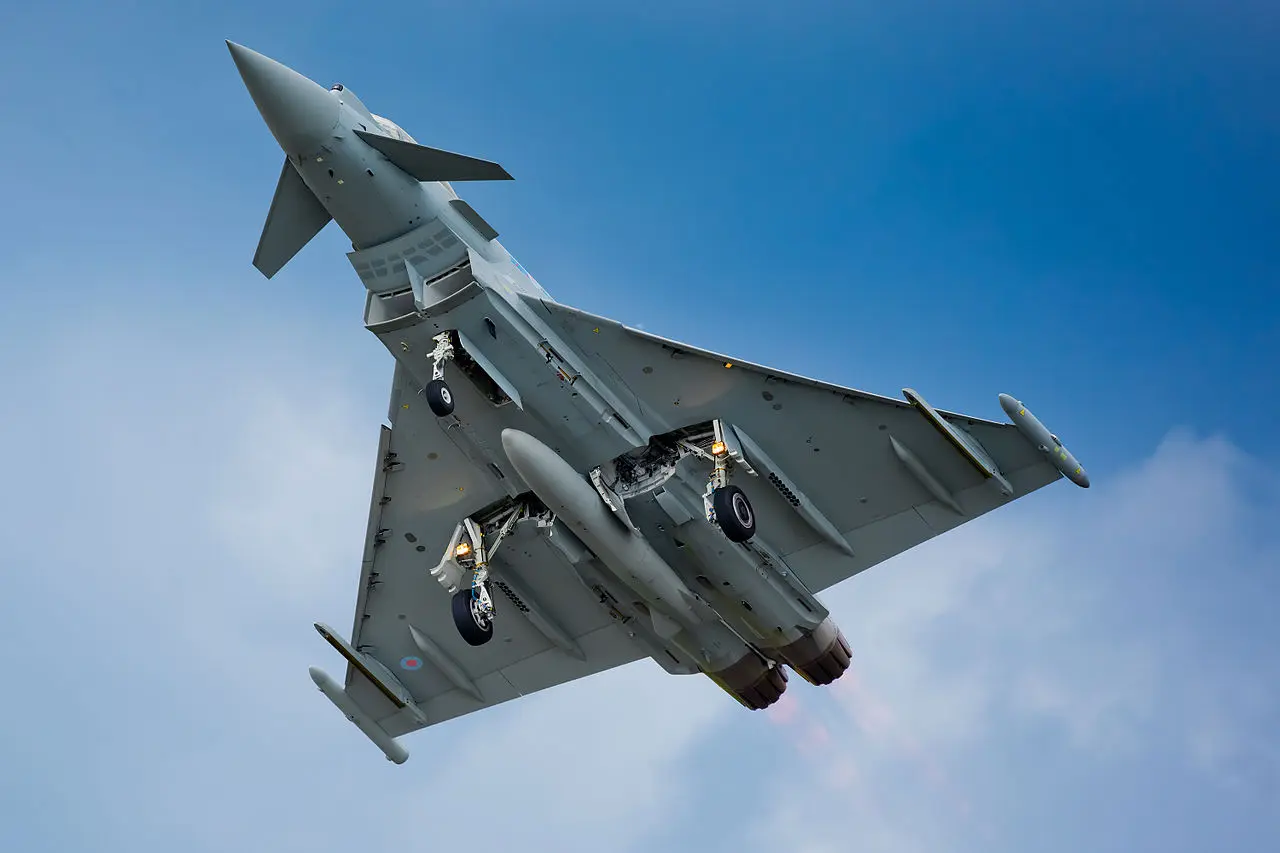
The Eurofighter Typhoon is a world-class jet, but tailored for Europe’s air war, not Bangladesh’s reality. High costs, complex logistics, and infrastructure gaps make it a tough fit for Bangladesh’s budget and threat environment.
Only a Letter of Intent
Bangladesh signed a non-binding Letter of Intent with Leonardo on 9 December 2025. It shows interest, but it is not a purchase contract. The plan can still change after financial and strategic reviews.
Built for NATO, Not Dhaka
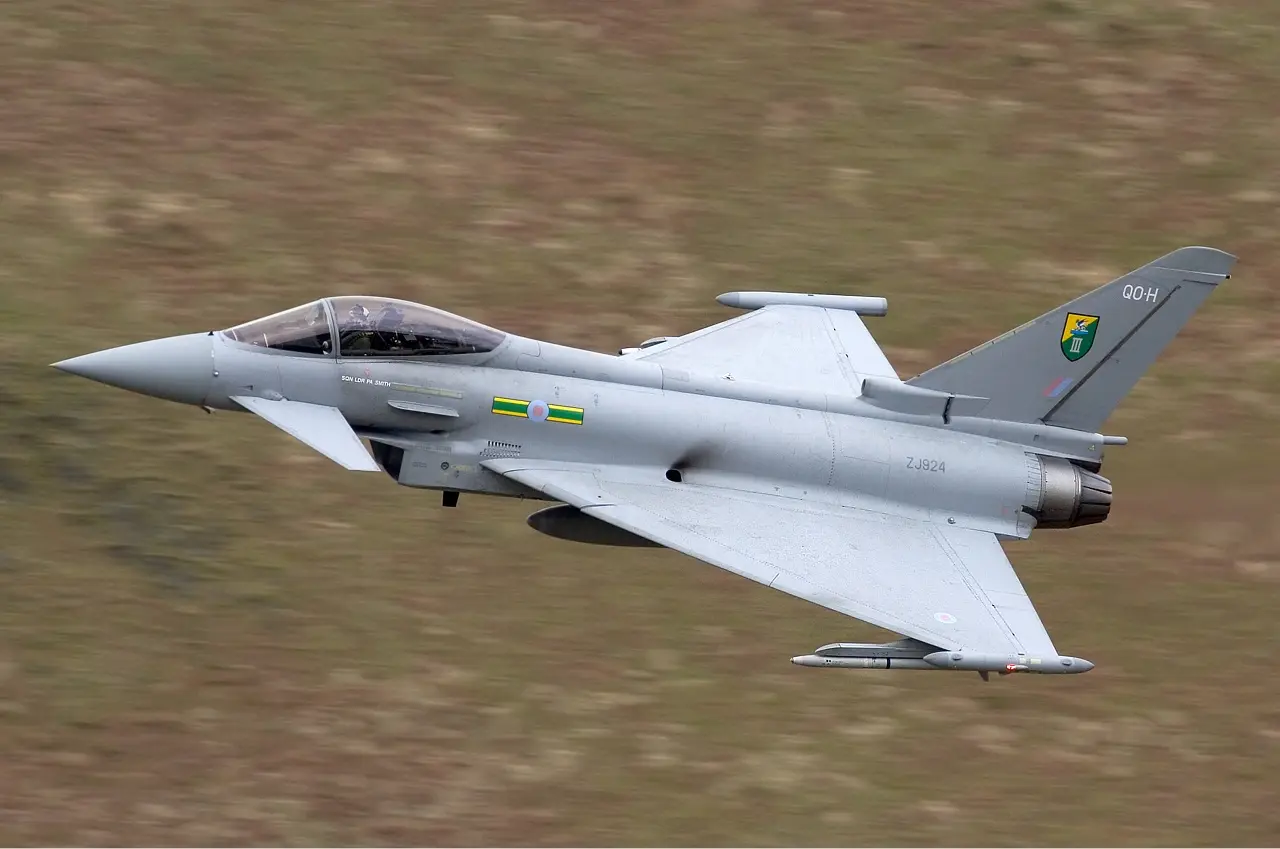
The Eurofighter was designed for Europe’s air battles, high-speed interceptions and long-range combat. Bangladesh’s challenges are mostly border skirmishes and low-intensity threats, not NATO-style air wars.
The Cost Problem
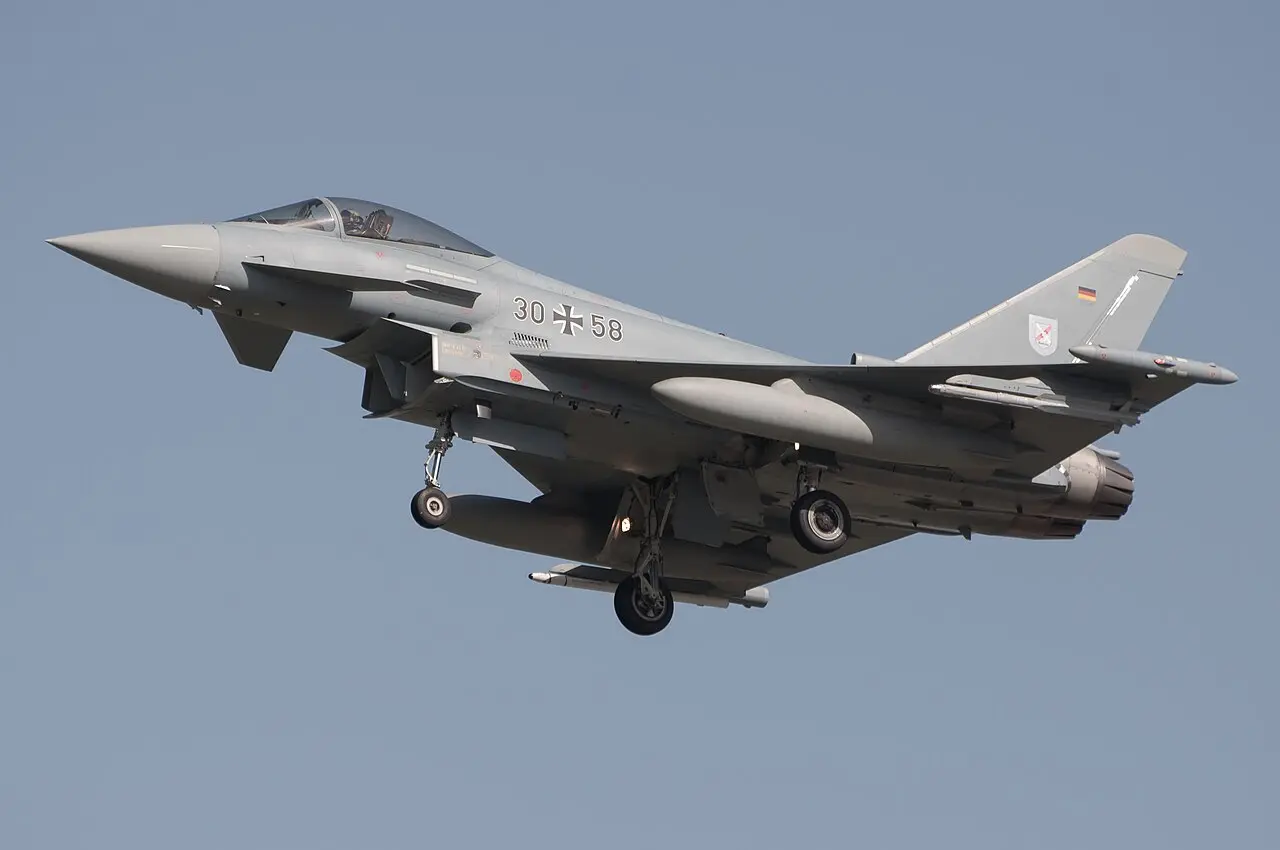
Public estimates suggest the Typhoon costs up to $60,000 per flight hour. This is far higher than many alternatives and can drain operating budgets quickly. For a developing nation, such burn rates are hard to sustain.
Budget Under Pressure
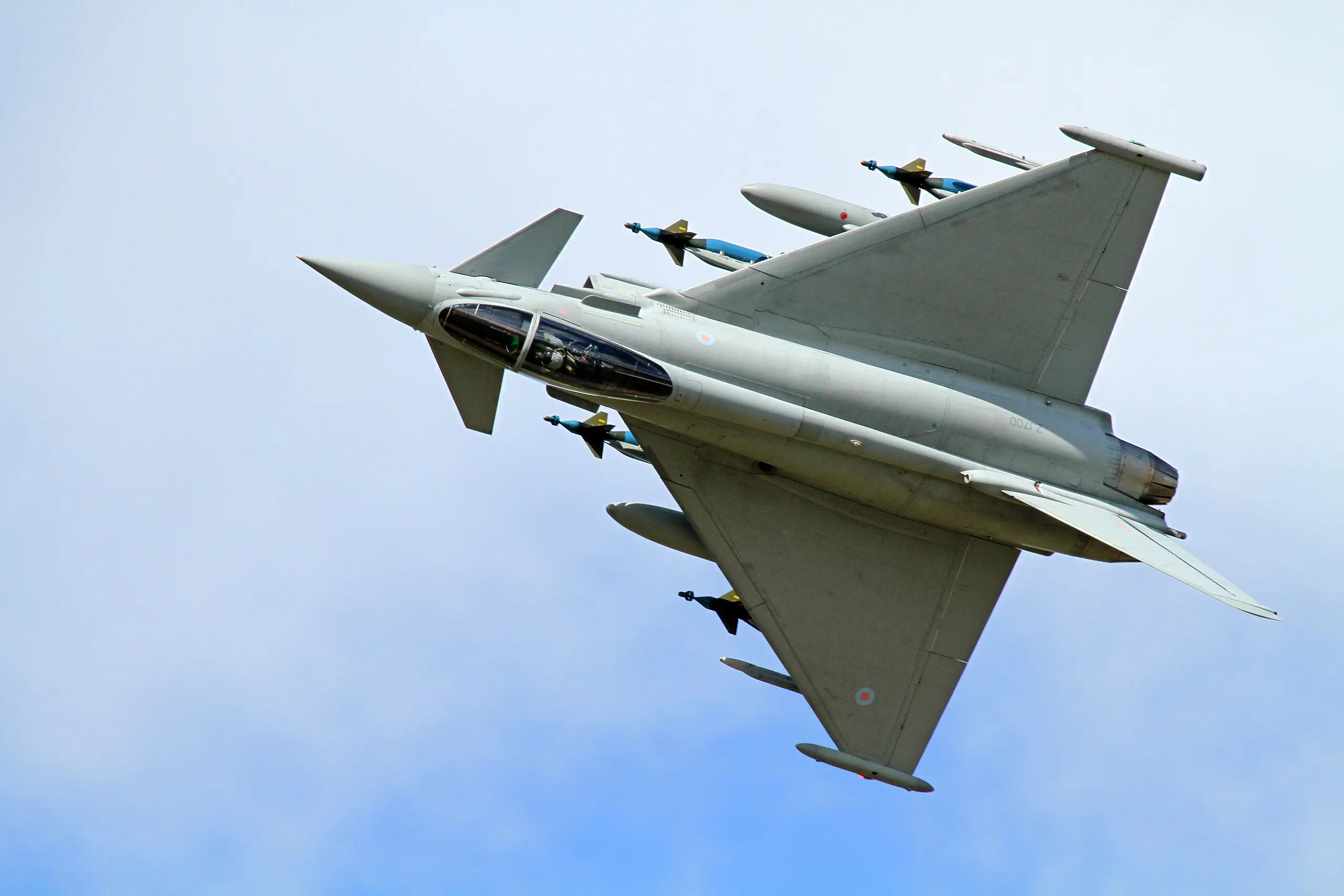
Bangladesh’s defence allocation for FY2025-26 saw a rare decline. Most of the budget already goes to salaries and routine expenses. Adding an expensive fleet like the Typhoon creates serious financial strain.
Infrastructure Overhaul Needed
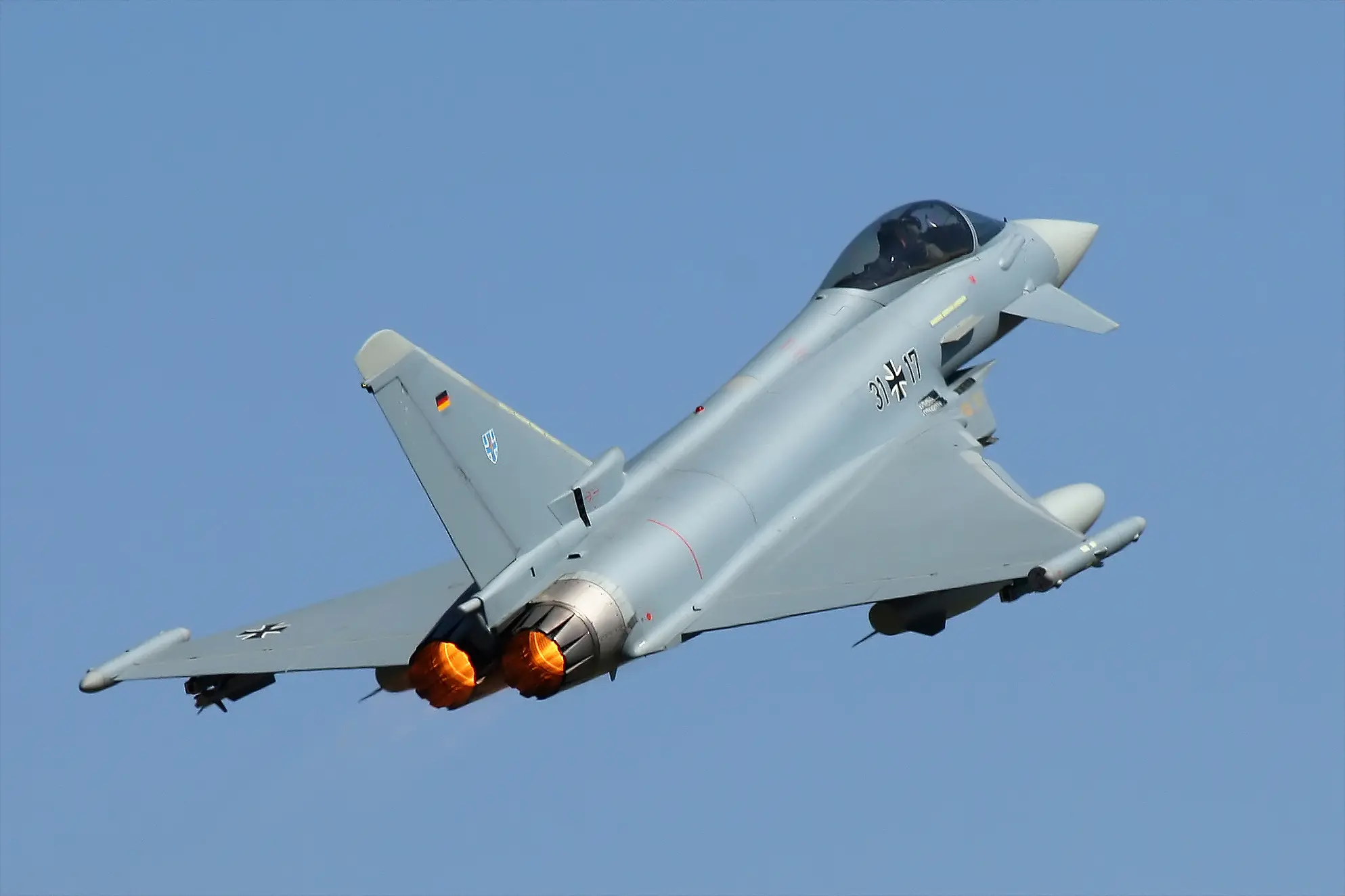
Bangladesh operates Russian and Chinese aircraft today. Switching to a Western fighter means major upgrades to hangars, tools, IT systems, and maintenance setups. This alone could cost hundreds of millions.
Four Nations, One Jet
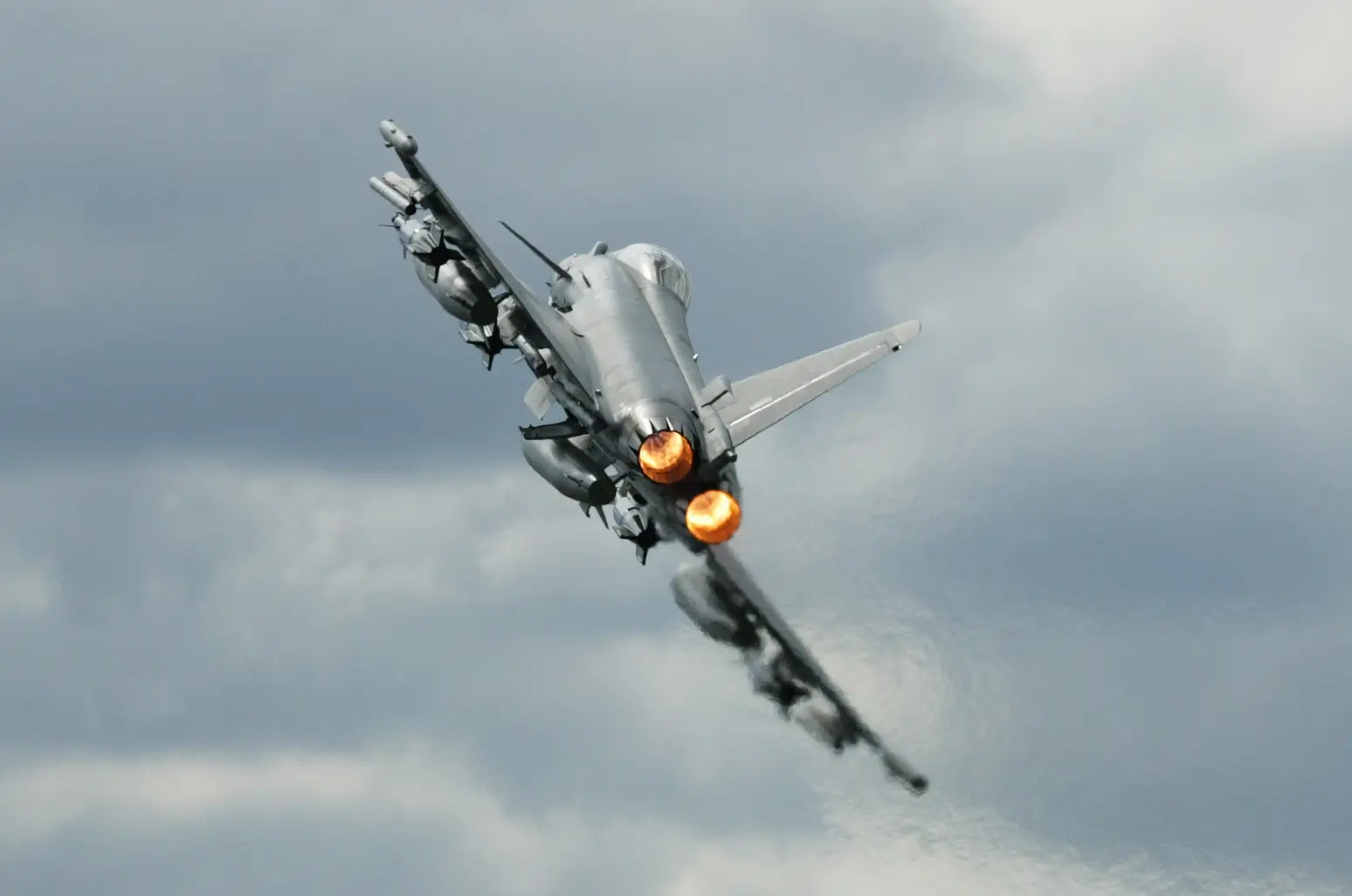
The Eurofighter is built by a consortium of four nations: the UK, Germany, Italy, and Spain. Spare parts and technical support flow through NETMA (NATO EF 2000 and TORNADO Management Agency), which coordinates approvals across all four countries. For Bangladesh, this multi-nation system means longer lead times for spare parts compared to single-nation aircraft like the Rafale or J-10C.
Germany’s Export Controls
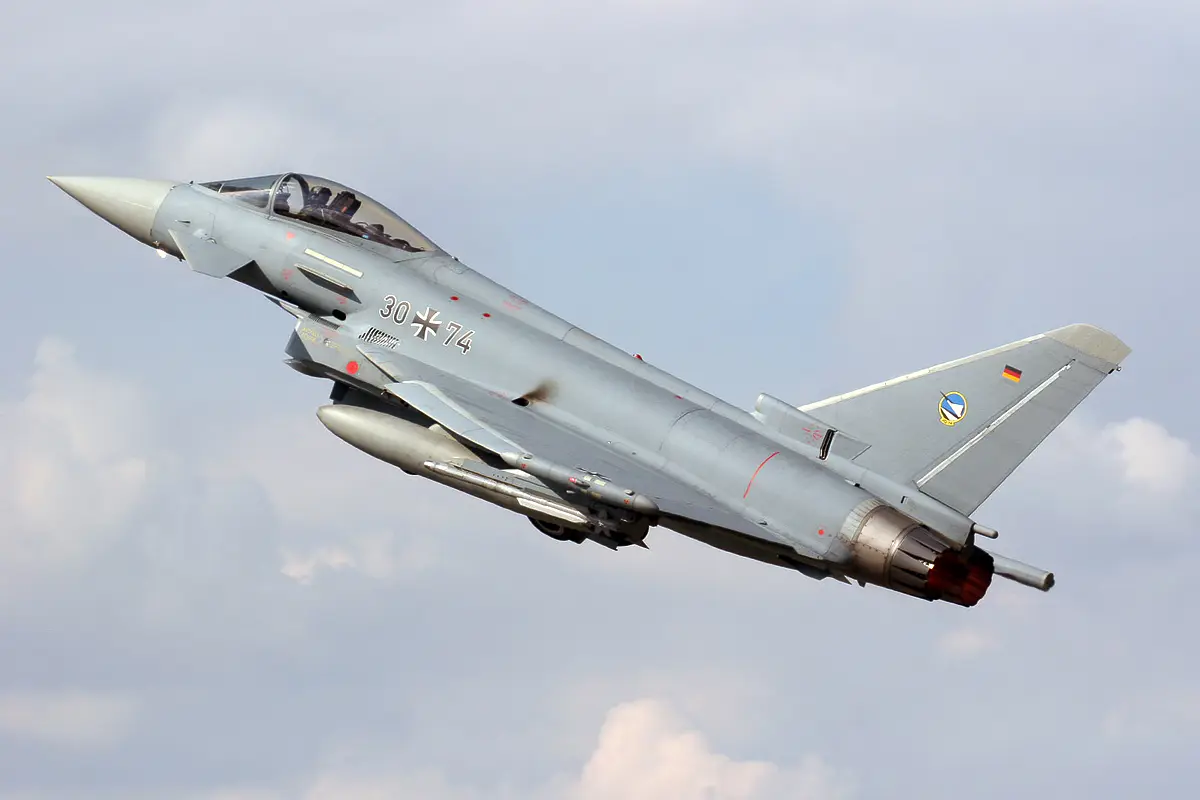
Germany has previously restricted Eurofighter sales to countries like Saudi Arabia and Turkey. These strict export rules could affect future support or parts. For Bangladesh, this adds a diplomatic risk.
Mismatch with Myanmar Scenario
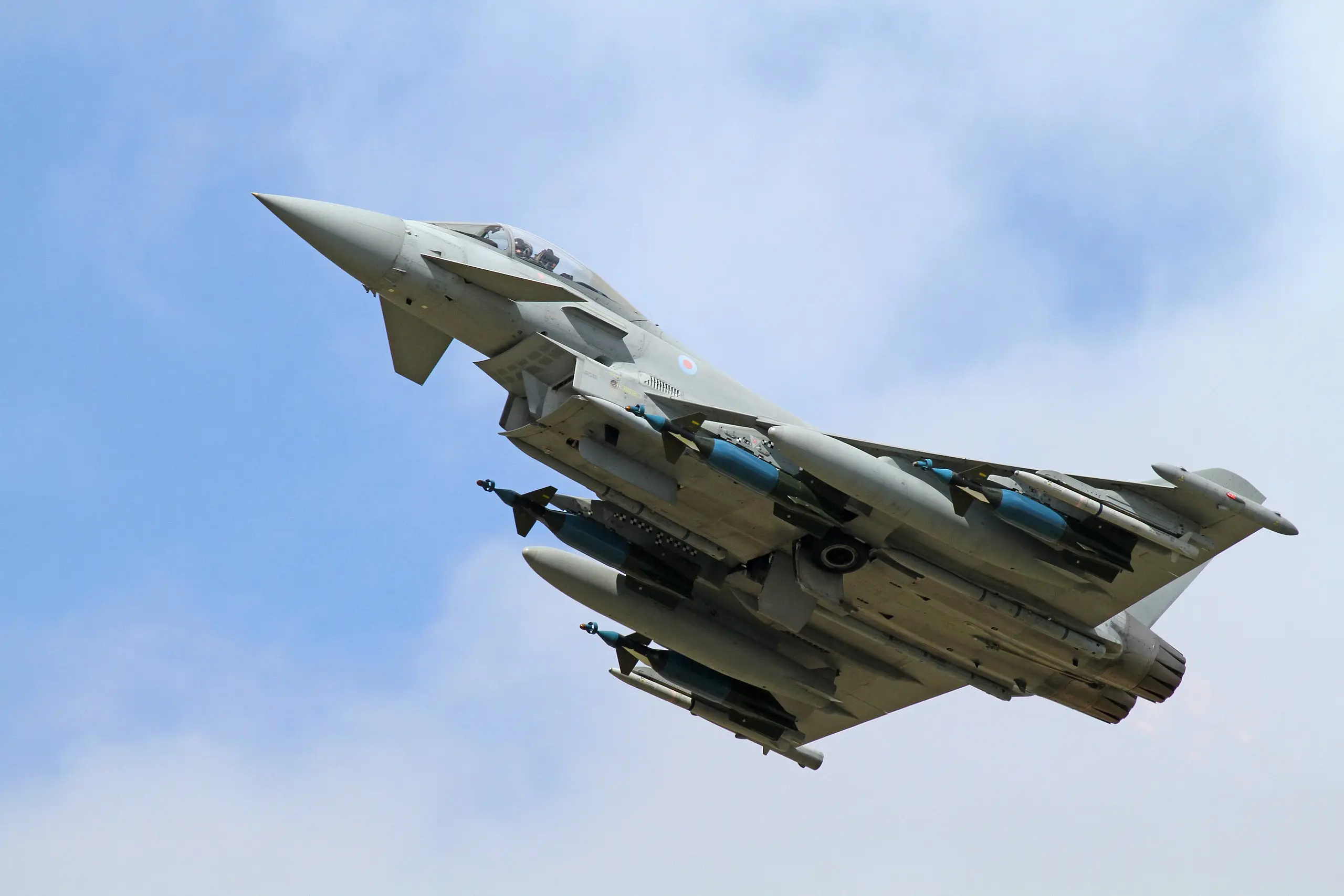
Most aerial tension for Bangladesh comes from the Myanmar border. These are small-scale incidents that need quick, affordable patrols. Using a heavy, expensive air-superiority fighter here is inefficient.
Training Burden in Europe
Bangladesh lacks Typhoon simulators and support systems. Pilots would need 6-12 months of training in Europe. This increases cost and reduces available manpower at home.
Why J-10C Looks More Practical
Reports suggest China offers around 20 J-10Cs for about $2.2B. With modern radar and long-range missiles, it gives more jets for less money. For Bangladesh, sustainability may matter more than raw performance
)
)
)
)
)