Eurofighter for Bangladesh? 7 ways Typhoon compares with India’s Rafale and Pakistan’s JF-17

Eurofighter Typhoon and Rafale deliver high performance, but they demand sophisticated maintenance ecosystems, extensive pilot training hours, and higher operational costs per flight.
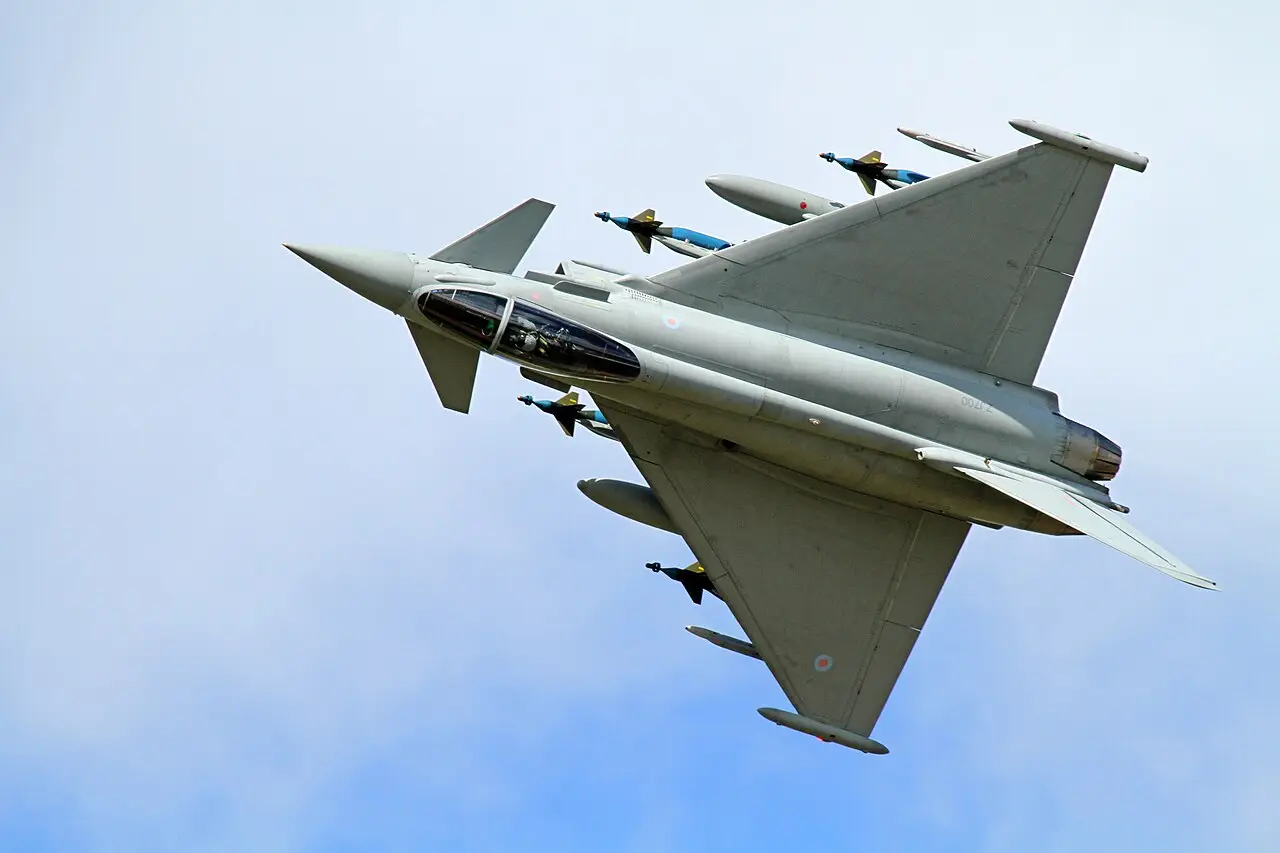
1. Three Different Design Philosophies: Heavy Multirole vs Light Fighter
The Eurofighter Typhoon and India’s Dassault Rafale both sit firmly in the heavyweight 4.5-generation category, designed for high-end air superiority, deep strike missions, and survivability in contested airspace. Both jets use twin engines, large wing surfaces, and advanced avionics to deliver superior performance across long distances. Pakistan’s JF-17, meanwhile, is a single-engine, lightweight multirole aircraft built for affordability, easy maintenance, and rapid induction rather than top-tier capability. This fundamental design difference shapes their roles: Typhoon and Rafale serve as first-line fighters for major air forces, while JF-17 is a cost-effective platform for countries that need functional multirole capability without the expense or complexity of an advanced twin-engine fleet.
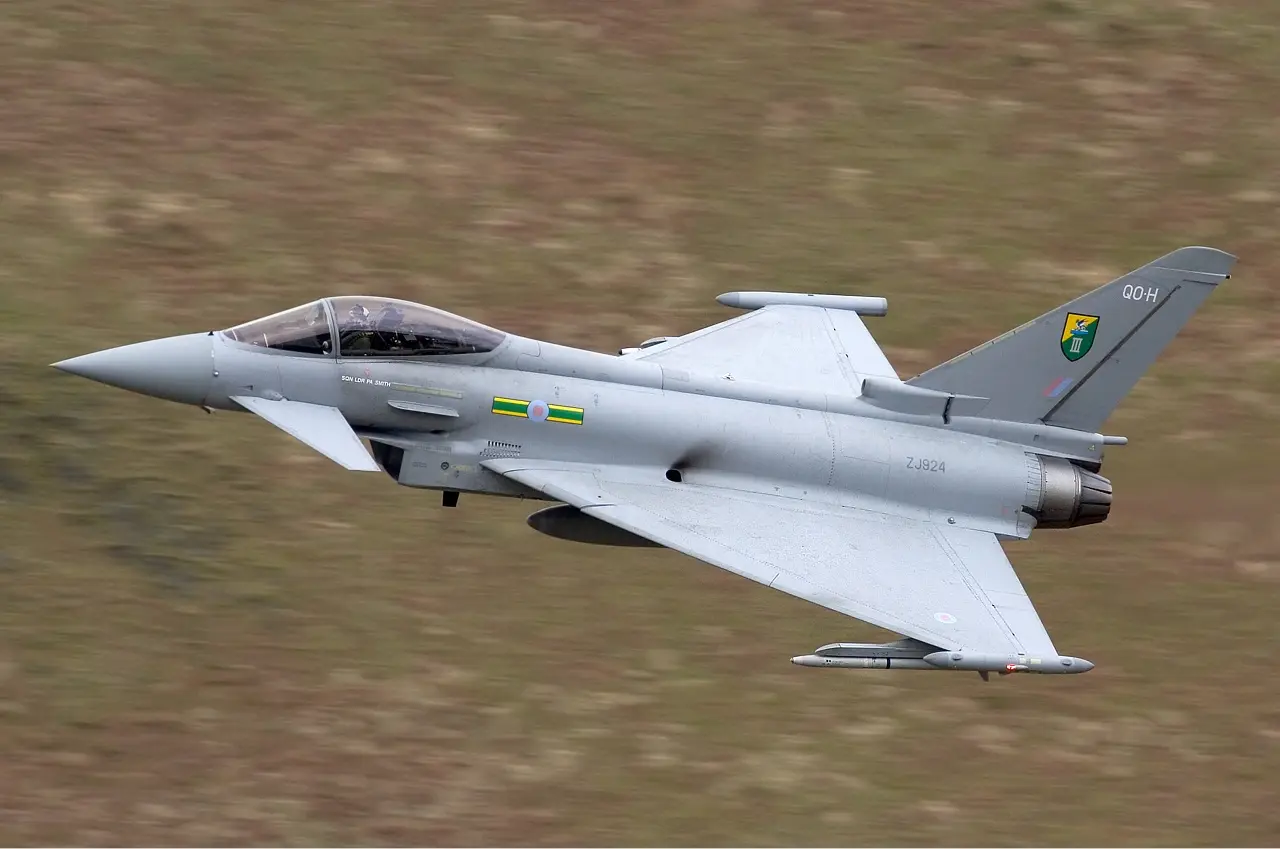
2. Radar and Sensors: AESA as Standard, but Not Equal Across Platforms
The Eurofighter Typhoon’s latest Captor-E / ECRS AESA radar family gives the jet excellent long-range target detection, strong electronic counter-countermeasures, and wide field-of-regard scanning. Rafale’s Thales RBE2 AESA, paired with the powerful SPECTRA electronic warfare suite, provides exceptional sensor fusion, survivability, and electromagnetic awareness, a major strength in India’s air force. Pakistan’s JF-17 Block-3 introduces the KLJ-7A AESA radar, a significant improvement over earlier variants. Although capable and modern for its price, the Block-3’s avionics, integration maturity, and electronic warfare depth remain behind the advanced sensor ecosystems of Rafale and Typhoon. Bangladesh’s choice will fundamentally hinge on whether it seeks high-end Western sensor capability or affordable modernisation.
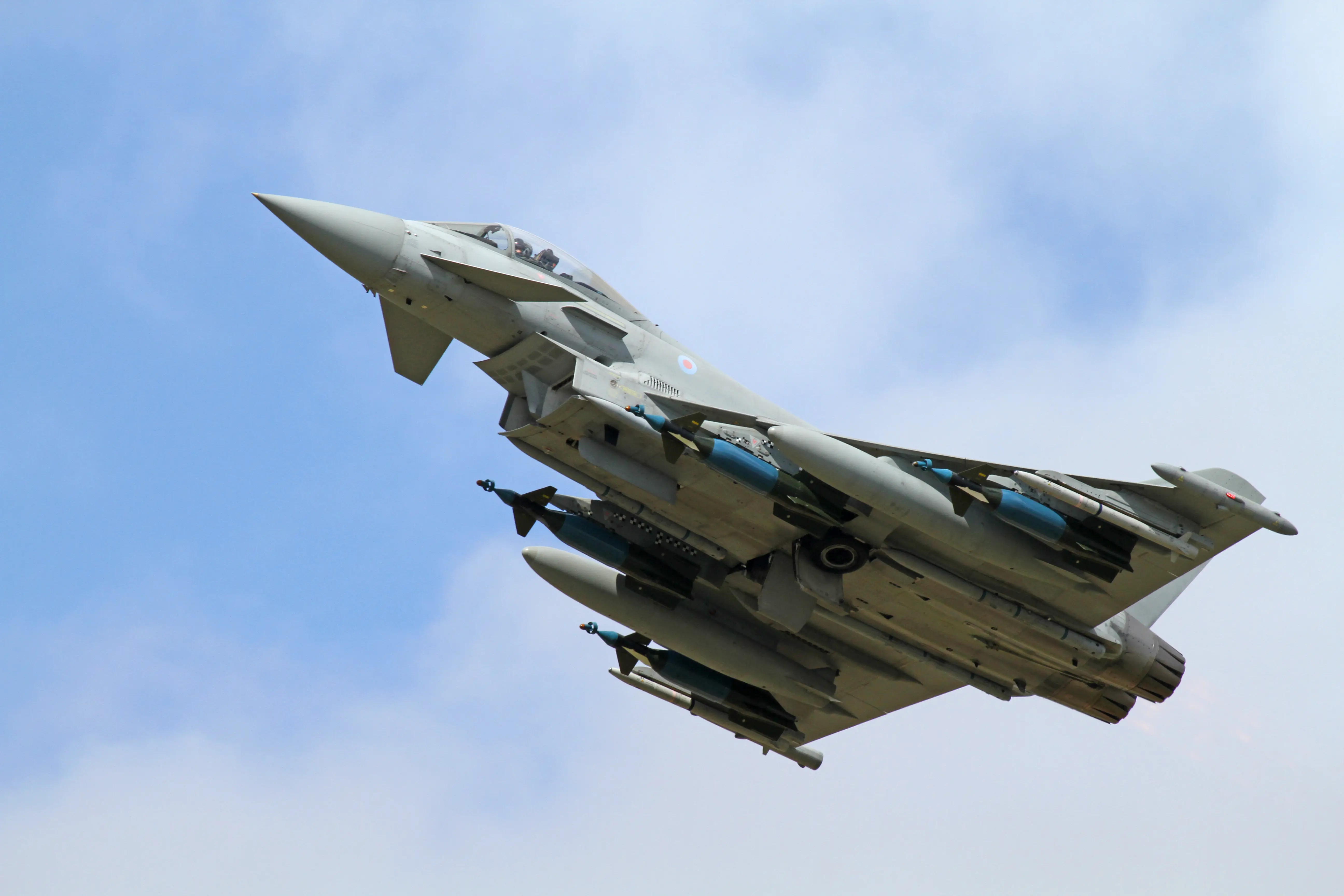
3. Missile Reach: Meteor Dominates, PL-15E Adds Range but With Unknowns
Eurofighter Typhoon and Rafale both deploy the Meteor BVRAAM, widely considered the strongest operational air-to-air missile in the world thanks to its ramjet propulsion and high no-escape zone. Meteor integration is fully mature on both Western platforms, giving them long-range engagement capacity backed by reliable European engineering and NATO-tested systems. Pakistan’s JF-17 Block-3 can fire the PL-15E, China’s export long-range missile, which in raw distance may rival Meteor but lacks independent, transparent testing and performance evaluation. While PL-15E greatly boosts JF-17’s BVR credibility, Typhoon and Rafale maintain an edge because their missile performance is paired with far more advanced sensors, electronic warfare systems, and combat-proven fire-control logic. Bangladesh must weigh range versus reliability and EW integration.
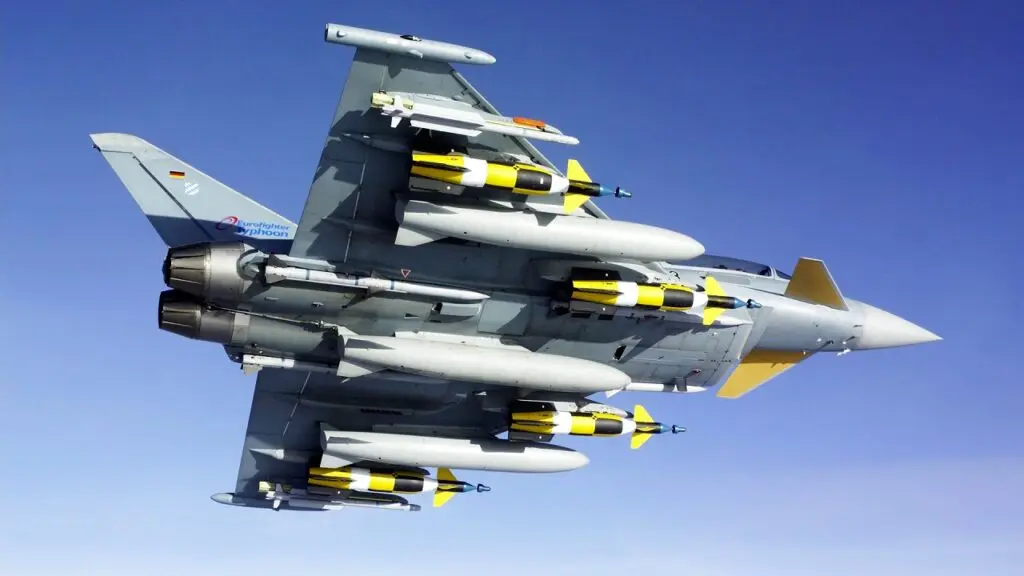
4. Performance and Payload: Twin-Engine Superiority vs Lightweight Agility
Typhoon and Rafale both outperform the JF-17 in raw power, climb rate, sustained high-G manoeuvring, and payload capacity. Typhoon’s EJ200 engines provide excellent thrust-to-weight, giving it the ability to supercruise in certain configurations. Rafale, meanwhile, is engineered for multirole versatility, including nuclear delivery (for France) and carrier operations. Both jets can carry heavy payloads across long distances, making them suitable for maritime strike in the Bay of Bengal and extended air-superiority missions. The JF-17, with its single engine and smaller frame, is more agile at lower speeds but limited in payload and fuel capacity. For Bangladesh, this difference matters because a small air force generally benefits from aircraft that can perform many missions with fewer jets — a strength of Typhoon and Rafale.
5. Costs and Logistics: High-End Capability Comes With High-End Sustainment
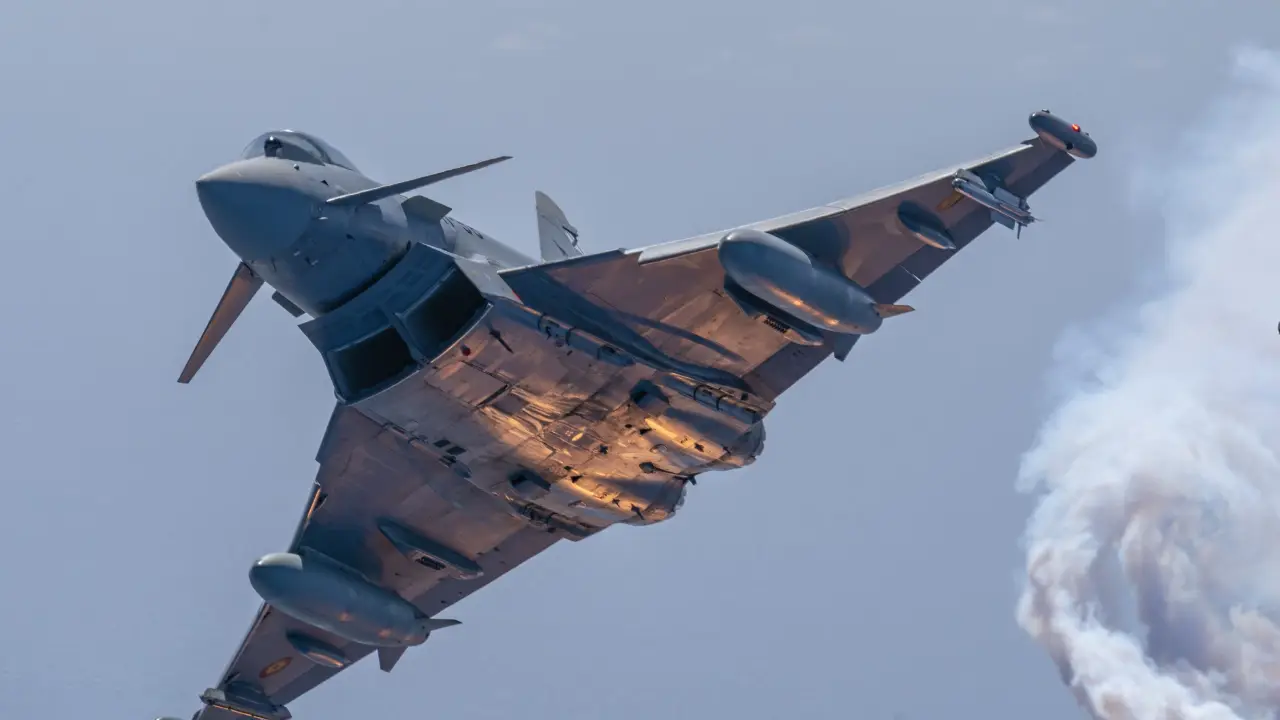
Eurofighter Typhoon and Rafale deliver high performance, but they demand sophisticated maintenance ecosystems, extensive pilot training hours, and higher operational costs per flight. These jets require specialised hangars, spares pipelines and continuous support from European OEMs. Pakistan’s JF-17, however, is built specifically for affordability. It has low acquisition cost, cheaper spares, simpler maintenance cycles, and rapid aircraft availability — making it appealing to countries with limited defence budgets. Bangladesh must realistically consider not just upfront cost, but 30–40 years of sustainment, upgrades, spare-parts agreements, and political reliability of suppliers. A Typhoon fleet may cost at least 4–5× more across its life cycle compared to a JF-17 squadron.
6. Political and Strategic Implications: Europe vs China as Long-Term Partners
Buying the Eurofighter Typhoon would deepen Bangladesh’s defence ties with four major European nations, the UK, Germany, Spain, and Italy, and open the door to industrial collaboration, training, and Western technology transfer. Purchasing Rafale would strengthen bilateral ties with France, which has recently expanded defence cooperation across the Indo-Pacific. Buying the JF-17 reinforces Bangladesh’s existing military links with China and, indirectly, Pakistan, since both countries build and support the aircraft. Each option has geopolitical implications. Europe offers long-term stability, transparency, and military professionalism, while China offers speed, affordability, and fewer political conditions. Dhaka’s choice will signal its strategic alignment for decades.
7. Which Jet Actually Fits Bangladesh’s Needs?
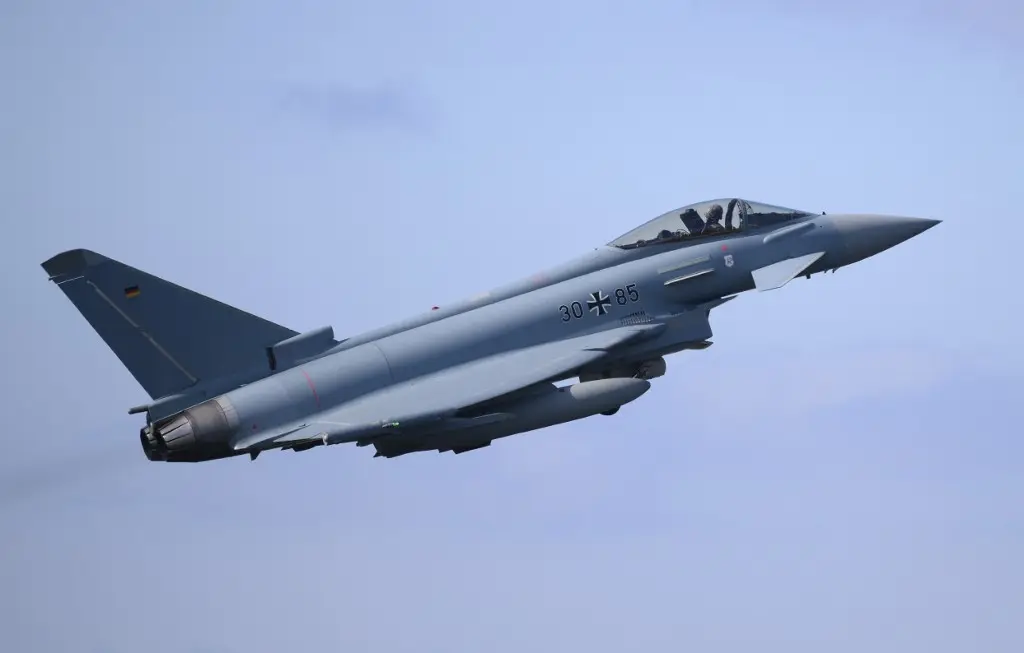
If Bangladesh wants a regional deterrent capable of dominating air-to-air combat, defending maritime zones, and projecting modern air power, the Eurofighter Typhoon and Rafale deliver unmatched capability, albeit at a high financial and logistical cost. If Bangladesh prioritises fleet size, affordability, and rapid operationalisation, the JF-17 Block-3 is the more pragmatic choice, though it cannot compete with Western jets in high-threat environments. Ultimately, Dhaka must balance cost, capability, maintenance burden, pilot training infrastructure, and geopolitical alignment. Typhoon and Rafale turn Bangladesh into a top-tier South Asian air power; JF-17 modernises its fleet quickly and cheaply. The correct answer depends not on performance charts alone, but on Bangladesh’s long-term defence doctrine.
)
)
)
)
)