Escape system: Why does the B-52 bomber still use ejection seats?

The B-52 relies on dangerous multi-directional ejection seats, blasting pilots upward and navigators downward. This downward path is often fatal at low altitudes, but a USD 48.6 billion J-model upgrade will soon alter the crew's escape dynamics.Untitled Summary
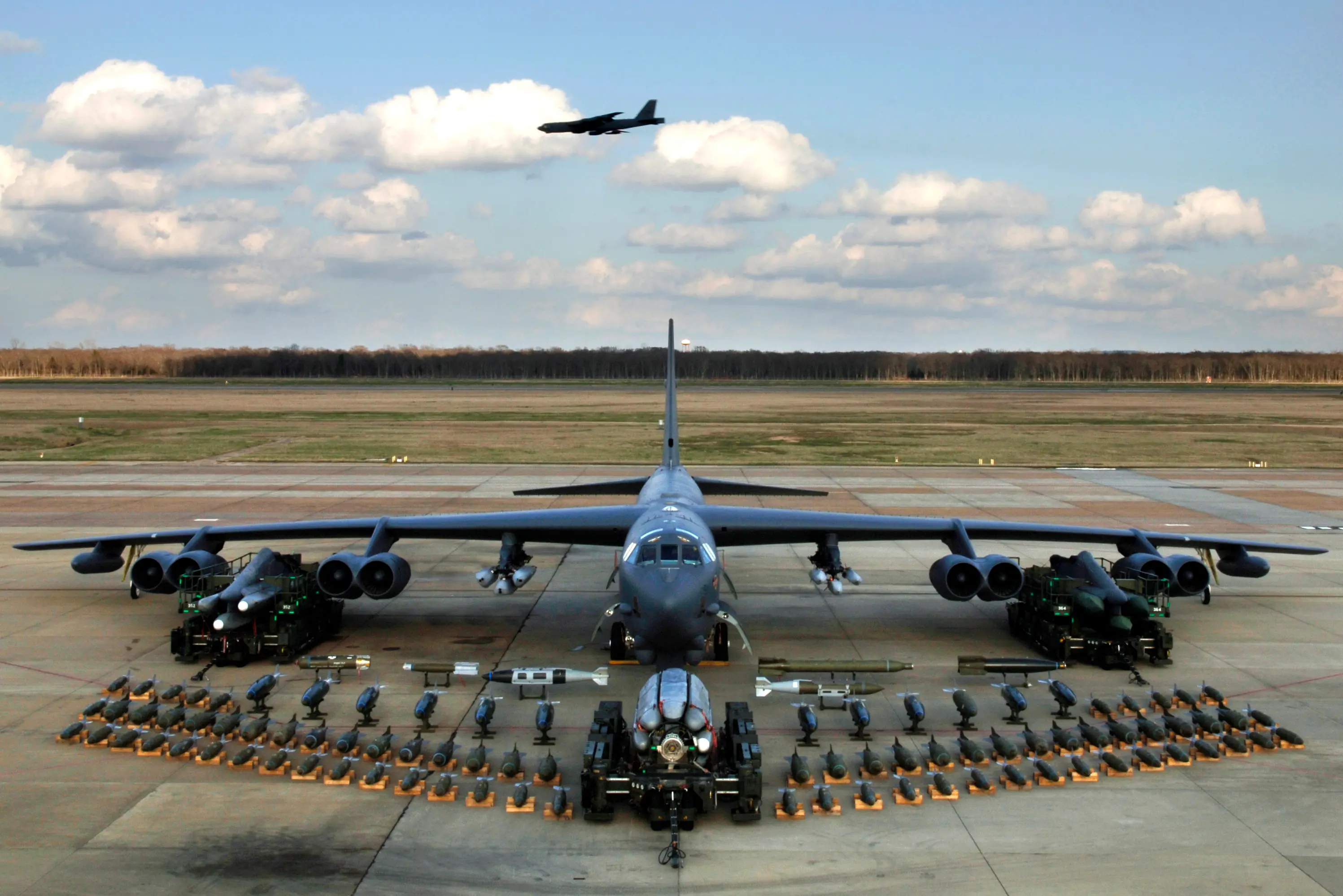
The Last Line of Defence
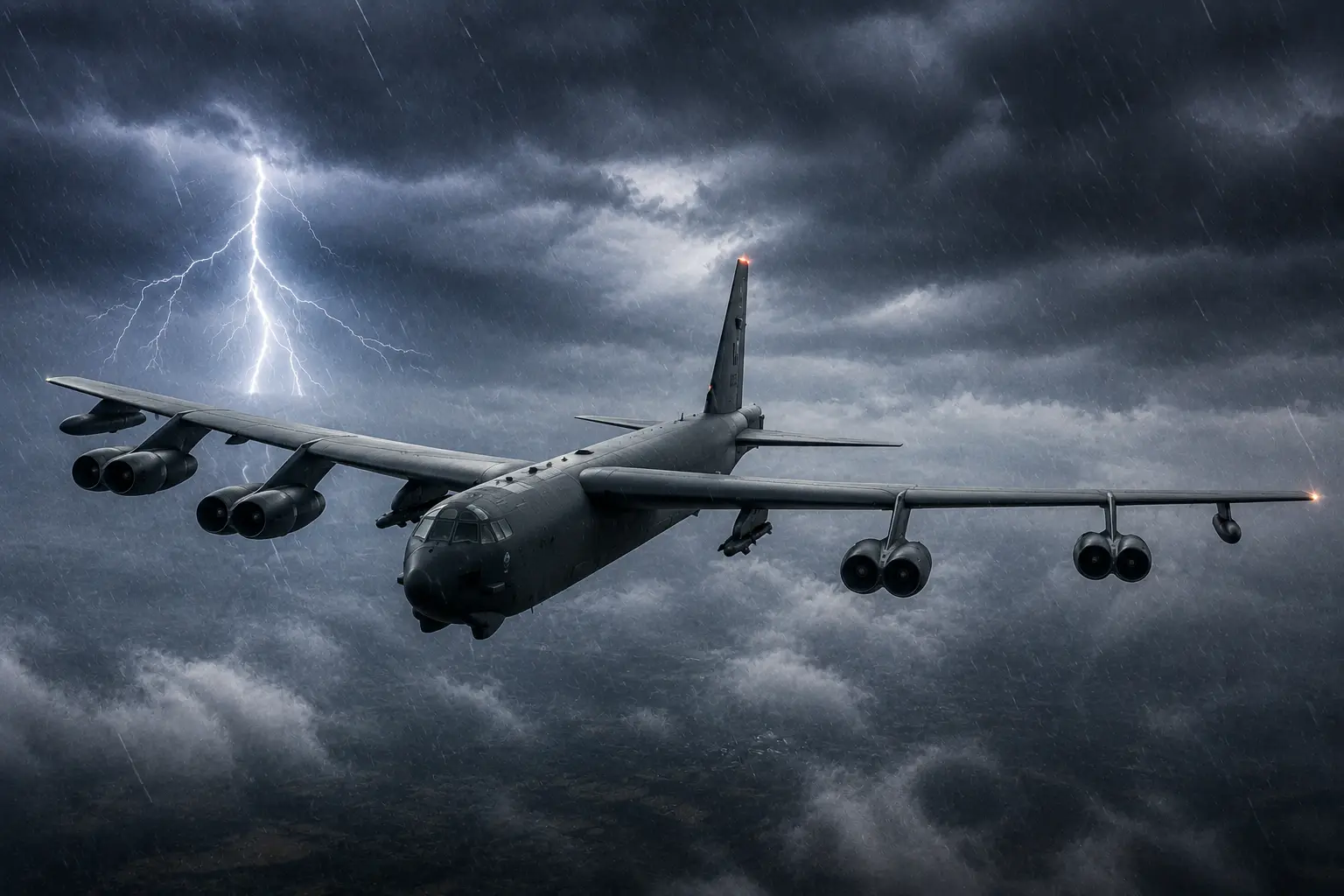
The Boeing B-52 Stratofortress relies on one of the most extreme mechanical escape systems in military aviation to protect its personnel. The current active fleet of 76 heavy bombers uses these explosive seats to ensure crew survival during a catastrophic emergency.
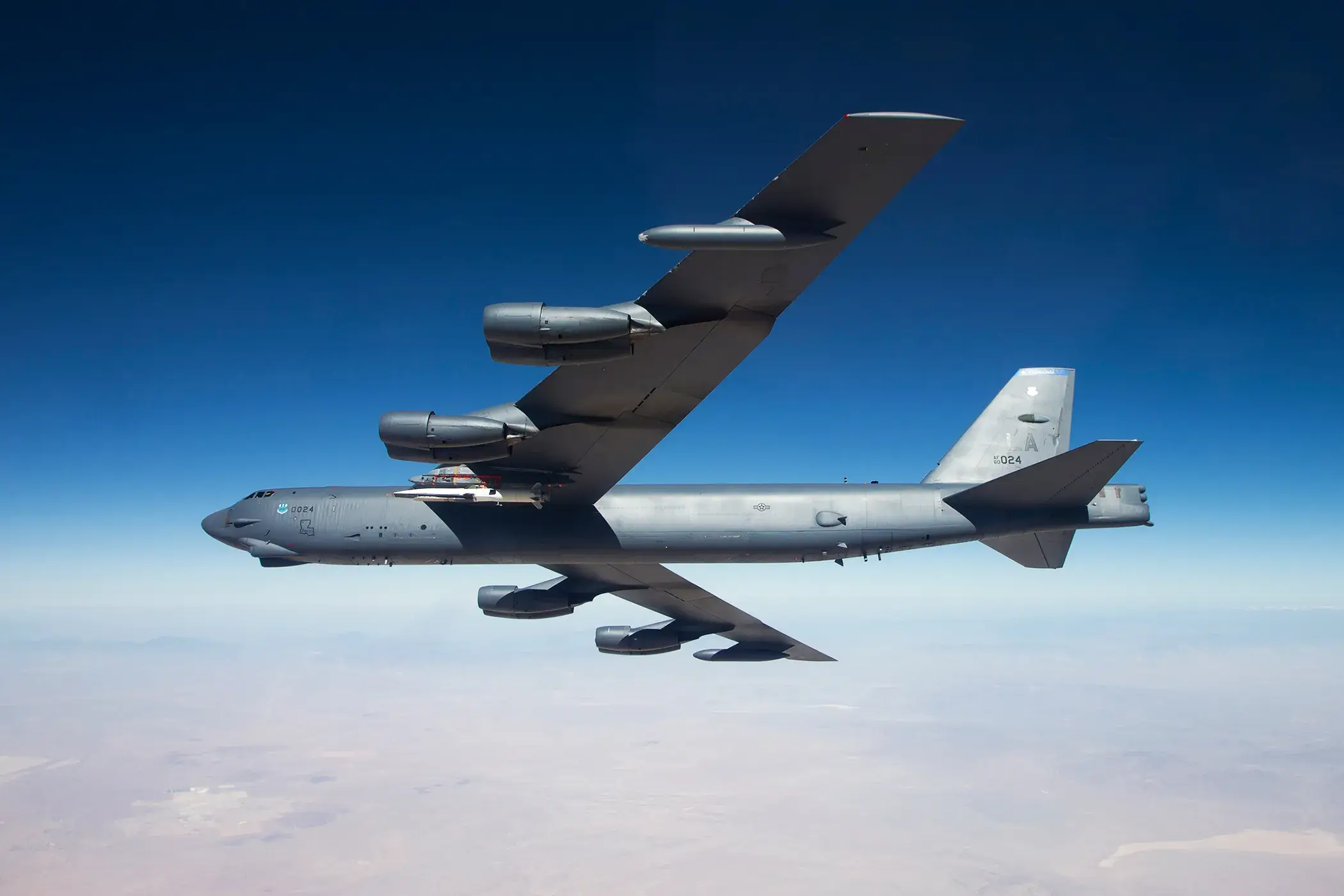
A Multi-Directional Escape
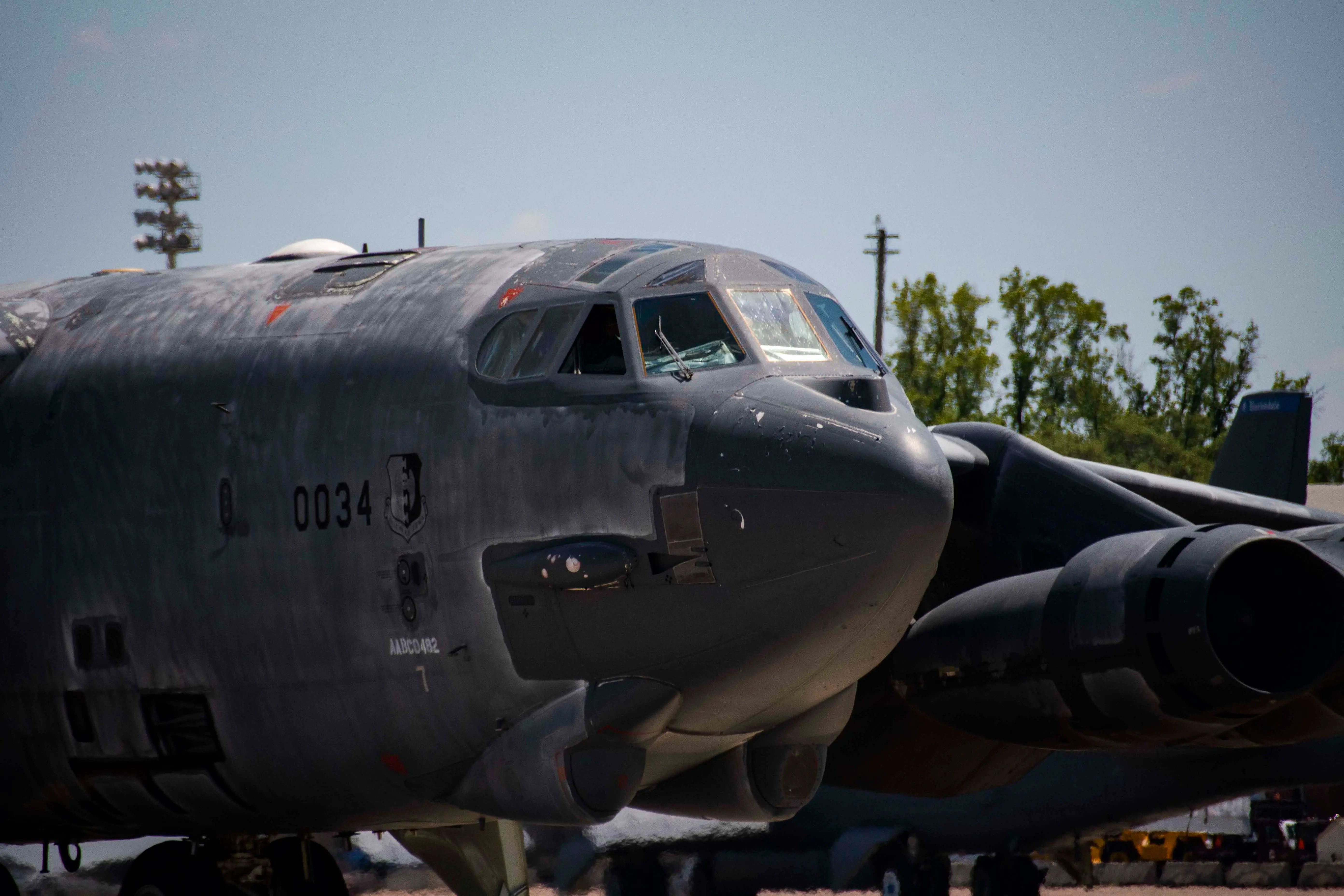
Unlike standard modern fighter jets, this strategic bomber features a highly complex combination of both upward and downward ejection seats. During an emergency bailout, the pilots and electronic warfare officer are blasted upwards through roof hatches that jettison into the airstream.
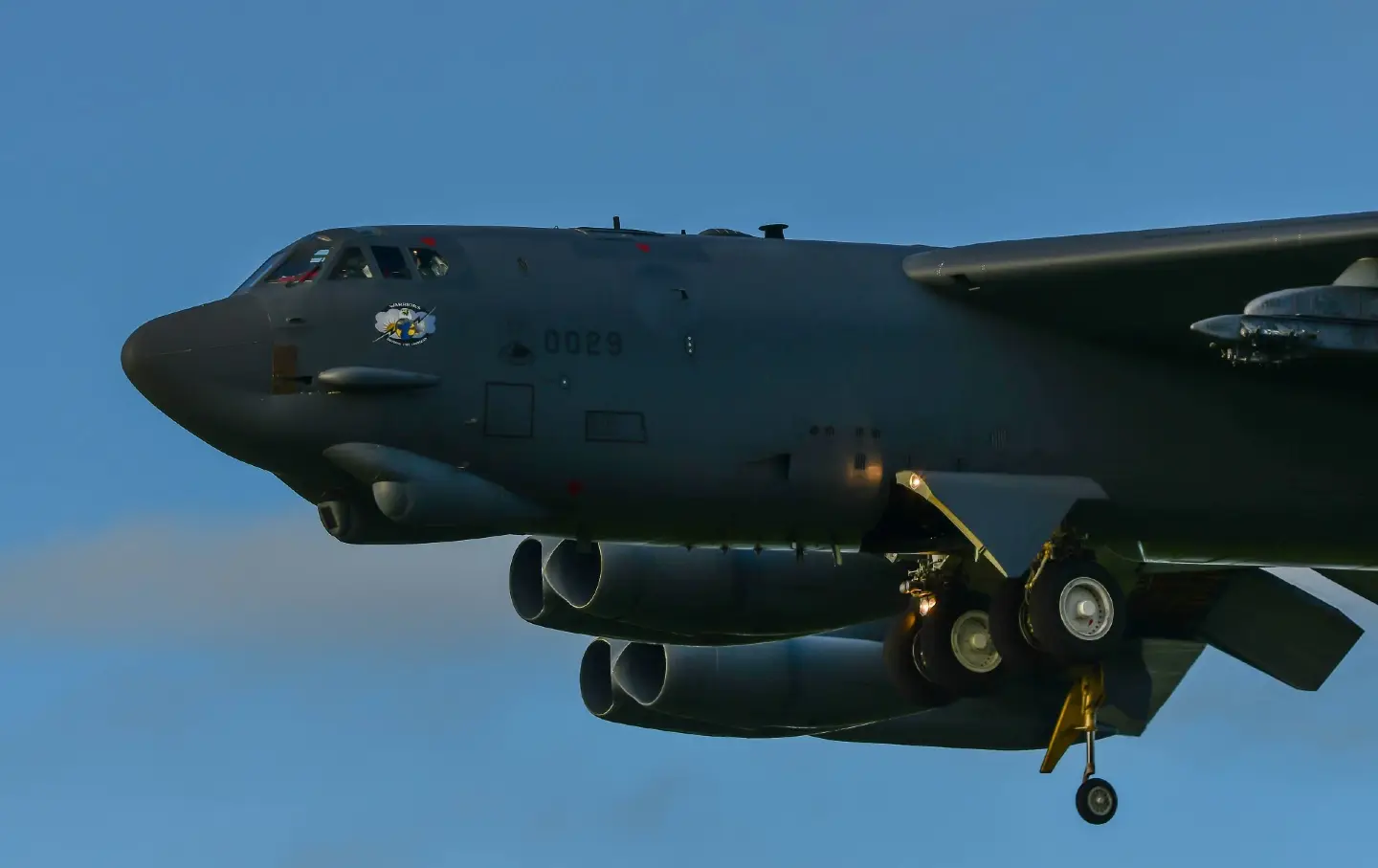
The Downward Firing Seats
Because the lower deck lacks a clear clearance path above it, the navigator and radar navigator must escape in an entirely different direction. Their specialised seats are engineered to fire straight down through explosive hatches in the belly of the heavy bomber.
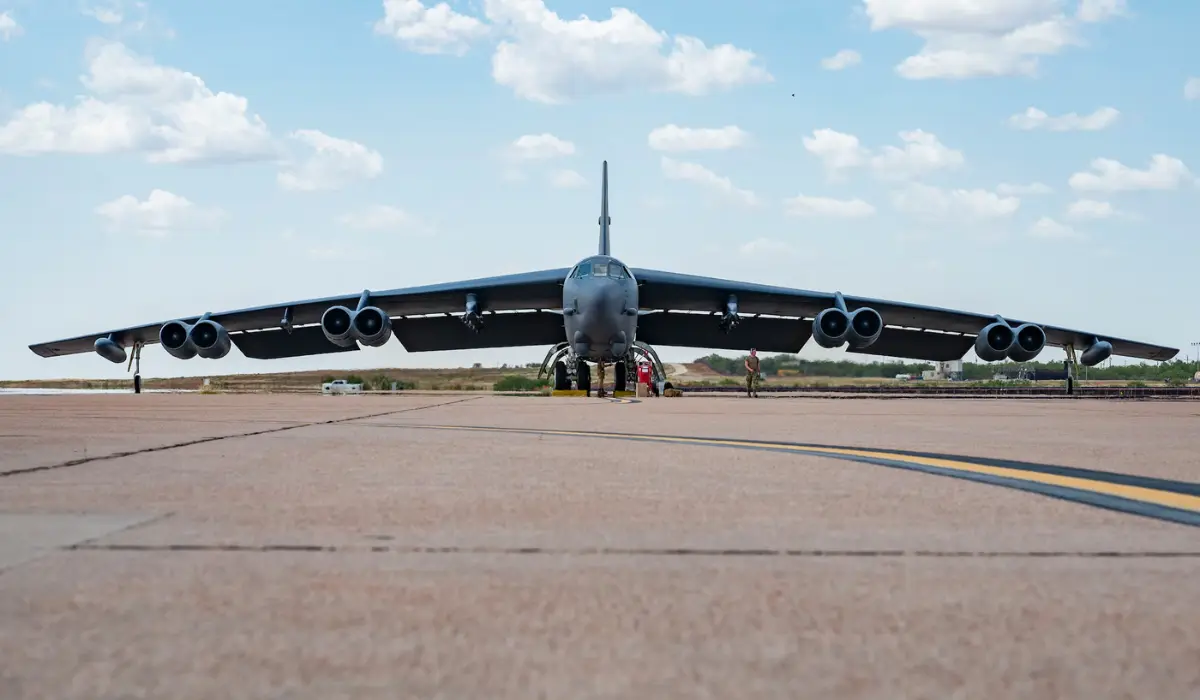
The Fatal Altitude Flaw
This downward trajectory presents a deadly hazard to the crew during low-level flight operations or immediate takeoff emergencies. If the aircraft is flying below 250 feet, the lower deck crew lacks the necessary air time for their parachutes to safely deploy before ground impact.
A Sequenced Bailout
To actively prevent the escaping crew members from violently colliding in mid-air, the B-52 requires a rigidly controlled execution order. The lower-deck navigators are always ejected downwards first, followed sequentially by the electronic warfare officer, the copilot, and finally the pilot.
Upgrading Survival Kits
The US Air Force collaborated with aviation designers to thoroughly modernise the aircraft's ageing ejection survival equipment. The resulting automated prototype system ensures that a crew member can safely eject without damaging or losing their vital survival gear.
The Future B-52J Crew
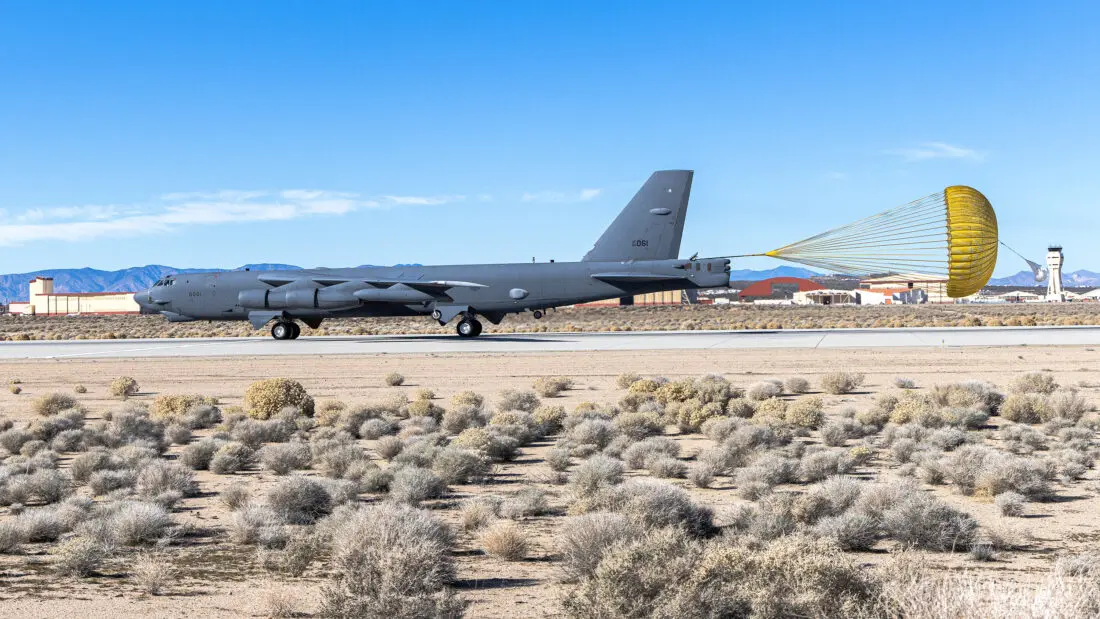
The ongoing USD 48.6 billion modernisation programme will transform the remaining fleet into the upgraded B-52J variant. This sweeping digital overhaul will entirely eliminate the radar navigator position, reducing the crew size and permanently altering the bomber's emergency escape dynamics.
)
)
)
)
)