Epstein files: Why JP Morgan paid $290 million to settle Jeffrey Epstein claims

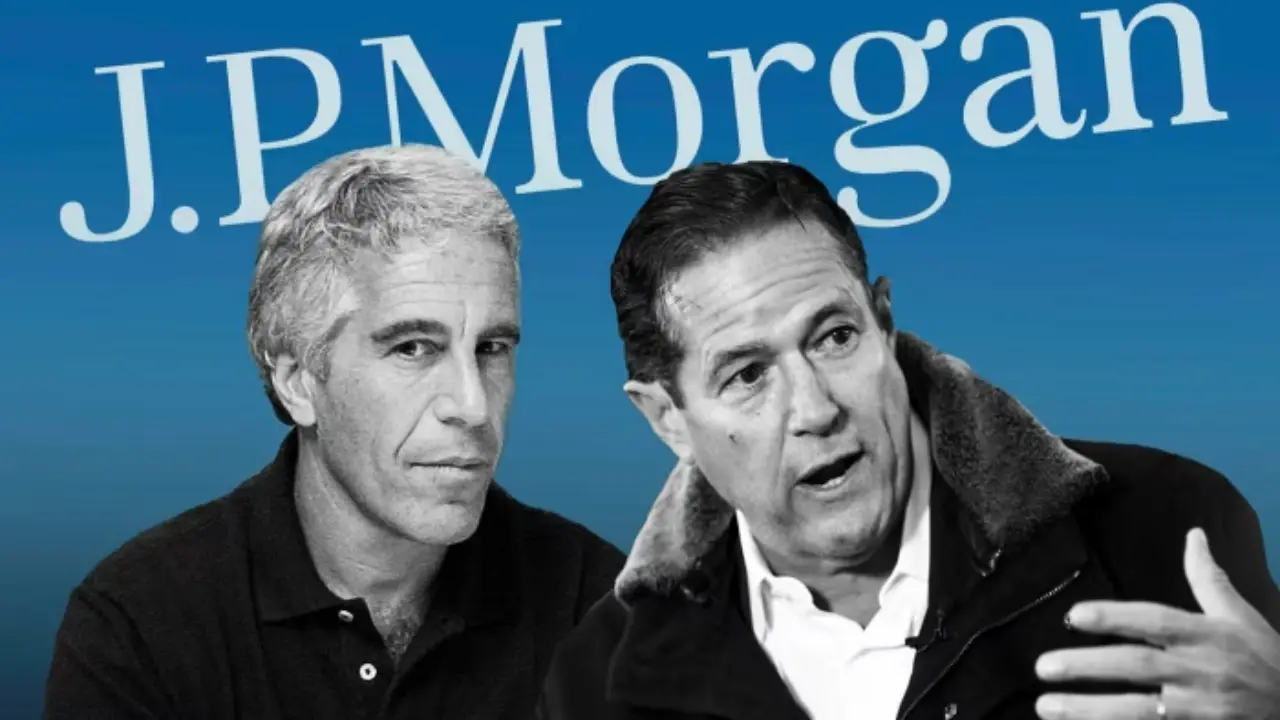
JP Morgan paid $290 million to settle claims that it ignored repeated red flags while banking Jeffrey Epstein. Court records say the deal was meant to compensate victims and avoid a public trial, without the bank admitting legal liability or criminal wrongdoing.
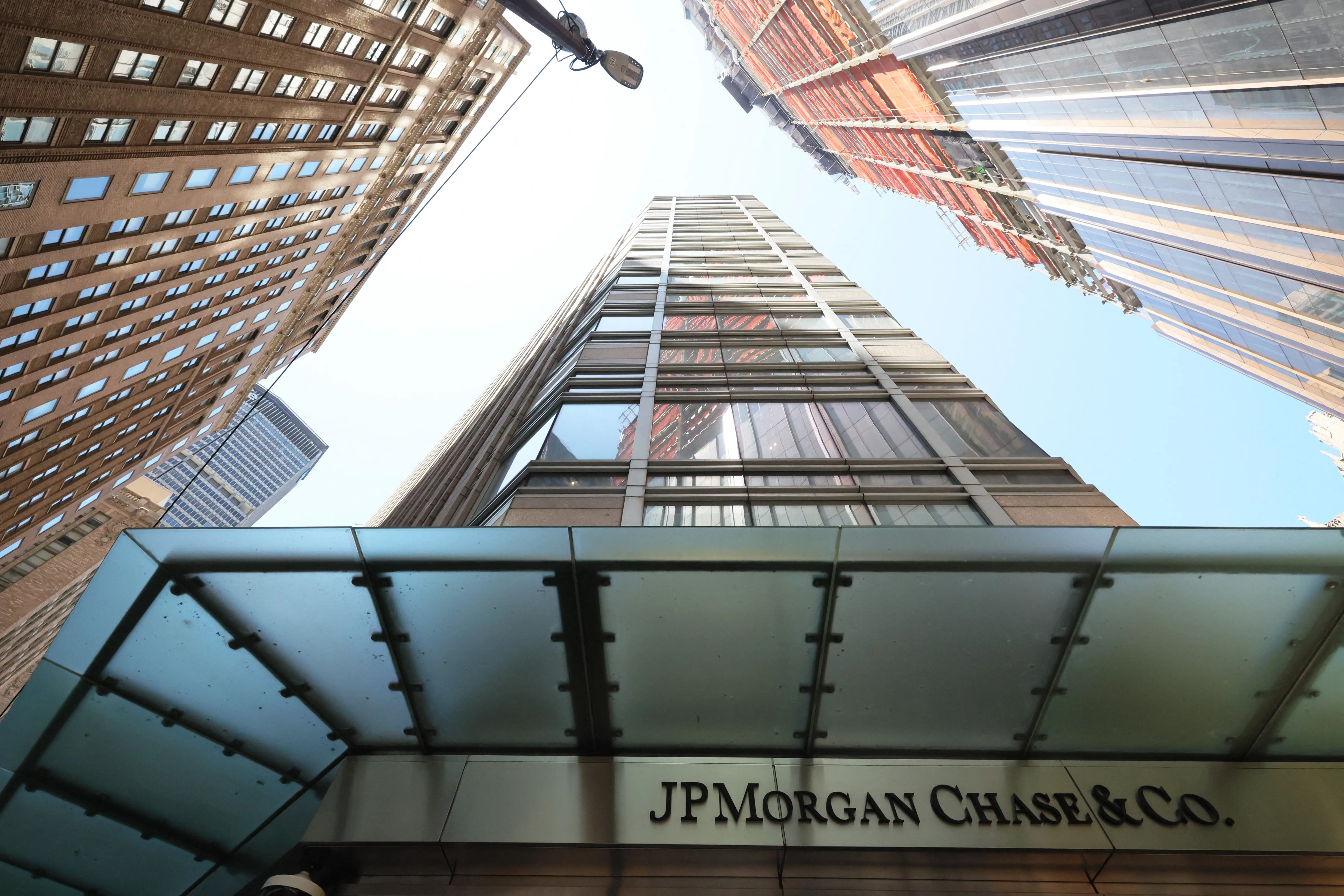
A $290 Million 'Mistake': Settling with Victims
JP Morgan Chase agreed to pay $290 million to settle a class-action lawsuit filed by victims of Jeffrey Epstein. The New York Times reports this massive payout resolves claims that the bank knowingly facilitated Epstein's sex trafficking operation for over a decade.
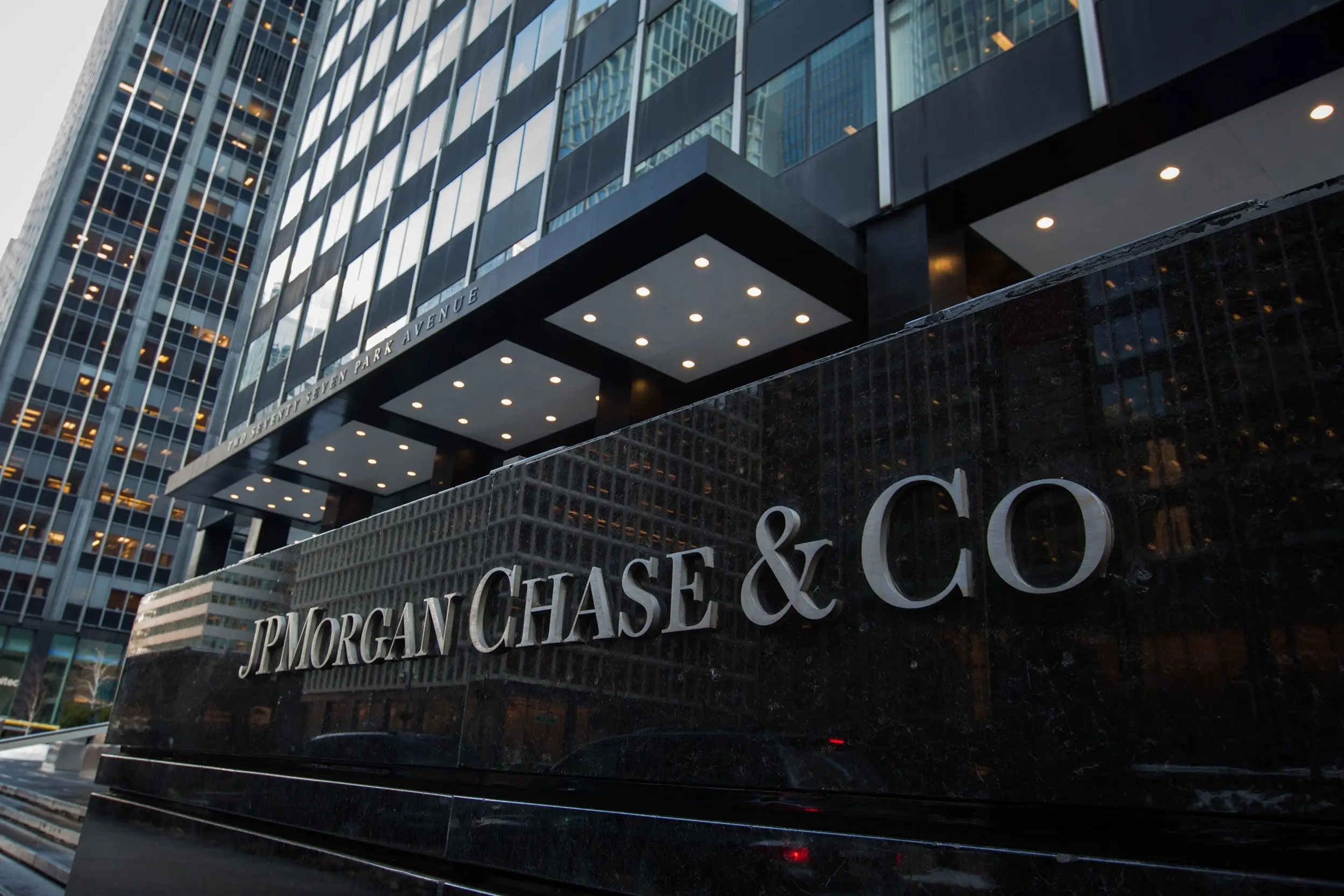
The Core Allegation Choosing Profit Over Safety
The lawsuit alleged that JP Morgan prioritised profits over legal and moral obligations. BBC News notes that accusers claimed the bank "turned a blind eye" to Epstein's crimes to keep him as a wealthy client, despite his 2008 conviction for soliciting a minor.
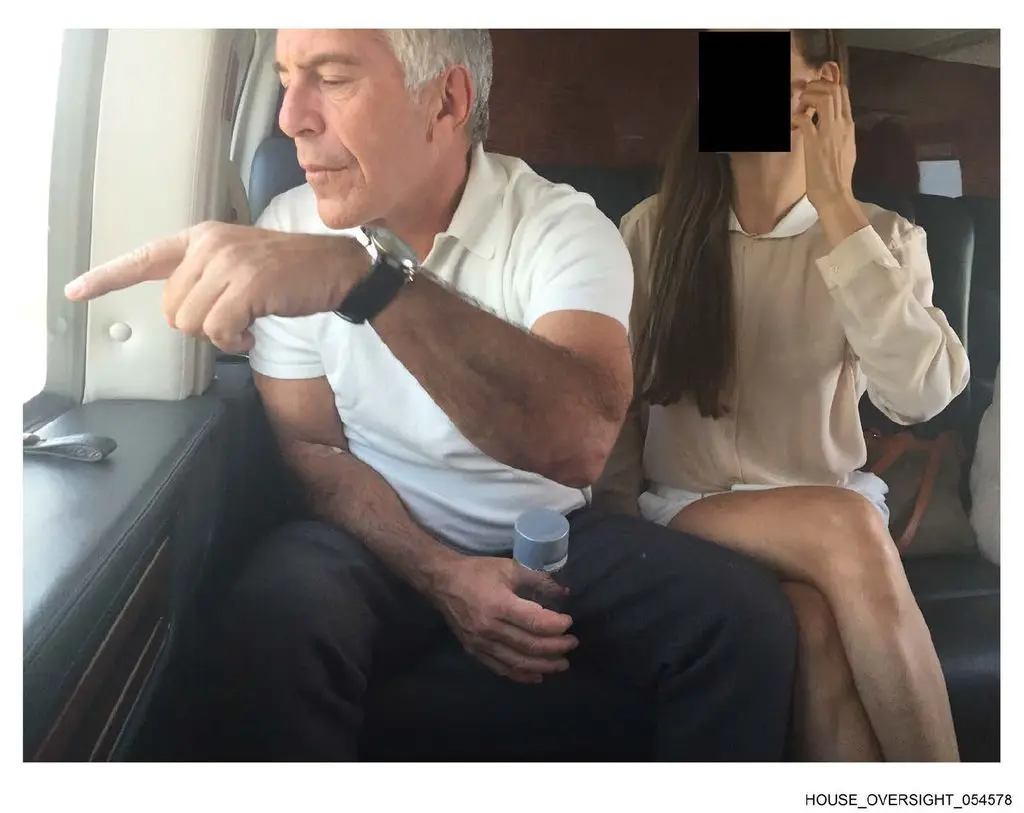
Ignoring 'Red Flags' Suspicious Cash Withdrawals
Court documents revealed that Epstein made massive cash withdrawals often $40,000 to $80,000 a month from his accounts. CNBC reports that compliance officers flagged this "suspicious activity" repeatedly, yet the bank continued to process the transactions without intervention.
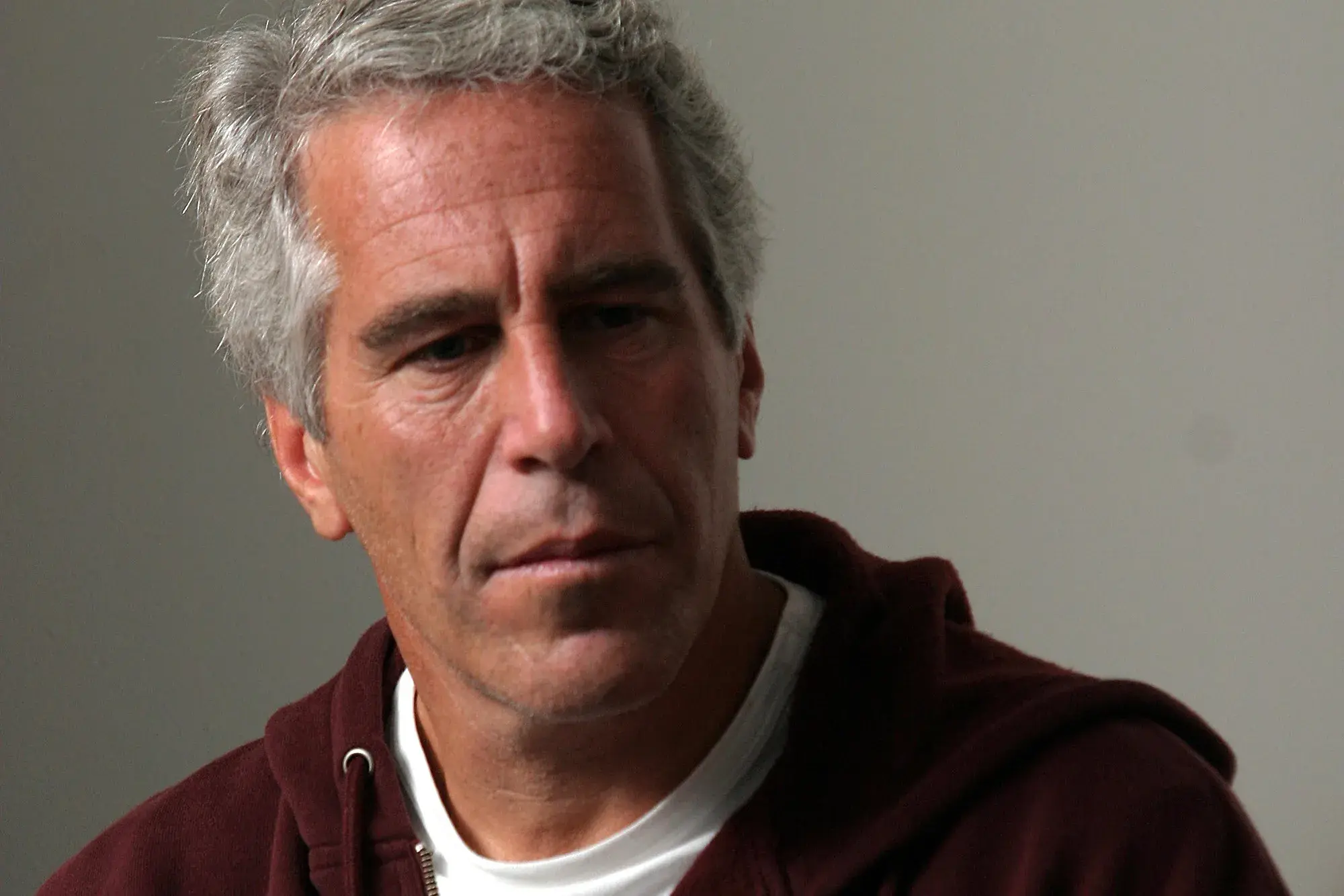
Payments to Victims "Tuition" and "Rent"
Bank records showed frequent transfers to young women with Eastern European surnames. The Guardian highlights that when questioned, Epstein claimed these were for "tuition" or "rent," explanations that investigators say were obvious covers for illicit payments.

The Jes Staley Connection Friendship with the Financier
Jes Staley, a former top executive at the bank, was closely linked to Epstein. Emails released during the lawsuit showed a warm personal relationship, with Staley allegedly shielding Epstein from internal scrutiny to maintain the bank's business ties.
Providing 'Financial Infrastructure' Banking the Trafficking
Ring Lawyers for the victims argued that a sex trafficking ring cannot operate without a bank. Reuters states the lawsuit claimed JP Morgan provided the essential "financial infrastructure" that allowed Epstein to pay recruiters and victims across international borders.

Late Reporting of Crimes Retroactive Warnings
While Epstein was a client from 1998 to 2013, the bank filed very few Suspicious Activity Reports (SARs) during that time. It was only after his 2019 arrest that they filed reports covering billions in transactions too late to stop the abuse.

The Virgin Islands Lawsuit A Separate $75 Million
In addition to the victim settlement, JP Morgan paid $75 million to the U.S. Virgin Islands. AP News reports this separate deal settled claims that the bank facilitated human trafficking in the territory where Epstein owned his private island.

JP Morgan’s Defense "Regret" but No Liability
In its official statement, JP Morgan admitted that associating with Epstein was a "mistake" and expressed "regret." However, the bank did not admit to legal liability, maintaining that they did not know the specific nature of his crimes at the time.
Why They Settled Avoiding a Public Trial
Legal analysts suggest the bank settled to avoid a damaging public trial that would expose more internal emails. Bloomberg notes that paying $290 million allowed the bank to close a dark chapter and avoid further reputational harm from daily court revelations.
)
)
)
)
)